 Skip to content
- What Are The Main Risks Of Visiting Timor-Leste In The Wet Season?
Expect road closures and limited sea access. From December to March, the wet season brings heavy tropical downpours that frequently turn unpaved roads into muddy, impassable tracks, especially in the remote eastern regions like Jaco Island and Tutuala. Ferry services to the iconic island of Atauro may be cancelled at short notice due to rough seas and high winds.
However, this is when you Exploit Travel Seasonality for dramatic landscapes. The countryside explodes into a vibrant green rarely seen by dry-season tourists, and the waterfalls near Dili (like Tasitolu or Bandeira) flow at their most spectacular power. You will also experience local life without any other foreigners around.
- How Much Money Can I Save By Traveling To Timor-Leste Off-Season?
You can save up to 30% on accommodation and domestic flights. During the wet season months, guesthouses in Dili and beach bungalows in Com drop their nightly rates significantly to attract any visitors. Domestic carrier Aero Dili often reduces fares on the Dili to Oecusse route by nearly 25% compared to the peak August demand.
By visiting smart, you unlock Better Value for your entire adventure. The savings on lodging could cover a private 4x4 vehicle with a local driver for a week, which is the smartest way to navigate muddy roads anyway. While international flights may not drop drastically, your daily on-the-ground costs become remarkably low for a Southeast Asian destination.
- Is The Diving Really Bad During The Rainy Season?
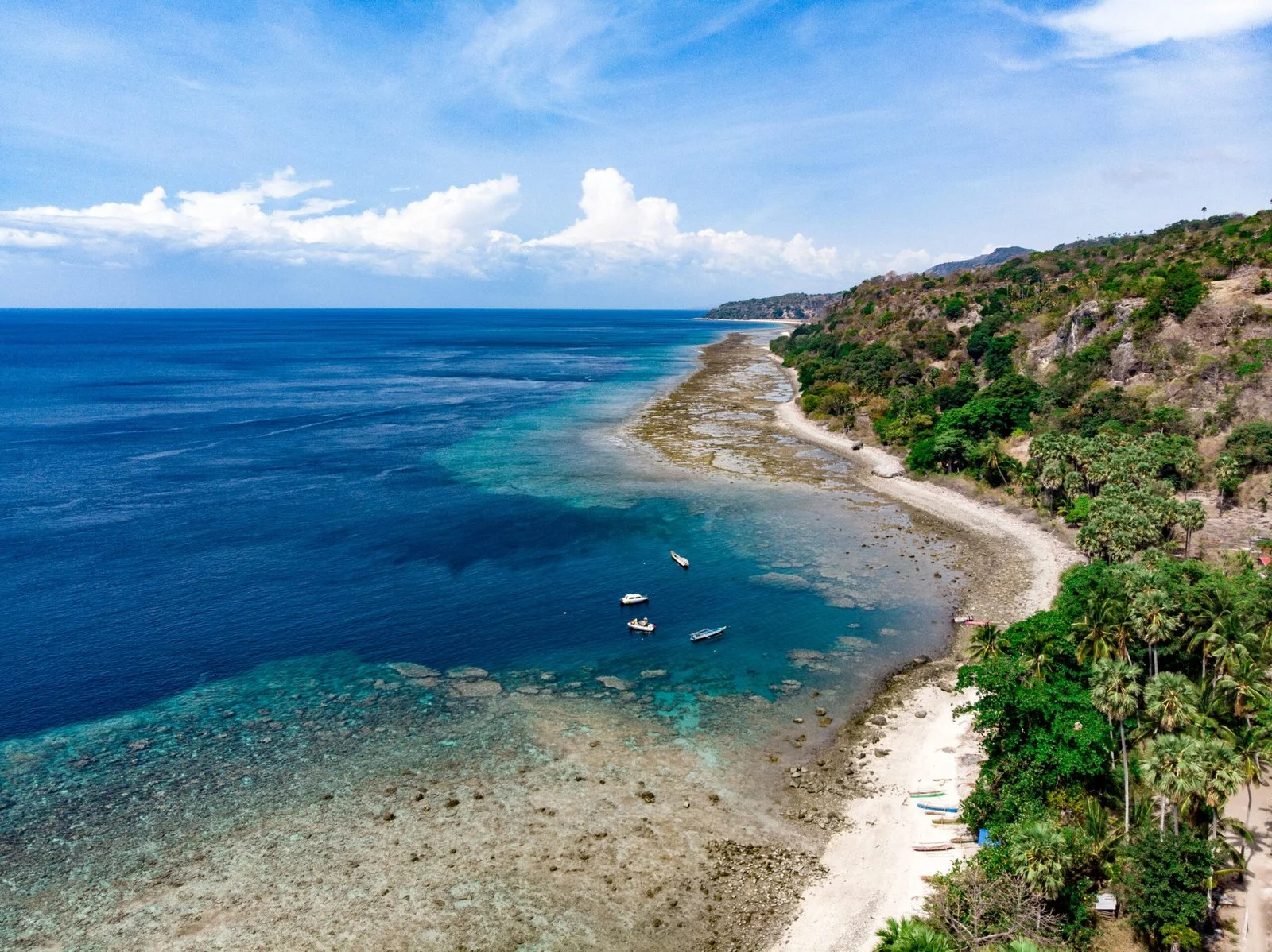
No, the diving is still world-class, though visibility drops slightly. Timor-Leste sits in the Coral Triangle, so even during the wet season (December to March), the reefs around Atauro Island remain spectacularly healthy. You might experience 15-20 meters of visibility instead of 30-40 meters, which is still excellent by global standards. Water temperatures stay warm around 28°C (82°F).
The drawdown is that surface conditions can be choppy. Boat trips to remote dive sites may feel bumpy, and some operators run reduced schedules. However, you will often have dive sites entirely to yourselves, with Fewer Crowds than in the peak dry season.
- Will I Still Be Able To Hike To The Cristo Rei Statue In The Rain?
Yes, absolutely, but go early in the morning. The iconic Cristo Rei of Dili statue, perched on a hilltop overlooking the bay, remains accessible year-round. The 570-step climb is actually more pleasant in the wet season because cloud cover keeps temperatures cooler, and the views of the coastline are often moody and dramatic rather than hazy.
The challenge is that the steps become slippery after rain, so proper footwear is essential. The drawdown is that afternoon thunderstorms may roll in suddenly, but the reward is having this national landmark almost entirely empty. Dry-season visitors often queue for photos; you will likely have the entire hilltop to yourself.
- Why Should I Avoid The Peak Dry Season In Timor-Leste?
You should avoid it if you dislike dust, intense heat, and crowded ferries. The dry season (May to November) brings temperatures regularly exceeding 35°C (95°F) with almost no cloud cover, making midday exploration exhausting. More importantly, August and September see a surge of domestic travel and visitors from Darwin, Australia, meaning ferries to Atauro Island sell out days in advance and prices rise by nearly 20%.
By choosing the shoulder or wet season instead, you embrace Smart Travel principles. You will enjoy greener landscapes, cooler trekking temperatures thanks to cloud cover, and significantly better hotel availability. While you need flexibility for sea crossings, the authentic, crowd-free experience of a country still discovering tourism is worth every raindrop.

Home > Exploit The Seasons > Seasonal World Map > Asia > Timor-Leste
EAST TIMOR
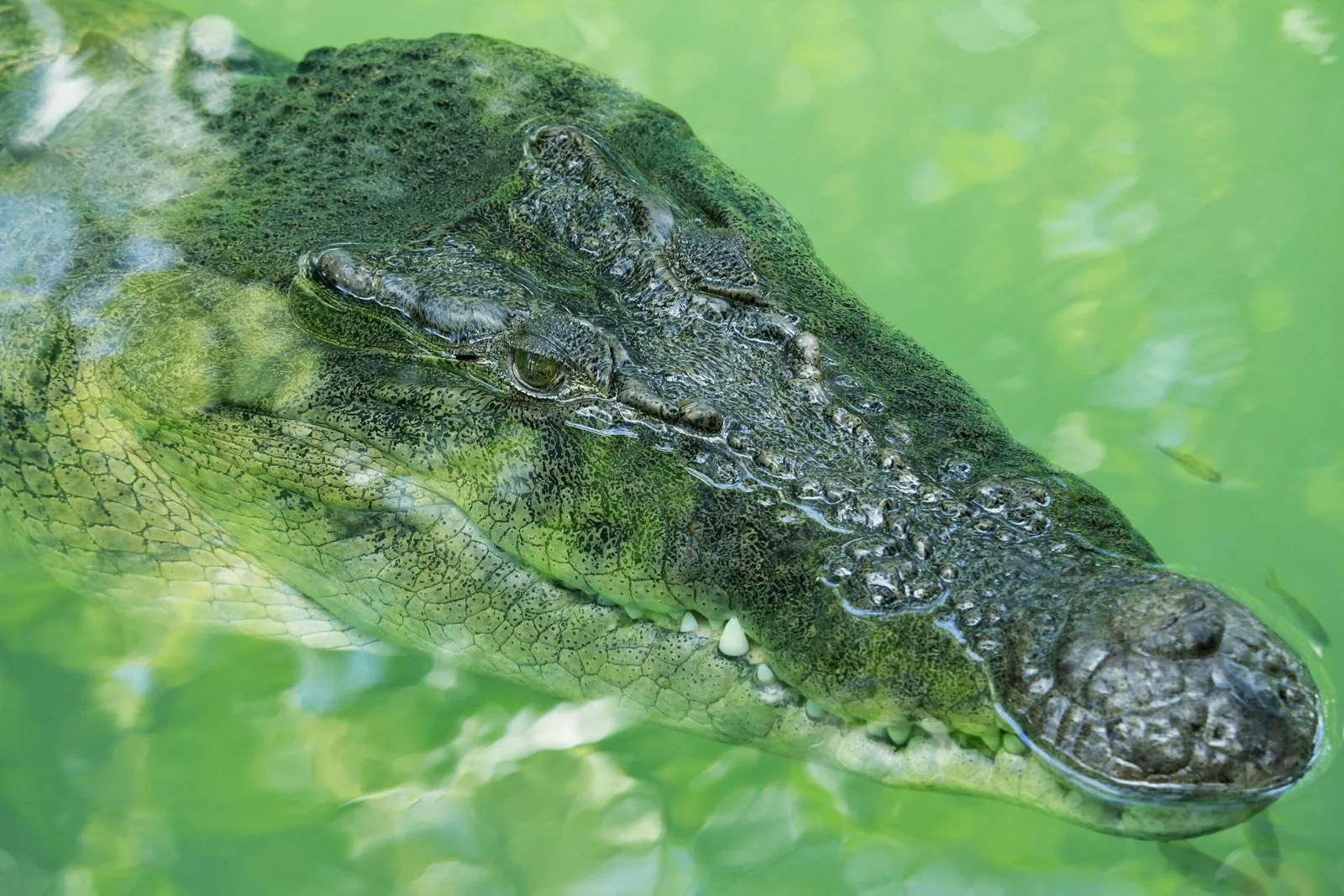
Timor-Leste reveals its soul when the rains retreat: cobalt waters, misty mountain coffee plantations, and crocodile-storied shores. This guide unlocks the best windows for vibrant culture, world-class diving, and genuine adventure without the crowds.
Smart Travel Calendar
Why Choose Timor-Leste Off-Season?
Roads That Actually Cooperate. The dry season means the notorious red clay routes to remote villages are passable and safe .
Blue Whales by the Shore. October and November offer rare chances to see blue whales migrating past the waters of Atauro Island .
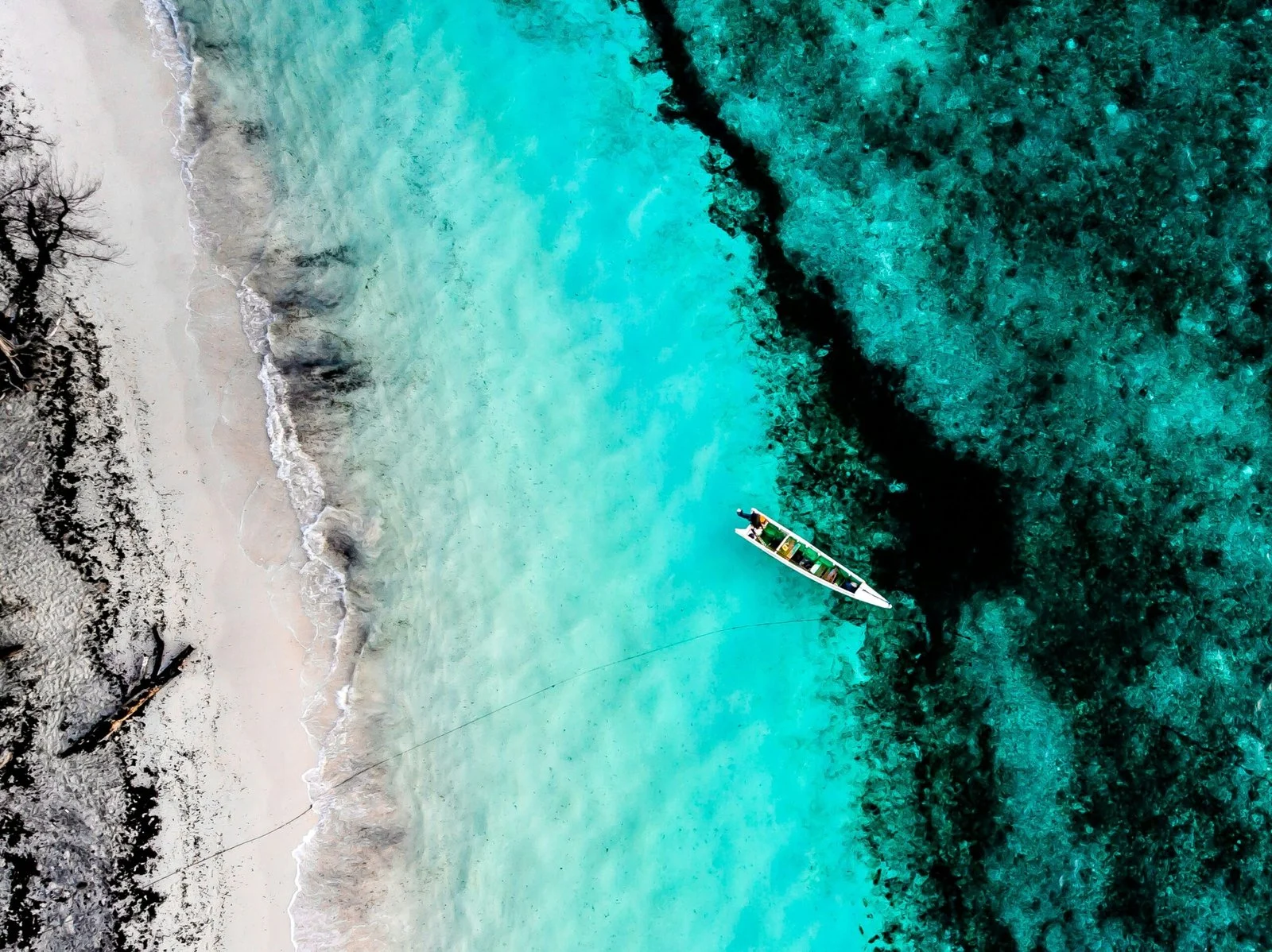
Diving Without the Current. From May to October, calm seas and peak visibility turn Atauro into a world-class diving sanctuary .
Coffee Harvest Freshness. Visit mountain villages like Maubisse during the harvest for the freshest organic coffee straight from the source .
Authentic Festival Energy. Time your visit with the Lafaek Diak Festival for traditional dance, crocodile stories, and local connection .
Serenity at Cristo Rei. Enjoy sunrise at the iconic statue with only local joggers, not a tour bus in sight .
Shoulder Season
Your Smartest Windows
May to June
September to November
Avoid: Late August to early September if you dislike crowds; this is when the Tour de Timor mountain bike race brings significant congestion to rural areas .
What the Sky Does
Average: 27°C to 31°C (81°F to 88°F). The oppressive humidity of the monsoon breaks into pleasant warmth .
Magical Mornings: Typically crystal clear skies until midday, perfect for hiking Mt. Ramelau .
The “Dry” Signal: You can expect less than 70mm of rain per month (compared to 300mm+ in winter) .
How Empty It Feels
Up to 50% fewer tourists compared to the July-August Australian school holiday peak .
Dili Waterfront: The seafood (barbecue) stalls on Areia Branca have empty tables right at sunset .
Atauro Ferries: You can get a spot on the Friday ferry without booking weeks in advance .
What You’ll Save
Flights: Good Value. Fares from Bali and Darwin drop significantly after the summer holidays .
Hotels: Expect Moderate Prices . You won’t pay the peak markups, but homestays are open .
Scooter Rental: Prices drop from 20/day peak to 15/day or less .
The Secret Perk
Whale Watching Magic. October and November are statistically the best months to spot the elusive blue whale off Atauro Island .
Carnival Season. If visiting in May/June, look for Festa de Baucau featuring traditional Likurai dances and parades .
Golden Hour Photography. The dry air creates sharp, clear sunsets over the Dili bay without the haze.
The Tiny Trade-Off
Sea Sickness Risk. While the seas are calmer than winter, transitional months can still have choppy afternoons on the ferry to Atauro.
Dusty Roads. The dry dirt turns to dust; pack a mask or bandana for scooter rides.
End of the Mangoes. You miss the massive mango season (Dec-Feb), though other tropical fruits are available.
Smart Traveler Tip
Target Late September. You get the tail end of the absolute dry season, lower prices before the Oct-Nov whale-watching surge, and perfect ocean conditions without the July-August rush
Deep Off-Season
Your Smartest Windows
December to April
Avoid: Late December to January. Accommodations and transport are strained by local travel for Christmas and New Year, plus torrential rain .
What the Sky Does
Average: 25°C to 30°C (77°F to 86°F). Extremely high humidity (85%+) and daily tropical downpours .
The Great Washout: February and March see average rainfall exceeding 250mm, often flooding low-lying streets .
Lush Interior: The mountains around Maubisse turn a vibrant, deep green – beautiful for photography despite the mist .
How Empty It Feels
60-70% fewer international tourists. You will often have the road entirely to yourself.
Museums: The Timor-Leste National Museum and Santa Cruz Cemetery are silent, offering deep reflection without interruption .
Local Life: In rural areas, rain means villagers stay indoors, offering a very quiet, slow-paced local feel.
What You’ll Save
Hotels: Lowest Prices. Luxury hotels slash rates by up to 40% to lure any guests .
Activities: Negotiation power is high; you can often book a private snorkeling boat for the price of a shared one.
Flights: Very Low Prices connecting through Bali or Darwin .
The Secret Perk
“Carnaval” Time. Experience Carnival de Baucau (Feb/March) – a fusion of Portuguese and Timorese culture with masquerades and street parties .
Raging Waterfalls. Waterfalls like those near Lautem are thunderous and spectacular, unlike the dribble of the dry season .
Genuine Connections. With no rush, homestay families invite you inside to escape the rain, sharing stories over local tuaka (palm wine).
The Tiny Trade-Off
Ferry Cancellations. The fast ferry to Atauro Island is frequently cancelled due to rough seas; the slower cargo boat is miserable in the rain .
Mud Troubles. Trekking to Jaco Island is nearly impossible as the trails become mud pits .
Power Outages. Heavy storms occasionally knock out power in remote villages for hours.
Smart Traveler Tip
The Plastic Bag Packing Hack. Line your backpack with a heavy-duty trash bag. Even the best rain cover leaks on Timorese microlets (buses) during monsoon season .
Find Off-Peak Flights
FAQs
Essential Trip Information
Visa and Entry Requirements
Most visitors require a visa on arrival valid for 30 days, extendable up to 90 days.
Passport validity should be at least six months beyond your planned stay.
Proof of onward travel and sufficient funds may be requested on arrival.
Currency
Timor-Leste uses the U.S. Dollar (US$). The country also mints its own centavo coins (1, 5, 10, 25, 50, 100 centavos), which are equivalent in value to US cents.
Best Ways to Handle Currency
Before Your Trip: It is highly recommended to bring sufficient US dollars in cash, especially smaller denominations.
During Your Trip: ATMs are limited, mostly found in Dili, and generally only accept Visa cards (Mastercard often rejected). All ATMs charge a fee (typically US$5). Credit card acceptance is rare outside of high-end hotels in Dili. Carry plenty of cash for most transactions.
What to Avoid: Relying solely on credit/debit cards, especially outside Dili.
Language
Tetum and Portuguese are the official languages. Indonesian and English are also commonly used, especially in Dili.
Helpful phrases in Tetum:
Hello: Elo
Thank you: Obrigadu (m) / Obrigada (f)
Please: Favór ida
How are you?: Diak ka lai?
Excuse me: Kolisensa
Where is…?: Iha nebee?
Safety & Security
Exercise a high degree of caution. Petty crime, including pickpocketing, can occur, especially in crowded areas. Violent crime is less common but can happen.
Avoid isolated areas, especially at night.
Be aware of your surroundings and do not display signs of wealth.
Road conditions are poor, and travel at night outside Dili is not recommended.
Crocodile attacks have been reported in coastal areas; follow local advice.
Timor-Leste is in an active seismic zone; be aware of earthquake and tsunami risks.
Emergency numbers:
Ambulance: 110
Fire: 115
Police: 112
Health & Insurance
No specific vaccinations are officially required unless you are arriving from a yellow fever-infected country. However, several are highly recommended, including Hepatitis A, Hepatitis B, Typhoid, and Japanese Encephalitis. Consult a healthcare professional at least 6-8 weeks before your trip.
Travel insurance with medical evacuation coverage is strongly recommended, as healthcare facilities are limited, particularly outside Dili.
Pharmacies are available in Dili but may not stock all medications; bring any necessary prescription drugs with you.
Tap water is generally not safe to drink unless boiled or treated. Bottled water is widely available.
Be mindful of mosquito-borne diseases like dengue fever; use insect repellent.
Transportation
Local transport mainly via minibuses (rutas) and taxis in Dili.
Renting 4WD vehicles recommended for exploring rural areas.
Roads can be rough; allow extra travel time.
Domestic flights available but limited.
Price Level
Timor-Leste is affordable but with limited luxury options.
Accommodation:
Budget: Guesthouses ($15–30/night)
Mid-range: Small hotels ($40–80/night)
Luxury: Boutique resorts ($100+/night)
Food:
Local meals: $3–7
Western-style restaurants: $10–20 per person
Drinks:
Beer: $2–4 in bars
Bottled water: $1
Transportation:
Minibus rides: under $1–2
Taxis in Dili: $5–15 per trip
Money-Saving Tips
Eat at local warungs for authentic and cheap meals.
Use shared minibuses for longer trips.
Book accommodations directly to avoid extra fees.
Planning Your Trip
Local Customs And Etiquette
Respect local traditions: Timor-Leste is a deeply traditional society with strong community ties. Always greet elders first and use polite language.
Dress modestly: Especially in villages and religious sites, avoid revealing clothing. Lightweight, breathable fabrics are ideal for the tropical climate (avg. 75–88ºF / 24–31ºC).
Greetings: A handshake or slight bow is common. Use your right hand when giving or receiving items.
Photography: Ask permission before photographing people, especially in rural areas or during ceremonies.
Tipping: Not customary, but appreciated for excellent service—US$1–2 for guides or drivers.
Avoid politics: The country’s history is sensitive. Steer clear of political debates or criticisms in casual conversations.
Budgeting For Your Trip
Accommodation:
- Guesthouses/hostels: US$15–40 per night
- Mid-range hotels: US$50–120 per night
- Luxury lodges/resorts: US$150+ per night
Food:
- Street food/snacks: US$1–3
- Casual local meals: US$5–10
- Western-style or upscale dining: US$15–30
Transport:
- Tuk-tuks and motorbike taxis: US$1–3 per short trip
- Car rentals with driver: US$50–80 per day (recommended due to road conditions)
Activities:
- Guided cultural tours: US$20–50
- Diving/snorkeling trips: US$40–100
Daily Budget:
- Budget: US$40–60 (guesthouses, street food, local transport)
- Mid-range: US$80–150 (hotels, sit-down meals, tours)
- Luxury: US$200+ (private guides, upscale lodging, diving excursions)
Internet & Mobile
Wi-Fi: Mostly available in hotels, cafes, and some restaurants, but can be slow outside Dili.
SIM Cards: Timor Telecom and Telkomcel offer prepaid SIMs with data packages starting at US$5 for 1–2 GB.
eSIMs: Limited availability, so a physical SIM is generally preferred.
Travel Insurance
Highly recommended: For medical emergencies, trip cancellations, and potential evacuation.
Medical facilities: Limited outside Dili—ensure your insurance covers evacuation.
Adventure activities: Check coverage carefully if planning diving or hiking in remote areas, as some policies exclude such activities.
Accomodation Options
Timor-Leste offers a variety of lodging to suit all budgets and preferences.
Luxury: Beach resorts and boutique lodges offering modern amenities and often scenic views.
Mid-range: Comfortable hotels and eco-lodges with local character and good facilities.
Budget: Guesthouses, hostels, and homestays that provide basic but clean accommodation at affordable prices.
Unique stays: Village homestays for cultural immersion and beach huts near islands for diving enthusiasts.
Tip: Book well in advance during the peak dry season (July–September) when tourism activity is higher.
Getting Around
Travel infrastructure is developing, so planning is essential.
Road travel:
- Roads can be rough, especially in the rainy season (Nov–Apr).
- Hiring a 4×4 with driver (US$50–80/day) is the safest and most common way to explore beyond Dili.
Public transport:
- Mini-buses (Hiace vans) operate between main towns but are irregular and often crowded.
Motorbike rentals:
- Available in Dili for about US$10–15/day—only recommended for experienced riders.
Ferries and boats:
- Regular ferry to Atauro Island (US$10–15 one-way).
Domestic flights:
- Limited but available between Dili and Oecusse. Book early.
In cities/towns:
- Walking is feasible in Dili’s central areas. Tuk-tuks and motorbike taxis are common for short trips (US$1–3).