 Skip to content
- What Are The Real Dangers Of Visiting Northern Pakistan During Monsoon?
Landslides and road blockages are serious risks from July to August. The Karakoram Highway (KKH) is frequently shut down in areas like Chilas and the Sost-Gulmit stretch when heavy rains saturate the mountain slopes . Flash floods can also swell the Indus and Hunza rivers, damaging roads to valleys like Skardu and Astore, while phone and internet services often fail after major landslides .
However, this is exactly when you Exploit Travel Seasonality for jaw-dropping beauty. The rain breathes life into the valleys, waterfalls gush everywhere, and the air becomes crystal clear . You will see the northern landscapes at their most vibrant green, with roughly 40% fewer tourists than the summer peak .
- How Much Can I Save By Traveling To Pakistan In The Low Season?
You can save roughly 30% to 50% on tour packages and accommodation. Traveling during the off-season (October to March) means hotels, transport, and meals cost significantly less compared to the crowded summer months, with many companies offering discounted rates for northern destinations like Hunza . Mid-range hotels in the north drop by 30-50%, while luxury properties in Lahore offer winter discounts as well .
By visiting smartly, you unlock Better Value for your entire trip. The savings on accommodation alone could upgrade you to a private 4x4 vehicle with an experienced driver for the Karakoram Highway—the safest way to navigate mountain roads anyway . While domestic flights to Gilgit and Skardu are at their cheapest, your daily on-ground costs become remarkably low for such a stunning destination .
- Is It Safe To Visit Hunza Valley During The Snowy Winter Months?
Yes, Hunza is generally safe during winter, but weather can be unpredictable. From December to February, the valley transforms into a winter wonderland with snow covering the iconic Passu Cones, Rakaposhi, and Attabad Lake . The main town of Karimabad stays open, and you can still explore Baltit Fort, Altit Fort, and local cafes, though the Khunjerab Pass may close if snowfall gets heavy .
The drawdown is that some roads may close temporarily, and boating on Attabad Lake is limited. But the reward is massive: you will have the Fewer Crowds advantage almost entirely to yourself. Sunsets from Eagle's Nest viewpoint are magical with clear winter skies, making it a dream destination for photographers and honeymooners . Pack warm clothing, boots, and always travel with an experienced local driver who knows the conditions.
- Will I Be Able To Trek And Explore The Karakoram Highway In The Off-Season?
Yes, but trekking is best from September to November or March to May. The autumn months offer perfect trekking conditions with clear skies, dramatic fall foliage in the north, and comfortable daytime temperatures . The winter months (December to February) make higher-altitude trekking difficult or impossible due to deep snow, though lower elevations remain accessible for light walking .
To Exploit Travel Seasonality, aim for September and October when the weather is dry, the skies are blue, and tourist numbers drop by nearly 40% compared to the chaotic summer peak . The Karakoram Highway is less crowded, and you will have viewpoints like Fairy Meadows or Passu Glacier nearly to yourselves. Just keep an eye on road conditions and always hire a licensed guide—professional operators prioritize safety over pushing into high-risk areas .
- Why Should I Avoid The Peak Summer Season In Pakistan?
You should avoid it if you dislike intense heat in the cities and dangerously overcrowded northern roads. From June to August, cities like Lahore and Islamabad bake at 35-45°C (95-113°F), while the northern valleys are packed with domestic tourists escaping the heat . The KKH becomes a traffic nightmare, hotels are fully booked months in advance, and prices for everything skyrocket .
By choosing the autumn (September to November) or spring (March to May) instead, you embrace Smart Travel principles. You will enjoy pleasant temperatures, blooming landscapes in spring or golden foliage in autumn, and the same stunning mountain views for nearly 30-40% less on packages . The tiny trade-off is cooler evenings, but the absence of peak-season crowds makes every sunrise over the Passu Cones feel like a private discovery.

Home > Exploit The Seasons > Seasonal World Map > Asia > Pakistan
PAKISTAN
Pakistan shifts from the snow-dusted peaks of Hunza to the golden, apricot-scented valleys of autumn. This guide unlocks the best windows for serene mountain escapes, cultural immersion, and incredible value across the Northern Areas.
Smart Travel Calendar
Why Choose Pakistan Off-Season?
Snow-Capped Solitude. Experience Hunza’s Passu Cones and Naran’s valleys as a white winter wonderland without the summer crowds .
Cherry Blossom Serenity. Witness the Hunza Valley burst into soft pink blooms during early spring, a photographer’s secret dream .
Golden Autumn Walks. Walk beneath golden foliage in Skardu and Hunza when the air is crisp and the tourist rush has vanished .
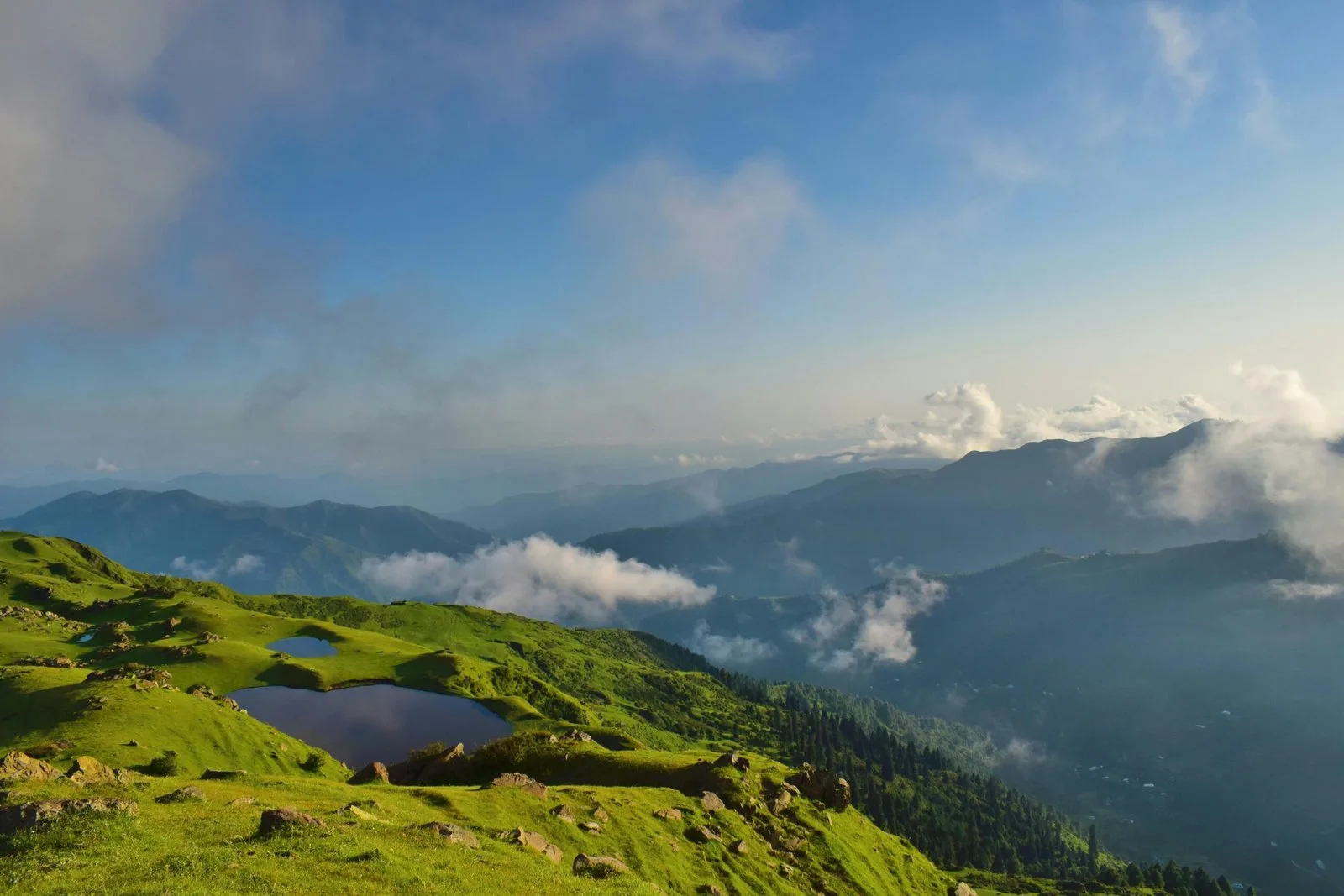
Dramatic Monsoon Greens. Punjab transforms into lush, rain-washed landscapes with dramatic skies and misty mornings .
Budget-Friendly Trekking. Enjoy wallet-friendly travel (packages drop 30-40%) while trekking the Karakoram Highway’s quieter trails .
Real Cultural Stays. Engage with locals in Kalash or Swat valleys without the hurry, learning traditions over slow cups of tea .
Shoulder Season
Your Smartest Windows
April to May
September to October
Avoid: Mid-July to August (Monsoon) – While beautiful, heavy rains in the northern areas (Naran/Swat) can cause road closures and landslides .
What the Sky Does
Average: 15°C to 28°C (59°F to 82°F). Mild, sunny days with cool, crisp evenings .
Spring Bloom: The air is fresh, and the valleys (especially Swat) are covered in blooming orchards .
Autumn Gold: October offers spectacular golden and orange foliage in the northern mountains with crystal clear visibility .
How Empty It Feels
40% fewer tourists compared to the summer peak (June-August) .
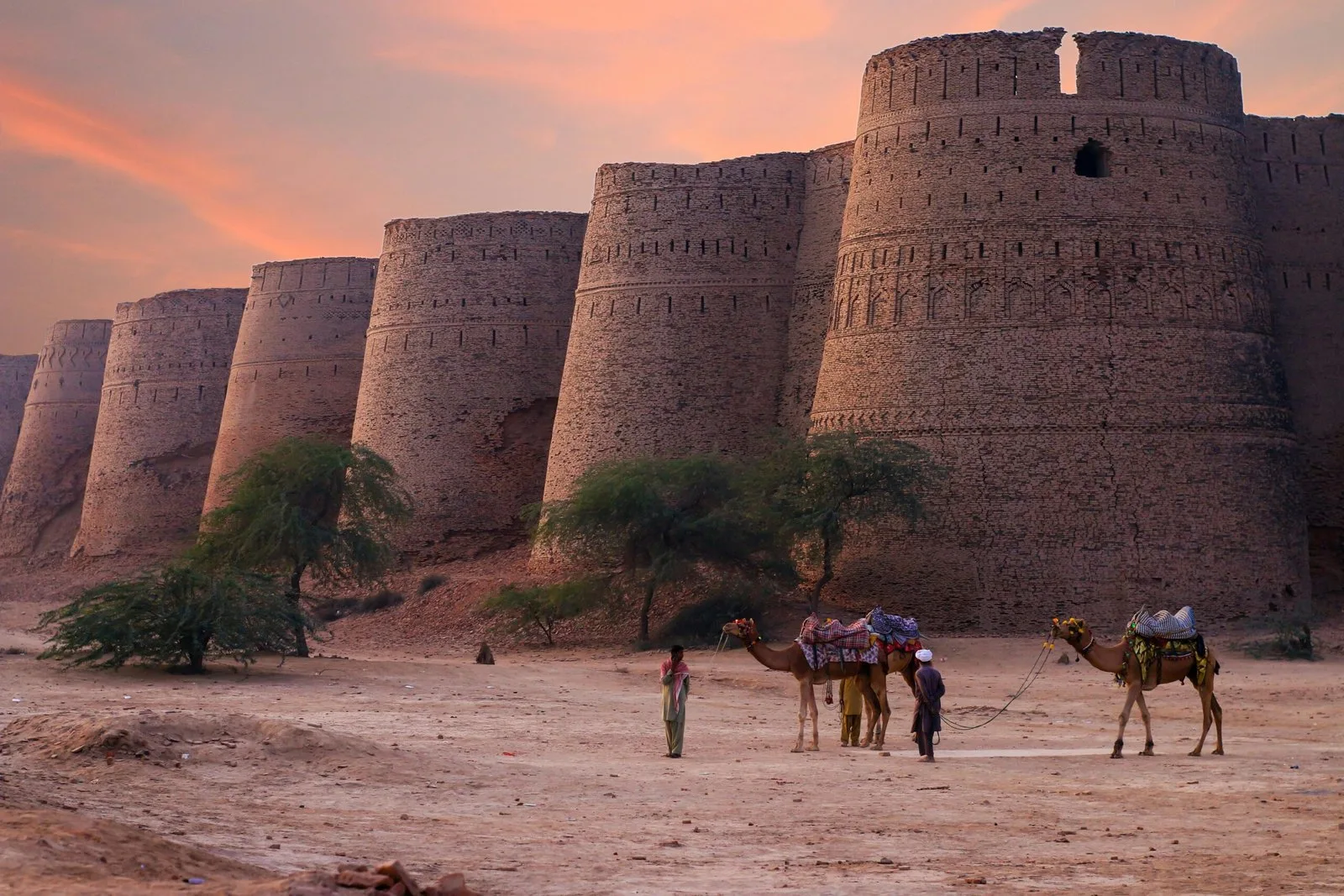
Hunza Valley: You can explore Baltit Fort and Eagle’s Nest viewpoint without the high-season traffic .
Saif ul Malook: The famous lake is peaceful, offering morning reflections without the jeep queues .
What You’ll Save
Flights: Lowest Prices of the year, particularly cheap in April and September .
Hotels: Good Value. Mid-range hotels drop to around $40-60 USD, significantly lower than summer rates .
Transport: Private car rentals for the Karakoram Highway are highly negotiable.
The Secret Perk
The Apricot Harvest. Visit in late spring to see traditional apricot drying in Hunza villages.
Mela Chiraghan (Festival of Lights). If visiting in late March, experience this vibrant Punjabi festival in Lahore .
Photography Heaven. The soft sunlight and dramatic snowy backgrounds (Hunza) or golden foliage (Skardu) offer perfect landscape shots .
The Tiny Trade-Off
The “Mud” Season. In March, snow melt can make some high-altitude trekking trails slushy.
Unpredictable Showers. October is usually dry, but late April might see brief spring showers.
Variable Lake Levels. Some high-altitude lakes (like Mahodand) may still be partially frozen in early April .
Smart Traveler Tip
Target Late September to October. You get the tail end of the summer heat, zero monsoon rain risk, plus the golden autumn colors in the north, all at lower post-summer prices .
Deep Off-Season
Your Smartest Windows
December to February
July to August (Northern Lowlands/Monsoon)
Avoid: Late December to early January (Winter Solstice). While beautiful, heavy snowfall often closes the Karakoram Highway and access to Naran/Kaghan .
What the Sky Does
Average: 0°C to 15°C (32°F to 59°F) in North; Temperatures in the South (Karachi) remain mild (15-25°C) .
Heavy Snow: Northern areas like Hunza, Swat, and Naran turn into a “winter wonderland” with heavy snowfall .
Mild South: The southern plains (Lahore/Islamabad) are cool and dry with crisp, sunny days, perfect for sightseeing.
How Empty It Feels
Up to 80% fewer tourists in the northern mountains .
Historic Sites: The Mohenjo-daro ruins feel like a private archaeological exploration .
Small Towns: Villages in Kalash Valley feel absolutely silent and deeply authentic .
What You’ll Save
Hotels: Very Low Prices. Rates drop 30-50% in the north, while luxury hotels in Lahore offer winter discounts .
Internal Travel: Airfare to Gilgit and Skardu is at its cheapest .
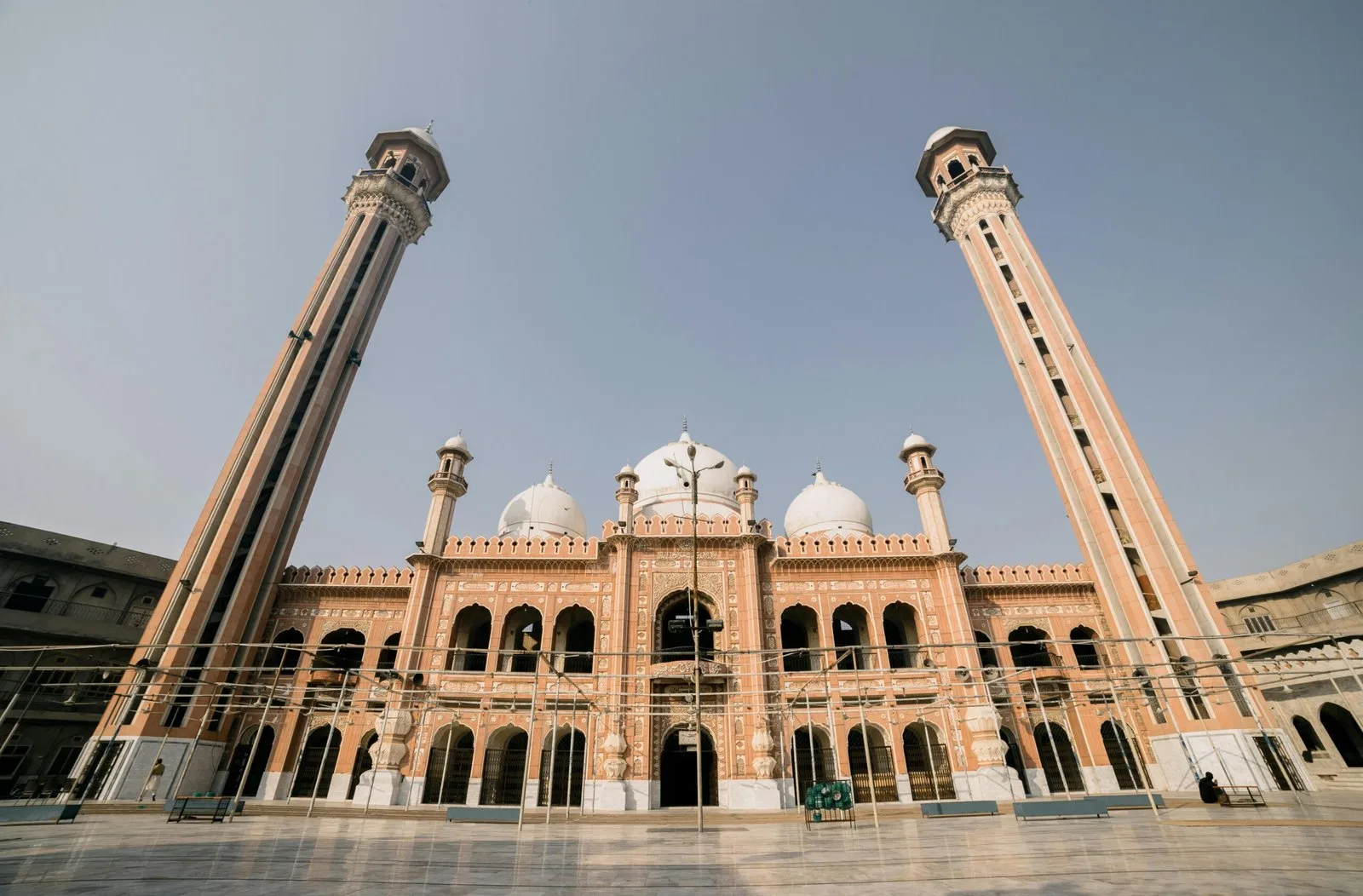
Attractions: No queues at major sites like the Lahore Fort or Badshahi Mosque.
The Secret Perk
Skiing in Malam Jabba. Swat Valley turns into a ski resort in February, offering fresh powder and chairlifts without breaking the bank .
Bonfire Culture. Enjoy traditional “dumplings” (local tea) and bonfires in Hunza hotels, watching the snowfall .
Winter Wildlife. You are more likely to see the elusive Snow Leopard in the northern regions during deep winter treks.
The Tiny Trade-Off
Road Blocks. High-altitude routes (Babusar Top, Khunjerab Pass) are completely closed due to snow .
Shorter Days. Daylight is limited (approx. 9-10 hours), requiring efficient planning.
Restaurant Closures. In Naran and remote valleys, many seasonal eateries shut down entirely
Smart Traveler Tip
The “Fairy Meadows” Alternative. If you can’t trek due to snow, head to Naltar Valley. It’s accessible via jeep in winter and offers stunning colorful lakes frozen under snow, without the extreme trekking of Fairy Meadows .
Find Off-Peak Flights
FAQs
Essential Trip Information
Visa and Entry Requirements
Most nationalities require a visa; e-visas are available for over 170 countries.
Apply via the official Pakistan Online Visa System: https://visa.nadra.gov.pk/
Passport must be valid for at least six months from the date of entry.
Return ticket and proof of accommodation/funds may be requested at immigration.
Some regions (e.g., Gilgit-Baltistan, Kashmir) may require additional permits.
Currency
Pakistan uses the Pakistani Rupee (PKR). Notes: PKR 10–5000. Coins: 1–10 rupees.
Best Ways to Handle Currency
Before Your Trip: Bring a small amount of USD or EUR for initial expenses.
During Your Trip: Use ATMs in major cities (e.g., HBL, MCB, UBL). Some places accept Visa/Mastercard.
What to Avoid: Avoid currency exchange at airports or street vendors; rates are poor.
Language
Urdu is the national language and English is an official language, widely understood in urban areas and by educated individuals.
Helpful phrases: “Assalam-o-Alaikum” (hello/peace be upon you), “Shukriya” (thank you), “Kaisa hai?” (How are you?).
Safety & Security
Major cities like Islamabad, Lahore, and Karachi are generally safe for tourists.
Avoid traveling alone in remote or border regions without a local guide.
Watch for pickpockets in crowded bazaars and public buses.
Emergency number: 15 (Police), 1122 (Rescue & Ambulance)
Health & Insurance
Travel insurance is strongly recommended.
Recommended vaccines: Hepatitis A & B, Typhoid, Tetanus.
Bottled water is advised outside major cities. Avoid ice or uncooked street food.
Pharmacies are common in cities. Bring essential medications.
Transportation
Domestic Flights: PIA and AirBlue serve major routes (Islamabad–Skardu, Karachi–Lahore).
Buses: Reliable long-distance services like Daewoo or Faisal Movers.
Trains: Scenic but slow; use for adventure (e.g., Lahore–Rawalpindi).
Ride-Sharing: Careem, Uber in major cities.
Local Transport: Rickshaws and taxis—negotiate prices beforehand.
Price Level
Pakistan is very budget-friendly compared to Western countries.
Accommodation
Budget: Guesthouses/hostels: US$8–20/night
Mid-range: Boutique hotels: US$30–70/night
Luxury: High-end hotels: US$100–200+/night
Food
Street food: Samosas, biryani, kebabs: US$1–4
Mid-range meals: Local restaurants: US$5–10/person
Fine dining: Upscale venues in Lahore/Karachi: US$20–40/person
Drinks
Tea (chai): US$0.20–0.50
Soft drinks: US$0.50–1.00
Alcohol is restricted; available in some hotels to foreigners.
Transportation
Intercity buses: US$5–15, depending on class and distance
Taxis/Ride-share: US$1–5 for short trips
Rickshaws: US$0.50–2 (negotiate price)
Money-Saving Tips
Travel in groups to reduce transport costs
Eat at local dhabas (roadside eateries)
Use ride-hailing apps to avoid tourist overcharging
Take overnight buses to save on accommodation
Planning Your Trip
Local Customs And Etiquette
Politics: Avoid political discussions, especially on sensitive topics like civil-military relations or religion.
Tipping: 10–15% is appreciated in restaurants; US$0.50–2 for porters or hotel staff.
Dress Code: Modest attire is expected—covering shoulders and knees is advised, especially in rural areas or religious sites.
Religious Etiquette: Remove shoes when entering mosques; women may need to cover heads. Ask before photographing locals, especially women.
Hospitality: Guests are treated with exceptional warmth—refusing tea or food may seem impolite.
Haggling: Common in markets and bazaars; negotiate respectfully.
Budgeting For Your Trip
Accommodation: Budget hotels/guesthouses (US$15–40), mid-range (US$50–100), luxury (US$150–300+).
Food: Street food (US$1–3), casual restaurants (US$5–10), upscale dining (US$25–50+).
Transport: Local buses or minibuses (US$0.20–2), ride-hailing apps (US$2–10 per ride), domestic flights (US$30–150).
Activities: Many natural attractions are free; guided tours or entrance to historical sites (US$5–20).
Daily Budget:
Budget: US$40–60 (guesthouses, local meals, buses)
Mid-range: US$100–180 (comfortable hotels, intercity transport, guides)
Luxury: US$250+ (private drivers, fine hotels, tailored experiences)
Internet & Mobile
Free Wi-Fi: Available in many cafes, hotels, and co-working spaces in major cities.
SIM Cards: Zong, Jazz, and Telenor sell prepaid plans—US$5–10 for 10–20GB. Passport required.
eSIMs: Supported by some providers (e.g., Airalo). Network quality is best in urban areas.
Travel Insurance
Recommended for: Medical emergencies, lost luggage, trip cancellations.
Healthcare: Quality varies—private clinics in cities are better; ensure coverage includes evacuation for remote regions.
Adventure Activities: If trekking, paragliding, or hiking in the north, double-check insurance coverage for high-altitude or remote travel.
Accomodation Options
Pakistan offers a wide variety of stays—from basic village homestays to regal heritage hotels.
Luxury:
Heritage stays: Restored Mughal mansions or colonial-era hotels in Lahore and Murree.
Mountain resorts: Stunning valley views in Hunza or Skardu with premium amenities.
Mid-range:
Boutique hotels: Stylish properties in Islamabad, Lahore, and Hunza.
Hill station retreats: Mid-range lodges in Swat, Murree, and Gilgit.
Budget:
Guesthouses: ~US$10–30/night in most towns.
Hostels: Growing scene in Lahore, Islamabad, and Gilgit with shared dorms for US$8–15/night.
Unique Stays:
Glamping tents: Available in Skardu and Fairy Meadows.
Traditional mud homes: Experience village life in Sindh or Cholistan.
Tip: Book accommodations early during high season (May–August in the north, October–March in the south).
Getting Around
Pakistan’s transport network is diverse but varies in comfort and reliability.
Trains:
Pakistan Railways: Connects major cities (e.g., Lahore–Karachi, Islamabad–Multan). Opt for Green Line or AC classes for comfort.
Scenic routes: The Rawalpindi–Gilgit route (via bus/train combo) is breathtaking but long.
Buses:
Daewoo & Faisal Movers: Comfortable intercity coaches—e.g., Islamabad to Lahore (~4.5 hours).
Local minibuses: Cheap but crowded—best avoided for long distances.
Flights:
PIA and Airblue offer regular domestic flights (e.g., Karachi to Skardu, Lahore to Islamabad). Best option for reaching northern regions quickly.
Car Rental:
With driver: Common and advisable—self-driving is rare due to chaotic traffic and road conditions.
Ideal for northern Pakistan itineraries (Hunza, Skardu, Fairy Meadows).
Public Transport in Cities:
Lahore Metrobus & Islamabad Metro: Efficient and cheap for main routes.
Taxis and ride-hailing apps (Careem, Uber): Reliable in cities, especially for airport transfers.
Rickshaws: Popular for short trips—negotiate fare upfront.