 Skip to content
- Is Hong Kong Still Fun During The Hot And Humid Summer Months?
Absolutely yes, you just need to adjust your rhythm. Summer (June to August) brings tropical heat and sticky humidity that sends many tourists elsewhere, which means you can ride the Peak Tram, explore Ngong Ping Village, and walk the Tsim Sha Tsui Promenade with 40% fewer people around you.
The secret is becoming a local for a few days. Follow the Hong Kong way: sleep in, enjoy air-conditioned malls and museums during the blazing afternoons, then emerge at 5 PM for rooftop bars, night markets, and the famous Symphony of Lights show. Hotel prices drop by 25% to 35% during these months. Check our Off-Season Calendar to see exactly when the best value windows open.
- How Much Can I Save On A Harbour View Hotel During The Low Season?
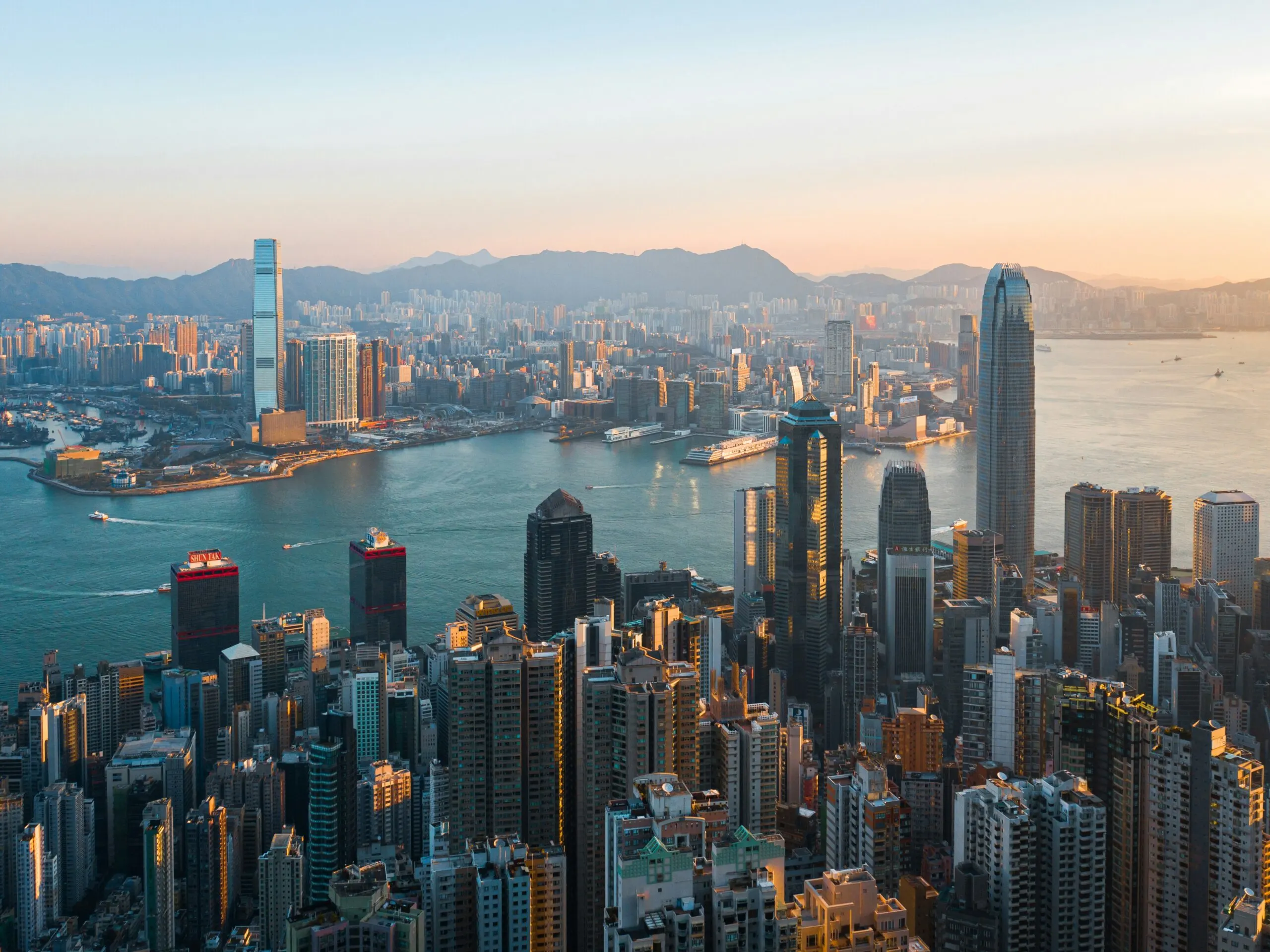
You can save a fortune, especially on those iconic skyline views. A room overlooking Victoria Harbour that costs a premium during October to December can drop by 30% to 45% from May to September . You might finally afford that Instagram-famous infinity pool with the skyline backdrop.
The deals extend beyond the room. Many five-star hotels throw in free breakfast, late checkout, or room upgrades during the low season just to fill beds.
- Will Typhoons Ground Me And Ruin My Short Hong Kong Trip?
They can, but the city handles them like a well-oiled machine. Typhoon season runs from May to November, and while a direct hit (Signal 8 or above) will shut down flights, ferries, and outdoor attractions for roughly 24 hours, the warning system gives you plenty of time to adapt.
Here is the positive twist: the days surrounding a typhoon often bring stunningly clear skies and lower humidity. Locals head right back out as soon as warnings drop, and attractions reopen quickly. Just build one buffer day into your itinerary, buy travel insurance, and treat any weather delays as an excuse for extra dim sum. For a complete list of indoor backup activities, visit our Urban Exploration theme page.
- Are The Hikes And Beaches Unusable During The Rainy Season?
Not at all, and this is where smart travelers win big. While afternoon thundershowers are common from April to September, they usually last an hour or two and then clear out. Dragon's Back, Lion Rock, and the beaches of Repulse Bay and Big Wave Bay become gloriously empty after a quick shower passes.
The downside is worth understanding. Trails can get slippery, so proper hiking shoes are non-negotiable. And the famous pink dolphins of Tai O are harder to spot when seas are choppy. But for beach lovers? The water is at its warmest during these months, perfect for swimming after the rain stops.
- Are There Local Holidays That Spike Prices Even During The Off-Season?
Yes, Chinese New Year (January or February) is the big exception to every value rule. During this week-long celebration, hotel prices skyrocket by 20% to 35% above normal rates, restaurants require reservations weeks in advance, and the normally efficient MTR becomes shoulder-to-shoulder chaos.
But here is the beautiful silver lining: that week offers once-in-a-lifetime cultural spectacle. The Lunar New Year parade, fireworks over Victoria Harbour, and the chaotic fun of the flower markets are unforgettable. If you want value, visit in the weeks immediately after the holiday, when prices crash back down but some decorations and festive spirit remain.

Home > Exploit The Seasons > Seasonal World Map > Asia > Hong Kong
HONG KONG
Hong Kong sheds its hectic skin between seasons, revealing quiet temple trails, misty peak hikes, and harbour views without the elbow fight. This guide finds you better value, authentic local moments, and fewer crowds.
Smart Travel Calendar
Shoulder Season
Your Smartest Windows
March to mid-April
October to mid-November
Avoid: The first week of October (National Day Golden Week — Oct 1-7) when mainland China floods Hong Kong, and late January to mid-February (Lunar New Year) , especially the first three days of the new year when many shops and restaurants close entirely.
What the Sky Does
18°C to 25°C (64°F to 77°F) — comfortable for walking and hiking.
March brings high humidity and spring drizzle — fog drapes the Peak, creating moody photos.
October offers crisp, low-humidity air and brilliant blue skies — perfect for outdoor exploring.
April can have sudden afternoon showers — pack a compact umbrella or light raincoat.
How Empty It Feels
Up to 55% fewer tourists compared to peak winter holiday and summer months.
The Peak Tram and Ngong Ping 360 have 20-minute queues instead of 90-minute marathons.
Disneyland and Ocean Park feel spacious — walk onto most rides by late afternoon.
Temple Street Night Market vendors haggle less aggressively and chat more warmly.
What You’ll Save
25-40% on flights and hotels versus December holidays and Lunar New Year week.
Octopus card top-ups last longer — fewer MTR trips fighting Peak crowds.
Same-day afternoon tea at The Peninsula — no standing in the famous queue.
Dim sum lunch specials still run past 2 PM at popular spots like Tim Ho Wan.
The Secret Perk
March’s blooming rhododendrons on Victoria Peak and in Kowloon Park — pink explosions everywhere.
October’s Mid-Autumn Festival aftermath — lantern displays linger without the chaotic crowds.
Hong Kong Arts Month (March) — Art Basel and local gallery walks without summer’s tourist crush.
Golden afternoon light over Victoria Harbour — photograph the skyline from Tsim Sha Tsui promenade alone.
Temple fortune tellers have time for real conversations — not rushed 2-minute readings
The Tiny Trade-Off
March’s fog can completely hide the Peak view — you might see only white mist from the Sky Terrace.
Outdoor swimming pools (including hotel rooftop pools) may not be heated yet in early March.
Some outlying island ferry schedules (Cheung Chau, Lamma) reduce frequency on weekdays.
Easter week (late March or early April) causes a sudden 5-day local price spike and crowded trails.
Smart Traveler Tip
For the absolute sweet spot, target the last two weeks of October. Humidity drops, typhoons are extremely rare, skies are clear, and Christmas crowds haven’t arrived.
To avoid spring rain, focus on indoor attractions in the morning (museums, shopping centres), then head outdoors after 2 PM when showers often clear.
Deep Off-Season
Your Smartest Windows
Late May to mid-June
August to early September (but pack for heat)
Early December (first 2 weeks before Christmas)
Avoid: The Lunar New Year holiday (late Jan or Feb — 5-7 days) . Hotels triple prices, and many small eateries close for family reunions. Also avoid Christmas week (Dec 24-26) for the same reason.
What the Sky Does
Summer: 26°C to 34°C (79°F to 93°F) with suffocating humidity and sudden typhoons.
Winter (early December): 14°C to 20°C (57°F to 68°F) — crisp, dry, and actually pleasant.
August is typhoon season — expect 1-2 storm warnings with 48-hour travel disruptions.
Late May and June bring afternoon downpours that clear the air for an hour or two.
How Empty It Feels
Up to 75% fewer tourists than peak months — local families have already traveled.
The Tian Tan Buddha platform — you can meditate in silence at the giant statue’s base.
The Hong Kong Museum of History and Science Museum feel like private viewings.
Small fishing villages like Tai O and Sai Kung return to local life — no selfie stick armies.
What You’ll Save
45-60% vs peak season — the deepest discounts of the year.
Flights from regional hubs (Seoul, Tokyo, Singapore) can be 60% off holiday prices.
Five-star harbour-view hotels for under $120 USD per night (The Kowloon Hotel, for example).
Car service to the airport costs 40% less — and drivers actually smile.
The Secret Perk
Escape the heat in air-conditioned shopping malls — they’re like indoor cities with ice rinks and cinemas.
August’s Hungry Ghost Festival — street-side offerings and Chinese opera performances for local spirits.
Take a junk boat to remote islands (Tap Mun, Po Toi) with only fishermen and wild cattle for company.
Dragon Boat Festival practice sessions (late May/early June) — watch teams train without the race-day crowds.
Wet market vendors slip you free samples of lychee and mango just to chat in the cool morning.
The Tiny Trade-Off
Beach lounging is miserable in summer — sand burns feet, and sea water feels like bathwater.
Some dai pai dongs (open-air food stalls) close for 2-3 weeks in August for staff holidays.
Outdoor nightlife in Lan Kwai Fong feels deserted and slightly sad on humid weeknights.
June daylight hits 7 AM to 7 PM — but good luck wanting to hike in 90% humidity.
Smart Traveler Tip
For the only pleasant deep off-season window, target the first two weeks of December. Weather is cooler than March, crowds haven’t arrived for Christmas, and hotels are still cheap. Book by late November.
If you must travel in summer (June-August), spend mornings indoors (museums, shopping, dim sum), hide indoors 1-4 PM, then emerge for sunset harbour walks when heat breaks slightly.
Pack a portable fan, an umbrella (for sun AND rain), and quick-dry clothing — you will sweat through everything.
Find Off-Peak Flights
Top Off‑Season Stays
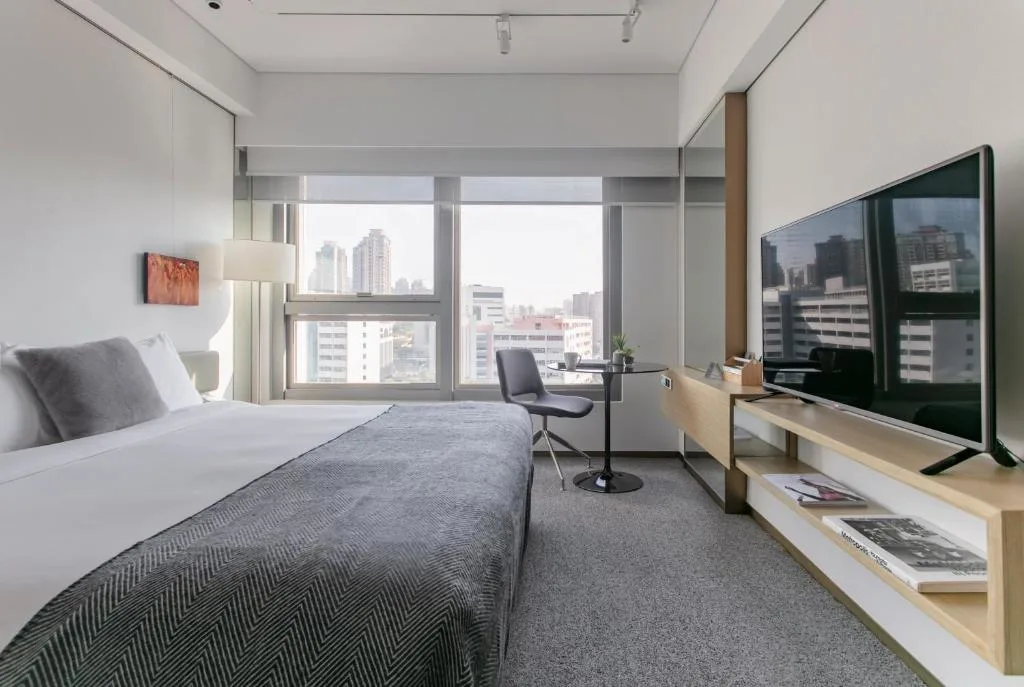
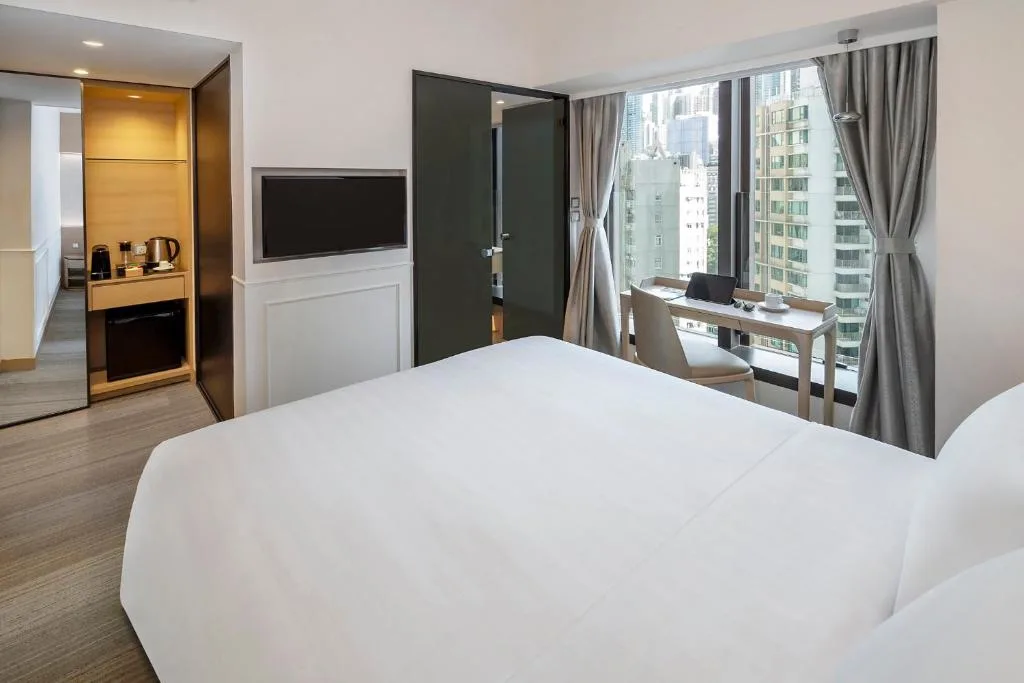
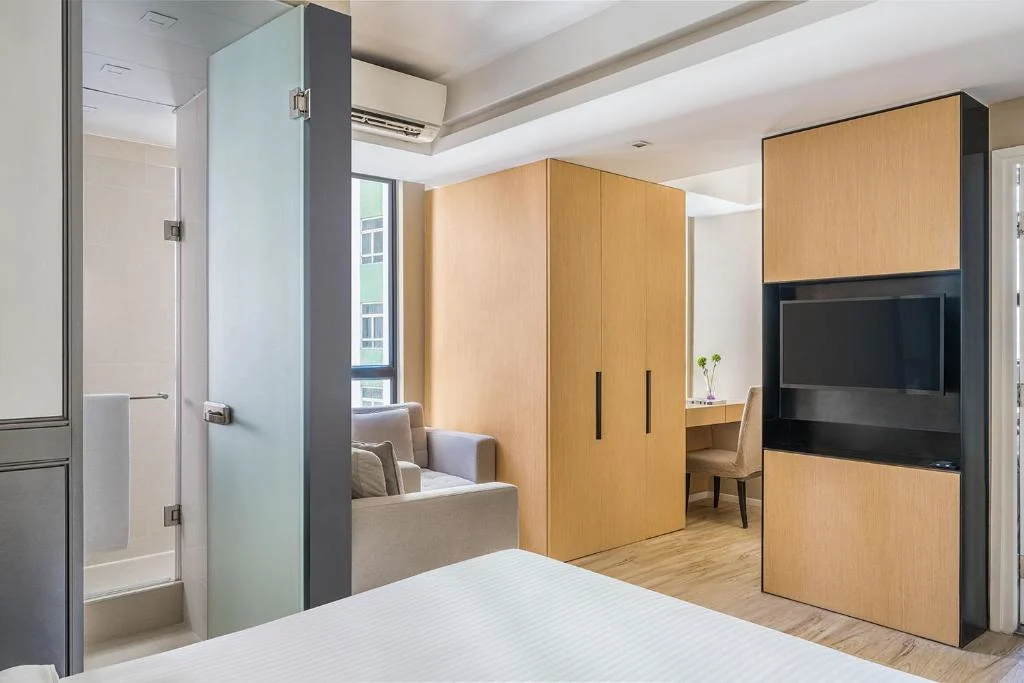
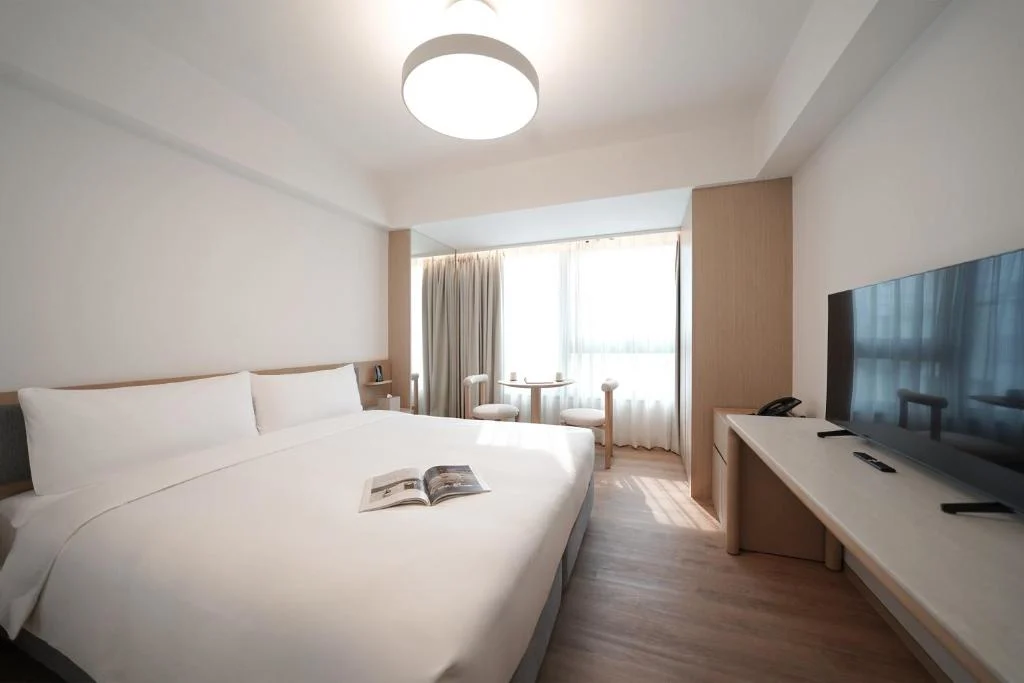
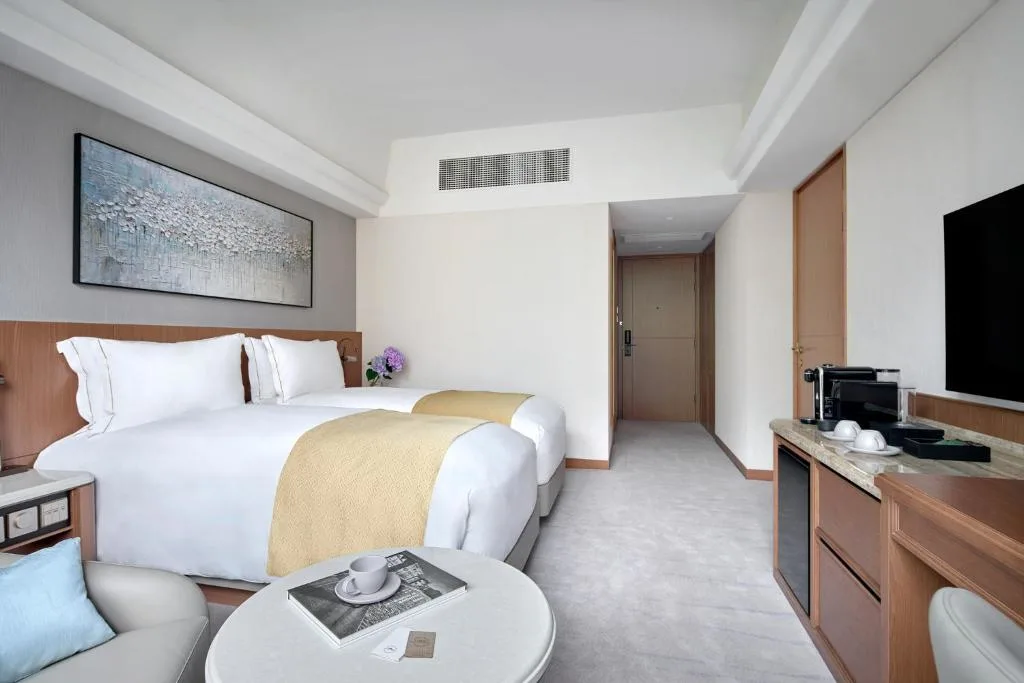
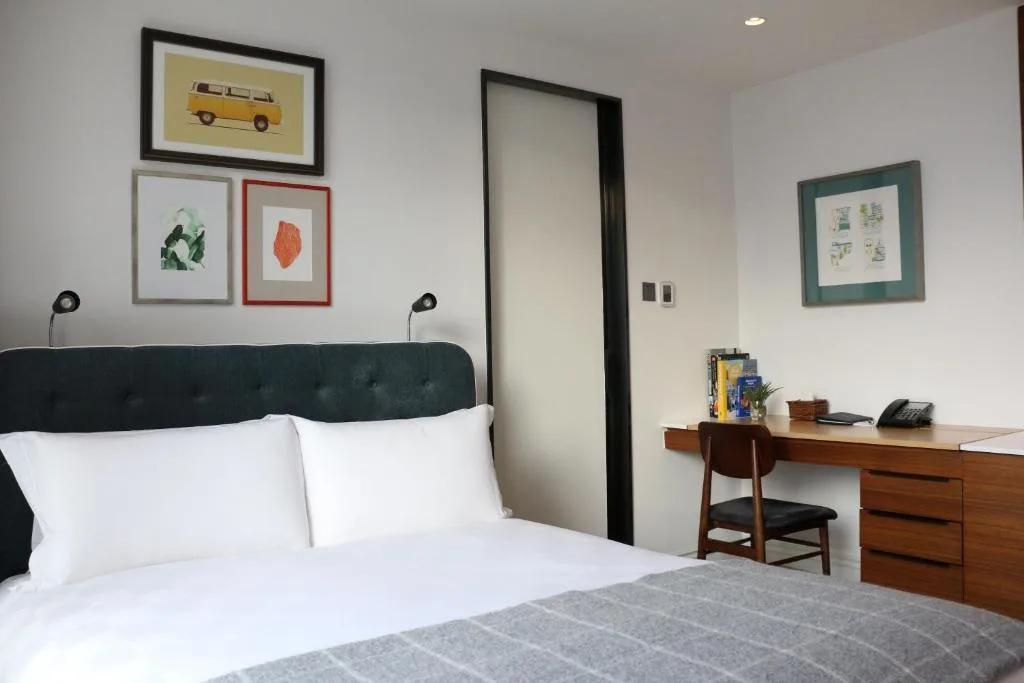
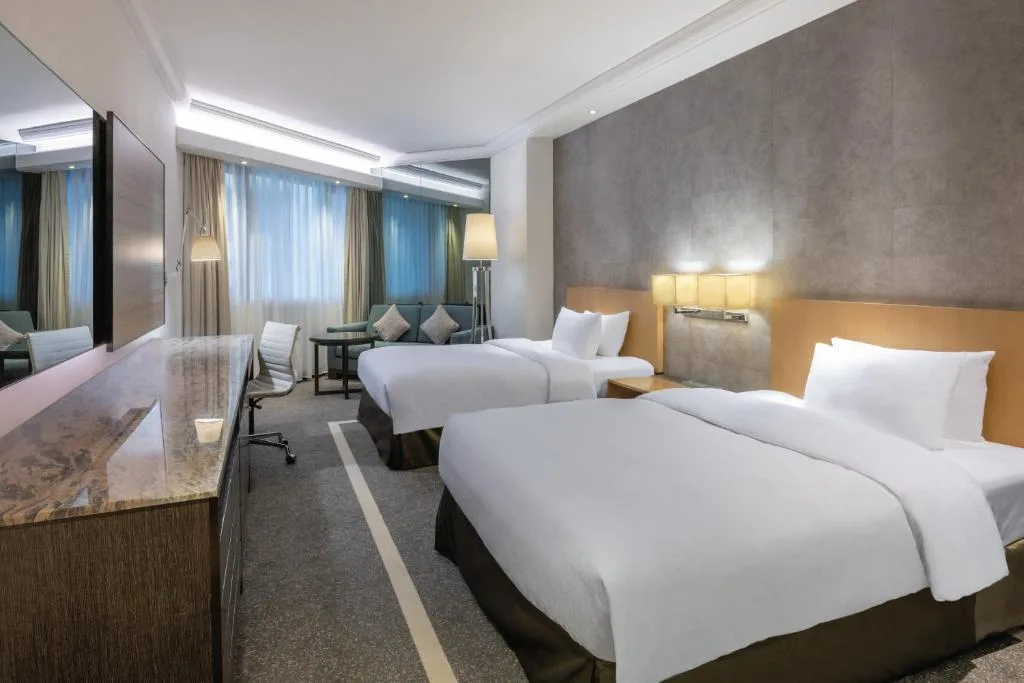
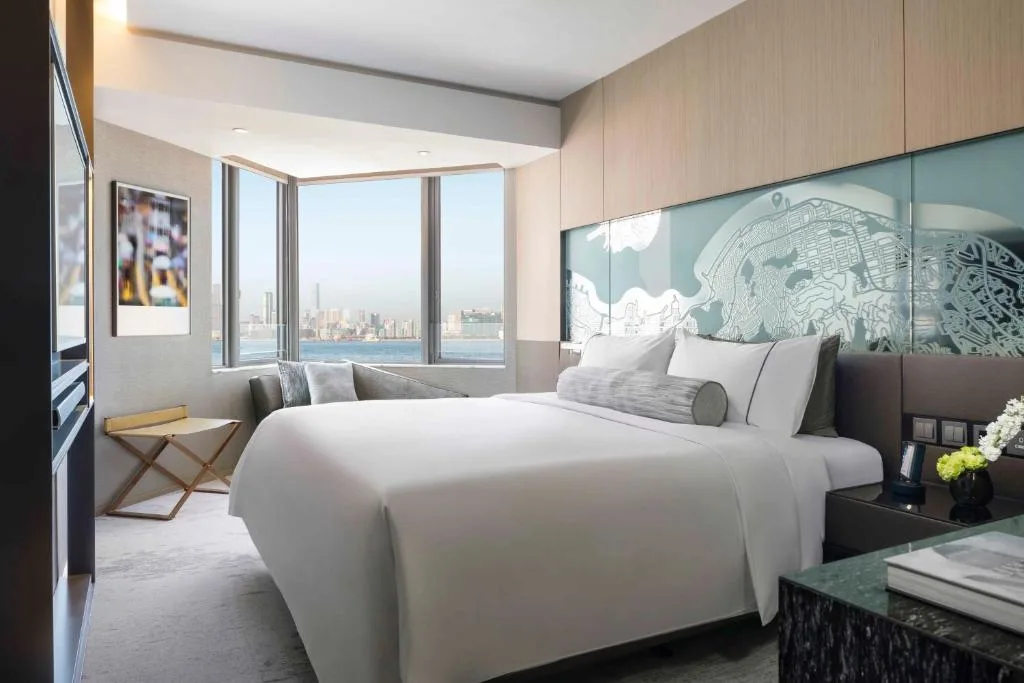
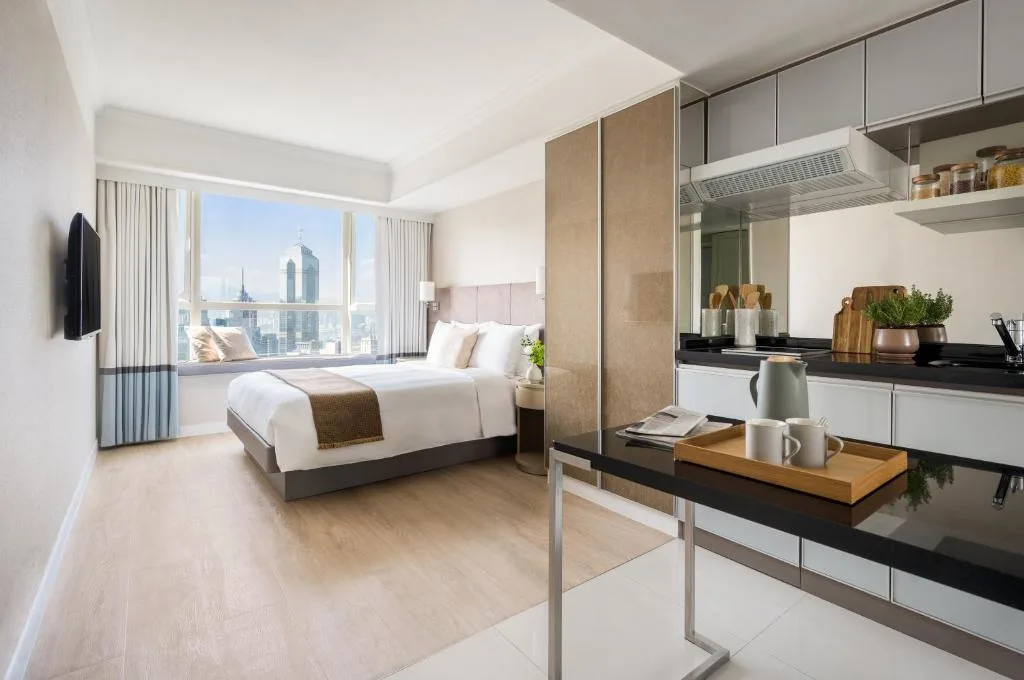
Find below our curated selection of boutique hotels and design apartments that offer exceptional value, atmosphere, and comfort during the off‑season — often at significantly lower rates than peak months.
Uncrowded Experiences & Tours
Skip the lines and experience iconic landmarks at your own pace. Discover curated local tours and cultural activities designed to show you the authentic side of the destination without the peak-season rush.
FAQs
Essential Trip Information
Visa and Entry Requirements
Check official requirements based on nationality: Hong Kong Immigration Dept.
Many nationalities (e.g., U.S., EU, Japan) can visit visa-free for 7–90 days.
Passports must be valid for at least one month beyond your stay (some nationalities require 6 months).
Proof of onward travel and accommodation may be requested at immigration.
Currency
Hong Kong ranges from budget-friendly street eats to ultra-luxury stays.
Accommodation
Budget: Hostels, capsule hotels (US$30–60/night)
Mid-range: 3-star hotels (US$90–160/night)
Luxury: Top-tier hotels, harbour views (US$250+/night)
Food
Street food: US$4–10 (dim sum, noodles)
Casual restaurants: US$15–25/person
Fine dining: US$50–100+/person
Drinks
Local beer: US$5–8 (bars), US$1–2 (stores)
Cocktails: US$10–18
Transportation
MTR: US$0.60–3.00 per ride (Octopus card recommended)
Star Ferry: US$0.35–0.50
Taxis: Start at US$3.50; most rides under US$15
Trams (“ding ding”): US$0.30 flat fare
Money-Saving Tips
Get an Octopus card for public transport and even convenience stores.
Eat at cha chaan tengs (local diners) for budget meals.
Enjoy free skyline views from Tsim Sha Tsui Promenade or Victoria Peak hike.
Language
Official languages: Chinese (Cantonese) and English
Most signs are bilingual. English is spoken in tourist zones.
Helpful phrases: “M̀hgòi” (please/excuse me), “Dōjeh” (thank you), “Bīn douh a?” (Where is…?)
Safety and Security
Very safe, including at night.
Be alert in crowded markets (e.g., Mong Kok) for minor pickpocketing.
Emergency number: 999
Health & Insurance
No vaccinations required. Tap water is safe, but many locals use filters or drink bottled.
Travel insurance is recommended. Private healthcare is high-quality but expensive.
Pharmacies like Watsons and Mannings are everywhere.
Transportation
MTR (subway): Fast, clean, reliable. Runs until ~1 AM.
Trams: Slow but scenic—great on Hong Kong Island.
Star Ferry: Iconic way to cross Victoria Harbour.
Minibuses/Taxis: Affordable, but not all drivers speak English—write down your destination.
Walking: Compact city; wear good shoes for hilly terrain.
Price Level
The Rockies vary widely by region—national parks and ski towns (like Banff or Aspen) are expensive, but rural towns offer budget options.
Accommodation
Budget: Motels/cabins (US$70–120/night)
Mid-range: 3-star lodges (US$150–250/night)
Luxury: Resorts or boutique stays (US$300+/night)
Food
Quick eats: Diners, cafés (US$10–20)
Casual dining: US$20–45/person
Fine dining: US$70+/person
Drinks
Beer: US$6–9
Craft cocktails: US$12–18
Transportation
Car rental: US$60–120/day (essential in remote areas)
Park shuttles: Free or low-cost in major parks (e.g., Banff, Yellowstone)
Gas: Around US$4/gallon
Money-Saving Tips
Visit U.S. National Parks with an “America the Beautiful” annual pass (US$80).
Camp inside the parks (book early).
Picnic using supermarket groceries instead of eating out.
Planning Your Trip
Local Customs And Etiquette
Tipping: Not mandatory, but rounding up or leaving 10% in restaurants is appreciated.
Language: English widely spoken; signs are bilingual (Chinese/English).
Queueing: Very orderly—don’t skip lines, especially for public transport.
Cash vs. Cards: Cash is still common in small shops and markets; Octopus Card works for convenience stores and transport.
Respect: Avoid loud conversations on public transit; cover shoulders when visiting temples.
Budgeting For Your Trip
Accommodation: Hostels (US$30–60), hotels (US$120–250+), luxury (US$350+).
Food:
- Street food (~US$5–10): Dim sum, curry fishballs, egg waffles.
- Casual meals (~US$15–25): Noodle shops, local cha chaan teng.
- Fine dining (~US$75+): Michelin-starred Cantonese cuisine.
Transport:
- MTR: US$2–6/day with Octopus Card.
- Airport Express: ~US$13.
- Ferries and trams: Less than US$1.
Activities:
- Free: Hiking trails (Dragon’s Back, Victoria Peak), night markets, museums on Wednesdays.
- Paid: Disneyland (~US$85), Peak Tram (~US$10), Ngong Ping 360 cable car (~US$25).
Daily Budget:
Budget: US$80–110 (hostels, street food, MTR).
Mid-range: US$160–250 (boutique hotels, attractions, dining).
Luxury: US$350+ (designer stays, private guides, fine dining).
Internet & Mobile
Free Wi-Fi: Available in most malls, MTR stations, and public libraries.
SIM Cards:
- Local plans (~US$10–20 for 7 days/5–10GB): Available at airport kiosks or 7-Eleven.
eSIMs: Supported by providers like CSL, China Mobile, Airalo.
Travel Insurance
Recommended for: Health coverage (private hospitals are expensive), delays during typhoon season (June–September).
Activities Covered: Check if your policy includes theme parks, ferry travel, and hiking.
Medical Care: Hong Kong offers world-class healthcare but at high out-of-pocket costs without insurance.
Accomodation Options
Hong Kong offers a broad spectrum—from skyscraper hotels to temple-side hostels.
Luxury:
- Iconic views: The Peninsula, Four Seasons Hong Kong.
- Boutique opulence: The Upper House, Rosewood.
Mid-range:
- Modern hotels: Hotel ICON (Kowloon), Ovolo Central (SoHo).
- Harbour views without the splurge.
Budget:
- Guesthouses: ~US$30–60/night (Tsim Sha Tsui’s Chungking Mansions, Mong Kok).
- Hostels: YHA Mei Ho House, Urban Pack.
Unique Stays:
- Floating hotels: Check out boat stays in Aberdeen Harbour.
- Heritage options: Tai O Heritage Hotel (fishing village stay).
Tip: Book early during trade fairs or festivals (March, October).
Getting Around
Efficient, safe, and well-connected public transport makes getting around easy.
MTR (Mass Transit Railway):
- Fast, clean, and reliable. Covers major areas including Kowloon, Hong Kong Island, and Lantau.
- Use an Octopus Card for easy tap-in access and small discounts.
Trams (Ding Ding):
- Scenic and historic rides on Hong Kong Island (~US$0.30 per trip).
- Great for a slow-paced look at the city.
Ferries:
- Star Ferry: A short, scenic ride between Tsim Sha Tsui and Central (~US$0.50).
- Useful for visiting outlying islands like Cheung Chau or Lamma.
Buses & Minibuses:
- Extensive network, including airport and night routes.
- Red minibuses don’t follow fixed stops—green ones do.
Taxis:
- Affordable (~US$3–5 base fare). Red (urban), green (New Territories), blue (Lantau).
- Cash preferred; Octopus and cards accepted in some.
Airport Express:
- Fastest way to/from the airport (~US$13 one way). Includes free shuttle to major hotels.
Bold Recommendation: Use the MTR and Star Ferry for the best combination of speed, views, and affordability.