 Skip to content
- What Is The Biggest Challenge Of Visiting Brunei During The Rainy Season?
Expect sudden, heavy downpours that can limit outdoor exploration. From November to February, Brunei experiences its monsoon season where tropical rainstorms can appear without warning, often flooding low-lying roads near the water village of Kampong Ayer. Outdoor activities like jungle trekking in Ulu Temburong National Park may be temporarily suspended if river levels rise too high for boat transfers.
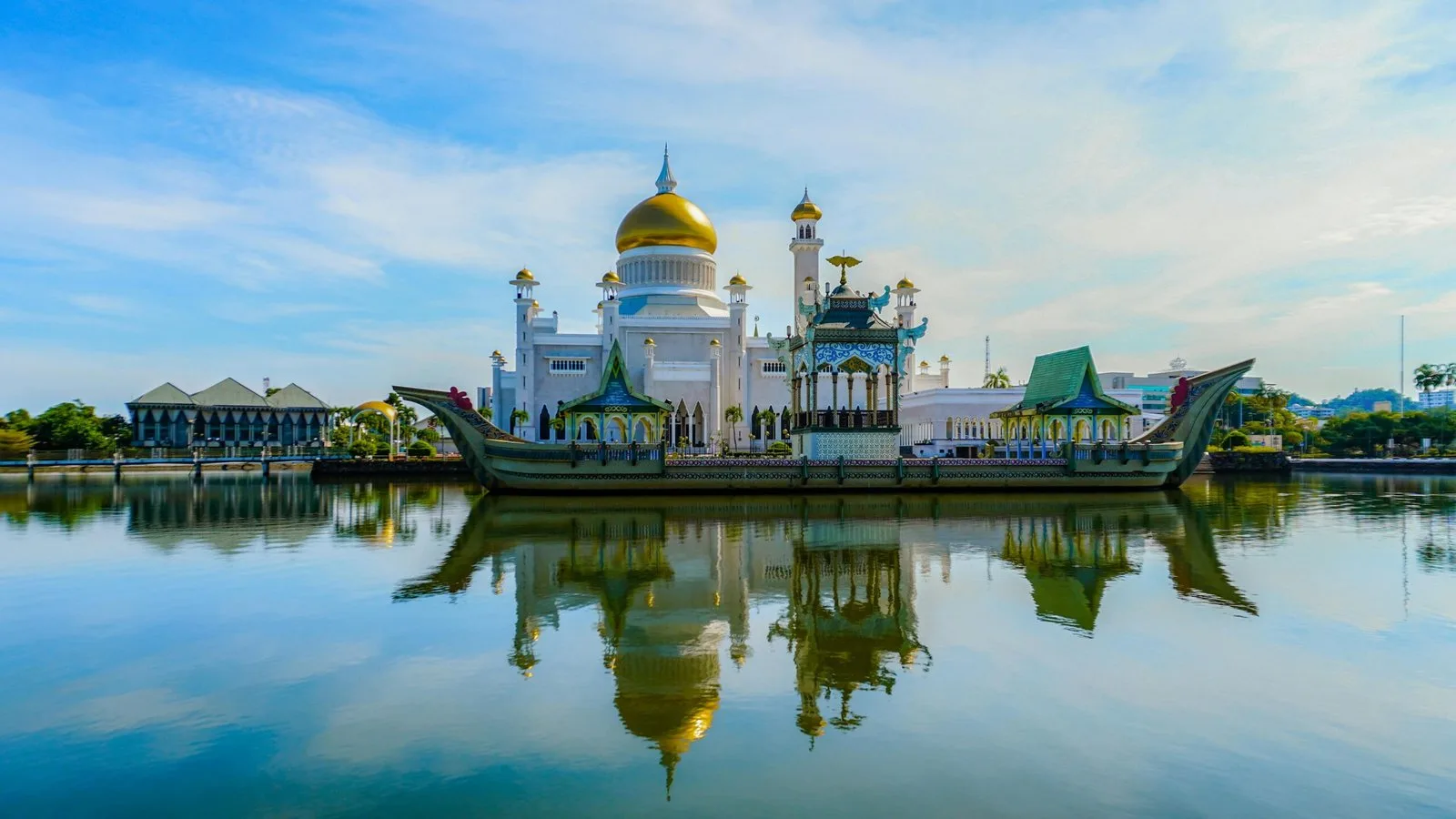
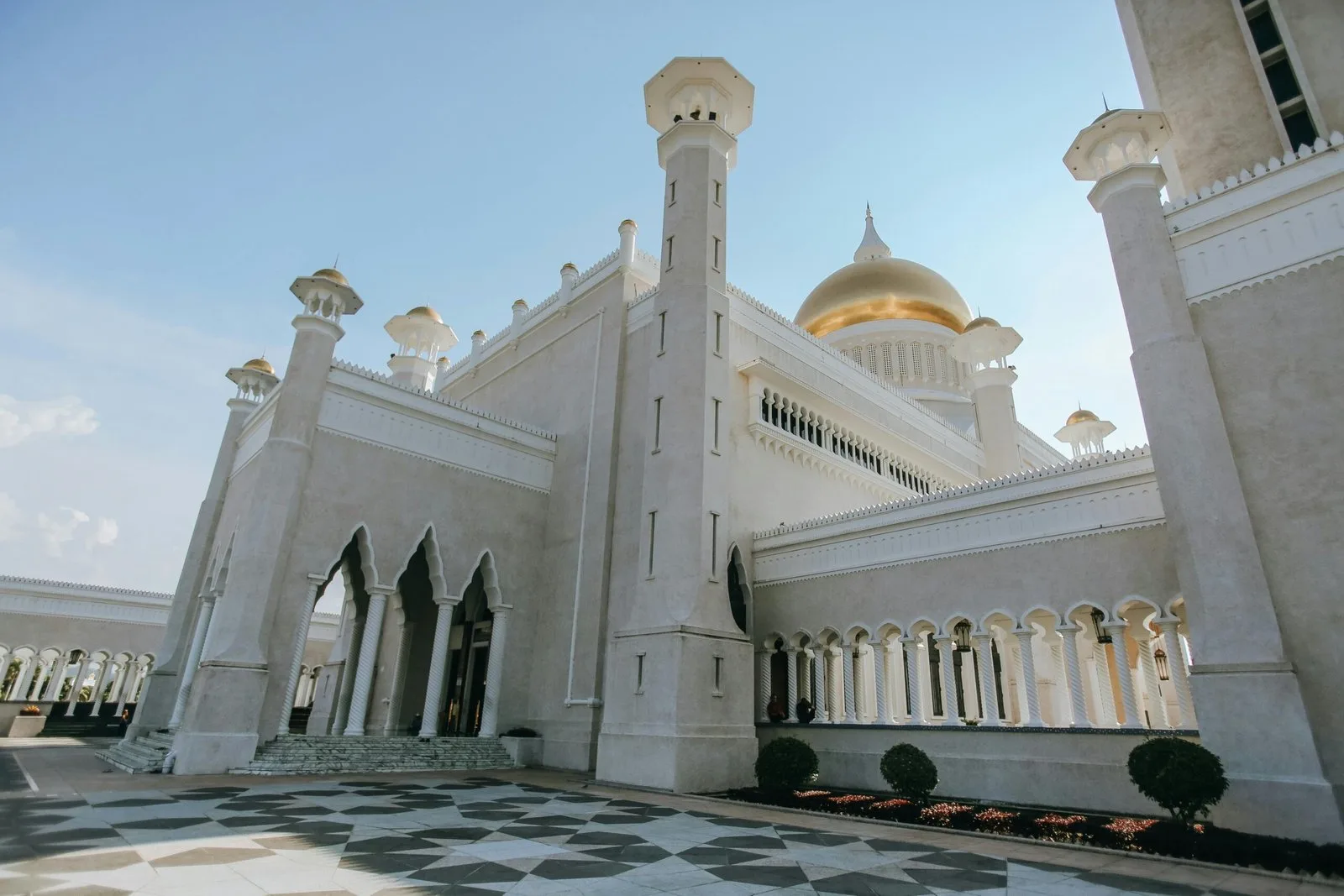
However, this is when you Exploit Travel Seasonality to see Brunei at its most dramatic. The rainforest becomes vibrantly lush, waterfalls thunder with full force, and the air feels fresh and clean after each shower. You will also have the magnificent Omar Ali Saifuddien Mosque almost entirely to yourself.
- How Much Can I Save By Traveling To Brunei In The Low Season?
You can save up to 25% on luxury hotel stays and flight packages. During the monsoon months, high-end properties like The Empire Brunei slash their room rates significantly to attract visitors, offering nearly 30% discounts compared to the dry season peak. Regional carriers such as Royal Brunei Airlines also run promotional fares to fill seats during these slower months.
By visiting smartly, you unlock Better Value for upgrades. The money saved on accommodation alone could fund a private boat charter through the mangrove forests to spot proboscis monkeys. While the weather is less predictable, your budget will stretch much further, allowing you to experience Brunei's famous royal hospitality for a fraction of the peak-season price.
- Is It True That Everything Closes Early Or Shuts Down Off-Season?
No, most major attractions remain fully open year-round. The Royal Regalia Museum, Jame' Asr Hassanil Bolkiah Mosque, and the stunning Omar Ali Saifuddien Mosque keep their regular hours regardless of rain. However, some eco-lodges in Temburong District may reduce their capacity or require advance booking during the roughest weather months.
The positive side is that the Fewer Crowds advantage is massive. You will likely have guided tours of the world's largest residential water village entirely to yourself, allowing for intimate conversations with local guides. The night markets, or "pasar malams," stay open daily, offering delicious ambuyat and satay without the elbow-to-elbow crowds of the dry season.
- Will The Rain Ruin My Visit To The Ulu Temburong National Park?
Generally, no, but access can be tricky. Heavy rainfall causes the Temburong River to rise, which may cancel the iconic longboat ride through the rapids. The canopy walkway, while incredible, becomes very slippery and may close temporarily for safety during active thunderstorms.
To Exploit Travel Seasonality, plan your park visit for the morning hours when rain is less frequent. The drawdown of challenging access is balanced by the reward: you will witness the rainforest at its most alive, with waterfalls cascading everywhere and wildlife emerging to enjoy the cooler temperatures.
- Why Should I Avoid The Dry Season Peak In Brunei?
You should avoid it if you dislike intense heat and weekend crowds. The driest months (March to May and September to October) bring temperatures soaring to 35°C (95°F) with blistering sun, making midday sightseeing exhausting. Additionally, school holidays and regional tourists from Malaysia and Singapore flood the empire's water park and major hotels, driving prices up by nearly 20%.
By choosing the rainy season instead, you embrace Smart Travel principles. You will enjoy cooler temperatures thanks to cloud cover, better photography lighting for the golden-domed mosques, and significantly lower rates on everything. While you might need a poncho, you will rarely need to share a photo spot.

Home > Exploit The Seasons > Seasonal World Map > Asia > Brunei
BRUNEI
Beyond the golden-domed mosques and pristine rainforests lies a tiny sultanate of unexpected calm. Discover when to experience Brunei’s breathtaking Islamic architecture, untouched jungles, and genuine solitude without the equatorial downpours or peak prices.
Smart Travel Calendar
Why Choose Brunei Off-Season?
The Sultan’s mosque all to yourself. No tour groups rushing through the world’s most opulent prayer halls.
Proboscis monkeys at eye level. Dryer months bring them down to the riverbanks for easier spotting.
Ulu Temburong without the Instagram crowd. That canopy walkway feels like your private treehouse.
Hotel prices drop by half. The Empire Brunei becomes genuinely affordable, not just aspirational.
Zero traffic in Bandar. Water villages (Kampong Ayer) feel serene, not swamped with day-trippers.
Royal hospitality without the rush. Locals have time to share tea and stories when tourists are scarce.
Shoulder Season
Your Smartest Windows
March – April
September – October
Avoid: March – April (School holidays mid-March to early April see domestic travel spikes, filling cheap hotels in Bandar). September – October (Dry season overlap with Singapore/Malaysia school holidays – sudden price jumps on flights into Brunei International).
What the Sky Does
Daytime: 28°C to 32°C (82°F to 90°F). Nights: 23°C to 25°C (73°F to 77°F). High humidity (75-85%).
March-April: Transition from wet to dry. Morning sunshine, brief afternoon showers (1-2 hours), then clearing.
September-October: Post-dry season haze possible from Indonesian forest fires (affects views from Empire Brunei).
Occasional afternoon thunderstorms are dramatic but brief – perfect for seeking shelter in a waterfront cafe.
How Empty It Feels
About 40-50% fewer tourists compared to July-August (peak European summer holidays).
Jame’ Asr Hassanil Bolkiah Mosque: quiet enough to hear the call to echo off marble floors.
Ulu Temburong National Park: only 1-2 other groups instead of the usual 5-6.
Kampong Ayer water village: boat drivers are relaxed, offering longer tours without rushing you off.
What You’ll Save
25-35% savings on flights from Kuala Lumpur, Singapore, and Kota Kinabalu.
Hotel rates at The Empire Brunei drop 40-50% – deluxe seaview rooms for under $100 USD nightly.
Private boat charters to Proboscis Monkey sanctuaries cost 30% less than peak season.
Royal Brunei’s in-flight deals to London and Melbourne are often cheaper during these windows.
The Secret Perk
Witness His Majesty’s Birthday (July 23 – but pre-celebrations start in late June; you’ll see parade rehearsals up close.
Natural beauty: Rafflesia flowers (world’s largest) bloom unpredictably in March-April in Temburong rainforests.
Harvest of local rambutan and durian – September is peak fruit season in Tamu Kianggeh market.
Photography gold: Haze-free mornings in September or soft golden pre-storm light in April.
Water village elders have time – they invite you in for afternoon tea without the usual tourist crowds.
The Tiny Trade-Off
March can have unexpected heavy rain (tail end of monsoon) – your canopy walk might get cancelled.
September haze from Indonesia can obscure the view from Brunei Bay and the Sultan’s palace.
Some river taxis reduce frequency in October before the rainy season – wait times increase slightly.
Ramadhan (varies – can fall in March or September) means many restaurants closed until sunset.
Smart Traveler Tip
For best balance: mid-March to early April (avoiding school holidays) or last week of September.
Book Ulu Temburong canopy walk for 8 AM sharp – you beat both the heat and any small crowds.
If visiting during Ramadhan, plan your day around Iftar (sunset feast) – the night market at Gadong comes alive.
Avoid Brunei’s National Day (February 23) – roads close around the capital, hotels fill with officials.
Deep Off-Season
Your Smartest Windows
May – August
November – January
Avoid: December 24 – January 2 (Christmas and New Year – expats and returning Bruneians spike hotel prices, especially at The Empire). June 1st week (School holidays in Malaysia/Singapore cause short-term price jumps on flights from those hubs).
What the Sky Does
Southwest Monsoon (May-August): Daytime 28°C to 33°C (82°F to 91°F). Frequent heavy afternoon downpours and high humidity (85-90%). Mornings are often clear.
Northeast Monsoon (Nov-Jan): Daytime 27°C to 30°C (81°F to 86°F). Heavier and more consistent rain, especially in December/January. Flash floods possible in Bandar.
Regional variation: Temburong (eastern exclave) gets significantly more rain than the main district – plan activities there for early mornings.
Winds can be strong in December – boat travel to Temburong may be rough or cancelled.
How Empty It Feels
Up to 60% fewer tourists. You will have the canopy walkways almost to yourself .
Museums: The Malay Technology Museum feels like a private viewing.
Local Life: Without the business crowd, local cafes in Gadong are filled with relaxed residents
What You’ll Save
Accommodation: Very Low Prices. Potential savings of 30-50% off peak rates .
Flights: Lowest Prices of the year for regional travel .
Transport: Car rental rates drop significantly, though negotiating a private driver for the day is very affordable .
The Secret Perk
Cozy Cafes. Explore Bandar’s emerging coffee shop scene as a refuge from the rain.
The “Power Shower” Effect. The heavy rain washes the haze away, offering crystal-clear city views the moment it stops .
Genuine Interaction. Shopkeepers have more time to chat, explaining the intricacies of Malay weaving or local history.
The Tiny Trade-Off
River Cruises Canceled. Speedboats to the Temburong District may stop running during severe weather warnings .
Nightlife is Dead. Outdoor夜市 (night markets) close early or are sparse during heavy rain.
Limited Daylight. While days are year-long, heavy cloud cover makes it dark by 6:00 PM.
Closed Trails. Some jungle trekking routes close for safety during storms .
Smart Traveler Tip
Embrace the “Dry Feet” Rule. Wear quick-dry footwear and keep a microfiber towel in your daypack. Taxis are scarce in the rain, so having a ride-hailing app (Dart) is essential .
Find Off-Peak Flights
Uncrowded Experiences & Tours
Skip the lines and experience iconic landmarks at your own pace. Discover curated local tours and cultural activities designed to show you the authentic side of the destination without the peak-season rush.
FAQs
Essential Trip Information
Visa and Entry Requirements
Citizens from over 50 countries (including US, UK, EU, Australia, Singapore) enjoy visa-free entry for 14–90 days.
Others may require a visa on arrival or pre-approved visa.
Passport must be valid for at least 6 months beyond your stay.
Visitors may be asked to show proof of onward travel and accommodation.
Currency
The official currency is the Brunei Dollar (BND). It is pegged 1:1 to the Singapore Dollar (SGD), which is also accepted interchangeably.
Best Ways to Handle Currency
Before Your Trip: Exchange a small amount in advance.
During Your Trip: Use ATMs in major malls and banks (Baiduri, HSBC Brunei). Cards are accepted at hotels and supermarkets.
What to Avoid: Avoid small exchange booths in rural areas; they offer poor rates. Always choose BND over home currency in transactions.
Language
Malay is the official language. English is commonly spoken in cities and tourist areas.
Helpful phrases: “Terima kasih” (Thank you), “Di mana…?” (Where is…?)
Safety & Security
Brunei is exceptionally safe.
Harsh penalties for drugs and crime create a law-abiding environment.
Alcohol is banned for public sale, but non-Muslims can bring in limited personal supplies.
Emergency number: 993 (police), 991 (ambulance/fire)
Health & Insurance
No vaccinations are required, though routine immunizations should be up to date.
Tap water is generally safe in cities but bottled water is recommended.
Travel insurance is advised as private healthcare can be costly for foreigners.
Pharmacies are available in major towns.
Transportation
Taxis are limited and expensive—use ride-hailing apps like Dart (Brunei’s local Uber).
Car rentals are the most convenient way to explore.
Water taxis are essential to reach Kampong Ayer.
Public buses are cheap (BND$1), but routes are limited and infrequent.
Price Level
Brunei is affordable to moderate, depending on your travel style.
Accommodation
Budget: Guesthouses/Budget hotels (US$25–50/night)
Mid-range: 3-star hotels (US$60–100/night)
Luxury: 4–5 star resorts (US$150+/night)
Food
Street food/local eateries: US$3–6
Restaurants: US$10–25/person
Fine dining: US$40+/person (mainly in top hotels)
Drinks
No public alcohol sales; soft drinks/coffee/tea are popular
Coffee or bubble tea: US$2–4
Imported wine/beer (in hotel mini-bars): US$10–20
Transportation
Taxi or ride-hailing (Dart): US$6–15 per ride
Bus: US$0.75–1
Car rental: US$35–60/day
Money-Saving Tips
Eat at hawker stalls or local markets for authentic, cheap meals.
Use Dart or shared water taxis to explore affordably.
Free museums and mosques offer plenty of cultural experiences without an entry fee.
Planning Your Trip
Local Customs And Etiquette
Religion and Respect: Brunei is a Malay Islamic Monarchy; respect local customs, especially during Ramadan when eating/drinking in public during daylight hours is discouraged.
Dress Code: Modest clothing is expected, especially in religious sites—cover shoulders and knees. Swimwear is only acceptable at hotel pools or beaches.
Tipping: Not customary; service charges are usually included in bills. Small tips appreciated but not expected.
Greetings: A polite nod or handshake is common; avoid physical contact between opposite genders in public.
Public Behavior: Public displays of affection are frowned upon. Loud voices or disruptive behavior is considered disrespectful.
Photography: Always ask permission before photographing locals, especially women and religious sites.
Budgeting For Your Trip
Accommodation: Budget guesthouses (~US$30–60), mid-range hotels (US$80–150), luxury resorts (US$250+).
Food: Local eateries and hawker stalls (US$3–8 per meal), casual restaurants (US$10–20), upscale dining (US$40+).
Transport: Taxis and ride-hailing apps ($3–10 per short trip); car rentals start around US$40/day.
Activities: Many cultural sites are free or have small entry fees (US$1–5); guided tours range US$20–50.
Daily Budget:
- Budget: US$50–80 (guesthouses, local food, public transport)
- Mid-range: US$120–200 (comfortable hotels, mixed dining, tours)
- Luxury: US$300+ (high-end resorts, private guides, fine dining)
Internet & Mobile
Free Wi-Fi: Available in hotels, cafes, shopping malls.
SIM Cards: Local providers like DST and Progresif sell prepaid SIMs at US$10–20 for data packages.
eSIMs: Supported by major international providers; convenient for short stays.
Travel Insurance
Recommended for: Medical emergencies, trip cancellations, and adventure activities like jungle trekking or river cruises.
Healthcare: Public healthcare is good but basic; private clinics offer higher standards but can be costly without insurance.
Adventure Activities: Check policy coverage for water sports or off-road excursions.
Accomodation Options
Brunei offers a range of stays from luxury resorts to simple guesthouses.
Luxury:
- The Empire Hotel & Country Club (luxury beachfront resort)
- Rizqun International Hotel (downtown Bandar Seri Begawan)
Mid-range:
- The Brunei Hotel (central location with good amenities)
- Radisson Hotel Brunei Darussalam
Budget:
- Guesthouses and homestays in Bandar Seri Begawan and suburban areas (~US$30–50/night)
Unique Stays:
- Longhouse-style accommodations in rural areas (experience traditional lifestyle)
- Jungle lodges near Ulu Temburong National Park
Tip: Book well in advance for holidays and weekends, especially for luxury resorts.
Getting Around
Public transport is limited; private transport or taxis are preferred.
Taxis and Ride-hailing: Cars can be hired for short trips; apps like Grab are widely used in Bandar Seri Begawan. Expect fares around US$3–10 within the city.
Car Rental: Recommended for exploring beyond the capital, starting at US$40/day. Driving is on the left side.
Boats: Water taxis and river cruises on the Brunei River are popular for sightseeing.
Buses: Limited services mainly for local commuters; not recommended for tourists.
Walking: Bandar Seri Begawan city center is compact and walkable for short trips.