 Skip to content
- What Are The Biggest Drawdowns Of Visiting Bhutan In The Low Season?
Yes, you will likely encounter road closures and persistent rain. The monsoon season (June to August) brings heavy rainfall that can trigger landslides, often leading to road delays or temporary closures which may disrupt travel between towns . Additionally, if you are heading to higher altitudes (above 2,500m) during the winter (December to February), be prepared for brutal cold where temperatures can drop to -5°C, and some mountain passes may be completely snowed in .
However, this is where you Exploit Travel Seasonality for peace and quiet. While the logistics are slightly harder, the visual payoff is unique: the landscapes are at their greenest and most lush during the rains, and the winter skies offer crystal clear views of the snow-capped Himalayas. For those willing to brave the weather, the solitude is unmatched. Just be sure to check road conditions via your local tour operator before setting out.
- How Much Money Can I Save By Traveling To Bhutan Off-Season?
You can save up to 20% to 30% on flight tickets alone. During the low-season months (summer and winter), airlines like Drukair offer promotional K-Class fares reaching up to 20% savings for international travelers, and specific routes (like Dubai) offer discounts up to 25% . While the nightly Sustainable Development Fee usually remains fixed, hotels and tour packages become highly negotiable, with many luxury lodges offering significant price reductions to fill rooms.
By visiting during the shoulder or low season, you aren’t just saving money; you are getting Better Value for what you spend. Your budget stretches further, allowing you to potentially upgrade to a luxury resort in Paro or Thimphu that would have been out of reach during the peak autumn rush
- Is The Weather Really That Bad During The Bhutanese Monsoon?
Generally, no. It is not a constant downpour. Unlike other parts of Asia, the monsoon in Bhutan often means overnight rain and sunny, fresh mornings, leaving the afternoons for clear exploration . While it is humid and you will encounter mud on trekking trails, the rain usually doesn’t ruin the entire day; instead, it brings out the vibrant colors of the lush valleys and blooming flowers.
The drawdown is that the clouds often obscure the high mountain peaks. If your main goal is to photograph the iconic snow-capped Himalayas, the summer rain will likely block your view. However, if you love photography of waterfalls, misty forests, and emerald rice paddies without crowds, this is your perfect window.
- Will Tourist Attractions And Hotels Be Closed In The Off-Season?
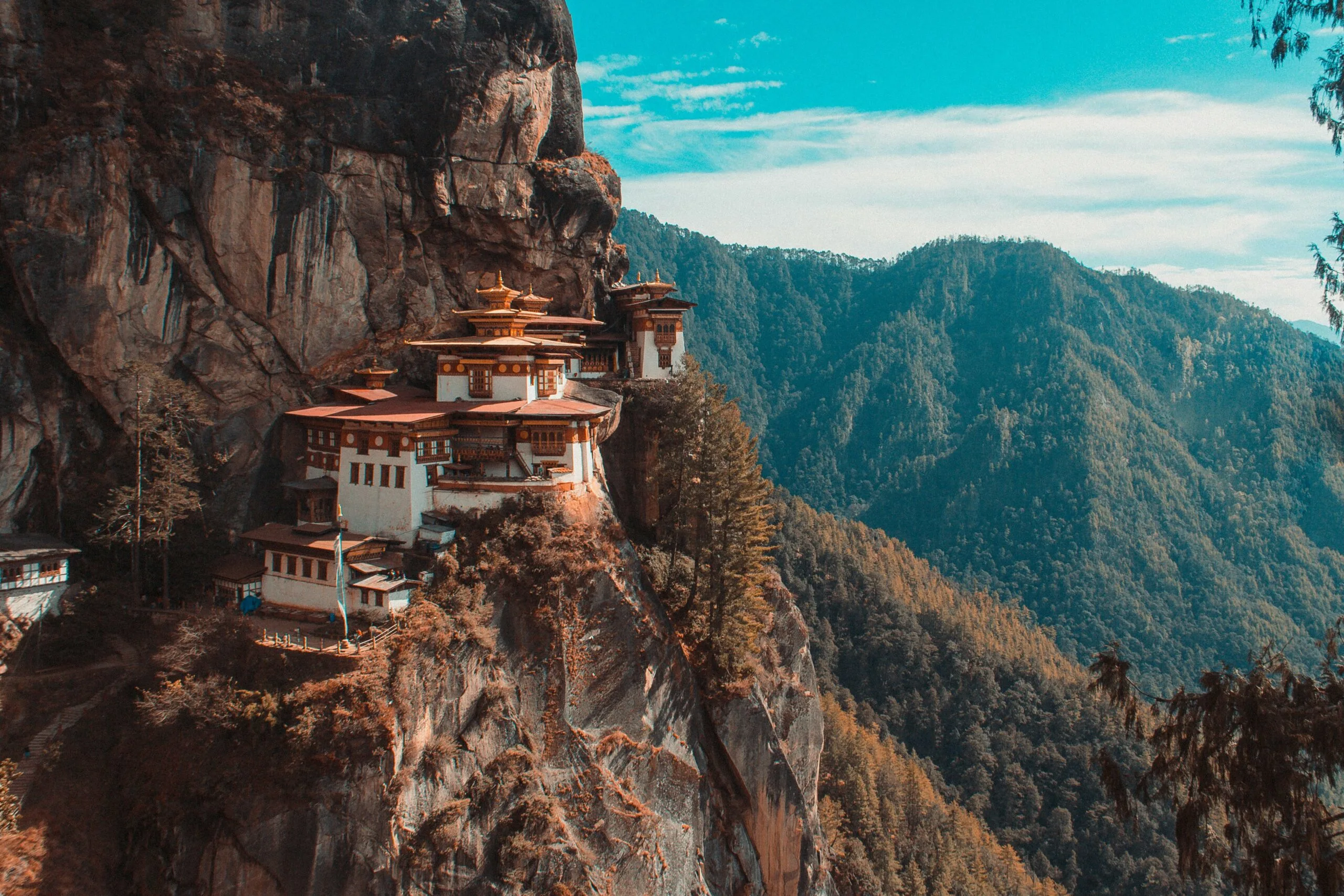
No, most major attractions remain open, but some remote luxury lodges might close for maintenance. In the deep winter (January/February), while famous sites like the Tiger’s Nest Monastery (Taktsang) remain accessible, some high-end resorts in colder valleys like Bumthang may shut down completely for the season . However, standard hotels in major hubs like Paro and Thimphu operate year-round, offering the Fewer Crowds advantage.
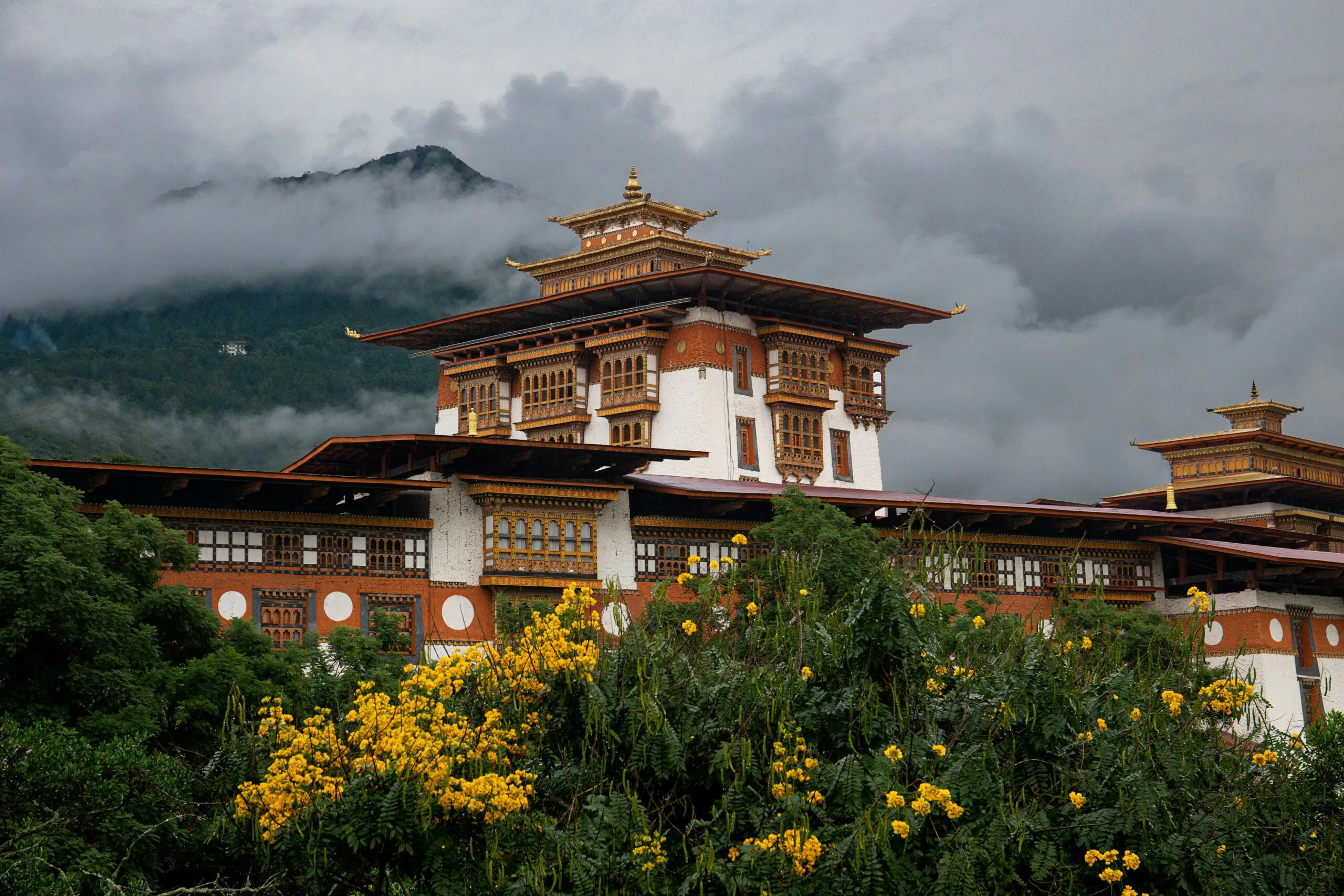
The great benefit is that you will have the Dzongs (fortresses) and monasteries almost to yourself, allowing for a much more spiritual and intimate experience. You won’t be jostling for photos or listening to loud tour groups. Just remember to pack layers, as the weather varies wildly between the sunny south and the snowy north.
- Why Should I Avoid The Spring Peak Season In Bhutan?
You should avoid it if you dislike rigid booking deadlines and high prices. The spring months (March to May) require you to book flights and hotels nearly 9 months to a year in advance . Because of the famous Paro Tsechu festival, availability plummets and prices skyrocket. You lose the flexibility that Smart Travel provides.
To Exploit Travel Seasonality, aim for the winter (December to February). While it is cold, the skies are often bluer than in spring. You will save roughly 20% on airfare, enjoy 90% fewer tourists at the Tiger’s Nest, and still experience the dramatic beauty of the Himalayas.

Home > Exploit The Seasons > Seasonal World Map > Asia > Bhutan
BHUTAN
Beyond the iconic Tiger’s Nest monastery lies a kingdom that changes with the seasons. Discover when to experience Bhutan’s raw Himalayan beauty, vibrant festivals, and genuine solitude without the peak-season price tag.
Smart Travel Calendar
Why Choose Bhutan Off-Season?
Unreal solitude at sacred sites. Wander fortress-monasteries (dzongs) with only monks for company.
Clear winter skies reveal the Himalayas. Jaw-dropping mountain views you won’t see in summer.
Lower daily tariff means big savings. Your Sustainable Development Fee drops with the tourist numbers.
Real village life, not a show. Share butter tea with farmers during their quiet agricultural months.
No queue for Tiger’s Nest. That iconic photo without a single stranger in your frame.
Award-winning loyalty from locals. You’ll be treated like a rare, honored guest everywhere.
Shoulder Season
Your Smartest Windows
March – April
September – November
Avoid: March – April (Peak tourism due to dry weather and major festivals like Paro Tshechu and Thimphu Tshechu, causing high demand on hotels and internal transport). September – November (Clear skies align with world-famous festivals like Thimphu Tshechu, driving up prices and crowds).
What the Sky Does
Daytime: 15°C to 25°C (59°F to 77°F) in western/central valleys. Nights: 5°C to 10°C (41°F to 50°F).
March-April: Unpredictable spring. Clear mornings, possible afternoon rain showers. Rhododendrons burst into bloom.
September-November: The classic “post-monsoon” dream. Crystal-clear Himalayan views, almost no rain, crisp air.
Higher passes (e.g., Thrumshing La) may still have snow in early March or late November.
How Empty It Feels
About 40-50% fewer tourists compared to October peak.
Major dzongs (Punakha, Paro, Trongsa): pleasantly quiet, but not empty – small groups present.
Popular trekking routes (e.g., Druk Path): uncrowded but with a few fellow hikers.
You’ll actually find open tables at cafes in Thimphu without waiting.
What You’ll Save
30-40% savings on international flights compared to October/November.
Hotel rates within the tourist tariff system offer better room upgrades for same price.
No premium surcharge on internal private cars and drivers (often added during big festivals).
Local restaurants and small shops may offer small discounts or free tea with meals.
The Secret Perk
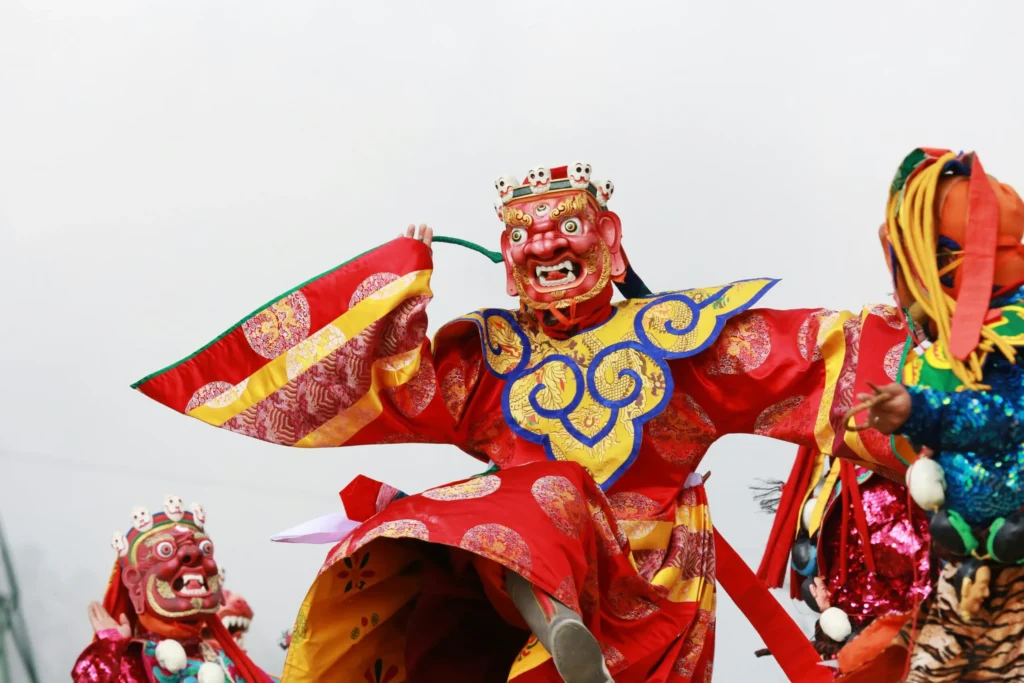
Witness a local tshechu (festival) without global crowds. Smaller village festivals happen in March and November.
Spring explosion of rhododendrons – entire forest hillsides turn red, pink, and white.
Autumn harvest of red rice – you can see farmers threshing grain in village valleys.
Photography gold: Soft spring light or ultra-sharp autumn clarity on snow peaks.
Monks have time to chat – between major festivals, monastic schools welcome curious visitors.
The Tiny Trade-Off
March can have hazy afternoons from agricultural burning in India (clouds mountain views).
Some high-altitude treks (e.g., Snowman Trek) are still snowed-in until late April.
Fewer scheduled domestic flights to eastern Bhutan (e.g., Trashigang) – may require road travel.
Late November gets cold quickly after sunset (near freezing in valleys like Bumthang).
Smart Traveler Tip
For best balance: last week of October to mid-November. Weather is still clear, festival crowds have left, and prices drop.
Target early mornings for dzong visits (8–10 AM) before any bus groups arrive.
Avoid the exact dates of Paro Tshechu (usually March/April) unless the festival is your goal – hotels triple in price.
Deep Off-Season
Your Smartest Windows
December – February
June – August
Avoid: December 17th (Bhutan’s National Day – high domestic travel and full hotels in Thimphu). June – August (Indian and Bangladeshi tourists take advantage of summer school holidays, raising pressure on mid-range hotels).
What the Sky Does
Winter (Dec-Feb): Daytime 8°C to 15°C (46°F to 59°F). Nights drop to -5°C to 5°C (23°F to 41°F). Paro and Thimphu valleys often have morning frost.
Summer (Jun-Aug): Monsoon season. Daytime 20°C to 28°C (68°F to 82°F). Frequent heavy afternoon rain and high humidity.
Central Bhutan (Bumthang) is much colder in winter – snow is possible. Southern Bhutan (Phuentsholing) stays warm and wet all summer.
Roads can have occasional landslides during heavy August rains – but usually cleared within hours.
How Empty It Feels
80-90% fewer tourists versus October peak. You will feel like you have the country to yourself.
Major dzongs: often just you and a sleepy guard. Stroll for hours without seeing another foreigner.
National Museum in Paro: you might be the only visitor that morning.
Small villages: you’re a minor celebrity. Children wave, elders invite you for tea.
What You’ll Save
Total trip cost can be 40-60% lower than peak season, mostly due to lower daily tariff rates negotiated by tour operators.
Flight deals from Bangkok, Delhi, or Kathmandu up to 50% off (Bhutan’s Drukair and Bhutan Airlines offer off-season fares).
Hotels within the tariff system often provide free upgrades to luxury rooms just to fill them.
Private car and driver costs are at their annual minimum – you can negotiate longer itineraries.
The Secret Perk
Winter: Cozy up to a bukhari (traditional wood-fired stove) in a farmhouse with hot butter tea while snow falls outside.
Winter: Clear, powder-blue skies and the entire eastern Himalayan range visible from Dochula Pass.
Summer: Witness the planting of rice paddies – a rhythmic, communal dance of local farmers in the rain.
Winter: Attend the Nomad Festival (December in Bumthang – small, authentic, uncrowded).
Genuine conversations – without other tourists, guides and hosts share family stories, not scripted history.
The Tiny Trade-Off
Trekking is not possible on most high routes (snow in winter, leeches/landslides in summer).
Nightlife in Thimphu? Most small bars and clubs close or are nearly empty.
Many family-run restaurants in Paro and Thimphu close for 2-3 weeks in February for Chinese New Year holidays.
Daylight: winter sun sets by 5:15 PM. Summer days are long but often rainy.
Smart Traveler Tip
For the quietest month: February. It’s cold and some places close, but skies are shocking blue and you’ll barely see another tourist.
If you go in summer: focus on western valleys (Paro, Punakha) – they get less rain than central/east. Pack good waterproof boots.
Packing must: thermal layers and a down jacket for winter; a high-quality rain jacket for summer.
January is surprisingly good – post-Christmas lull, no festivals, rock-bottom prices, and daily sunshine in western valleys.
Find Off-Peak Flights
Uncrowded Experiences & Tours
Skip the lines and experience iconic landmarks at your own pace. Discover curated local tours and cultural activities designed to show you the authentic side of the destination without the peak-season rush.
FAQs
Essential Trip Information
Visa and Entry Requirements
All nationalities (except citizens of India, Bangladesh, and the Maldives) require a visa to enter Bhutan.
Tourists must book through a licensed Bhutanese tour operator or international partner.
A Sustainable Development Fee (SDF) of US$100/day per adult is mandatory.
Apply and learn more via Bhutan’s official immigration portal: https://www.bhutan.travel/visa
Your passport must be valid for at least 6 months beyond your travel dates.
Visas are approved upon full payment to your tour operator and are issued electronically.
Currency
The official currency is the Ngultrum (Nu.), pegged to the Indian Rupee (₹).
US$1 ≈ Nu. 83 (exchange rates may vary).
Best Ways to Handle Currency
Before Your Trip: Bring some USD cash; major currencies are accepted for exchange.
During Your Trip: ATMs are available in major towns (Thimphu, Paro), but cash is king in rural areas.
Cards: Credit/debit cards are accepted at upscale hotels and a few restaurants.
Avoid: Relying on ATMs in remote areas or expecting card acceptance everywhere.
Language
Dzongkha is the national language. English is widely spoken, especially by guides and in tourism.
Helpful phrases:
- Kuzu zangpo la = Hello
- Kadrinche la = Thank you
Safety & Security
Bhutan is one of the safest countries in the world.
Crime is extremely rare, but petty theft can happen in tourist spots.
Emergency numbers:
- Police: 113
- Ambulance: 112
Health & Insurance
No vaccines are required, but routine vaccinations (e.g., tetanus, hepatitis A) are recommended.
Travel insurance is strongly recommended, especially for trekking.
Medical facilities are basic outside Thimphu.
Tap water is not potable—use bottled or boiled water.
Transportation
Domestic Flights: Druk Air and Bhutan Airlines operate Paro–Bumthang and other short hops.
Roads: Scenic but winding; allow extra time for drives.
Walking/Trekking: Trails are well-maintained; porters/guides are essential for longer treks.
Car/Driver: Most visitors have a dedicated car and driver included in their tour.
Price Level
Bhutan is relatively expensive due to the SDF, but much is included in tour packages.
Accommodation
Budget guesthouses: US$40–70/night
Mid-range hotels: US$100–150/night
Luxury resorts: US$300+/night
Food
Local restaurants: US$5–10/meal
Tourist-oriented cafes: US$15–25/person
High-end hotel dining: US$30–60+/person
Drinks
Local beer (Red Panda, Druk 11000): US$2–4
Imported wine: US$8–15/glass
Transportation
Most tours include private car & driver.
Local buses are available but not recommended for short-term visitors.
Money-Saving Tips
Travel with a group to split fixed tour costs.
Visit during off-peak seasons (Jan–Feb, Jun–Aug) for discounted SDF rates.
Stick to local eateries for hearty meals under US$10.
Planning Your Trip
Local Customs And Etiquette
Respecting local customs is crucial in Bhutan due to its strong cultural and religious identity.
Dress Code: Modest dress is essential, especially when visiting temples, monasteries, and dzongs. Shoulders and knees should be covered. Remove hats when entering religious sites.
Greetings: A simple “Kuzuzangpo la” (hello) is appreciated.
Monasteries and Dzongs: Walk clockwise around stupas and prayer wheels. Do not point your feet at religious objects or people. Photography may be restricted in certain areas.
Tipping: Not mandatory but appreciated for guides and drivers at the end of your trip (US$10–20 per day for guides, US$5–10 per day for drivers).
Politics: Avoid discussing sensitive political topics.
Gift Giving: If giving gifts, offer them with both hands.
Budgeting For Your Trip
Bhutan has a unique tourism policy requiring a daily minimum sustainable development fee (SDF) for most tourists.
Daily Minimum Package (SDF + other costs):
- Peak Season (March-May, September-November): US$250 per person per night (includes SDF, accommodation, meals, guide, transport).
- Low Season (June-August, December-February): US$200 per person per night (includes SDF, accommodation, meals, guide, transport).
- Note: The SDF component is US$100 per person per night.
Additional Costs (not included in package):
- Flights: International flights to and from Paro are separate (e.g., from Bangkok, Kathmandu, Delhi).
- Alcohol & Beverages: Not typically included in your package.
- Souvenirs: Varies greatly based on personal spending.
- Tips: As mentioned above, for guides and drivers.
- Personal Expenses: Laundry, phone calls, etc.
Daily Budget:
- Inclusive: Your daily package covers most major expenses.
- Extra Spending: Budget an additional US$50–100 per day for personal expenses, souvenirs, and drinks.
Internet & Mobile
Connectivity in Bhutan is generally available in towns, but can be limited in remote areas.
Free Wi-Fi: Available in most hotels, guesthouses, and some cafes in larger towns.
SIM Cards: Readily available at Paro International Airport or local telecom offices (Bhutan Telecom, TashiCell). Prepaid plans are affordable (US$5–20 for data).
eSIMs: Availability varies; check with your provider before travel.
Travel Insurance
Travel insurance is highly recommended for all visitors to Bhutan.
Recommended for: Medical emergencies, trip cancellations, delays, and baggage loss.
Medical Coverage: Ensure your policy covers medical evacuation, especially if you plan to trek at high altitudes.
Adventure Activities: If you plan on trekking or other adventure activities, confirm these are covered by your policy.
Accomodation Options
Bhutan’s accommodation ranges from comfortable hotels to luxurious resorts, all of which must meet government-mandated standards.
Luxury:
- High-end resorts: Amankora (multiple locations), Uma by COMO, Paro.
- Known for: Exceptional service, stunning views, and unique cultural experiences.
Mid-range:
- Boutique hotels: Zhiwa Ling Heritage (Paro), Le Méridien Thimphu.
- Standard hotels: Many government-approved hotels in major towns offer comfortable stays.
- Cost: Included in your daily tariff.
Farm Stays:
- Authentic experience: Stay with local families in traditional farmhouses for a glimpse into rural Bhutanese life.
- Booking: Usually arranged through your tour operator.
Tip: Accommodation is typically pre-arranged and included in your daily minimum tariff.
Getting Around
Transportation within Bhutan is primarily by road, as there are no domestic flights for tourists.
Private Car with Driver:
- Recommended: This is the most common and highly recommended way to travel around Bhutan, usually arranged through your tour operator. This offers flexibility and comfort.
- Cost: Typically included in your daily tariff.
Buses:
- Public buses: Available for longer distances between major towns but are slow, often crowded, and not generally recommended for tourists due to the difficulty in navigating and time constraints.
- Cost: Very cheap (US$5–20 for longer routes) but inconvenient for tourists.
Taxis:
- Short rides: Available within towns like Thimphu and Paro. Fares are negotiable (US$3–10 for short distances).
- Not suitable for inter-district travel.
Motorbikes:
- Limited options: Some tour operators offer motorbike tours, but self-riding is generally not permitted or recommended due to challenging road conditions and regulations.
Bold Recommendation: The private car with an experienced driver arranged through your tour operator is the most efficient and recommended way to explore Bhutan.