 Skip to content
- Is Visiting Zambia During The Rainy Season A Waste Of My Safari Budget?
Absolutely not. While the wet season (November to April) makes traditional vehicle safaris harder due to thick vegetation, it unlocks the greatest show on Earth: Victoria Falls at its most powerful. You will see the Falls as a thundering wall of water with spray rising 500 meters into the sky, a sight completely absent during the dry months.
The safari trade-off is real, but so is the value. You can secure lodge discounts of up to 45% , and you trade crowded jeeps for walking safaris and canoe trips on the upper Zambezi, where the birdlife explodes with color. Exploit travel seasonality here, and you will experience Zambia as a lush, green paradise rather than a dusty brown one.
- Why Should I Deal With Muddy Roads Just To See Victoria Falls?
Because you will have the Falls almost to yourselves. During peak dry season (July to October), the viewing paths are packed with tourists and the local town of Livingstone feels overcrowded. Visit in February or March, and you can walk along the edge of the abyss with only the roar of the water and a few fellow smart travelers for company.
The drawback is that the spray can be so heavy that you will need a raincoat and waterproof camera gear to see anything. However, helicopter flight prices drop by roughly 25% , offering you a bird's-eye view of the Falls at their most dramatic. You will also find that local guides charge less and offer longer, more personalized tours.
- Will I See Any Wildlife At All During The Zambian Green Season?
Yes, but you will need to look differently. South Luangwa National Park, famous for its walking safaris, transforms into a lush wonderland where animals disperse into the thicker bush. Predators become harder to spot, but the antelope give birth to thousands of fawns, and the bird migration brings over 400 species to the park.
The real hidden gem is the Lower Zambezi National Park, where canoe safaris become magical. You will paddle past elephants swimming between islands and hippos grunting just meters away. Expect safari operator discounts of roughly 30% , and you can often arrange private walking safaris for the same price as a group tour in high season.
- Is The Famous Wildebeest Migration In Liuwa Plain Worth The Rainy Risk?
It is the only time to see it, and it is spectacular. Liuwa Plain National Park sees the second-largest wildebeest migration in Africa, peaking between November and January when over 40,000 animals gather on the floodplains. Unlike the over-touristed Serengeti, you will share this event with almost no other vehicles.
The challenge is getting there. Roads become challenging, and you will need a reliable 4x4 or a small charter flight. But the reward is camping and lodge discounts of up to 50% , plus the chance to see the famous Lady Liuwa lioness hunting against a green, stormy sky. This is off-season travel at its most adventurous and rewarding.
- Will The Heat And Humidity Make My Zambian Trip Unbearable?
It depends on where you go. October is brutally hot even in dry season, but the green season (December to March) brings cooling afternoon rains that drop temperatures to a comfortable 25°C to 28°C (77°F to 82°F). The humidity is real, but lodges are designed with breezy decks and plunge pools to keep you comfortable.
The real comfort win is that you will never fight for shade or cold drinks. With fewer tourists around, service levels go up, and you can often upgrade to a riverside chalet for the same price as a standard room in peak season. You will find accommodation savings of roughly 20-35% across the board, leaving more budget for extra nights on safari.

Home > Exploit The Seasons > Seasonal World Map > Africa > Zambia
ZAMBIA
Zambia reveals its wild heart when rains retreat and crowds disperse. From thundering Victoria Falls to hidden game-rich valleys, discover authentic safari moments and genuine local warmth without peak-season price tags.
Smart Travel Calendar
Why Choose Zambia Off-Season?
Lower lodge rates – Save 30–50% compared to peak June–October safari season.
Fewer vehicles at sightings – Enjoy private game drives without circling crowds.
Green season magic – Witness newborn animals, migratory birds, and lush landscapes.
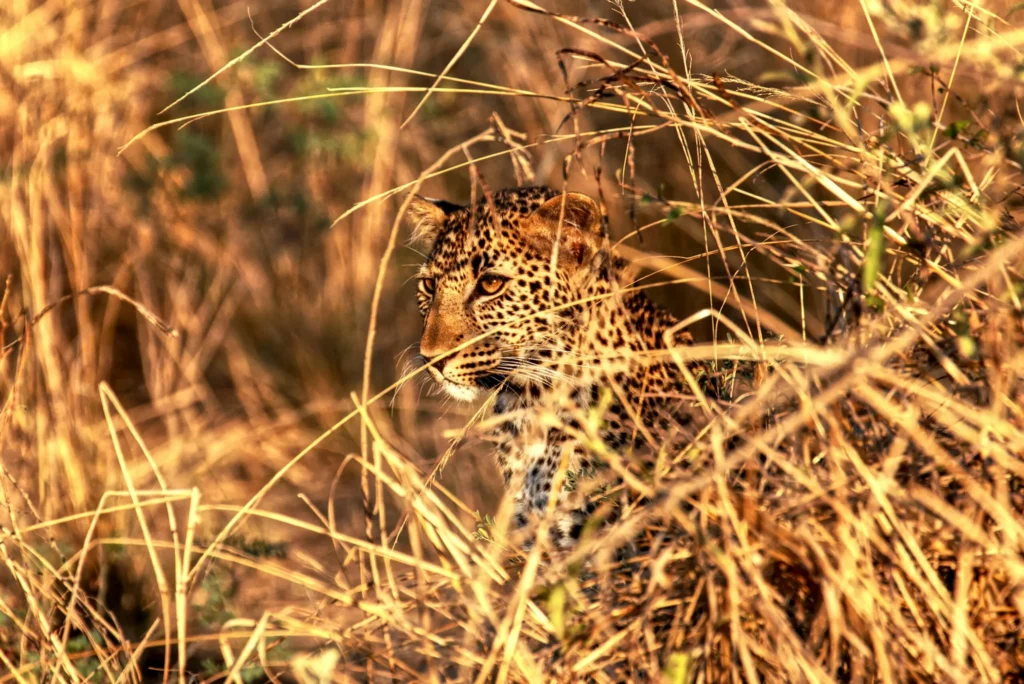
Victoria Falls at full roar – See the smoke that thunders with dramatic, misty power.
Authentic village encounters – Connect with locals unburdened by tourist rush.
No booking battles – Secure top guides and camps weeks, not months, in advance.
Shoulder Season
Your Smartest Windows
April – May
November – early December
Avoid: Christmas through New Year’s (local holiday travel spikes lodge prices and fills domestic flights)
What the Sky Does
April–May: 20–28°C (68–82°F) – post-rain freshness, clear mornings, possible afternoon showers
November: 22–32°C (72–90°F) – humid build-up before rains, dramatic skies
Low chance of prolonged rain – mostly short afternoon storms
Victoria Falls spray is spectacular – you will get wet on the footbridge
How Empty It Feels
40–50% fewer tourists than peak dry season (July–October)
South Luangwa: only a handful of vehicles per sighting
Livingstone and Victoria Falls: walkway and devil’s pool almost to yourself
No queues for sunset cruises – pick your seat easily
What You’ll Save
Flights 20–35% lower than peak safari months
Lodges 30–45% off – many include “stay 3 pay 2” green season specials
Self-drive safari fees unchanged – but more availability at bushcamps
Restaurant and activity bundles – 15–25% combo discounts
The Secret Perk
The “Emerald Season” – November’s first rains transform plains into electric green carpet
Bird paradise – Carmine bee-eaters nest in riverbanks (August–November)
Fruit-laden trees draw elephants and hippos closer to lodges
Photography light – dramatic cloudscapes and soft golden hours
Local markets lively but not pushy – fair bargaining possible
The Tiny Trade-Off
Some bushcamps close mid-November to mid-December for refurbishment
Humidity rises in November – expect sticky afternoons
Muddy roads in remote parks (April) – 4×4 required
Devil’s Pool at Victoria Falls closes December–July (high water)
Smart Traveler Tip
Visit early April for post-green lushness + dry enough tracks
Time Victoria Falls visits for morning light and lower mist
Best balance window: May (dry, green, warm, low crowds)
Book November before 15th to avoid camp closures
Deep Off-Season
Your Smartest Windows
December – March
Avoid: Christmas week (Dec 24–Jan 1) – local travel spikes; Easter week (variable March/April) – domestic tourism rush
What the Sky Does
22–30°C (72–86°F) – warm, humid, dramatic afternoon thunder showers
Morning sun, afternoon storms – predictable pattern for planning
Northern Zambia (Bangweulu, Mweru) wettest – some roads impassable
Livingstone region sees less rain – Victoria Falls spray reaches peak width
How Empty It Feels
70–80% fewer international tourists than peak dry season
South Luangwa’s main loop: sometimes just your vehicle for hours
Livingstone museum & Victoria Falls bridge – near solitude
Local villages – genuine interactions without souvenir hawking
What You’ll Save
Total trip cost 40–60% lower than peak June–August
Flights to Lusaka – up to 50% off
Safari lodges – many offer rates literally half of peak
Car rental – 25–35% lower, plus better availability
The Secret Perk
“Photographer’s green season” – saturated colors, reflective floodplains, moody skies
Thermal springs at Kapishya – blissful in warm rain
Baby animals everywhere – wildebeest, zebra, impala calves
Locals celebrate N’cwala (late February) – Ngoni cultural festival
Lodge staff have time to talk – real stories, not rushed service
The Tiny Trade-Off
Some remote camps fully closed December–March (especially in North Luangwa)
Night game drives limited – thick bush reduces visibility
Rural lodges may close restaurant – pre-arranged meals only
Daylight ~12.5 hours – but sunrise at 5:45am means long mornings
Smart Traveler Tip
Focus on Lower Zambezi & Livingstone – best road access in deep off-season
February is quietest month – perfect for Victoria Falls from Zimbabwe side too
Pack for sun AND rain – light rain jacket, quick-dry clothes, waterproof camera bag
Book Christmas week early if travelling then – locals also travel
Use Lusaka as base for fly-in safaris – avoids wet roads
Find Off-Peak Flights
Uncrowded Experiences & Tours
Skip the lines and experience iconic landmarks at your own pace. Discover curated local tours and cultural activities designed to show you the authentic side of the destination without the peak-season rush.
FAQs
Essential Trip Information
Visa and Entry Requirements
Visa policies for Zambia vary by nationality. Many travelers, including those from the U.S., Canada, UK, Australia, and most EU nations, are visa-exempt for short tourist or business stays (typically 30-90 days). Other nationalities may require an e-Visa or obtain a visa on arrival.
All visitors need a passport valid for six months beyond their stay with three blank pages. Proof of onward travel and sufficient funds is recommended.
The KAZA UNIVISA (US$50) is available for eligible nationalities, allowing 30-day multiple entries to Zambia, Zimbabwe, and day trips to Botswana via specific borders.
Currency
Zambia uses the Zambian Kwacha (ZMW).
Best Ways to Handle Currency
- Before Your Trip: Bring some US$ cash, preferably in small bills (new, clean notes).
- During Your Trip: Use ATMs in major cities (Barclays, Stanbic); cards are accepted in upscale hotels/lodges.
What to Avoid: Remote areas may be cash-only, and black-market exchange rates are risky and illegal.
Language
English is the official language and widely used.
Bemba, Nyanja, Tonga, and Lozi are also spoken locally.
Useful phrases: “Mulishani?” (Hello), “Zikomo” (Thank you)
Safety & Security
Zambia is one of Africa’s safest countries for travelers.
Lusaka and Livingstone are generally safe, but be cautious at night.
Watch belongings in markets and bus stations.
Emergency number: 999 or 112 (mobile networks).
Health & Insurance
Yellow fever vaccination required if arriving from endemic countries.
Malaria risk is high—use mosquito repellent and take antimalarials.
Tap water is not safe—stick to bottled or filtered water.
Travel insurance is strongly recommended.
Transportation
Domestic flights connect major tourist hubs (Lusaka, Mfuwe, Livingstone).
Minibuses are cheap but chaotic—use with caution.
Private taxis or drivers are common for short distances.
Safari areas often require pre-arranged 4×4 transfers.
Self-driving possible, but road conditions vary—4×4 recommended for parks.
Price Level
Zambia is relatively affordable, though remote lodges and safaris can be costly.
Accommodation
Budget: Guesthouses, backpackers (US$15–40/night)
Mid-range: Safari lodges, 3-star hotels (US$60–150/night)
Luxury: Private lodges, riverfront suites (US$250+/night)
Food
Street food/local spots: US$2–6 (e.g., nsima with grilled meat)
Mid-range restaurants: US$10–20/person
Upscale dining: US$30–60+/person
Drinks
Local beer: US$1–2
Imported spirits/cocktails: US$5–10
Transportation
Local minibuses: US$0.50–2 (cheap but crowded)
Taxis: US$5–15 for short trips in Lusaka
Domestic flights (e.g., to Livingstone): US$100–250
Safari transfers or charter flights: Can exceed US$300
Money-Saving Tips
Use shared taxis or buses between cities.
Book national parks directly to avoid agent fees.
Eat local—Zambian cuisine is hearty, cheap, and delicious.
Planning Your Trip
Local Customs And Etiquette
Tipping: 10–15% at restaurants. Safari guides/staff: US$10–20 per day (pooled).
Greetings: A handshake and polite small talk are expected before discussing business.
Dress Code: Modest dress is appreciated, especially in rural areas.
Photography: Ask permission before photographing people. Avoid taking photos of government buildings.
Safety: Zambia is generally safe, but avoid walking alone at night in cities.
Budgeting For Your Trip
Accommodation: Budget: US$25–50, Mid-range: US$100–250, Luxury: US$400+.
Food: Local meals: ~US$5–10, restaurant meal: US$15–30, fine dining: US$50+.
Transport: Domestic flights: US$150–300, car hire: US$80/day, taxis: US$5–10.
Activities: Safari drives: ~US$50–150, Victoria Falls entry: US$20, bungee jumping: US$160.
Daily Budget:
Budget: US$80–120 (hostels, public transport, local eats).
Mid-range: US$200–350 (comfortable lodges, safaris, guided tours).
Luxury: US$500+ (all-inclusive safaris, air transfers, gourmet meals).
Internet & Mobile
Wi-Fi: Available in hotels and lodges, but often slow or limited in rural areas.
SIM Cards: Available from Airtel and MTN outlets—US$5–10 for SIM, data ~US$5 for 5GB.
eSIMs: Supported by Airalo and other providers—great for pre-arrival setup.
Travel Insurance
Recommended for: Medical emergencies, evacuation (especially from remote safari areas), and cancellations.
Wildlife & Adventure Cover: Make sure your policy includes safari, canoeing, and walking safaris.
Medical Facilities: Limited outside Lusaka—evacuation coverage is essential.
Accomodation Options
Zambia offers everything from riverside eco-lodges to remote luxury bush camps.
Luxury:
- Safari Lodges: Chiawa Camp (Lower Zambezi), Time + Tide Chinzombo (South Luangwa).
- Victoria Falls: Royal Livingstone Hotel, Tongabezi Lodge.
Mid-range:
- Safari Tented Camps: Flatdogs Camp, Mfuwe Lodge.
- Hotels in Lusaka: Latitude 15°, Taj Pamodzi.
Budget:
- Backpacker hostels in Livingstone: Jollyboys, Fawlty Towers (~US$25–40/night).
- Basic guesthouses in small towns (~US$20–30/night).
Unique Stays:
- Houseboats on Lake Kariba.
- Bush camps in remote national parks.
Tip: Book early for June–October as camps fill quickly in peak safari season.
Getting Around
Distances are long, and infrastructure is variable—plan for both air and ground options.
Domestic Flights:
- Key routes: Lusaka–Livingstone, Lusaka–Mfuwe (South Luangwa), Lusaka–Lower Zambezi.
- Cost: ~US$150–300 one-way.
- Pro tip: Charter flights are common for lodge-to-lodge travel.
Road Travel:
- Car rentals: ~US$80–120/day with 4×4 essential for park access.
- Self-driving: Possible, but not recommended for first-timers due to rough roads and poor signage.
- Private transfers: Often arranged through lodges.
Minibuses (matatus):
- Cheapest form (~US$2–10 for intercity) but cramped and unreliable. Not ideal for tourists.
Taxis:
- Available in Lusaka and Livingstone (~US$5–10 per trip). Negotiate fares or use apps like Yango.
Boats & Canoes:
- Popular in Lower Zambezi and Kafue—often part of safari experiences.
Bold Recommendation: Fly between major areas and book lodge-arranged transfers for remote regions.