 Skip to content
- Why Should I Visit Senegal During The Hot, Dry Season Instead Of The Cooler Months?
Because you will unlock the real heartbeat of West Africa. The dry season (November to May) is actually Senegal's peak tourist period, so the "off-season" here means the rainy, greener months from June to October. Visiting then means you trade crowded beach resorts for dramatic thunderstorms that cool the air and turn the landscape an astonishing shade of emerald green.
The trade-off is higher humidity and occasional road washouts in rural areas. But hotel discounts of up to 45% along the Petite Côte and around Saly make it worth every drop of sweat. Exploit travel seasonality here, and you will have iconic sites like the hauntingly beautiful Lake Retba (the Pink Lake) almost completely to yourselves.
- Will The Famous Pink Lake Actually Look Pink During The Rainy Season?
Surprisingly, yes, but for different reasons. Lake Retba's famous pink hue comes from Dunaliella salina algae, which thrives in high salinity. During the rainy season, freshwater dilution actually changes the color intensity, shifting from bubblegum pink to deeper mauve or even purple tones depending on cloud cover and time of day.
The catch is that the lake can appear less vibrant on overcast days. However, tour prices to the lake region drop by roughly 30% , and you will not be jostling with dozens of other tourists for a photo spot on the shore. Local guides have more time to explain the salt harvesting process and let you float in the buoyant waters at your own pace.
- Is The Djoudj National Bird Sanctuary A Waste Of Time When The Rains Come?
Absolutely not, it becomes a nesting explosion. The Djoudj National Bird Sanctuary, a UNESCO World Heritage site, sees over 1.5 million migratory birds arrive between November and April. If you visit during the rainy off-season (June to October), you will witness the resident birds breeding and raising chicks, including pelicans, herons, and cormorants by the thousands.
The downside is that some migratory species have returned north. But boat tour discounts of roughly 25% mean you can take longer private trips into the quieter channels. You will also find that the park's waterways are at their highest, allowing boat access to areas that are completely dry during peak season.
- Will The Vibrant Culture Of Saint-Louis Feel Less Alive Off-Season?
It will feel more authentic and local. Saint-Louis, Senegal's colonial island city and another UNESCO gem, is famous for its jazz festival in May. Visit during the low season months that follow, and you will experience the city as locals do: lazy afternoons on the Faidherbe Bridge, fresh thieboudienne (the national fish and rice dish) at family-run tables, and drumming circles on the beach without a tourist in sight.
The trade-off is that some boutique hotels close for renovations. However, the ones that remain open offer price reductions of roughly 35% , and you can often negotiate longer stays at even better rates. Flights into Blaise Diagne International Airport drop by roughly 15-20% from European hubs, making a cultural deep dive surprisingly affordable.
- Is Swimming In The Atlantic Ocean Dangerous During Senegal's Off-Season?
It requires more caution, but it is still wonderful. Senegal's coastline experiences stronger waves and rougher surf during the rainy season (June to October) due to distant storms. However, the protected swimming areas near Saly, Somone, and the Îles de la Madeleine offer calmer conditions year-round.
The real win is that the water temperature is at its warmest, hovering around 27°C to 29°C (81°F to 84°F). Beach resort prices drop by roughly 40% , and you will share kilometers of golden sand with local fishermen rather than European package tourists. Just ask your hotel about current rip current conditions, and you will have a safe, blissful, and uncrowded coastal escape.

Home > Exploit The Seasons > Seasonal World Map > Africa > Senegal
SENEGAL
Between the Sahara’s edge and Atlantic surf, Senegal pulses with rhythm year-round. Skip the dry-season crowds to discover empty beaches, vibrant local life, and kinder prices without sacrificing that legendary teranga (hospitality).
Smart Travel Calendar
Why Choose Senegal Off-Season?
Fewer tourists at the Pink Lake means you get the salt flats almost to yourself.
Lower humidity on the coast makes walking Dakar’s markets actually enjoyable.
Migratory birds fill the Djoudj sanctuary – a birder’s paradise without the fees.
Hotels in Saly drop their rates while the beach stays warm and inviting.
Local festivals feel less staged when you’re the only foreigner in the crowd.
Sahel light turns golden and soft – your photos will look like National Geographic.
Shoulder Season
Your Smartest Windows
November to December
March to April
Avoid: The week of Easter (variable March/April) and Tabaski (Eid al-Adha, dates shift) — domestic travel spikes, and good hotels near Dakar fill up fast with visiting families.
What the Sky Does
Daytime 25-32°C (77-90°F) / Nights 18-22°C (64-72°F)
Harmattan dust haze (Nov-Dec) softens light for photography but reduces visibility
March-April gets hot & dry before the rains – expect 35°C (95°F) inland
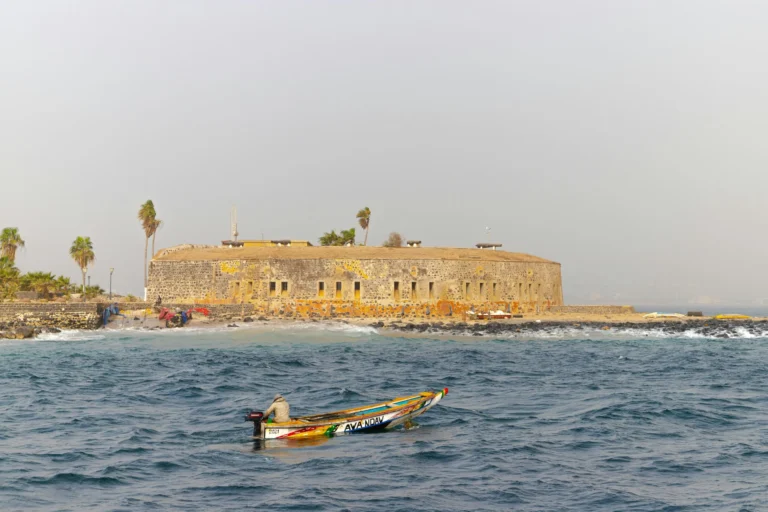
Humidity is low on the coast, perfect for walking Goree Island
How Empty It Feels
40-50% fewer tourists than peak (December holidays & Easter)
Dakar’s Corniche road feels breezy, not bumper-to-bumper
Saly beach resorts have loungers waiting, not towel wars
No queues for the Slave House museum or IFAN Museum
What You’ll Save
30-40% on flights from Europe compared to December peak
25-35% on hotels in Petite Côte and Cap Skirring
Car rentals drop up to 45% – 4x4s are suddenly affordable
Restaurant meals often include free appetizers just to fill seats
The Secret Perk
March: Dakar Biennale (odd years) – Africa’s biggest contemporary art explosion
November: Saint-Louis Jazz Festival – world music in a UNESCO backdrop
Nesting sea turtles on the Saloum Delta islands (March-April)
Golden Harmattan light makes every sunset a postcard
Local guides actually have time to walk you through their family history
The Tiny Trade-Off
Some beach restaurants in Petite Côte close by 6pm instead of 10pm
Occasional Harmattan dust can irritate eyes and dry skin
No swimming in Pink Lake (too salty/hot in March-April)
Fewer pirogues to Carabane island – check departure times twice
Smart Traveler Tip
Target late November for post-rain green landscapes + pre-holiday prices
Avoid Easter week entirely – book early March or mid-April instead
Bring a saline nasal spray and moisturizer for the Harmattan dryness
Deep Off-Season
Your Smartest Windows
June to October (rainy season)
Avoid: Tabaski (Eid al-Adha, dates shift) and Gamou (Mawlid, prophet’s birthday) – local travel triples, and bush taxis become sardine cans.
What the Sky Does
26-34°C (79-93°F) with 70-85% humidity
Afternoon downpours from July to September (usually 1-2 hours, then sun)
Casamance stays lush and green – roads muddy but landscapes emerald
Humidity peaks in August – expect frizzy hair and air you can drink
How Empty It Feels
60-70% fewer tourists than peak season
Goree Island feels almost haunted – just locals and the wind
IFAN Museum – you might be the only visitor that afternoon
Small villages in the Sine-Saloum – only you and the baobabs
What You’ll Save
50-60% off peak-season flights (Paris-Dakar can drop by half)
Hotels at 40-60% discounts – even in Cap Skirring
4×4 rentals for under $40/day – if you don’t mind red mud
Local guides offer package deals just to get any work
The Secret Perk
July-August: The rains turn the Sahel into a secret garden – birds everywhere
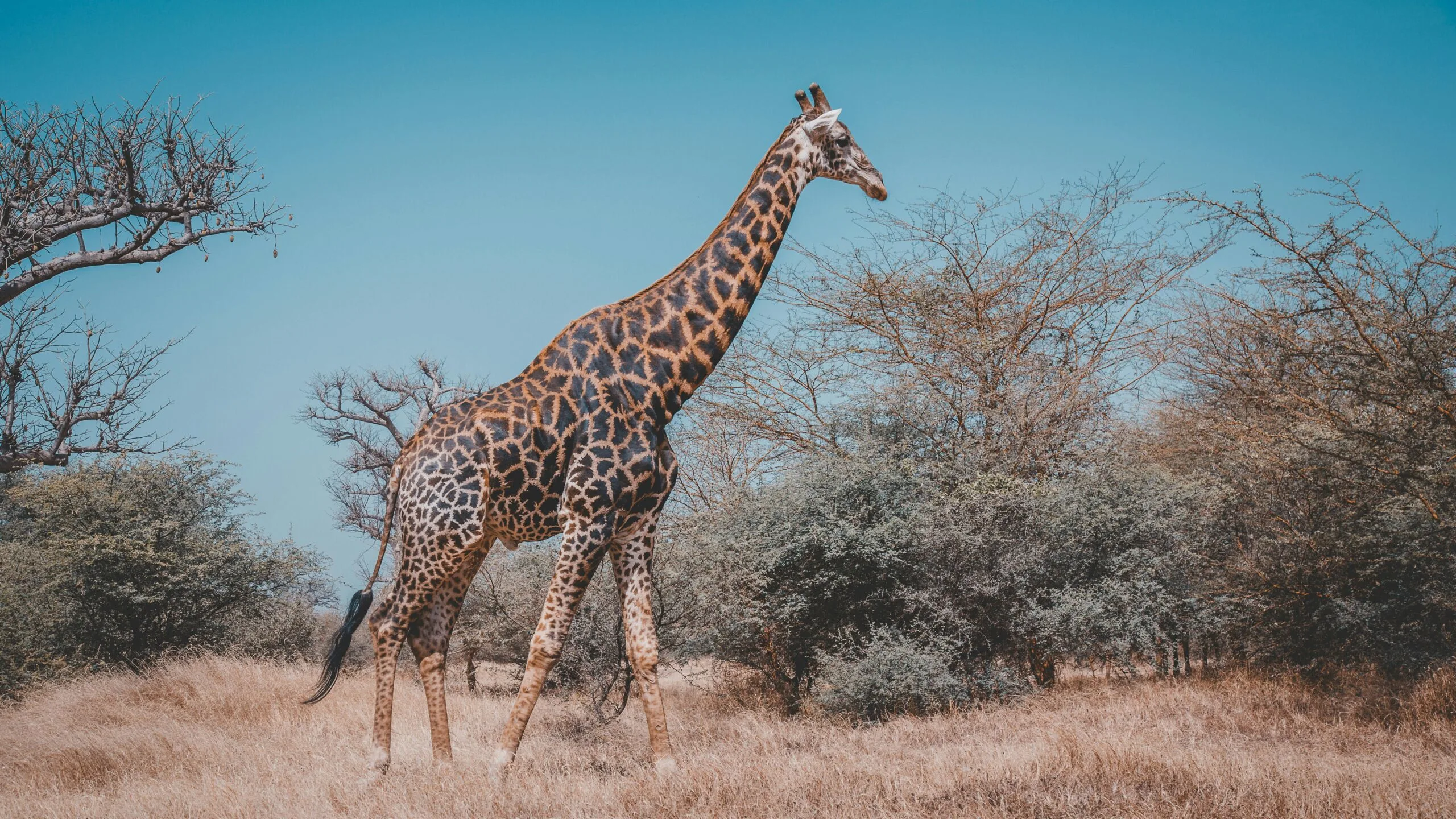
Niokolo-Koba National Park – animals gather at shrinking waterholes (easier to spot)
Learn to cook mafé with a family – they’re home during the slow season
Authentic wrestling matches (Lutte) in village courtyards, not stadiums
No pressure to buy – vendors are too tired from the heat to chase you
The Tiny Trade-Off
Swimming is choppy from June to September (strong Atlantic swells)
Nightlife in Saly – half the beach bars are shut or on skeleton staff
Some lodge restaurants serve a reduced menu or close Tuesdays
Daylight is shorter (sunset ~7pm, not 7:45pm like in dry season)
Smart Traveler Tip
Book September for the lowest prices – it’s the wettest month, but driest wallet
Pack a light rain jacket and water-resistant sandals – flip-flops slip in red mud
Head to Casamance in June – rains start later there than in Dakar
Bring antihistamines – rainy season means extra mosquitoes and blooming flowers
Find Off-Peak Flights
Uncrowded Experiences & Tours
Skip the lines and experience iconic landmarks at your own pace. Discover curated local tours and cultural activities designed to show you the authentic side of the destination without the peak-season rush.
FAQs
Essential Trip Information
Visa and Entry Requirements
Senegal offers visa-free or visa-on-arrival access to many nationalities, but requirements vary.
Most EU, UK, ECOWAS, and U.S. citizens can enter visa-free for stays up to 90 days.
Passport must be valid for at least 6 months after date of entry.
Proof of return ticket, accommodation, and sufficient funds may be requested.
Check your entry requirements via the official government immigration portal: 👉 https://www.snedai.sn/
Currency
Senegal uses the West African CFA Franc (XOF). It is pegged to the Euro.
Best Ways to Handle Currency
- Before Your Trip: Exchange a small amount at home if possible.
- During Your Trip: Use ATMs in Dakar or regional banks (e.g., Société Générale, Ecobank).
- Cards: Visa is accepted in many hotels and restaurants, but cash is king in rural areas.
- Avoid: Airport exchange desks and street money changers.
💱 1 USD ≈ 610 XOF (check latest rates before departure)
Language
Official language: French
Wolof is the most widely spoken native language.
Helpful phrases
“Bonjour” (Hello)
“Naka nga def?” (How are you? – in Wolof)
“Merci beaucoup” (Thank you very much)
“Combien ça coûte?” (How much does it cost?)
Safety & Security
Generally safe, especially in tourist areas and Dakar.
Be cautious in isolated or poorly lit areas at night.
Beware of pickpockets in markets and buses.
Political protests can occur—avoid demonstrations.
Emergency number: 17 (police), 18 (fire/ambulance)
Health & Insurance
Yellow fever vaccination is required for entry (bring proof).
Malaria is present—consult your doctor about antimalarials.
Drink bottled or filtered water only.
Travel insurance is strongly recommended.
Pharmacies are common in cities like Dakar, Saly, and Saint-Louis.
Transportation
Taxis are plentiful but unmetered—negotiate the fare first.
Public transport includes minibuses (Ndiaga Ndiaye) and car rapides—colorful but crowded.
Ferries connect Dakar to Gorée Island and southern regions.
Domestic flights are available but limited.
Many travelers hire a car with a local driver for road trips.
Price Level
Senegal is affordable to moderate, with options for every budget.
Accommodation
Budget: Guesthouses/hostels (US$25–50/night)
Mid-range: Boutique hotels or lodges (US$70–150/night)
Luxury: Beach resorts or chain hotels (US$200+/night)
Food
Street food: US$2–5 (try thieboudienne or grilled fish)
Local restaurants: US$8–15/person
Fine dining in Dakar: US$30–60/person
Drinks
Local beer: US$2–4 (Gazelle, Flag)
Cocktails in hotels: US$8–12
Transport
- Taxi: US$3–8 (negotiate fare upfront)
- Intercity buses: US$5–20, depending on route
- Car rental (with driver): US$60–100/day
Money-Saving Tips
Eat at local dibiteries and markets.
Use public transport (car rapides) for short distances.
Negotiate prices in taxis and with local guides.
Planning Your Trip
Local Customs And Etiquette
Greetings: Use “Salaam aleikum” when greeting locals; a handshake or light touch on the heart shows respect.
Dress Code: Modest clothing is appreciated, especially in rural and Muslim-majority areas. Swimwear is acceptable at beaches.
Photography: Ask permission before photographing people—especially in villages.
Tipping: 5–10% in restaurants; US$1–2 for hotel staff or guides.
Religion: Senegal is majority-Muslim, but religious tolerance is high. Friday is the main prayer day—some businesses may close briefly.
Bargaining: Common in markets; friendly haggling is expected.
Budgeting For Your Trip
Accommodation:
- Hostels: US$25–50
- Mid-range hotels: US$70–150
- Luxury resorts: US$200–400+
Food:
- Street food (e.g., yassa, thieboudienne): US$2–6
- Sit-down local meals: US$10–20
- High-end dining: US$40–70+
Transport:
- Taxis within Dakar: US$5–15/day
- Intercity buses: US$10–20
- Private driver: ~US$70–90/day
Activities:
- Ferry to Gorée Island: US$5
- Museums: US$2–10
- Safari or eco-tour: US$30–80
Daily Budget:
- Budget: US$60–90 (guesthouse, street food, local transport)
- Mid-range: US$150–200 (hotel, guided tours, restaurant meals)
- Luxury: US$300+ (top resorts, private driver, excursions)
Internet & Mobile
Free Wi-Fi: Available at most hotels and some cafes, but speeds can vary.
SIM Cards: Orange and Free Senegal offer prepaid SIMs (~US$5–10 with 10GB).
eSIMs: Available via Airalo or Holafly – useful for short stays.
Tip: Download offline maps (e.g., Maps.me) before rural travel.
Travel Insurance
Highly recommended due to remote areas and varying healthcare access.
Covers: Emergency medical, trip delays, baggage loss.
Adventure activities (e.g., kayaking in Casamance or wildlife safaris) may require specialized policies.
Dakar has decent private clinics, but more remote regions lack advanced care.
Accomodation Options
Senegal offers a mix of boutique lodges, beach resorts, and simple guesthouses.
Luxury:
- Hotel L’Amphitrite (Cap Skirring) – beachfront suites.
- Radisson Blu Dakar Sea Plaza – modern comfort with ocean views.
Mid-range:
- La Résidence (Saint-Louis) – colonial-style charm.
- Le Warang (near Saly) – peaceful coastal retreat.
Budget:
- Guesthouses in Dakar & Ziguinchor: ~US$25–50/night.
- Hostels: ViaVia Dakar, Auberge Keur Diame (friendly, basic facilities).
Unique Stays:
- Ecolodges in Casamance – stay in palm-roofed huts by the river.
- Historic inns on Gorée Island – colonial-era homes converted into B&Bs.
Tip: Book beach stays early (Dec–Feb), especially in Saly and Cap Skirring.
Getting Around
Senegal has a developing transport network—plan ahead for long distances and varying road quality.
Domestic Flights:
- Quickest option for reaching Ziguinchor or Cap Skirring from Dakar (~US$80–120).
- Air Sénégal operates reliable short-haul flights.
Buses & Minibuses:
- ‘Ndiaga Ndiaye’ minibuses: Cheapest (~US$3–10), but slow and crowded.
- Intercity buses (e.g., Dakar Dem Dikk): Safer and more comfortable (~US$10–20 between major cities).
Car Rentals:
- Self-driving is possible but not recommended for first-timers (poor signage, variable road conditions).
- Hire a driver for ~US$60–90/day – safer and more efficient for cross-country travel.
Taxis:
- Common in cities. Negotiate fares (e.g., Dakar airport to downtown ~US$10–15).
- Apps like Yango are more reliable for pricing.
Ferries:
- Regular service to Gorée Island (US$5 round trip) from Dakar port.
- Casamance ferry (Dakar–Ziguinchor): Overnight with cabin options (~US$25–60).
Bold Recommendation: Hire a local driver or use reliable intercity buses for safer long-distance travel.