 Skip to content
- Can I Still Drive Through Lesotho In The Off Season?
Yes, but only if you embrace a spirit of high-altitude adventure. The off-season (winter) brings crisp, sunny days perfect for photography, but the drawdown is that mountain passes can close temporarily due to snow or black ice.
To 'Exploit Travel Seasonality', you will trade the summer thunderstorms for stunning snow-capped peaks. Just rent a 4x4 and drive slowly; the reward is having the iconic Sani Pass or remote villages almost entirely to yourself, with car rental discounts of 15% to 25%.
- Is Lesotho Too Cold To Enjoy During The Low Season?
Not if you pack correctly. While temperatures can drop below freezing at night (especially in the highlands), the days are usually bright, sunny, and perfect for pony trekking or hiking without sweating.
The positive trade-off is that you get the 'Kingdom in the Sky' literally dusted with snow—a view most peak-season travelers never see. The drawdown? Pack thermal layers, as lodges focus on roaring fireplaces rather than central heating. The experience becomes cozy, not uncomfortable.
- Does The Off Season Mean Fewer Tourists In Lesotho?
Absolutely. You will feel like you have the entire mountainous kingdom to yourself. This is the ultimate benefit: visiting traditional Basotho villages or hiking to Maletsunyane Falls with 80% fewer people around.
The only negative is that some remote guided tours or cultural village shows may run less frequently or require advance booking. However, this forces deeper interaction with locals rather than being shuffled through a tourist conveyor belt. You will actually talk to people, not just photograph them.
- How Much Can I Save On Accommodation In Lesotho Off Season?
Expect discounts ranging from 20% to 35% on mountain lodges, backpackers, and even the famous Sani Mountain Lodge. The high-altitude winter is considered 'low season', so prices drop significantly from the summer peak.
The catch? Some higher-altitude chalets might have reduced water pressure if pipes freeze overnight. However, the value is undeniable. You get premium, remote locations for budget prices. Think of it as trading a hot shower for a once-in-a-lifetime sunrise over snow-covered peaks—worth the trade.
- Is It Safe To Hike Or Pony Trek In Lesotho During Off Season?
Yes, and it is actually better in many ways. The absence of summer rain means trails are muddy instead of treacherous, and leeches are gone. Local guides are also more available and attentive because they are not juggling large groups.
The drawdown is that days are shorter, so you start treks earlier. But here is the positive secret: the crisp air means clearer visibility for miles. You will see the dramatic mountain landscapes without the haze of summer humidity. Just bring a headlamp and extra snacks, and you are set for an authentic highland adventure.

Home > Exploit The Seasons > Seasonal World Map > Africa > Lesotho
LESOTHO
Lesotho reveals its rugged soul beyond the winter ski rush, from emerald highlands to frozen Maletsunyane Falls. Skip the crowds to trek Basotho pony trails alone, sleep in empty mountain lodges, and find genuine highland hospitality without peak-season premiums.
Smart Travel Calendar
Why Visit Lesotho?
Trek the Sani Pass without convoy chaos – just you, the switchbacks, and the vultures.
Have Malealea’s pony trekking routes solo – guides take you where jeeps can’t go.
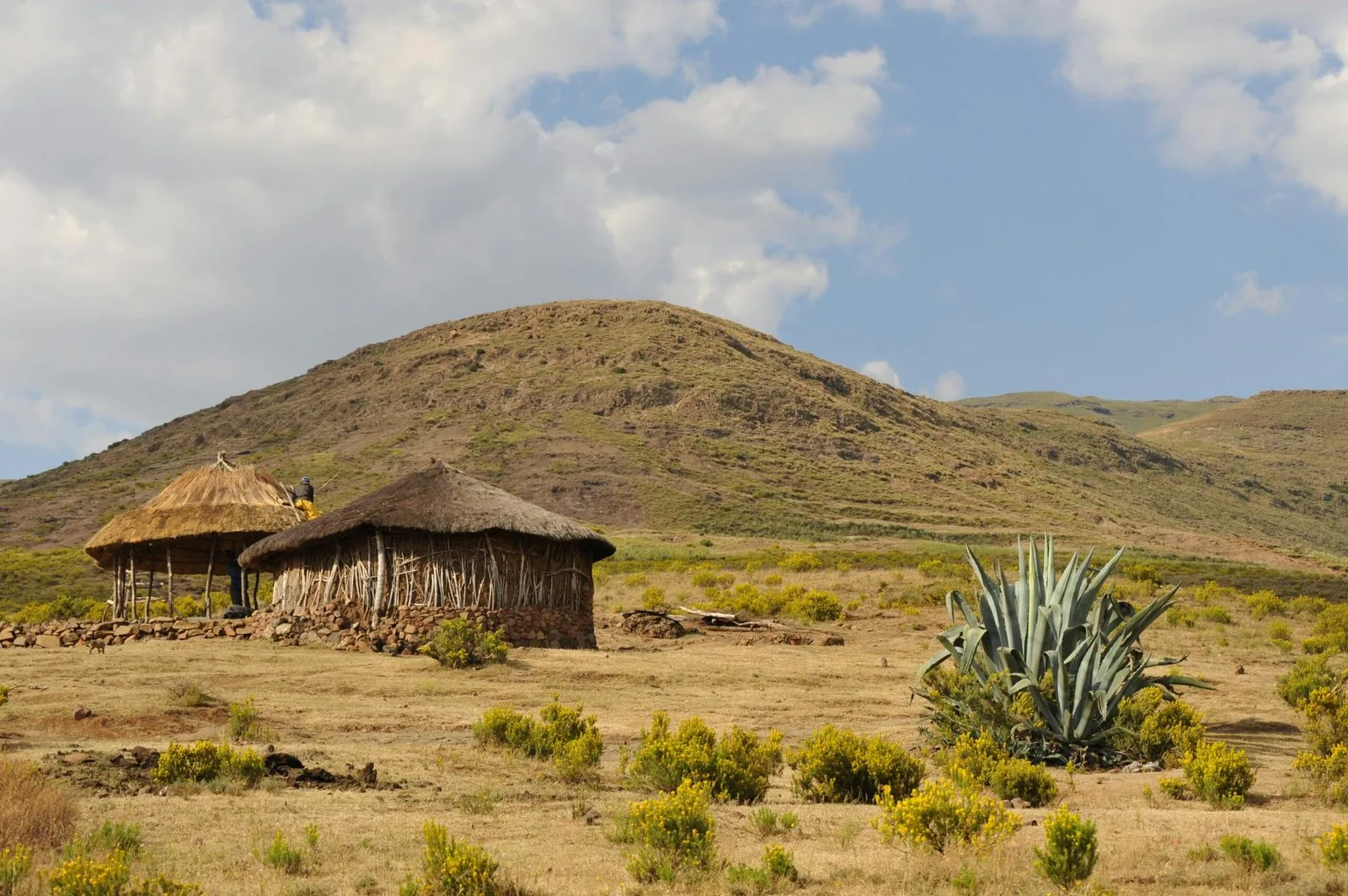
Sleep in a traditional Basotho hut without booking six months ahead.
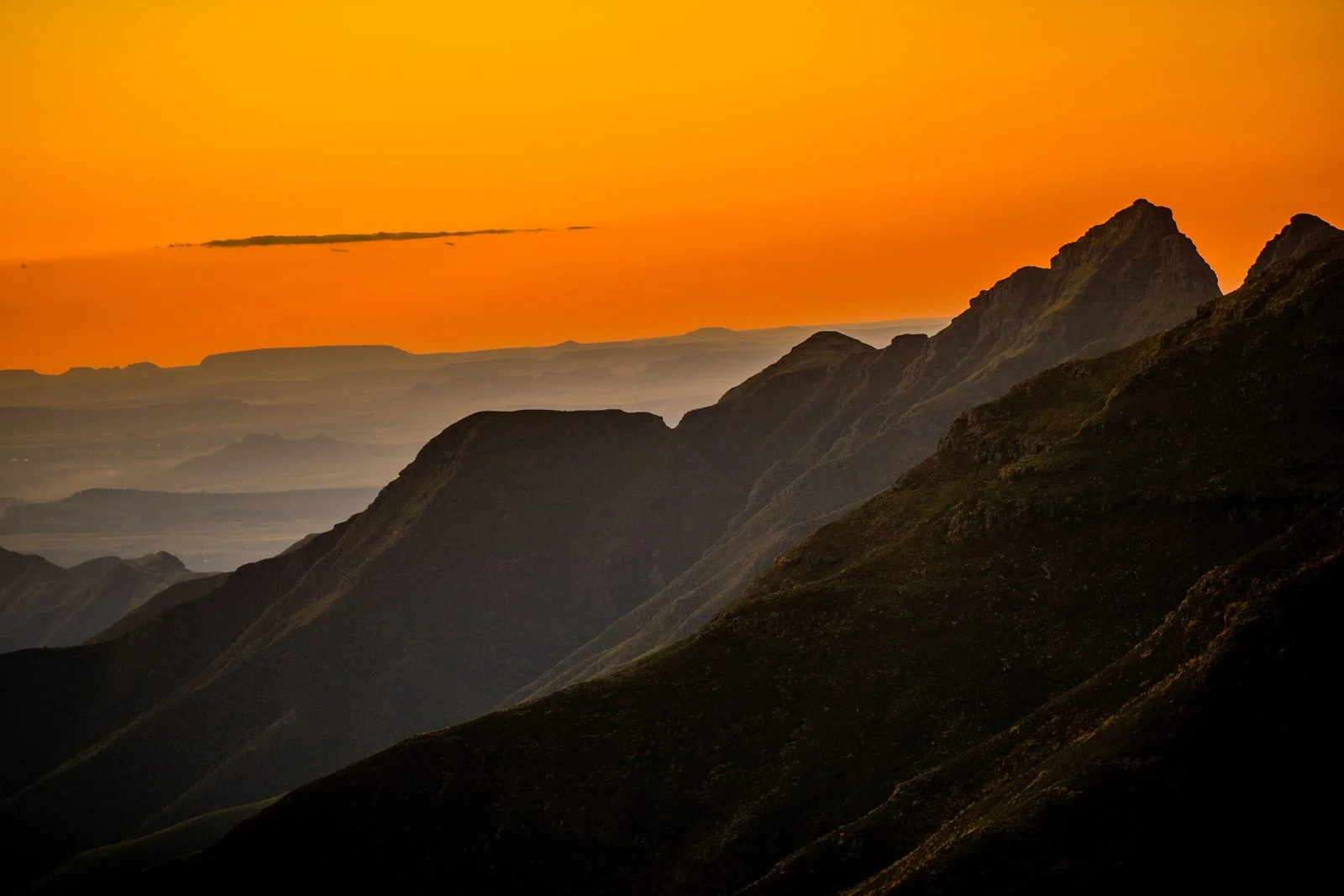
Photograph snow-dusted peaks in silence – no other tourists queuing for the shot.
Explore dinosaur footprints at Subeng – just you and 200-million-year-old tracks.
Drink home-brewed joala with villagers who have time to share their stories.
Shoulder Season
Your Smartest Windows
September to October
April to May
Avoid: Easter week (variable March/April) – Lodges in the highlands fill with South African families, and pony trek operators get overbooked by local visitors.
What the Sky Does
Daytime 18-24°C (64-75°F) in lowlands / 12-18°C (54-64°F) in highlands
September-October: spring wildflowers explode – carpets of yellow and purple
April-May: autumn colours hit the poplars – golden valleys before the freeze
Crisp, clear air with zero humidity – you can see for 50 kilometres
How Empty It Feels
40-50% fewer tourists than peak (June-August ski season & December holidays)
Sani Mountain Lodge’s deck – sip a beer without elbowing for the view
Malealea’s pony trek departure point – choose your pony instead of waiting your turn
No queues at Thaba-Bosiu’s plateau – just you and King Moshoeshoe’s ghost
What You’ll Save
30-40% on flights into Maseru or Bloemfontein (South Africa gateway)
25-35% on mountain lodges – especially Semonkong and Malealea
4×4 rental from South Africa drops 40% – you’ll see why (rocky roads await)
Pony treks at half the booked-out summer rates – guides negotiate to fill days
The Secret Perk
September: Spring lambing season – valleys fill with wobbly newborns
October: Wild irises blanket the highlands – photography heaven
April: The Maletsunyane Falls roar after summer rains – peak flow without crowds
Golden autumn light for photography – soft, warm, and endless
Basotho herders actually wave back – not just rushing to winter pastures
The Tiny Trade-Off
Some mountain passes still have snow patches (early September) – check before driving
Occasional afternoon thunderstorm (October only) – pack a shell
Fewer daily flights to Maseru – especially from Durban
Leaves block some views in April – the poplars are beautiful but dense
Smart Traveler Tip
Target late September or early May for the absolute sweet spot – perfect weather, zero crowds.
Book Sani Pass tours before South African school holidays start (late September) – prices jump fast.
Pack layers for 15°C day-night swings – the highlands cool fast once the sun drops behind a peak.
Deep Off-Season
Your Smartest Windows
November to March (summer – rainy season)
June to August (winter – ski season in Afriski only)
Avoid: June-July school holidays (South Africa & Lesotho) – Afriski becomes a traffic jam, and affordable lodges near the ski slope sell out three months in advance.
What the Sky Does
Summer: 22-28°C (72-82°F) in lowlands / 15-22°C (59-72°F) in highlands
Summer rains from November to March – dramatic afternoon storms, then clearing
Winter: 5-15°C (41-59°F) days / -5 to 5°C (23-41°F) nights – snow possible above 2,500m
Winter lowlands are dry and crisp – perfect for hiking when highlands are freezing
How Empty It Feels
70-80% fewer tourists outside Afriski – summer is empty, winter is only busy at the ski slope
Sani Pass in summer – maybe two other vehicles all day
Malealea village – you’ll be the only foreigner in the valley
Kome Caves dwellings – just you and the caretaker
What You’ll Save
50-65% off peak-season flights – especially November and February
Mountain lodges at 50-70% discounts – some offer “green season” rates under $30/night
No 4×4 rental price surge – demand drops when ski season ends
Guided hikes for $15-20/day – guides are grateful for any work during quiet months
The Secret Perk
November-December: The highlands are impossibly green – emerald valleys, thundering waterfalls
January: Traditional Basotho blanket making – families have time to show you the process
February-March: Pony trekking without frostbite – warm days, comfy nights
Summer swimming in rock pools – yes, Lesotho has secret swimming holes
No need to book anything ahead – show up, choose your room on arrival
The Tiny Trade-Off
Some mountain roads become muddy or washed out (January-February) – 4×4 is essential
Afriski is dead in summer – lifts don’t run (but who goes to Lesotho for a ski lift?)
Restaurants in Semonkong – half the menu may be unavailable (limited fresh deliveries)
Daylight hours longer in summer but rain disrupts – plan mornings for outdoor activities
Smart Traveler Tip
Book January for empty highlands and perfect hiking temps – rains are less frequent than December.
Pack waterproof boots for summer – laterite mud is legendary.
Visit in June but skip Afriski – the lowlands are dry and empty, daytime temps are perfect for trekking.
Bring a 4×4 for summer, chains for winter – Sani Pass requires respect in any season.
February is the secret sweet spot – rains ease, landscapes are still green, and prices are bottom-low.
Find Off-Peak Flights
Uncrowded Experiences & Tours
Skip the lines and experience iconic landmarks at your own pace. Discover curated local tours and cultural activities designed to show you the authentic side of the destination without the peak-season rush.
FAQs
Essential Trip Information
Visa and Entry Requirements
Check if you need a visa via Lesotho’s official immigration website: Lesotho Immigration
Many nationalities can obtain a visa on arrival or enter visa-free for short stays; confirm based on your nationality.
Passports should be valid for at least six months beyond your travel dates.
Proof of onward travel and sufficient funds may be required at entry.
Currency
The official currency is the Lesotho Loti (plural: Maloti), symbol “M”. It is pegged to the South African Rand (ZAR), which is also widely accepted. Bills: M10–M200. Coins: 1, 2, 5, 10, 20, 50 sente (cents) and M1, M2, M5.
Best Ways to Handle Currency
Before Your Trip: It’s recommended to have some South African Rand (ZAR) as it’s interchangeable with the Loti and widely accepted.
During Your Trip: ATMs are available in larger towns like Maseru, but can be limited elsewhere. Credit/debit cards (Visa, Mastercard) are accepted at major hotels and some larger establishments, but carry sufficient cash for smaller vendors, rural areas, and fuel. Mobile payment services like M-PESA are gaining traction.
What to Avoid: Street money exchangers.
Language
Sesotho is the primary language; English is widely used in business and government.
Helpful phrases: “Lumelang” (Hello), “Kea leboha” (Thank you).
Safety & Security
Exercise a high degree of caution. Petty crime, including pickpocketing and bag snatching, is common in urban areas and tourist spots. More serious crimes like armed robbery and carjacking can occur.
Avoid walking alone, especially at night.
Keep valuables out of sight and secure your belongings.
Emergency number: Police (Maseru): 112. Other emergency numbers may vary by region; inquire locally.
Health & Insurance
No specific vaccinations are universally required unless arriving from a yellow fever endemic country. However, typhoid, Hepatitis A and B, rabies, and tetanus vaccinations are highly recommended.
Consult your doctor or a travel clinic well in advance.
Travel insurance with medical evacuation coverage is strongly advised, as medical facilities are limited, and serious cases often require transfer to South Africa.
Pharmacies are found in larger towns.
Tap water is generally not safe to drink; stick to bottled water.
Transportation
Mini-buses/Taxis: The most common form of public transport for inter-town travel. They are affordable but often crowded and depart when full.
4×4 Vehicles: Essential for exploring remote or mountainous areas, especially during the rainy season, as many roads are unpaved.
Pony Trekking: A popular and authentic way to experience rural Lesotho and its stunning landscapes.
Car Hire: Available in Maseru. An International Driving Permit is recommended. Be aware of road conditions, potholes, and animals on roads.
Price Level
Lesotho is generally affordable for lodging and food.
Accommodation:
- Budget guesthouses: US$20–40/night
- Mid-range lodges: US$50–100/night
- Luxury mountain resorts: US$150+/night
Food:
- Local meals: US$3–8
- Restaurant dining: US$10–25
Transportation:
- Taxi rides within Maseru: US$2–5
- 4×4 vehicle hire for day tours: US$100+
Money-Saving Tips
- Use local markets for souvenirs and crafts.
- Travel during the shoulder season (spring/autumn) for better rates.
- Book tours and accommodation in advance during peak months (June-August).
Planning Your Trip
Local Customs And Etiquette
Greetings: A handshake and a warm smile are common; close friends may exchange a light cheek touch.
Respect: Show respect for elders and traditional leaders—address them politely.
Tipping: Generally not compulsory but appreciated—about 5–10% at restaurants or rounding up the fare for taxi drivers.
Dress Code: Casual clothes are fine for most places; in rural areas, modesty is valued—avoid overly revealing attire.
Photography: Always ask permission before photographing people or their homes, especially in villages.
Social Norms: Public displays of affection are uncommon and sometimes frowned upon.
Free Attractions: Many natural sites like national parks and waterfalls have small entrance fees, usually under US$5.
Budgeting For Your Trip
Accommodation:
- Guesthouses and basic lodges: US$20–50 per night
- Mid-range hotels and safari lodges: US$60–150
- Luxury lodges and resorts: US$200+
Food:
- Street food/local eateries: US$3–7
- Casual dining: US$10–20
- Upscale restaurants: US$30+
Transport:
- Local minibuses (“matebele”): under US$1 per trip
- Private taxis and 4×4 rentals (recommended for rural areas): US$50–100/day
Activities:
- Guided tours (mountain hiking, cultural villages): US$20–60
- Entrance fees to parks and museums: mostly under US$10
Daily Budget:
- Budget: US$40–60 (basic accommodation, local food, public transport)
- Mid-range: US$80–150 (comfortable lodging, some guided tours, private transport)
- Luxury: US$200+ (premium lodges, private guides, exclusive experiences)
Internet & Mobile
Free Wi-Fi: Limited, mostly available in hotels, cafes in Maseru (capital) and larger towns.
SIM Cards: Local providers like Vodacom and Econet sell prepaid SIMs with data plans at about US$10–20 for 5–10GB.
eSIMs: Supported by some international providers, but local SIMs are more cost-effective.
Travel Insurance
Recommended for: Medical emergencies (local healthcare is limited outside Maseru), trip delays, and adventure activities like hiking or pony trekking.
Medical Facilities: Basic in rural areas; private hospitals in Maseru provide better care but can be costly. Ensure your insurance covers evacuation if needed.
Adventure Activities: Check that your plan covers hiking, 4×4 tours, and pony rides.
Accomodation Options
Lesotho offers diverse stays from traditional homestays to exclusive mountain lodges.
Luxury:
- Mountain lodges with stunning views (e.g., in the Maluti Mountains) offering guided hikes and spa services.
- Boutique resorts near the Katse Dam and Sehlabathebe National Park.
Mid-range:
- Guest lodges in Maseru and larger towns with comfortable amenities.
- Eco-lodges blending into rural surroundings.
Budget:
- Guesthouses and homestays around towns like Mafeteng and Hlotse, often under US$30/night.
- Simple hostels or backpacker-friendly options in Maseru.
Unique Stays:
- Traditional Basotho huts (“rondavels”) available for immersive cultural experiences.
- Mountain cabins accessible via 4×4 tracks for adventurous travelers.
Tip: Book lodges early during the dry season (May–September), when hiking conditions are best.
Getting Around
Travel infrastructure is basic but improving; 4×4 vehicles are highly recommended outside Maseru.
Roads and Vehicles:
- Main roads linking Maseru with towns like Butha-Buthe are paved but rural roads are often gravel or dirt.
- Rent a 4×4 for rural exploration and mountain access; daily rates range from US$50 to 100.
Public Transport:
- Minibuses and shared taxis connect major towns but schedules are irregular.
- Private taxis are more reliable for short trips in Maseru.
Domestic Flights:
- None; Lesotho is small and mountainous—air travel is not commonly used.
Hiking and Pony Trekking:
- Popular way to explore national parks and remote areas; guided treks vary from half-day to multi-day.
Cross-border Travel:
- Many visitors enter from South Africa via Maseru Bridge or Caledonspoort; check visa requirements in advance.