 Skip to content
- Why Should I Visit Ethiopia During The Heavy Rains Instead Of The Dry Season?
Because you will witness a landscape that most tourists never see. The main rainy season (June to September) turns the northern highlands into a cascading green paradise, with the Blue Nile Falls roaring at full power and the Simien Mountains draped in mist and wildflowers. The dramatic grey skies actually make the ancient rock-hewn churches of Lalibela feel more mysterious and spiritual.
The trade-off is that some unpaved roads become challenging, especially in the far north. But hotel discounts of up to 40% across the country make it a smart move. Exploit travel seasonality here, and you will explore castles in Gondar and stelae fields in Axum with almost no other travelers around.
- Will The Famous Danakil Depression Be Unbearably Hot During The Shoulder Months?
Surprisingly, it is actually more tolerable. The Danakil Depression, one of the hottest places on Earth, sees extreme temperatures year-round. However, visiting during the rainy season (June to September) brings slightly cooler temperatures and overcast skies that reduce the brutal direct sun exposure.
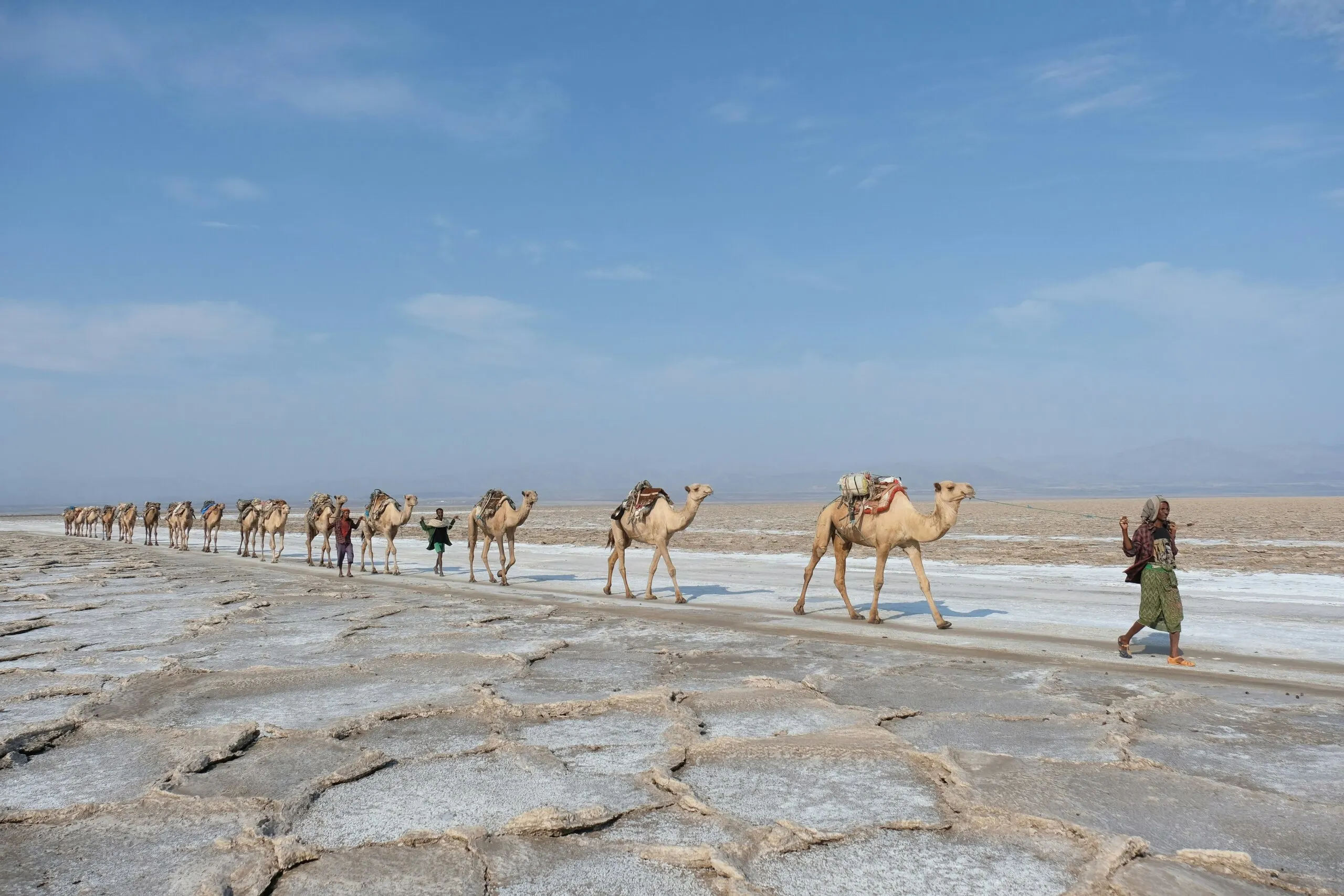
The catch is that some salt flats and remote tracks can become temporarily inaccessible after heavy rain. But tour operator discounts of roughly 25-30% mean you can afford a private 4x4 and experienced guide who knows the safest routes. You will still see the bubbling lava lakes, neon-green sulfur springs, and salt caravans, just with fewer other tourists.
- Is The Simien Mountains Trekking Impossible During The Green Season?
It becomes a trek for experienced hikers who love solitude, and it is unforgettable. The Simien Mountains National Park receives its heaviest rainfall between July and September, making trails slippery and fog common at higher elevations. However, this is precisely when the landscape is at its most dramatic, with waterfalls plunging off every escarpment and the endemic gelada monkeys showing off their full winter coats.
The reward is that mountain lodge and camping fees drop by roughly 35% , and you can negotiate longer treks at better rates. You will share the trails only with local shepherds and their flocks of walia ibex, which thrive in the wetter conditions. Pack proper waterproof gear and hire a local scout, and you will have the roof of Africa almost to yourselves.
- Will The Omo Valley Tribes Be Accessible During The Rainy Season?
It requires more planning, but the cultural experience is more authentic. The Omo Valley in southwestern Ethiopia has its own microclimate, with rains typically falling between March and May and again from September to November. During these periods, river levels rise, and some remote villages become harder to reach.
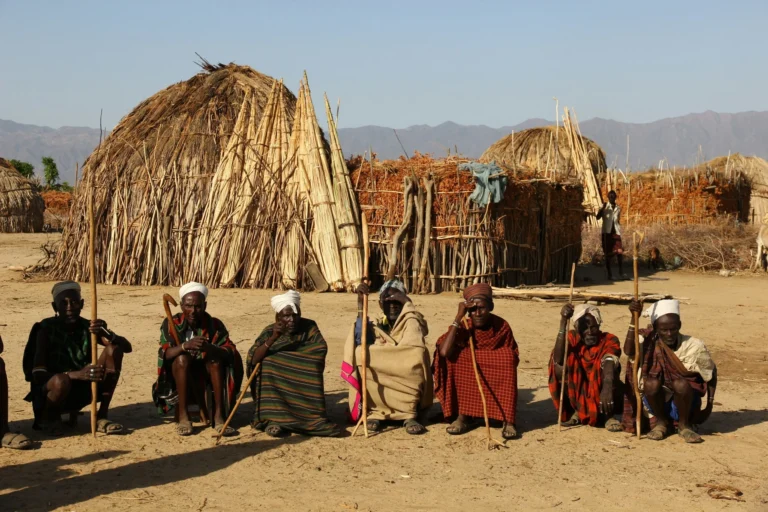
The hidden advantage is that this is when local ceremonies and harvest festivals occur. Cultural tour prices drop by roughly 30% , and you will find that village elders have more time for conversation without the constant stream of dry-season photographers. Fly between major towns like Jinka and Arba Minch to avoid the worst roads, and you will leave with far deeper connections than peak-season travelers ever make.
- Is The Historic Route Of Lalibela, Gondar, And Axum A Washout During The Rains?
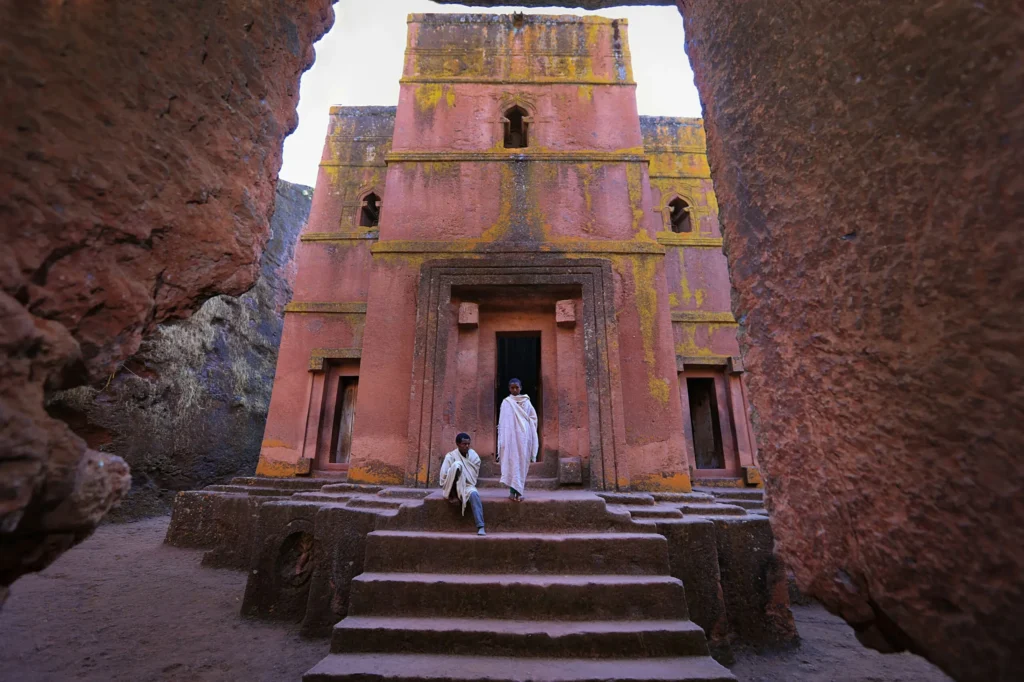
Absolutely not, it becomes a photographer's dream. The rains in Ethiopia's northern highlands usually fall as dramatic afternoon downpours, leaving mornings perfectly clear for exploration. The rock-hewn churches of Lalibela, carved from solid volcanic tuff, have drainage systems designed centuries ago that channel water away perfectly.
The only real drawback is that the famous Timkat (Epiphany) festival in January is peak season. But by visiting during the rainy months, you can attend the lesser-known but equally moving Meskel (Finding of the True Cross) festival in late September. Flight prices into Addis Ababa drop by roughly 15-20% from international hubs, and you will find guided tour discounts of roughly 20-25% across the historic circuit.

Home > Exploit The Seasons > Seasonal World Map > Africa > Ethiopia
ETHIOPIA
Ethiopia pulses with ancient rhythms beyond the dry-season rush, from misty Simien peaks to the otherworldly Danakil depression. Skip the crowds to explore rock-hewn churches in solitude, trek green highlands, and experience Orthodox festivals without peak-season prices.
Smart Travel Calendar
Why Visit Ethiopia?
Have Lalibela’s churches nearly to yourself when tour buses vanish after Christmas.
Trek the Simien Mountains in emerald silence – no mule trains or crowding at camps.
Spot gelada monkeys at sunrise without a dozen other hikers jostling for photos.
Explore Axum’s stelae fields alone – just you and 3,000 years of history.
Eat injera with Orthodox priests who have time to talk – not rush to the next ceremony.
Photograph the Danakil Depression at 45°C with half the group – cheaper and more intense.
Shoulder Season
Your Smartest Windows
March to April
October to November
Avoid: Ethiopian Christmas (Genna, Jan 7) and Timkat (Epiphany, Jan 19-20) – Lodges in Lalibela, Gondar, and Axum book out 6 months in advance with premium pricing.
What the Sky Does
Daytime 22-28°C (72-82°F) in highlands / Nights 10-15°C (50-59°F)
March-April: “small rains” (belg) – brief afternoon showers, landscapes turn green
October-November: post-wet season clarity – crisp air, perfect for photography
Lowlands (Danakil, Omo) stay hot – 35-40°C (95-104°F), but fewer tourists
How Empty It Feels
40-50% fewer tourists than peak (October & December holidays)
Lalibela’s church tunnels – you might wait 2 minutes instead of 20
Gondar’s castle compound – echoes of footsteps, not guide chatter
Lake Tana monastery boats – no need to share your boat with strangers
What You’ll Save
30-40% on flights from Addis to Lalibela, Axum, and Bahir Dar
25-35% on boutique hotels in the historic circuit
Private 4×4 hire drops 40% – drivers negotiate just to stay busy
Souvenir prices at markets – sell lower when you’re the only customer
The Secret Perk
March: Ethiopian Easter (Fasika, variable) – genuine Orthodox celebrations without January crowds
April: The northern highlands burst into wildflowers – carpets of yellow and purple
Bird migration peaks in the Rift Valley lakes – thousands of flamingos and pelicans
Soft golden light for photography – no dry-season dust haze
Local guides share family stories – they’re not rushing to the next group
The Tiny Trade-Off
Some rustic lodges in the Simiens close their second dining tent (reduced menu)
Occasional afternoon shower in March-April – pack a light rain shell
Trekking paths can be muddy – especially approaching Chennek camp
Fewer daily flights to remote airstrips – check schedules twice
Smart Traveler Tip
Target late October for peak post-wet clarity + pre-Christmas prices
Book early November before Timkat bookings start creeping in (prices rise from Dec 1)
Bring layers for 15°C day/night swings – highlands cool fast after sunset
Deep Off-Season
Your Smartest Windows
June to September (main rainy season – kiremt)
Avoid: Genna (Jan 7) & Timkat (Jan 19-20) – already covered. Also avoid Easter week (Fasika, variable April/May) when domestic travel spikes.
What the Sky Does
Highlands: 18-22°C (64-72°F) – cool and damp / Nights 8-12°C (46-54°F)
Daily morning sun followed by afternoon downpours (June-August)
The Danakil and Omo Valley stay hot and mostly dry – 38-42°C (100-108°F)
Humidity is high in the southern Rift – expect sticky afternoons
How Empty It Feels
70-80% fewer tourists than peak season
Lalibela’s main cluster of churches – you might be the only person inside Bete Giyorgis
The National Museum in Addis (Lucy) – walk straight to the fossil room
Harar’s hyena men – just you, the locals, and the spotted visitors
What You’ll Save
50-65% off peak-season flights (Addis to Lalibela can drop by half)
Historic hotels at 50-70% discounts – some offer “green season” rates under $40
4×4 rentals for under $60/day – if you don’t mind mud and potholes
Private guides for $15-20/day – they’re happy for any work at all
The Secret Perk
July-August: The Blue Nile Falls is thunderous – peak flow, absolutely spectacular
Simien Mountains are lush and empty – geladas have the escarpment to themselves
Learn coffee ceremony in a village home – no tourist crowds, just genuine hospitality
Authentic debtera (healer/scribe) visits – rainy season is their quiet time
No need to book anything ahead – show up, pick your room on arrival
The Tiny Trade-Off
Some trekking routes in the Simiens – guides may refuse long routes due to mud
Roads to the Omo Valley can become impassable (June-July mud)
Restaurants in Lalibela – half the menu may be unavailable (limited fresh deliveries)
Daylight hours shorter (sunset ~6:20pm vs 6:50pm in dry season)
Smart Traveler Tip
Book September for the sweet spot – rains are ending, but prices are still low
Pack waterproof hiking boots and a poncho – red mud is unforgiving in the highlands
Head to the Danakil or Omo Valley – they get far less rain than the north
Bring a headlamp – rural power cuts are more common during storms
Schedule flights for morning only – afternoon clouds often cancel later flights
Find Off-Peak Flights
Uncrowded Experiences & Tours
Skip the lines and experience iconic landmarks at your own pace. Discover curated local tours and cultural activities designed to show you the authentic side of the destination without the peak-season rush.
FAQs
Essential Trip Information
Visa and Entry Requirements
Tourist Visa: Most travelers require a visa to enter Ethiopia. Check eligibility and apply via the Ethiopian Immigration Portal.
Validity: Passports must be valid for at least 6 months beyond your date of entry.
Required Documentation: You may be asked to provide proof of return or onward travel and sufficient funds for your stay.
Visa Fee: The standard tourist visa fee is approximately US$52 for a 30-day stay.
Currency
Currency: The Ethiopian Birr (ETB) is the official currency.
Banknotes: 1, 5, 10, 50, 100, and 200 Birr.
Coins: 1, 5, and 10 cents.
Best Ways to Handle Currency
Before Your Trip: Exchange a small amount of Birr before departure. ATMs are widely available, especially in Addis Ababa, offering competitive exchange rates.
During Your Trip: Use ATMs or local exchange offices for better rates. International credit cards are accepted in major hotels, shops, and restaurants, but it’s advisable to carry cash for smaller vendors.
What to Avoid: Avoid exchanging money at hotels or tourist areas, as they tend to offer less favorable rates.
Language
Official Language: Amharic, though English is widely spoken in cities and tourist areas.
Helpful phrases:
- “Selam” (Hello)
- “Amesegenallo” (Thank you)
- “Yemihonew?” (How are you?)
Safety & Security
General Safety: Ethiopia is relatively safe, but be cautious in certain areas due to political instability or civil unrest.
Petty Crime: Pickpockets can be an issue in crowded places such as markets or tourist sites, so stay vigilant.
Emergency Number: 911 is the emergency number for police and ambulances.
Health & Insurance
Vaccinations: Recommended vaccinations include Hepatitis A & B, Typhoid, and Yellow Fever.
Travel Insurance: It’s essential to have travel insurance to cover medical emergencies, as healthcare facilities may be basic in rural areas.
Water: Tap water is not recommended for drinking. Bottled water is readily available.
Transportation
Air Travel: Ethiopia is served by Ethiopian Airlines, which operates numerous flights domestically and internationally.
Taxis: Reliable taxis are available in larger cities, though they may not always use meters, so agree on a price in advance.
Buses: Intercity buses are a cheap and reliable option for travel between cities.
Walking/Biking: Addis Ababa is walkable, but walking outside the city can be challenging due to uneven roads.
Price Level
Ethiopia offers a diverse range of price levels for travelers, from budget to luxury experiences.
Accommodation
Budget: Guesthouses and hostels ($30–60/night)
Mid-range: 3-star hotels ($70–120/night)
Luxury: 5-star hotels ($150+/night)
Food
Quick eats: Street food and local cafés ($3–7)
Casual dining: Local restaurants ($8–15)
Fine dining: Upscale dining ($20–50)
Drinks
Beer: Local beers like St. George range from US$2–4 (bars), US$1–2 (supermarkets)
Coffee: A traditional Ethiopian coffee can cost US$2–5
Transportation
Public Transport: Local buses are very cheap, but taxis (especially those with a local guide) are more convenient for sightseeing ($3–10 per ride).
Taxis: Expect to pay US$8–15 for a short ride in Addis Ababa.
Car Rentals: Renting a car can cost US$30–50 per day, with or without a driver.
Money-Saving Tips
Use local public transport where available to cut costs.
Shop at local markets for souvenirs and goods.
Avoid touristy restaurants and opt for local eateries for an authentic and affordable meal.
Planning Your Trip
Local Customs And Etiquette
Politics: Ethiopia has a diverse and proud culture. Avoid sensitive political discussions.
Tipping: Generally, a 10% tip is appreciated in restaurants. A few dollars per bag for hotel porters.
Dress Code: Modest dress is recommended, particularly in religious or rural areas. Comfortable clothes for trekking.
Museum Behavior: Respectful silence in religious and cultural sites, such as the rock-hewn churches of Lalibela.
Greetings: Ethiopians often greet by shaking hands and may inquire about your health (Selamtena), which is customary.
Budgeting For Your Trip
Accommodation: Budget (~US$15–30), Mid-range (~US$50–120), Luxury (~US$150+).
Food: Street food (~US$3–5), Mid-range meals (~US$10–20), Fine dining (~US$30+).
Transport: Local buses (~US$1–5), taxis (~US$5–15), domestic flights (~US$50–150).
Activities: Tours to historical sites (~US$10–30), trekking and excursions (~US$50–100).
Daily Budget:
Budget: ~US$30–50 (guesthouses, street food, public transport).
Mid-range: ~US$70–150 (hotels, meals at mid-range restaurants, tours).
Luxury: ~US$200+ (luxury stays, private tours, upscale dining).
Internet & Mobile
Free Wi-Fi: Available in major hotels, cafes, and some public areas in Addis Ababa.
SIM Cards: Available at the airport or local stores (US$5–10 for 1GB data).
eSIMs: Supported by major providers, such as Safaricom and Ethio Telecom.
Travel Insurance
Recommended for: Medical coverage, especially for remote areas and trekking.
U.S. Healthcare: Health care in rural areas is limited—ensure your plan covers emergencies.
Adventure Activities: If planning hikes or visiting remote sites, check your policy covers high-altitude trekking or activities like rafting in the Blue Nile.
Accomodation Options
Ethiopia offers various accommodation choices ranging from budget guesthouses to luxury resorts.
Luxury:
- Addis Ababa: Sheraton Addis, Radisson Blu.
- Bahir Dar: Blue Nile Resort (lakefront views).
Mid-range:
- Lalibela: Tukul Village Hotel (Ethiopian style cottages).
- Gondar: Goha Hotel (mountain view).
Budget:
- Guesthouses: ~US$15–30/night (Addis Ababa, Lalibela).
- Hostels: Yeka Hotel (Addis Ababa), ~US$10–20/night.
Unique Stays:
- Rock-hewn Churches in Lalibela: Stay in a traditional guesthouse near the UNESCO-listed sites.
- Lake Tana: Stay on a floating hotel for a unique experience.
Tip: Book early in peak season (October–March), especially for the Timkat Festival period.
Getting Around
Transport options range from flights to local buses and taxis. Some regions are challenging to access, so plan accordingly.
Domestic Flights:
- Addis Ababa to regional cities (Bahir Dar, Lalibela, Gondar): Available (US$50–150).
- Tip: Use Ethiopian Airlines for extensive domestic flight coverage.
Buses:
- Public buses: Cheap (US$1–5) but can be crowded and slow.
- Private minivans: Comfortable for long distances but can be chaotic.
Taxis:
- Addis Ababa: Standard taxis (US$5–15 for short rides). Ride-hailing apps like ZayRide are popular for urban areas.
Car Rentals:
- Self-driving in rural areas is challenging due to poor road conditions. Rent with a driver (~US$40–80/day).
Local Transport:
- Bajaj (three-wheeled tuk-tuks) for short trips in cities. Prices are negotiable (US$1–3).
Bold Recommendation: Consider domestic flights for distant destinations and renting a driver for flexibility, especially in rural areas.