 Skip to content
- Is The Heat Bearable For Visiting The Pyramids Of Giza During The Off-Season?
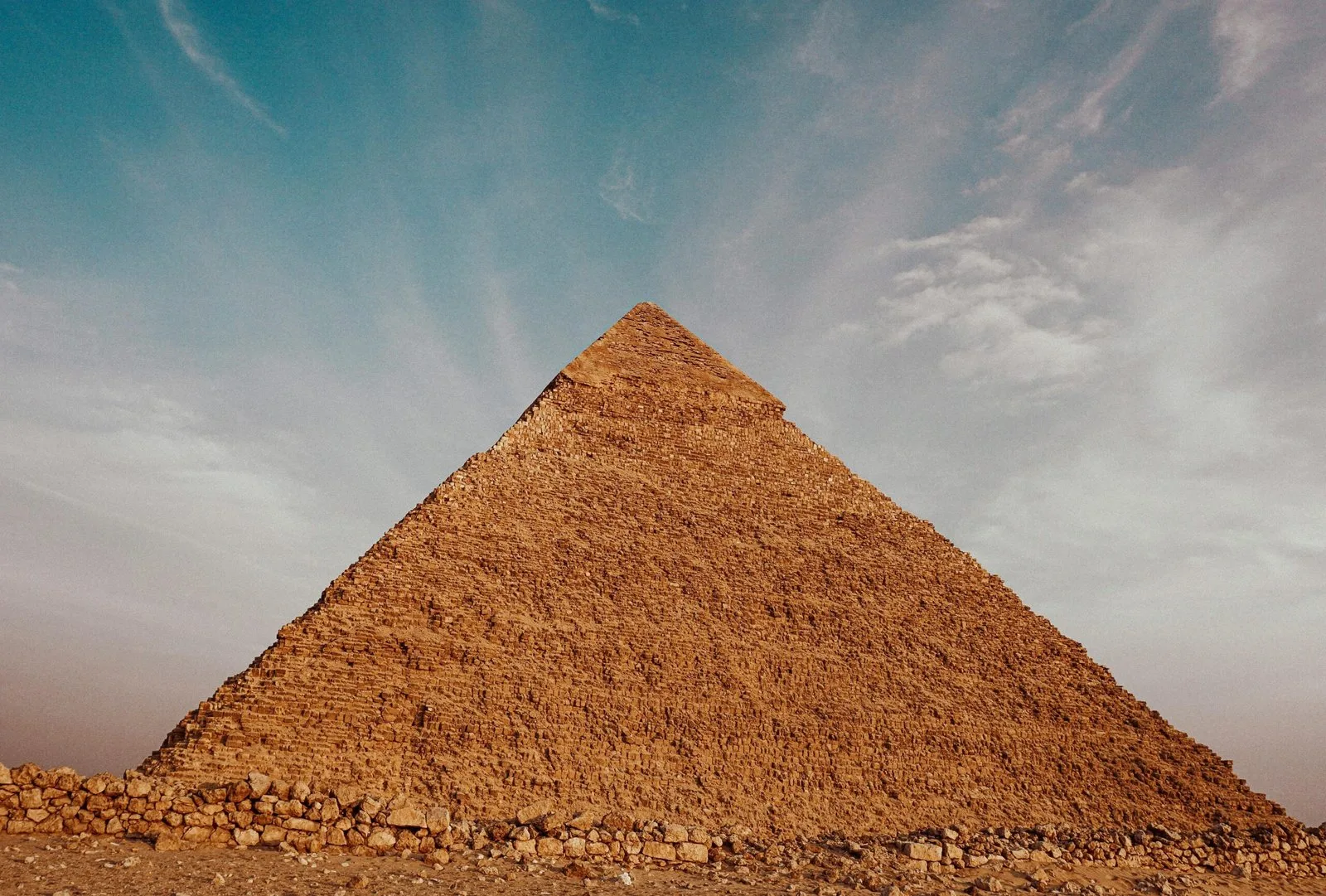
No, the heat during peak off-season months is intense and requires serious preparation for outdoor exploration. However, smart travelers who plan their days strategically starting at sunrise and finishing before midday can absolutely enjoy the pyramids with 70% fewer tourists than the cooler winter peak season.
The drawdown is that midday hours between noon and 3 PM feel genuinely punishing without shade or water. This is the perfect time to "Exploit Travel Seasonality" by visiting the air-conditioned Egyptian Museum or Grand Egyptian Museum during peak heat hours, then returning to the pyramids for stunning golden hour photography with almost no crowds.
- What Discounts Can I Find On Hotels Near The Pyramids And In Cairo?
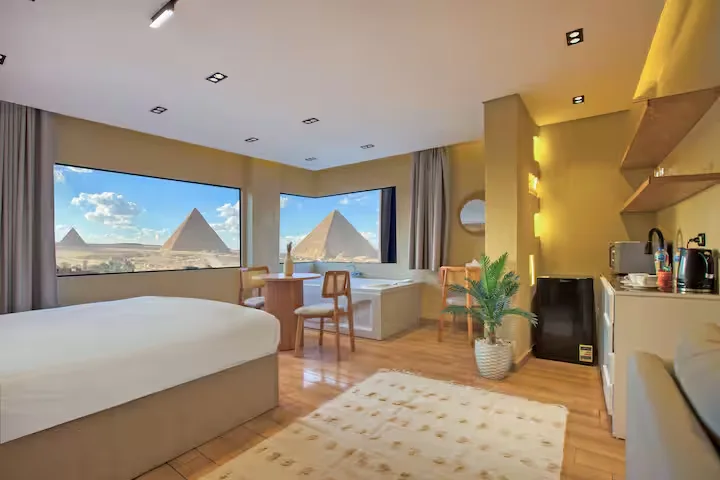
You will see exceptional discounts ranging from 35% to 60% off most Cairo hotels, pyramid-view properties, and Nile river cruises during the hot off-season months. The five-star properties that charge premium rates during the pleasant winter weather slash their prices dramatically to attract smart travelers who can handle the heat.
The trade-off is that the intense sun means rooftop pools and outdoor dining become less appealing during peak afternoon hours. Book hotels with excellent air conditioning, indoor common areas, and shaded pool spaces, and you will lock in those impressive savings while enjoying the major sights without winter crowds.
- Is The Nile Delta Region Too Humid And Unpleasant For Exploring?
Yes, the combination of heat and humidity in the Delta during off-season months can feel oppressive, especially for travelers not accustomed to subtropical conditions. However, this is precisely why you will have ancient sites like Tanis and the lesser-known Delta ruins almost completely empty of other visitors.
The caveat is that you should plan Delta excursions for early mornings only and always carry more water than you think you need. Start your explorations at dawn, finish by late morning, and spend afternoons in air-conditioned comfort or enjoying Alexandria's cooler Mediterranean breezes, and you will experience authentic Egypt without the winter tourist masses.
- Is Alexandria More Pleasant Than Cairo During The Hot Off-Season Months?
Absolutely. Alexandria benefits from Mediterranean sea breezes that make temperatures significantly more comfortable than inland Cairo during the same period. The Corniche, Citadel of Qaitbay, and Bibliotheca Alexandrina remain enjoyable to explore, and the coastal city offers a refreshing escape from the Delta's humidity.
The downside is that Alexandria receives more domestic tourists during summer school holidays, so weekends can feel busier than weekdays. Visit the city on weekdays, book seaside accommodations with good cross-ventilation, and you will enjoy Roman catacombs and seafood restaurants with mostly local crowds rather than international tourist hordes.
- How Does Off-Season Weather Impact Nile Cruises From Cairo To The Delta?
The heat actually makes traditional felucca sailing more pleasant during early mornings and late afternoons when the river breeze cools things down considerably. The Nile itself provides a natural cooling effect, and having the river almost entirely free of other tourist boats creates a magical, timeless experience.
The realistic drawdown is that midday sun on open water can be brutal without proper protection including hats, long sleeves, and high-SPF sunscreen. Schedule your sailing for sunrise or sunset hours only, use the middle of the day for indoor museum visits or long lunches, and you will float the legendary river with 80% fewer boats competing for the same views.

Home > Exploit The Seasons > Seasonal World Map > Africa > Egypt > Lower Egypt And The Delta
LOWER EGYPT & THE DELTA
Beyond Cairo’s chaos lies the Nile Delta’s lush farmlands and Mediterranean whispers. This guide reveals when to explore Alexandria’s seafront, the Pyramids without the crowds, and authentic Delta villages for genuine value and local rhythm.
Smart Travel Calendar
Shoulder Season
Your Smartest Windows
March & April (watch for Khamsin winds)
September & October
Avoid: Coptic Christmas (January 7th) and Easter Week, when domestic travel spikes and Cairo hotels near Coptic Cairo fill with local pilgrims.
What the Sky Does
Typical weather: 20°C to 30°C (68°F to 86°F) – warm days, cooler nights in Cairo. Alexandria sits 2-4°C cooler.
Khamsin winds possible in March/April – hot, dusty desert winds that can reduce visibility for 1-3 days .
Alexandria experiences higher humidity than Cairo, thanks to Mediterranean breezes .
Evenings in the Delta can feel surprisingly damp – the region’s fertility comes from real moisture, not desert dryness.
How Empty It Feels
30-40% fewer tourists than peak winter months (December-February) .
Giza Pyramids: The 8 AM opening means sharing the site with perhaps 50 people instead of 500 .
Egyptian Museum (Tahrir): Tutankhamun’s death mask has shorter queues; you can linger without being rushed.
Alexandria’s Bibliotheca: Finding a quiet reading corner becomes easy, not a competitive sport.
What You’ll Save
20-30% savings on Cairo hotels compared to December-January peak .
15% less on domestic flights (Cairo to Luxor or Hurghada) as summer pricing hasn’t kicked in.
No need for “skip-the-line” tickets – you’ll walk right into the Citadel and mosques.
10-15% off Nile dinner cruises – restaurants and boat operators offer shoulder-season promotions .
The Secret Perk
Sham el-Nessim (March/April): Celebrate Egypt’s spring festival with locals eating salted fish and onions outdoors .
The Delta turns brilliantly green – winter rains have refreshed the farmland, and wildflowers bloom along irrigation canals.
Fresh molokhia (jute leaf soup) is at its peak – a quintessential Delta dish, best eaten in a rural village home.
Soft, golden photography light – no harsh summer shadows, no winter haze. The Pyramids look almost painted.
Alexandria’s café culture wakes up slowly – older Greek-Egyptian patisseries like Délices have empty tables and time for stories .
The Tiny Trade-Off
Khamsin dust storms can make outdoor sightseeing gritty and uncomfortable for a day or two .
The Delta can feel muggy – unlike Upper Egypt’s dry heat, the Nile branch region has real humidity.
Some smaller Nile felucca operators in rural Delta towns haven’t started their high-season schedules yet.
Easter week (movable, March/April) sees a 5-7 day price spike and crowded Coptic Cairo sites.
Smart Traveler Tip
Choose late September to mid-October for the sweet spot: summer heat has broken, but the Mediterranean water is still warm for Alexandria dips.
Book your Pyramids visit for a Tuesday or Wednesday in March – weekend crowds (Friday-Saturday in Egypt) are real even in shoulder season.
Check the Khamsin forecast before booking April flights – if you see “Khamsin” in weather reports, postpone a week.
Stay in Downtown Cairo or Zamalek, not Giza – shoulder season deals make central neighborhoods affordable, and traffic to the Pyramids is lighter.
Deep Off-Season
Your Smartest Windows
June, July & August
Avoid: Eid al-Adha (Islamic holiday, dates vary annually) – Cairo empties as families travel to the Delta and coast, but domestic transport surges and prices for last-minute flights spike.
What the Sky Does
Typical weather: 32°C to 38°C (90°F to 100°F) in Cairo; 28-32°C (82-90°F) in Alexandria with sea breezes.
Dry and relentlessly sunny – zero rain from May to September across Lower Egypt .
Alexandria is your summer savior – Mediterranean winds keep it 5-8°C cooler than Cairo, and sea swims are bath-warm .
Humidity in the Delta can hit 70-80% – it’s not just hot; it’s sticky, especially in July and August.
How Empty It Feels
50-60% fewer tourists than peak winter season .
The Pyramids at sunrise: You might share the panorama with a handful of people. By 10 AM, you’ll be leaving as the heat arrives.
The Egyptian Museum feels like a private gallery – the school groups come early morning, but foreigners are scarce.
Delta villages like Rosetta (Rashid) – you’ll be the only foreign visitor for weeks. Locals will stare, then invite you for tea .
What You’ll Save
40-55% off peak season hotel rates
Flights from Europe to Cairo can drop by 50% or more compared to December.
Uber/Careem rides across Cairo cost 30-40% less due to lower demand (and less traffic, since many Cairenes flee the heat).
The Secret Perk
Indoor Cairo is air-conditioned and glorious – museums, mosques, and the Citadel offer cool refuge. Plan your day around them.
Alexandria becomes Egypt’s summer playground – locals flock to the coast, creating an energetic, authentic beach culture you won’t see in winter.
Experience a Delta moulid (local saint festival) – summer is prime season for these colorful, chaotic, and deeply genuine celebrations.
Watermelon and mango season – Egyptian summer fruits are legendary. Eat them from street carts for less than $1.
You’ll see real Cairene life – families at Al-Azhar Park after sunset, kids flying kites in the streets, and the city’s famous late-night energy without tourist markup.
The Tiny Trade-Off
Sightseeing between 11 AM and 4 PM is brutal – the Giza Plateau feels like a hairdryer in your face. Don’t do it .
Alexandria’s seafront restaurants close by midnight – off-season means fewer late-night dining options.
Some small shops in Islamic Cairo shut for the afternoon – the siesta is real when it’s 38°C outside.
Daylight lasts 14 hours – but you’ll only use 6 of them (sunrise to 10 AM, then 5 PM to sunset).
Smart Traveler Tip
If you visit in July or August, base yourself in Alexandria – Cairo for 2 days max, then coast to the Mediterranean. Don’t try to “do” Cairo’s outdoor sites in deep summer.
August is the quietest month for tourism and the most local – Cairenes flee to the coast, but the Pyramids are emptier than any other month .
Book a hotel with a pool and blackout curtains in Cairo – live the siesta schedule: sights 6-10 AM, pool/AC 12-5 PM, dinner and walks 7 PM onward.
Pack linen long sleeves, a wide hat, and a refillable water bottle – sun protection is not optional. Also pack a light jacket for Alexandria evenings (sea breeze cools down).
Visit the Citadel of Saladin in late afternoon – it sits on a hill, catches breezes, and the view over Cairo at sunset is worth braving the heat.
Find Off-Peak Flights
Top Off‑Season Stays
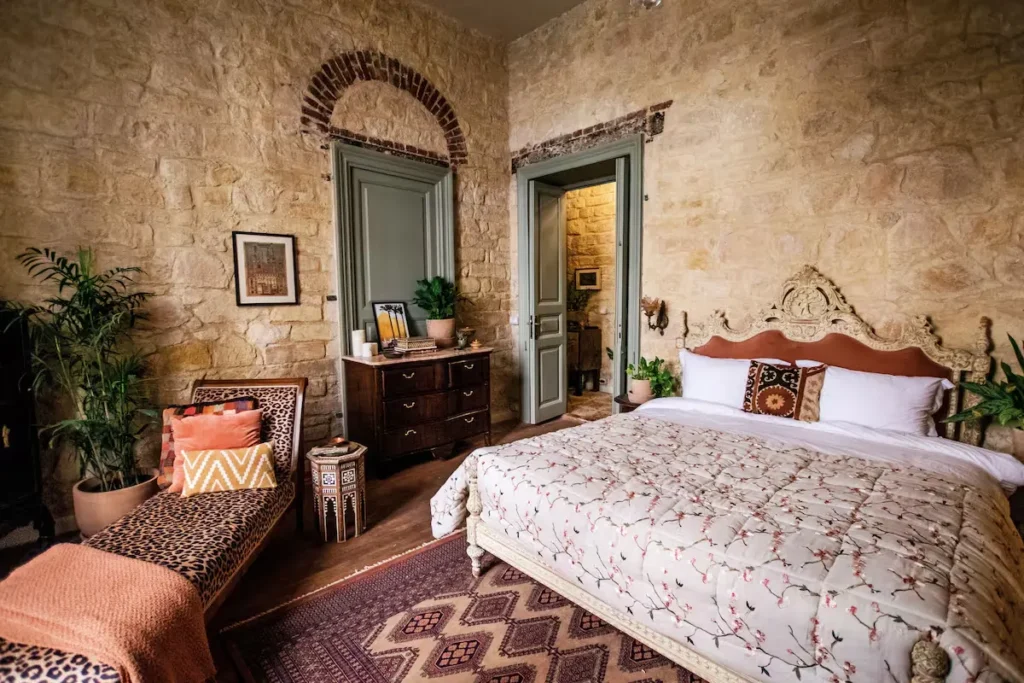
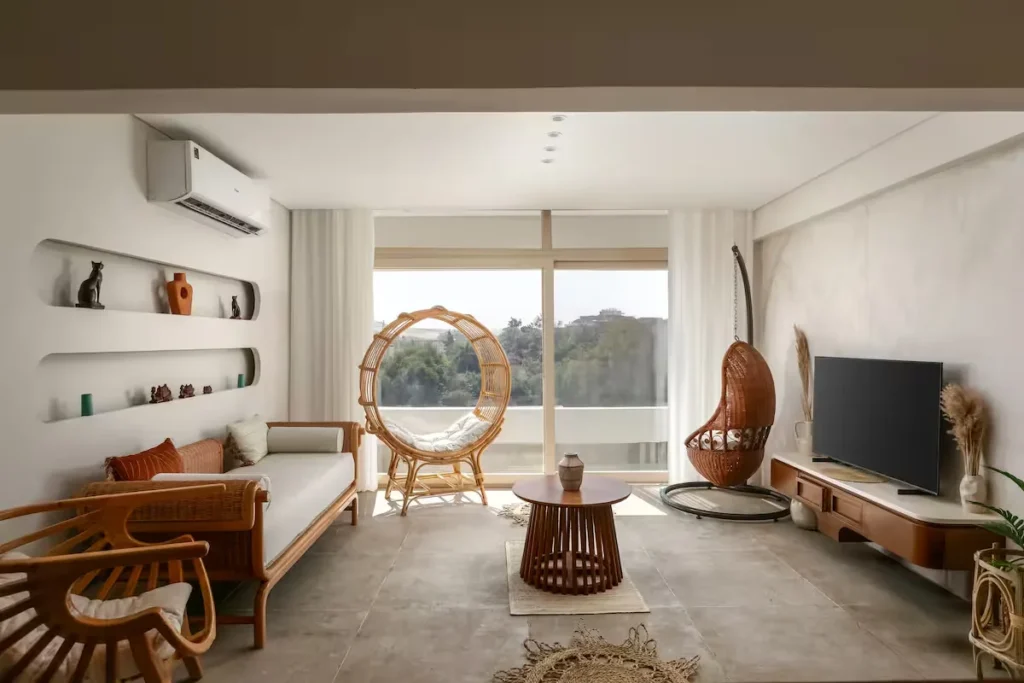
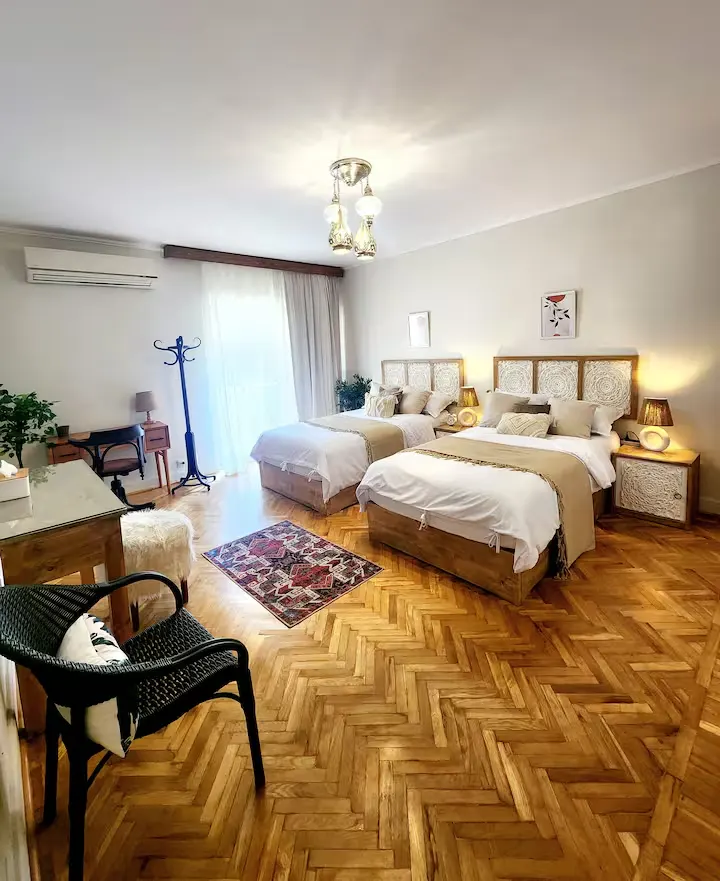
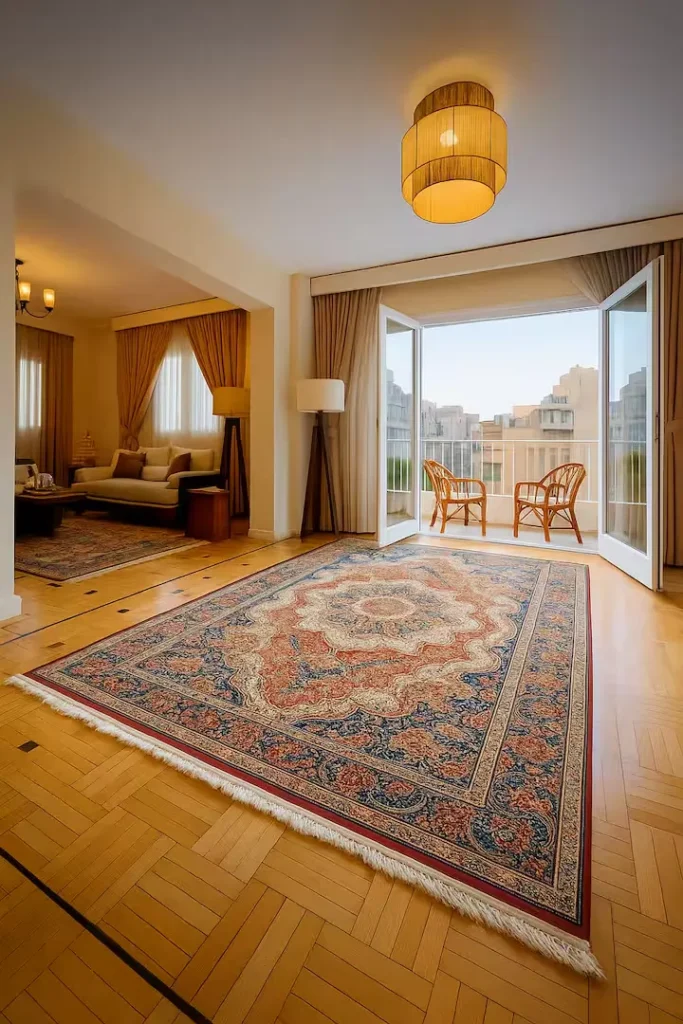
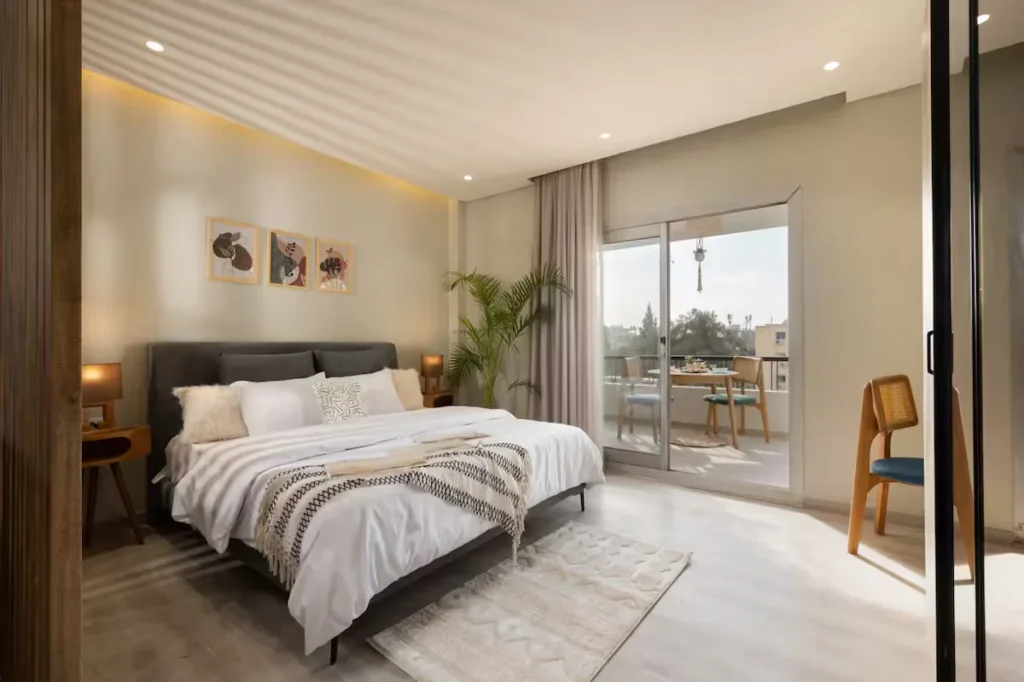
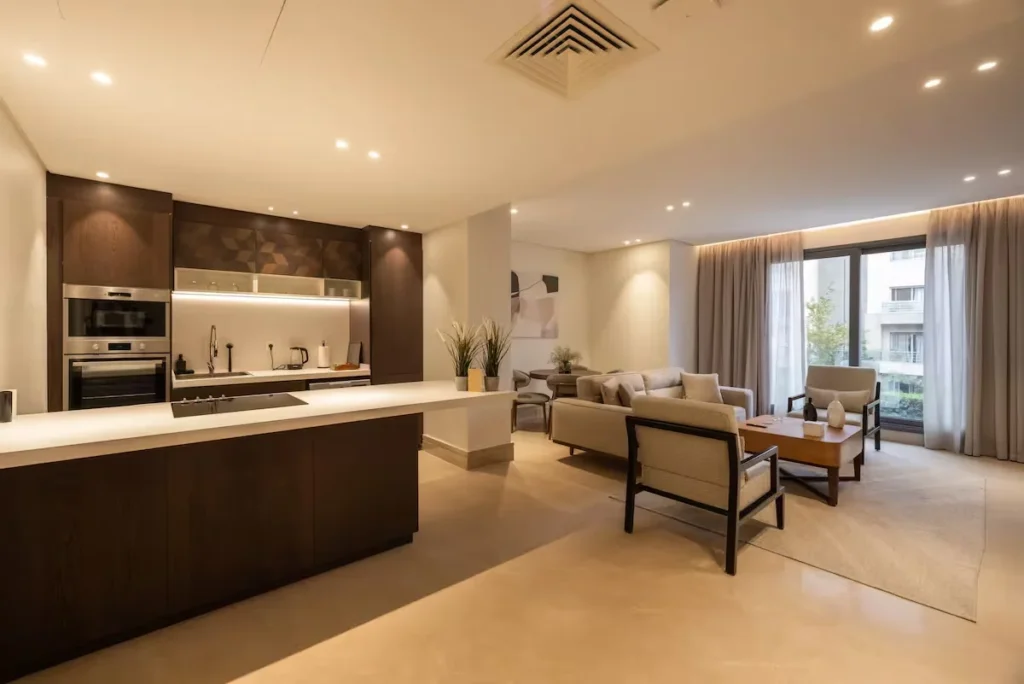
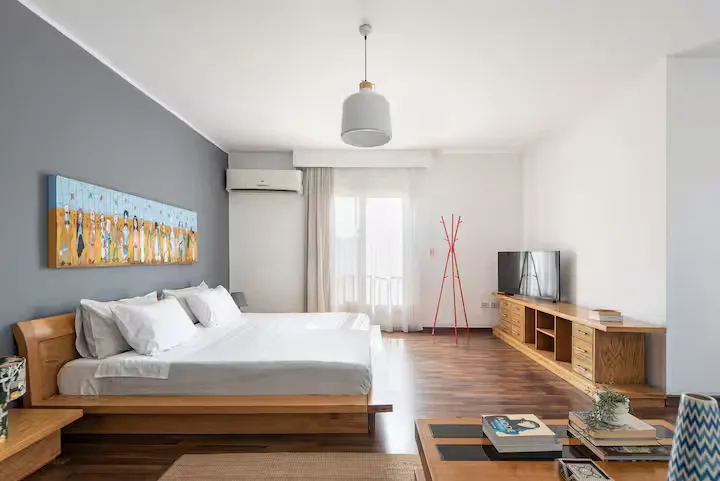
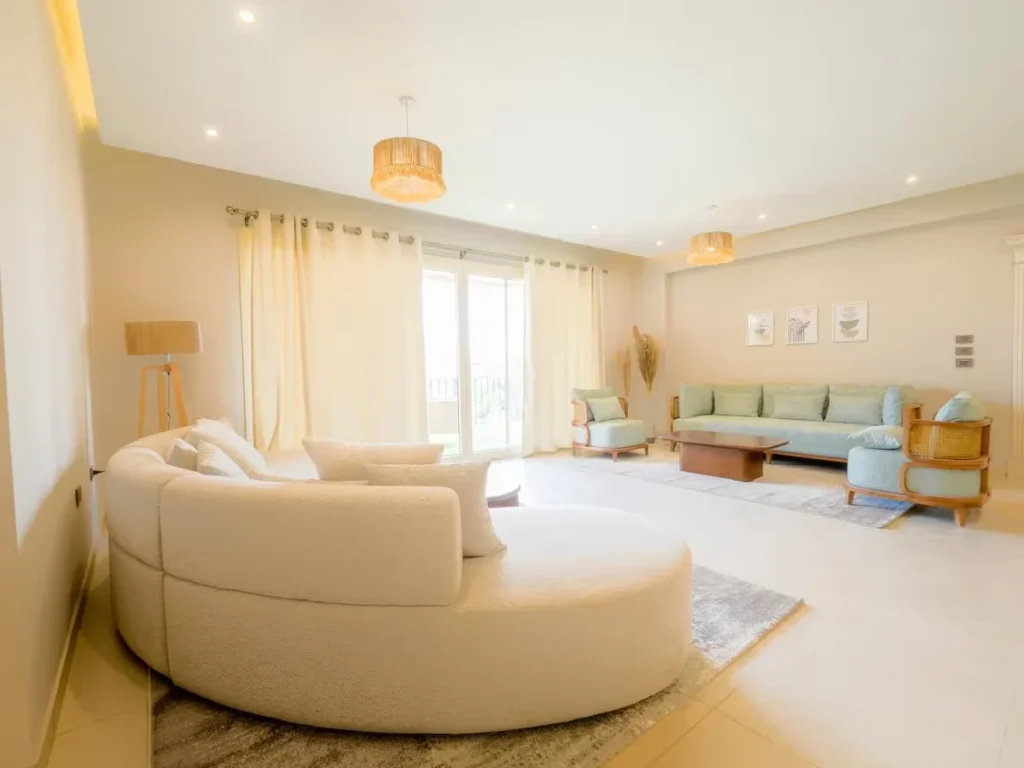
Find below our curated selection of boutique hotels and design apartments that offer exceptional value, atmosphere, and comfort during the off‑season — often at significantly lower rates than peak months.
Uncrowded Experiences & Tours
Skip the lines and experience iconic landmarks at your own pace. Discover curated local tours and cultural activities designed to show you the authentic side of the destination without the peak-season rush.
Handy Tips
Weather & Climate
The climate is generally arid. Cairo has hot, dry summers and mild winters. Alexandria benefits from a Mediterranean climate, with slightly milder summers but higher humidity, and cool, occasionally rainy winters.
Local Customs And Etiquette
Dress Code: Modest attire is essential, especially when visiting mosques and religious sites. Shoulders and knees should be covered for both men and women.
Bargaining: Expect to bargain, especially in markets like Khan el-Khalili. Start at 30–50% of the initial price, but always keep it lighthearted and polite.
Tipping (Baksheesh): Tipping is a deeply ingrained custom. Be prepared to offer small tips for services, such as carrying luggage, taking photos, or giving directions.
Budgeting For Your Trip
The symbol for the local currency is LE (Livre Égyptienne), often denoted as $ in general travel budgeting.
Accommodation: Hostels ($10–$25), mid-range hotels ($40–$80), luxury ($100+). Prices are higher for Nile-view rooms in Cairo.
Food: Street food sandwich ($1–$3), Koshari at a local shop ($2–$4), dinner at a mid-range restaurant ($15–$30 per person).
Transport: Cairo Metro (very cheap), short taxi/Uber/Careem ride ($2–$5), Cairo-Alexandria train ticket ($10–$20).
Activities: Major sites like the Pyramids, Egyptian Museum, Citadel ($10–$20 per site).
Daily Budget:
- Budget: $40–$70 (hostels, street food, public transport).
- Mid-range: $80–$140 (hotels, local restaurants, main attractions).
- Luxury: $180+ (boutique hotels, fine dining, private drivers/tours).
Getting Around
In Cairo: The Metro is efficient and avoids traffic (has women-only carriages). Uber/Careem are highly recommended for ease and fixed prices over street taxis.
Between Cities: High-speed trains connect Cairo and Alexandria. For the Delta, buses or shared taxis (microbuses) are the most common transport.
Nile Felucca: Traditional wooden sailboats offer a unique and relaxing way to see the Nile, especially in Cairo or the Delta.
Must-Try Food
Koshari (Kosh-a-ree): Egypt’s national dish. A mix of pasta, rice, brown lentils, and chickpeas, topped with a spicy tomato sauce and fried onions.
Ful Medames (Fool Meh-daam-es): Stewed fava beans seasoned with cumin, parsley, and oil. The quintessential Egyptian breakfast staple.
Ta’ameya (Ta-eh-may-ya): The Egyptian version of falafel, made from fava beans (not chickpeas), giving them a lighter, greener interior.
Fiteer Baladi (Fih-teer Bah-lah-dee): Often called “Egyptian pizza.” A thin, flaky, layered pastry cooked in a stone oven, served savory (with meat, cheese, or vegetables) or sweet.
Kofta and Kebab: Minced meat (kofta) or chunks of meat (kebab), usually lamb or beef, grilled over charcoal.
Molokhiya (Moh-loh-khee-ya): A thick, viscous green soup made from jute mallow leaves, often cooked with chicken or rabbit broth.
Hawawshi (Ha-wow-shee): Pita bread stuffed with minced, spiced beef and baked in the oven.
Kebda Eskandarani (Keb-dah Es-kan-dah-ran-ee): Alexandria-style spiced fried liver, typically served in a long bun.
Om Ali (Oom Ah-lee): A creamy, sweet bread pudding with nuts and raisins, baked in milk.
Basbousa: A sweet semolina cake soaked in syrup, often flavored with rosewater or orange blossom.
Must-Try Drinks
Aseer Qasab (Ah-seer Kah-sahb): Freshly pressed Sugarcane Juice, a refreshing, very sweet, and ubiquitous street drink.
Shay Bil Nana: Black tea with fresh mint, a staple of Egyptian hospitality.
Karkadeih (Car-ka-day): Hibiscus Tea, served hot or cold. A sweet, deep red beverage.
Sahlab (Sah-lab): A thick, warm, milky winter drink topped with nuts, coconut, and cinnamon.
Yansoon: Anise tea, a common herbal infusion, known for its soothing properties.
Ahwa: Traditional strong, dark Turkish-style coffee, often sweetened and served unfiltered in a small cup.
Stella or Sakara: Popular local Egyptian lagers (alcoholic).
Zibib (Zih-beeb): An Egyptian anise-flavored alcoholic drink, similar to Ouzo.