 Skip to content
- Why Should I Visit Egypt During The Extreme Summer Heat?
Because that is when you truly learn to "Exploit Travel Seasonality" for massive savings. From June through August, temperatures in Luxor and Aswan regularly hit 40°C (104°F), which scares away nearly 70% of international tourists, leaving the temples and tombs remarkably empty. The drawdown is real: midday sightseeing can feel punishing without proper planning.
However, smart travelers start at dawn, relax by the pool from noon to 4pm, and resume exploring in the late afternoon. You will unlock discounts of 40-60% off Nile cruise cabins and five-star Cairo hotels, plus enjoy having the Valley of the Kings almost to yourself.
- Are The Pyramids Less Crowded During Egypt's Low Season?
Absolutely. While the Giza Pyramids see over 10,000 visitors daily during peak winter months, summer numbers drop to roughly 3,000 to 4,000 per day, meaning you can take that iconic camel photo without twenty strangers in the background. The drawdown is that the heat reflects off the desert sand, making the plateau feel like an oven by 1pm.
But here is the pro tip: arrive at opening time (6am in summer) and you will have the Pyramids nearly silent except for the wind. You can even book a private sunrise camel ride for the same price as a group tour in winter. The savings on entrance fees don't change, but the value of an empty ancient wonder is priceless.
- How Much Can I Save On A Nile Cruise Off-Season?
You can save dramatically, often 50-70% off peak season prices for the exact same luxury cruise ship and itinerary. The drawdown is that some ships undergo maintenance during August, reducing available options.
The other trade-off is that Upper Egypt's heat means you will spend more time inside your air-conditioned cabin during peak afternoon hours. However, you can afford to upgrade to a suite with a panoramic window for what a standard cabin costs in winter.
- Will Diving In The Red Sea Be Worse Off-Season?
No, it might actually be better for experienced divers. While summer months (June to September) bring air temperatures above 35°C (95°F) and slightly warmer water, visibility in the Red Sea remains world-class at 20-30 meters, and marine life is just as abundant. The drawdown is that water temperatures can reach 28-30°C (82-86°F), which some divers find too warm for comfort, and July and August can be humid on land.
However, you will enjoy 60-80% fewer divers at iconic sites like the SS Thistlegorm wreck and Ras Mohammed National Park. Resorts in Sharm El Sheikh and Hurghada offer discounts of 30-50% on dive packages, and you will rarely compete for space on a reef. The only real downside is that summer winds occasionally reduce visibility for a day or two.
- Is It True That Some Tombs Close During Egypt's Off-Season?
Partly true, but the trade-off is worth it. A handful of smaller tombs in the Valley of the Kings and some pyramids may close for restoration work during the extreme summer heat (July and August) to preserve the ancient wall paintings. The drawdown is that you might miss a specific tomb you had your heart set on seeing.
But here is the exciting news: the major tombs like Tutankhamun, Ramses VI, and Seti I remain open year-round. More importantly, with 70% fewer tourists, you can spend twice as long inside each open tomb without being rushed by crowds. Many travelers actually prefer the rotating "tomb closures" system because it preserves the sites for future generations.

Home > Exploit The Seasons > Seasonal World Map > Africa > Egypt
EGYPT
Egypt sheds its intense summer heat for blissful winter warmth, offering quieter tombs and temples. This guide reveals when to wander the Nile, dive the Red Sea, and haggle in bazaars with fewer crowds and smarter value.
Smart Travel Calendar
Why Choose Egypt Off-Season?
Skip the sandblast, keep the sun. Enjoy pleasant winter days without the oppressive summer heat.
Have the Valley of the Kings all to yourself. Wander monumental sites in near solitude.
Slash your desert adventure budget. Accommodation and tour prices drop dramatically.
Haggle like a local in quiet bazaars. Shop with patient merchants, not tour bus crowds.
See the Nile in a new, golden light. Winter light is perfect for photography and felucca rides.
Dive the Red Sea without the rush. Coral reefs and dive spots are blissfully uncrowded.
Shoulder Season
Your Smartest Windows
March & April
September & October
Avoid: Coptic Christmas (January 7th) and Easter Week (Orthodox & Catholic), when domestic travel spikes and hotels in Luxor and Cairo fill up quickly.
What the Sky Does
Typical weather: 22°C to 30°C (72°F to 86°F) – warm days, cool nights.
Very low humidity makes the heat feel comfortable.
Khamsin winds possible in March/April – occasional hot, dusty winds from the desert lasting 1-3 days.
Nights can be surprisingly cool (13°C/55°F), especially in the desert and on the Nile.
How Empty It Feels
40-50% fewer tourists than the winter peak (December-February).
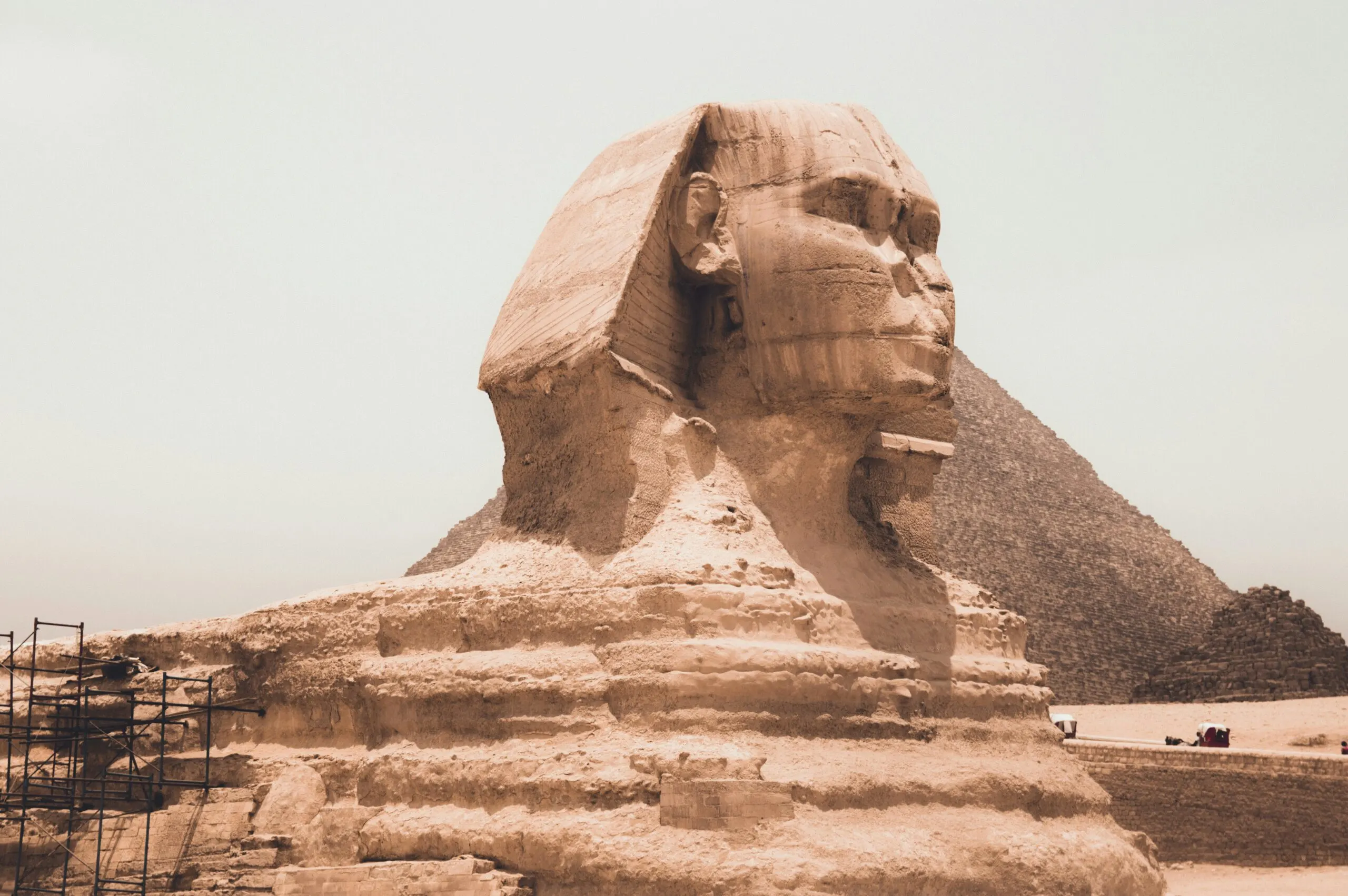
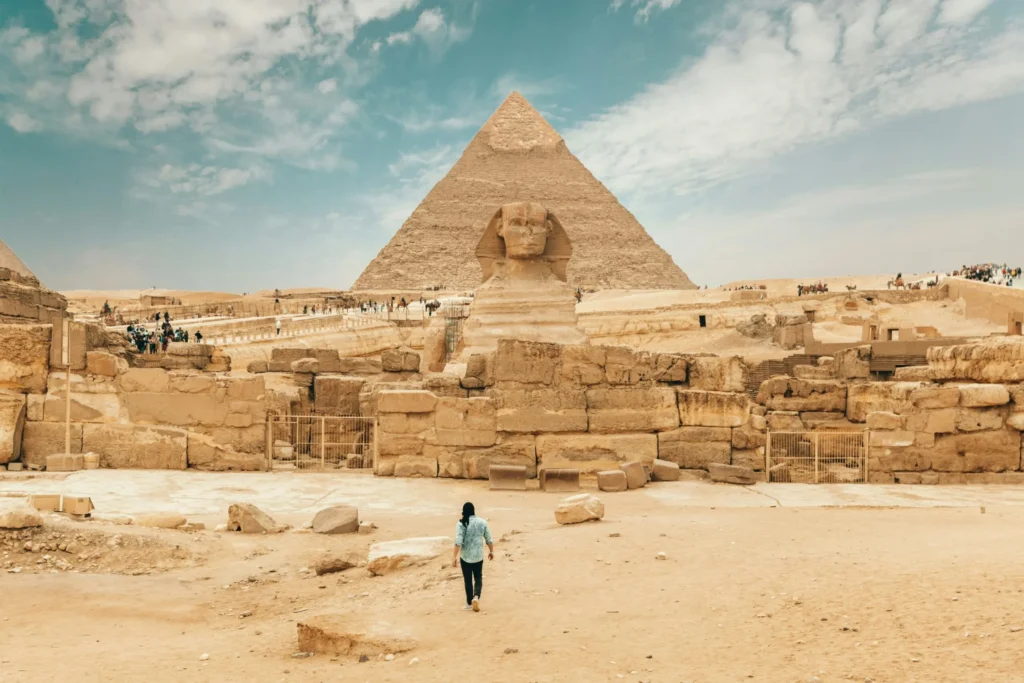
Giza Pyramids: you can find quiet corners without a tour bus in every frame.
Luxor & Aswan: temples feel spacious; feluccas have free spots.
Red Sea resorts (Hurghada, Sharm): Enjoy uncrowded beaches and instant dive boat availability.
What You’ll Save
25-35% savings on flights and 4-5 star hotels.
20% less on domestic flights (Cairo to Luxor/Aswan).
No queues for tombs in the Valley of the Kings – your ticket goes further in time saved.
10-15% off on guided tours and Nile dinner cruises.
The Secret Perk
Sham el-Nessim (March/April): Celebrate Egypt’s spring festival with locals eating salted fish outdoors.
Desert wildflowers bloom around the White Desert and Siwa Oasis.
Fresh sugarcane juice season – taste it at roadside stalls at its sweetest.
Soft, golden photography light – no harsh summer shadows, no winter haze.
Friendlier local interactions – guides and shopkeepers have time for real conversations.
The Tiny Trade-Off
Khamsin dust storms can reduce visibility for a day or two.
Red Sea windier – choppier surface for snorkeling, though diving below 5m is fine.
Some Nile cruise schedules reduce frequency in late March.
Easter week (movable, March/April) sees a short-lived surge in prices for 5-7 days.
Smart Traveler Tip
Choose late September to mid-October for the best balance: summer heat is gone, but sea water is still warm.
Book your Nile cruise for early March – weather is ideal, and crowds haven’t spiked for Easter.
Avoid the first week of April if Khamsin winds bother you; go for late April instead.
Check holiday dates before booking – Coptic Christmas (Jan 7) and Easter spike domestic travel.
Deep Off-Season
Your Smartest Windows
June, July & August
Avoid: Eid al-Adha (Islamic holiday, dates move annually) – domestic travel surges as Egyptian families head to the coast and Cairo empties out.
What the Sky Does
Typical weather: 32°C to 42°C (90°F to 108°F) – very hot, especially in Upper Egypt (Luxor/Aswan).
Sunny and bone-dry – zero rain from May to September.
Coastal relief: Red Sea resorts stay 35-38°C (95-100°F) with sea breezes.
High humidity in Alexandria and the Delta – feels stickier than dry desert heat.
How Empty It Feels
60-70% fewer tourists than peak winter season.
Abu Simbel temples: you’ll share them with maybe 10 other people at sunrise.
Egyptian Museum (Cairo): wander halls of Tutankhamun’s treasures almost alone.
Small towns like Aswan’s Nubian villages – daily life moves slow, and you’ll be the only foreigner
What You’ll Save
40-55% off peak season prices for hotels and tours.
Flights from Europe to Cairo can drop by 50% or more.
Car rental discounts up to 40% – but you won’t need one; drivers negotiate lower.
The Secret Perk
Sunset felucca sails on the Nile – the winds are reliable, and you’ll cool off by dipping your feet.
Red Sea diving is incredible – water is bath-warm (28-30°C/82-86°F), no wetsuit needed.
Experience moulid (local saint festivals) – colorful, authentic street celebrations most tourists never see.
Harvest season for dates – taste fresh, honey-sweet Medjool dates from the oasis.
You’ll become the attraction – local kids will want photos with you, and you’ll get unscripted hospitality.
The Tiny Trade-Off
Luxor and Aswan are uncomfortably hot by noon – visit sights at sunrise (5-6 AM) or skip them.
Nightlife in Hurghada is sleepy – many bars and clubs reduce hours or close.
Some smaller restaurants in historic Cairo shut for the afternoon – heat kills lunchtime business.
Daylight lasts 13-14 hours – but the midday 4 hours (12-4 PM) are useless for sightseeing.
Smart Traveler Tip
If you must go in August, stick to the Red Sea (Dahab, El Gouna) or Alexandria’s coast – never Luxor.
July and August are the quietest months – European families avoid it, so hotels are desperate for guests.
Book a hotel with a pool and blackout curtains – you’ll live by the siesta schedule (sights 6-11 AM, pool 12-5 PM, sights 5-8 PM).
Pack linen long sleeves, a wide hat, and a reusable water bottle – sun protection is survival.
Choose North Coast (Sahel) in August for Egyptian summer party scene – lively but pricey for locals.
Find Off-Peak Flights
FAQs
Explore Egypt
Essential Trip Information
Visa and Entry Requirements
Entry requirements vary by nationality. Always check the official government portal: https://www.visa2egypt.gov.eg
Many travelers (including EU, U.S., Australia) can apply online for an eVisa (US$25, single entry).
Passport must be valid for at least six months beyond your date of entry.
On arrival, you may be asked to show proof of return ticket, hotel bookings, and sufficient funds.
E-Visas should be obtained at least 7 days before arrival.
Currency
Egypt uses the Egyptian Pound (EGP). Approximate exchange rate: US$1 = E£48–50.
Best Ways to Handle Currency
Before Your Trip: Bring some US$ or Euros and exchange a small amount at the airport.
During Your Trip: Use ATMs at reputable banks (CIB, Banque Misr). Visa/Mastercard accepted in most hotels and tourist restaurants.
What to Avoid: Street exchangers and using credit cards in small shops—cash is king outside tourist zones.
Language
Arabic is the official language. English is widely spoken in tourist areas.
Helpful phrases:
- “Shukran” – Thank you
- “Min fadlak” – Please
- “Kam el-thaman?” – How much?
Safety & Security
Egypt is generally safe in tourist zones like Cairo, Luxor, and Aswan.
Avoid political gatherings or protests, especially in major cities.
Pickpocketing can happen in crowded markets (e.g., Khan el-Khalili).
Police tourism units are common and helpful.
Emergency number: 122 (police), 123 (ambulance)
Health & Insurance
No mandatory vaccines, but Hepatitis A, Typhoid recommended for extended stays.
Tap water is not safe to drink – use bottled water.
Travel insurance is essential.
Pharmacies are widespread and usually well-stocked.
Transportation
Domestic flights (Cairo–Aswan, Cairo–Luxor) save time and are affordable.
Trains: Overnight sleeper trains connect Cairo to Upper Egypt.
Taxis: Use Uber or Careem in Cairo and Alexandria.
Walking/Biking: Possible in tourist towns but not ideal in large cities due to traffic.
Buses/Minibuses: Cheap but not always reliable or comfortable for tourists.
Price Level
Egypt is generally affordable, especially compared to Western destinations.
Accommodation
Budget: Guesthouses, hostels (US$10–40/night)
Mid-range: 3-star hotels (US$50–100/night)
Luxury: 4–5 star hotels, Nile cruises (US$120–300+/night)
Food
Street food: Koshari, falafel (US$1–3)
Casual dining: Egyptian grill/mezza (US$5–15)
Upscale dining: Hotel restaurants or fine dining (US$30–60/person)
Drinks
Local beer: US$1.50–3 (Stella, Sakara)
Cocktails: US$6–12 (mostly in hotels or expat bars)
Transportation
Metro (Cairo): E£10–15/ride (~US$0.30–0.50)
Ride-hailing: Uber/Careem: US$2–10 for most city trips
Trains: Cairo to Luxor (first class): US$20–60
Taxis: Agree on fare beforehand or use meters where available
Money-Saving Tips
Use Careem/Uber instead of taxis to avoid haggling.
Book Nile cruises directly or through verified platforms.
Eat local—koshari shops and bakeries are both cheap and tasty.
Planning Your Trip
Local Customs And Etiquette
Dress Modestly: Shoulders/knees covered, especially at religious sites.
Baksheesh (Tips): Expected for small services (US$0.50–2 for guides, porters).
Haggling: Normal in markets (start at 30% of asking price).
Photography: Ask permission before photographing locals (some demand payment).
Ramadan: Respect fasting—avoid eating/drinking in public during daylight.
Budgeting For Your Trip
Egypt is budget-friendly, but comfort and convenience are available at every level.
Accommodation:
- Hostels: US$10–30
- Mid-range hotels: US$50–120
- Luxury: US$200–400+
Food:
- Street food (koshari, falafel): US$2–5
- Sit-down meal: US$10–25
- Upscale dining: US$50+
Transport:
- Metro/Rideshare: US$0.30–5
- Intercity bus/train: US$5–20
- Domestic flights: US$60–120
Attractions:
- Pyramids of Giza: US$10–25
- Luxor Pass (multiple sites): US$100–130
- Many mosques and museums: US$2–10
Daily Budget:
- Budget: US$50–80 (hostels, local meals, trains)
- Mid-range: US$120–200 (3-star hotels, guides, Nile cruise)
- Luxury: US$300+ (5-star hotels, private guides, flights)
Internet & Mobile
Free Wi-Fi: Available in hotels/cafés (spotty in deserts).
SIM Cards: Vodafone/Orange (US$5–10 for 10GB; passport required).
eSIMs: Supported (Airalo, Holafly).
Travel Insurance
Essential for: Medical emergencies, trip cancellations (common for cruises).
Adventure Coverage: Verify if it includes diving/hot-air ballooning (Luxor).
Cash Payments: Some hospitals demand upfront payment.
Accomodation Options
From Nile-view luxury to budget hostels.
Hotels:
- Luxury: Four Seasons (Cairo), Sofitel Legend (Aswan; US$200–500/night).
- Mid-range: Steigenberger (Luxor), Movenpick (Nile cruises; US$80–150).
- Budget: Pyramids View Inn (Giza; US$20–50).
Hostels:
- Dahab Hostel (Cairo) or Bob Marley House (Dahab; US$5–15/bed).
Eco-Lodges:
- Adrère Amellal (Siwa Oasis; US$300+ for unique desert stays).
Airbnb:
- Apartments in Cairo (Zamalek) or Hurghada (US$30–100/night).
Tip: Book Nile cruises directly with reputable operators to avoid scams.
Getting Around
Transport varies from modern trains to feluccas (traditional sailboats).
Trains:
- Luxury (Watania Sleepers): Cairo to Luxor/Aswan (US$80–120, includes meals).
- 1st/2nd class: Affordable (US$10–30) but book ahead.
Domestic Flights:
- Quick hops (Cairo to Luxor/Aswan/Hurghada; US$50–150 one-way).
Buses:
- GoBus/Microbuses: Cheap (US$5–20) but crowded; opt for VIP buses for comfort.
Nile Cruises:
- Luxor–Aswan route (3–7 days): Mid-range (US$100–300/night, all-inclusive).
Taxis/Rideshares:
- Uber/Careem: Reliable in Cairo/Alexandria (US$2–10 per ride).
- White taxis: Negotiate fares or insist on meters.
Ferries:
- Hurghada to Sharm El-Sheikh (US$30–50, seasonal).
Tip: Pre-book long-distance trains/flights during peak seasons.