 Skip to content
- Is The Weather Still Good In Cabo Verde During The Off Season?
Yes, the weather remains pleasantly warm, though you might see a passing shower. The off-season means the sun is still shining with temperatures perfect for beach days, but the humidity is a touch higher than in the dry peak months.
To ‘Exploit Travel Seasonality’ here, the real drawdown is the wind. The famous trade winds can be stronger during this time, which is fantastic for windsurfers but can make some sheltered coves less calm. The upside? You get lush, green landscapes instead of dry, brown hills.
- How Bad Are The Crowds And Prices In Cabo Verde’s Low Season?
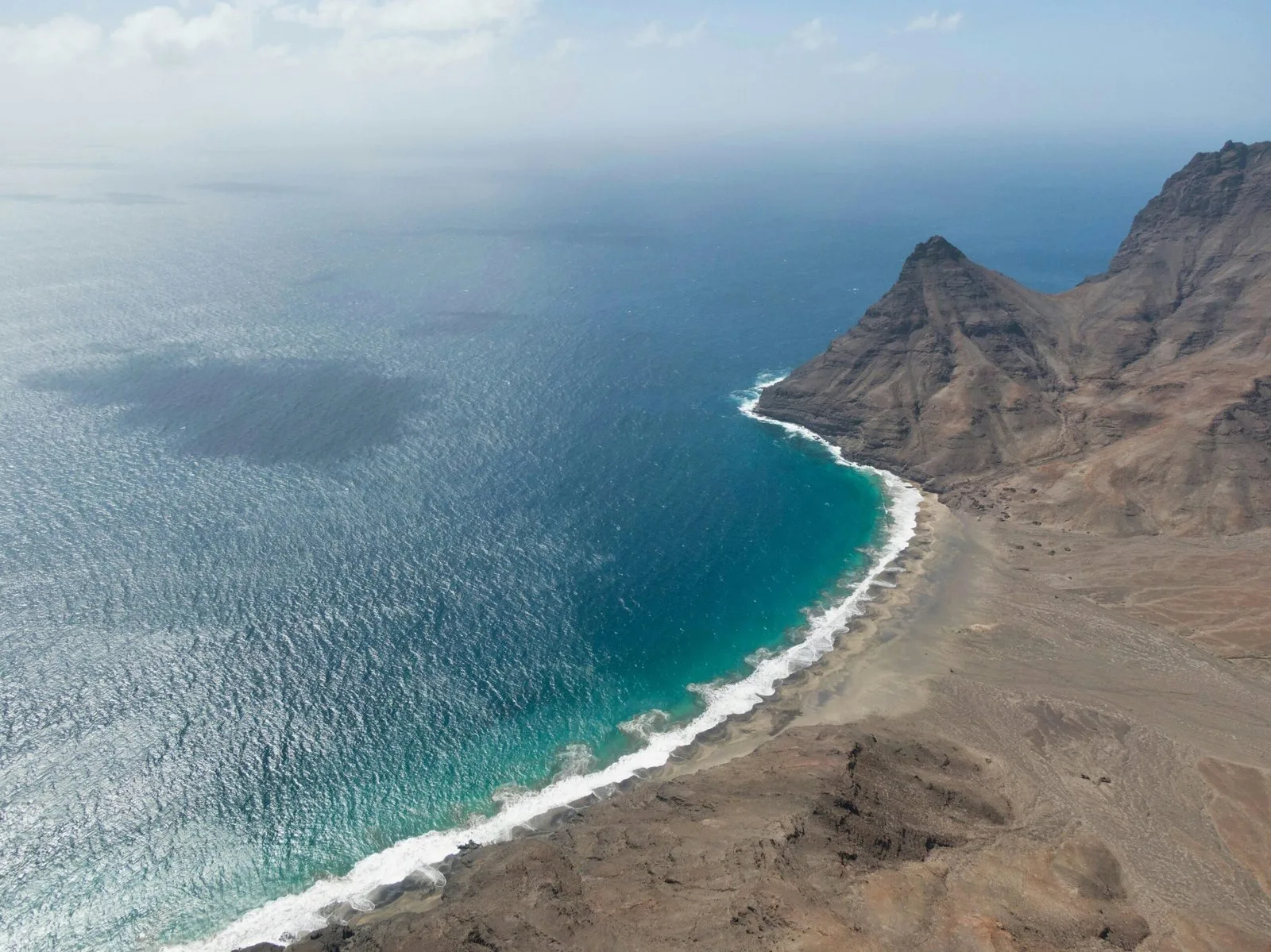
They are dramatically better. Expect to find discounts ranging from 25% to 40% on accommodation and island-hopping tours, and you will often have entire stretches of volcanic sand beaches completely to yourself.
The positive trade-off is a feeling of true discovery. The downside is that some smaller, family-run restaurants or excursion boats might reduce their schedules or close for maintenance. You trade the party atmosphere for peace and quiet, which is the essence of smart travel.
- Will I Struggle To Get Between Islands During The Off Season?
Not really, but you need patience. Flights between islands (Sal, Boa Vista, Santiago) usually run on schedule, but the ferry services can be delayed or cancelled if the Atlantic swells are high.
This is the key drawdown: sea travel becomes less reliable. However, the positive twist is that you are forced to “slow travel.” Instead of rushing, you spend an extra day in a local town, finding authentic cafes and empty viewpoints that peak-season travelers rush past.
- Why Should I Choose Cabo Verde For A Cheaper Beach Holiday?
Because you can enjoy world-class, European-standard beaches for nearly half the price of the Caribbean or Mediterranean. By avoiding the peak winter rush (December to February), you unlock 30% to 50% discounts on beachfront villas and resorts.
The only potential drawback is the ocean breeze, which can be strong. However, this is also why Cabo Verde is a world capital for wind and kite surfing. If you want a cheap, warm, and uncrowded beach destination where you can actually relax without fighting for a sunbed, this is it.
- Is Cabo Verde Worth Visiting If I Don’t Like Windy Conditions?
Honestly, you might struggle in the exposed flat islands, but you can still win. While the wind is a feature (not a bug) of the off-season, you can easily find sheltered bays on the southern coasts of the islands like Santiago or Fogo.
To ‘Exploit Travel Seasonality’, use the wind to your advantage. It keeps the humid heat from becoming unbearable. The positive secret is that the wind blows the crowds away. If you choose a leeward beach or hike in the interior mountains, you get perfect hiking weather and total solitude.

Home > Exploit The Seasons > Seasonal World Map > Africa > Cabo Verde
CABO VERDE
Cabo Verde dances to its own rhythm year-round, from wind-swept Sal beaches to volcanic peaks wrapped in mist. Skip the European winter rush to find empty coves, authentic mornas in Mindelo, and island-hopping on a budget without the peak-season crowds.
Smart Travel Calendar
Why Choose Cabo Verde Off-Season?
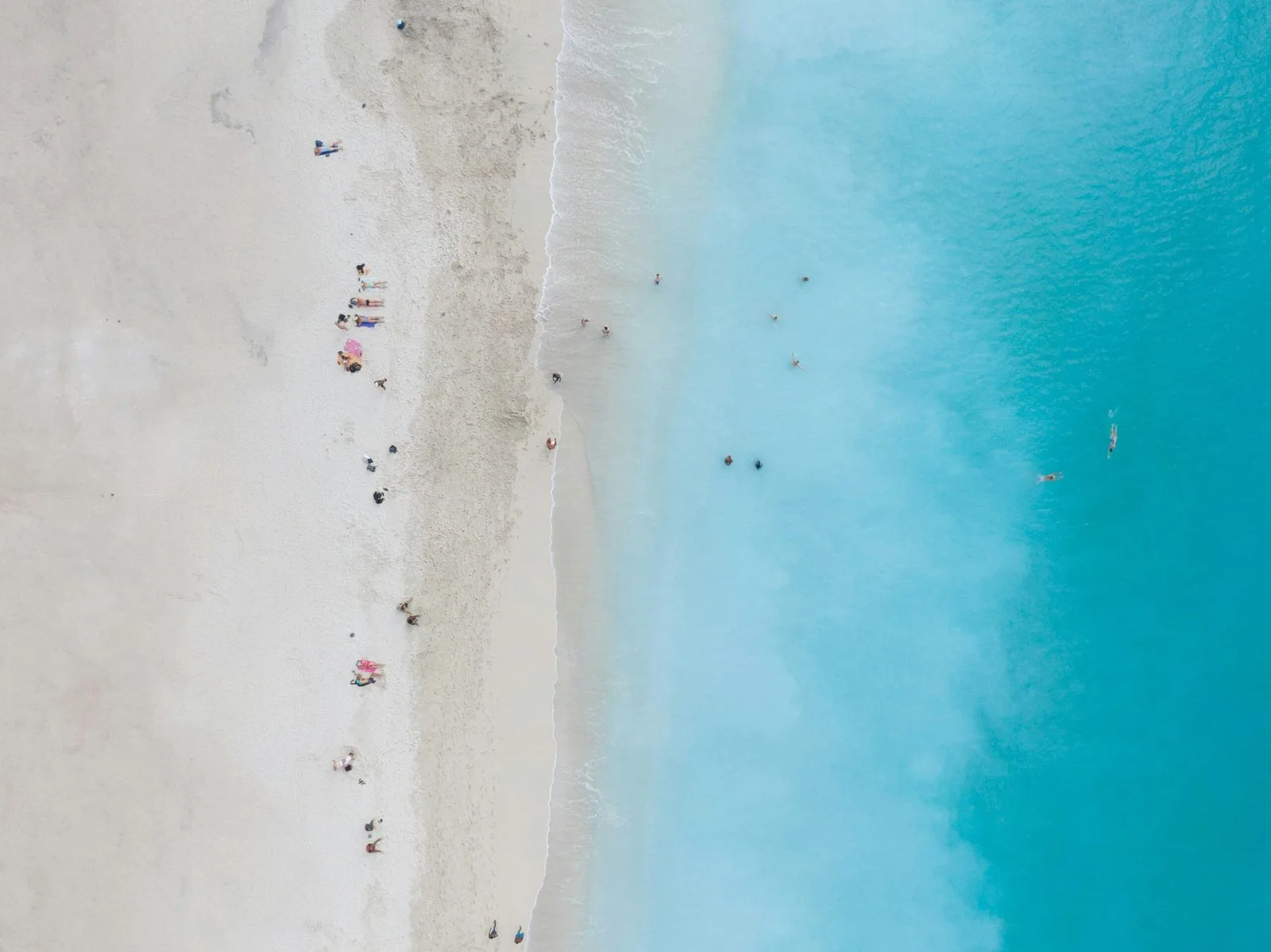
Have Santa Maria beach nearly solo when European charter flights vanish in May.
Hike Fogo’s active volcano in cool clarity – no dust, no crowds, just crater steam.
Island-hop by ferry without booking wars – walk on and pick any seat.
Learn batuque drumming in Santiago – musicians have time to teach, not just perform.
Spot humpback whales off Boa Vista when the ocean is glassy and quiet.
Sleep to Cape Verdean rhythms in Mindelo – lodges drop rates by half.
Shoulder Season
Your Smartest Windows
May to June
October to November
Avoid: Easter week (variable March/April) and Christmas/New Year (Dec 20-Jan 5) – Domestic flights fill with diaspora returning home, and Sal’s beach resorts triple their walk-in rates.
What the Sky Does
Daytime 24-29°C (75-84°F) – tropical trade winds keep it comfortable
May-June: calmer seas than winter – ferry crossings are smooth, not stomach-churning
October-November: post-rain dust settles – air is crystal clear for photography
Almost no rain even in “wet” months – Cabo Verde has a Sahelian microclimate
How Empty It Feels
45-55% fewer tourists than peak (December-February & August)
Sal’s Ponta Preta beach – find your own dune instead of sharing towels
Mindelo’s Laginha beach bars – seats open, bartenders remember your name
No queues for the Cidade Velha fort – just you and 15th-century history
What You’ll Save
35-45% on flights from Europe compared to Christmas peak
30-40% on beachfront bungalows in Sal, Boa Vista, and Maio
Ferry ticket prices don’t change, but availability does – no more sold-out crossings
Local restaurants offer lunch specials – lobster for half the January price
The Secret Perk
May: Gamboa Music Festival in Praia – local artists before European tourists arrive
June: São João Festival in São Nicolau – bonfires, dancing, and nobody translating for foreigners
Humpback whale migration peaks in April-May – watch from Boa Vista’s cliffs
Green landscapes on Santiago and Santo Antão – October rains leave everything lush
Fishermen invite you onto their boats – no rush, just sharing the morning catch
The Tiny Trade-Off
Some kite-surfing schools in Sal close for two weeks in June (instructor holidays)
Occasional Harmattan dust haze (October-November) – softens light but not views
Fewer daily flights between islands – check schedules, especially for São Nicolau
Sea can be choppy in early May – pack motion sickness pills for ferries
Smart Traveler Tip
Target late May or early November for the absolute sweet spot – calm seas, clear skies, and low prices.
Book whale-watching in Boa Vista for April-May – peak migration, half the boats of winter.
Pack a windbreaker even in summer – trade winds can make evenings feel cooler than expected.
Deep Off-Season
Your Smartest Windows
July to September (low season – hottest and dustiest)
March (between winter peak and Easter)
Avoid: August holidays (15th Assumption) – Cape Verdeans travel between islands, ferries sell out, and simple guesthouses spike prices for three days.
What the Sky Does
Daytime 26-32°C (79-90°F) – hottest months, especially in the eastern islands
July-September: possible brief rain – maybe one shower every 10 days, no big deal
Harmattan dust can thicken in August – haze turns the sun into a red disc
Humidity stays low thanks to trade winds – you’ll sweat, but it dries fast
How Empty It Feels
60-70% fewer tourists than December-February peak
Sal’s main strip in Santa Maria – restaurant owners wave you in, not fight for tables
Fogo’s Cha das Caldeiras lava fields – you and the winemakers, that’s it
Santo Antão’s hiking trails – only the cows will pass you
What You’ll Save
50-60% off peak-season flights (especially from the UK and Portugal)
Hotels at 40-60% discounts – some offer “low season” rates under €40/night
Island-hopping 4×4 rentals drop 45% – drive yourself for less than a tour
Diving packages in Sal – two dives for the price of one, no crowds underwater
The Secret Perk
July: Baía das Gatas music festival on São Vicente – Cape Verde’s biggest party, affordable rooms nearby
August: The night sky is impossibly clear – no winter clouds, perfect for stargazing on Boa Vista
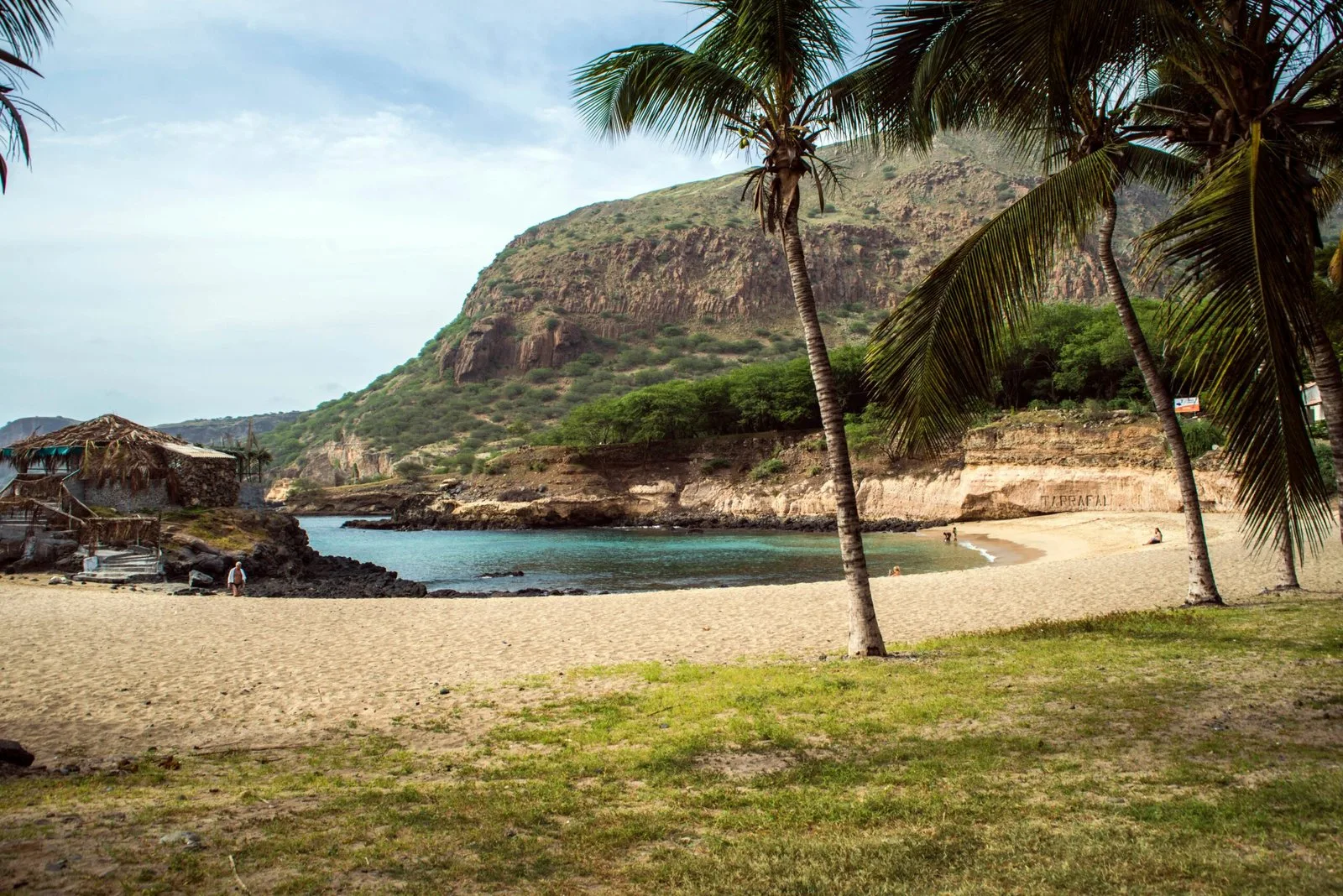
Learn to cook cachupa in a Tarrafal home – families invite travelers in during slow season
Baby sea turtles hatching on Boa Vista (August-September) – volunteer to help them reach the sea
No need to book anything ahead – decide which island tomorrow morning
The Tiny Trade-Off
Ocean swimming is still fine, but visibility drops – plankton blooms in July-August
Some restaurants in Santa Maria close for lunch or have reduced hours
Heat in the eastern islands (Sal, Boa Vista, Maio) – 32°C feels like 38°C with dust
Daylight hours are slightly shorter – sunset ~6:45pm instead of 7:30pm
Smart Traveler Tip
Book August for turtle season and empty beaches – just bring a portable fan for sleeping.
Pack light linen, a dust mask (seriously), and reef-safe sunscreen – Harmattan dust can irritate.
Head to Santo Antão or Fogo in summer – higher altitude means cooler nights (18-20°C).
Avoid the first two weeks of September – Portuguese and Italian tourists return post-summer holidays.
Check ferry schedules twice – reduced frequency between June and September, especially to Brava.
Find Off-Peak Flights
Uncrowded Experiences & Tours
Skip the lines and experience iconic landmarks at your own pace. Discover curated local tours and cultural activities designed to show you the authentic side of the destination without the peak-season rush.
FAQs
Essential Trip Information
Visa and Entry Requirements
Most nationalities (EU, UK, US, Canada, etc.) can enter visa-free for up to 30 days.
Pre-registration is mandatory at least 5 days before arrival. Apply online: https://www.ease.gov.cv
Passport must be valid for at least 6 months beyond the intended stay.
Immigration may request proof of return ticket and sufficient funds.
Currency
Cabo Verde uses the Cabo Verdean Escudo (CVE). While prices are listed in US$ here for convenience, cash is king on most islands.
Best Ways to Handle Currency
Before Your Trip: Bring euros or USD to exchange (euros are preferred).
During Your Trip: Use ATMs in major towns like Praia or Santa Maria.
What to Avoid: Avoid exchanging currency at hotels or airports—rates are poor. Credit cards are accepted only in high-end hotels/restaurants.
Language
Portuguese is the official language. Cape Verdean Creole (Krioulo) is the most commonly spoken language.
Helpful phrases in Portuguese:
“Olá” (Hello)
“Bom dia” (Good morning)
“Boa tarde” (Good afternoon)
“Boa noite” (Good evening/night)
“Obrigado/Obrigada” (Thank you – male/female speaker)
“Por favor” (Please)
“Como está?” (How are you?)
“Não compreendo” (I don’t understand)
“Onde é…?” (Where is…?)
“Quanto custa?” (How much does it cost?)
Safety & Security
While generally safe, exercise a high degree of caution due to crime.
Petty crime (pickpocketing, bag snatching) occurs, particularly in crowded areas, markets, and on public transport.
Be cautious in isolated areas, especially at night. Avoid walking alone after dark.
Keep valuables out of sight and use hotel safes.
Emergency number: 132 (Police), 130 (Ambulance), 131 (Fire).
Health & Insurance
No special vaccinations are universally required for entry, but Hepatitis A, Typhoid, and Hepatitis B are often recommended. Consult your doctor or a travel clinic well in advance of your trip.
Travel insurance is highly recommended due to limited healthcare facilities, especially on smaller islands. Major hospitals are in Praia (Santiago) and Mindelo (São Vicente).
Mosquito-borne illnesses like Dengue and Zika have been reported; take precautions against mosquito bites.
Bring an adequate supply of any prescription medications, as certain drugs may be in short supply.
Tap water is generally not safe to drink; drink bottled water.
Transportation
Inter-island flights by local airlines (e.g., Cabo Verde Airlines) are the most common and efficient way to travel between the larger islands.
Ferries connect some islands, but schedules can be unreliable and sea conditions can be rough.
“Aluguers” (shared minibuses) are the primary mode of public transport on the islands, connecting towns and villages. They are affordable but can be crowded.
Taxis are available in towns and cities. Agree on a fare before starting your journey or ensure the meter is used.
Car rental is available on some islands, but roads can be challenging (cobblestone, winding, poorly lit). An International Driving Permit is recommended.
Price Level
Cabo Verde can be a moderately priced destination, with costs varying by island and level of luxury.
Accommodation:
Budget: Guesthouses/hostels (US$30–70/night)
Mid-range: 3-star hotels (US$70–150/night)
Luxury: Resorts/boutique hotels (US$150+/night)
Food:
Quick eats/local cafes: US$5–15/person (e.g., cachupa, fresh fish)
Casual dining: US$15–30/person
Fine dining: US$40+/person
Drinks:
Local beer (Strela): US2–4(bars),US1–2 (supermarkets)
Soft drinks: US$1–2
Cocktails: US$7–12
Local rum (Grogue): US$3–6 per shot/glass
Transportation:
Aluguer (shared minibus): US$1–5 per ride (short distances)
Taxi: US$5–20 for short trips, depending on distance and negotiation.
Inter-island flights: US$50–150 per segment (can vary greatly)
Ferries: US$10–40 per segment
Money-Saving Tips:
Eat at local restaurants (restaurants or casa de pasto) and mercados for authentic and affordable meals.
Use aluguers for island transport instead of taxis.
Consider staying in guesthouses or family-run accommodations.
Haggle politely in local markets for souvenirs and goods.
Buy water and snacks from local supermarkets rather than tourist shops.
Planning Your Trip
Local Customs And Etiquette
Greetings: A handshake and smile go a long way; in rural areas, it’s customary to greet everyone you pass.
Language: Portuguese is the official language, but Creole (Kriolu) is widely spoken. English is limited outside tourist areas.
Tipping: 10% at restaurants is appreciated (though not always expected); small tips for porters or drivers (US$1–2).
Dress Code: Casual and beach-friendly on islands, but modest attire is appreciated in churches and villages.
Photography: Ask before photographing locals—some may expect a small tip.
Religion: Predominantly Catholic—respect for religious customs is important during festivals and processions.
Budgeting For Your Trip
Accommodation:
- Guesthouses: US$30–60/night
- Mid-range hotels: US$80–150/night
- Resorts: US$200–400+ per night (Sal, Boa Vista)
Food:
- Street food & local eateries: US$6–10
- Sit-down restaurants: US$15–25
- Seafood feasts or tourist spots: US$35–60+
Transport:
- Inter-island flights: US$60–150 one-way
- Aluguers (shared taxis): US$1–5 within towns
- Car rentals: US$50–80/day
Activities:
- Beach lounging, hiking, and live music: Often free!
- Guided hikes (e.g., Fogo volcano): US$20–50
- Island tours or boat trips: US$40–100
Daily Budget:
- Budget: US$70–100 (guesthouses, local food, shared taxis)
- Mid-range: US$150–250 (hotels, mixed dining, tours)
- Luxury: US$350+ (resorts, private excursions, fine dining)
Internet & Mobile
Free Wi-Fi: Available in most hotels, cafes, and some beaches on Sal/Boa Vista.
SIM Cards: CVMovel and Unitel T+ offer tourist SIMs. ~US$10–20 for 5–10GB.
eSIMs: Supported in major towns, especially Sal, Praia, and Mindelo.
Travel Insurance
Recommended for: Medical care, island-hopping delays, and active excursions.
Facilities: Clinics are basic outside Praia or Mindelo—emergency evacuation may be necessary for serious issues.
Adventure coverage: If hiking Fogo or diving, check your plan for activity-specific exclusions.
Accomodation Options
From oceanside eco-lodges to city guesthouses, Cabo Verde’s charm is in its variety.
Luxury:
- Beachfront resorts on Sal or Boa Vista with pools, spas, and international dining.
- Private villas on São Vicente with cliffside views.
Mid-range:
- Boutique hotels in Mindelo or Praia with Creole charm and live music venues.
- Eco-lodges on Santo Antão ideal for hikers.
Budget:
- Guesthouses and family-run pensions (US$30–50/night) on Santiago or São Nicolau.
- Basic hostels or shared rooms in Sal (~US$25–35).
Unique Stays:
- Colonial homes in Mindelo.
- Mountain lodges near Cova Crater on Santo Antão.
Tip: Book early for New Year’s or Carnival in São Vicente—rooms fill up fast.
Getting Around
Though an island nation, getting around is manageable with some planning.
Inter-Island Flights:
Best for time-saving: Flights (BestFly Cabo Verde) link Praia, Sal, Boa Vista, Fogo, and São Vicente.
Book in advance, especially for weekend travel.
Ferries:
Cheaper but slower; routes connect Santo Antão–São Vicente, Santiago–Fogo, and others.
Subject to weather cancellations, especially in winter.
Within Islands:
Aluguers:
Shared vans or pickups—cheap and social.
Great for exploring Santiago and Santo Antão.
Taxis:
Available in cities like Praia and Mindelo; always ask the price first.
Car Rentals:
Useful on Santo Antão or Fogo for remote areas.
Roads are scenic but can be rough or steep—drive cautiously.
On Foot:
Many small towns are walkable, especially coastal villages.
Hikes are a highlight—bring sturdy shoes and plenty of water.
Note: No trains or metros—travel is by road, air, or sea.