 Skip to content
- Why Is Travelling To Botswana During The Green Season A Smart Move For My Wallet And Camera?
By choosing Botswana’s “Green Season” (roughly November to March), you can exploit travel seasonality to unlock savings of up to 50% on luxury lodges and safari experiences compared to peak winter prices . This is the ultimate hack for accessing those high-end camps without the high-season price tag.
Visually, this is the most dramatic time of year. You will trade dusty savannahs for emerald green landscapes, dramatic stormy skies, and the arrival of thousands of migratory birds. While afternoon showers are common, they rarely disrupt the fun and usually result in incredible photographic light and vibrant sunsets .
- What Are The Real Drawbacks Of Visiting Botswana When The Rains Arrive?
Honestly, the bush gets thicker. Because the landscape is lush and water is abundant, animals are not forced to congregate at specific riverbeds, making wildlife slightly harder to spot than in the dry winter months . You will need a bit more patience to find the Big Five hiding in the tall grass.
Also, get ready for humidity and heat, especially in October and November before the rains cool things down . Some remote safari camps close for brief periods during the deepest part of the low season, so you will want to double-check availability. However, the trade-off for fewer vehicles at sightings and total exclusivity is usually worth it.
- How Bad Is The Heat And Rain During The Botswana Low Season?
Let’s talk specifics. While summer (October to April) brings high heat, with temperatures sometimes soaring above 40°C (104°F), the rain is rarely a full-day washout . You can usually expect dramatic afternoon thundershowers that cool the air and clear up in time for stunning sundowners.
The real challenge is the heat in October, which is the tail end of the dry season. If you visit in January or February, mornings are often clear, allowing for perfect game drives before the clouds build up. Just pack lightweight, breathable neutrals and a decent rain jacket, and you will be comfortable.
- Will I Struggle With Insect-borne Diseases If I Visit Off-season?
It is something to be aware of, yes. The risk of malaria is higher during the wet, humid months (November to March) because mosquitoes breed in standing water . However, "higher risk" does not mean "inevitable," and it is easily managed with planning.
Most top lodges provide mosquito nets and spray rooms nightly. You can mitigate the risk entirely by using repellent, covering up at dusk, and speaking to your doctor about prophylaxis. Many travelers argue the savings of up to 40% and the absence of crowds are well worth this small extra step in preparation.
- Is The Famous Zebra Migration Visible During The Off-season?
You are in for a treat—this is actually the best time to see it! While most tourists come for the dry season, the incredible zebra migration kicks off with the first rains in November and peaks between December and March . You can witness tens of thousands of striped animals moving across the Makgadikgadi Pans, followed by relentless predators.
This is one of Africa’s best-kept secrets. Because it happens during the "low season," you will have front-row seats to this predator-prey drama without the convoys of safari jeeps. It is a perfect example of why traveling smart often beats traveling "peak."

Home > Exploit The Seasons > Seasonal World Map > Africa > Botswana
BOTSWANA
Botswana transforms with the rhythm of the rains and dry sands, from emerald wildlife spectacles to dust-free horizons. This guide reveals when to chase migrating zebras, secure better safari value, and experience the Delta without the crowds.
Smart Travel Calendar
Why Choose Botswana Off-Season?
Fewer Vehicles at Sightings: Enjoy private wildlife encounters without a convoy of safari jeeps competing for views .
Lush Green Landscapes: Swap the dry brown dust for vibrant emerald grasses and dramatic, stormy skies .
The Zebra Migration: Witness thousands of striped foals born on the salt pans during the secret “Green Season” .
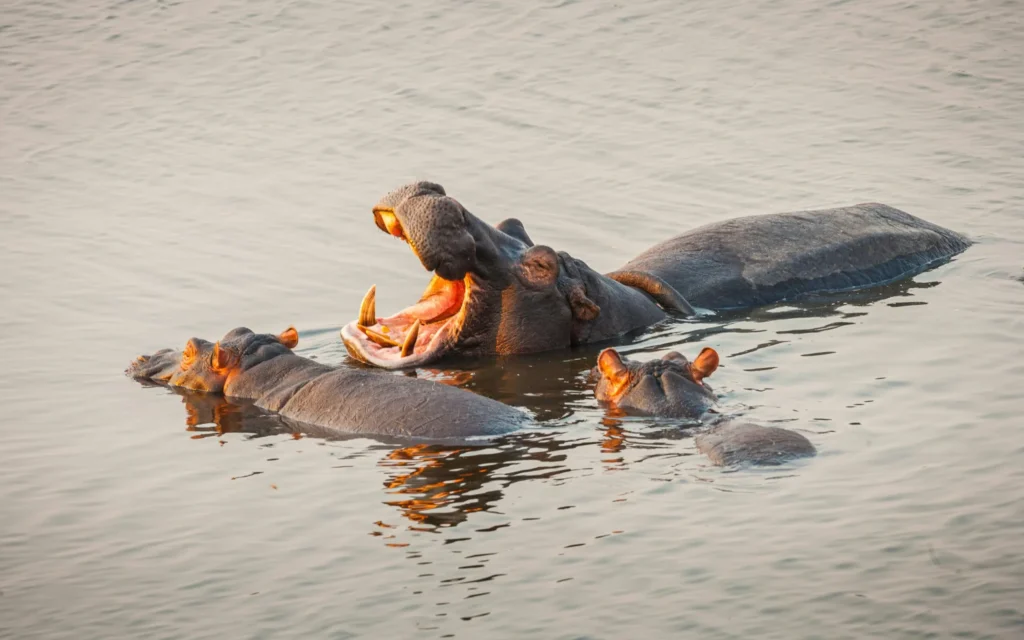
Birthing & Predator Drama: Catch impala and wildebeest newborns taking their first steps, with predators close behind .
Lower Safari Rates: Find lodge discounts of up to 40% to 70% compared to the peak June-to-October prices .
Prime Birding: Spot migratory carmine bee-eaters and flamingos in full breeding plumage
Shoulder Season
Your Smartest Windows
April to May
November
Avoid: The Christmas/New Year holiday period (mid-December to early January), when domestic and international travelers spike prices, and the very heart of Dry Season (August-September) if you want the best value .
What the Sky Does
Mild and drying. Daytime temperatures range from 25°C to 32°C (77°F to 90°F).
April & May: Heavy rains have usually stopped, humidity drops, but the landscape remains incredibly green and lush .
November: This is the start of the rains. Expect dramatic afternoon thunderstorms that clear into stunning, photogenic golden light .
Nights are cooler (especially in May), making for comfortable sleeping weather without the freezing cold of June nights .
How Empty It Feels
Up to 50% fewer tourists compared to the peak dry season months of August and September .
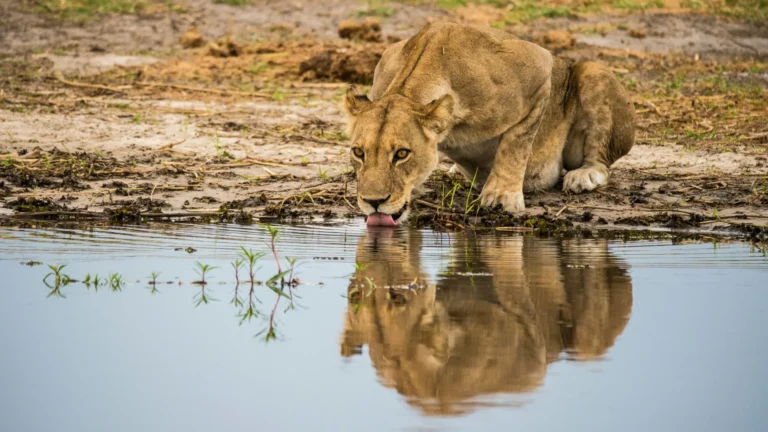
Exclusive sightings: In the Okavango Delta, you might have a lion sighting with only your vehicle present, instead of 20 others .
Relaxed camps: Guides have more time to spend at sightings, and there’s no rush for the best table at camp.
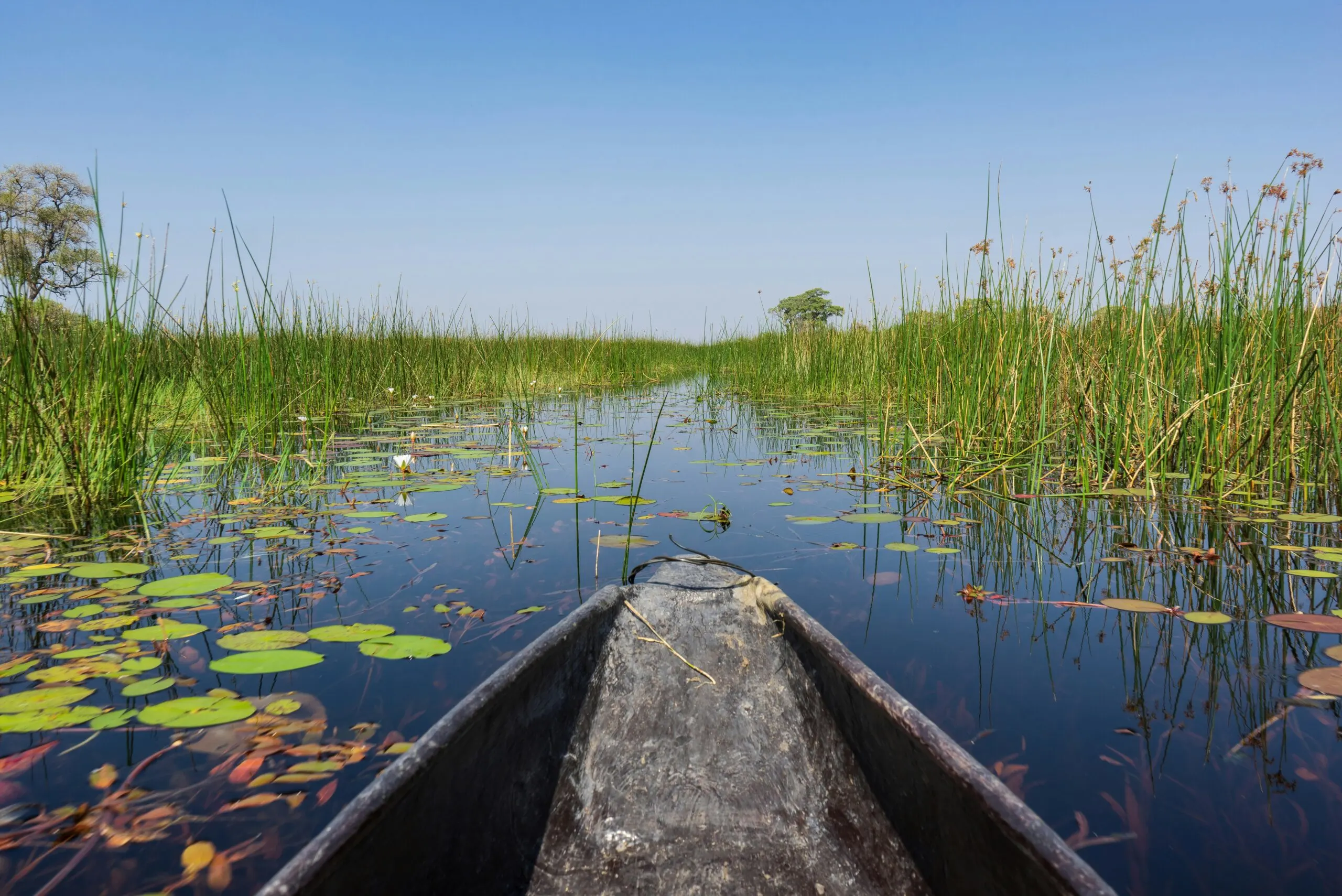
Quiet waterways: Enjoy mokoro (canoe) trips on less congested channels as the floodwaters begin to rise in April and May .
What You’ll Save
30% to 50% on lodge and safari package rates compared to peak season .
Up to 25% on flights: Airfare to Maun typically drops as demand decreases .
Waived single supplements: Many camps waive extra fees for solo travelers during these windows .
Better value for upgrades: Your budget often stretches to a luxury camp that would be unaffordable in August .
The Secret Perk
The Zebra Migration: November marks the start of one of Africa’s largest migrations, as thousands of zebra move to the Makgadikgadi Pans .
Okavango Flood Arrival: In April/May, the magnificent Delta floods begin arriving, offering green landscapes plus water-based activities .
The “Secret Season” for Photos: Stormy skies, rainbows, and reflections in seasonal pans provide dramatic lighting that dry-season photographers miss .
Mevastel (Scorpion) Season: This specific time is actually great for nocturnal wildlife seeking out prey after the rains.
The Tiny Trade-Off
Patchy roads: In November, the first rains can make a few dirt roads muddy in the pans, requiring a bit more patience .
Delta water levels: In April, the Delta waters are still low in the south, so water activities might be limited to specific channels .
Humidity: November can feel sticky (humid) before the rains break the heat .
Thick vegetation: In April, the bush is still very dense, making it slightly harder to spot leopards hiding in the tall grass than in August .
Smart Traveler Tip
Target early November for the best balance: the heat hasn’t peaked, you catch the zebra migration starting, and you beat the Christmas rush .
For water lovers: Go in late April/early May. You get green scenery plus the rising Delta floodwaters for boating .
Pack a waterproof jacket for afternoon November storms and warm fleeces for chilly May morning game drives .
Deep Off-Season
Your Smartest Windows
December to March
Avoid: The week between Christmas and New Year’s Day, as Botswana has a strong domestic tourism boom. Also, avoid the specific Easter long weekend if it falls in March/April, as local travel spikes .
What the Sky Does
Hot, humid, and green. Daytime highs from 30°C to 38°C (86°F to 100°F) .
The “Green Season” rains: Usually spectacular afternoon downpours that cool the air, followed by sunshine.
Central Kalahari: Paradoxically, this is the best weather for the Kalahari, as the desert blooms and pans hold water .
Lush vegetation: The dust is settled; everything is blooming, but the sky is often moody with building cumulus clouds .
How Empty It Feels
70% fewer tourists than the peak August rush .
Solitude in the Delta: You may feel like you have the entire Okavango wilderness to yourself .
Kalahari exclusivity: In the Central Kalahari Game Reserve, sightings are intimate because there are simply no other vehicles for miles .
Quiet campsites: Public campsites in Moremi and Chobe are easy to book (usually full 6 months in advance in peak season) .
What You’ll Save
40% to 70% savings on high-end lodge rates (often called “Green Season Rates”) .
Lowest flight prices: International airfare to Gaborone or Maun is at its annual low .
Car rental deals: 4×4 hire can be up to 40% cheaper than in July .
Activity flexibility: No need to pre-book boat cruises weeks in advance; you can often decide the day before .
The Secret Perk
Central Kalahari Bloom: The desert comes alive. It is actually the prime time to see the Kalahari’s black-maned lions hunting on green plains .
Baby Animals: Calving season peaks in December/January. You will see wildebeest and zebra foals everywhere .
Cultural interaction: With fewer fly-in tourists, guides have more time for in-depth bush walks and cultural talks around the fire.
Meerkat Magic: Meerkats are very active and habituated at the pans, allowing for incredible close-up viewing (they are less skittish in the rains) .
The Tiny Trade-Off
Heat intensity: December and January can be fiercely hot (often exceeding 100°F/38°C) in the middle of the day .
Mosquito presence: With rain comes water, and with water come insects. This is the peak malaria transmission season (prophylaxis is a must) .
Limited water activities: The Okavango Delta is at its lowest flood level (the flood comes from Angola later), so mokoro trips may be limited to the main channels .
No “classic” sunset shots: The sky is often cloudy during sunset, though this creates amazing storm photography .
Smart Traveler Tip
Go North (Chobe Riverfront) in December. The elephant herds are massive, and the rain keeps the dust down for photography .
Eat lunch indoors. Plan your game drives for early morning and late afternoon, using the hot midday hours for a siesta.
Pack light, breathable fabrics, high-SPF sunscreen, and a high-quality rain jacket for sudden showers.
Find Off-Peak Flights
Uncrowded Experiences & Tours
Skip the lines and experience iconic landmarks at your own pace. Discover curated local tours and cultural activities designed to show you the authentic side of the destination without the peak-season rush.
FAQs
Essential Trip Information
Visa and Entry Requirements
Most visitors do not require a visa for stays under 90 days, including citizens of the EU, UK, US, Canada, Australia, and New Zealand.
Passports must be valid for at least 6 months beyond your stay.
Onward travel documents and proof of accommodation or sufficient funds may be requested.
Children under 18 entering or transiting through Botswana must present a certified birth certificate and, if traveling without both parents, a notarized letter of consent.
Currency
Botswana’s currency is the Botswana Pula (BWP), but US$ is widely accepted in tourism sectors.
Best Ways to Handle Currency
Before Your Trip: Bring US$ (clean, newer notes preferred) for smooth exchange.
During Your Trip: ATMs are available in major towns. Use credit cards (Visa/Mastercard) in lodges and high-end establishments.
What to Avoid: Currency exchange at remote safari camps; bring cash in advance if heading to wilderness areas.
Language
English is the official language and widely spoken.
Setswana is the national language; learning greetings like “Dumela” (Hello) is appreciated.
Safety & Security
Botswana is one of Africa’s safest countries for travelers.
Exercise caution in urban areas at night (e.g., Gaborone), but wildlife areas are secure.
Take malaria precautions in northern regions (Okavango, Chobe).
Emergency number: 999 (police), 997 (ambulance)
Health & Insurance
Yellow fever certificate required if arriving from a risk country.
Recommended vaccines: Hepatitis A, Typhoid, and Tetanus.
Malaria prophylaxis is advised in northern regions.
Tap water is generally safe in cities but bottled water is recommended in rural areas.
Medical care is adequate in cities; travel insurance is strongly advised.
Transportation
Flights: Maun and Kasane are safari gateways; Gaborone is the capital hub.
4×4 rentals available for self-drive safaris but require experience.
Scenic charter flights offer access to remote lodges in the Delta.
Local taxis are affordable in towns; agree on fare before riding.
Buses connect major cities but are slow and basic.
Price Level
Botswana is a high-value, low-impact destination—expect premium prices, especially for safari lodges.
Accommodation
Budget: Guesthouses/campsites (US$40–80/night)
Mid-range: Lodges & hotels (US$100–250/night)
Luxury: All-inclusive safari camps (US$500–1,500+/night)
Food
Local eateries: US$5–10
Mid-range restaurants: US$20–40/person
Luxury lodge dining: Included in rates or US$60+/meal
Drinks
Beer: US$2–4 (local brands)
Cocktails: US$8–15
Bottled water: US$1–2 (often complimentary in lodges)
Transportation
Shared taxis (combis): US$0.50–2
Private transfers: US$30–100 (depending on distance)
Domestic flights (to lodges): US$200–600 one-way
Money-Saving Tips
Visit during the shoulder season (April–May, Nov) for better prices.
Choose community-run campsites for affordable safari access.
Opt for Maun-based day trips if full luxury lodges exceed your budget.
Planning Your Trip
Local Customs And Etiquette
Tipping: 10–15% in restaurants; US$5–10/day for guides and safari staff is customary.
Dress Code: Lightweight, neutral-colored clothing for safaris; avoid dark colors in the bush.
Photography: Always ask before taking photos of locals, especially in rural villages.
Safety: Botswana is generally very safe, but exercise standard caution in urban areas.
Language: English is official; Setswana is widely spoken—learning “Dumela” (hello) is appreciated!
Budgeting For Your Trip
Accommodation:
- Budget camping: US$20–60/night
- Mid-range guesthouses/lodges: US$100–300
- Luxury camps: US$600–1,500+
Food:
- Local meals (e.g., pap, grilled meat): US$5–15
- Restaurant dining: US$20–50
- Safari camps include meals
Transport:
- Charter flights: US$150–400/leg
- Car rentals (4WD): US$80–150/day
Activities:
- Park fees: US$10–30/day
- Game drives (included in most lodges)
- Scenic flights: ~US$120–200 for 45 mins
Daily Budget:
- Budget: US$100–150 (camping, local food, minimal transport)
- Mid-range: US$300–500 (tented lodges, game drives, domestic flights)
- Luxury: US$800+ (exclusive safari camps, private charters, fine dining)
Internet & Mobile
Free Wi-Fi: Available in hotels/lodges in towns; rare in the bush.
SIM Cards: Mascom and Orange offer tourist SIMs (~US$5–10); data packages start at ~US$10 for 2–5GB.
eSIMs: Airalo supports Botswana in urban areas, but not in remote parks.
Travel Insurance
Highly recommended – especially for evacuation and medical emergencies in remote areas.
Check that your policy covers:
- Helicopter evacuations (often needed in the Delta).
- Wildlife safaris and adventure travel (4WD, bushwalking).
- Trip delays due to weather or charter issues.
Bold Recommendation: Choose a plan that includes evacuation coverage—many safari areas are far from hospitals.
Accomodation Options
Botswana leans toward low-impact, high-quality tourism, meaning fewer budget options but incredible wilderness lodges.
Luxury:
- Okavango Delta camps: Mombo Camp, Vumbura Plains – ultra-luxury, all-inclusive (~US$1,000+/night).
- Chobe lodges: Chobe Game Lodge – riverside opulence with elephants at your doorstep.
Mid-range:
- Tented camps: Sango Safari Camp (Moremi), Oddballs’ Camp (Okavango Delta) – ~US$300–600/night.
- Guesthouses: In Maun or Kasane, ~US$100–200/night.
Budget:
- Basic hostels and camping in Maun, Kasane – ~US$20–60/night.
- Community campsites (Khama Rhino Sanctuary, Nxai Pan) – affordable, but remote.
Unique Stays:
- Floating lodges (Okavango) or mobile camping safaris for adventurous travelers.
Tip: Lodges often include full board, activities, and transfers—check what’s covered before booking.
Getting Around
Infrastructure is solid in safari zones, but distances can be vast and public transport is limited.
Domestic Flights (Charter Planes):
- Best for reaching remote camps in the Okavango, Linyanti, and Kalahari.
- Prices: From US$150–400 per leg.
- Small planes, stunning views—book with your lodge or operator.
Guided Safaris (Lodge-based or Overland):
- Common and convenient—most packages include transport, meals, and game drives.
- Self-driving is possible, but 4×4 and navigation experience required.
Self-Drive Safaris:
- Possible in Chobe, Makgadikgadi, Central Kalahari.
- Rentals: US$80–150/day for 4WDs with camping gear.
- Fuel stations are sparse—plan carefully.
Buses and Minibuses:
- Cheap (US$3–10) but not ideal for tourists—mostly used between cities (Gaborone–Maun, etc.).
- Infrequent and limited to main towns.
Taxis and Transfers:
- In Gaborone or Maun, use hotel-arranged taxis. Short rides: US$3–8.
Bold Recommendation: Book charter flights or guided tours to access safari regions; self-drive only if you’re experienced with remote travel.