 Skip to content

Home > Exploit The Seasons > Seasonal World Map > Africa > Benin
BENIN
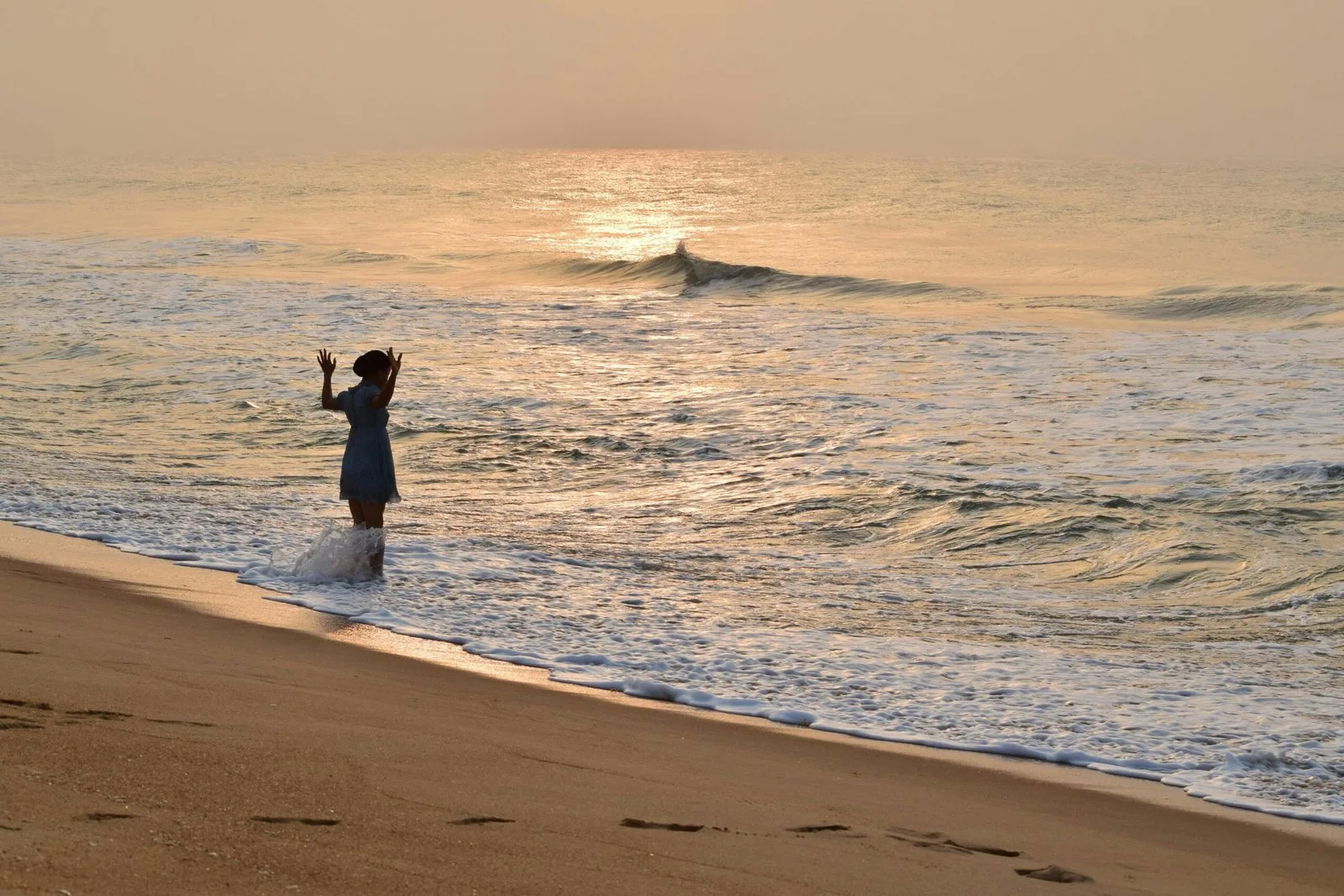
Benin whispers its voodoo secrets between seasons, from sacred Python Temple in Ouidah to the stilt villages of Ganvié sleeping on quiet water. Skip the dust-thick dry rush to explore abandoned slave forts alone, meet leopard kings without crowds, and find authentic Vodun without peak prices.
Smart Travel Calendar
Why Choose Benin Off-Season?
Paddle through Ganvié stilt village in silence – no motorboat convoys, just you and the pirogue.
Walk the Route of Slaves alone at Ouidah – the Tree of Forgetfulness waits without photo queues.
Speak with the leopard kings of Allada – royal guards have time for real conversation.
Haggle in Dantokpa Market peacefully – vendors negotiate when you’re their only customer.
Spot hippos in Pendjari River – safari jeeps sit empty; the animals come to you.
Sleep to voodoo drumming ceremonies when beach lodges drop rates by more than half.
Shoulder Season
Your Smartest Windows
April to May
October to November
Avoid: Easter week (variable March/April) – Domestic travel spikes, Ouidah’s guesthouses fill with diaspora from France/Belgium, and bush taxis to Porto-Novo become standing-room-only.
What the Sky Does
Daytime 29-33°C (84-91°F) – warm but bearable with Atlantic breezes
April-May: First rains begin – brief afternoon showers turn landscapes emerald
October-November: Post-wet season clarity – humidity drops, the Harmattan hasn’t arrived yet
The northern Pendjari region stays drier – perfect for safaris when the south gets rain
How Empty It Feels
45-55% fewer tourists than peak (December-February dry season)
The Python Temple in Ouidah – just you, the slithering guardians, and the priest
Ganvié’s floating market – see how locals actually live, not a tourist parade
No queues at the Royal Palaces of Abomey – UNESCO history without the elbows
What You’ll Save
35-45% on flights from Paris (Air France) and Brussels compared to December peak
30-40% on lakeside stilt bungalows near Ganvié (Bêlème area)
Safari jeep hire in Pendjari drops 40% – you might get a private vehicle for shared price
Museum entry feels like a private tour – the guides give you extra time
The Secret Perk
April: The Lac Toho manatees are visible – higher water levels bring them closer
May: Traditional fishing festivals on Lac Nokoué – no tourists, just hundreds of pirogues
October: The first mangoes ripen – taste them fresh from roadside stalls
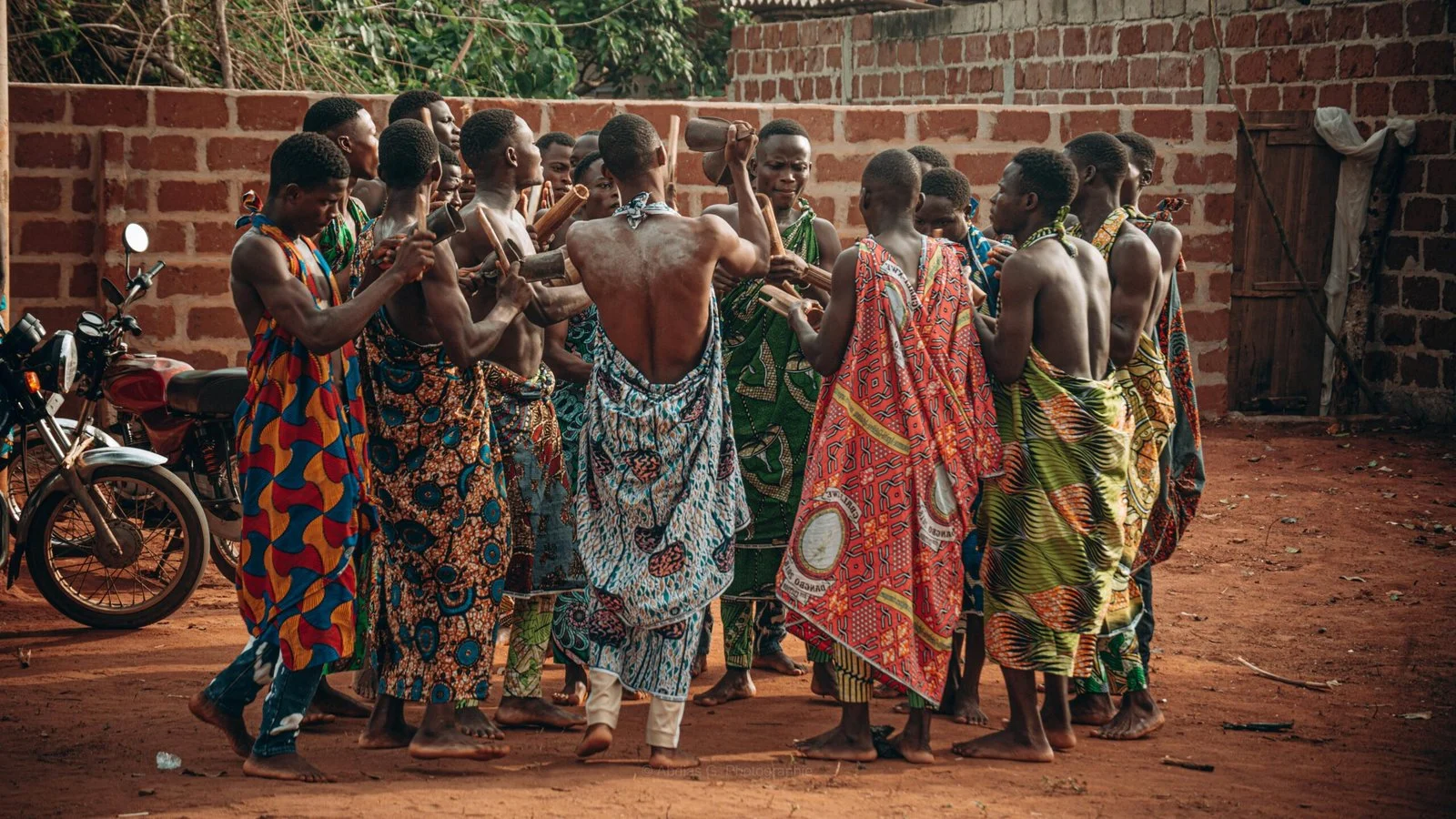
November: Voodoo ceremonies begin quietly – authentic rituals before January’s tourist-packed National Voodoo Festival
Local fetish priests actually explain their work – they’re not rushing to the next group
The Tiny Trade-Off
Some beach bars in Cotonou close by 10pm instead of 2am (April-May slow period)
Occasional afternoon downpour – pack a light rain shell, not a heavy jacket
Fewer daily flights from Europe – Air France reduces frequency in shoulder months
Sea can be choppy for Ganvié boat trips – morning visits are best (calmer water)
Smart Traveler Tip
Target late October or early April for the absolute sweet spot – green landscapes, no Harmattan dust, and pre-crowd prices.
Book Pendjari safaris for November – animals gather at remaining waterholes, but European tourists haven’t arrived yet.
Pack light cottons, a rain jacket, and waterproof sandals – Benin’s brief rains can flood roads in minutes.
Deep Off-Season
Your Smartest Windows
June to September (main rainy season)
March (between dry peak and Easter)
Avoid: January 10 (National Voodoo Festival) – Ouidah is absolutely packed, accommodation spikes 300%+, and you’ll need reservations months in advance. Also avoid August 15 (Assumption) – domestic travel spikes.
What the Sky Does
Daytime 25-29°C (77-84°F) – actually cooler than dry season due to cloud cover
June-August: Heavy afternoon downpours – spectacular tropical storms, then clearing
Humidity is high (75-88%) – you’ll sweat, but hotels have pools and sea breezes help
The northern towns (Natitingou, Djougou) get less rain – Pendjari safaris remain possible
How Empty It Feels
70-80% fewer tourists than December-February peak
The Route of Slaves in Ouidah – you can hear the ocean whisper as you walk alone
Abomey’s Royal Palaces – maybe one other visitor all morning
Tanéka Béri (walled village) – the Batammariba people welcome you properly without rushed visits
What You’ll Save
55-70% off peak-season flights – especially from Paris and Brussels
Hotels at 50-65% discounts – even the nicer hotels in Cotonou’s Marina district
Private pirogue to Ganvié for $10-15 – captains need any fare in the low season
Guided tours at half the dry-season price – guides are grateful for work
The Secret Perk
July-August: The Pendjari River floods – hippos are easier to spot from the boat
August: Traditional Egungun masked ceremonies in the southwest – no tourist bleachers, just real village rituals
Learn to cook akassa with a Ganvié family – they invite you into their floating kitchen
The Somba (Batammariba) people welcome you for overnight stays – no advance booking needed
No need to book anything ahead – show up, choose your room, negotiate your price
The Tiny Trade-Off
Some Cotonou beach restaurants close entirely (August is the quietest month)
Roads to Pendjari National Park can be muddy – 4×4 is essential from June-August
Mosquitoes are very active (especially near Lac Nokoué) – bring good repellent, cover up at dusk, take anti-malarials
Daylight hours are slightly shorter – sunset ~6:30pm instead of 7:10pm
Smart Traveler Tip
Book August for the lowest prices and greenest landscapes – yes, it rains, but you’ll have Ouidah’s slave route almost to yourself.
Pack waterproof hiking boots, a poncho, and a dry bag for electronics – Cotonou’s streets flood fast.
Head to Pendjari in June – the south gets heavy rain, but the north is safari-perfect.
Bring a headlamp – rural power cuts are common during storm season (May-August).
Avoid driving from Cotonou to Malanville in August – northern roads can become impassable.
Find Off-Peak Flights
Uncrowded Experiences & Tours
Skip the lines and experience iconic landmarks at your own pace. Discover curated local tours and cultural activities designed to show you the authentic side of the destination without the peak-season rush.
Essential Trip Information
Visa and Entry Requirements
Travelers from most nationalities require a visa to enter Benin. An e-visa can be obtained online for tourism, business, or transit.
Citizens of all African countries are generally granted visa-free entry for up to 90 days.
Passports must be valid for at least six months beyond your intended stay.
Proof of a Yellow Fever vaccination is mandatory and must be presented upon entry.
For the official e-visa application, visit the official government portal.
Currency
The official currency is the West African CFA Franc (XOF). The symbol is CFA.
Bills: CFA1,000, 2,000, 5,000, and 10,000. Coins: CFA1, 5, 10, 25, 50, 100, 200, 250, and 500.
Best Ways to Handle Currency
Before Your Trip: Exchange a small amount of cash. US$ and Euros are the easiest to exchange.
During Your Trip: ATMs are available in major cities like Cotonou and Porto-Novo but can be unreliable. Carry a good amount of cash as credit cards are not widely accepted outside of major hotels and restaurants.
What to Avoid: Changing money on the street as it can be risky. Always use a reputable bank or exchange bureau.
Language
French is the official language. Learning a few basic phrases will be very helpful.
Helpful phrases: “Bonjour” (Hello), “Merci” (Thank you), “Où est…?” (Where is…?).
Safety & Security
Exercise a high degree of caution. Violent crime, including armed assaults and robberies, is increasing.
Avoid walking alone, especially after dark, particularly on beaches and in isolated areas.
Watch for petty crime, like pickpocketing, in crowded markets and public transport.
Emergency numbers: Police: 117 or 177, Fire: 118, Ambulance: 8200.
Health & Insurance
Yellow Fever vaccination is required for entry. Malaria is a risk throughout the country; take anti-malaria medication.
Comprehensive travel insurance is highly recommended.
Do not drink tap water. Stick to bottled water.
Transportation
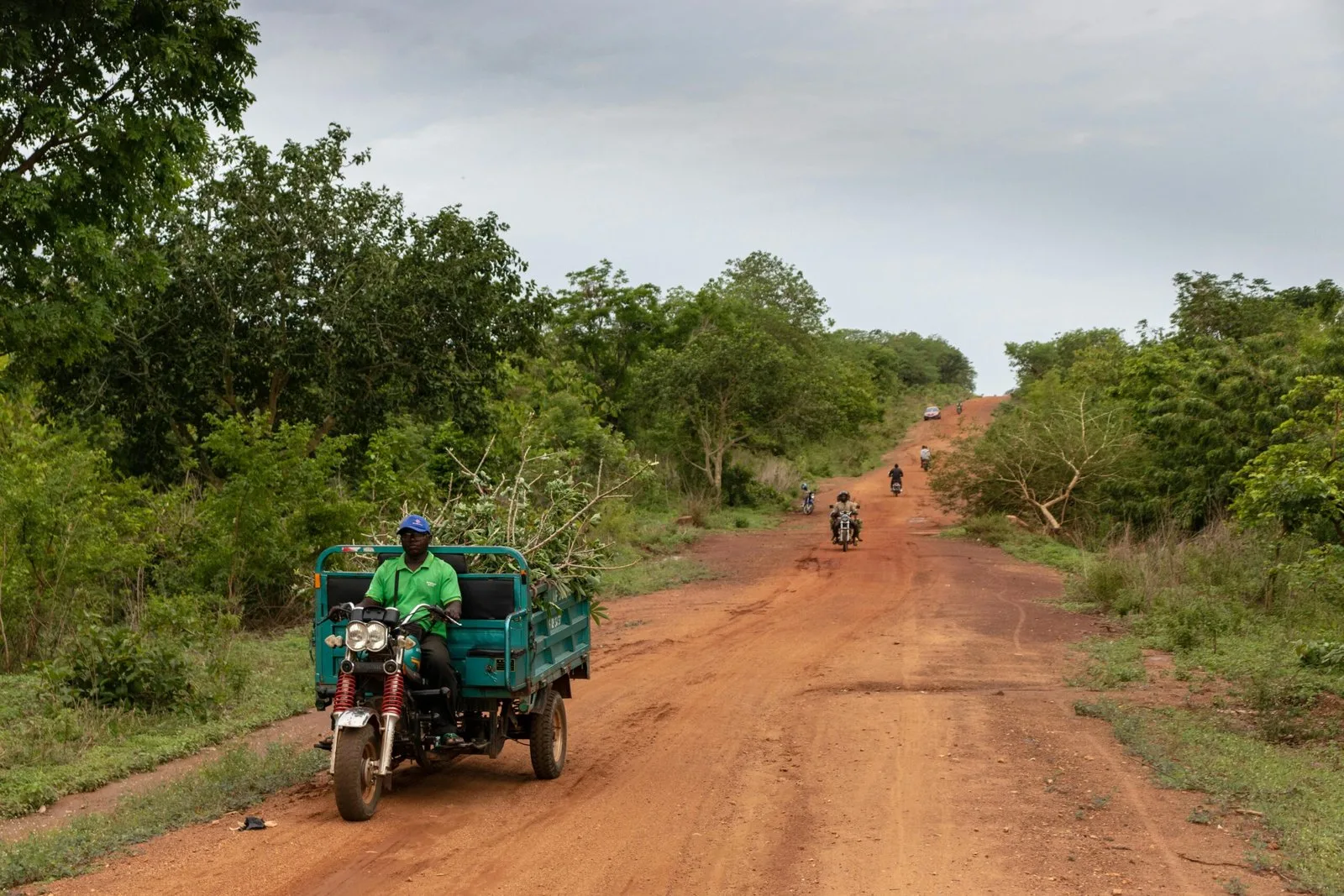
Zemidjans (moto-taxis): The most common and affordable way to get around cities. Negotiate the fare beforehand.
Bush taxis/minibuses: Connect major towns and are the primary mode of inter-city travel.
Car Rental: Possible but not widely available. Hiring a car with a driver is a safer and more practical option.
Roads: Conditions can be poor, especially during the rainy season (April-October).
Price Level
Benin is a relatively affordable destination for travelers.
Accommodation
Budget: Guesthouses/basic hotels (US$30–70/night)
Mid-range: 3-star hotels (US$80–150/night)
Luxury: 4-5 star hotels (US$200+/night)
Food
Quick eats: Street food (US2–5), local restaurants (US5–15)
Casual dining: US$15–30/person
Fine dining: US$40+/person
Drinks
Local beer (La Béninoise): US$1–3
Soft drinks: US$1–2
Cocktails: US$8–15
Transportation
Zemidjan: US$1–3 for short trips in the city.
Bush taxi: US$5–15 for longer trips between cities.
Car with driver: US$80–150/day.
Money-Saving Tips
Eat local street food for delicious and inexpensive meals.
Haggle for prices in markets and with zemidjan drivers.
Take public transportation like bush taxis for long-distance travel.
Planning Your Trip
Local Customs And Etiquette
Greetings matter: A warm handshake and asking about family is customary when meeting someone. Use formal titles unless invited to do otherwise.
Religion: Benin is religiously diverse—respect local traditions, including Vodoun (Voodoo) ceremonies.
Dress Code: Modest dress is expected in villages and during religious visits. Light, breathable fabrics are best due to the heat.
Tipping: Not mandatory, but rounding up or leaving 10% is appreciated in restaurants. Small tips for hotel staff are welcome.
Photography: Always ask for permission, especially at ceremonies or when photographing people.
Bargaining: Expected in markets—start low but stay respectful.
Political discussion: Best avoided, especially around election periods.
Budgeting For Your Trip
Accommodation:
- Hostels/Guesthouses: US$15–40
- Mid-range hotels: US$50–100
- High-end/luxury stays: US$150–250+
Food:
- Street food/local spots: US$3–8 (try pâte rouge, grilled fish)
- Casual restaurants: US$10–20
- Fine dining (Cotonou/Porto-Novo): US$35+
Transport:
- Zémidjan (motorbike taxis): ~US$0.50–2 within cities
- Intercity minivans (bush taxis): US$5–10
- Private car hire with driver: US$40–80/day
Activities:
- Museums and historical sites: US$3–10
- Voodoo festivals or guided nature tours: US$15–30
- Entry to Pendjari National Park: US$15–25 (plus safari vehicle fees)
Daily Budget:
- Budget: US$40–70 (basic guesthouses, local food, motorbikes)
- Mid-range: US$100–180 (air-conditioned hotels, taxis, day tours)
- Luxury: US$250+ (private drivers, upscale hotels, guided safaris)
Internet & Mobile
Free Wi-Fi: Limited—some hotels, upscale cafes in Cotonou offer it, but expect slow speeds.
SIM Cards: MTN and Moov sell prepaid SIMs (~US$3); 10GB data bundles cost around US$10–15.
eSIMs: Not widely supported—physical SIM recommended for better coverage.
Travel Insurance
Recommended for: Medical emergencies, flight delays, tropical diseases, and remote area evacuation.
Healthcare: Quality varies—private clinics in Cotonou are your best option; travel insurance is essential.
Adventure Activities: Ensure your policy covers safaris, boat trips on Lake Nokoué, or hiking in Atakora Mountains.
Accomodation Options
From eco-lodges near national parks to beachside guesthouses, Benin offers varied and culturally immersive stays.
Luxury:
- Boutique resorts in Cotonou or Ouidah with ocean views and spa facilities.
- Lodge-style stays with safari options near Pendjari National Park.
Mid-range:
- Colonial-era guesthouses in Porto-Novo or Abomey with breakfast included.
- Clean, air-conditioned hotels near city centers or national parks.
Budget:
- Guesthouses in smaller towns for US$15–30/night (basic but safe and friendly).
- Dorm-style hostels or homestays in Cotonou.
Unique Stays:
- Lakeside stilt-house lodges in Ganvié, the “Venice of Africa”.
- Voodoo village homestays during festivals or spiritual experiences.
Tip: Book early during January for the annual Voodoo Festival in Ouidah—accommodation fills quickly.
Getting Around
Benin’s transport is basic but improving. For comfort and reliability, private hires are the safest bet.
Minibuses & Bush Taxis:
Primary intercity option: Connects Cotonou to Ouidah, Abomey, Natitingou. Departures are frequent but schedules are informal.
Expect delays and cramped conditions—best for budget travelers.
Zémidjan (Moto-taxis):
Common in all towns; fares are negotiable.
Wear a helmet (bring your own if possible). Avoid night rides for safety.
Car Rental:
Best for national parks or northern regions.
With driver: US$40–80/day; self-drive not recommended due to poor signage and road quality.
Domestic Flights:
Limited. Occasional charters connect Cotonou to northern cities like Natitingou but are not frequent.
Public Transport in Cities:
No metro systems. Shared taxis are cheap (~US$0.50), but language barrier (French/local dialects) can make navigation tricky.
Walking: Ideal in smaller towns or along Cotonou’s beach roads.
Note: Roads can be rough outside main cities. During rainy season (May–July, Sep), flooding may disrupt travel.