 Skip to content
- Why Should I Brave The Mediterranean Winter Instead Of Visiting Algeria In Summer?
Because summer heat here is genuinely intense, often hitting 45°C (113°F) in coastal cities like Algiers and Oran. Visiting between November and March gives you crisp, walkable weather perfect for exploring the Casbah's narrow alleys and the stunning Roman ruins of Tipaza without breaking a sweat.
The real win is the silence. You will secure hotel discounts of up to 45% along the Mediterranean coast, and iconic sites like the Tassili n'Ajjer rock art plateau become accessible without the scorching sun. Exploit travel seasonality here, and you will trade crowded summer beaches for empty ancient history.
- Will The Sahara Desert Be Freezing And Miserable During The Off-Season?
It will be cold at night, but that is exactly when desert travel is actually pleasant. From November to February, daytime temperatures in the Saharan regions like Djanet and Tamanrasset hover around a comfortable 20°C to 25°C (68°F to 77°F), perfect for trekking. Nighttime drops near freezing, but that means spectacular stargazing without a single mosquito.
The trade-off is that you will need a warm sleeping bag and layers. However, desert camp operators slash prices by roughly 35% during winter, and you can often arrange private camel treks for less than a group tour in spring. The iconic Hoggar Mountains look stunning with crisp, clear skies and no heat haze for photography.
- Is The Famous Roman Ruin Of Timgad Less Impressive During The Rainy Months?
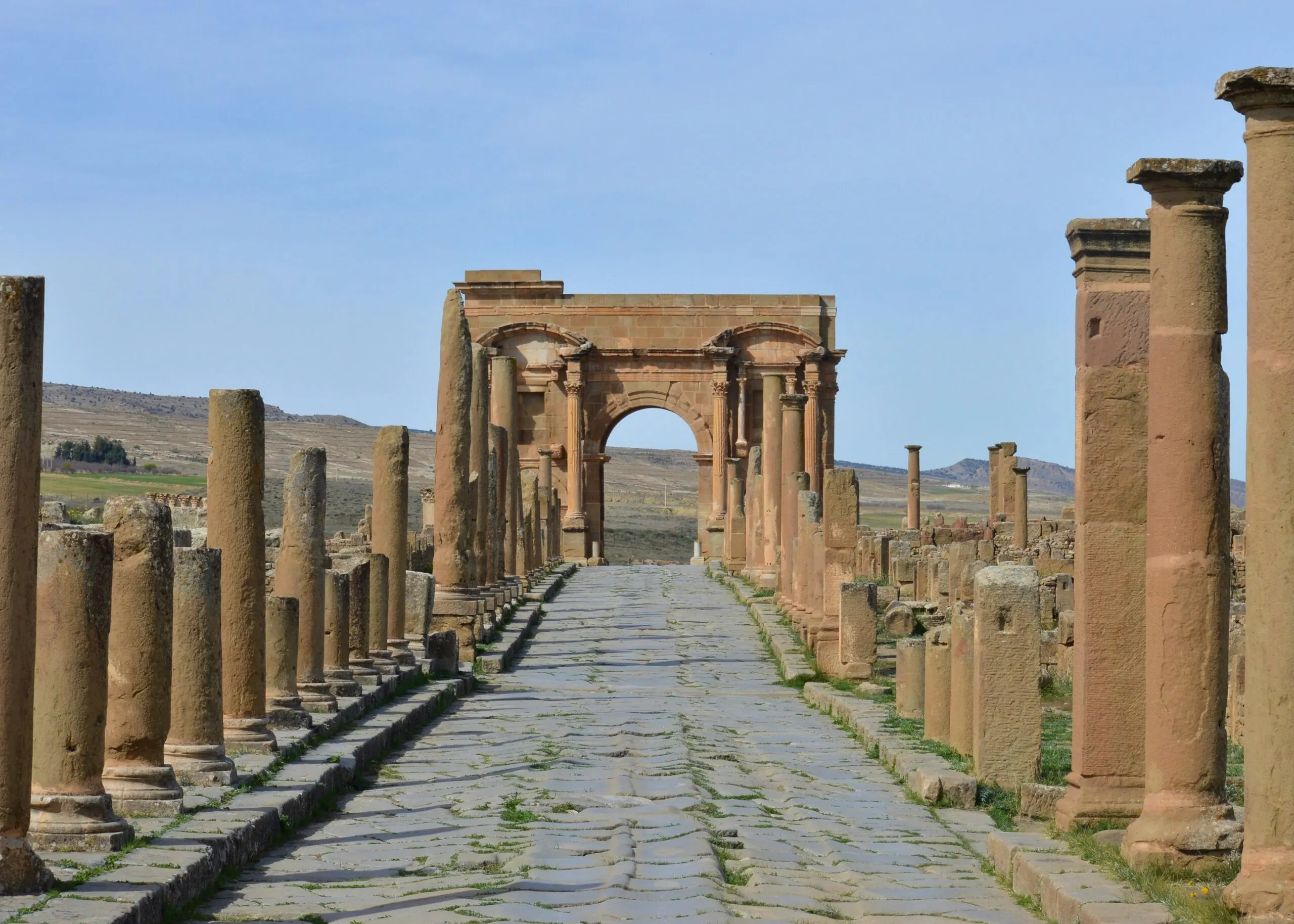
It becomes more dramatic, actually. The winter rains (December to February) bring rare green shoots to the ancient Roman city of Timgad, a UNESCO gem often called the "Pompeii of North Africa." The soft, overcast light makes the Trajan's Arch and the library ruins photograph beautifully without harsh shadows.
The only downside is that occasional rain can make the site muddy. But guided tour prices drop by roughly 25% , and you will have the vast ruins almost entirely to yourselves. You can take two hours to explore rather than the rushed 45-minute high-season version, letting you truly absorb the scale of this ancient settlement.
- Will The Stunning Mediterranean Beaches Be A Total Waste During Winter?
Not at all, they just transform into dramatic coastal walks. The beaches near Sidi Fredj, Tipaza, and La Madrague are empty from November to March, turning into perfect spots for storm-watching, beachcombing, and enjoying grilled sardines at the rare seaside cafe that stays open. The winter waves crashing against Roman ruins along the coast is a sight most tourists never see.
The catch is that swimming is only for the brave or those with wetsuits, as water temperatures drop to around 15°C (59°F). However, the nearby hammams (traditional bathhouses) offer the perfect warm alternative at local prices. You will also find that coastal hiking trails are far more comfortable without the summer humidity.
- Is The Hoggar Mountains Trekking Impossible During The Winter Off-Season?
It becomes the ideal time for serious hikers. The Hoggar Mountains, with their otherworldly volcanic peaks and the famous Assekrem plateau, see their best trekking conditions between November and February. Days are cool enough for strenuous climbing, and the clear winter air offers visibility for hundreds of kilometers.
The reward is extraordinary: trekking guide prices drop by roughly 30% , and you can negotiate longer, more remote itineraries. You will share the mountains only with local Tuareg nomads and their camel caravans. Flights into Tamanrasset from Algiers drop by roughly 15-20% during these months, making this Saharan adventure surprisingly affordable. Just pack for freezing nights and you will experience the Sahara at its most magical.

Home > Exploit The Seasons > Seasonal World Map > Africa > Algeria
ALGERIA
Algeria reveals its ancient soul between seasons, from Mediterranean-whitewashed Algiers to Sahara dunes untouched by summer’s furnace. Skip the heat and crowds to explore Roman ruins alone, sip mint tea in quiet casbahs, and find genuine Saharan hospitality without peak prices.
Smart Travel Calendar
Why Choose Algeria Off-Season?
Have Timgad’s Roman ruins nearly solo when summer tour buses stay away.
Trek Saharan dunes at 25°C instead of 45°C – your legs will thank you.
Sleep in Ghardaïa’s M’zab Valley without the wait for that perfect photo.
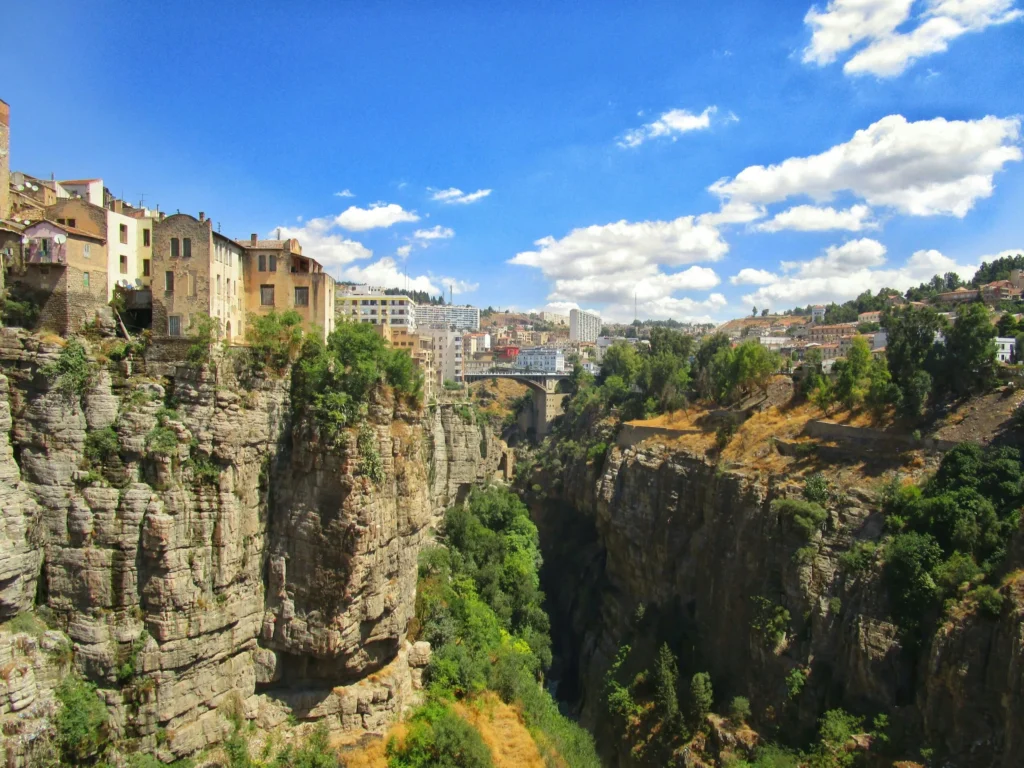
Haggle in Algiers’ Casbah markets when vendors have time for real conversation.
Spot flamingos in Chott El Djerid without midday heat stealing your breath.
Eat couscous with Berber families who aren’t rushing to flip tourist tables.
Shoulder Season
Your Smartest Windows
March to May
September to November
Avoid: Eid al-Fitr and Eid al-Adha (dates shift) – domestic travel explodes, hotels near coastal cities sell out, and transport becomes standing-room-only .
What the Sky Does
Coast: 18-25°C (64-77°F) / Sahara: 25-32°C (77-90°F) – warm but breathable
Spring (March-May): wildflowers bloom across the Tell Atlas mountains
Autumn (Sept-Nov): post-summer sea warmth – Mediterranean water still 23°C (73°F)
Rain is minimal – pack a light jacket for coastal evenings, skip it for the desert
How Empty It Feels
40-50% fewer tourists than July-August chaos
The Casbah of Algiers – wind through alleys without bumping elbows
Djemila’s Roman ruins – just you, crows, and 2,000 years of silence
No queues for Notre-Dame d’Afrique – the views come without the wait
What You’ll Save
30-40% on flights from Europe compared to summer peak
25-35% on hotels in Algiers, Oran, and Constantine
Sahara tour packages drop by up to 45% – more desert for less dinar
Seafood restaurants in coastal towns – negotiate your own price in low season
The Secret Perk
March/April: Orange blossoms perfume the Mitidja plains – harvest season
September: Dates ripen in Sahara oases – taste them fresh from the palm
Spring bird migration at El Kala National Park – thousands of waterfowl
Golden autumn light for photography – no summer haze, no winter grey
Berber guides actually invite you for tea – not rush to the next site
The Tiny Trade-Off
Some coastal beach clubs close by 7pm instead of midnight (March-April only)
Occasional spring sandbursts from the Sahara – carry a scarf for sudden dust
Fewer daily flights to southern oases (Djanet, Tamanrasset) – book ahead
Late November brings first coastal rains – pack an umbrella if traveling after mid-Nov
Smart Traveler Tip
Target late April or early October for the absolute sweet spot on weather and prices
Book Saharan guides before Ramadan starts – schedules get unpredictable during the holy month
Pack layers for 15°C day-night swings – deserts cool fast once the sun drops
Deep Off-Season
Your Smartest Windows
December to February (winter)
July to August (summer – for heat-seekers only!)
Avoid: Ramadan (dates shift, ~March in 2025) – many restaurants close during the day, and Sahara guides operate reduced hours .
What the Sky Does
Coastal winter: 12-17°C (54-63°F) – cool, rainy, but not freezing
Sahara winter: 18-22°C (64-72°F) days / 2-7°C (36-45°F) nights – pack for both
Summer (July-Aug): Coast 30-35°C (86-95°F) – bearable with sea breezes
Summer in Sahara: 40-48°C (104-118°F) – not for the faint of heart
How Empty It Feels
70-80% fewer tourists than peak spring/autumn
Timgad and Djemila – you might be the only visitor all morning
Ghardaïa’s narrow streets – echo with footsteps, not guide chatter
Coastal resorts are ghost towns – perfect for introverts, weird for partiers
What You’ll Save
50-65% off peak-season flights (especially from France and Spain)
Hotels at 50-70% discounts – even in Algiers’ swanky Bay of Algiers
Sahara 4×4 rentals for under $50/day – demand is near zero from June-Aug
Museum entry feels like private tours – you and the guards, that’s it
The Secret Perk
December-February: Roman ruins draped in winter mist – hauntingly beautiful photos
January: The Sahara’s night sky is impossibly clear – best stargazing of the year
Learn to bake kesra (traditional bread) indoors – families welcome you in from the cold
Summer evenings on the Corniche – ice-cold lemonade, warm sea, purple skies
No need to book anything ahead – choose your hotel room on arrival
The Tiny Trade-Off
Swimming is too cold in winter (Mediterranean drops to 15°C/59°F)
Some mountain roads to Kabylie – snow can close high passes (Jan-Feb)
Many coastal restaurants close entirely in January – verify before walking
Daylight hours short in winter (sunset ~5:30pm) – plan indoor afternoons
Smart Traveler Tip
Book February for Sahara trips – days are pleasant, nights are crisp but not brutal
Pack a serious jacket for desert nights – temps can drop below freezing in January
Skip summer unless you love 45°C – seriously, don’t attempt Sahara between June-Aug
Winter in Constantine is magical but wet – bring waterproof boots for Roman bridges
July and August are for coastal lounging only – stick to Algiers, Oran, and beach towns
Find Off-Peak Flights
Uncrowded Experiences & Tours
Skip the lines and experience iconic landmarks at your own pace. Discover curated local tours and cultural activities designed to show you the authentic side of the destination without the peak-season rush.
FAQs
Essential Trip Information
Visa and Entry Requirements
Most travelers need a visa (apply in advance at an Algerian embassy/consulate). Some nationalities (e.g., China, Malaysia) can obtain a visa on arrival.
Passports must be valid for at least six months beyond your stay.
Proof of accommodation and return ticket may be requested.
Currency
Algeria’s currency is the Algerian Dinar (DZD).
Best Ways to Handle Currency
- Before Your Trip: Exchange a small amount before you leave, though you can also exchange at local banks or exchange bureaus once in Algeria.
- During Your Trip: ATMs are widely available in cities like Algiers. Major credit/debit cards (Visa, Mastercard) are accepted in many hotels and restaurants, but it’s a good idea to carry cash (US$20-50) for smaller purchases.
- What to Avoid: Avoid exchanging currency at airports as they often offer poor rates.
Language
Arabic is the official language, with Berber also widely spoken. French is commonly used in business and government.
Helpful phrases: “Excuse me” (Pardon), “Thank you” (Shukran), “Where is…?” (Ayna…?)
Safety & Security
Algeria is generally safe for tourists, though caution should be exercised in remote areas, especially near borders.
Avoid isolated areas at night and be cautious of petty crime in crowded places.
Emergency number: 17 for police, 14 for medical emergencies.
Health & Insurance
Vaccinations: Hepatitis A and Typhoid are recommended for travelers.
Travel insurance is recommended as healthcare can be costly for non-residents.
Tap water is generally safe in major cities, but it’s advisable to drink bottled water in rural areas.
Pharmacies (like Pharmacie Centrale) are widely available in cities.
Transportation
Public transport: Algiers has a modern metro system, buses, and trams.
Taxis: Taxis are common, though not always reliable for exact fares—agree on the price before you get in.
Walking/Biking: Many tourist sites in Algiers are walkable, but wear comfortable shoes due to the city’s hilly terrain.
Price Level
Algeria is generally an affordable destination, with a cost of living lower than many Western countries. However, tourism in major cities like Algiers can be more expensive.
Accommodation
- Budget: Hostels and guesthouses (US$30–70/night)
- Mid-range: 3-star hotels (US$80–150/night)
- Luxury: 4-5 star hotels (US$200+/night)
Food
- Quick eats: Street food (sandwiches, pastries) (US$2–5)
- Casual dining: Local restaurants (US$10–25/person)
- Fine dining: Higher-end restaurants (US$40–70/person)
Drinks
- Coffee: US$1–2
- Soft drinks: US$1–3
- Beer: US$3–6 in restaurants
Transportation
- Taxis: US$5–10 for short trips within cities
- Public transport: Buses and metro (Algiers) (US$0.50–1/ride)
Money-Saving Tips
- Visit Algiers’ Casbah or explore the Roman ruins in Timgad for free.
- Use local transport rather than taxis for a more budget-friendly way of getting around.
Planning Your Trip
Local Customs And Etiquette
Politics: Algeria is a politically sensitive country; avoid discussing politics in public.
Tipping: 10–15% is appreciated at restaurants; US$1–2 per bag for hotel staff.
Dress Code: Modest dress is expected in most places. For sightseeing, dress casually, but avoid revealing clothing in religious sites.
Museum Behavior: Quiet and respectful, especially in historical and religious sites.
Free Attractions: Many museums and monuments are free, but you may need to pay for guided tours.
Budgeting For Your Trip
Accommodation: Budget hotels (~US$30–70/night), mid-range hotels (~US$80–150/night), luxury (~US$200+).
Food: Street food (US$2–5), casual meals (US$10–20), fine dining (US$30+).
Transport: Trains (~US$5–15), taxis (~US$2–10), car rentals (~US$30–50/day).
Activities: Free (hiking in the mountains), paid tours (US$10–30 for historical sites or desert excursions).
Daily Budget:
Budget: US$50–80 (guesthouses, street food, local transport).
Mid-range: US$100–200 (comfortable hotels, sit-down meals, excursions).
Luxury: US$250+ (luxury accommodations, private tours, high-end dining).
Internet & Mobile
Free Wi-Fi: Available in most cafes, hotels, and public spaces in cities.
SIM Cards: Available at airports or mobile shops, with prepaid plans (US$10–30 for 5–10GB).
eSIMs: Supported by major international providers (Airalo, Orange).
Travel Insurance
Recommended for: Medical coverage, trip cancellation, and lost luggage (especially in remote areas).
U.S. Healthcare: Expensive and may not cover all situations; ensure your plan covers emergencies abroad.
Adventure Activities: Make sure your insurance covers activities such as desert tours or mountain hiking.
Accomodation Options
Algeria offers a variety of accommodations, from luxury resorts to budget-friendly guesthouses.
Luxury:
- Coastal resorts: Sheraton Club des Pins (Algiers), Le Meridien Oran.
- Desert stays: Auberge du Sud (Tamanrasset), Kasbah-style hotels in Ghardaïa.
Mid-range:
- Boutique hotels: Hôtel El Aurassi (Algiers), Hôtel Sabri (Oran).
- Eco-lodges: Kasbah-style guesthouses in the highlands.
Budget:
- Guesthouses: ~US$20–50/night (Algiers, Annaba, Bejaïa).
- Hostels: Most budget options are concentrated in larger cities like Algiers and Oran.
Unique Stays:
- Desert camps: Comfortable tents in the Saharan region.
- Historical stays: Old palaces converted into hotels in cities like Constantine.
Tip: Book accommodations in advance for peak tourist season (June–August).
Getting Around
Transport options vary across Algeria, with different methods suited for coastal, mountain, and desert travel.
Trains:
- Popular routes: Algiers to Oran, Constantine, and Annaba offer comfortable journeys.
- Classes: 1st class (comfortable, reserved seats), 2nd class (crowded but cheap), 3rd class (basic).
- Tip: Book in advance for long-haul routes or during busy times (e.g., summer).
Buses:
- Public buses: Inexpensive (US$1–5) but can be crowded.
- Private AC buses: Comfortable for long trips, such as Algiers–Tamanrasset.
Taxis:
- Short rides: Negotiate fares (US$2–10 for 5–10 km).
- Intercity taxis: Prices can be negotiated for travel between cities (US$20–50).
Car Rentals:
- Recommended for flexibility: Rent a car (~US$30–50/day), especially for exploring remote areas like the desert or mountains.
Domestic Flights:
- Limited options: Mainly for long-distance travel (Algiers–Tamanrasset, ~US$100–150).
Bold Recommendation: Use trains for coastal city travel and rent a car for more remote regions.