 Skip to content

- Can I Still Visit Dubrovnik And Split Without Overwhelming Crowds During Off-Season?
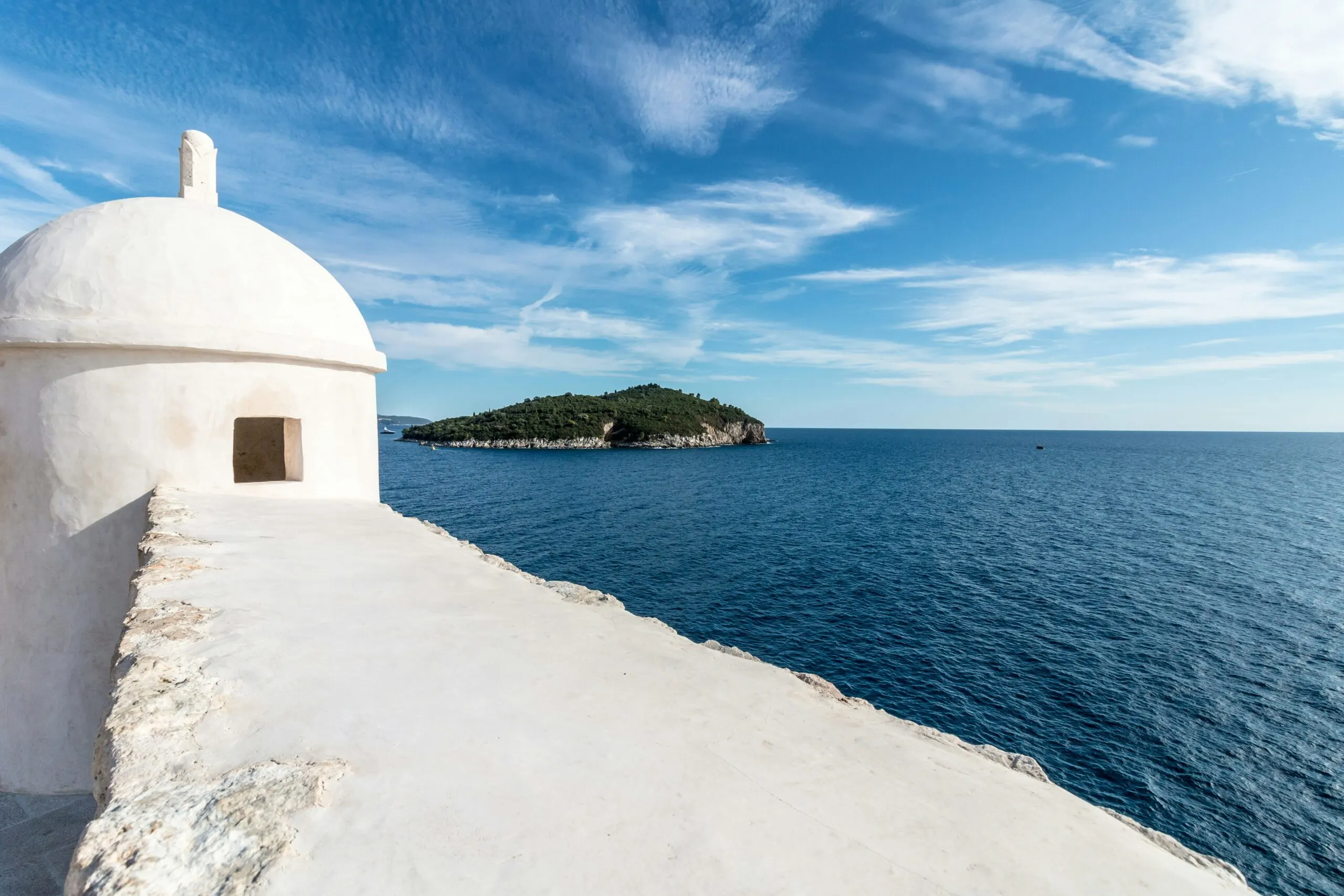
Yes, and off-season is the only sane time to experience these stunning walled cities. The summer crowds that turn Dubrovnik's main street into a moving wall of humanity vanish by 70% to 85% from October through April, allowing you to actually walk the city walls without elbowing strangers for space.
The drawdown is that some rooftop restaurants and outdoor bars close during cooler months, and the famous Game of Thrones walking tours run less frequently. The positive reward is that you can finally hear your own footsteps echo through the marble streets of Stradun and take clean photographs of the old harbor without tourists photobombing every frame. This is the Croatia that postcards capture.
- What Percentage Discounts Can I Find On Adriatic Hotels And Island Accommodations?
Four-star hotels in Dubrovnik, Split, and Hvar reduce their rates by 45% to 65% from November through March, and charming island apartments offer similar discounts of 40% to 60%.
The drawdown is that some smaller family-run guesthouses on remote islands like Vis or Korčula close entirely from October through April. The positive spin is that the hotels remaining open offer incredible value, and you can afford a room with a sea-view balcony or a suite inside Diocletian's Palace for the same price as a basic room in July.
- Are The Famous Plitvice Lakes And Krka Waterfalls Still Open During Off-Season?
Yes, both national parks remain open year-round, and winter transforms them into completely different wonders. The boardwalks around Plitvice's sixteen terraced lakes become less crowded by 90%, and freezing temperatures sometimes turn the waterfalls into stunning ice sculptures that summer visitors never witness.
The drawdown is that some upper lake trails close when ice makes them unsafe, and boat services between lake sections stop running from November through March. The helpful solution is to visit during the shoulder months of April, May, September, or October when the waterfalls flow fully, the crowds have thinned by 70%, and temperatures keep hiking comfortable. Winter visits reward you with magical solitude but require warm boots and careful footing.
- Is Ferry And Island Hopping Possible Along The Dalmatian Coast During Off-Season?
Yes, but with a significantly reduced schedule that requires advance planning. The main Jadrolinija and Krilo catamaran lines connecting Split, Hvar, Korčula, and Dubrovnik operate year-round, but winter schedules may offer only two or three sailings per week instead of daily summer departures.
The drawdown is that smaller ferry routes to less touristy islands like Vis, Lastovo, or Mljet stop completely from November through February. The positive trade-off is that the ferries that do run are nearly empty, comfortable, and offer discounts of 20% to 35% on standard fares. You will also find that island towns feel authentically local without summer's party crowds, and the sea crossing is smoother without the summer bora winds.
- Should I Visit The Croatian Coast In Shoulder Season Or Deep Winter For The Best Experience?
You should choose based on your tolerance for cool weather versus your desire for maximum solitude. The shoulder months of April through June and September through October offer the perfect balance: mild temperatures from 15°C to 25°C (59°F to 77°F), sea temperatures still swimmable for many, and discounts of 25% to 40% with thin but present crowds.
The deep winter from November through March delivers the most dramatic discounts of 50% to 70% and almost complete solitude along the coast. The drawdown is that swimming is only for cold-water enthusiasts, and many restaurants and activity providers close entirely. The positive reward is having Dubrovnik's walls, Split's promenade, and Plitvice's boardwalks almost completely to yourself. Choose shoulder season for beach time, deep winter for pure tranquility.

CROATIA
Croatia sheds its summer crowds to reveal a raw, Adriatic soul. From misty Plitvice waterfalls to silent Dubrovnik stone. This guide unlocks authentic moments, empty coastlines, and real value beyond July’s glittering rush.
Smart Travel Calendar
Why Choose Croatia Off-Season?
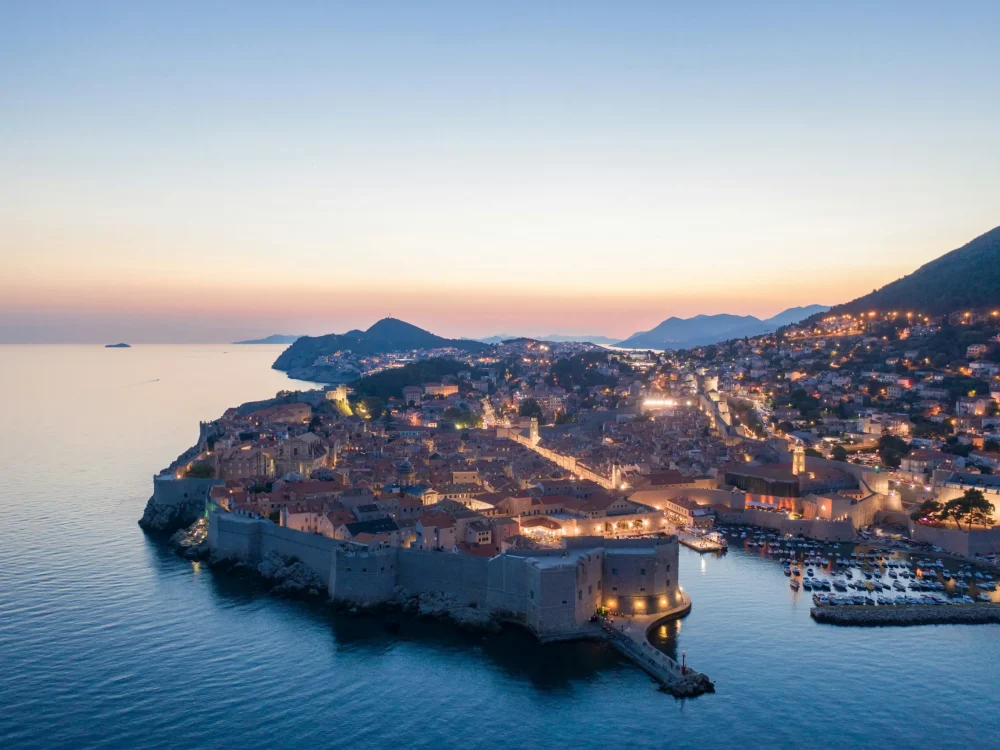
No crowds, just coastline. Walk Dubrovnik’s walls without elbowing a thousand selfie sticks.
Lower prices, higher pleasure. Sleep in seaside hotels for half the summer rate.
The sea is still stunning. Swim in crystal-clear Adriatic during warm September and October.
Local life, not tourist traps. Chat with vintners in Istria without cruise ship chaos.
Hiking without sweating. Explore Paklenica and Plitvice in cool, breathable air.
Better photos, zero photobombs. Capture golden light on empty cobblestones at sunrise.
Shoulder Season
Your Smartest Windows
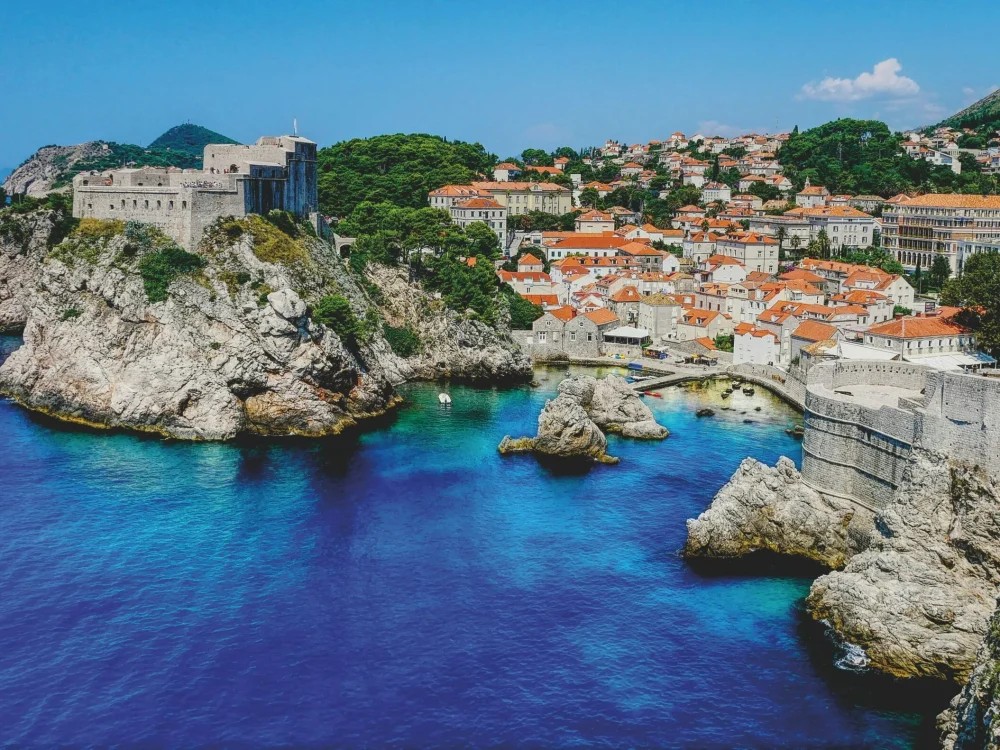
April to mid-June – Spring awakening with blooming nature and lower prices.
September to October – Warm sea, harvest festivals, and summer crowds gone.
Avoid: Late June through August (peak summer), plus the week around Easter when domestic travel spikes prices on the coast.
What the Sky Does
April: 12-18°C (54-64°F); May: 17-23°C (63-73°F); September: 19-26°C (66-79°F); October: 14-20°C (57-68°F)
Spring brings occasional rain showers – pack a light jacket for sudden Adriatic squalls.
September offers the warmest sea temperatures (22-24°C / 72-75°F), perfect for swimming.
October sees crisp, clear mornings ideal for photography before rain returns late month.
How Empty It Feels
60-70% fewer tourists than July and August peak season.
Major cities like Dubrovnik and Split feel breezily walkable – no queue at Pile Gate.
Coastal towns like Hvar and Korčula are pleasantly sleepy with open restaurants.
Find seating anywhere – ferry lounges, beach bars, and hilltop viewpoints are yours.
What You’ll Save
30-50% on flights and hotels compared to summer peak rates.
Car rentals drop 40-60% – no more €100+ per day for a small hatchback.
Walk right into Diocletian’s Palace and Plitvice – no timed entry tickets needed.
Fresh seafood for less – konobas offer better prices and unhurried service.
The Secret Perk
Istria Wine & Harvest Festival (September) – truffles, Teran wine, and local feasts.
Plitvice in full roar – spring snowmelt makes waterfalls thunderously dramatic.
Olive picking season (October) – join local families harvesting in Dalmatia.
Soft golden hour light over the Adriatic lasts longer without summer haze.
Chat with real locals – barkeepers and fishermen have time for stories.
The Tiny Trade-Off
Some island ferry routes reduce frequency after mid-October (check Jadrolinija schedules).
April sea temperatures are still chilly (14-16°C / 57-61°F) – swimming is brief.
A few beach bars and nightclubs on Hvar and Pag close by late October.
Easter week sees regional price spikes – avoid if you want true shoulder savings.
Smart Traveler Tip
Target mid-September to early October for the ultimate balance: warm sea, harvest fun, and no crowds.
Book Plitvice for 8 AM in April or October – you’ll have the boardwalks nearly alone.
For swimming, stick to late May or September – June can already feel pre-peak busy.
Avoid the week around August 15th (Feast of the Assumption) – it’s a local holiday that packs the coast.
Deep Off-Season
Your Smartest Windows
November to March (excluding Christmas/New Year)
Avoid: December 23rd to January 2nd – Christmas markets and New Year’s events raise prices in Zagreb and coastal cities.
What the Sky Does
November to March average: 5-12°C (41-54°F) on coast; colder inland (-2 to 8°C / 28-46°F).
Winter brings rain and strong bura wind – dramatic skies but pack layers.
Inland (Plitvice, Zagreb) sees snow and freezing fog – gorgeous for photography.
Coastal humidity is low – crisp, clear days between storms offer stunning visibility.
How Empty It Feels
80-90% fewer tourists than summer – you’ll feel like you own the old towns.
Dubrovnik’s Stradun has just locals walking dogs – historic silence restored.
Museums (like Split’s Diocletian’s Basements) are almost private tours.
Small villages feel authentically local – only the post office and one konoba are open.
What You’ll Save
50-70% off peak season prices – flights from €20-40 within Europe.
Hotels in Dubrovnik’s old town drop from €300+ to €70-100 per night.
Car rentals as low as €10-15/day – perfect for coastal road trips with zero traffic.
No reservations needed for any restaurant or attraction.
The Secret Perk
Zagreb Advent (December) – one of Europe’s best Christmas markets, cozy and magical.
Skiing at Platak or Medvednica – snow-covered slopes just 30 minutes from Rijeka or Zagreb.
Winter bura wind walks on Zadar’s waterfront – dramatic waves and sea organ solos.
Oyster season in Ston (December–March) – pluck fresh, briny gems right from the bay.
Real local conversations – barkeepers pour rakija and share family stories for hours.
The Tiny Trade-Off
Most beaches are deserted – swimming only for the truly cold-blooded (5-12°C / 41-54°F water).
Nightlife is dead outside Zagreb and Split – clubs on Hvar and Pag are shuttered.
Many island restaurants and tour operators close entirely from November to March.
Daylight is short – sunrise ~7:15 AM, sunset ~4:15 PM in December.
Smart Traveler Tip
Visit between January 15th and February 28th for the absolute quietest, cheapest window.
Base yourself in Split or Zadar – they stay more alive than small islands in winter.
Pack windproof jacket, scarf, gloves, and waterproof shoes – the bura wind is fierce.
For mildest deep off-season, head to Dubrovnik or Hvar Town – they get more sun and open cafes.
Top Off‑Season Stays
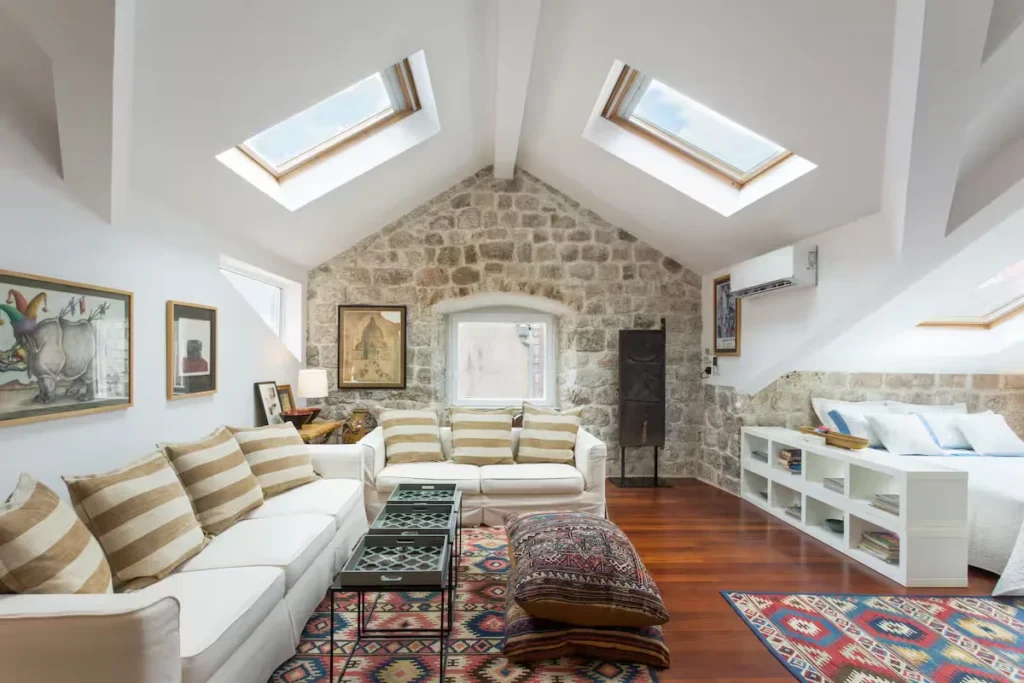
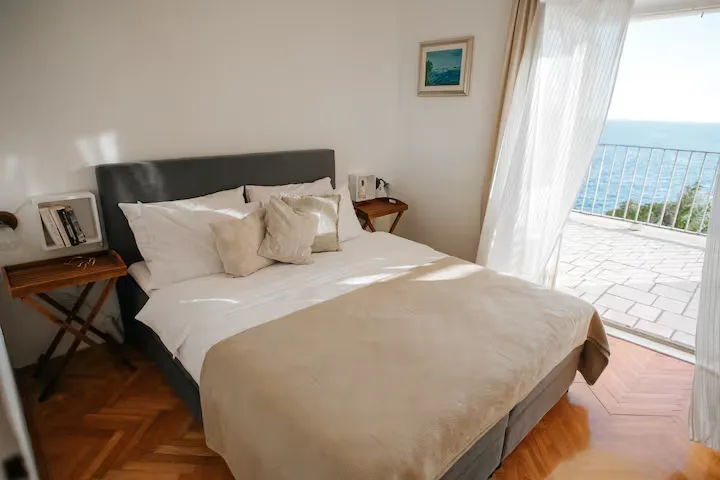
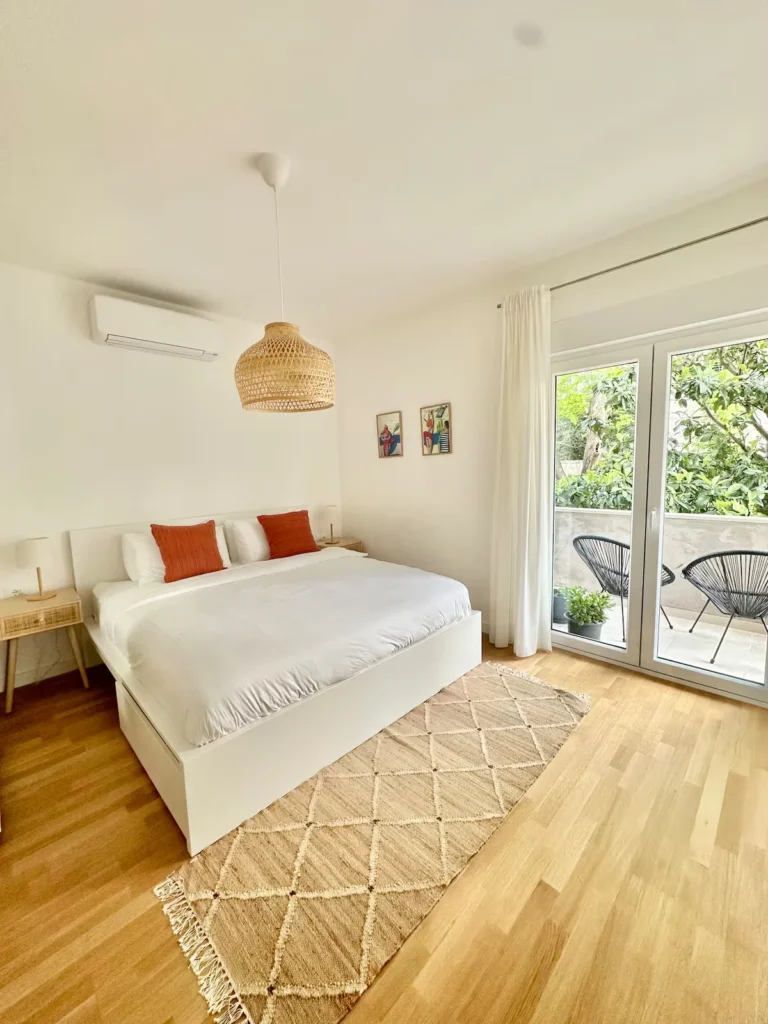
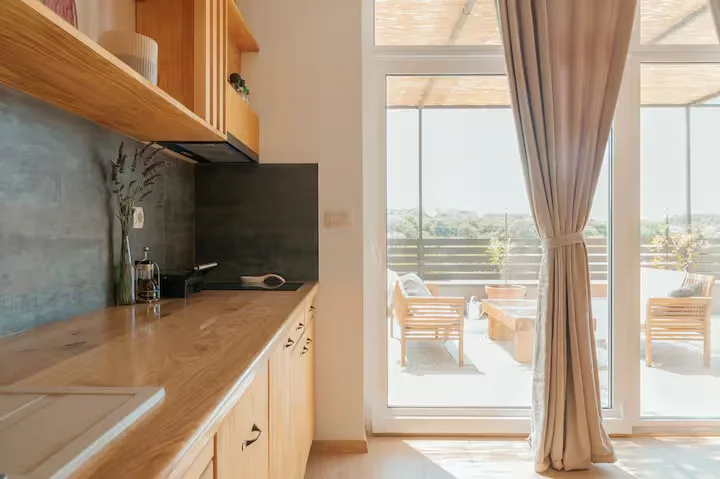
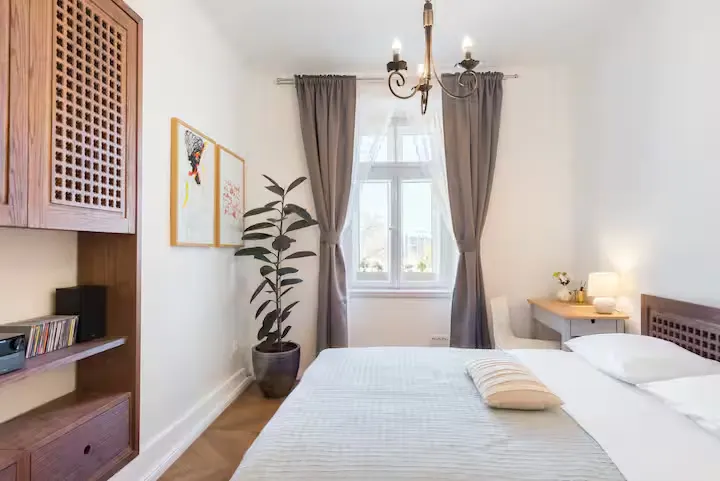
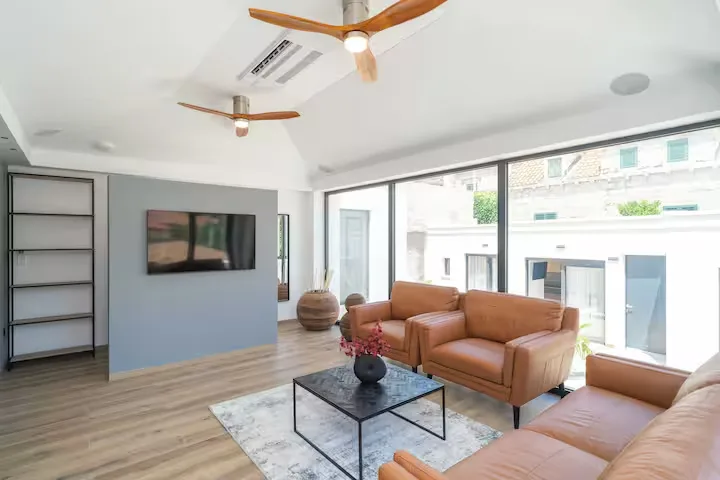
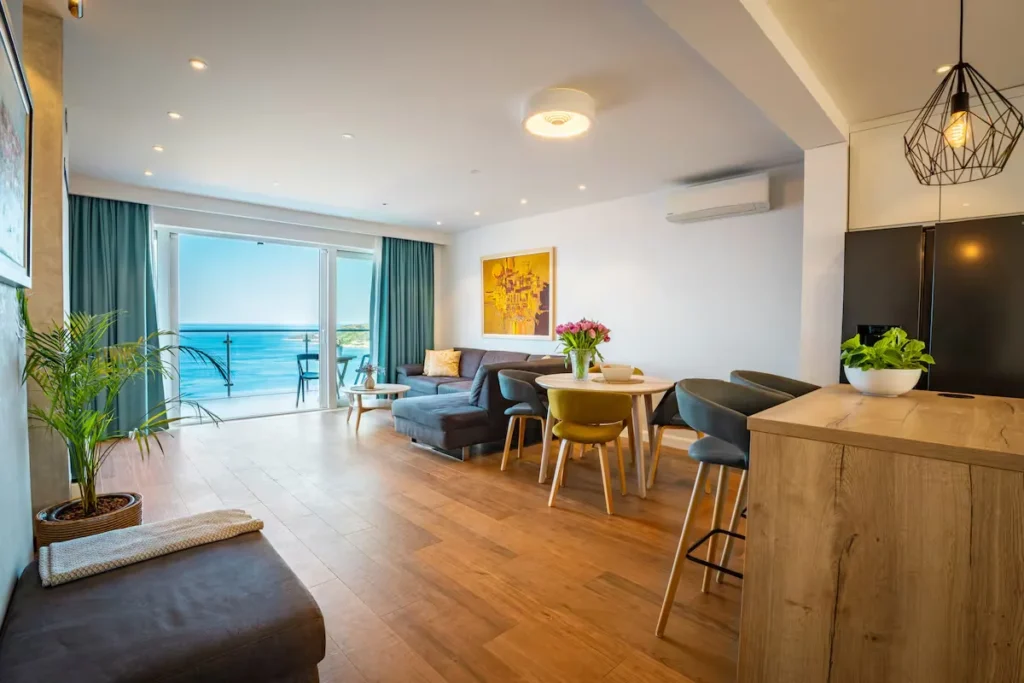
Find below our curated selection of boutique hotels and design apartments that offer exceptional value, atmosphere, and comfort during the off‑season — often at significantly lower rates than peak months.
FAQs
Essential Trip Information
Visa and Entry Requirements
Croatia is part of the Schengen Area. Travelers from most countries can stay for up to 90 days within a 180-day period without requiring a visa.
Check eligibility and apply for a visa or a visa waiver via the official Croatian visa website.
Passport Requirements: Must be valid for at least three months beyond your planned stay in Croatia.
Immigration may request proof of onward travel, accommodation bookings, and sufficient funds for your stay.
Visa fee (if required) is typically €60, though fees may vary by nationality.
ESTA (for U.S. citizens) is not applicable for Croatia, so U.S. travelers must apply for a tourist visa if required.
Currency
Croatia uses the Croatian Kuna (HRK), but most places in tourist areas accept euros (€) as well.
Exchange rate: 1 USD ≈ 7 HRK.
Currency denominations: Banknotes: 10–500 HRK. Coins: 1, 2, 5, 10, 20, and 50 lipa.
Best Ways to Handle Currency:
Before your trip: Exchange a small amount of HRK or euros at home for convenience.
During your trip: Use ATMs at major banks (Zagrebačka Banka, Erste Bank). Credit/debit cards (Visa, Mastercard) are widely accepted, but carry cash for smaller vendors or markets.
What to avoid: Avoid currency exchange kiosks in tourist spots (they offer poor rates) and always opt for paying in the local currency (HRK) if possible.
Language
The official language is Croatian, but English is widely spoken, especially in tourist areas.
Helpful phrases:
- “Excuse me” – Ispričavam se
- “Thank you” – Hvala
- “Where is…?” – Gdje je…?
Safety and Security
Croatia is generally considered safe for tourists. However, be cautious in crowded tourist spots (e.g., Split, Dubrovnik) where pickpockets may operate.
Emergency number: 112 (for police, ambulance, fire)
Tap water is safe to drink.
Health & Insurance
No special vaccinations are required for travel to Croatia.
Travel insurance is recommended for all travelers.
Pharmacies (Ljekarna) are widely available in cities.
Public hospitals in Croatia are of good quality but may require upfront payment.
Transportation
Public transport: Buses and trams are efficient, especially in larger cities like Zagreb and Split.
Walking/Biking: Many attractions are within walking distance in cities. Croatia’s coast is also very bike-friendly.
Taxis/Ride-sharing: Uber operates in major cities. Taxi fares can be higher in popular tourist spots.
Price Level
Croatia is a mix of affordable and mid-range pricing, with some tourist-heavy areas like Dubrovnik being more expensive.
Accommodation:
- Budget: Hostels and budget hotels (HRK 400–800/night; $55–110)
- Mid-range: 3-star hotels (HRK 900–1,800/night; $120–240)
- Luxury: 4-5 star hotels (HRK 2,000+/night; $270+)
Food:
- Quick eats: Bakeries, street food (HRK 30–60; $4–8)
- Casual dining: Restaurants, pizzerias (HRK 70–150; $10–20)
- Fine dining: Upscale restaurants (HRK 300+/meal; $40+)
Drinks:
- Beer: HRK 20–40 ($3–5) in bars; HRK 10–15 ($1.5–2) in supermarkets
- Cocktails: HRK 40–80 ($5–10)
Transportation:
- Bus: HRK 10–20/ride ($1.5–3)
- Taxis/Uber: HRK 50–150 for short trips ($7–20)
- Bike rentals: HRK 50–100/hour ($7–15)
Money-Saving Tips:
- Explore free historical sites such as Zagreb’s Old Town, Diocletian’s Palace in Split, and Plitvice Lakes National Park (entry costs apply).
- Take the local ferries to nearby islands, which can be more affordable than private boat tours.
- Eat like a local in family-owned konobas (restaurants) for more affordable, authentic meals.
Planning Your Trip
Local Customs And Etiquette
Tipping: 10–15% is standard at restaurants, and small tips are appreciated for hotel staff.
Dress Code: Casual for sightseeing and dining; business casual is common for upscale restaurants and hotels.
Punctuality: Generally punctual, especially for business meetings. For casual gatherings, a small delay is acceptable.
Politics: Avoid discussing politics or sensitive historical topics (e.g., the war of the 1990s) unless you’re familiar with the context.
Public Behavior: Croatia is quite laid-back, but public displays of affection may be frowned upon in more conservative regions.
Budgeting For Your Trip
Croatia can be affordable, especially if you’re traveling outside the peak summer season.
Accommodation:
- Hostels (US$20–40), Hotels (US$60–150), Luxury (US$200+).
Food:
- Street food (US$5–10), Casual meal (US$15–25), Fine dining (US$50+).
Transport:
- Trains/buses (US$5–20), Car rental (US$30/day), Ferries (US$10–30).
Activities:
- National park entry (US$10–20), Day tours (US$50–100).
Daily Budget:
Budget: US$60–90 (hostels, street food, public transport).
Mid-range: US$150–250 (mid-range hotels, sit-down meals, attractions).
Luxury: US$350+ (luxury stays, fine dining, private tours).
Internet & Mobile
Free Wi-Fi: Available in most hotels, cafes, and public spaces in cities.
SIM Cards: Available from local providers like T-Mobile and A1. Prepaid plans start at US$15–30 for 10GB.
eSIMs: Supported by major providers (Airalo, T-Mobile) for seamless connectivity.
Travel Insurance
Recommended for Medical coverage, trip cancellations, and activities like hiking or kayaking.
Croatia Healthcare: Healthcare is high-quality but can be expensive for non-EU visitors. Travel insurance ensures you’re covered for emergencies.
Adventure Activities: Some policies may not cover extreme sports (e.g., paragliding or rock climbing), so check your plan.
Accomodation Options
Croatia offers a range of accommodations, from budget hostels to luxury resorts along the Adriatic coast.
Hotels:
- Luxury: Hotel Dubrovnik Palace (Dubrovnik), Esplanade Hotel (Zagreb).
- Mid-range: Hotel Luxe (Split), Hotel Park (Zadar).
- Budget: Hostel 101 (Zagreb), Hostel Bella (Dubrovnik).
Airbnb/VRBO:
- Great for finding unique stays, especially in popular cities like Dubrovnik and Split. Many apartments have beautiful sea views.
- Prices: US$50–200/night, depending on the location and size.
Boutique Stays:
- The Gallo (Zagreb) or Villa Dubrovnik (Dubrovnik) offer personalized, stylish experiences.
Tip: Look for accommodation close to public transport or the waterfront for easy access to attractions and scenic views.
Getting Around
Croatia has a well-connected transport system, making it easy to get around by land, sea, and air.
Trains:
- Croatian Railways offers train routes connecting major cities like Zagreb, Split, and Rijeka.
- Comfortable, but slower than buses or driving.
- Fares: Typically US$20–30 for longer routes.
Buses:
- Buses are the most common and affordable mode of transport, connecting cities and coastal towns.
- Tickets range from US$10–20 depending on the distance.
Ferries:
- Ferries are essential for traveling between islands (e.g., Split to Hvar or Dubrovnik to Korčula).
- Prices: US$10–30 depending on the route.
Car Rental:
- Recommended for exploring coastal regions and inland areas at your own pace.
- Rental prices start at US$30/day.
- Traffic can be heavy in summer, particularly on the Adriatic coast.
Taxis/Rideshares:
- Taxis are available, but rideshares like Uber are more popular in cities like Zagreb and Split.
Biking:
- Croatia is a great destination for cycling, with scenic routes, particularly along the coast.
- Bike rentals are available for around US$20–30/day.