 Skip to content





- Is The Weather Really That Bad During The Off-Season In Cusco And The Sacred Valley?
Not at all. While the off-season brings more frequent rain, it rarely rains all day. You will typically enjoy bright, sunny mornings perfect for exploring ruins and villages, followed by afternoon showers that clear the air and make the landscapes look impossibly green and dramatic.
The real drawdown is that trekking trails can become muddy, and afternoon views might be hazy. However, you can “Exploit Travel Seasonality” by starting your days early, packing a high-quality rain poncho, and enjoying cozy coffee shop afternoons while watching the mist roll over the Andes mountains.
- How Much Money Can I Really Save By Traveling In The Shoulder Or Low Season?
Yes, you will see massive savings. Travelers typically find hotel rates and tour packages discounted by 30% to 50% compared to peak season prices, with luxury accommodations often offering the steepest reductions to fill their rooms.
The trade-off is that you might find fewer flight options or last-minute deals. But for the savvy planner, this means you can afford a higher tier of hotel or a private guided tour of Machu Picchu for the same budget as a basic trip during June or July.
- Will Attractions Like Machu Picchu And Local Markets Be Empty?
Yes, relative to peak season, they will be delightfully uncrowded. You will experience a 70% to 80% reduction in queue times at major archaeological sites and local markets, allowing you to take photos without strangers in your frame and negotiate with artisans in a relaxed manner.
The honest drawdown is that “empty” doesn't mean “deserted.” The main attractions will still have visitors, but you lose the claustrophobic, shoulder-to-shoulder feeling. This solitude is the true value of off-season travel, giving you a more spiritual connection to the ancient sites.
- Is Getting Around The Sacred Valley Difficult During The Off-Season?
Generally, no, transportation remains reliable. Major roads and train services to Aguas Calientes (Machu Picchu town) operate year-round, and you will find that taxis and local drivers are more available and often willing to negotiate better rates for longer day trips.
However, you should expect potential weather delays on remote, unpaved roads leading to lesser-known ruins. The key is to build flexibility into your itinerary. Rather than a rigid schedule, treat the journey as an adventure where a slower drive just means more time to admire the misty mountain peaks.
- Why Should I Choose The Shoulder Season Instead Of The Deep Off-Season For This Region?
Because the shoulder season gives you the best balance of value versus visibility. You will enjoy nearly the same 20% to 30% discounts on lodging as the deep off-season, but with significantly more sunny days and drier trails for hiking and horseback riding.
The deep off-season offers maximum solitude and the lowest prices (up to 50% off), but the higher chance of rain can obscure those postcard-perfect mountain views. If you want to “Exploit Travel Seasonality” without risking muddy boots, aim for the shoulder months where you get the best of both worlds: decent weather and fewer people.

Home > Exploit The Seasons > Seasonal World Map > South America > Peru > Cusco And Sacred Valley
CUSCO & THE SACRED VALLEY
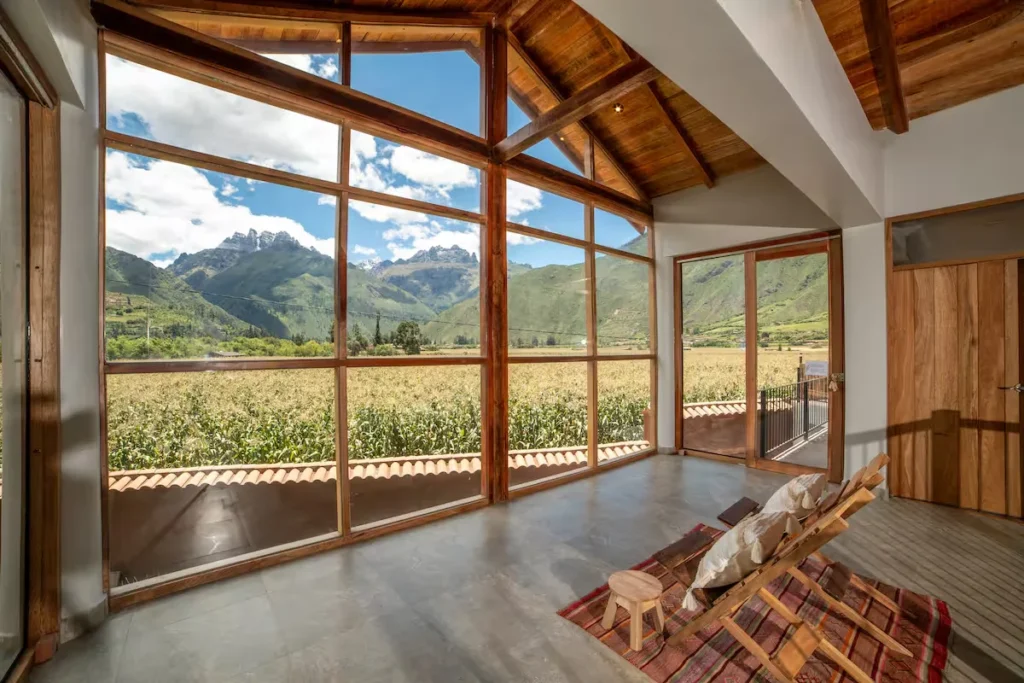
The ancient capital of the Incas reveals itself in layers, from sun-drenched stone fortresses to misty, emerald-green agricultural terraces. Time your visit right to have ruins nearly to yourself, witness living Andean culture, and save significantly on your high-altitude adventure.
Smart Travel Calendar
Shoulder Season
Your Smartest Windows
April to early June (Post-rainy bloom)
September to October (Post-dry clarity)
Avoid: The last week of June (Inti Raymi festival fills Cusco and drives up prices) and Holy Week (Semana Santa) for local travel spikes.
What the Sky Does
Typical Weather: Mild, sunny mornings with crisp, clear visibility; afternoon clouds possible but rarely full downpours.
April: The valley is at its most verdant and spectacular after the rains, with blooming wildflowers.
September: Transition month offering dry-season stability (blue skies) without the July tourist tsunami.
Temperature Range: 42°F to 71°F (6°C to 22°C). Days are warm for hiking, nights are chilly for stargazing.
How Empty It Feels
30% fewer tourists compared to the packed months of July and August.
Machu Picchu: Quieter circuits and no frantic morning rush for the classic photo spot.
Ollantaytambo Ruins: You can explore the Sun Temple terraces with only a handful of other travelers.
Pisac Market: Browsing handicrafts feels authentic and relaxed, not like a competitive sport.
What You’ll Save
20-30% on flights and up to 40% on hotels in the Sacred Valley compared to June/July rates.
Train Tickets: Lower pricing tiers available for PeruRail or IncaRail to Aguas Calientes.
Sacred Valley Tour: Full-day private tours from $50-$80 (vs $100+ in peak season).
No Permit Stress: Inca Trail spaces are available without booking 6 months in advance (except February closure).
The Secret Perk
Chinchero Weaving Festival (September): Watch local Quechua communities demonstrate ancient textile techniques.
Agricultural Beauty: Witness the potato and corn harvests in the terraces of Moray and Pisac.
Star Gazing: The crisp, clear nights (especially in April/May) offer incredible views of the Southern Cross.
Señor de los Temblores (March/April): A unique Cusco procession mixing Inca and Catholic traditions.
The Tiny Trade-Off
Inca Trail Closure: The classic Inca Trail is closed for the entire month of February for maintenance.
Afternoon Showers: Scattered rain is likely in late afternoons during April and October.
Cold Nights: Temperatures can drop near freezing (39°F/4°C) at night in May and September.
Muddy Trails: Off-the-beaten-path hikes to Ausangate may still be muddy in early April.
Smart Traveler Tip
Target Mid-May to Early June: You get the absolute best weather (dry season clarity) but skip the Inti Raymi crowds and peak July prices.
Buy the Boleto Turístico: The Circuit III ticket (S/70) covers Pisac, Ollantaytambo, Chinchero, and Moray—best value for 2 days.
Deep Off-Season
Your Smartest Windows
January & February (Wettest months, greenest landscapes)
Avoid: February (Inca Trail closed, landslides possible to Machu Picchu) if you plan to trek.
What the Sky Does
Typical Weather: Mornings often start sunny, followed by dramatic afternoon downpours and stunning rainbows.
Temperature: Warm during rain (46°F to 75°F / 8°C to 24°C). It rarely rains all day.
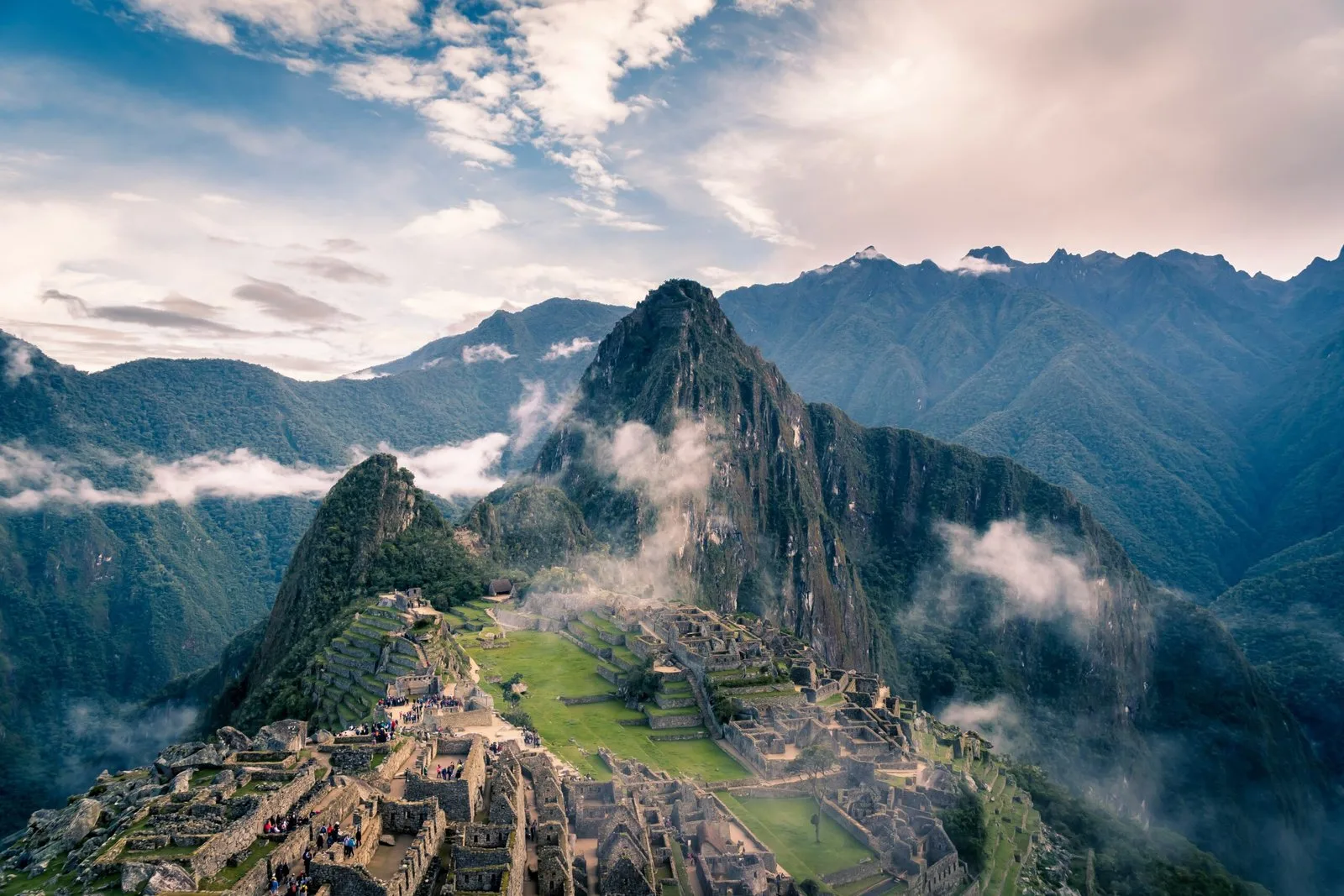
The Mist Factor: Machu Picchu shrouded in mist? It’s a mystical, ethereal experience perfect for moody photography.
Humidity: Higher than usual, making the air feel thicker but the plants explode with life.
How Empty It Feels
50-70% fewer tourists than the dry season; you feel like you have the valley to yourself.
Machu Picchu: Fewer than 1,000 visitors on some days (vs. 4,000+ in July). Tranquil.
Sacred Valley: Local life continues unaffected; the only crowds are Peruvians on holiday (Jan/Feb).
Museums: The Cusco Cathedral and Museo Inka are virtually private viewing experiences.
What You’ll Save
Up to 50% on accommodation vs peak season rates (Mid-range hotels: $40-$60 USD/night).
Flights: Lima -> Cusco routes drop significantly ($80-$120 vs $180+).
Sacred Valley Tours: Full-day tours from just $20-$25 USD per person.
Luxury Lodges: High-end properties often run “Stay 3 nights, pay for 2” promotions.
The Secret Perk
Carnival (February): Throw water balloons and dance with locals in the streets of Pisac and Calca.
Lush Landscapes: Moray’s agricultural terraces and the drive to Ollantaytambo look like a green velvet painting.
Local Buying Power: Find genuine 10-Sol hats in Urubamba backstreets (vs 50 Sols in the Cusco main plaza).
No Reservation Wars: Decide to go to Machu Picchu the day before—tickets and trains are widely available.
The Tiny Trade-Off
Slippery Trails: Hiking to the Pisac ruins or the salt mines of Maras requires good grip and waterproof boots.
Risk of Delays: Train service can be interrupted by landslides (though usually fixed within 24 hours).
Closures: Some remote eco-lodges and the Inca Trail shut down completely.
Early Darkness: Sun sets around 6:00 PM, shortening afternoon exploration windows.
Smart Traveler Tip
Focus on the City & Lower Valley: Leave long treks for later. Explore Cusco’s covered markets, the Maras salt pans, and the Awanacancha llama sanctuary where altitude is lower and rain is softer.
Pack the Poncho: High-quality waterproof boots and a pack cover are non-negotiable for the Andes in January.
Find Off-Peak Flights
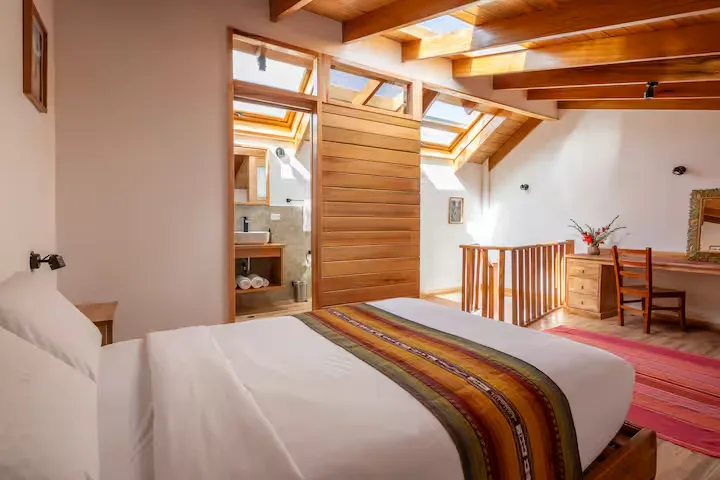
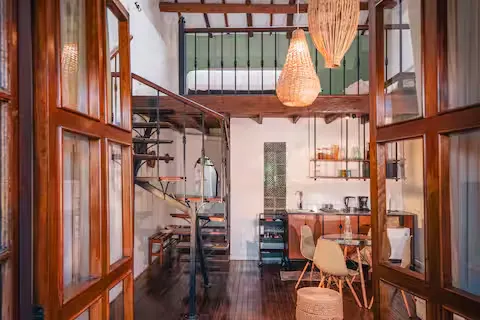
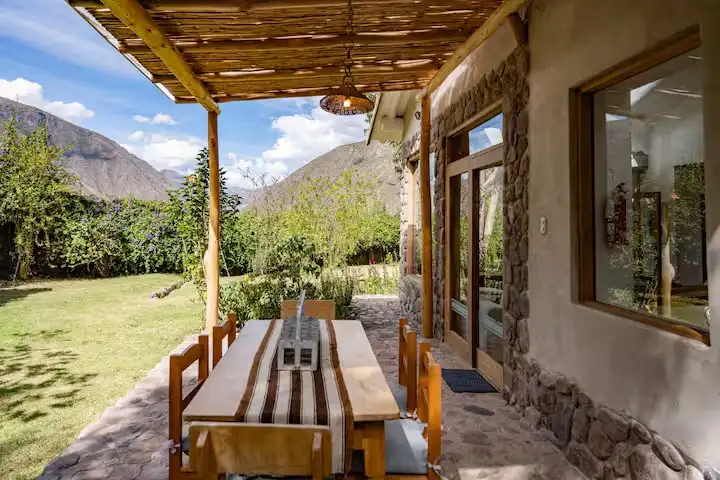
Top Off‑Season Stays
Find below our curated selection of boutique hotels and design apartments that offer exceptional value, atmosphere, and comfort during the off‑season — often at significantly lower rates than peak months.
Uncrowded Experiences & Tours
Skip the lines and experience iconic landmarks at your own pace. Discover curated local tours and cultural activities designed to show you the authentic side of the destination without the peak-season rush.
Handy Tips
Weather & Climate
The climate is defined by the high Andes. The region experiences two distinct seasons: Dry (May-Sep), which means sunny days but very cold/freezing nights, and Wet (Nov-Apr), with heavy rain but milder night temperatures.
Local Customs And Etiquette
Altitude Sickness (Soroche): Take altitude sickness seriously. Drink coca tea (mate de coca) and water, eat lightly, and avoid heavy alcohol for the first 48 hours.
Tipping: Tipping is not mandatory but is customary for good service. Tip guides, porters (especially on long treks), and restaurant servers (10% is standard).
Photography: Always ask permission before taking photos of local people, particularly in indigenous villages or at markets.
Budgeting For Your Trip
Accommodation: Hostels ($15–$30), mid-range hotels ($50–$100), luxury ($150+). Luxury tends to be higher in Cusco and boutique hotels in the Sacred Valley.
Food: Fixed-price lunch menu ($5–$10), dinner at a mid-range restaurant ($15–$30 per person), fine dining ($50+).
Transport: Local bus ($0.50–$1), taxi in Cusco ($2–$5), tourist bus for Sacred Valley ($10–$25 per segment).
Activities: Cusco Tourist Ticket (Boleto Turístico) ($25–$40), Machu Picchu Entrance ($40–$65), Multi-day trekking tour ($300–$1,000+).
Daily Budget:
- Budget: $40–$70 (hostels, market food, public transport).
- Mid-range: $80–$150 (hotels, restaurants, attractions).
- Luxury: $180+ (boutique hotels, gourmet meals, private tours).
Getting Around
By Foot: Cusco is easily walkable, but prepare for steep hills and cobblestone streets.
By Train: The main way to reach Aguas Calientes (for Machu Picchu) is via scenic train (PeruRail or Inca Rail) from Cusco, Poroy, or Ollantaytambo.
By Taxi: Taxis are affordable and readily available in Cusco. Always agree on the fare before getting in.
Tourist Bus/Collectivo: For the Sacred Valley, use the affordable collectivos (shared taxis/vans) or hire a private taxi for a day, which allows you to stop at several sites.
Must-Try Food
Cuy a la Parrilla: Grilled guinea pig, a traditional and festive Andean dish.
Lomo Saltado: Strips of beef, onions, tomatoes, and fries, stir-fried in a soy sauce-based sauce, served with rice.
Aji de Gallina: Creamy chicken stew made with aji amarillo (yellow chili), bread, milk, and walnuts, served with potatoes and rice.
Chupe de Camarones: A rich and creamy shrimp chowder, often considered one of Peru’s best soups.
Papa a la Huancaína: Boiled potatoes sliced and covered in a creamy, slightly spicy cheese sauce made with aji amarillo.
Rocoto Relleno: Baked stuffed spicy rocoto peppers, usually filled with ground meat and topped with melted cheese.
Anticuchos: Skewered and grilled beef heart, marinated in vinegar and spices.
Choclo con Queso: Simple yet satisfying—large-kernel Peruvian corn served with fresh white cheese.
Mazamorra Morada: A sweet, thick pudding made from purple corn and fruits, often served warm.
Picarones: Peruvian donuts made from sweet potato and squash flour, drizzled with a sweet chancaca (unrefined sugar) syrup.
Must-Try Drinks
Pisco Sour: Peru’s national cocktail, made with Pisco (grape brandy), lime juice, egg white, simple syrup, and Angostura bitters.
Chicha de Jora: A traditional, fermented (lightly alcoholic) corn beer, often home-brewed, with a distinct, slightly sour taste.
Chicha Morada: A refreshing, non-alcoholic drink made by boiling purple corn with pineapple rind, cinnamon, and cloves, sweetened with sugar.
Mate de Coca: Coca leaf tea, essential for combating or preventing altitude sickness (soroche).
Inca Kola: A bright yellow, bubblegum-flavored soda, intensely sweet and deeply popular across Peru.
Cerveza Cusqueña: The local, popular beer from Cusco, available in various styles (e.g., golden, wheat, dark).
Té de Muña: An herbal tea made from a high-altitude mint native to the Andes, often used to aid digestion.
Emoliente: A popular warm, soothing street drink made from a blend of herbs, barley, and fruit extracts.