 Skip to content



- Will The Humidity And Heat Be Completely Unbearable During The Off-Season?
No, and you might actually find it more manageable than the high season. The off-season brings more cloud cover and afternoon rain showers that cool things down significantly, making walks through Cartagena's walled city or hikes in Tayrona far more comfortable than under the blazing, dry season sun.
The drawdown is that the humidity remains high, and you will sweat no matter what. Wear lightweight linen, embrace the slow coastal pace, and you will pay nearly 30% less for beachfront hotels while enjoying empty cobblestone streets at golden hour.
- Is Tayrona National Park Closed Or Dangerous During The Rainier Off-Season?
Sometimes yes, and you need to check before planning your visit. Tayrona typically closes for one to two weeks in February and again in October to allow indigenous communities and ecosystems to rest, but outside of those specific dates, the park remains open year round.
The drawdown is that some trails become muddy and swimming can be rougher during rainy periods. However, you gain dramatically fewer hikers on the famous Cabo San Juan trail, lush green jungles instead of brown dry forests, and hotel discounts near the park entrance of up to 35%.
- Will The Rosario Islands Beach Clubs And Boat Tours Shut Down During The Off-Season?
No, the islands and boat operators run year round, just with reduced schedules and smaller crowds. The famous crystal-clear waters and coral reefs remain stunning regardless of clouds, and you will find that beach clubs are far more relaxed when they are not packed with hundreds of summer vacationers.
The drawdown is that some smaller, family-run boat tours cancel on days with rough seas or heavy rain. However, you can negotiate private boat charters for nearly 30% less than peak season rates, enjoy snorkeling spots with only your group, and return to Cartagena before the afternoon showers hit.
- Is The Famous Cartagena Nightlife Still Fun Or Does Everything Close Early?
Yes, it is definitely quieter, but many travelers actually prefer this version. The legendary Getsemaní neighborhood still buzzes with live music and open-air bars, but you will actually find seats, hear conversations, and meet locals instead of fighting through drunk tourists and overpriced cover charges.
The drawdown is that some of the biggest clubs and rooftop bars reduce their hours or close on weeknights. However, you gain intimate salsa dancing experiences, better service from bartenders, and the chance to watch sunset from the city walls without elbowing for space, all while paying up to 25% less for drinks and cover fees.
- Can I Still Visit The Remote La Guajira Peninsula And Cabo De La Vela In Rainy Conditions?
Yes, but you need to be flexible and book with experienced local operators. The desert landscape of La Guajira receives very little rain even during the wet season, so roads remain passable, and the famous sunsets over the arid dunes are still spectacular behind scattered clouds.
The drawdown is that occasional heavy rains can make the dirt roads temporarily muddy and difficult for normal vehicles. Book a tour with a Wayúu guide who knows the terrain, travel in a proper 4x4, and you will experience this unique indigenous culture with nearly 80% fewer tourists camping on those pristine beaches.

Home > Exploit The Seasons > Seasonal World Map > South America > Colombia > Colombian Caribbean Region
COLOMBIAN CARIBBEAN REGION
The Colombian Caribbean reveals two distinct faces: bone-dry trade winds and lush green pauses. This guide navigates its ‘dry season’ chaos versus ‘rainy season’ calm, helping you snag coastal value, empty beaches, and afternoon downpours that cool the tropics.
Smart Travel Calendar
Shoulder Season
Your Smartest Windows
Late May to late June
Early August to mid-October (sweet spot: September)
Avoid: December 20 – January 15 (high season) and Semana Santa (Holy Week) – the coast becomes a domestic stampede.
What the Sky Does
Typical weather: 27-32°C (81-90°F) – hot but with sea breezes.
Characteristic ‘sunny mornings, cloudy afternoons’ pattern – plan activities before 1 PM.
Brief but heavy tropical downpours (1-2 hours) – often dramatic lightning shows.
Humidity sits at 75-85% – feels heavier than inland Colombia.
How Empty It Feels
35-45% fewer tourists than peak December/January or Easter week.
Cartagena’s Getsemani and Ciudad Amurallada – walkable without shoulder-to-shoulder crowds.
Tayrona’s main beaches (Cabo San Juan) – you’ll actually find a shaded hammock spot.
Boat to Playa Cristal or Islas Rosarios – no fighting for deck space.
What You’ll Save
30-50% on beachfront hotels in Santa Marta and Cartagena – significant drop post-January.
Flight savings from Bogotá or Medellín to CTG or SMR – up to 40% vs December.
Same-day entry to Tayrona – no more ₡50,000 pre-sold tickets (peak season sell-outs).
Seafood lunches for ₡25,000-35,000 COP – instead of ₡60,000+ in peak.
The Secret Perk
Watch glow-in-the-dark plankton in La Bocana (Sept-Oct) – rains stir bioluminescence.
Sea turtles nesting at Don Diego River mouth – fewer humans, more hatchlings.
Mango and tamarindo trees dropping fruit everywhere – fresh juice for pennies.
Golden hour over Cartagena’s ramparts – dramatic clouds make spectacular photos.
Learn champeta dance moves from locals – small neighborhood bars, not tourist clubs.
The Tiny Trade-Off
Afternoon rain on 40-50% of days – usually 2-4 PM, but can be heavy.
Some beach kiosks and small boats stop running by 4 PM – earlier than dry season.
Mosquitoes increase after rain – especially near mangroves and at dusk.
Occasional lightning closes Tayrona’s highest trails – rangers may restrict access.
Smart Traveler Tip
Book September for the absolute sweet spot – lowest crowds, warmest water.
Do all beach activities before 11 AM – guaranteed sunshine; afternoons are for museums.
Stay in Minca (hill town) during rainy afternoons – cooler, with epic jungle waterfall flows.
Avoid Barranquilla during Carnival (Feb/Mar) – unless you want peak prices and chaos.
Deep Off-Season
Your Smartest Windows
October (entire month) – rainiest, emptiest, cheapest
Mid-April to early May (post-Easter lull)
Avoid: Carnival de Barranquilla (Feb/Mar – variable dates) – hotels triple in price.
What the Sky Does
Typical weather: 26-30°C (79-86°F) – slightly cooler due to cloud cover.
Regular, predictable afternoon downpours (60-80% of days) – often 1-3 hours.
Mornings can be brilliantly sunny until noon – don’t sleep in.
Humidity peaks (85-90%) – feels like walking through warm soup.
How Empty It Feels
60-70% fewer tourists vs. peak December/January – especially on weekdays.
San Bernardo Islands’ private beaches – you might be the only person.
Cartagena’s Gold Museum or San Felipe Castle – practically private tours.
Fishing villages like Taganga – local life only, very few backpackers.
What You’ll Save
Up to 70% on beach cabañas in Palomino or Costeño Beach – from $50 to $15 USD.
Flights to Riohacha (La Guajira) – lowest prices of the year.
Hotel breakfast included without asking – they’re desperate for guests.
Boat charters negotiable to 60-70% of peak rates – hire a whole boat for $40.
The Secret Perk
Epic river tubing in Minca or Palomino – rains make rivers fast and thrilling.
No sargassum seaweed whatsoever – first heavy rains wash it all away.
Indigenous Arhuaco or Kogi guides have time for long conversations – no rush.
Watch lightning storms over the Caribbean Sea – nature’s own fireworks nightly.
Cozy up in a Getsemani rooftop bar under cover – rain makes it atmospheric.
The Tiny Trade-Off
Tayrona Park may close some sectors (usually Feb or Oct 15-30) – check official site.
Boat trips to Islas Rosarias cancel on 30-40% of days – wave height, not rain.
Many open-air restaurants in Santa Marta close by 6 PM – early dinner is key.
Daylight is consistent but cloudy skies limit tanning – more of a reading vacation.
Smart Traveler Tip
October is for the brave: cheapest flights, emptiest beaches, but pack umbrellas.
Never book non-refundable boat tours October 15-30 – windiest period cancels boats.
Stay in Cartagena or Santa Marta cities during deep off-season – more covered activities.
Pack: quick-dry clothes, waterproof phone case, sandals that can get wet.
For driest deep off-season window: choose April/May over October – slightly less rain.
Find Off-Peak Flights
Top Off‑Season Stays
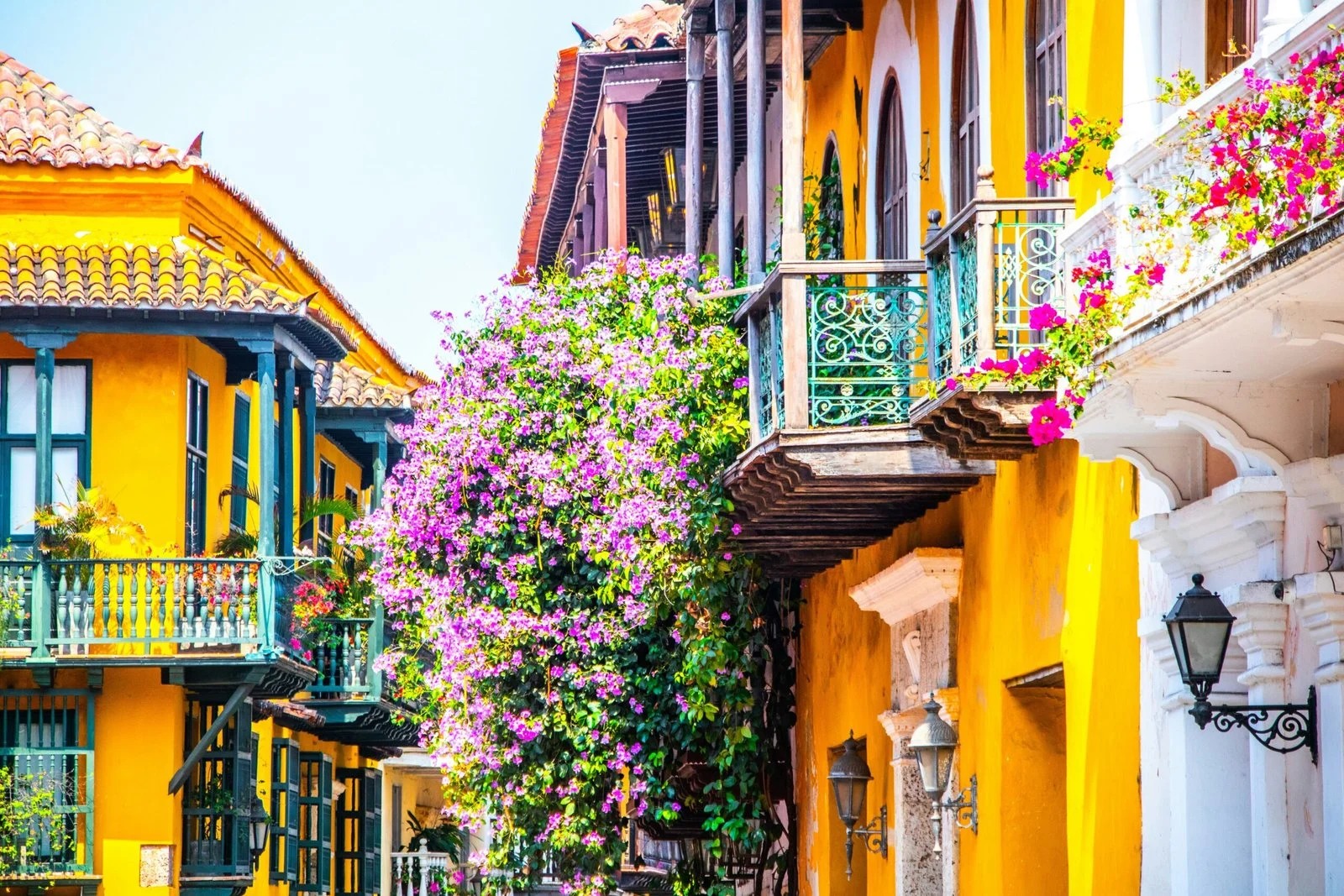
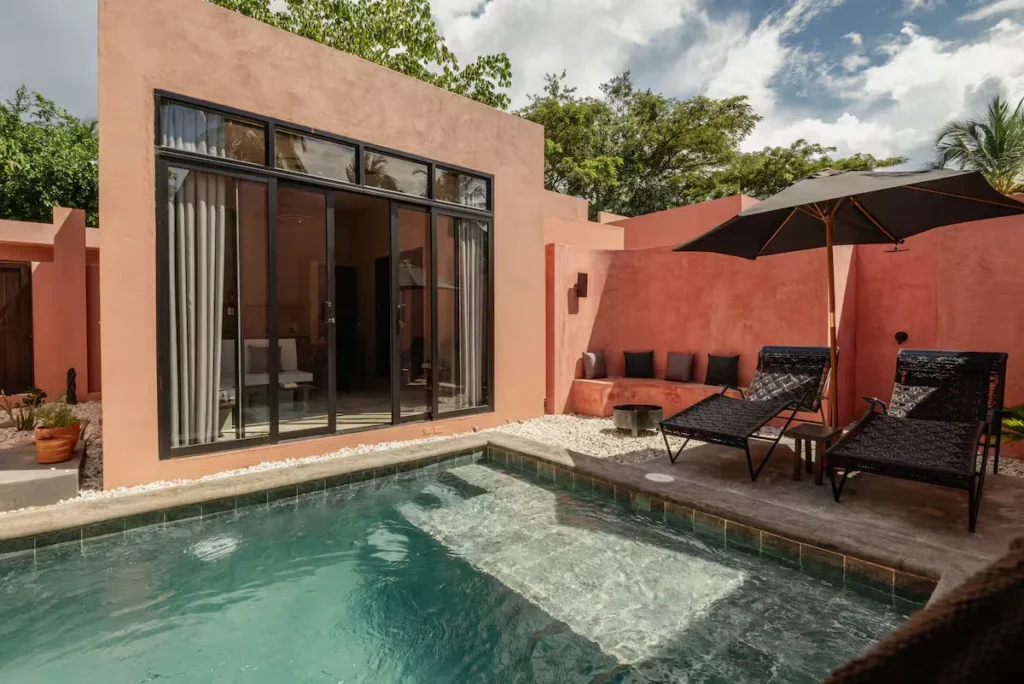
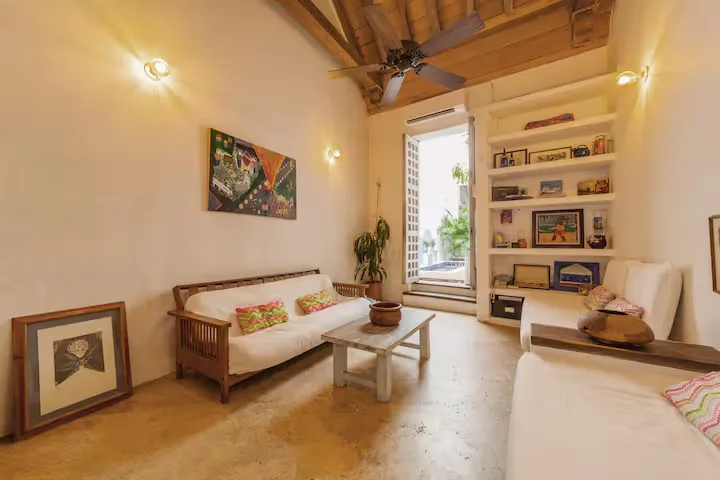
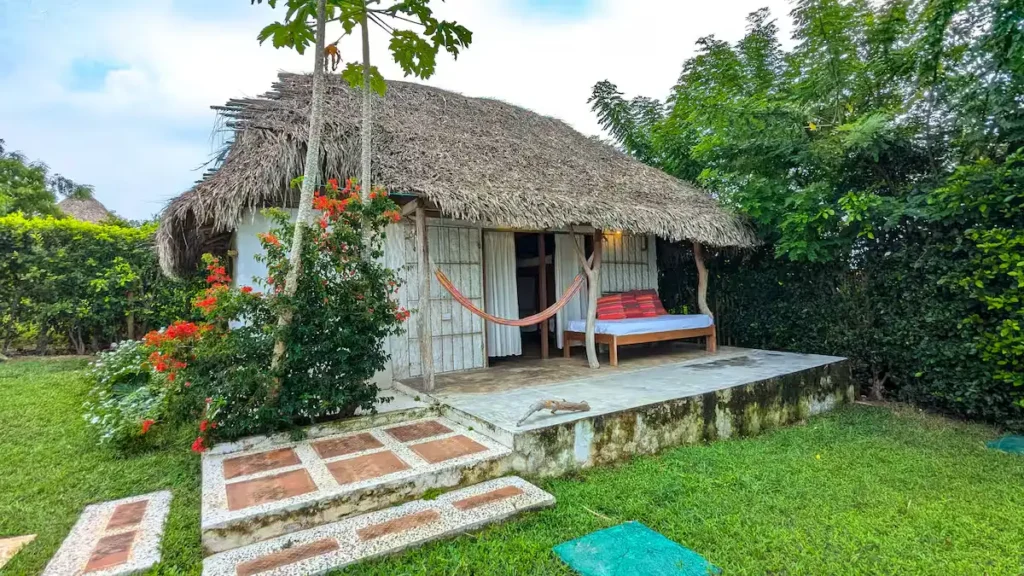
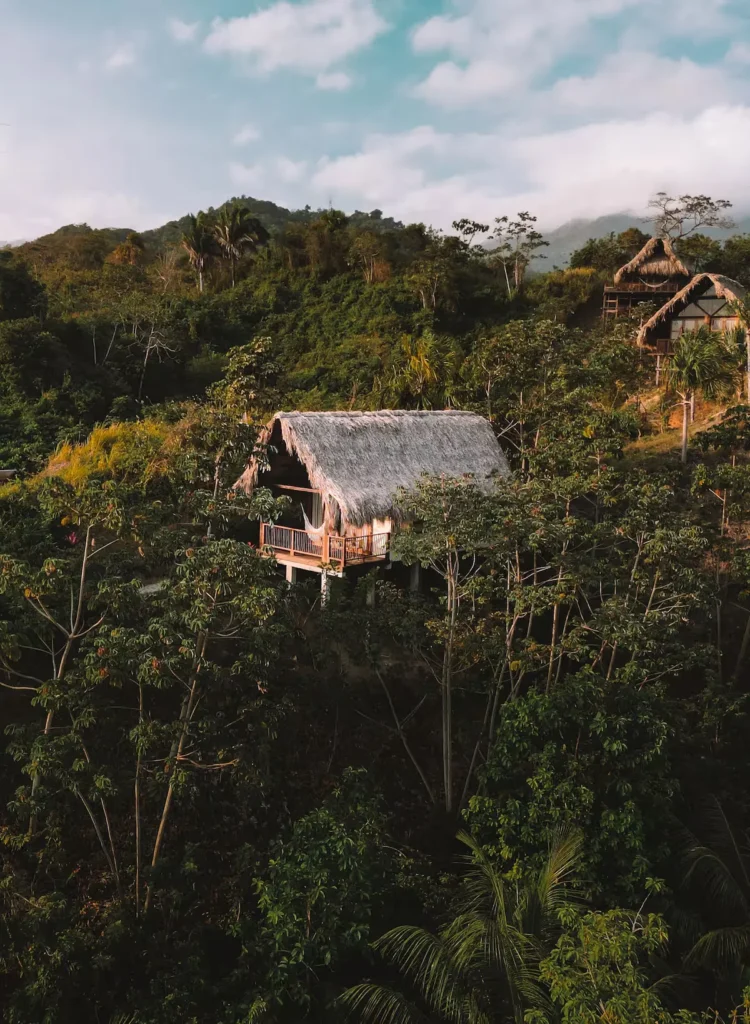
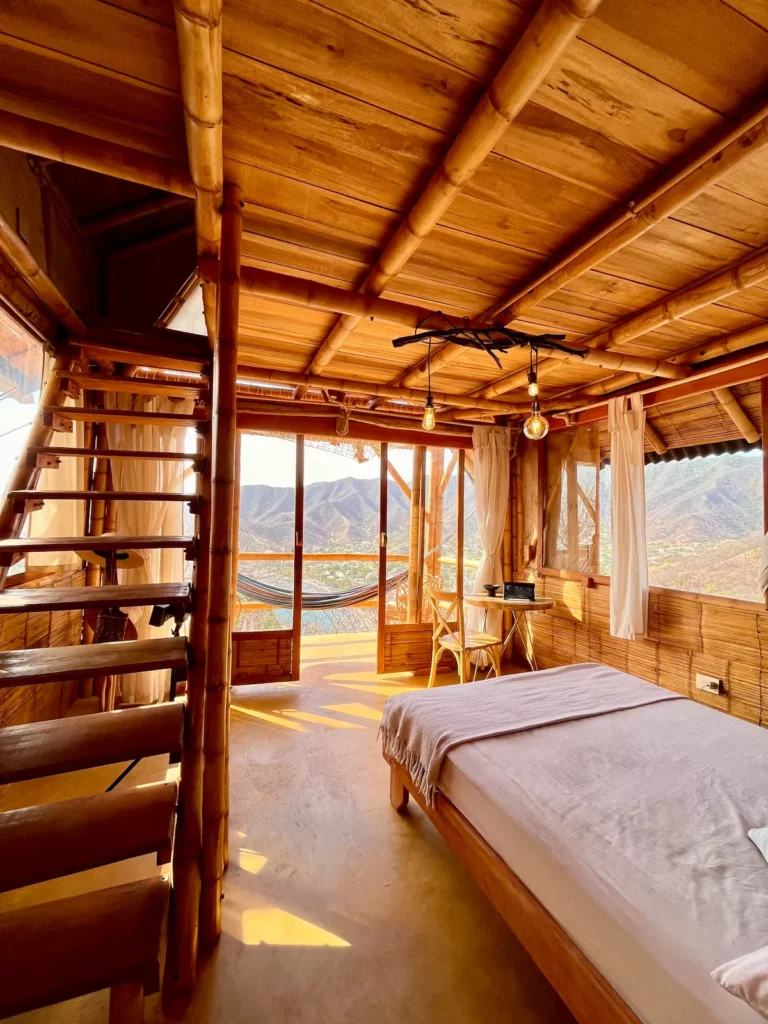
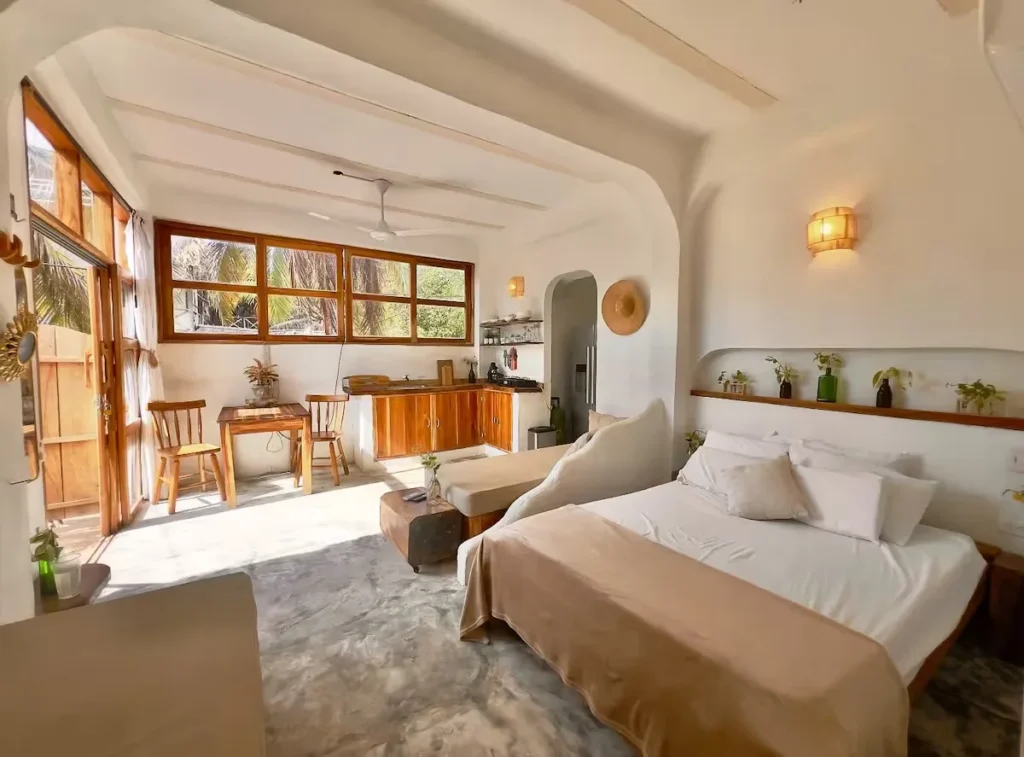
Find below our curated selection of boutique hotels and design apartments that offer exceptional value, atmosphere, and comfort during the off‑season — often at significantly lower rates than peak months.
Uncrowded Experiences & Tours
Skip the lines and experience iconic landmarks at your own pace. Discover curated local tours and cultural activities designed to show you the authentic side of the destination without the peak-season rush.
Handy Tips
Weather & Climate
The climate is tropical and generally hot and humid year-round. Average temperatures hover between 24ºC and 33ºC (75ºF and 91ºF). The region has a dry season (December–April) and a wet season (May–November), with September and October being the rainiest months.
The islands have similar temperatures but often experience heavy but short-lived tropical showers.
Local Customs And Etiquette
Language: Spanish is the official language. The islands also use a unique Creole English. Speaking basic Spanish will be a great help.
Pace of Life: Everything moves at a slower pace (la Costa is famous for its relaxed attitude). Be patient, especially with service, and embrace the easygoing Caribbean energy.
Bargaining: In markets and with unmetered taxis, bargaining is expected, but always be polite and keep the price difference fair.
Budgeting For Your Trip
Accommodation: Hostels ($15–$30), mid-range hotels ($60–$100), luxury ($130+). Prices double or triple in Cartagena’s walled city and on the islands during peak season.
Food: Street food/small lunch ($3–$7), dinner at a mid-range restaurant ($15–$30 per person), fine dining ($50+).
Transport: Local bus ($1), intercity bus ($20–$40), taxi (metered or agreed price), domestic flights (highly recommended for islands/far-flung areas).
Activities: Tayrona entrance ($20), diving trip ($80–$120), boat trip to Islas del Rosario ($30–$80).
Daily Budget:
- Budget: $50–$80 (hostels, street food, public transport).
- Mid-range: $90–$150 (hotels, restaurants, attractions, some tours).
- Luxury: $180+ (boutique hotels, gourmet meals, private tours/flights).
Getting Around
By Air: Flying is the fastest and most practical way to travel between major coastal cities (Cartagena, Barranquilla, Santa Marta) and to the islands (San Andrés/Providencia).
By Bus: Comfortable, air-conditioned long-distance buses connect all the main coastal cities. This is the most affordable way to travel the mainland coast.
By Taxi/App: Taxis are abundant in cities. Use ride-sharing apps where available, or agree on a price with a taxi driver before getting in.
Must-Try Food
Arepa de Huevo: A deep-fried corn cake filled with an entire egg—the quintessential Caribbean breakfast/snack.
Pescado Frito con Patacones y Arroz con Coco: Fried whole fish (often Red Snapper), served with plantain chips (patacones) and sweet coconut rice—a coastal classic.
Sancocho de Pescado/Posta Negra: A hearty fish stew (Sancocho), or Posta Negra, a slow-cooked beef in a dark, sweet sauce.
Mote de Queso: A creamy soup made with yam and chunks of Costeño cheese.
Butifarra Soledeña: Short, spiced Colombian sausage, a specialty of the town of Soledad near Barranquilla.
Empanadas: Deep-fried corn pockets usually filled with ground meat and potato.
Bollos: Steamed, wrapped dough made from corn or yuca, often served with cheese or meat.
Enyucado: A traditional sweet cake/pudding made from yuca, coconut, and anise.
Cocadas: Sweet, chewy candy made from shredded coconut and panela (raw cane sugar).
Pastel de Arroz: A tamale of meat (pork or chicken) and vegetables wrapped in a banana leaf and steamed.
Must-Try Drinks
Ron (Rum): Colombian rums like Ron Viejo de Caldas or Ron Medellín Añejo are highly popular.
Cerveza Costeña: Local beers like Águila, Club Colombia, and the regional Costeña or Poker are refreshing in the heat.
Aguardiente: The national anise-flavored liquor. In the Caribbean, it is often preferred cold or in a cocktail.
Lulada: A refreshing, tart drink made from the lulo fruit.
Limonada de Coco: A creamy, sweet, and tangy blend of coconut milk, lime, and ice—a must-try on the coast.
Jugos Naturales (Fresh Juices): The Caribbean offers incredible tropical fruits like mango, passion fruit (maracuyá), starfruit (carambolo), and soursop (guanábana).
Refajo: A common mix of beer and Colombiana (a local kola soda).
Tinto (Coffee): Despite the heat, a small black coffee is a popular morning and afternoon ritual.
Cerveza con Limón: A cold beer served with a wedge of fresh lime.
Agua de Panela: A sweet, non-alcoholic drink made by dissolving panela (sugar cane blocks) in water, served chilled with lime.