 Skip to content
- What Is The Weather Really Like In Turkey During The Off-Season?
The weather varies from mild and pleasant in the shoulder seasons to cooler and crisp in the deep off-season, but it rarely makes travel impossible. The key drawdown is that you will need to pack layers, as coastal areas can experience rain while central regions enjoy clear, sunny days perfect for sightseeing.
For global travelers, this variety is a hidden advantage. While you might not sunbathe for a week in January, you will comfortably explore ancient ruins like Ephesus or walk the streets of Istanbul with 70% fewer people fighting for the same photo spot. The reward is a more authentic connection to the landscape, where you see Turkey’s dramatic scenery without the summer heat haze.
- Can I Get Large Percentage Discounts On Flights And Hotels In Turkey’s Slow Season?
Yes, significant percentage discounts are the core benefit of traveling with Volomundi. You will regularly find flight prices reduced by 30% to 50% compared to peak summer rates, and hotels in popular destinations often slash their room rates by 40% to 60% during shoulder and deep off-season months. This allows you to upgrade to a boutique hotel or a sea-view room for the same price as a standard room in August.
However, the drawdown is that some smaller family-run pensions or boutique cave hotels in regions like Cappadocia may close for a few weeks for annual maintenance. The positive trade-off is enormous: the hotels that remain open are incredibly eager to welcome you, often offering complimentary upgrades, free breakfast, or other perks that simply do not exist in the summer crush.
- How Do The Crowds Compare Between Peak Season And The Smart Travel Periods?
During the summer peak, sites like the Grand Bazaar can feel like a moving wall of people, but in the shoulder and deep off-season, you will find those same attractions at 70% to 90% lower congestion. You can genuinely stop, breathe, and absorb the history without being shuffled along by a wave of tourists.
The honest drawdown is that the famously lively nightlife in places like coastal resorts will be much quieter or even shuttered. The positive spin is that you trade loud, crowded bars for genuine conversations with local shopkeepers and guides who finally have time to share their real stories. This is the essence of Smart Travel: deeper cultural immersion over superficial party scenes.
- Is Public Transportation Still Reliable During The Off-Season In Turkey?
Yes, the core public transportation network remains highly reliable year-round. Major domestic flights, long-distance buses, and ferry connections between key hubs continue to operate on a reduced but very functional schedule. You will find that trains and buses are actually more comfortable because you will almost always have an empty seat next to you.
The drawdown is that some tourist-specific shuttles to remote sites (like a small ancient ruin off the main highway) may run less frequently or require advance booking. The helpful solution is to plan slightly ahead: you will enjoy faster, cheaper, and less crowded journeys overall, and using our AI Travel Assistant can help you build the perfect low-season transit itinerary.
- Why Should I Choose Shoulder Season Over Deep Off-Season For Turkey?
You should choose based on your personal tolerance for cool weather versus your desire for maximum value. The shoulder season offers the best balance: mild, comfortable temperatures perfect for both beach walks and city tours, with discounts around 20% to 35% and crowds that are noticeably thinner but not absent. It is the ideal time for first-time visitors who still want a classic experience.
The deep off-season delivers the maximum percentage discounts of up to 60% and the most extreme solitude, but with cooler, wetter weather and shorter daylight hours. If you are a photographer, history buff, or budget-focused traveler, the deep off-season is unbeatable. The drawdown is you must pack warm clothes, but the reward is having entire sections of a museum or a castle almost entirely to yourself.

Home > Exploit The Seasons > Seasonal World Map > Europe > Turkey
TURKEY
Turkey dances between two continents, where Aegean ruins meet Ottoman streets and fairy chimneys pierce the sky. Discover when to find quieter bazaars, empty coastal roads, and authentic tea-sipping moments without the summer stampede.
Smart Travel Calendar
Why Choose Turkey Off-Season?
Skip the queue at Hagia Sophia. Explore Istanbul’s giants without shuffling through a human tunnel.
Haggle better in the Grand Bazaar. Sellers are relaxed and open to genuine conversation.
Drive the Turquoise Coast alone. No traffic jams on the famous Kemer to Antalya road.
Photograph Pamukkale without strangers. Those white travertines become your personal canvas.
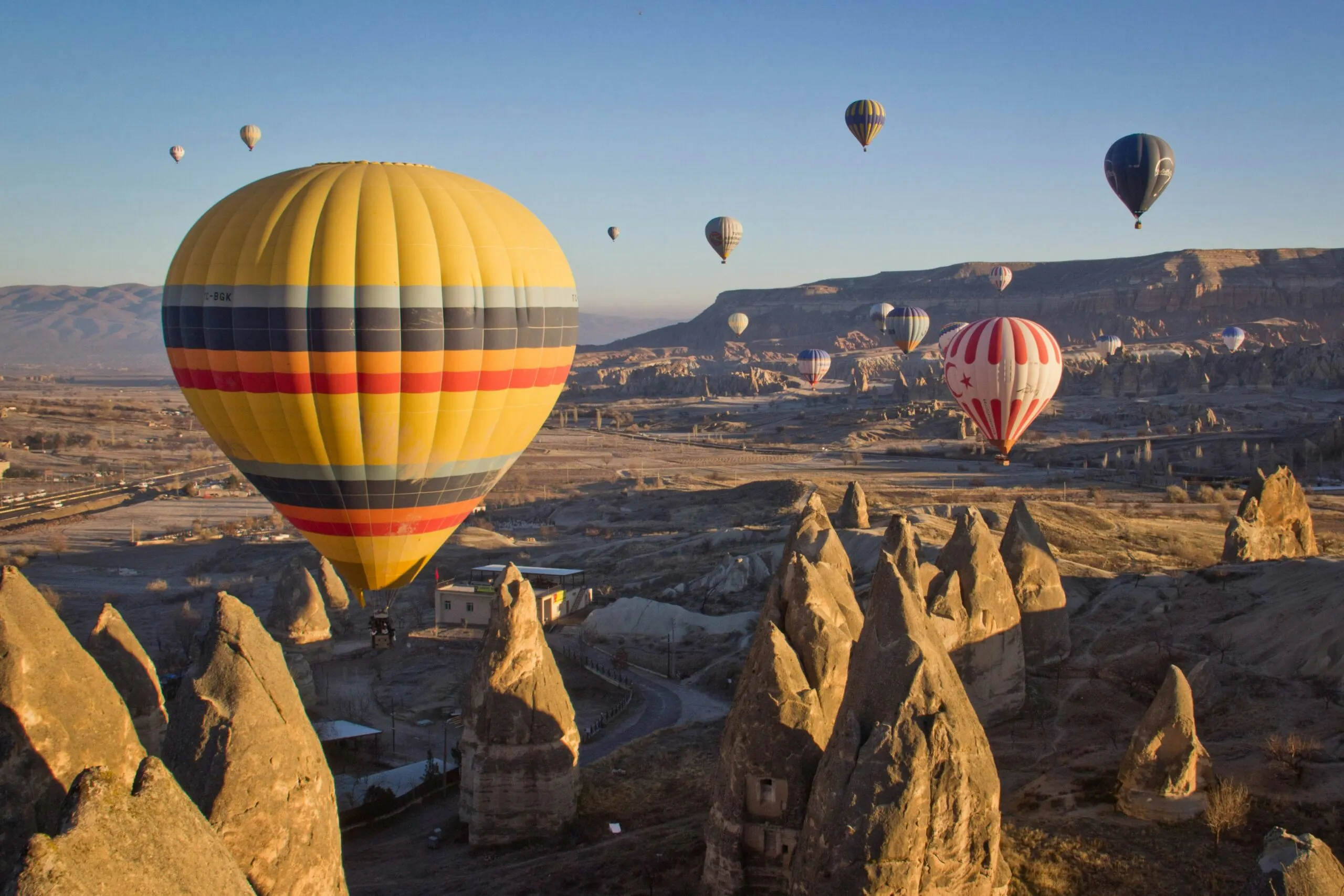
Sleep in a cave hotel for less. Cappadocia’s dream suites cost half the summer price.
Taste meze like a local. You’ll share tavernas with Turks, not tour groups.
Shoulder Season
Your Smartest Windows
May to early June
September to October
Avoid: The week of Kurban Bayramı (Eid al-Adha) and the full month of Ramadan (if overlapping with shoulder months), as domestic tourism explodes and coastal hotels spike prices.
What the Sky Does
Typical shoulder weather: 18°C to 28°C (64°F to 82°F)
Aegean and Mediterranean coasts are sunny and warm – perfect swimming without scorching heat.
Cappadocia has mild days and crisp nights, ideal for hot air balloons.
Istanbul experiences light showers but long, golden-lit afternoons.
How Empty It Feels
40-50% fewer tourists vs peak July-August
Ephesus and Troy have breathing room – no queue for the Library of Celsus.
Beaches in Ölüdeniz and Bodrum feel local and serene.
You’ll find a table with a sea view instantly, even in popular Alaçatı.
What You’ll Save
30-40% on flights and 40-50% on boutique hotels
Car rental prices drop significantly – no peak season surcharges.
Skip-the-line tickets are often unnecessary; walk right into Topkapı Palace.
Fixed-price meze dinners feel like a bargain when portions are generous.
The Secret Perk
Istanbul Tulip Festival (April-May) paints the city in millions of colorful blooms.
Butterfly Valley, Fethiye is alive with wildlife before the summer heat.
Fresh walnut and pomegranate harvest – join locals in countryside markets.
Soft, golden photography light over the Blue Mosque and valleys of Göreme.
Authentic village breakfasts where grandmothers serve gözleme without a menu.
The Tiny Trade-Off
Some boat tours on the Lycian coast start running but not daily.
Occasional spring showers in Istanbul and the Black Sea region.
Reduced ferry frequency to Greek islands from Turkish ports.
Late October sees some seaside restaurants close for winter prep.
Smart Traveler Tip
Visit Cappadocia in early May or late September for the calmest winds and highest balloon flight probability.
For the best weather and lowest shoulder prices, target the last two weeks of September.
Avoid the week of October 29 (Republic Day) – domestic travel surges.
Deep Off-Season
Your Smartest Windows
November to March (excluding year-end holidays)
Avoid: New Year’s week in Istanbul (December 30 – January 2) – hotel prices triple for the Bosphorus parties.
What the Sky Does
Typical deep off-season weather: 2°C to 12°C (36°F to 54°F) – colder inland.
Snow dusts Cappadocia’s fairy chimneys and carpets ski resorts like Uludağ.
Istanbul is rainy and crisp; Antalya stays milder (10-15°C / 50-59°F).
Eastern Anatolia sees heavy snow – perfect for winter sports, not ruins.
How Empty It Feels
70-80% fewer tourists vs peak season
Hagia Sophia and Basilica Cistern feel almost private, especially on weekdays.
Museums like the Antalya Archaeology Museum are blissfully quiet.
Small towns like Şirince or Cumalıkızık feel like you’ve traveled back in time.
What You’ll Save
Up to 60-70% vs peak summer prices
Flights from Europe/US can drop by half – check January and February.
Four-star hotels in Istanbul from €40-50 per night.
Car rental for a week costs less than one summer day.
The Secret Perk
Turkish bath season – a steamy hammam is pure joy when it’s 5°C outside.
Ski and then soak – snowboard at Kartalkaya, then bathe in thermal springs.
Soup festivals in Anatolian villages – taste 20 types of lentil and tripe soups.
Pide and pottery workshops in Cappadocia with artisans, no rush.
Real conversations – shopkeepers offer tea just to talk, not to sell.
The Tiny Trade-Off
No swimming on the Turquoise Coast – beach clubs are closed.
Nightlife in Bodrum and Marmaris is almost completely shut down.
Many seaside restaurants in Kaş or Bozcaada are closed until April.
Daylight is short – expect sunset around 5:30-6:00 PM.
Smart Traveler Tip
Avoid the December 31st Bosphorus cruise rush; instead, visit in mid-January for the lowest crowds and best hotel rates.
February is the quietest month overall – perfect for Istanbul museums and indoor bazaars.
For milder deep off-season weather, stick to Antalya, Alanya, or Mardin.
Pack layers and waterproof boots – Turkish winters are damp, not extreme (except east).
Find Off-Peak Flights
FAQs
Explore Turkey
Essential Trip Information
Visa and Entry Requirements
Turkey’s visa policy varies by nationality. Check official requirements at www.evisa.gov.tr.
Many nationalities (e.g., U.S., UK, EU) can apply for an e-Visa (US$50–80) online before arrival.
Passports must be valid for at least 6 months beyond your stay.
Immigration may ask for proof of onward travel, accommodation, or sufficient funds (US$50/day recommended).
Currency
The official currency is the Turkish Lira (TRY). Currency exchange is widely available.
Best Ways to Handle Currency:
- Before Your Trip: Exchange a small amount of money at local bureaus; Turkish ATMs often provide better rates.
- During Your Trip: Use ATMs (mainly in cities) for the best exchange rates. Credit/debit cards (Visa, Mastercard) are commonly accepted, but carry TRY for small vendors.
- What to Avoid: Avoid exchange kiosks in touristy areas due to high rates.
Language
The official language is Turkish, but English is commonly understood in tourist areas.
Helpful phrases: “Excuse me” (Afedersiniz), “Thank you” (Teşekkür ederim), “Where is…?” (Nerede…?)
Safety and Security
Turkey is generally safe for tourists, but exercise caution in crowded areas and avoid isolated places at night.
Pickpockets may be found in busy areas like Grand Bazaar and public transport.
Emergency number: 112 (Police, Ambulance, Fire).
Health & Insurance
No mandatory vaccinations required for travelers.
Travel insurance is recommended (healthcare in Turkey can be expensive for tourists).
Pharmacies (Eczane) are widely available; tap water is safe in most cities, but bottled water is preferred.
Transportation
Public Transport: Istanbul has an efficient metro, tram, and bus system. Use the Istanbulkart for easy access.
Taxis: Reliable but make sure the meter is used.
Walking/Biking: Many attractions are within walking distance in cities like Istanbul.
Ride-sharing: Uber is available, though local taxis are often more common.
Price Level
Istanbul and major cities can be moderately expensive, but rural regions offer more affordable options.
Accommodation:
- Budget: Hostels/budget hotels (US$25–50/night)
- Mid-range: 3-star hotels (US$75–150/night)
- Luxury: 4-5 star hotels (US$200+/night)
Food:
- Quick eats: Street food (US$3–10)
- Casual dining: Restaurants (US$15–30/person)
- Fine dining: High-end restaurants (US$40+/person)
Drinks:
- Beer: (US$3–5) at bars; (US$1–2) at supermarkets
- Cocktails: (US$8–15)
Transportation:
- Public transport: Metro, tram (US$1–2/ride)
- Taxis/Uber: (US$5–15 for short trips)
- Bike rentals: (US$3–8/hour)
Money-Saving Tips
Visit historic sites like Hagia Sophia and the Blue Mosque (free).
Use Istanbulkart for affordable public transport.
Dine in local districts (like Kadıköy) for more affordable yet delicious meals.
Planning Your Trip
Local Customs And Etiquette
Politics: Politics are often discussed, but it’s best to avoid contentious subjects with locals unless you know them well.
Tipping: Tipping is common in Turkey. For restaurants, a 10–15% tip is appreciated. Leave US$1–2 per bag for hotel porters.
Dress Code: While casual clothing is acceptable for sightseeing, modest dress is recommended when visiting religious sites.
Greeting: A handshake is standard, and it’s polite to use formal titles, especially in business or rural areas.
Free Attractions: Many mosques and historical sites, including the Hagia Sophia, are free to enter.
Budgeting For Your Trip
Accommodation: Budget hotels/hostels (US$25–50), mid-range (US$70–150), luxury (US$200+).
Food: Street food (US$3–8), casual meals (US$10–20), fine dining (US$30+).
Transport: Public transport (US$1–2), taxis (starting US$2), rental cars (US$25–50/day).
Activities: Museum entries (US$5–10), guided tours (US$25–50), hot air balloon rides (Cappadocia, US$150+).
Daily Budget:
Budget: US$50–80 (hostels, street food, public transport).
Mid-range: US$150–250 (mid-range hotels, restaurants, activities).
Luxury: US$350+ (luxury hotels, private tours, fine dining).
Internet & Mobile
Free Wi-Fi: Available in most cafes, restaurants, hotels, and shopping malls.
SIM Cards: Prepaid SIM cards are available at airports, convenience stores, and mobile shops (US$10–20 for 10GB).
eSIMs: Supported by major Turkish providers like Turkcell and Vodafone.
Travel Insurance
Recommended for: Medical coverage, trip delays (especially during winter months in rural areas).
Turkish Healthcare: Emergency medical costs can be high—ensure your insurance covers emergency treatment.
Adventure Activities: Some policies may exclude activities like paragliding or hot air ballooning, so check coverage details before booking.
Accomodation Options
Turkey offers a wide range of accommodation, from luxurious resorts to budget-friendly guesthouses.
Hotels:
- Luxury: The Ritz-Carlton (Istanbul), Maxx Royal (Antalya), Four Seasons (Bodrum).
- Mid-range: Sultanahmet Palace (Istanbul), Divan (Ankara), Wyndham (Izmir).
- Budget: Cheers Hostel (Istanbul), Old Town Hostel (Cappadocia).
Hostels:
- Bahaus Hostel (Istanbul) or Kadir’s Treehouse (Olympos) for affordable, social stays.
Airbnb/VRBO:
- Rent apartments or houses in Istanbul’s Beyoğlu or Antalya’s Old Town for more local experiences.
Boutique Stays:
- The House Hotel (Istanbul) or Museum Hotel (Cappadocia) for a more personalized stay.
Tip: Staying in the Sultanahmet or Beyoğlu districts in Istanbul offers convenient access to major attractions like Hagia Sophia and the Blue Mosque.
Getting Around
Turkey is well-connected with a variety of transport options, especially in larger cities.
Air Travel:
- Turkey has a robust domestic flight network. Turkish Airlines and Pegasus are the most popular carriers.
- Flying between major cities like Istanbul, Ankara, and Izmir is quick and affordable.
Trains:
- High-speed trains (HSR) connect major cities like Istanbul, Ankara, and Eskişehir.
- More scenic and leisurely trains are available for longer routes.
Buses:
- Intercity buses are a popular and affordable option for travel between towns and cities.
- Comfortable buses, including night buses, are available, with tickets starting from US$10–15.
Taxis/Rideshares:
- Taxis are widely available in cities. Ensure the driver uses the meter, or agree on the fare upfront.
- Rideshare apps like Uber and BiTaksi operate in larger cities like Istanbul.
Biking/Scooters:
- Rent bikes or e-scooters in coastal cities like Izmir and Antalya for a more leisurely way to explore.
- Cycling is also an option in smaller cities and towns.
Car Rental:
- Renting a car is ideal for exploring rural areas, like Cappadocia or the Mediterranean coast.
- Parking can be challenging in large cities, so it’s better to rely on public transport for city tours.