 Skip to content
- Is Tuscany Still Beautiful Without The Famous Summer Sun And Crowds?
Yes, arguably more beautiful because winter light transforms the iconic rolling hills into soft gold and silver masterpieces. You will 'Exploit Travel Seasonality' by driving through cypress-lined roads with zero traffic, photographing medieval hilltop towns without tour buses in every shot, and discovering why painters have chased Tuscan winter light for centuries.
The drawback is that vineyards are bare and gardens are dormant. On the positive side, you will save roughly 45% to 60% on farmhouse stays and historic hotels, enjoy world-famous art with 85% fewer visitors, and experience the rare privilege of having Renaissance piazzas entirely to yourself at golden hour.
- Is The Weather Too Unpredictable For Exploring Villages And Vineyards?
Yes, winter swings from crisp sunny days perfect for hilltop wandering to chilly fog and rain that calls for cozy indoor plans. You will need flexibility, but the reward is dramatic morning mist rolling over famous valleys, warm cellar doors open for tastings, and trattorias serving hearty winter dishes like ribollita and wild boar stew.
The drawback is that outdoor dining and long countryside walks become weather-dependent gambles. However, you gain massive discounts on agriturismo stays (often 50% to 60%), winemakers who have hours to chat rather than minutes, and the authentic experience of huddling by a fireplace with a glass of Chianti Classico while fog blankets the hills outside.
- Do The Famous Wineries And Olive Oil Mills Close During Low Season?
No, the legendary family estates and organic farms remain open, but many require appointments for tastings during winter months. You will taste world-famous Brunello and Super Tuscans alongside local enthusiasts rather than busloads of tourists, receiving personalized tours through barrel rooms and olive pressing facilities that summer visitors never see.
The drawback is that some smaller producers close completely for two to four weeks between November and March. The positive trade-off is tasting fees often waived with purchase, hotel rates slashed by approximately 45% to 55%, and the rare privilege of being the only person in a 12th-century wine cellar learning directly from the winemaker.
- Will I Miss The Famous Festivals, Markets, And Outdoor Events?
Yes, the legendary summer jousting festivals and outdoor opera performances happen only in warmer months. You will trade medieval pageantry and crowded piazzas for intimate winter celebrations, Christmas markets (if timed right), truffle festivals in late fall, and the rare ability to walk through famous cathedral squares without shoulder-to-shoulder crowds.
The drawback is that evening entertainment options become limited to cozy wine bars and local theaters. However, you gain accommodation discounts of roughly 45% to 55%, immediate entry to the Leaning Tower and Uffizi Gallery, and the unforgettable experience of seeing famous fountains and statues without hundreds of people in your photographs.
- Is Driving Between The Famous Hill Towns Safe On Curvy Roads In Winter?
Yes for main routes through central Tuscany, but the iconic secondary roads through vineyards and olive groves can get icy after freezing nights or foggy in valleys. You will enjoy empty panoramic roads, free parking directly outside every medieval gate, and rental car discounts of approximately 35% to 45% during low season.
The drawback is that sudden fog can reduce visibility dramatically between hilltops, making navigation stressful. To solve this, drive slowly between late morning and early afternoon, embrace the regional train network connecting major towns with emptier carriages, or simply choose one or two hilltop villages to explore deeply on foot without moving your car every day.

Home > Exploit The Seasons > Seasonal World Map > Europe > Italy > Tuscany
TUSCANY
Forget summer’s frantic queues and blistering heat. Tuscany in the off-season reveals silent hilltop towns, truffle-scented air, and cypress-lined roads you’ll have almost to yourself.
Smart Travel Calendar
Shoulder Season
Your Smartest Windows
March to mid-April (avoid Easter week)
October to early November
Avoid: Easter week (Holy Week through Pasquetta / Easter Monday) – Florence hotel rates triple, and the Duomo queue wraps the piazza. Also avoid April 25 (Liberation Day) and May 1 (Labor Day) – Italian holidays spike domestic travel.
What the Sky Does
April/May: 12–22°C (54–72°F) | Sept/Oct: 15–26°C (59–79°F)
Spring brings sudden showers followed by brilliant rainbows over vineyards
October offers crisp mornings, golden light, and mist rolling over Val d’Orcia
Evenings cool quickly – pack a jacket even on warm afternoons
How Empty It Feels
40-60% fewer tourists compared to July-August madness
Florence feels like a real city again: cross the Ponte Vecchio without bumping shoulders
Coastal areas like Viareggio are pleasantly quiet but still open
Lunch in Siena’s Piazza del Campo with your choice of tables
What You’ll Save
30-50% on flights and hotels vs peak summer rates
Car rental drops by nearly half – no automatic transmission premium
Skip the €20+ Uffizi reservation fees; walk-up tickets often available
Three-course dinner with wine for €25-35 instead of €50+
The Secret Perk
Olive harvest (Oct-Nov): Presses open for tastings of new oil on fresh bread
Wildflowers explode across the Crete Senesi in May – photographer’s dream
Truffle fairs in San Miniato and Monte San Savino (Oct-Nov)
Soft, golden magic hour that lasts nearly two hours
Chat with wine makers who aren’t rushed by 100 daily tourists
The Tiny Trade-Off
Some coastal ferry services to Elba start late May or stop in October
April can bring a week of rain – pack layers and a good umbrella
Heated pools are rare; don’t expect swimming before mid-June
May 1st (Labor Day) sees domestic travel spikes – book ahead
Smart Traveler Tip
Early May and late September offer the best weather-crowds balance
Visit Florence’s Duomo at 8am before tour groups arrive
Book agriturismos in April for blooming landscapes without summer prices
Avoid the first week of September – lingering Italians on holiday
Deep Off-Season
Your Smartest Windows
November 10 to December 15 (avoid US Thanksgiving week – Florence fills with Americans)
January 8 to February 28
Avoid: December 8 (Immacolata Concezione) – long weekend travel chaos. Also avoid February 7–14 (Carnevale di Viareggio – crowds on Tuscany’s coast, not inland hills, but hotel rates rise regionally).
What the Sky Does
November-March: 3–13°C (37–55°F) – colder inland, milder near coast
Sunny, crisp days alternate with foggy mornings and steady rain
Snow is rare in Florence but dusts higher villages like Volterra and Pienza
Humidity drops dramatically; indoor sights feel comfortable
How Empty It Feels
70-80% fewer tourists – you’ll wonder where everyone went
The Uffizi and Accademia feel like private galleries
Duomo climb with only five other people ahead of you
Tiny villages like Bagno Vignoni feel frozen in time – just locals and their dogs
What You’ll Save
50-70% vs peak season – five-star hotels for three-star prices
Flights from the US/UK at nearly half the summer fare
Luxury agriturismo suites from €80-120 instead of €250+
Car rental from €15/day – and you’ll actually find parking
The Secret Perk
Thermal baths in Saturnia or Bagni San Filippo – steam rising into cold air
Truffle hunting with a real hunter and his dog (no tourists in sight)
Winter sample sales in Florence’s artisan workshops (leather, paper, gold)
Chestnut festivals (November) with roasting fires and mulled wine
Learn to make pasta from a nonna who has time to actually teach you
The Tiny Trade-Off
Beach towns are completely shuttered – don’t expect a seaside lunch
Nightlife is dead outside Florence’s student areas
Many family-run trattorias close for 2-4 weeks (usually Nov or Jan)
Daylight ends by 4:30pm – you’ll dine early and sleep well
Smart Traveler Tip
January (post-Epiphany) to February is the absolute quietest window
Pack waterproof boots, wool layers, and a packable down jacket
Book Christmas markets in Florence, Arezzo, and Bolzano by October
February’s Carnevale in Viareggio rivals Venice without the chaos
For mildest conditions, stick to coastal plains (Lucca, Pisa) over inland hills
Find Off-Peak Flights
Top Off‑Season Stays
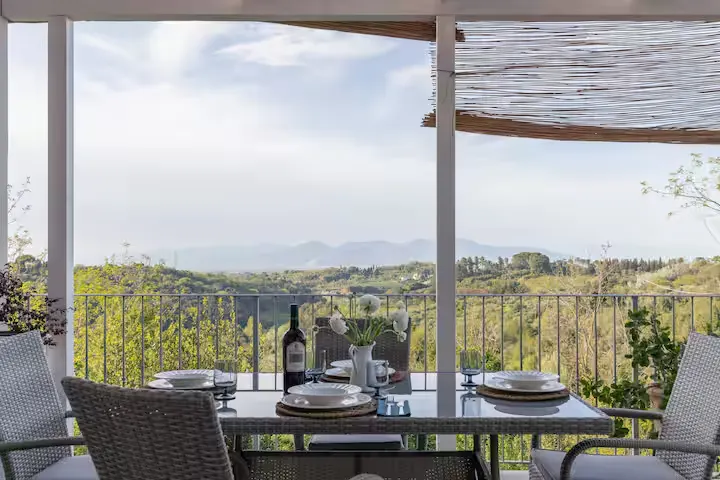
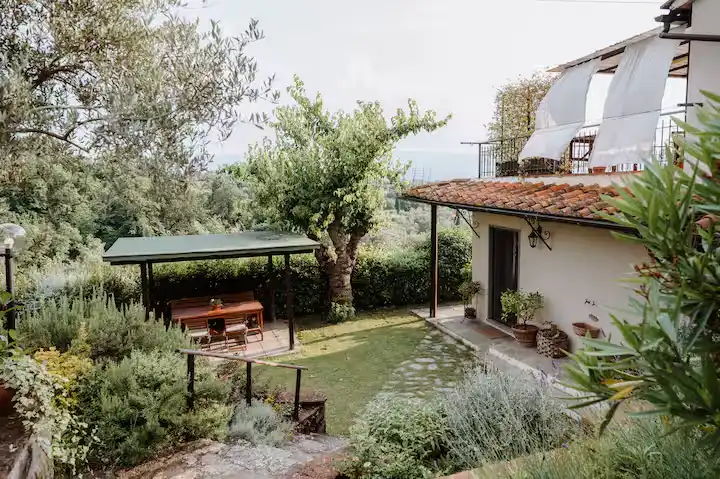
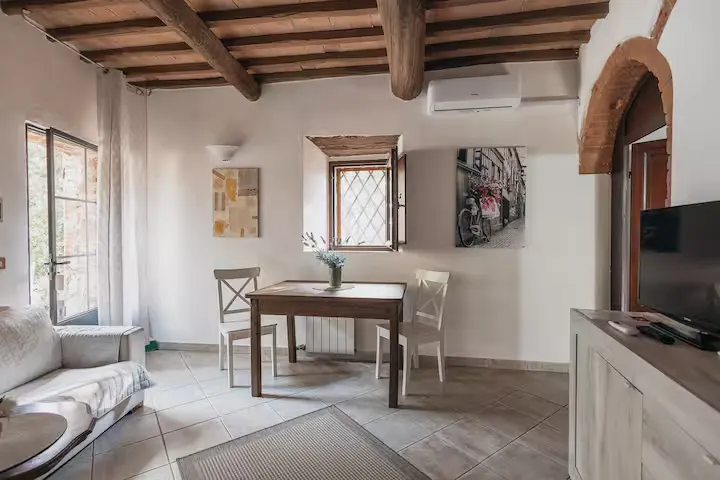
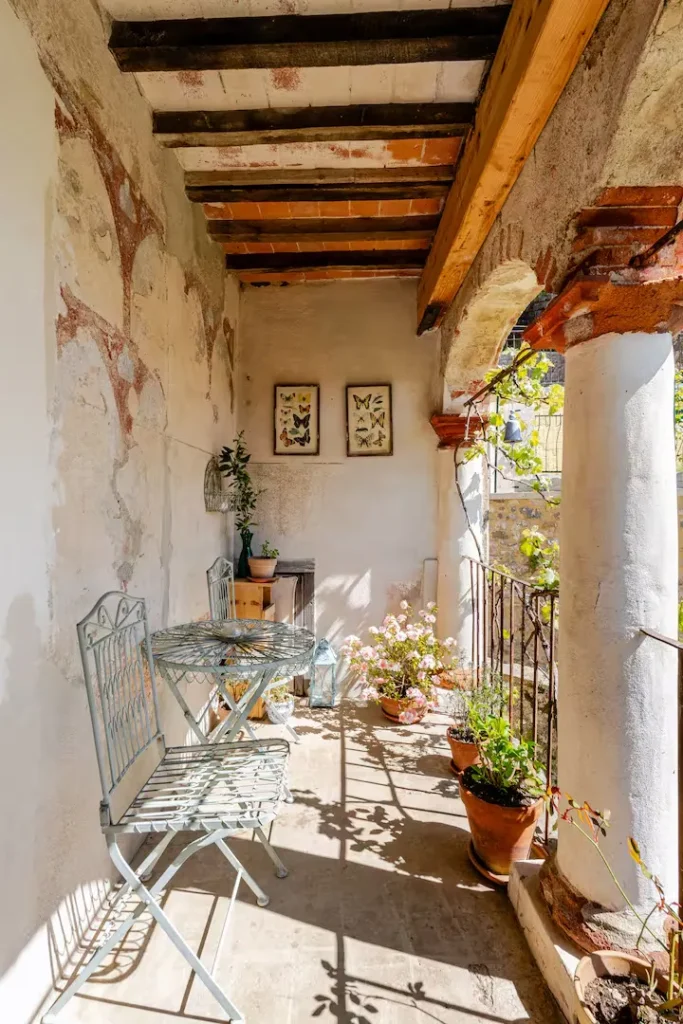
Find below our curated selection of boutique hotels and design apartments that offer exceptional value, atmosphere, and comfort during the off‑season — often at significantly lower rates than peak months.
Uncrowded Experiences & Tours
Skip the lines and experience iconic landmarks at your own pace. Discover curated local tours and cultural activities designed to show you the authentic side of the destination without the peak-season rush.
Handy Tips
Weather & Climate
Tuscany has a Mediterranean climate. Summers are hot and dry, with temperatures often exceeding 30∘C (86∘F). Winters are mild and rainy, especially along the coast, with colder temperatures in the hills.
Local Customs And Etiquette
Language: The Italian spoken in Tuscany is considered the standard form of the language.
Dining: Dinner often starts late (after 8:00 PM). It is customary to order courses—an appetizer (antipasto), first course (primo – pasta/soup), and second course (secondo – meat/fish).
Tipping: Tipping is not mandatory but appreciated. A small tip of a few euros for good service is sufficient; service charges (coperto) are often included.
Budgeting For Your Trip
Accommodation: Hostels ($30–$55), mid-range hotels ($90–$160), luxury ($200+). Agriturismo stays can offer excellent value.
Food: Fixed-price lunch menu ($15–$25), dinner at a mid-range trattoria ($35–$60 per person), fine dining ($75+).
Transport: Car rental ($40/day), train ticket (regional). Activities: Uffizi Gallery ticket ($28), wine tasting tour ($45+).
Daily Budget:
- Budget: $80–$120 (hostels, market food, public transport).
- Mid-range: $140–$220 (hotels, restaurants, attractions).
- Luxury: $250+ (boutique hotels, gourmet meals, private tours).
Getting Around
Essential for exploring the countryside and the small hill towns, offering the most flexibility to stop for photos and visit vineyards.
By Train: An efficient train network connects major cities like Florence, Siena, Pisa, and Lucca, making city-hopping easy.
By Bus: The bus network is well-developed for travel between towns and cities, often reaching places where thine.
Must-Try Food
Bistecca alla Fiorentina: A massive, thick-cut, charcoal-grilled T-bone steak from the local Chianina cattle, traditionally served rare.
Pappa al Pomodoro: A thick, rustic soup made with fresh tomatoes, basil, garlic, and stale Tuscan bread.
Ribollita: A hearty, twice-boiled vegetable and bread soup, a classic of cucina povera (peasant cooking).
Crostini Toscani: Toasted bread slices topped with a pâté made from chicken livers (often called fegatini).
Lampredotto: A classic Florentine street food made from the fourth stomach of the cow, slow-cooked in broth and served on a roll.
Cacio e Pepe: While Roman in origin, a peppery, cheesy pasta dish is common in the region, using excellent local pecorino cheese.
Schiacciata: A flatbread, similar to focaccia, often used for sandwiches or simply flavored with olive oil and salt.
Pecorino Toscano: A salty, sharp sheep’s milk cheese, best sampled when fresh (fresco) or aged (stagionato).
Cantucci e Vin Santo: Almond biscuits (cantucci) traditionally served at the end of a meal for dipping into a small glass of Vin Santo.
Zuccotto: A dome-shaped, chilled dessert from Florence, traditionally made with sponge cake, cream, and candied fruit.
Must-Try Drinks
Chianti Classico DOCG: The iconic, world-famous red wine made primarily with Sangiovese grapes in the core Chianti region, identifiable by the Black Rooster label.
Brunello di Montalcino DOCG: A prestigious and age-worthy red wine made 100% from Sangiovese grapes near the town of Montalcino.
Vernaccia di San Gimignano DOCG: Tuscany’s most famous white wine, a dry, crisp, and refreshing option from the area around San Gimignano.
Super Tuscans: A category of high-end red wines that often blend Sangiovese with international grapes like Cabernet Sauvignon and Merlot.
Vin Santo: A sweet, amber-colored dessert wine made from dried grapes, traditionally served with cantucci biscuits.
Grappa: A strong, clear digestif (after-dinner spirit) distilled from the leftover grape skins, seeds, and stems.
Limoncello: A sweet, bright yellow, lemon-flavored liqueur, commonly served chilled as a digestivo.
Espresso: The traditional Italian coffee, often ordered as un caffè.
Acqua Minerale: Sparkling or still mineral water, the standard beverage at meal times.
Aperol Spritz: The popular, refreshing Italian aperitif made with Aperol, Prosecco, and a splash of soda water.