 Skip to content
- Is Sicily Warm Enough For A Pleasant Off-Season Getaway?
Yes, winters are mild compared to northern Europe, with sunny days often reaching 15°C to 18°C (59°F to 64°F) between November and March. You will 'Exploit Travel Seasonality' by exploring ancient Greek temples and Baroque towns without the brutal summer heat that makes sightseeing exhausting.
The drawback is that evenings get chilly, and rain showers are possible, especially on the eastern coast. On the positive side, you will save roughly 40% to 55% on seaside hotels and historic agriturismos, enjoy world-famous archaeological sites with 85% fewer visitors, and experience the island's authentic winter charm.
- Can I Swim In The Mediterranean During The Sicilian Off-Season?
No, the sea becomes too cold for comfortable swimming from November through April, with water temperatures dropping significantly. However, you will gain spectacular coastal walks along empty sandy coves, dramatic winter sunsets over rugged cliffs, and the rare ability to photograph famous beaches without a single sunbather in your frame.
The drawback is that beach clubs, water sports rentals, and boat tours shut down completely. The upside is hotel prices dropping by approximately 45% to 60%, empty seaside promenades perfect for long walks, and the unique spectacle of winter storms crashing against ancient coastal fortifications.
- Are The Famous Greek Temples And Roman Mosaics Still Accessible In Winter?
Yes, absolutely, and this is actually the best time to experience them. You will walk through UNESCO-listed archaeological parks with only a handful of other history lovers, standing in awe of magnificent columns and well-preserved floor mosaics without sweating under the Mediterranean sun or fighting through tour groups.
The drawback is that some smaller sites reduce their hours or close for lunch, and daylight is shorter. The positive trade-off is entrance discounts of roughly 20% to 30%, hotel rates slashed by approximately 45% to 55%, and the rare privilege of having world-famous temples entirely to yourself for quiet contemplation and photography.
- Do The Street Food Markets And Family Trattorias Close During Low Season?
No, absolutely not, and this is the secret advantage of off-season Sicily. The legendary outdoor markets selling arancini, panelle, and fresh seafood stay vibrant with locals doing their daily shopping, while family-run trattorias serve hearty winter dishes like pasta con le sarde and caponata without summer crowds.
The drawback is that some tourist-oriented stalls and coastal seafood shacks reduce their hours. However, you gain massive percentage discounts on boutique hotels (often 40% to 50%), genuine conversations with market vendors who have time to chat, and the authentic experience of huddling inside a warm, tile-clad trattoria while rain patters on ancient cobblestones outside.
- Is Driving Between Sicily's Historic Hill Towns Safe In Winter?
Yes for main roads and coastal highways, but the famous winding roads to interior mountain villages can get foggy or icy after freezing nights at higher elevations. You will enjoy empty panoramic routes through olive groves and citrus orchards, free parking directly outside every medieval gate, and rental car discounts of approximately 35% to 45% during low season.
The drawback is that sudden fog can reduce visibility dramatically between hilltops, and some remote villages may have limited services. To solve this, drive slowly between late morning and early afternoon, embrace the regional train network connecting major coastal cities, or simply base yourself in one historic town and explore nearby villages on day trips.

Home > Exploit The Seasons > Seasonal World Map > Europe > Italy > Sicily
SICILY
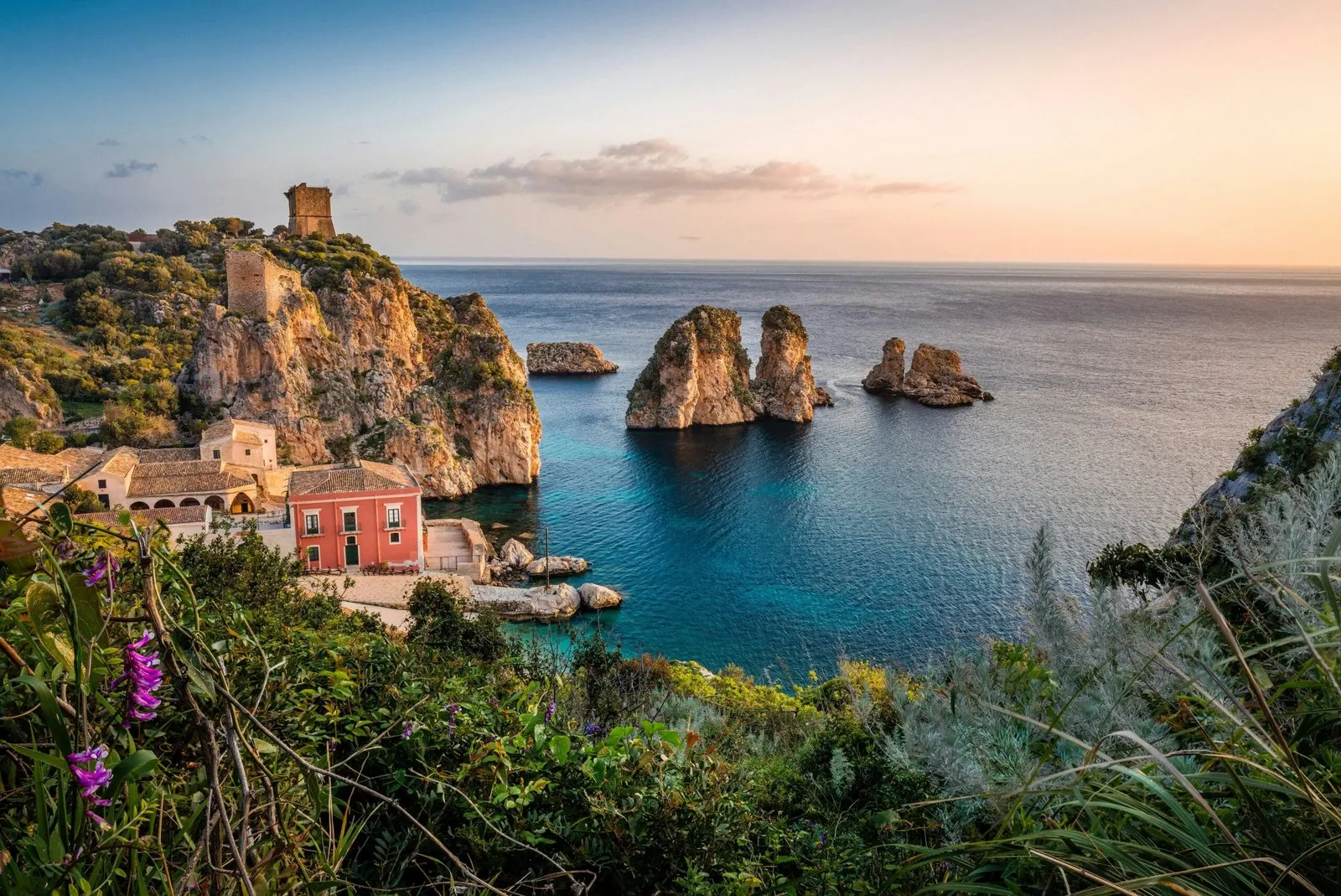
Sicily sheds its summer crowds to reveal a raw, authentic heart. From mild coastal walks to ancient festivals, discover the island’s timeless soul when the prices drop and the citrus groves are heavy with fruit.
Smart Travel Calendar
Shoulder Season
Your Smartest Windows
March to mid-April (avoid Easter week)
October to early November
Avoid: Easter week (Holy Week through Pasquetta) – Taormina and Syracuse hotels triple prices, Valley of the Temples queues hit 60 minutes. Also avoid May 1 (Labor Day) – Italian domestic travel spikes.
What the Sky Does
April/May & Sept/Oct: Daytime highs of 20-25°C (68-77°F) and lows of 12-16°C (54-61°F).
Sea temperatures remain swimmable in September and early October (up to 24°C/75°F).
April brings sudden, brief showers that green the entire countryside instantly.
October offers crystal-clear air perfect for panoramic views from hilltop towns.
How Empty It Feels
Up to 60% fewer tourists compared to the chaos of July and August.
Major sites like the Palatine Chapel feel almost private, with no shuffling lines.
Coastal resorts like Cefalù are lively but never overwhelming.
You can spontaneously park in Taormina’s lower lots without a two-hour search.
What You’ll Save
Flights and hotels drop by 30-50% from peak summer rates.
Car rental prices are nearly halved, with automatic cars actually available.
Same-day tickets for the Villa Romana del Casale are usually available.
Set-menu tourist traps vanish, so trattorias offer genuine local prices.
The Secret Perk
Witness the Infiorata in Noto (May) — stunning flower carpets on ancient streets.
The scent of lemon and orange blossoms fills the entire Val di Noto valley.
Join the almond harvest festivals in Agrigento, tasting fresh pastries.
The golden hour light is legendary, turning sandstone cities into honey-coloured masterpieces.
Strike up real conversations with winemakers on Etna who aren’t rushed.
The Tiny Trade-Off
Some small beach lidos close by mid-October and remove their umbrellas.
The sea can be too cool for casual swimming before mid-May or after late October.
Mountain village restaurants may close one day a week in early April.
Easter week (March/April) sees a brief spike in prices and local crowds.
Smart Traveler Tip
Focus on coastal hiking and Greek temples in April and October for cool comfort.
Book your stay for the first two weeks of June to catch late spring before peak crowds.
For the best balance of warm sea and empty streets, target the last week of September.
Avoid the August 15th (Ferragosto) spillover by waiting until September.
Deep Off-Season
Your Smartest Windows
November 10 to December 15 (avoid US Thanksgiving week – Taormina sees American groups)
January 8 to February 28 (avoid St. Valentine’s week in Trapani/Erice if you dislike couples’ crowds)
Avoid: December 8 (Immacolata Concezione) – long weekend travel chaos, Palermo fills with Italian tourists seeing Christmas markets. Also avoid February 14 (St. Valentine’s in Trapani – processions raise hotel prices 30-40% locally).
What the Sky Does
Daytime temperatures range 10-16°C (50-61°F) ; nights drop to 5-9°C (41-48°F).
Expect rain about 7-10 days per month , especially in Palermo and Catania.
Mount Etna gets reliable snow above 2,000m, perfect for winter sightseeing.
Coastal cities are often sunny but windy , with crisp, clean air.
How Empty It Feels
Over 70% fewer tourists than summer ; you will feel like an explorer, not a tourist.
You can have the entire Valley of the Temples for a silent, misty morning walk.
Museums like Palazzo Abatellis are blissfully silent on weekday mornings.
Small hill towns like Erice feel like genuine living communities, not souvenir stalls.
What You’ll Save
Total trip costs can be 50-60% less than the peak summer season.
Round-trip flights from major EU hubs often drop below €50.
Four-star hotel rooms are often cheaper than hostel dorms in August.
Car rentals are a steal, often €15-25/day including full insurance.
The Secret Perk
Cozy up in a historic palazzo with a fireplace and a glass of Marsala wine.
Ski on Mount Etna in the morning , then sip wine overlooking the sea in the afternoon.
Join the Feast of St. Agatha in Catania (Feb) – one of Italy’s largest and rawest religious festivals.
Taste fresh, just-pressed olive oil during November’s harvest season.
Family-run agriturismos will cook you dinner because you’re the only guests staying.
The Tiny Trade-Off
Forget sunbathing — the beaches are for dramatic winter walks only.
Nightlife in coastal resorts like Taormina is completely shut down.
Up to 30% of small, family trattorias close for the owner’s own holiday in November.
Daylight is short : expect sunrise near 7:00 AM and sunset before 5:00 PM.
Smart Traveler Tip
If visiting in December, book Christmas Eve dinner months ahead and expect closures on Dec 25-26.
February is the quietest month for tourism but the most festive for local culture.
Late February offers pre-spring almond blossoms in Agrigento, a sign of warmer days.
Pack thermal layers, a waterproof jacket, and sturdy boots for wet, cobbled streets.
For the mildest deep-winter weather, stick to Syracuse, Noto, and southern coasts.
Find Off-Peak Flights
Top Off‑Season Stays
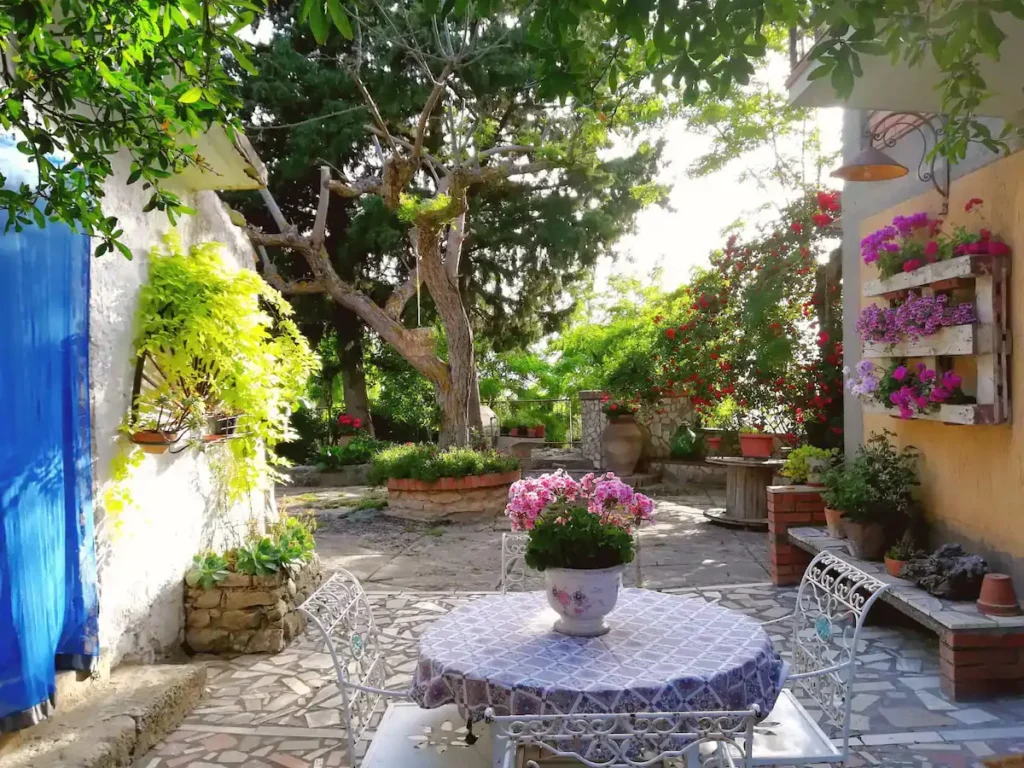
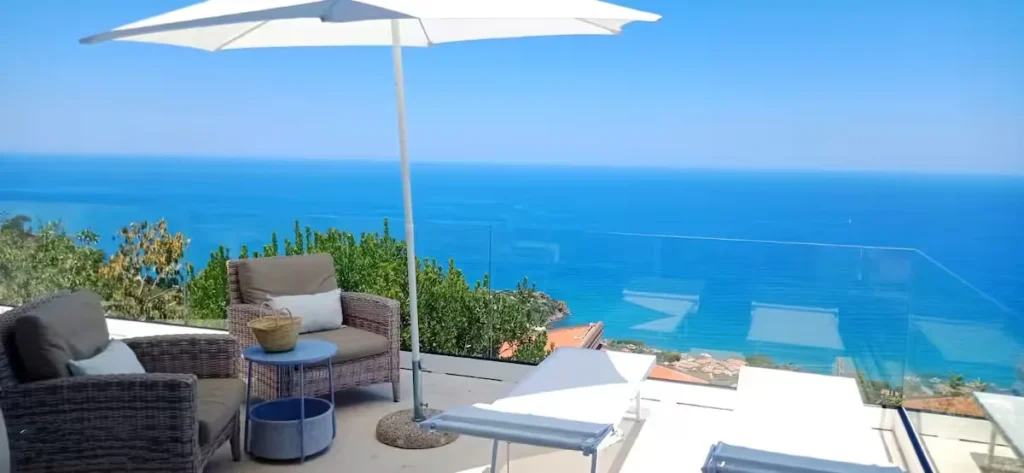
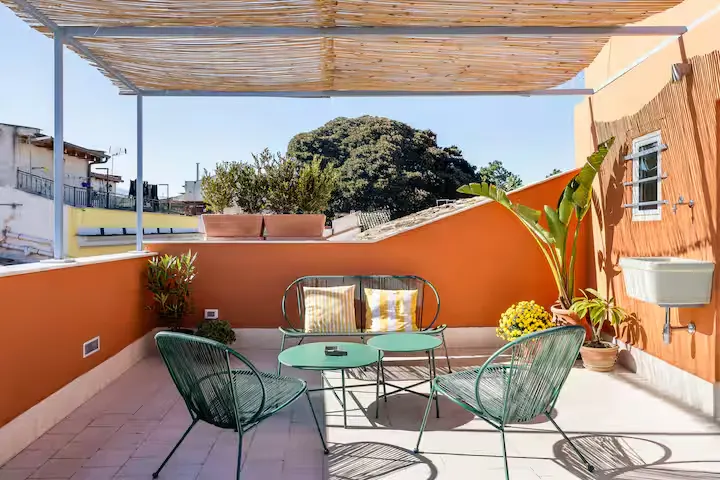
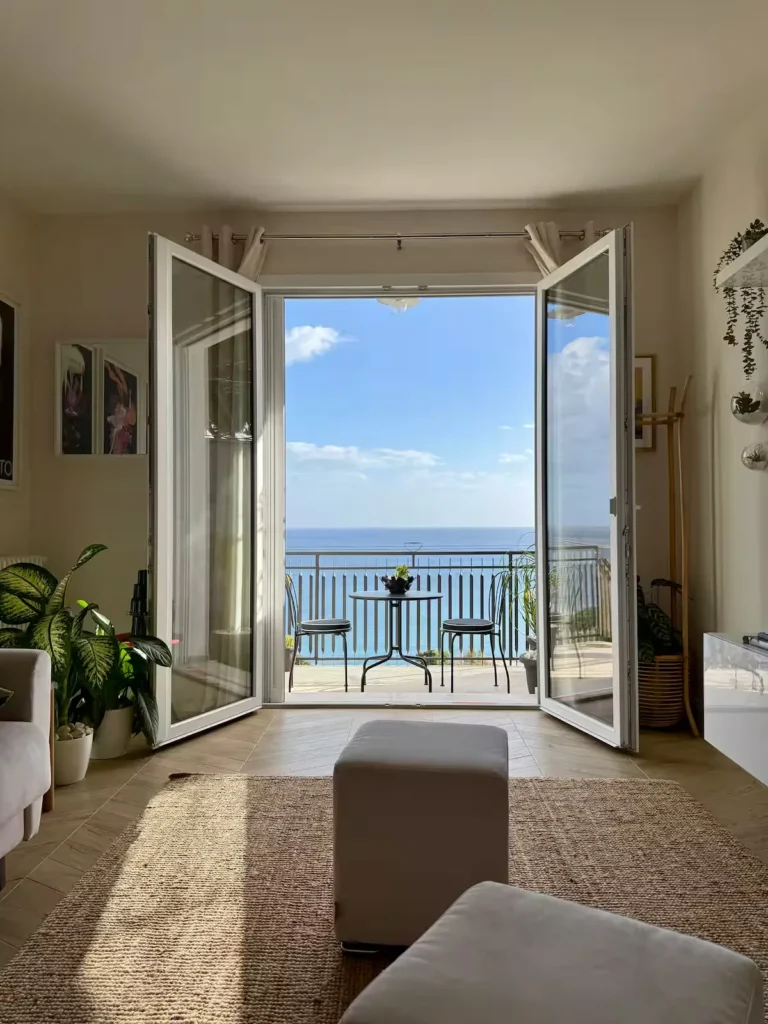
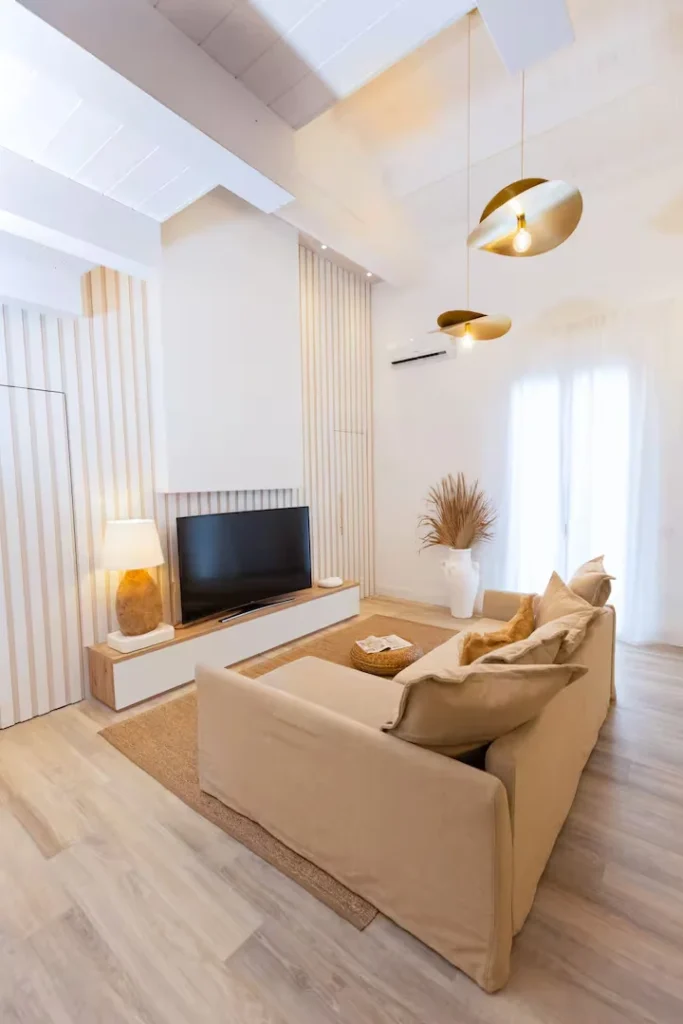
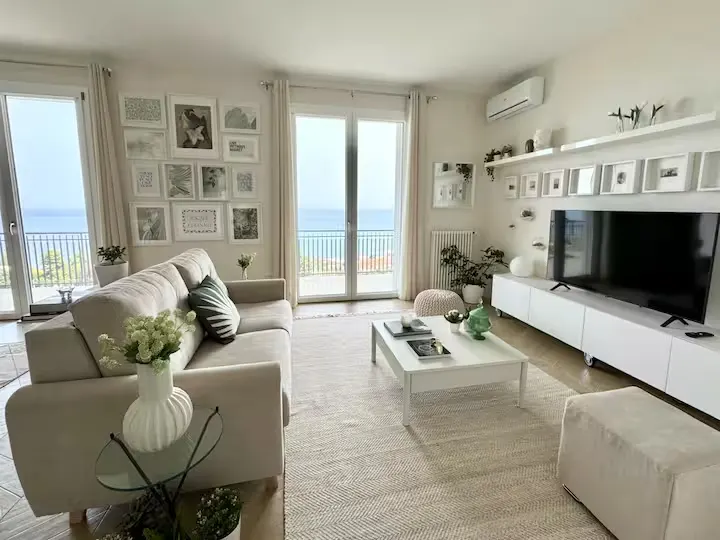
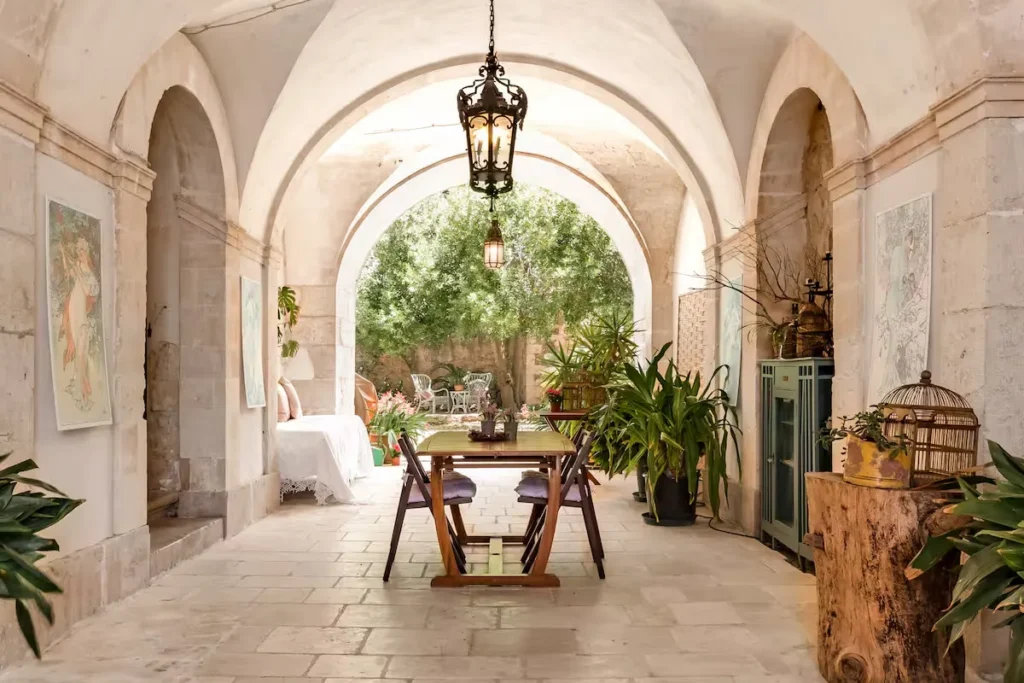
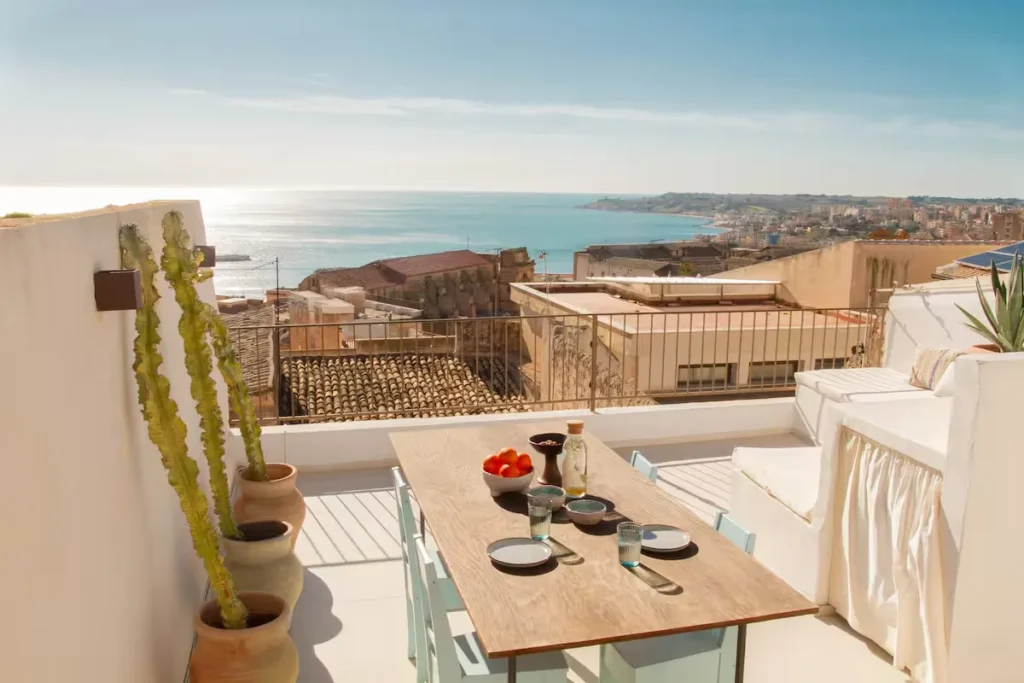
Find below our curated selection of boutique hotels and design apartments that offer exceptional value, atmosphere, and comfort during the off‑season — often at significantly lower rates than peak months.
Uncrowded Experiences & Tours
Skip the lines and experience iconic landmarks at your own pace. Discover curated local tours and cultural activities designed to show you the authentic side of the destination without the peak-season rush.
Handy Tips
Weather & Climate
The climate is Mediterranean, with hot, dry summers and mild, sometimes rainy winters. Inland areas can be cooler, and Mount Etna has an alpine climate with snow in winter, allowing for skiing.
Local Customs And Etiquette
Language: Italian is the official language, but the Sicilian dialect is widely spoken. A friendly Buongiorno (Good day) or Buonasera (Good evening) is always appreciated.
Siesta (Pausa): Many shops and small businesses close between 1:00 PM and 4:30 PM for the afternoon pausa, especially outside of major tourist centres. Plan your day accordingly.
The ‘M’ Word: Discussion about the Mafia should be approached with sensitivity, if at all. Many Sicilians resent the association and the negative stereotypes.
Budgeting For Your Trip
Accommodation: Hostels ($25–$50), mid-range hotels ($80–$140), luxury ($160+). Prices are higher in Taormina and during August.
Food: Fixed-price lunch menu ($15–$25), dinner at a mid-range restaurant ($30–$50 per person), fine dining ($70+). Street food is excellent value.
Transport: Car rental ($35/day), regional train ticket (modest).
Activities: Museum/archaeological site entry ($10–$18), Etna guided tour ($60+).
Daily Budget:
- Budget: $70–$100 (hostels, street food, public transport).
- Mid-range: $120–$180 (hotels, trattorias, attractions).
- Luxury: $200+ (boutique hotels, gourmet meals, private tours).
Getting Around
By Car: A car is the most flexible way to explore the island, especially for reaching smaller towns and interior areas. Driving can be challenging in cities.
By Train: The train network connects major cities but can be slow and often doesn’t reach the coast as efficiently as the bus.
By Bus: The bus network is often more comprehensive and faster than the train for inter-city travel, particularly along the coast.
Must-Try Food
Arancini/Arancine: Deep-fried rice balls, usually filled with ragù (meat sauce) and cheese (called arancina in Palermo, arancino in Catania).
Caponata: A sweet and sour vegetable stew primarily made with fried eggplant, celery, capers, and olives.
Pasta alla Norma: A classic pasta dish from Catania with a tomato sauce, fried eggplant, basil, and grated ricotta salata cheese.
Sarde a Beccafico: Butterflied sardines stuffed with breadcrumbs, pine nuts, raisins, and a citrus flavouring.
Pani ca Meusa: A Palermitan street food sandwich with boiled and fried veal spleen and lung, often topped with grated caciocavallo cheese.
Sfincione: A thick, spongy street pizza from Palermo, often topped with tomato, onions, caciocavallo cheese, and breadcrumbs.
Involtini di Pesce Spada: Rolled swordfish slices filled with breadcrumbs, pine nuts, and raisins.
Cannoli: Sicily’s most famous dessert: fried pastry tubes filled with a creamy, sweetened ricotta cheese mixture.
Granita con Brioche: A semi-frozen dessert (like a slushy) made from fruit, almonds, or coffee, traditionally eaten for breakfast with a soft, sweet brioche bun.
Cassata Siciliana: A decadent sponge cake layered with sweet ricotta, covered in marzipan, and decorated with colourful candied fruit.
Must-Try Drinks
Nero d’Avola: Sicily’s most important and renowned red wine grape, producing full-bodied, fruit-forward wines.
Marsala Wine: A fortified wine, often used for cooking but with excellent, aged drinking varieties (Dry, Sweet, and Semi-Dry).
Etna DOC Wines: Unique wines (red from Nerello Mascalese, white from Carricante) grown in the volcanic soil of Mount Etna.
Zibibbo: A fragrant sweet dessert wine made from Muscat of Alexandria grapes, particularly from Pantelleria island.
Limoncello: A popular sweet lemon liqueur often served as an after-dinner digestivo.
Amari: A range of bitter herbal liqueurs, such as Amaro Averna or Amaro del Capo, often consumed after a meal.
Birra Messina: A popular, crisp local Sicilian lager.
Aperol Spritz: The classic Italian aperitif (Aperol, Prosecco, and a splash of soda), popular during the summer aperitivo hour.
Seltz Limone e Sale: A popular, refreshing street drink from Catania, made with seltzer water, fresh lemon juice, and a pinch of salt.
Almond Milk (Latte di Mandorla): A refreshing, non-alcoholic drink, often served chilled in the summer.