 Skip to content
- Is The Ligurian Coast Too Rainy And Rough For Off-Season Travel?
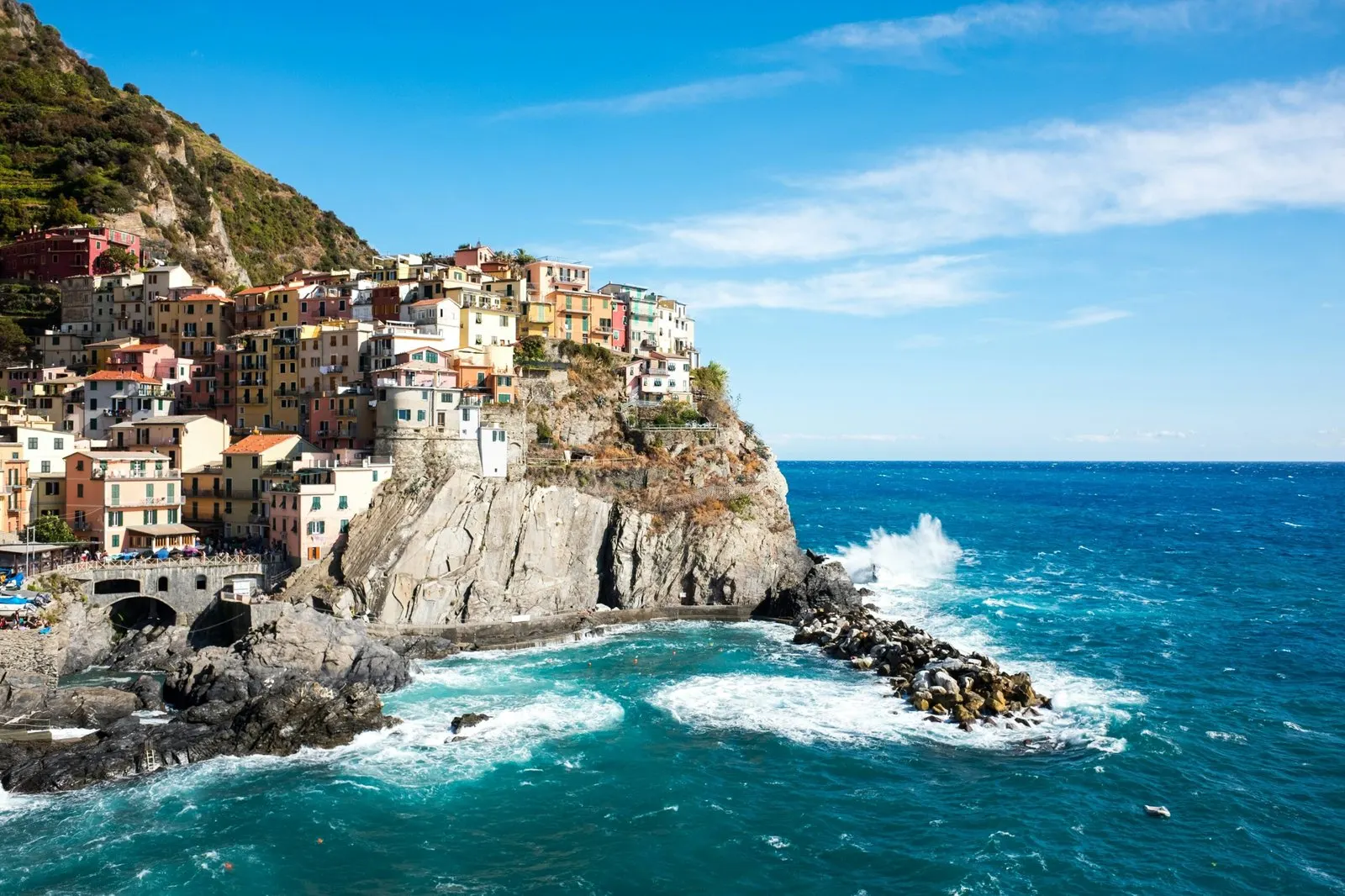
Yes, winters bring frequent rain and powerful storms that crash against the famous rugged coastline, but that is precisely why you should 'Exploit Travel Seasonality' here. You will trade summer crowds and sky-high prices for dramatic, moody seascapes where colorful villages cling to cliffs under misty skies and waves thunder against ancient harbors.
The drawback is you need a waterproof jacket, sturdy shoes, and flexibility with outdoor plans. On the positive side, you will save roughly 50% to 65% on seaside hotels and village apartments, enjoy the famous coastal paths with 95% fewer hikers, and witness the Mediterranean's raw, untamed power that summer visitors never experience.
- Will The Famous Cinque Terre Trails Be Open During Winter Months?
Yes, the iconic coastal trails between the villages usually remain open, though sections may close temporarily after landslides or heavy storms. You will hike along dramatic cliffside paths with spectacular winter light, photographing the famous colorful houses without dodging hundreds of day-trippers or waiting for that perfect empty shot.
The drawback is that some of the most famous sections can be muddy or slippery, and the via dell'Amore remains closed for restoration regardless of season. However, you gain empty train carriages between villages, free parking at trailheads, hotel discounts of roughly 45% to 55%, and the rare privilege of having famous viewpoints entirely to yourself.
- Do The Famous Pesto Shops, Seafood Restaurants, And Wine Bars Close In Winter?
No, the legendary family-run trattorias serving fresh pesto and anchovies remain open, though some smaller village eateries reduce to weekend-only hours. You will eat authentic trofie al pesto alongside local fishermen and farmers, sip Sciacchetrà wine in cozy stone cellars, and receive warm welcomes from owners not exhausted by summer crowds.
The drawback is that outdoor terraces with harbor views become unusable on cold or rainy days. The positive trade-off is massive percentage discounts on village accommodation (often 50% to 60%), no queues for famous pesto joints, and the authentic experience of huddling inside a warm, tile-clad osteria while rain streams down ancient alleyways outside.
- Is The Famous Genoa Aquarium And Palazzi Still Worth Visiting Off-Season?
Yes, absolutely, and this is actually the best time to explore this magnificent city. You will walk through Europe's largest aquarium with 80% fewer school groups, tour UNESCO-listed Renaissance palaces without shuffling behind guided tours, and explore the famous medieval caruggi alleyways without getting trapped in human traffic jams.
The drawback is that some palazzi reduce winter hours, and outdoor festivals stop completely. The upside is entrance discounts of roughly 20% to 30%, hotel rates in Genoa's historic center slashed by approximately 45% to 55%, and the rare privilege of having world-famous frescoed halls and hidden courtyards entirely to yourself.
- Is Driving Along The Famous Winding Coastal Roads Safe In Winter?
Yes for main coastal highways, but the legendary narrow roads through hilltop villages can be treacherous with fog, wet pavement, and occasional rockfalls after storms. You will enjoy dramatically emptier routes along the Mediterranean, free parking in coastal towns, and rental car discounts of approximately 35% to 45% during low season.
The drawback is that sudden storms can bring falling rocks or temporary road closures. To solve this, embrace the excellent regional train network that runs along the entire coast with empty carriages and frequent service, park your car at your base village, and use trains or ferries to explore between colorful seaside towns without stress.

Home > Exploit The Seasons > Seasonal World Map > Europe > Italy > Liguria
LIGURIA
Liguria sheds its summer glamour for a raw, authentic rhythm where fishing boats replace cruise ships. Discover empty Cinque Terre trails, Genoa’s hidden caruggi, and seasonal pesto without peak-season prices or crowds.
Smart Travel Calendar
Shoulder Season
Your Smartest Windows
March to mid-April (avoid Easter week)
October to early November
Avoid: Easter week (Holy Week through Pasquetta) – Cinque Terre hotels triple prices, trail queues form at Vernazza–Monterosso section, and ferries sell out.
What the Sky Does
April-May: 14–22°C (57–72°F) | Sept-Oct: 16–25°C (61–77°F)
Spring brings sudden showers, then instant rainbows over Portofino
September offers Liguria’s warmest sea for swimming without summer crowds
October hazes the light gold — perfect for hilltop villages like Dolceacqua
How Empty It Feels
50-65% fewer tourists than July-August madness
Cinque Terre’s main trail has breathing room, not a human chain
Portofino’s Piazzetta: you can actually sit for a coffee
Ferry queues disappear — walk on at Santa Margherita Ligure instantly
What You’ll Save
30-45% off peak summer hotel rates and flights
Car rentals drop by nearly half — explore inland villages freely
Museum tickets in Genoa: no advance booking stress
Seafood lunch in Camogli costs €20, not €40
The Secret Perk
White Truffle Fairs in October — Alta Via trails smell like heaven
Wildflowers explode on Monterosso’s hillside terraces in April
Anchovy & Olive Harvest — taste local preserves with fishermen
Golden hour stretches forever over the Golfo Paradiso
You’ll learn a dialect word from a baker who has time to talk
The Tiny Trade-Off
Some beach clubs close by mid-October
Sea can be choppy for boat tours in early spring
A few hillside agriturismos reopen after Easter holidays
April’s sudden rain might cancel one hiking day
Smart Traveler Tip
Target mid-September to early October for the ultimate balance: warm sea, harvest festivals, and prices dropping fast.
Book Cinque Terre card online, but trails won’t sell out.
Avoid the first week of May (Labor Day long weekend crowds spike).
Deep Off-Season
Your Smartest Windows
November 10 to December 15 (avoid US Thanksgiving week – Cinque Terre sees American groups)
January 8 to February 28
Avoid: December 8 (Immacolata Concezione) – long weekend travel chaos, Genoa fills with Italian Christmas market crowds. Also avoid February 14–21 (Carnevale di Sanremo – flower parades raise hotel prices 40-50% locally).
What the Sky Does
8–14°C (46–57°F) along the coast; colder inland
November rains clean the air — the sea turns deep sapphire
February brings crisp, clear days perfect for hilltop castles
Snow dusts the Ligurian Alps above Triora (the “town of witches”)
How Empty It Feels
80-90% fewer tourists than August — you’re a local now
Cinque Terre’s Via dell’Amore feels like your private balcony
Genoa’s Palazzo Ducale: echoey halls, no shuffling crowds
Small towns like Cervo become silent postcards
What You’ll Save
Up to 60% off peak-season flights from major European hubs
4-star hotels in Santa Margherita for €80/night, not €250
Train tickets always available — no sold-out regional trains
Car rental under €25/day to explore inland stone villages
The Secret Perk
Cozy up in a Genoese sciamadda — heated focaccia and wine in ancient taverns
Winter hiking — mild enough for the Antico Borgo trail without sweat
Carnival di Sanremo in Feb: flowers, parades, and zero Riviera prices
Learn to make pesto with a nonna whose basil grows year-round indoors
You’ll be the only tourist at a chestnut roasting festival
The Tiny Trade-Off
Beach swimming is out (water 13–15°C / 55–59°F)
Nightlife in Portofino? Non-existent from Nov to Feb
30% of coastal restaurants close for winter break
Daylight shortens — expect sunset around 4:45pm in December
Smart Traveler Tip
February is the hidden gem: mildest winter month, Carnival energy, and zero crowds.
Pack layers and a waterproof jacket — sun can turn to drizzle in an hour.
For the mildest conditions, stick to coastal towns (Bordighera, Finale Ligure) not the mountains.
Find Off-Peak Flights
Top Off‑Season Stays
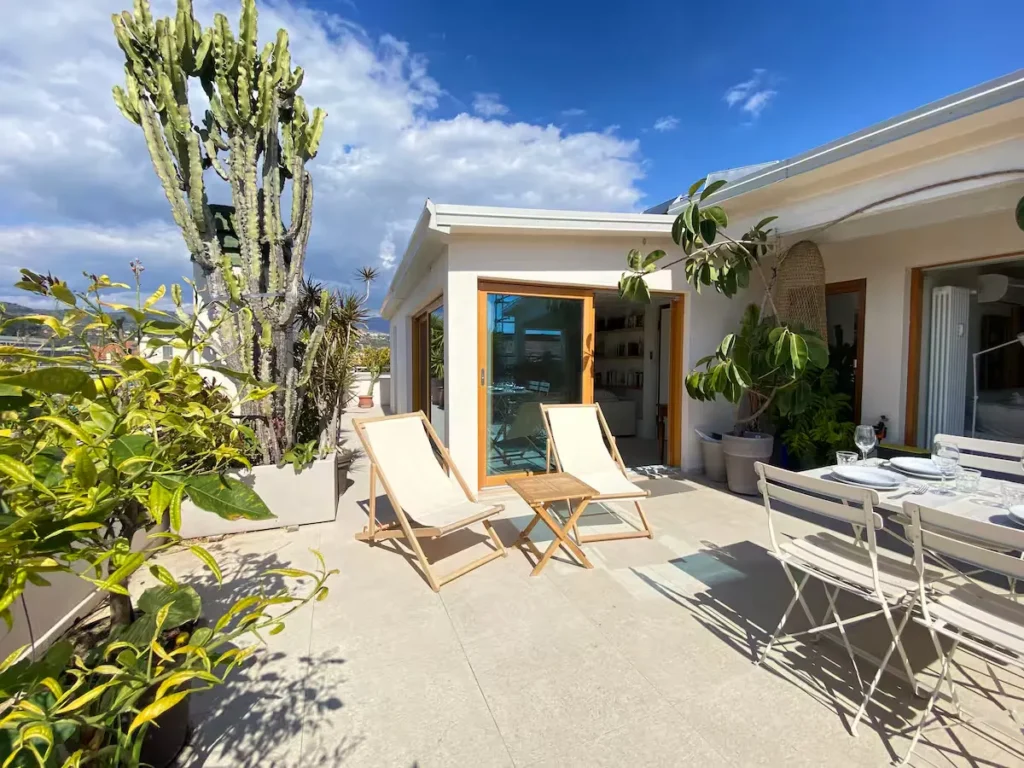
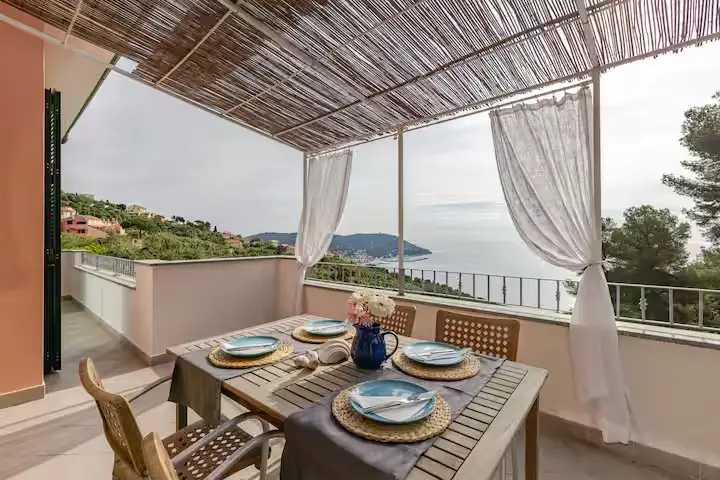
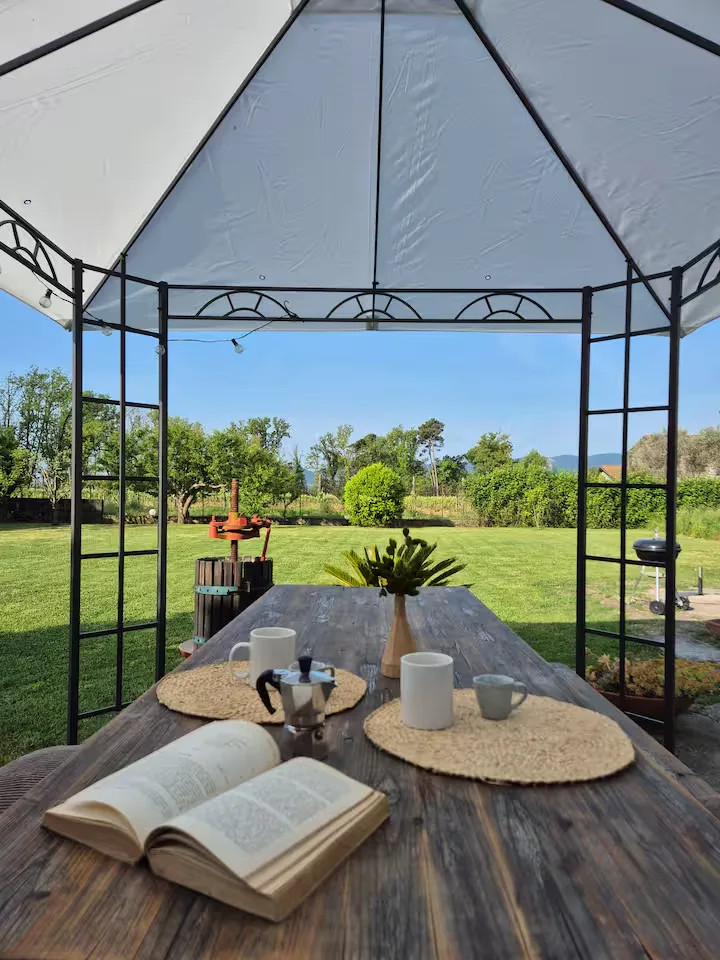
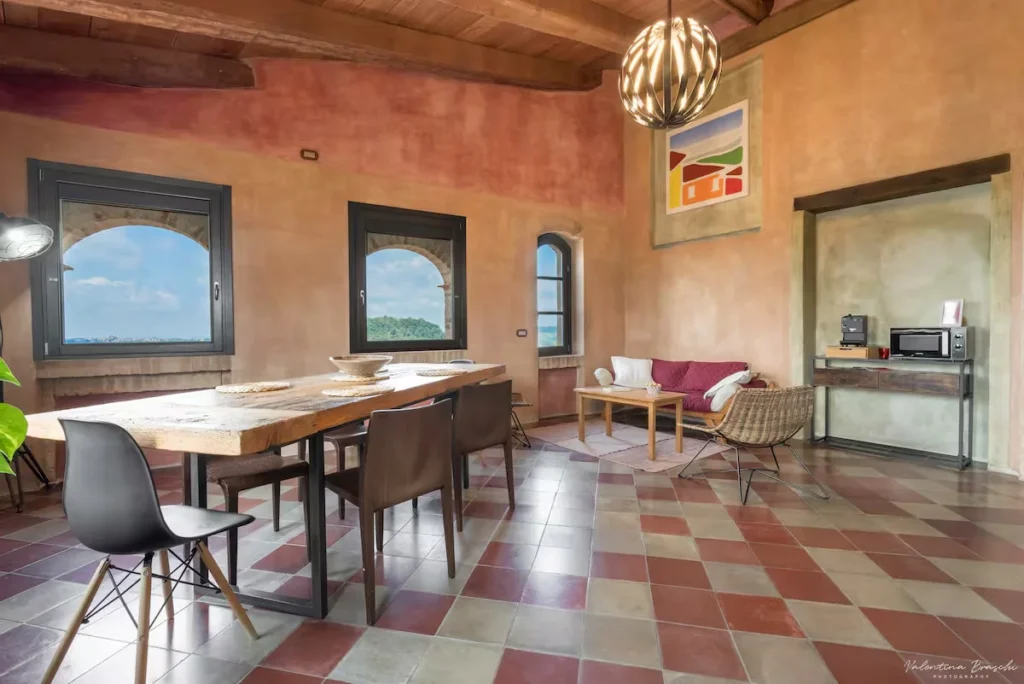
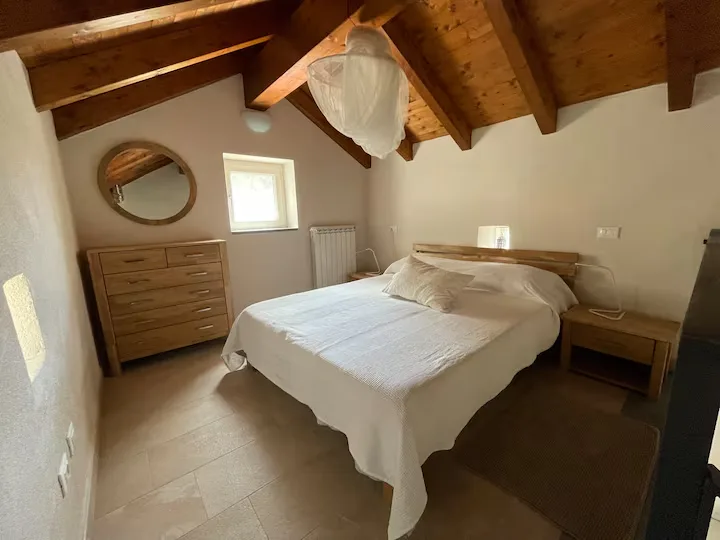
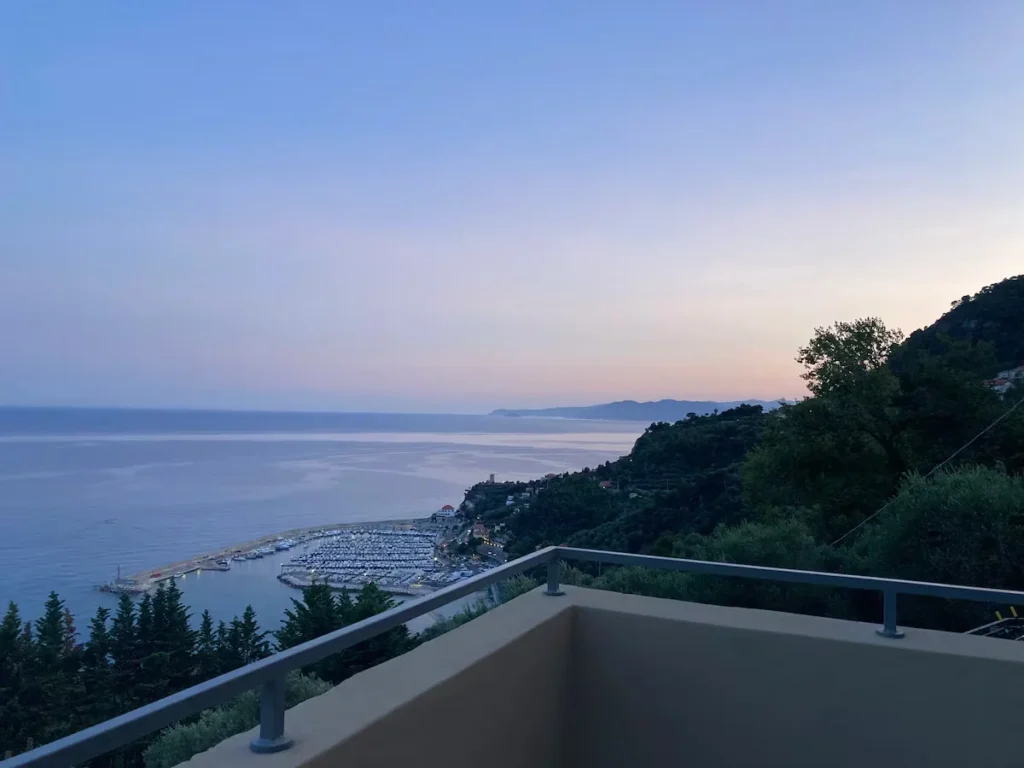
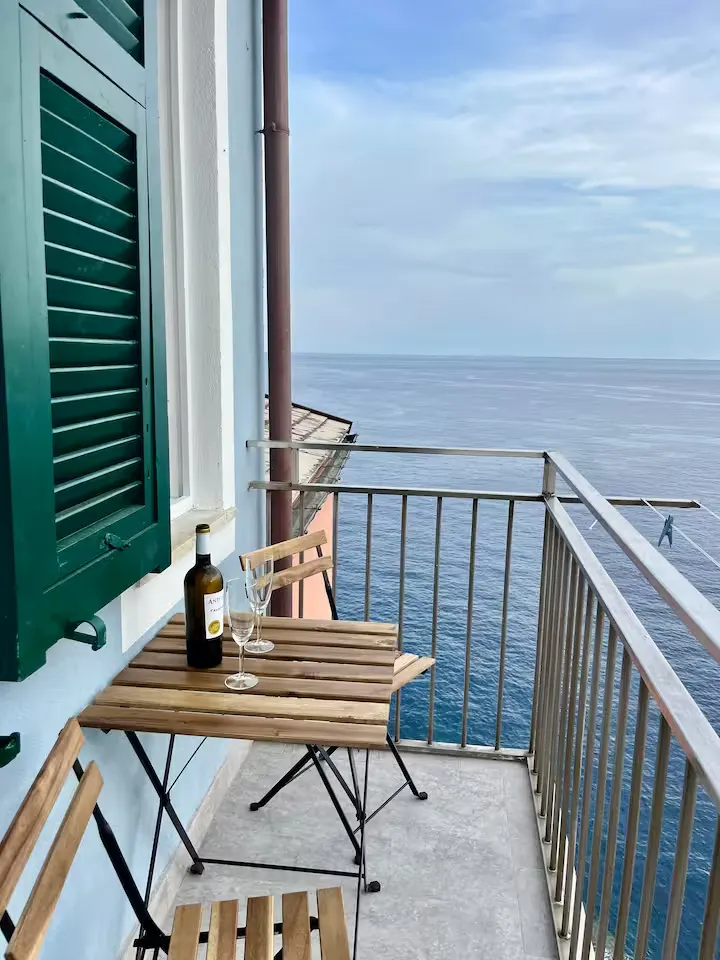
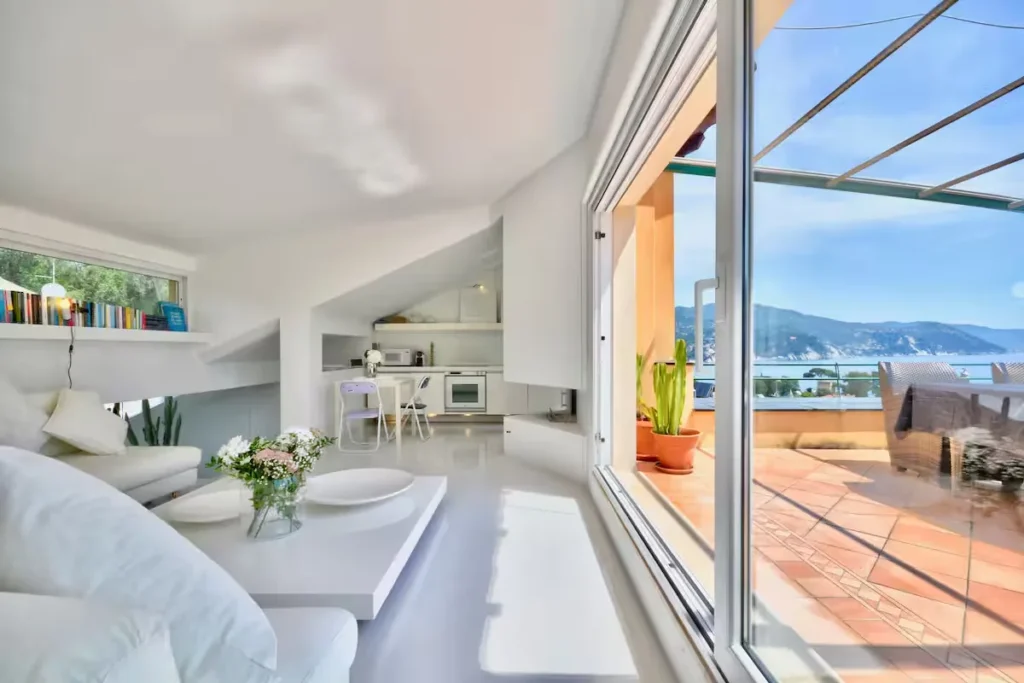
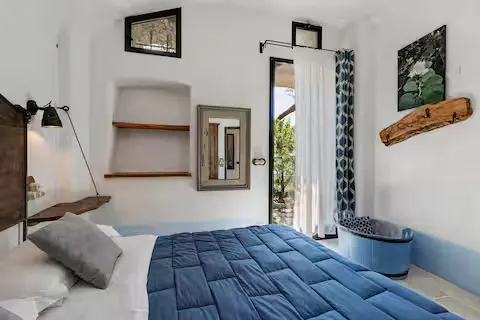
Find below our curated selection of boutique hotels and design apartments that offer exceptional value, atmosphere, and comfort during the off‑season — often at significantly lower rates than peak months.
Uncrowded Experiences & Tours
Skip the lines and experience iconic landmarks at your own pace. Discover curated local tours and cultural activities designed to show you the authentic side of the destination without the peak-season rush.
Handy Tips
Weather & Climate
The climate is typically Mediterranean with mild, rainy winters and hot, dry, and sunny summers. Coastal areas enjoy warmer temperatures, while the inland mountains can be much cooler. The sea helps to moderate temperatures year-round.
Local Customs And Etiquette
Language: Italian is the official language. While English is spoken in tourist centers, learning a few basic Italian phrases is appreciated.
Dining: Lunch is usually served around 1:00 PM and dinner around 8:00 PM. Tipping is not mandatory, but leaving a few extra Euros for good service is customary.
Pace of Life: Liguria has a generally relaxed pace. Rushing is unusual, and locals value savoring meals and conversation.
Budgeting For Your Trip
Accommodation: Hostels ($35–$60), mid-range hotels ($90–$160), luxury ($200+). Prices are significantly higher in the Cinque Terre and Portofino.
Food: Fixed-price lunch menu ($15–$25), dinner at a mid-range restaurant ($30–$55 per person), fine dining ($75+).
Transport: Car rental ($40/day), train ticket (inter-city), Cinque Terre Card (approx. $18/day).
Activities: Boat tours ($30–$50), museum entrance ($10–$15).
Daily Budget:
- Budget: $70–$110 (hostels, market food, public transport).
- Mid-range: $130–$200 (hotels, restaurants, attractions).
- Luxury: $250+ (boutique hotels, gourmet meals, private tours).
Getting Around
By Train: The most convenient way to explore the coast. An efficient train network connects all major towns, including the five villages of the Cinque Terre.
By Ferry: A beautiful and recommended way to travel between coastal towns like Portofino, Santa Margherita Ligure, and the Cinque Terre.
By Car: While a car is useful for exploring the inland areas, it is not recommended for the coast due to narrow roads, limited parking, and ZTLs (restricted traffic zones).
Must-Try Food
Pesto Genovese: The region’s most famous export: a sauce of basil, pine nuts, garlic, Parmigiano Reggiano, Pecorino Sardo, and olive oil.
Focaccia Genovese: A light, oily, and slightly salted flatbread, often eaten for breakfast.
Farinata: A thin, savory pancake made from chickpea flour, baked in a wood-fired oven.
Trofie al Pesto: Hand-rolled, small, twisted pasta served with the classic pesto sauce.
Pansoti con Salsa di Noci: A type of ravioli filled with wild herbs and topped with a creamy walnut sauce.
Cima alla Genovese: A veal breast stuffed with a mixture of vegetables, eggs, cheese, and sometimes sweetbreads, served cold.
Torta Pasqualina: A savory pie traditionally eaten at Easter, made with thin layers of pastry, ricotta, spinach, and whole eggs.
Acciughe Fritte: Fresh anchovies, lightly floured and quickly deep-fried, a classic seaside snack.
Stoccafisso Accomodato: Stockfish (dried cod) prepared with potatoes, pine nuts, olives, and tomatoes.
Canestrelli: Small, delicate, ring-shaped shortbread cookies dusted with powdered sugar.
Must-Try Drinks
Vermentino: A crisp, dry white wine produced on the Ligurian coast, perfect with seafood.
Sciacchetrà: A rare and sweet dessert wine from the Cinque Terre, made from dried grapes.
Pigato: Another excellent local white wine, slightly more full-bodied than Vermentino.
Cinqueterre DOC: A dry white wine blend produced in the immediate area of the five villages.
Rosso della Riviera Ligure di Ponente: A light, often fruity red wine from the Western Riviera.
Limoncino (or Limoncello): A sweet, strong lemon liqueur, typically served chilled after a meal.
Grappa: A potent grape-based pomace brandy, popular as a digestif.
Acqua Minerale: Sparkling or still mineral water, the standard non-alcoholic table drink.