 Skip to content


- Is Athens Too Cold Or Rainy To Enjoy Walking Tours In The Off-Season?
Yes, you will encounter cooler days and occasional rain, but nothing that stops the city's energy. Think of it as perfect exploring weather where you can climb the Acropolis without feeling like you are melting under the Mediterranean sun.
The real drawdown is that sudden showers can interrupt your outdoor wandering. However, you can Exploit Travel Seasonality by using the rain as an excuse to duck into world-class museums like the Acropolis Museum, where you will find 80% fewer queues and hotel rates discounted by 30% to 45%.
- Will I Still Get That Famous Greek Vibe If The Summer Crowds Are Gone?
Absolutely. Without the summer circus, Athens transforms into a real, breathing city instead of a tourist attraction. You will actually hear locals laughing in cafes and see the Plaka neighborhood as a charming residential district, not a bumper-to-bumper foot traffic jam.
The trade-off is that the rooftop bars and beachfront clubs along the Athenian Riviera are much quieter or partially closed. To turn this around, focus on the city center where the cool weather makes sitting outside for a long coffee or wine completely guilt-free, often at percentage discounts of 20% to 35% on food and drink.
- How Reliable Is The Public Transportation During The Low Season?
Yes, the Athens Metro and bus system run perfectly well, and arguably better, without the crush of summer tourists. You will zip from the airport to Syntagma Square or down to Piraeus port with plenty of breathing room and a seat guaranteed.
The main downside is that the summer schedule for the little tourist train up to the Acropolis and some coastal tram routes is reduced. But here is the value hack: ride the Metro specifically to see the ancient artifacts displayed right inside the stations (like at Syntagma), getting a free history lesson while saving nearly 25% on taxi rides compared to peak season.
- Are The Archaeological Sites Still Worth Visiting When It Is Windy And Grey?
Yes, and in many ways they are even more dramatic. Walking through the Ancient Agora or the Temple of Olympian Zeus under a moody sky makes the ruins feel mysterious and powerful without thousands of selfie sticks blocking every column.
The realistic drawback is that the sun sets earlier, giving you less daylight for sightseeing. To Exploit Travel Seasonality, start your day early and hit the big sites like the Acropolis right when they open, then use the cooler afternoons to explore indoor treasures like the National Archaeological Museum with up to 50% fewer visitors and hotel rates often discounted by 40%.
- Can I Still Do A Day Trip To The Nearby Islands Or Cape Sounion?
Yes, but with some smart adjustments. The ferries to islands like Aegina or Hydra still run, and the famous Temple of Poseidon at Cape Sounion is open and spectacular, especially if you catch a dramatic winter sunset with almost no other tourists around.
The significant downside is that the daily high-speed catamarans to the more distant Cycladic islands run less frequently or stop entirely. Instead of fighting this, focus on the Saronic Gulf islands which are closer and serviced by year-round ferries, plus you can book a rental car for the Athens coastline drive at a 35% discount compared to summer weekly rates.

Home > Exploit The Seasons > Seasonal World Map > Europe > Greece > Athens
ATHENS
Athens reveals a quieter soul beyond the postcard crowds, where ancient streets breathe freely. Discover when to explore the Acropolis without the shuffle, find authentic taverna moments, and unlock better value under the legendary light.
Smart Travel Calendar
Shoulder Season
Your Smartest Windows
Late March to mid-June
September to early November
Avoid: Greek Orthodox Easter Week (Athens empties out as locals leave, but flight and hotel prices spike 40–60% for 10 days)
What the Sky Does
Mild to warm: March 12°C/54°F, May 22°C/72°F | Sept 26°C/79°F, Nov 17°C/63°F
Occasional spring rain showers that clear quickly, leaving fresh, bright air.
Autumn brings crystal-clear skies and that famous Athenian light turning honey-gold.
The meltemi wind fades by October, making outdoor exploring effortless.
How Empty It Feels
40-50% fewer tourists compared to July-August madness
Acropolis wait times drop from 90 minutes to under 10 minutes.
Plaka and Monastiraki feel walkable, not like a human conveyor belt.
You’ll find outdoor seating at every taverna without booking ahead.
What You’ll Save
30-40% on flights and 40-50% on four-star hotels vs. peak summer
Metro and taxi demand is low; no surge pricing from the airport.
Same-day tickets to the Acropolis Museum are always available.
Dinner for two with wine: €35 instead of €60 in summer.
The Secret Perk
Spring: Athens Epidaurus Festival begins with ancient drama at the Herodion theatre.
Autumn: The city smells of roasting chestnuts and late jasmine on every corner.
Wildflowers blanket Lycabettus Hill and the National Garden in April and May.
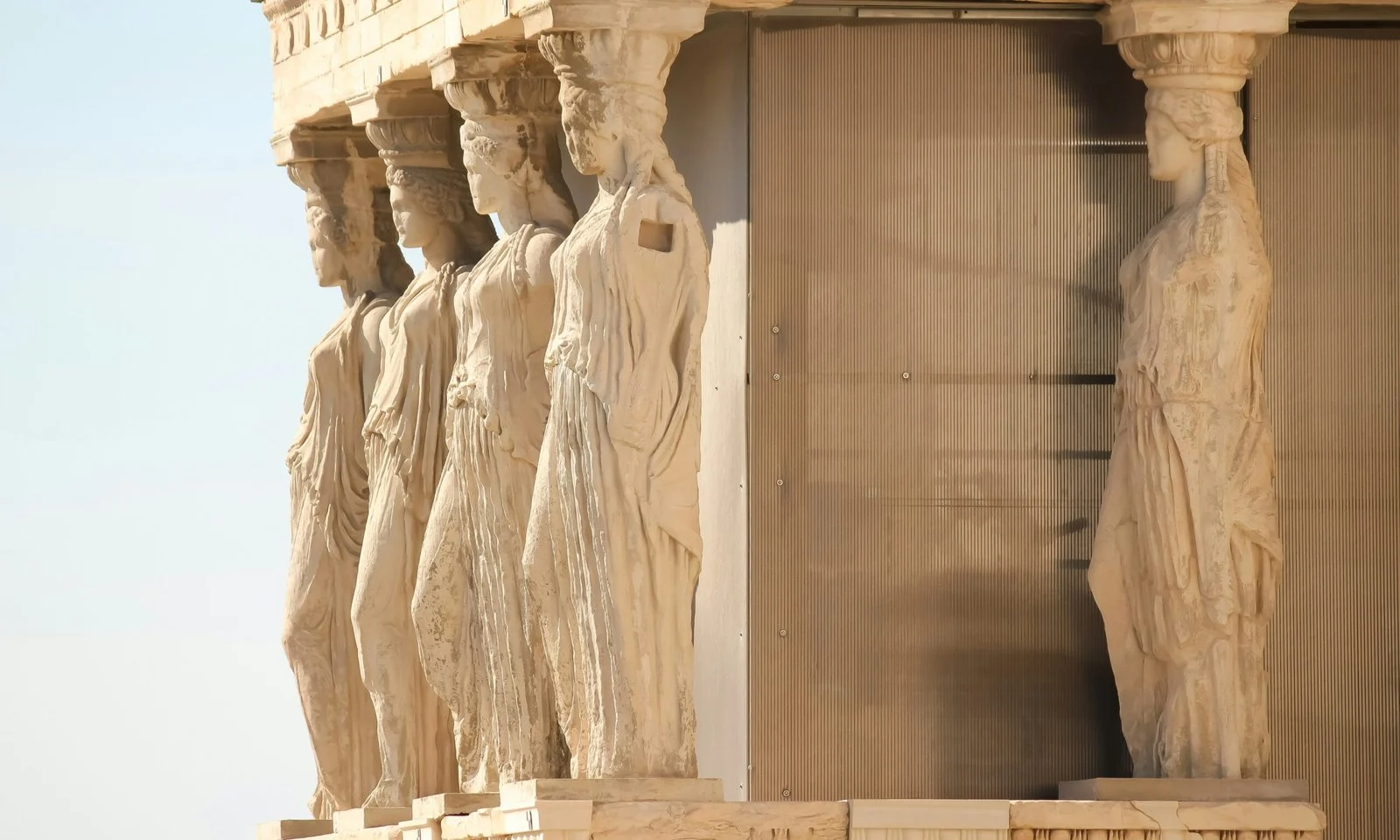
The low-angle autumn light turns the Parthenon’s Pentelic marble golden-pink.
You’ll share cafes with university students and artists, not cruise-ship crowds.
The Tiny Trade-Off
Sea temperatures are still cool for swimming (18°C/64°F) until late May.
Occasional rainy days (especially November) may send you into museums.
Some coastal tram lines run less frequently after October.
Greek Easter (March/April) can spike hotel prices for one week only.
Smart Traveler Tip
Visit from 15 May to 10 June or 1 September to 15 October for perfect balance.
Start mornings early (still cooler) and save afternoons for rooftop bars.
Avoid the week of Greek Orthodox Easter if budget is tight — prices jump.
Pack a light jacket and one long sleeve; evenings cool down pleasantly.
Deep Off-Season
Your Smartest Windows
November to early March (excluding Christmas/New Year)
Avoid: Christmas through January 2 (hotels near Syntagma fill with holiday shoppers, prices rise 30–40%)
What the Sky Does
Chilly and changeable: December 10°C/50°F to February 12°C/54°F, some sunny days.
Rain is possible (especially December), but rarely all day — just dramatic bursts.
Snow is rare but magical when it dusts the Acropolis (once every 2-3 years).
Humidity is low, so the cold feels crisp, not bone-chilling.
How Empty It Feels
70-80% fewer tourists than July — you’ll feel like Athens is yours.
The Acropolis feels almost private; you’ll see more guards than visitors.
The National Archaeological Museum is blissfully silent on weekday mornings.
Small neighbourhoods like Koukaki and Petralona feel genuinely local again.
What You’ll Save
50-60% off peak summer prices overall
Flights from Europe drop to €30-50 round trip on budget carriers.
Five-star hotels near Syntagma for under €100/night.
Car rentals (if driving to Delphi or Nafplio) cost half the summer rate.
The Secret Perk
Cafe culture goes indoors: Warm up with Greek coffee and bougatsa in old-school kafeneia.
Winter theatre season: Catch contemporary Greek plays with English surtitles.
Olive harvest time (Nov-Dec): Join a day trip to Attica’s olive groves for pressing demos.
Christmas in Athens: Syntagma Square lights up, and bakeries overflow with melomakarona.
Locals have time to talk — you’ll leave with real recommendations, not a script.
The Tiny Trade-Off
Swimming is impossible without a wetsuit (sea temperature 14-16°C / 57-61°F).
Rooftop bars and open-air cinemas are closed (except a few with heaters).
Some small family-run tavernas close for 2-4 weeks in January or February.
Daylight is short: sunrise ~7:30am, sunset ~5:15pm in December.
Smart Traveler Tip
January is the quietest month — but check if the site you want is open (most are).
Visit just before Lent (February/March) for Carnival celebrations with locals.
Pack layers: a warm coat, scarf, gloves for evenings, but you might shed them by noon.
For mildest deep-off weather, choose late February over December or January.
Find Off-Peak Flights
Top Off‑Season Stays
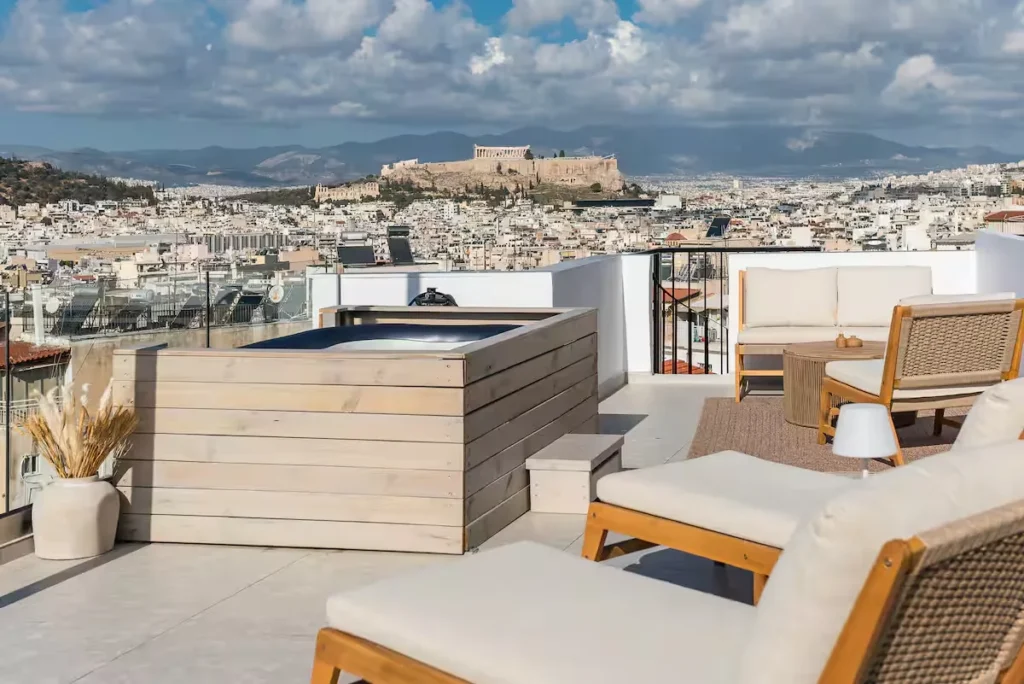
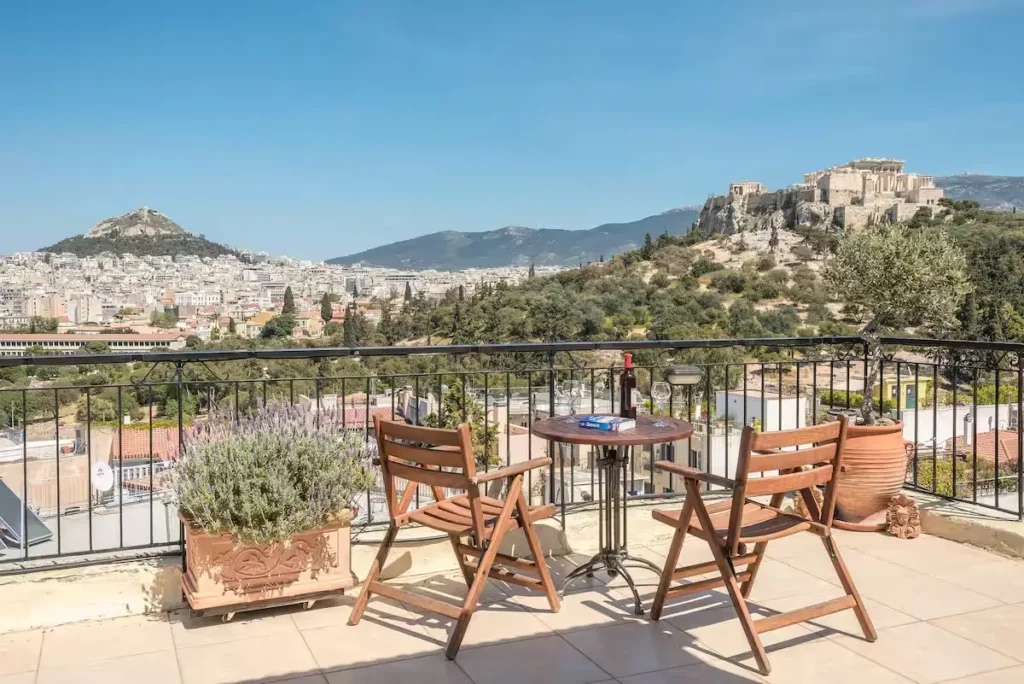
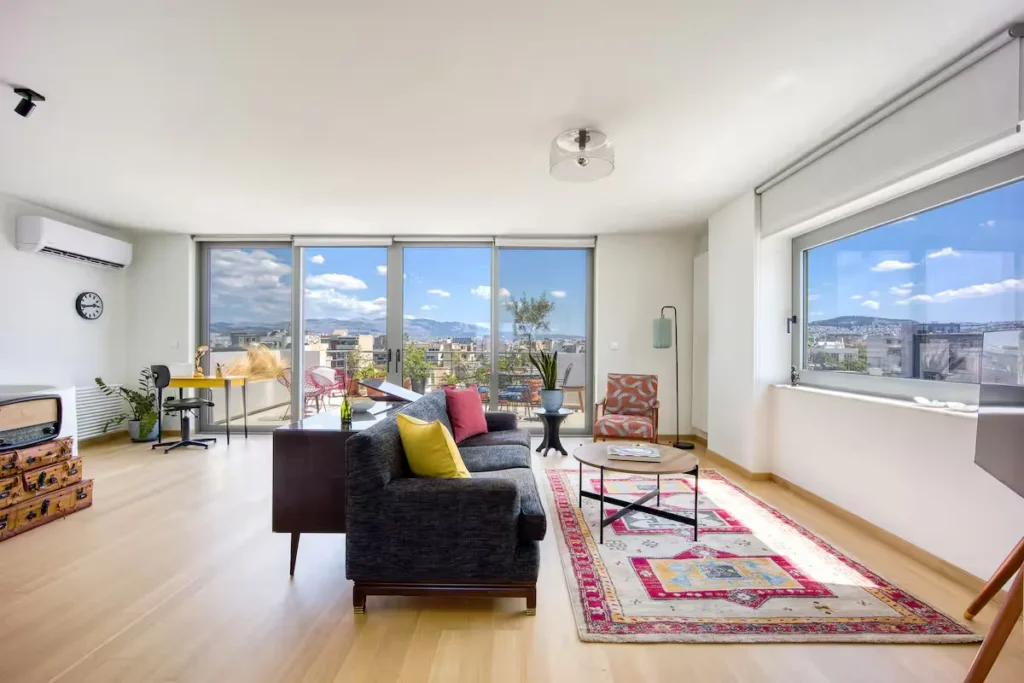
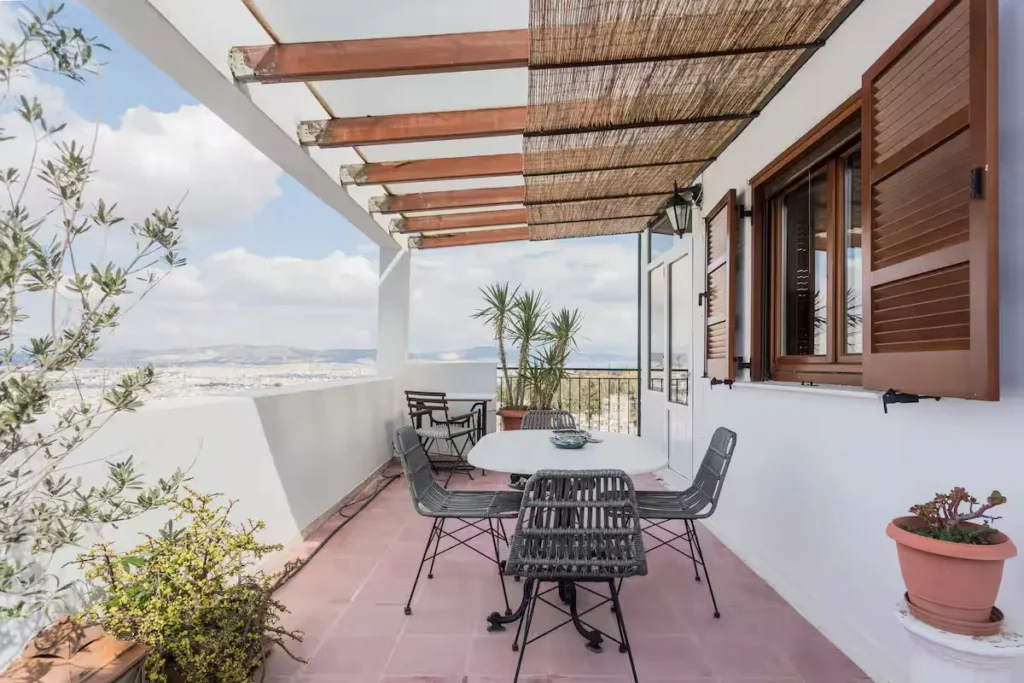
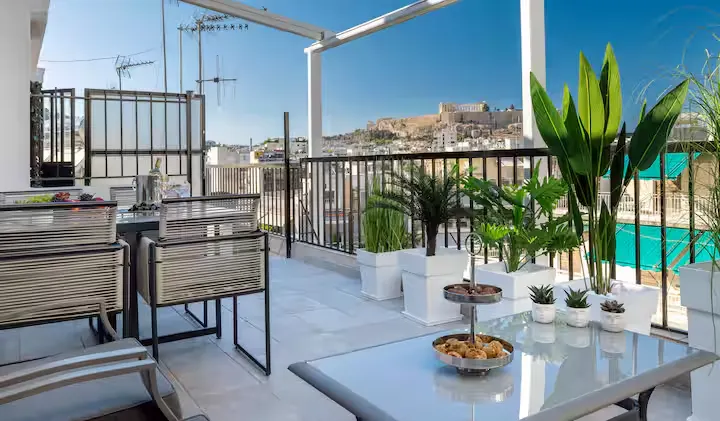
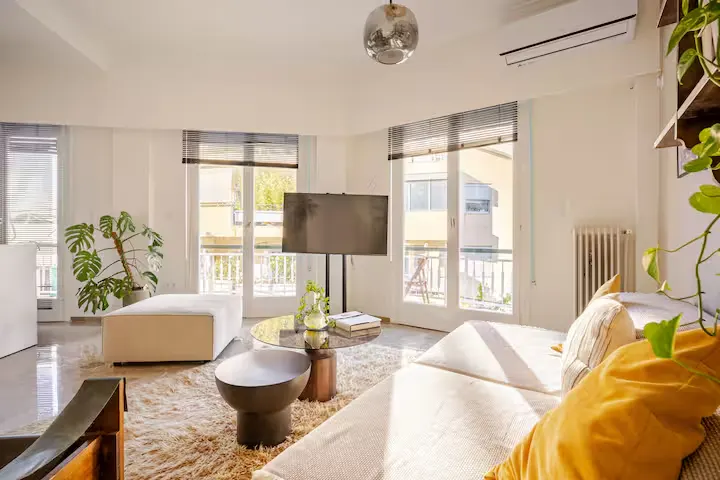
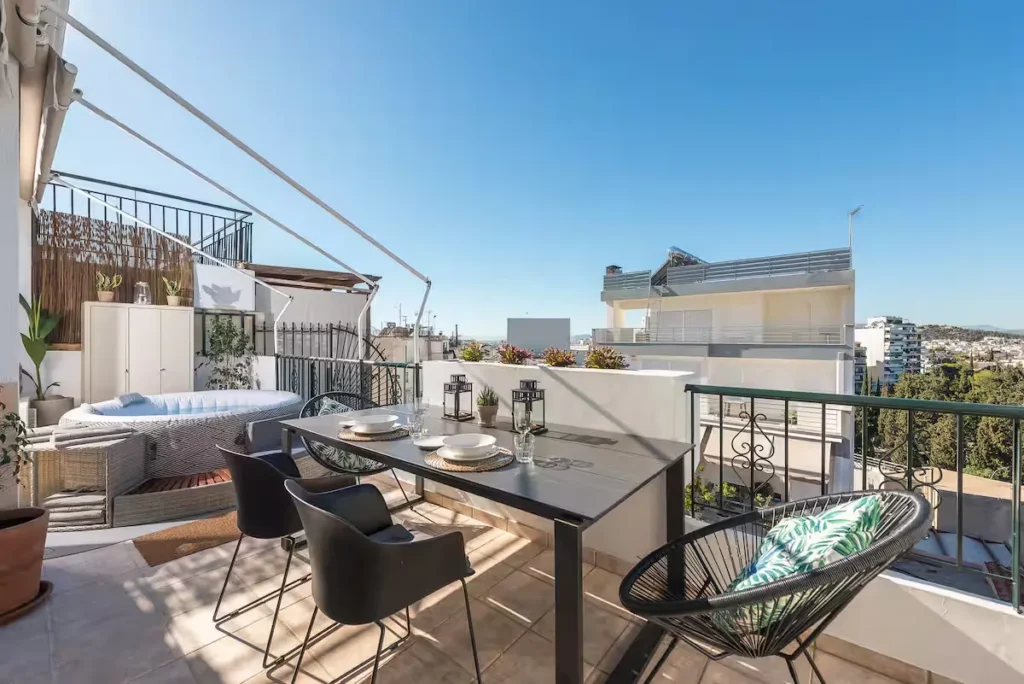
Find below our curated selection of boutique hotels and design apartments that offer exceptional value, atmosphere, and comfort during the off‑season — often at significantly lower rates than peak months.
Uncrowded Experiences & Tours
Skip the lines and experience iconic landmarks at your own pace. Discover curated local tours and cultural activities designed to show you the authentic side of the destination without the peak-season rush.
Handy Tips
Weather & Climate
Athens has a Mediterranean climate. Summers (June–August) are long, hot, and dry, often exceeding 100∘F (38∘C). Winters (December–February) are mild, with temperatures rarely dropping below freezing, though rainfall is more common.
Local Customs And Etiquette
Language: While English is widely spoken in tourist areas, a friendly “Yia sas” (Hello) or “Efharisto” (Thank you) will be greatly appreciated.
Toilet Paper: Do not flush toilet paper. Athens’ old sewage system cannot handle it; always use the small bin provided next to the toilet.
Dining: Greeks eat dinner late—restaurants don’t typically get busy until 9:00 PM or later. In tavernas, it’s common to order a variety of dishes (meze) to share.
Budgeting For Your Trip
Accommodation: Hostels ($25–$50), mid-range hotels ($80–$140), luxury ($180+). Prices are significantly higher in peak season.
Food: Street food (Souvlaki/Gyros $3–$7), fixed-price taverna lunch ($15–$25), dinner at a mid-range restaurant ($30–$50 per person), fine dining ($75+).
Transport: Metro day pass ($4.50), taxi from airport to city center ($45 fixed rate), ferry to nearby islands ($10–$40).
Activities: Acropolis entry ($22), Combined archaeological ticket ($33), Museum entry ($8–$15).
Daily Budget:
- Budget: $70–$110 (hostels, street food/picnics, public transport).
- Mid-range: $130–$220 (hotels, tavernas, attractions).
- Luxury: $250+ (boutique hotels, gourmet meals, private tours).
Getting Around
By Metro: The Athens Metro is modern, clean, and efficient, connecting the airport, Piraeus port, and all the main city center attractions.
By Foot: The city center, especially the historic areas of Plaka and Monastiraki, is very walkable.
By Taxi/App: Taxis are plentiful, but be aware of the meter. Ride-sharing apps are also available and a reliable option.
Must-Try Food
Souvlaki: Grilled meat (pork or chicken) skewers, often served wrapped in pita with tomato, onion, and tzatziki.
Tzatziki: A refreshing dip made from strained yogurt, shredded cucumber, garlic, and fresh dill.
Moussaka: A rich, baked casserole layered with eggplant, spiced ground meat, and a creamy béchamel sauce.
Spanakopita: Flaky phyllo pastry stuffed with a savory filling of spinach and feta cheese.
Saganaki: Pan-fried cheese (usually graviera or kefalotyri) which is often served warm and drizzled with lemon.
Horiatiki Salata (Greek Salad): The classic salad with tomatoes, cucumber, onion, Kalamata olives, and a large slice of feta cheese, dressed with olive oil and oregano.
Koulouri: A crisp, sesame-crusted bread ring, a popular and affordable street breakfast.
Loukoumades: Small, deep-fried doughnuts, traditionally served drenched in honey syrup and sprinkled with cinnamon.
Galaktoboureko: A rich, custard-filled pastry baked in phyllo and then soaked in a sweet, clear syrup.
Greek Yogurt with Honey: The thick, strained Greek yogurt served with a drizzle of local honey and sometimes walnuts—a simple, delicious dessert or breakfast.
Must-Try Drinks
Ouzo: A potent, anise-flavored aperitif. It turns cloudy when water is added and is traditionally served with meze (small plates).
Tsipouro/Tsikoudia (Raki): A strong, clear spirit made from the pomace (residual grape mash) leftover from winemaking.
Retsina: A unique white or rosé wine that is produced with a small amount of Aleppo pine resin, giving it a distinctive resiny flavor.
Greek Wine (Attica Region): Sample local white wines, often made from the Savvatiano grape, from the surrounding Attica vineyards.
Vinsanto: A sweet dessert wine from the islands, often enjoyed with sweets.
Frappé: A popular, frothy iced coffee made from instant coffee, water, and sugar—a Greek summer staple.
Freddo Espresso/Cappuccino: Chilled espresso or cappuccino topped with a cold foam (afrogala)—the modern Greek coffee of choice.