 Skip to content
- Are The Famous Châteaux Still Worth Visiting Without The Summer Gardens?
Yes, absolutely, because the magnificent castles become moody, intimate treasures instead of crowded museums. You will 'Exploit Travel Seasonality' by walking through grand halls and royal bedchambers with approximately 85% fewer visitors, truly feeling their centuries of history without shuffling behind guided tour groups.
The drawback is that formal French gardens are bare and fountains are turned off. On the positive side, you will save roughly 45% to 55% on castle-view hotels, enjoy entrance discounts of 20% to 30%, and discover the rare privilege of having iconic staircases and fireplaces entirely alone for photography and quiet reflection.
- Is The Weather Too Chilly For Exploring The River And Vineyards?
Yes, winter is genuinely cold with frosty mornings and grey skies, but that is the secret advantage. You will trade summer heatstroke and tourist crowds for cozy wine cellar tastings, empty riverside bike paths, and the dramatic beauty of mist rising off the Loire River at dawn.
The drawback is that boat tours and outdoor terrace dining stop completely. However, you gain massive percentage discounts on rental cars (roughly 35% to 45%), warm welcomes from winemakers who actually have time to chat, and the authentic experience of drinking local Cabernet Franc beside a roaring castle fireplace.
- Do The Charming Villages And Restaurants Close Down In The Off-Season?
No, the storybook villages remain open and become wonderfully peaceful. The family-run restaurants serving famous river fish and goat cheeses continue welcoming locals year-round, meaning you will dine alongside residents in warm, steamy bistro windows without competing for reservations.
The drawback is that some tiny rural cafes close two days per week or for winter holidays. The positive trade-off is hotel prices dropping by approximately 40% to 50%, innkeepers who have energy to share local secrets, and the unique pleasure of having medieval market squares entirely to yourself on a crisp winter morning.
- Will I Miss The Famous Garden Festivals And Son-Et-Lumière Shows?
Yes, the spectacular summer light shows and international garden competitions run only from spring through autumn. You will trade laser shows and floral explosions for intimate winter illuminations, truffle markets, and the rare ability to photograph castle facades without thousands of other visitors.
The drawback is that evening entertainment options become limited. However, you gain cozy Christmas markets if you time it right, candlelit castle tours that feel genuinely magical, accommodation slashed by roughly 50% to 60%, and the unforgettable experience of hearing only your own footsteps echo through legendary banquet halls.
- Is Cycling Between Castles Realistic During The Cold, Wet Season?
Yes for the determined, but choose sunny days and wear serious thermal gear. You will have the famous flat riverside cycling paths almost completely empty, allowing you to pedal at your own pace between magnificent châteaux without dodging summer rental bikes or tour groups.
The drawback is that rainy days make trails muddy and unpleasant. To solve this, rent a car for ultimate flexibility with winter discounts of roughly 35% to 45%, or embrace train travel between major castles using emptier carriages and cheaper off-peak tickets, then simply walk the final kilometer through dormant vineyards to reach each stunning landmark.

Home > Exploit The Seasons > Seasonal World Map > Europe > France > The Loire Valley
THE LOIRE VALLEY
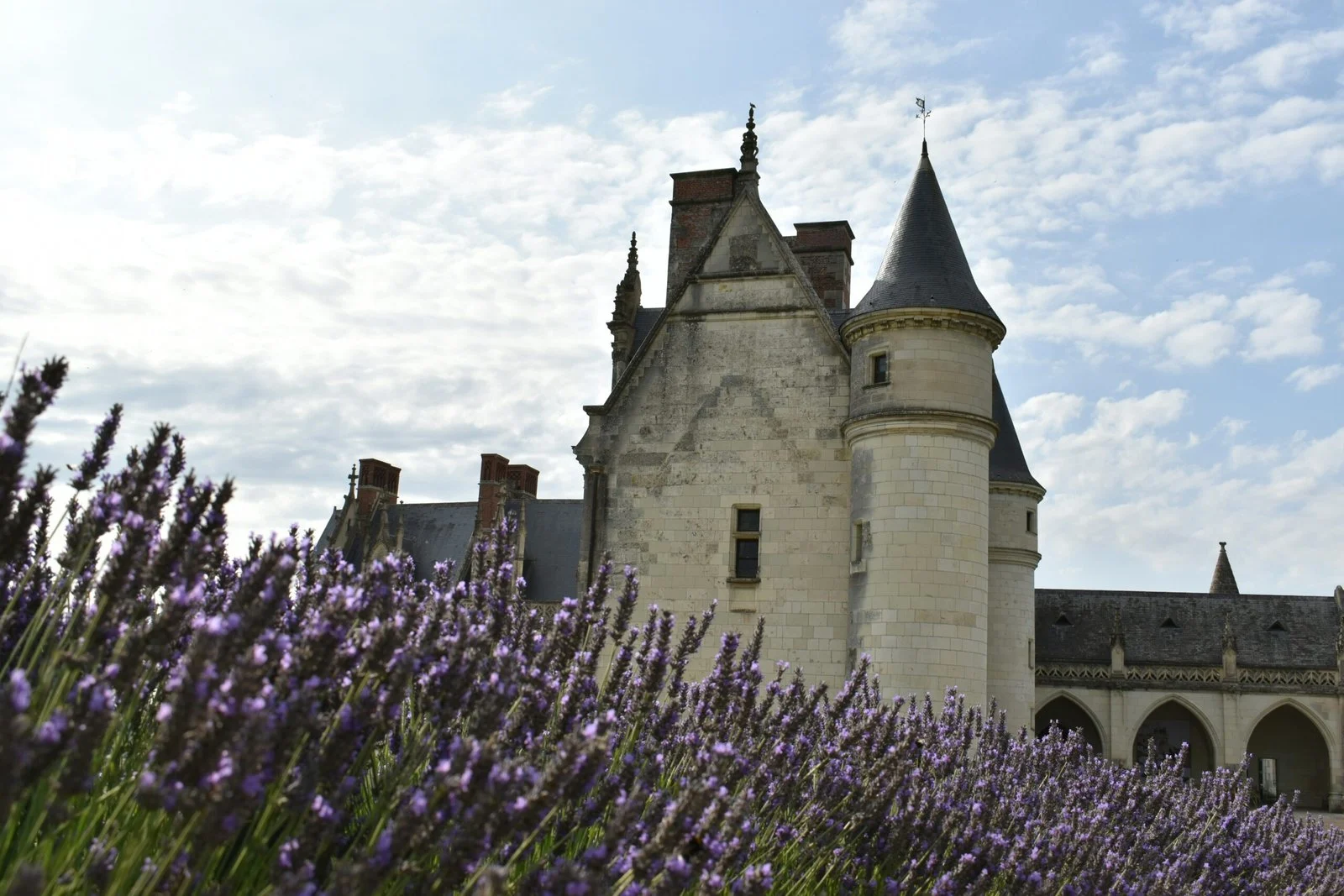
Forget summer crowds and peak prices. The Loire Valley reveals its true soul in quiet seasons, when châteaux feel personal, vineyards glow amber, and you can finally breathe in the romance of France without the chaos.
Smart Travel Calendar
Shoulder Season
Your Smartest Windows
Mid-March to mid-June (post-winter, pre-American summer)
September to late October (post-summer heat, pre-winter closures)
Avoid: French school spring holidays (late March/early April, vary by zone) – châteaux fill with families. Also avoid May 8 and May 20 (public holidays) when Parisians flood the Loire for long weekends.
What the Sky Does
May: 12-20°C (54-68°F); September: 14-22°C (57-72°F); October: 9-16°C (48-61°F)
May brings soft sunshine and blooming gardens — perfect for château parks.
September offers golden light and harvest energy without summer humidity.
October sees morning mist and crisp air, ideal for atmospheric photos of castles reflected in the Loire.
How Empty It Feels
40-60% fewer tourists than peak July-August
Château de Chambord feels spacious: park outside the main lot, no 45-minute line for the double helix staircase.
Chenonceau’s famous gallery across the Cher — you’ll actually find a bench to sit and admire it.
Winery caves in Vouvray or Chinon: often just you and the vigneron.
What You’ll Save
Flights 25-35% cheaper; hotels 30-50% lower than summer rates
Car rental drops significantly — expect €35-45/day instead of €70+ in August.
Same-day tickets available for even the most famous châteaux (no booking weeks ahead).
Bistro lunches in Tours or Amboise: €15-18 menus instead of €25-30 peak-season prices.
The Secret Perk
The Grape Harvest (Vendanges) — September brings open cellar doors, tastings with the growers, and festive village meals.
Gardens at Villandry explode in May with 50,000 spring flowers — a riot of color before summer heat wilts anything.
Mushroom season in the troglodyte caves — October means fresh local cèpes and truffles on every menu.
The light — soft, golden, and elongated — turns the limestone châteaux into honey-colored masterpieces at sunset.
You’ll chat with château staff who aren’t rushed; they’ll share local stories, not just scan your ticket.
The Tiny Trade-Off
Some small châteaux close on Mondays or for lunch (check ahead).
October can bring a week of rain — pack a good trench and enjoy the moody, atmospheric views.
River cruises on the Loire run reduced schedules after mid-September.
Early May can still be chilly for outdoor dining — bring a jacket for evening terrace meals.
Smart Traveler Tip
Aim for the last week of May or first two weeks of September — ideal balance of warm sun, open attractions, harvest or garden peak, and zero school holiday crowds. Avoid the first weekend of September if you want quiet (local heritage days bring French tourists).
Deep Off-Season
Your Smartest Windows
November 1 to December 15 (the quiet after harvest)
January 7 to March 15 (châteaux in hibernation – magical and cheap)
Avoid: Christmas markets (Dec 15-Jan 5) – charming but crowded, and February school holidays (mid-Feb for 2 weeks) when French families tour châteaux indoor attractions
What the Sky Does
November to March: average 3-10°C (37-50°F); January coldest at 2-6°C (36-43°F)
Expect mist, low clouds, and soft, diffused light — incredible for moody château photography.
Snow is rare but happens once or twice — when it dusts the castle spires, you’ll have the place almost to yourself.
Rainfall is moderate (40-60mm/month) — more drizzle than downpour, with bright, cold days in between.
How Empty It Feels
Up to 80% fewer tourists compared to July
Château de Chenonceau on a Tuesday in January: you might count fewer than 20 visitors inside the entire gallery.
Museums in Tours, Blois, and Orléans feel like private collections — guards nod and let you linger.
Small villages like Montrésor or Candes-Saint-Martin are utterly still — just locals, a single open boulangerie, and silence.
What You’ll Save
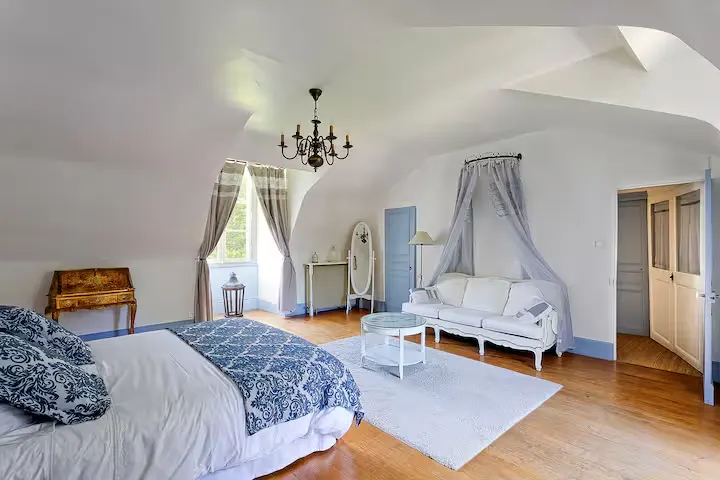
Hotels at 50-70% off summer rates — four-poster beds in historic manors for €80-100/night.
Flights from London, Paris, or Amsterdam can drop to €30-50 round trip on low-cost carriers.
Car hire from €25/day — unlimited château hopping on a budget.
Three-course dinners with wine for €20-25 in Tours or Amboise.
The Secret Perk
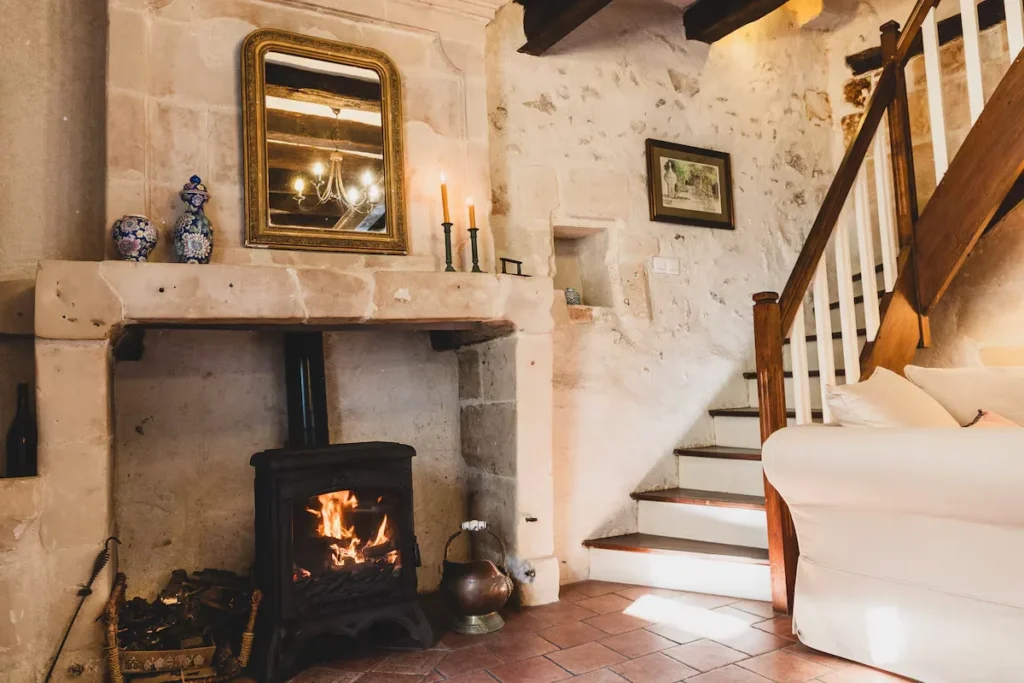
Cozy troglodyte dining — eat in cave restaurants carved into limestone, warmed by fireplaces, serving hearty stews and local goat cheese.
Château de Brézé’s underground castle — even better in winter, exploring the deepest dry moat in Europe without breaking a sweat.
Truffle markets in December — the Périgord black truffle appears in local dishes, and you can buy directly from foragers.
French families actually invite you in — off-season means genuine warmth in bars and B&Bs, not transactional summer service.
The Loire floods are dramatic and beautiful — when the river rises, the reflections of châteaux become surreal (check safety first).
The Tiny Trade-Off
Most château gardens are dormant or closed — Villandry’s famous vegetable plots are bare earth.
No evening sound & light shows — those run June to September only.
Many riverside cafés and small crêperies close entirely from mid-November to February.
Daylight is short: sunrise ~8:30 AM, sunset ~5:00 PM in December — plan one château per afternoon.
Smart Traveler Tip
February is the quietest month — no holidays, lowest prices, and the first mimosa blooms appear in sheltered gardens. Pack thermal layers, waterproof boots, and gloves — but also a scarf for romance. For mildest conditions, choose March: 8-13°C (46-55°F), longer days, and early spring light before April showers.
Find Off-Peak Flights
Top Off‑Season Stays
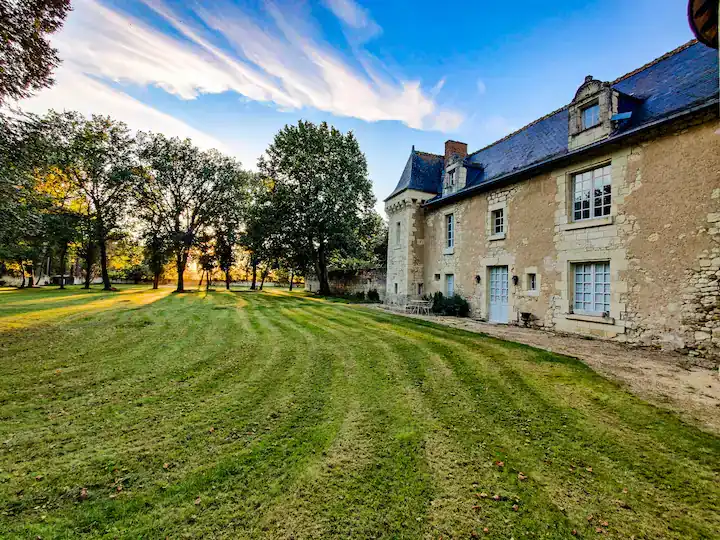
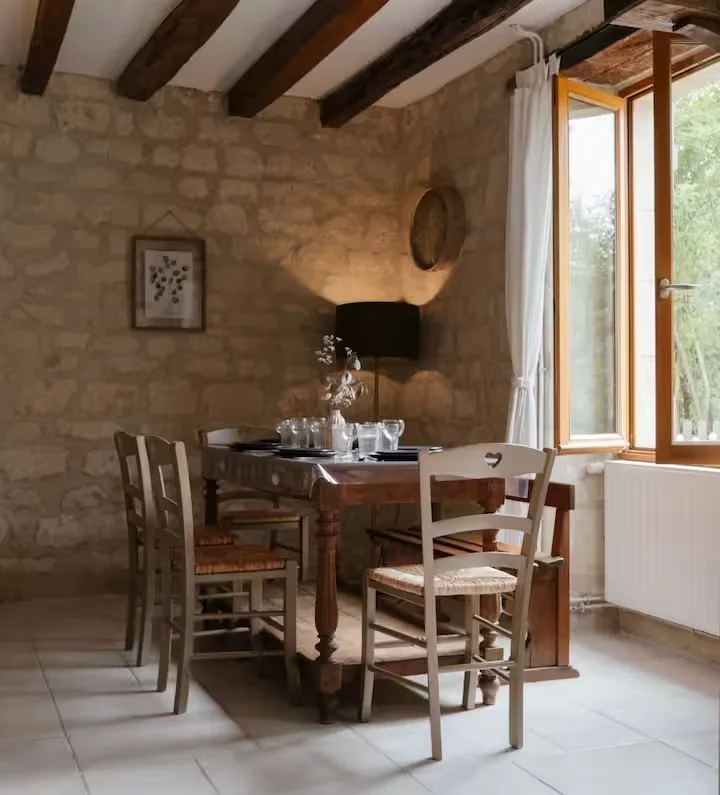
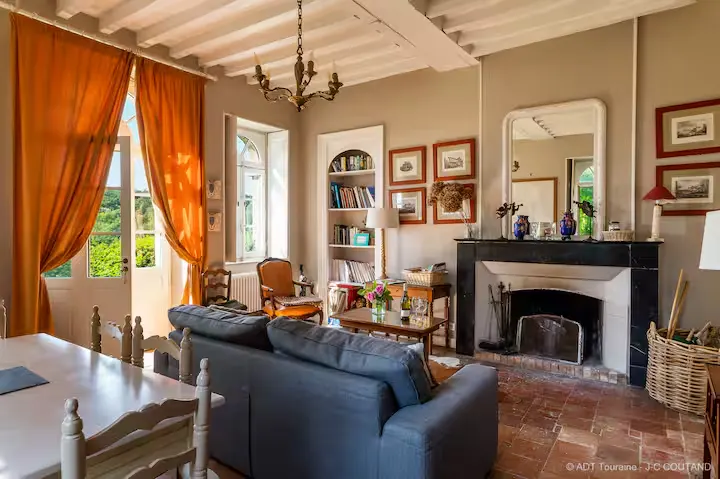
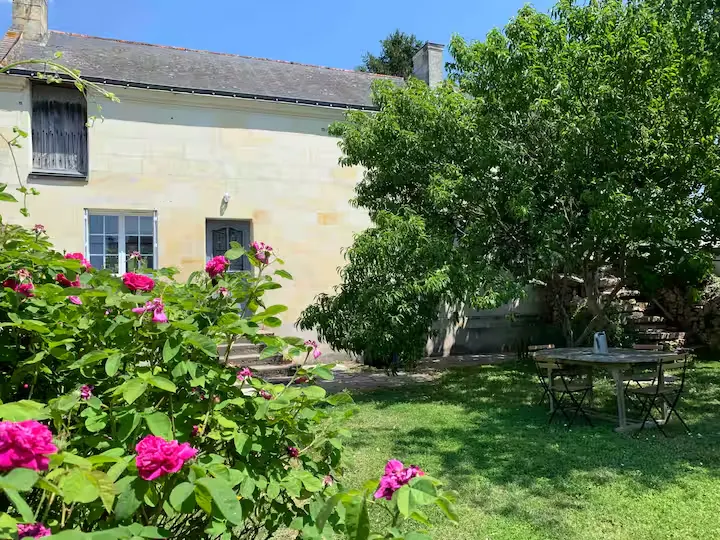
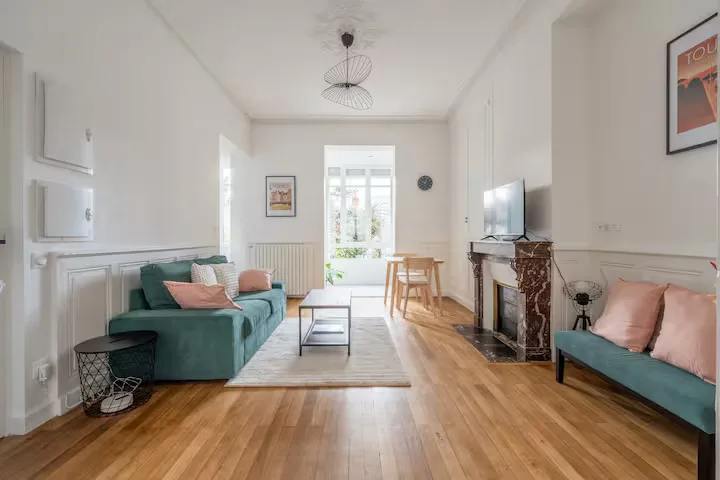
Find below our curated selection of boutique hotels and design apartments that offer exceptional value, atmosphere, and comfort during the off‑season — often at significantly lower rates than peak months.
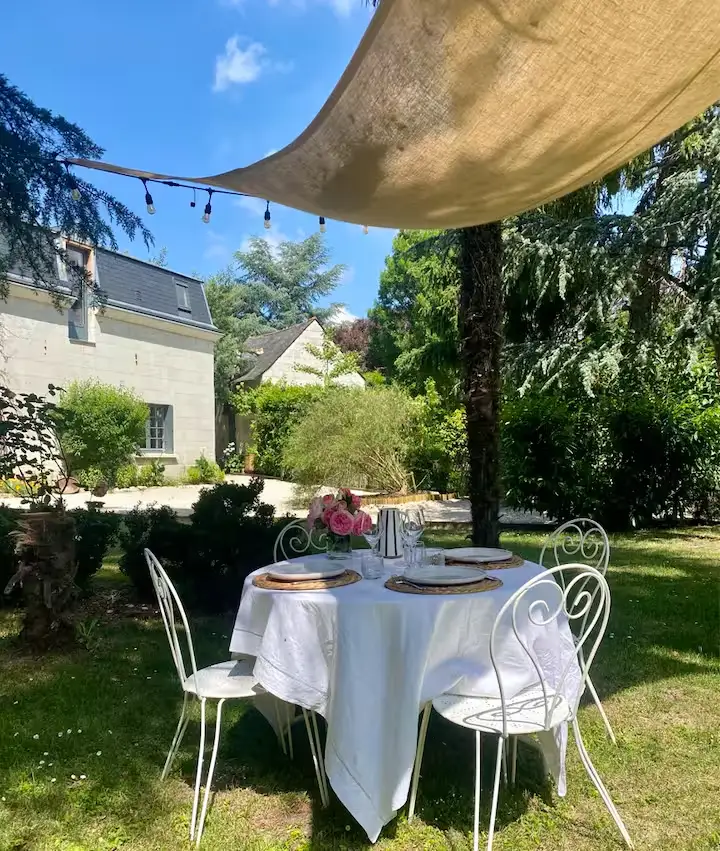
Rental Unit in Saint-Clément-des-Levées
Uncrowded Experiences & Tours
Skip the lines and experience iconic landmarks at your own pace. Discover curated local tours and cultural activities designed to show you the authentic side of the destination without the peak-season rush.
Handy Tips
Weather & Climate
The climate is generally mild and temperate. Summers are warm and pleasant, while winters are cool and damp. Rainfall is distributed throughout the year.
Local Customs And Etiquette
Language: While English is spoken at most tourist sites, making an effort to speak some French will be appreciated.
Dining: Food and wine are central to the culture here. It is common to take your time over a meal. A fixed-price lunch menu is an affordable way to enjoy high-quality food.
Politeness: Politeness is highly valued. Always start a conversation with “Bonjour” and “Pardon” or “Excusez-moi” if you need to get someone’s attention.
Budgeting For Your Trip
Accommodation: Hostels ($30–$60), mid-range hotels ($80–$150), luxury ($180+). Prices are higher in July and August.
Food: Fixed-price lunch menu ($18–$30), dinner at a mid-range restaurant ($35–$60 per person), fine dining ($80+).
Transport: Car rental ($40/day), train ticket (regional).
Activities: Château entrance fees ($10–$20), bike rental ($15–$25/day), wine tasting tours ($30+).
Daily Budget:
Budget: $80–$120 (hostels, market food, bike rental).
Mid-range: $130–$200 (hotels, restaurants, attractions).
Luxury: $220+ (boutique hotels, gourmet meals, private tours).
Getting Around
By Car: A car is the most convenient way to travel between the châteaux and to explore the rural areas.
By Train: An efficient train network connects major cities like Tours, Orléans, and Blois.
By Bicycle: The Loire à Vélo is a dedicated cycling route that follows the Loire River and is an excellent way to explore the region at a slower pace.
Must-Try Food
Rillettes de Tours: A rich, rustic pâté made from pork, a specialty of the city of Tours.
Sainte-Maure de Touraine: A soft goat’s cheese log with a straw running through its center, from the Touraine region.
Tarte Tatin: An upside-down caramelized apple tart, a classic French dessert said to have originated in the region.
Fish from the Loire: Local fish like pike, pike-perch, and eel are often served with a beurre blanc sauce.
Pâté de Pâques: A traditional Easter pâté baked in a pastry crust with boiled eggs.
Crottin de Chavignol: A small, cylindrical goat’s cheese from the Sancerre region, ranging from soft and fresh to firm and aged.
Poires tapées: Pears that have been peeled, dried, and then “tapped” to flatten them, often rehydrated in wine.
Nougat de Tours: A delicious cake made with a sweet biscuit base and a macaron filling with candied fruit.
Must-Try Drinks
Loire Valley Wines: The region is famous for its diverse wines.
White Wine: Try crisp Sauvignon Blanc from Sancerre and Pouilly-Fumé or the versatile Chenin Blanc from Vouvray.
Red Wine: Look for light and fruity Cabernet Franc from Chinon and Bourgueil or the full-bodied Pinot Noir from Sancerre.
Rosé Wine: The dry, salmon-colored Rosé d’Anjou is a popular choice.
Crémant de Loire: A sparkling wine made in the traditional method, a fantastic and more affordable alternative to Champagne.
Cidre: While more famous in Normandy and Brittany, a refreshing local cider can often be found.