 Skip to content
- Is Burgundy Worth Visiting Without The Famous Vineyards In Full Bloom?
Yes, absolutely, because dormant vineyards reveal the true bones of this legendary wine region. You will 'Exploit Travel Seasonality' by driving through bare, sculptural vines with zero traffic, stopping at family-owned cellars where winemakers actually have hours to chat rather than minutes between tour groups.
The drawback is that the lush green summer landscapes turn brown and grey. On the positive side, you will save roughly 45% to 55% on charming country inns, enjoy world-famous wine tastings at cellar door prices, and discover that Burgundy's rolling hills look hauntingly beautiful under soft winter light and morning mist.
- Is The Weather Too Harsh For Exploring Historic Towns And Abbeys?
Yes, winters are genuinely cold, damp, and often foggy, but that is the secret advantage. You will trade summer crowds for cozy, intimate experiences inside Romanesque churches and ducal palaces, warming up afterwards in steamy brasseries serving boeuf bourguignon and snails.
The drawback is that outdoor markets and canal towpath walks become unpleasantly chilly. However, you gain massive percentage discounts on centrally-located hotels (roughly 40% to 50%), empty UNESCO-listed basilicas where you can hear your own footsteps echo, and the authentic pleasure of huddling by a fireplace with a glass of Premier Cru after a cold day of exploring.
- Do The Famous Wine Cellars And Tasting Rooms Close During Low Season?
No, the legendary underground cellars and family estates remain open, but many reduce their daily hours or require appointments. You will taste famous Grand Cru wines alongside local enthusiasts rather than busloads of tourists, receiving personalized attention that summer visitors never experience.
The drawback is that some smaller producers close entirely for two to three weeks during the deepest winter months. The positive trade-off is tasting fees often waived with purchase, hotel rates slashed by approximately 45% to 55%, and the rare privilege of being the only person in a candlelit 12th-century monastic cellar.
- Will I Miss The Famous Gastronomic Festivals And Outdoor Dining?
Yes, the legendary summer food festivals and bustling outdoor markets disappear completely. You will trade truffle fairs and riverside picnics for intimate winter bistro dining, where Michelin-starred restaurants offer off-season lunch menus at roughly 35% to 45% below summer prices.
The drawback is that terrace dining is impossible and some rural restaurants close on weekdays. However, you gain cozy reservations at sought-after tables, innkeepers who secure hard-to-book chef experiences, and the unforgettable memory of eating slow-cooked regional classics while frost paints the windows outside.
- Is Driving Between The Famous Wine Villages Safe And Practical In Winter?
Yes, the main routes through the famous wine villages remain well-maintained and safe, though minor country roads can get icy after freezing nights. You will enjoy empty roads, free parking directly outside every landmark, and rental car discounts of approximately 35% to 45% during low season.
The drawback is that fog can reduce visibility dramatically on rolling hills between villages. To solve this, drive slowly between morning and afternoon, embrace train travel for longer routes using emptier carriages, or simply stay put in one charming village for several days, exploring the surrounding wineries and Romanesque treasures on foot.

Home > Exploit The Seasons > Seasonal World Map > Europe > France > Burgundy
BURGUNDY
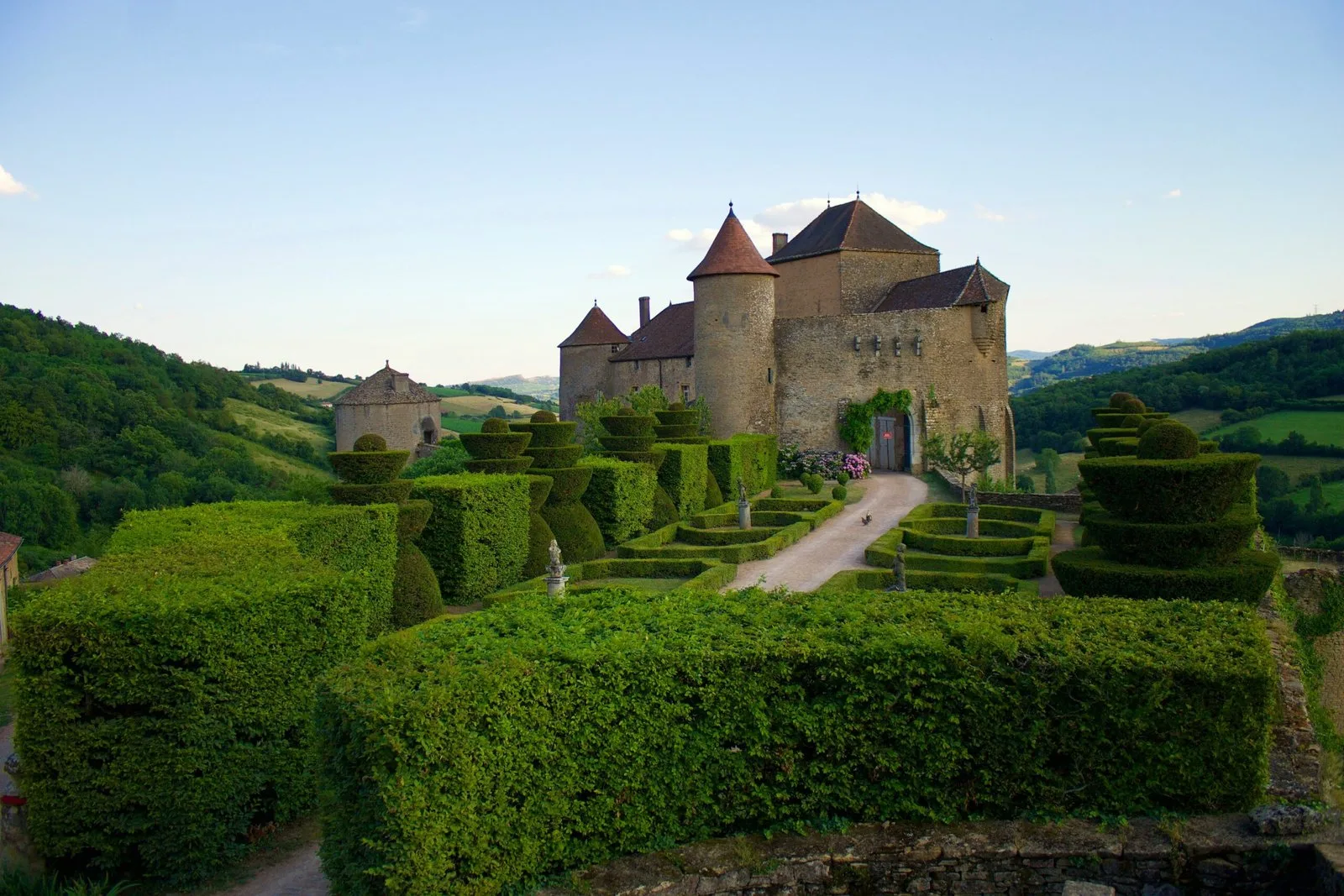
Between Paris’s pulse and Lyon’s energy, Burgundy unveils its soul in the quiet months. Think misty vineyards, empty medieval villages, and cellar doors open just for you, all without summer’s premium price tag.
Smart Travel Calendar
Shoulder Season
Your Smartest Windows
Mid-April to mid-June (post-winter, pre-summer heat)
September to mid-October (post-harvest, pre-winter closures)
Avoid: The Hospices de Beaune Wine Auction (third weekend of November) – Burgundy’s biggest event. Hotels triple, and the town is packed with négociants. Also avoid French school spring holidays (late March/early April, vary by zone) when Beaune’s ramparts fill with families.
What the Sky Does
May/June: 12-24°C (54-75°F) — sunny days, cool nights, occasional light rain
September/October: 8-22°C (46-72°F) — crisp mornings, golden afternoons, mist over the vineyards at dawn
Rain is brief — usually a passing shower that clears to dramatic skies
No summer heatwaves — perfect for hiking the Grands Crus trail
How Empty It Feels
50-60% fewer tourists than July-August
Beaune’s Hospices: walk straight in, no queue around the block
Vézelay hilltop: share the basilica with five people instead of five hundred
You’ll find benches along the Canal de Bourgogne always free for a picnic
What You’ll Save
30-40% on hotels vs peak season, especially in Beaune and Dijon
Car rental drops by 25% — no premium for summer demand
Wine tastings are often complimentary because cellars want to sell, not herd crowds
Lunch menus at Michelin-starred spots cost €10-20 less
The Secret Perk
Harvest season (September) — vines heavy with grapes, press houses humming, village fêtes everywhere
May’s “Nuits des Musées” — museums open free at night with local wine and music
The colours: October turns the Côte into a tapestry of gold, copper, and crimson
Photography gold — morning mist lifts slowly over hilltop châteaux like Clos de Vougeot
Winemakers have time to talk — pour you a private glass and explain terroir without rushing
The Tiny Trade-Off
Late October: some small family wineries close for post-harvest cleaning
River cruise boats stop running on the Saône after mid-November
Early May can be rainy — pack a light waterproof jacket
June 1st weekend is a French public holiday — book ahead for that specific weekend
Smart Traveler Tip
Aim for the last two weeks of September — harvest energy plus perfect 20°C days
Start your mornings early (9-10am) to have UNESCO sites like Fontenay Abbey entirely alone
Avoid the first week of October if you dislike fog — it’s atmospheric but thick
Wednesday is quietest for Dijon’s market — locals shop Saturday
Deep Off-Season
Your Smartest Windows
November 1 to November 15 (the week after the auction – quiet before winter)
January 7 to March 15 (Burgundy hibernates – and it’s glorious)
Avoid: The Hospices de Beaune Auction weekend (mid-November) – prices spike, rooms vanish. Also avoid February school holidays (mid-Feb for 2 weeks) when French families explore Dijon’s museums and the Morvan.
What the Sky Does
Nov-March: -2°C to 8°C (28-46°F) — cold, crisp, often foggy mornings
Snow is rare but possible — when it falls, villages look like a Christmas market painting
Dijon is slightly milder than the Hautes-Côtes hills
Lowest rainfall of the year in February and March
How Empty It Feels
Up to 80% fewer tourists than August
Hospices de Beaune: you and the ghosts of history — absolute silence
Museums feel private — the Musée des Beaux-Arts in Dijon is yours alone
Small villages like Noyers-sur-Serein feel truly medieval, not curated
What You’ll Save
50-60% off peak season rates for hotels and gîtes
Flights to Lyon or Paris drop to lowest annual prices (€30-50 from many European hubs)
Four-star hotels in Beaune for under €100/night
Car rental from €20/day — book automatic early, inventory is smaller
The Secret Perk
Fireplace season — book a room with a cheminée, drink warm spiced wine, and watch frost on vines
Truffle markets (December–February) — locals haggle over black diamonds in village squares
Saint-Vincent Tournante (late January) — Burgundy’s wild, moving wine festival in a different village each year
The quiet of the Route des Grands Crus — drive past Romanée-Conti without a single tour van
Real conversations — café owners have time to tell you where their great-uncle hid in WWII
The Tiny Trade-Off
Some châteaux close completely from mid-November to late March (always check websites)
Nightlife ends early — Dijon’s bars are quiet by 11pm, villages by 9pm
Rural restaurants close Monday-Tuesday (or all week in February)
Daylight is short — sunset before 5:30pm means early dinners
Smart Traveler Tip
February is the quietest month — but also the coldest. Pack wool, gloves, and a scarf
Come mid-March for the first signs of spring: pruned vines waking up, longer light
Book a cooking class — without tourists, chefs run intimate sessions on boeuf bourguignon
Stay in Dijon for mildest conditions — the city sits in a rain shadow
Avoid the first two weeks of December if you dislike Christmas markets (charming but busier)
Find Off-Peak Flights
Top Off‑Season Stays
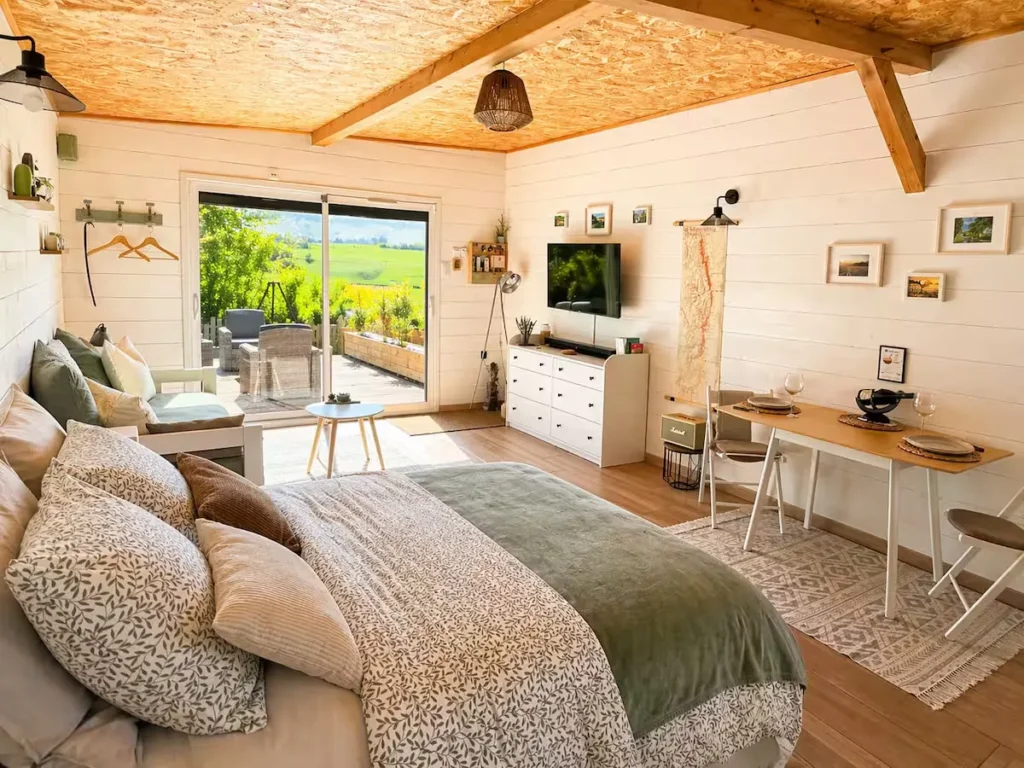
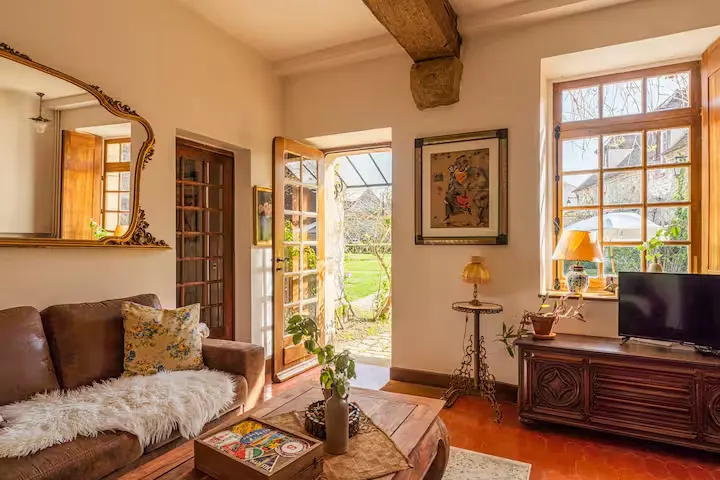
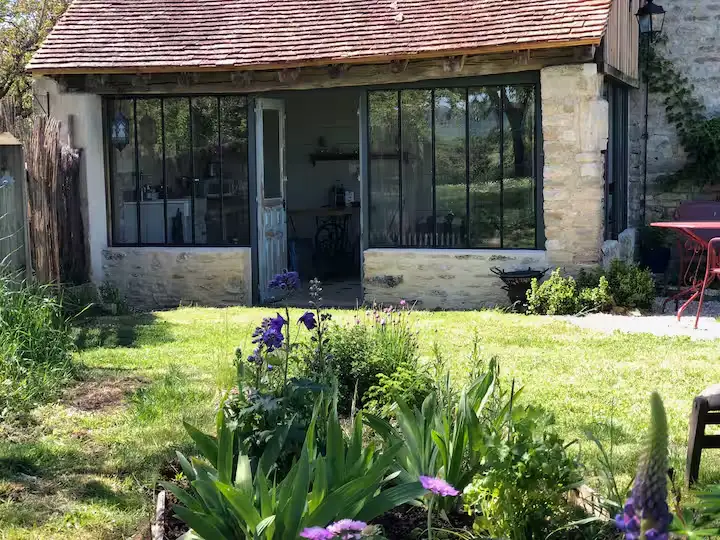
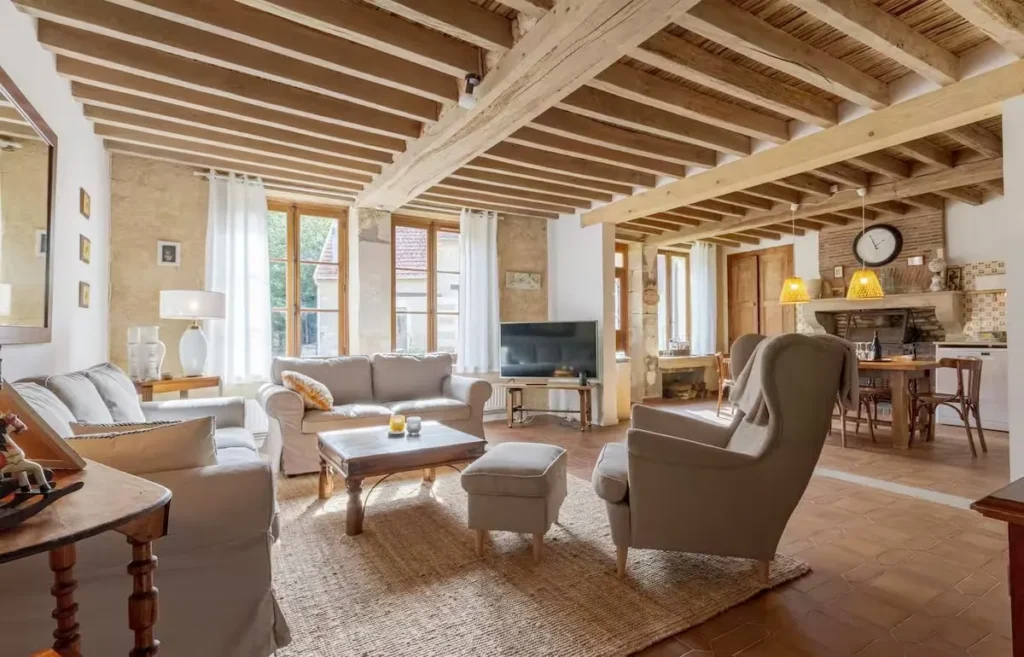
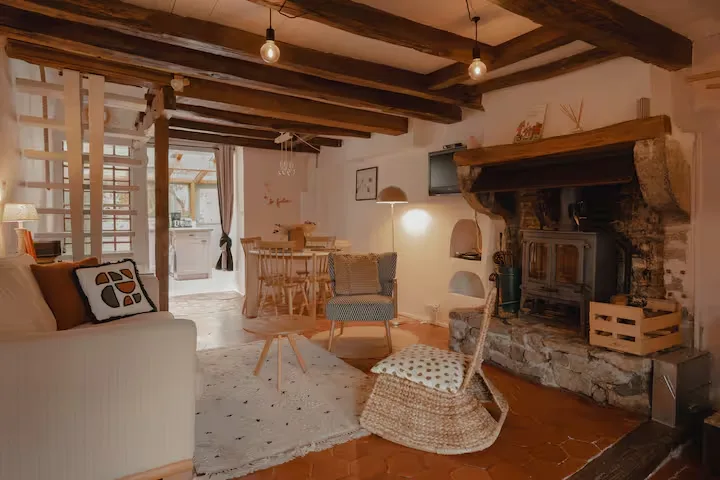
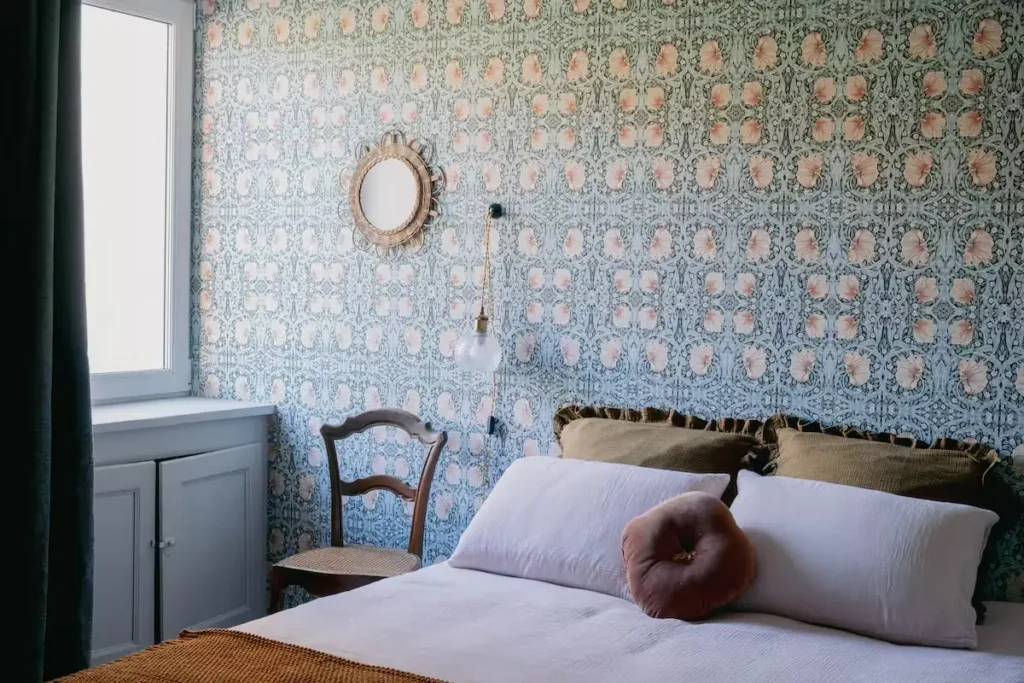
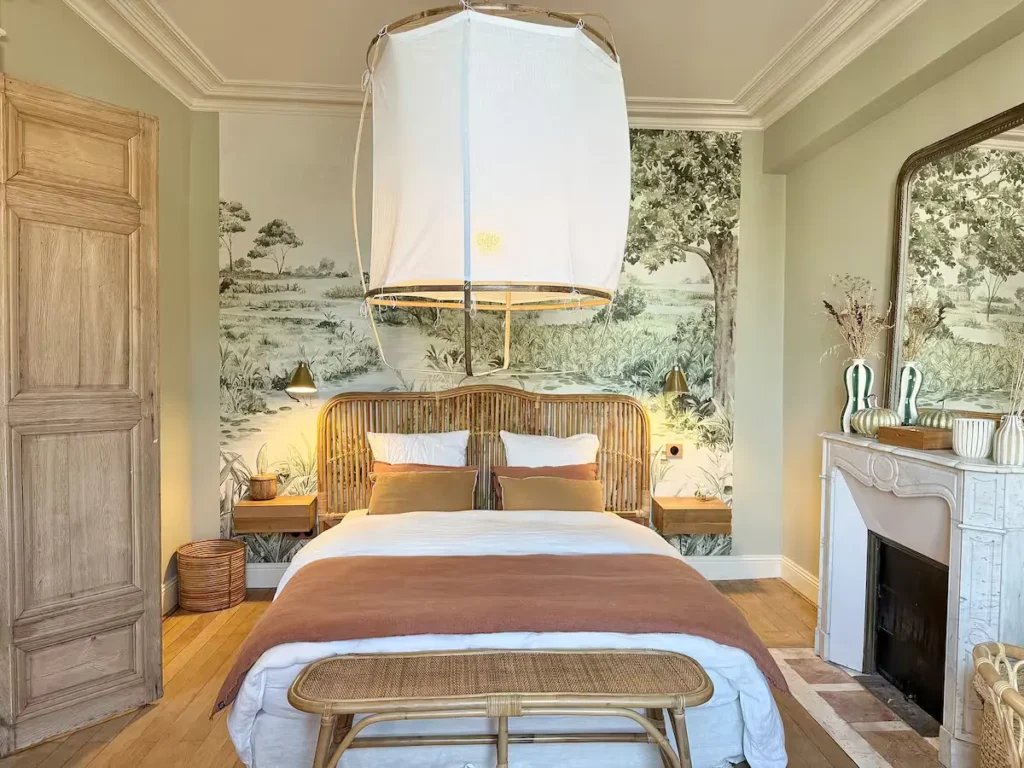
Find below our curated selection of boutique hotels and design apartments that offer exceptional value, atmosphere, and comfort during the off‑season — often at significantly lower rates than peak months.
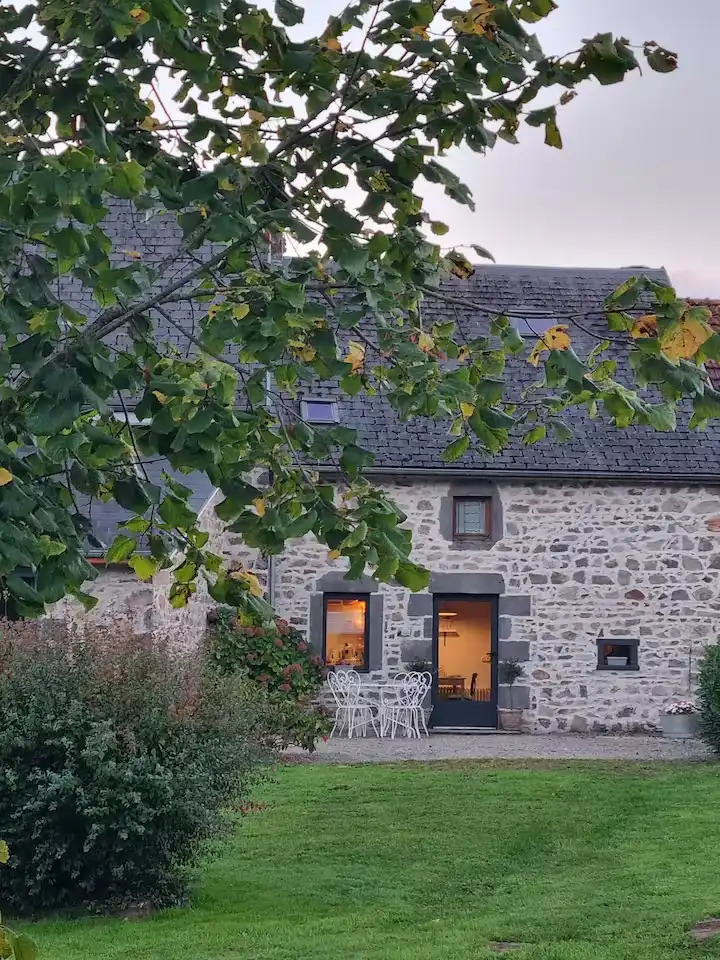
Guesthouse in Charbonnières-les-Vieilles
Uncrowded Experiences & Tours
Skip the lines and experience iconic landmarks at your own pace. Discover curated local tours and cultural activities designed to show you the authentic side of the destination without the peak-season rush.
Handy Tips
Weather & Climate
Burgundy has a continental climate. Summers are warm and can be hot, with average temperatures in the 20s °C (70s °F). Winters are cold, with average temperatures around freezing, and some snowfall is possible.
Local Customs And Etiquette
Language: While English is spoken in tourist areas, learning a few basic French phrases will be appreciated. “Bonjour” (hello) and “Merci” (thank you) go a long way.
Dining: Lunch is often the main meal of the day, with many restaurants offering a more affordable fixed-price menu. Dinner is typically later, starting around 7:30 p.m.
Tipping: Tipping is not mandatory, as service is included in the bill, but it is customary to leave a small tip (a few Euros) for good service.
Budgeting For Your Trip
Accommodation: Hostels ($30–$50), mid-range hotels ($80–$150), luxury ($180+). Prices are higher in Dijon and Beaune during peak season.
Food: Fixed-price lunch menu ($20–$35), dinner at a mid-range restaurant ($40–$60 per person), fine dining ($100+).
Transport: Car rental ($40/day), train ticket (regional).
Activities: Wine tasting tours ($30+), museum entry ($10–$20).
Daily Budget:
- Budget: $80–$120 (hostels, market food, public transport).
- Mid-range: $150–$250 (hotels, restaurants, attractions).
- Luxury: $300+ (boutique hotels, gourmet meals, private tours).
Getting Around
By Car: A car is the most convenient way to explore the rural areas and the smaller villages of the Route des Grands Crus (Route of the Great Wines).
By Train: The train network is efficient, connecting major cities like Paris to Dijon and Beaune.
By Bus: Local buses connect the main towns and villages, but service can be less frequent in rural areas.
Must-Try Food
Boeuf Bourguignon: A classic and hearty stew of beef braised in red Burgundy wine, with mushrooms, onions, and bacon.
Escargots de Bourgogne: Snails prepared in their shells with a delicious garlic and parsley butter.
Coq au Vin: Chicken stewed in red wine, traditionally with mushrooms and bacon.
Jambon Persillé: A terrine of ham and parsley, often served as a cold appetizer.
Pochouse: A traditional fish stew made with freshwater fish from the local rivers, cooked in white Burgundy wine.
Pain d’épices de Dijon: A type of gingerbread with a rich, spiced flavor, often enjoyed with a cup of coffee.
Gougères: Light and airy cheese puffs, a perfect pairing with a glass of local wine.
Époisses: A strong, pungent washed-rind cheese, best served at room temperature with bread.
Moutarde de Dijon: The world-famous mustard, known for its sharp and powerful taste.
Kir: A refreshing aperitif made from white Burgundy wine (usually Aligoté) and blackcurrant liqueur (crème de cassis).
Must-Try Drinks
Burgundy Wines: Pinot Noir for reds and Chardonnay for whites are the stars of the region, from local village wines to Grand Crus.
Crémant de Bourgogne: A high-quality sparkling wine made using the traditional method, often a more affordable alternative to Champagne.
Kir: The local aperitif made with white wine and crème de cassis (blackcurrant liqueur).
Liqueur de Cassis: A sweet blackcurrant liqueur that is the star of the Kir cocktail and can be enjoyed on its own.
Aligoté: A high-acid, zesty white wine that is the traditional base for a Kir.