 Skip to content
- Is Alsace Still Beautiful Without The Famous Christmas Markets?
Yes, but the legendary Christmas markets run only from late November through December, so timing is everything. You should 'Exploit Travel Seasonality' by visiting either for the magical market season itself or during January to March when the storybook villages are peacefully empty and hotel prices drop dramatically.
The drawback is that the famous festive lights and mulled wine stalls vanish after New Year. On the positive side, you will save roughly 50% to 65% on half-timbered guesthouses, enjoy the colorful flower-bedecked villages without summer crowds, and discover the rare privilege of photographing fairytale streets completely empty of other tourists.
- Is The Weather Too Cold For Exploring The Vineyards And Villages?
Yes, winter is genuinely freezing with snow and fog common from December through February. However, you will trade summer heat for cozy wine cellars, warm bakeries selling fresh kugelhopf, and the dramatic beauty of half-timbered houses dusted with snow against grey winter skies.
The drawback is that outdoor vineyard hikes and canal boat tours stop completely. But you gain massive percentage discounts on rental cars (roughly 35% to 45%), warm welcomes from winemakers hosting tastings by crackling fires, and the authentic experience of eating steaming choucroute and drinking local Riesling while snow falls outside ancient tavern windows.
- Do The Famous Castle Ruins And Mountaintop Fortresses Close In Winter?
No, the spectacular medieval castles perched on forested peaks remain accessible, though some remove their entrance staff during deepest winter. You will hike up to these dramatic ruins with approximately 90% fewer visitors, earning sweeping views of misty vineyards and silver rivers that summer tourists never see.
The drawback is that on-site cafes and some guided tours shut down completely. The positive trade-off is free entry to many castles during low season, hotel prices slashed by roughly 40% to 50%, and the unforgettable experience of standing alone atop a 12th-century fortress watching clouds roll through empty valleys below.
- Will The Charming Villages Feel Empty And Boring Without Tourists?
No, they will feel authentic and alive with locals instead of overwhelmed by bus tours. You will wander through cobblestone lanes lined with flower boxes and half-timbered houses, popping into family-owned bakeries, butcher shops, and pottery studios where residents actually do their daily shopping.
The drawback is that souvenir shops and tourist information centers reduce their hours significantly. However, you gain genuine conversations with villagers who have time to chat, accommodation discounts of approximately 45% to 55%, and the rare experience of having famous village squares and covered bridges entirely to yourself at golden hour.
- Is The Alsace Wine Route Worth Driving During The Cold Off-Season?
Yes, absolutely, and this is actually the secret advantage for wine lovers. You will drive through dormant vineyards and storybook villages with zero traffic, stopping at family-run wineries where vintners welcome you into warm tasting rooms and have unlimited time to discuss their craft without summer rush.
The drawback is that the vines are bare and some smaller wineries close for winter holidays. The upside is that you save roughly 35% to 45% on rental cars, taste the famous Alsace Grand Crus without appointment crowds, find hotel rates reduced by approximately 50% to 60%, and discover why locals say the wine route reveals its true soul when the tourist buses have gone home.

Home > Exploit The Seasons > Seasonal World Map > Europe > France > Alsace
ALSACE
Alsace transforms from a storybook summer dream into a frost-kissed winter wonderland. This guide reveals the quietest moments to wander half-timbered villages, from misty vine-covered hillsides to the glow of festive markets without the crowds.
Smart Travel Calendar
Shoulder Season
Your Smartest Windows
Mid-April to mid-June (post-winter, pre-summer heat)
September to mid-October (post-harvest, pre-winter closures)
Avoid: The Hospices de Beaune Wine Auction (third weekend of November) – Burgundy’s biggest event. Hotels triple, and the town is packed with négociants. Also avoid French school spring holidays (late March/early April, vary by zone) when Beaune’s ramparts fill with families.
What the Sky Does
Mild to warm days from 15°C to 24°C (59°F to 75°F), crisp nights perfect for wine.
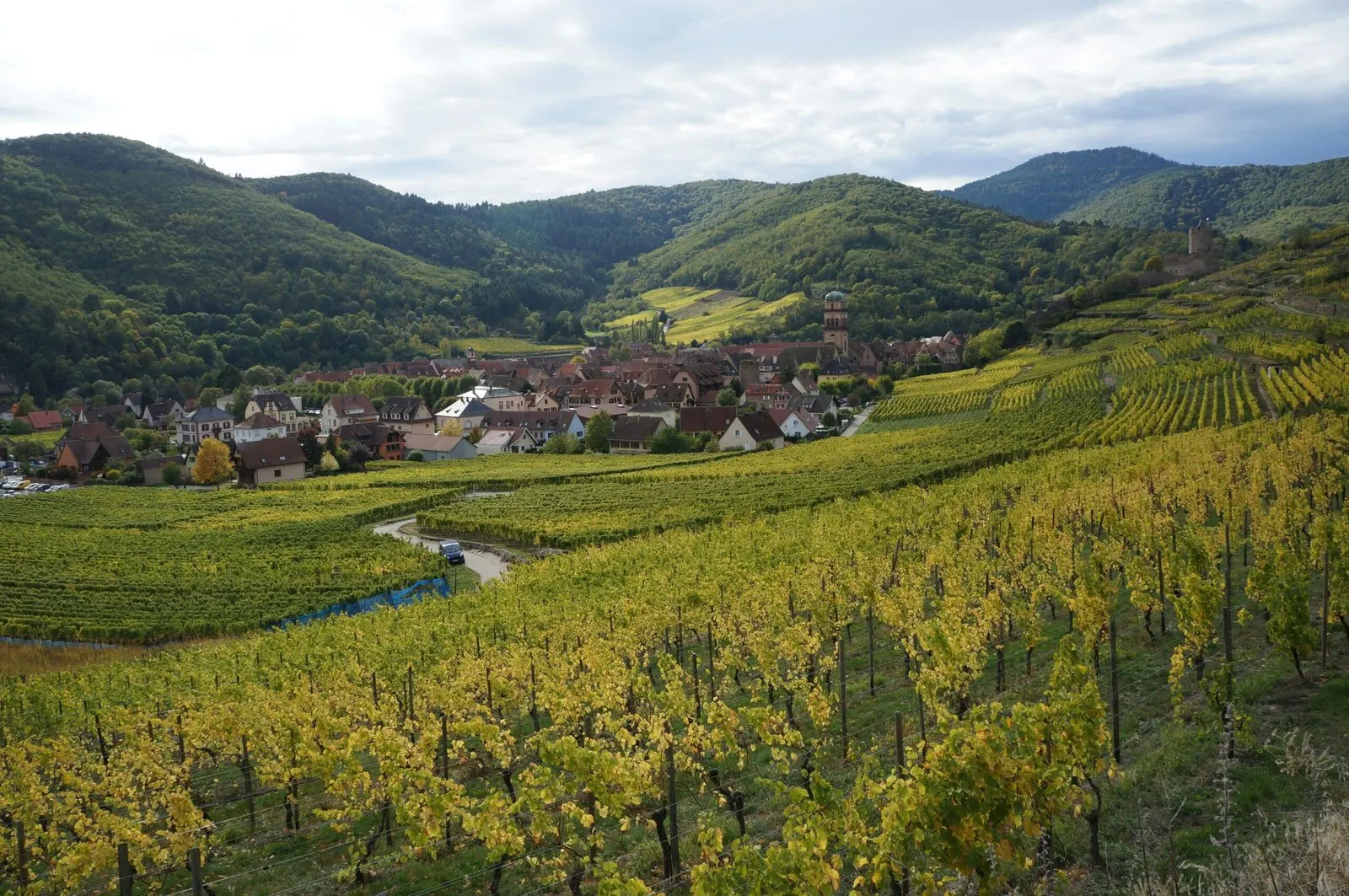
September brings golden indian summer light over the Vosges foothills.
May delivers sudden showers that clear into brilliant rainbows over Riquewihr.
Misty mornings burn off by noon, leaving postcard-blue skies.
How Empty It Feels
40-50% fewer tourists than July and August’s peak madness.
Colmar’s Little Venice has open benches and instant boat tickets.
Haut-Koenigsbourg castle feels like a private fortress, not a cattle pen.
You’ll find parking in Ribeauvillé without circling for 20 minutes.
What You’ll Save
30% off flights and 40% off boutique hotels compared to summer peaks.
Car rentals drop nearly half; pick up your Peugeot at Strasbourg airport easily.
No queue-skipping tickets needed for Unterlinden Museum’s Isenheim Altarpiece.
Three-course menu du marché costs €19 instead of €29 in tourist months.
The Secret Perk
You’ll stumble into village fêtes du vin (wine festivals) no guidebook lists.
Vineyards explode in emerald green (May) or fiery amber (October).
Foraging for wild mirabelle plums along the Ill river banks.
Soft, diffuse light paints timbered houses without harsh summer shadows.
Winemakers actually have time to chat about their pinot gris.
The Tiny Trade-Off
Some smaller castle ruins close on random weekdays for maintenance.
One week of heavy rain can flood wine trail paths (pack waterproof shoes).
Boat tours on the Lauch river run only weekends in early May.
Easter holidays spike prices briefly – check calendar before booking.
Smart Traveler Tip
Target last week of September for perfect weather + vendanges (grape harvest) energy.
Start your mornings at 9 AM to beat the brief post-lunch shower risk.
Book mid-October for cheapest flights and dry, crisp hiking conditions.
Avoid Pentecost weekend (May/June) when French families flood Alsace.
Deep Off-Season
Your Smartest Windows
November 1 to November 30 (the quiet before the Christmas market storm)
January 7 to March 15 (Alsace in hibernation – pure magic, pure bargains)
Avoid: The Christmas market season (Dec 1-Jan 6) – Strasbourg’s market alone draws 2 million visitors. Prices triple. Also avoid February school holidays (mid-Feb for 2 weeks) when French and German families ski and sightsee.
What the Sky Does
Cold and crisp: -2°C to 7°C (28°F to 45°F), occasionally snowy.
January brings cœur de l’hiver (heart of winter) – expect frost on half-timbered houses.
The Vosges mountains get reliable snow; the plains see grey, dry cold.
Very low rainfall – just cold, still air and low-hanging fog.
How Empty It Feels
Up to 75% fewer tourists than August – you’ll recognize the same faces all day.
Strasbourg Cathedral platform has zero queue – you and the storks own the view.
Musée d’Unterlinden feels like a private meditation chamber, not a museum.
Villages like Eguisheim return to real life: baker, butcher, nobody taking selfies.
What You’ll Save
Up to 60% off peak season – flights for €30 from Paris or €50 from London.
Midweek hotel rooms in Colmar drop to €55 for a 4-star chambre.
Car rental as low as €15/day – drive the entire Route des Vins alone.
Three-course choucroute lunch with wine for €12 in a nearly empty winstub.
The Secret Perk
You get real Alsatian winter ritual: tarte flambée by a ceramic stove after a snowy walk.
Ski or snowshoe on the cheap at Le Tanet or Lac Blanc (€15 lift passes).
Learn to make bredele (Christmas cookies) with a retired village baker.
January truffle markets in hidden valleys – no tourists, just farmers.
Locals invite you for vin chaud because you’re the only traveler they’ve seen in days.
The Tiny Trade-Off
Boat rides and open-air wine tours completely shut down until March.
Nightlife outside Strasbourg is dead – bars close at 9 PM in smaller towns.
Half the family-run restaurants close for congés annuels (annual leave) in February.
Daylight is short – sunrise at 8:15 AM, sunset by 4:45 PM.
Smart Traveler Tip
Visit first week of December for magical Christmas markets + 50% lower prices than late December.
January is the quietest month – perfect for photography, less perfect for outdoor dining.
Late February brings Carnaval d’Alsace – book ahead but still pay low-season rates.
Pack wool layers, waterproof boots, and gloves – heating is good, but streets are cold.
Stick to the plain (Sélestat, Obernai) for mildest winter conditions; mountains get snow
Find Off-Peak Flights
Top Off‑Season Stays
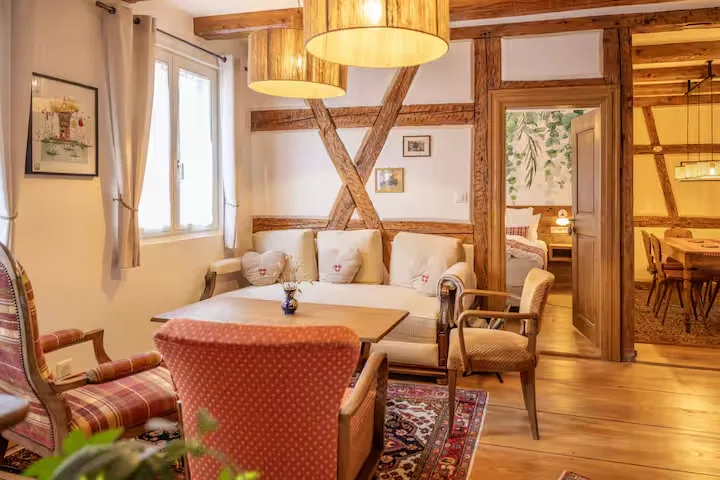
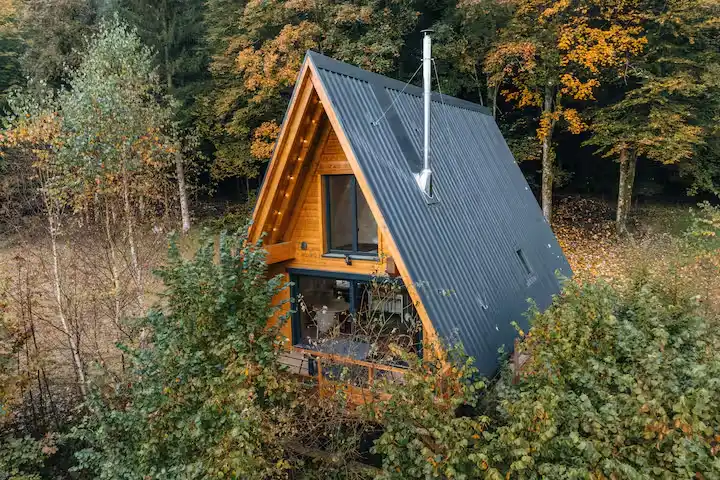
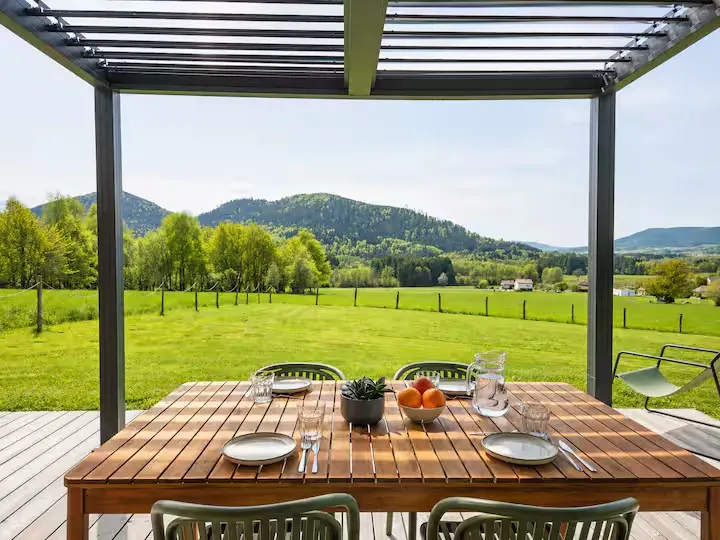
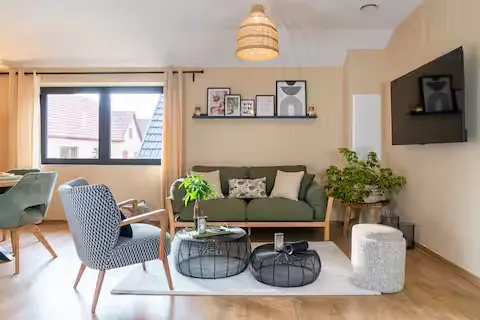
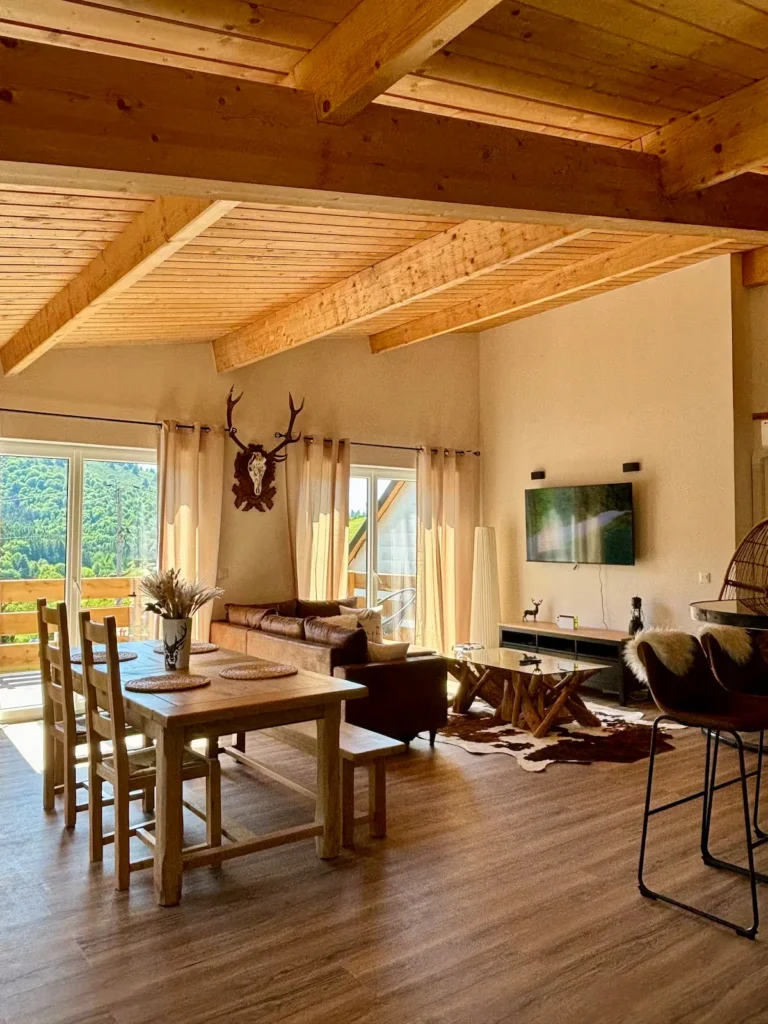
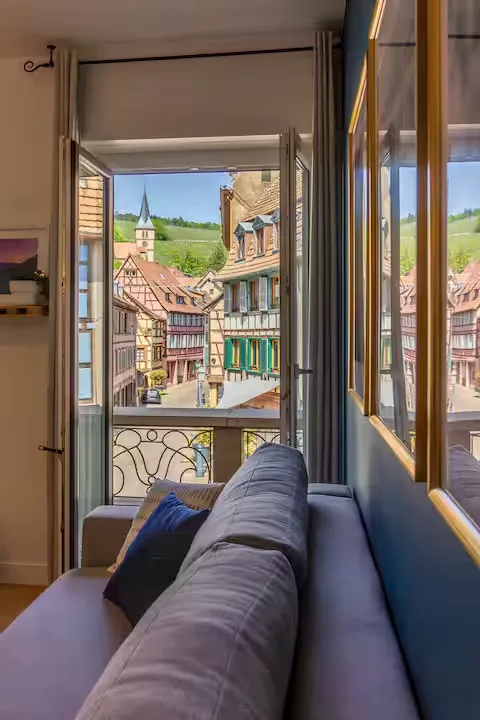
Find below our curated selection of boutique hotels and design apartments that offer exceptional value, atmosphere, and comfort during the off‑season — often at significantly lower rates than peak months.
Uncrowded Experiences & Tours
Skip the lines and experience iconic landmarks at your own pace. Discover curated local tours and cultural activities designed to show you the authentic side of the destination without the peak-season rush.
Handy Tips
Weather & Climate
The climate is semi-continental, with warm, sunny summers and cold winters. The Vosges mountains protect the region, making it one of the driest in France.
Local Customs And Etiquette
Language: While French is the official language, many older people and those in rural areas speak Alsatian, a German dialect.
Dining: Food and wine are central to the culture here. It is common to enjoy multi-course meals and to pair local wines with your dishes.
Regional Identity: Alsatians are proud of their unique blend of French and German cultures. It is best to be respectful of local traditions and to avoid making sweeping generalizations about either.
Budgeting For Your Trip
Accommodation: Hostels ($25–$50), mid-range hotels ($80–$140), luxury ($170+). Prices are significantly higher in December during the Christmas markets.
Food: Fixed-price lunch menu ($15–$25), dinner at a mid-range restaurant ($30–$50 per person), fine dining ($70+).
Transport: Car rental ($40/day), train ticket (regional).
Activities: Wine tasting tours ($30+), museum entry ($15+).
Daily Budget:
Budget: $70–$100 (hostels, small plate food, public transport).
Mid-range: $110–$180 (hotels, restaurants, attractions).
Luxury: $200+ (boutique hotels, gourmet meals, private tours).
Getting Around
By Car: A car is the most convenient way to travel the Alsace Wine Route and to explore the smaller villages.
By Train: An efficient train network connects major cities like Strasbourg, Colmar, and Mulhouse.
By Bus: The bus network is well-developed for travel between towns and cities, especially along the Wine Route.
Must-Try Food
Choucroute Garnie: A hearty dish of fermented cabbage with sausages, pork, and potatoes.
Baeckeoffe: A meat and potato stew marinated in white wine and slow-cooked in a sealed earthenware pot.
Flammekueche: A thin, crispy tart topped with crème fraîche, onions, and bacon, similar to a pizza.
Coq au Riesling: Chicken cooked in a creamy sauce with Alsatian Riesling wine, mushrooms, and herbs.
Spatzle: A type of soft egg noodle or dumpling, often served as a side dish.
Tarte à l’oignon: A savory onion tart, similar in style to a quiche.
Munster cheese: A soft, pungent cow’s milk cheese from the Vosges mountains.
Pain d’épices: A traditional gingerbread made with honey and spices.
Tarte aux quetsches: A plum tart, a classic dessert in the region.
Kugelhopf: A distinctive ring-shaped sweet bread or cake, often served for breakfast or dessert.
Must-Try Drinks
Riesling: The most famous of Alsace’s wines, known for its crisp, dry, and aromatic profile.
Gewürztraminer: A full-bodied, aromatic white wine with notes of lychee and rose.
Crémant d’Alsace: A sparkling wine produced in the region, popular as an aperitif.
Pinot Gris: A rich, full-bodied white wine with smoky and spicy notes.
Pinot Noir: The only red grape variety widely grown in the region, producing light, fruity red wines.
Eau de vie: A clear fruit brandy, often made from pears or plums, served as a digestive.
Bière artisanale: Craft beer is very popular in Alsace due to its German influence.
Vin Chaud: Mulled wine, a staple at the Christmas markets.
Jus de pomme: Fresh apple juice, a popular non-alcoholic option.