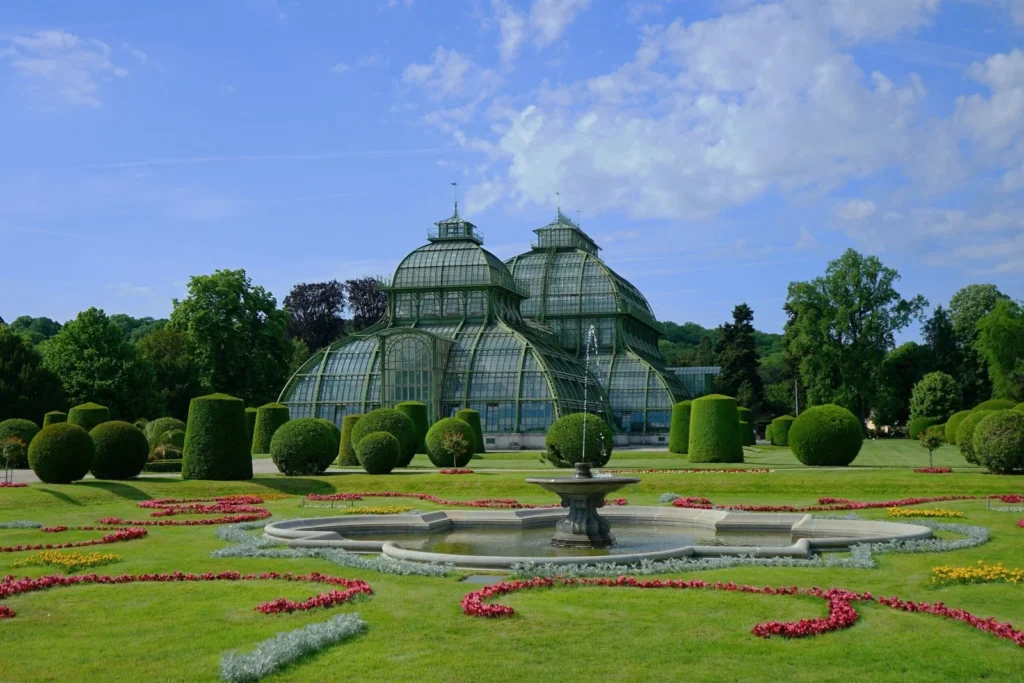

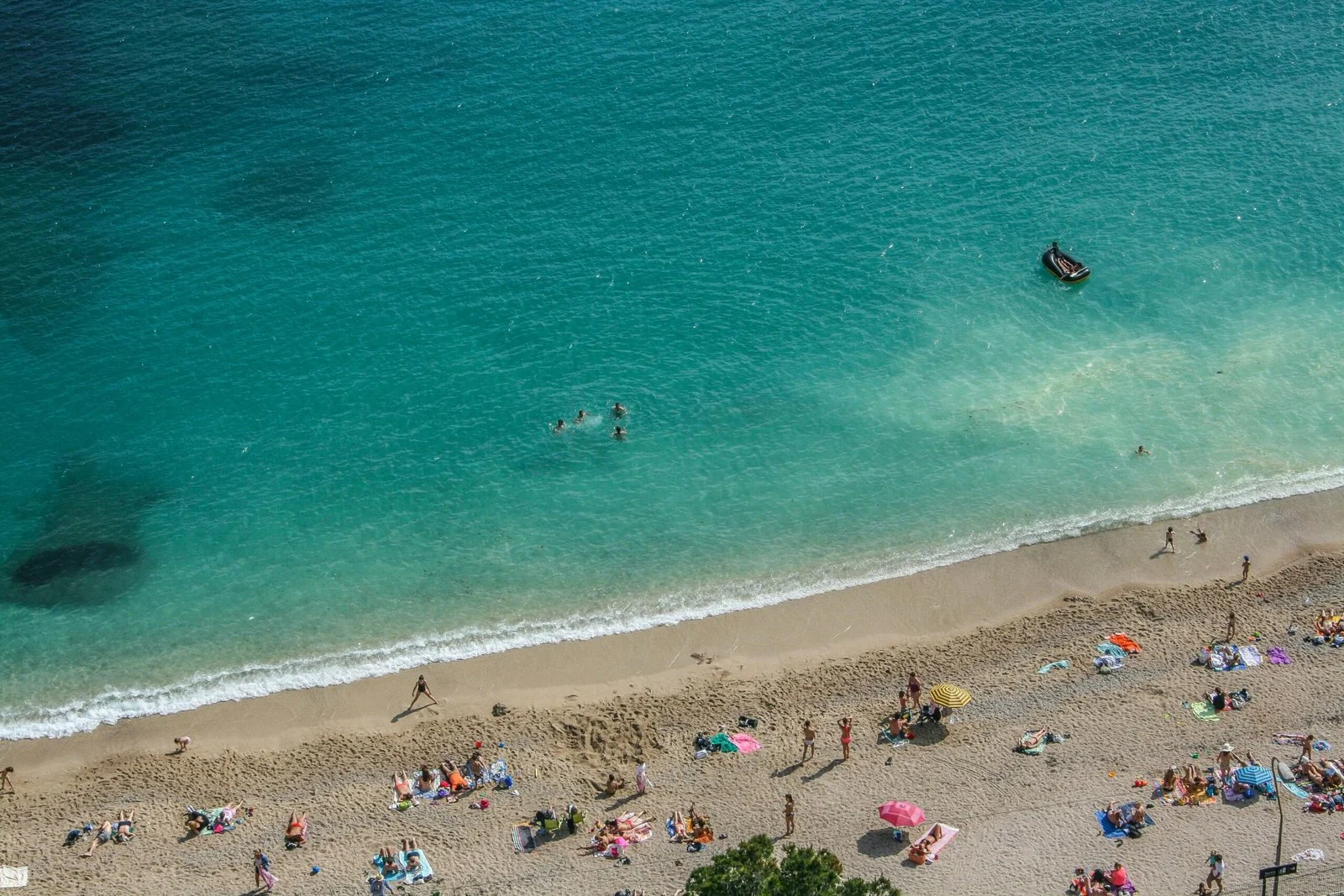

For many, the idea of a European summer is cemented in imagery of sun-drenched plazas and vibrant café culture. But if you’re a “Smart Traveler”—someone who values authenticity, value, and actual relaxation—the reality of July and August often falls short of the dream.
At Volomundi, we believe in the philosophy: “Stop being a tourist. Start being a traveler.” While summer is popular, it is increasingly becoming the most challenging time to experience the continent’s true spirit. Here is why you should consider “exploiting seasonality” and looking elsewhere for your next adventure.
1. The Heat is No Longer Just “Warm”
Southern Europe is experiencing more frequent and intense heatwaves. With temperatures regularly soaring past 100°F (38°C) in cities like Rome, Athens, and Seville, sightseeing becomes physically taxing—and sometimes dangerous. As noted by The Guardian, record-breaking temperatures are even impacting urban infrastructure. Furthermore, air conditioning is not guaranteed in older European buildings, as detailed in this AsiaOne guide on European AC, leaving many travelers struggling to find refuge during peak summer months.
2. The Illusion of “Authenticity”
When you visit Florence or Dubrovnik in August, you aren’t just visiting a city; you’re entering an “open-air theme park.” Locals often escape the crowds, leading to shuttered neighborhood shops and reduced hours for family-run restaurants. If you want to see how locals really live, you need to visit during the shoulder season, when the rhythm of daily life returns to normal. As Original Travel highlights, this off-peak timing allows for genuine cultural connections that are impossible during the mid-summer crush.
3. The Strain of Overtourism
Overtourism isn’t just about crowded museums; it’s about infrastructure at its breaking point. From airports to public transit, the surge in visitors leads to delays and expensive tourist taxes. As reported by The Guardian, many destinations are now facing significant social tension as locals push back against the mass tourism model.
4. The Financial “Tourist Premium”
The law of supply and demand hits its peak in summer. You’ll pay significantly more for flights, hotels, and even basic meals. By choosing to travel in the off-season, you can often stretch your budget 30–50% further, allowing for upgrades or deeper culinary experiences that would be unaffordable in July. The Points Guy frequently shares data on how booking outside these peak windows can secure drastically better fares.
Start Planning Smarter
Don’t let the calendar dictate your travel quality. Whether you are looking for adventure, wellness, or a simple urban getaway, the best experiences happen when the crowds have gone home.
- Need inspiration? Use our AI Travel Assistant to find the perfect low-season destination.
- Unsure when to go? Check our Global Off-Season Calendar.
- Ready to book? Explore our Regional Guides to find the perfect shoulder-season window for your dream destination.
Travel isn’t about being where everyone else is—it’s about being where you can truly connect. Exploit travel seasonality and discover the world on your own terms.