

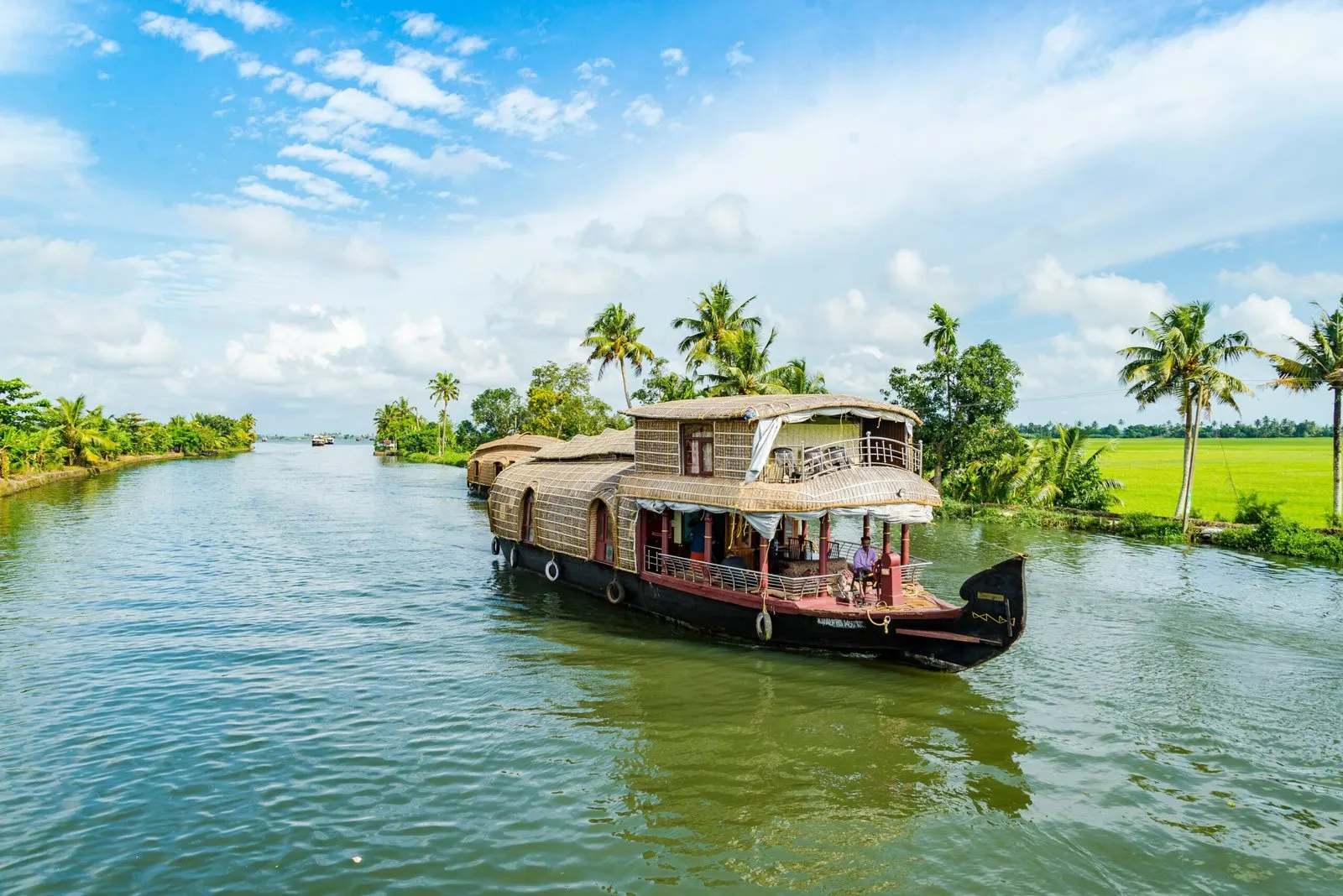

Stop being a tourist. Start being a traveler.
The conventional wisdom says you should only visit a destination when it is “at its peak”—when the sun is hottest, the lines are longest, and every single shop is open to milk the tourist trade. But as we advocate here at Volomundi, the real magic happens in the margins. When the masses go home, the true character of a destination finally emerges.
However, we understand the hesitation. Navigating the off-season requires a shift in strategy. It’s not just about booking a cheaper flight; it’s about mastering the art of the “off-peak pivot.”

Why “Closed” Doesn’t Mean “Cancelled”
It is true that in the deep off-season, some museums may have reduced hours, and coastal resorts might temporarily shutter. But consider the trade-off: in exchange for missing that one specific tourist trap, you gain the city to yourself.
Instead of fighting for a reservation, you find yourself sharing a drink with a local owner who finally has the time to talk. You aren’t just seeing the sights; you are experiencing the rhythm of local life, which is far more rewarding than any standard sightseeing tour.
The Smart Traveler’s Survival Kit for Off-Season
To ensure your off-season trip is a success, keep these four strategies in your back pocket:
1. Research the “Local Pulse”
Before you book, look beyond the main tourist sites. Check if your destination has local festivals that actually thrive in the quiet months. Use our Off-Season Calendar to identify the best value windows globally, and then cross-reference local cultural calendars for authentic, non-touristy events.

2. Master the Art of Flexibility
One of the biggest benefits of off-season travel is the lack of competition for resources. You don’t need to book every lunch three months in advance. Keep your itinerary fluid. If a museum is closed on a Tuesday, use that day to explore the countryside or take a local cooking class—experiences that are often more accessible and intimate when the crowds are gone.
3. Lean on AI for Precision Planning
Don’t guess what’s open. Use our AI Travel Assistant to input your specific dates and interests. It can help you identify destinations where the weather is favorable and the local infrastructure remains vibrant, even when the rest of the world thinks it’s “closed.”

4. Pack for Possibility
Off-season weather can be a “character” rather than a guarantee. Embrace the versatile packing approach. Layering is your best friend—think stylish, functional gear that prepares you for everything from unexpected sun to crisp, cool evenings.
Why It’s Worth the Effort
Traveling off-season is fundamentally more sustainable and responsible. By spreading your travel across the year, you provide steady economic support to local communities that rely on year-round income, not just peak-season surges.
You’ll save significantly on accommodations and flights, allowing you to upgrade your experience or simply stay longer.
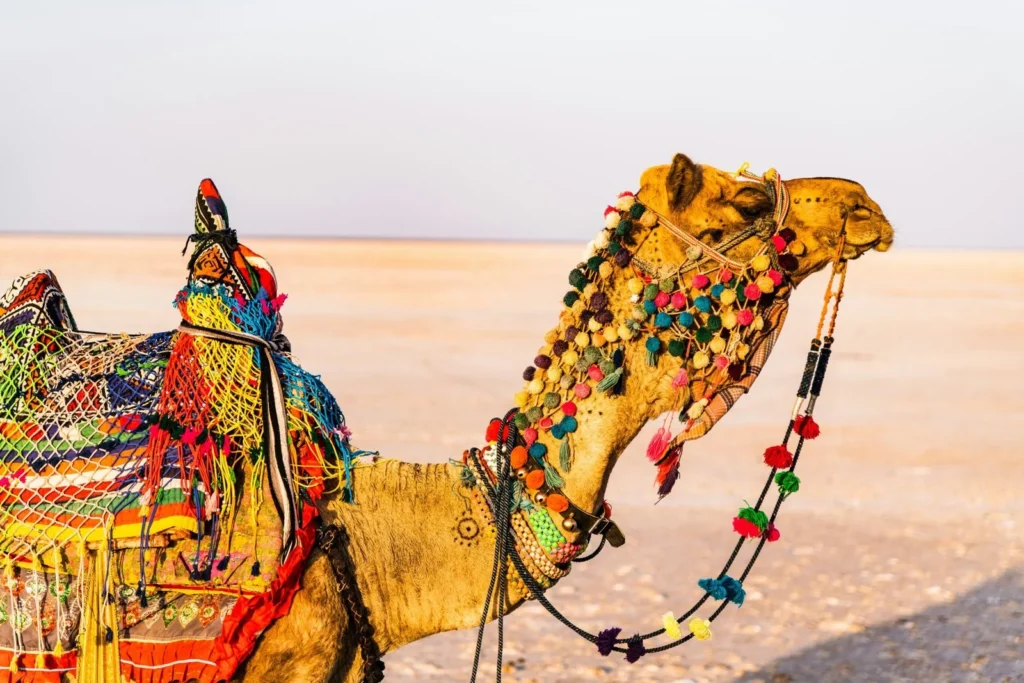
Ready to start your next adventure?
Don’t let the fear of a closed door stop you from unlocking the world.
- Browse our curated region guides to find the perfect “quiet” destination.
- Explore our Theme pages to find off-season inspiration for your favorite hobbies, from culinary adventures to nature exploration.
The world is quieter, more authentic, and more affordable than you think. Exploit Travel Seasonality with Volomundi, and see the world as it was meant to be seen—without the crowds.
Still planning your next move? Head over to our Contact Us page if you have questions, or visit our Home page to see why thousands of travelers are switching to Smart Travel.