 Skip to content
- Is The Heat In Saudi Arabia Bearable During The Off-Season?
Yes, but only if you choose the right off-season window or focus on coastal areas. The summer months (June to August) bring extreme heat across much of the country, especially in Riyadh and the Empty Quarter where temperatures routinely exceed 45°C (113°F). However, the shoulder months of March-April and October-November offer much milder conditions perfect for exploration.
The positive is that Saudi Arabia has invested heavily in indoor attractions and nightlife culture. You can absolutely Exploit Travel Seasonality by visiting the stunning new museums in Diriyah, exploring the indoor entertainment districts of Riyadh Boulevard, or discovering the cooler Asir Mountains region near Abha, which stays pleasant year-round. Pack for heat, but plan for air-conditioned adventures.
- How Much Can I Save On Hotels And Tours In Saudi Arabia During The Off-Season?
You will see impressive discounts of 45% to 65% off peak winter and Ramadan travel rates. Since most international visitors come between November and February to enjoy the pleasant 25-30°C weather, summer rates at luxury hotels in Riyadh, Jeddah, and the Red Sea projects drop significantly without sacrificing quality or service.
The trade-off is that some outdoor desert camps and safari operators reduce their schedules. However, indoor attractions, shopping malls, and fine dining restaurants remain fully open with discounts of 30% to 50% on packages and experiences. Use our AI Travel Assistant to find the best value windows for your Saudi adventure.
- Will The New Tourist Attractions Like AlUla Be Too Hot To Enjoy?
Yes, midday visits to AlUla's outdoor archaeological sites are challenging in summer. The stunning rock formations and ancient tombs of Hegra become uncomfortably hot between noon and 4pm during June through August. However, morning tours starting at sunrise and evening "moonlight" visits offer comfortable temperatures and even more dramatic lighting for photography.
The drawdown is that you cannot hike the canyons during peak afternoon heat. But you can Exploit Travel Seasonality by shifting your schedule: do outdoor exploration from 5am to 10am, then enjoy the excellent indoor visitor center, local art galleries, and resort pools. Winter off-season visitors never get this unique sunrise experience with 80% fewer people sharing the sites.
- Is It Safe To Drive Across Saudi Arabia During The Off-Season?
Yes, the highways are excellent and far less crowded than during peak season. Saudi Arabia's modern road network connects major cities efficiently, and you will find rental cars at discounts of 25% to 40% compared to winter demand. The famous highway from Riyadh to Jeddah or the coastal road to the Red Sea projects becomes a relaxed cruise rather than a convoy of tourists.
The specific caution is avoiding long desert drives during extreme heat waves. Always carry extra water, ensure your vehicle's air conditioning works perfectly, and plan drives for early morning or evening hours. For most travelers sticking to the main routes between Riyadh, Jeddah, Dammam, and AlUla, transportation runs smoothly year-round with much less traffic stress.
- Why Should I Choose Saudi Arabia For A Smart Travel Off-Season Trip?
Because Saudi Arabia is the most exciting new destination for smart travelers who value indoor luxury over outdoor heat. The country has opened to tourism only recently, meaning even peak season crowds are modest compared to Europe or Egypt. Visiting during the off-season gives you first-access privileges to brand-new resorts, museums, and entertainment districts before the world discovers them.
The honest drawback is that you must plan your days around the heat rather than ignoring it. But you can Exploit Travel Seasonality by embracing the local rhythm: late mornings indoors, afternoon siestas, and vibrant evenings that stretch past midnight. For the truly adventurous, the Asir highlands offer completely different weather

Home > Exploit The Seasons > Seasonal World Map > The Middle East > Saudi Arabia
SAUDI ARABIA
Saudi Arabia unwraps its ancient secrets beyond pilgrimage seasons, from empty Red Sea diving spots to quiet Nabatean tombs. This guide reveals when to explore AlUla, Jeddah, and the Empty Quarter with fewer visitors and deeper local connections.
Smart Travel Calendar
Why Choose Saudi Arabia Off-Season?
Hegra tombs feel undiscovered. Walk Madain Saleh with only desert wind as your companion.
Hotel rates drop by 60%. The Red Sea resorts become affordable for bucket-list stays.
No queues at Edge of the World. Riyadh’s dramatic escarpment feels like your private viewpoint.
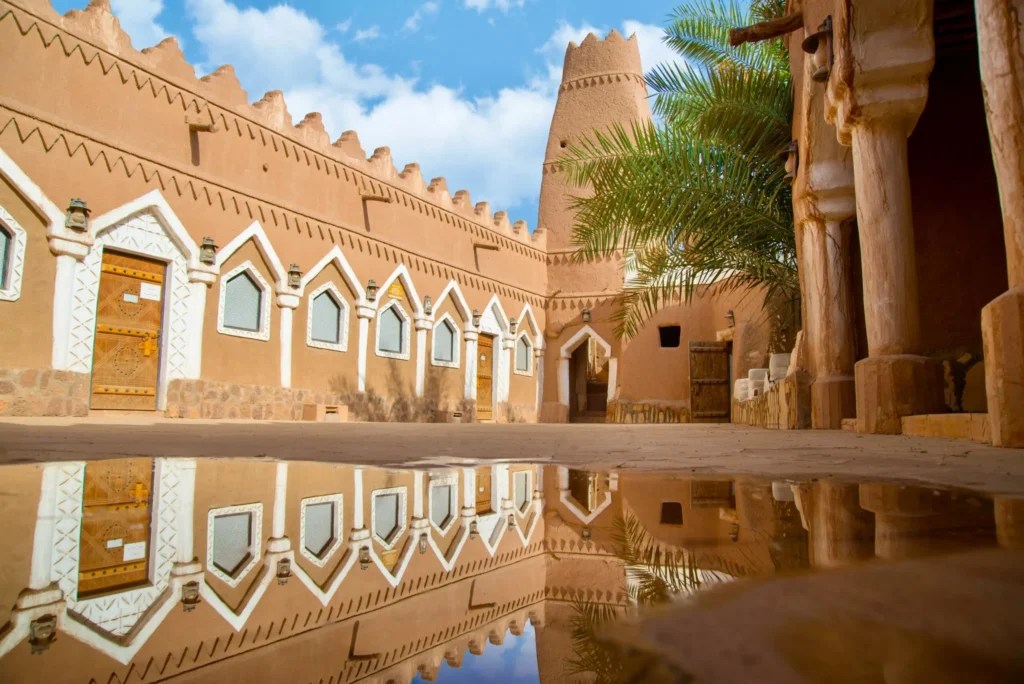
AlUla’s mirrored Maraya hall echoes empty. Take photos without other tourists in the frame.
Souq Al-Alawi in Jeddah is relaxed. Shopkeepers have time to explain family histories over mint tea.
Diving the Red Sea feels exclusive. Reefs near Yanbu have fewer boats and clearer underwater views.
Shoulder Season
Your Smartest Windows
October – mid-November
Late February – March
Avoid: Ramadan and Eid al-Fitr (dates shift, 30 days of restricted daytime dining plus 5-7 peak travel days) and Hajj season (Dhul Hijjah month – domestic travel spikes, limited availability in Jeddah/Mecca/Medina). Also avoid Saudi National Day (September 23) – local travel surges for 4-5 days.
What the Sky Does
Riyadh (central): 23°C to 30°C (73°F-86°F) | Jeddah (coast): 27°C to 33°C (81°F-91°F)
Low humidity returns in October – Jeddah’s Corniche walks become pleasant without sticky air.
March brings occasional dust storms across central regions – visibility drops for 1-2 days.
AlUla’s desert nights cool down (12°C-16°C / 54°F-61°F) – perfect for stargazing without freezing.
Red Sea water stays warm (26°C-29°C / 79°F-84°F) – ideal for diving and snorkeling.
How Empty It Feels
50-60% fewer international tourists compared to December–February peak and Hajj/Umrah seasons.
AlUla’s Hegra tombs have 5-10 visitors instead of 50-60 – you’ll hear your footsteps on the sand.
Jeddah’s Al-Balad historic district feels explorable without dodging tour groups.
Riyadh Boulevard is walkable on weeknights – no shoulder-to-shoulder shuffling.
What You’ll Save
Flights: 35-45% lower | Hotels: 45-55% lower than December peak and Hajj season rates.
Car rental drops by 35-40% – 4×4 vehicles for desert trips become much more affordable.
AlUla attraction packages (Hegra, Elephant Rock, Maraya) offer 2-for-1 combo deals.
Dining at Red Sea resorts runs “shoulder special” menus – set lunches at 40% off.
The Secret Perk
AlUla’s ancient inscriptions are easier to spot because sunlight angles create better contrast.
Desert wildflowers appear in March – northern regions see rare blooms after winter rain.
Local Bedouin guides have hours to share stories of Nabatean caravans without rushing.
Stargazing camps near Al Ghat offer upgrade nights for free – they want to fill tents.
Diving visibility peaks in October – summer plankton blooms settle, Red Sea clarity hits 20-30 meters.
The Tiny Trade-Off
Some desert camps close pools mid-October for winter preparation before peak season.
Occasional dusty days in March can obscure Edge of the World sunset views.
Umrah visitor numbers fluctuate – even shoulder months see mini-peaks around Fridays.
AlUla’s winter light shows (Winter at Tantora) haven’t started yet in October – check dates.
Smart Traveler Tip
Target the last two weeks of October or first two weeks of March for the absolute sweet spot – weather is ideal, and school holidays in the Gulf are finished.
Book AlUla experiences for Sunday–Wednesday to get private guides at shared-group prices.
Check Ramadan and Eid dates before locking any trip – daytime dining restrictions affect full-service hotels for 30 days.
Deep Off-Season
Your Smartest Windows
June – August
Early September
Avoid: Eid al-Adha (dates shift, 5-7 peak travel days) and late September around National Day (Sept 23) . Even in extreme heat, domestic travel spikes. Hotels in Taif and Abha (cooler mountain regions) fill completely.
What the Sky Does
Riyadh: 40°C to 47°C (104°F-117°F) | Jeddah: 36°C to 42°C (97°F-108°F) | Nights: 27°C-32°C (81°F-90°F)
Humidity on Red Sea coast hits 70-80% overnight – walking outside feels thick and warm.
Asir Mountains (Abha) are dramatically cooler: 22°C-28°C (72°F-82°F) with monsoon mist.
Empty Quarter desert : dry heat up to 50°C (122°F) – but sunrise desert drives are still possible.
Occasional afternoon cloudburst in Taif – short, dramatic storms that green the mountains.
How Empty It Feels
Up to 80-85% fewer international tourists compared to winter peak (November–March) and Hajj/Umrah seasons.
AlUla’s Old Town market feels like a private set – you might be the only visitor on a Tuesday morning.
National Museum in Riyadh is almost empty on weekday afternoons – guards offer unsolicited tours.
Mountain villages near Abha feel genuinely local – no souvenir stalls, just life happening.
What You’ll Save
Flights: 50-65% lower than December | Hotels: 60-70% lower (except Asir mountain resorts).
Car rental for a week can cost less than one peak-season day at premium agencies.
Desert camp overnight stays offer “summer survival” packages – AC tents at 60% off.
Indoor attraction passes (Riyadh Season venues) run summer unlimited deals at half price.
The Secret Perk
Asir’s green mountains (Abha, Al Soudah) are cool, misty, and almost empty – completely different from desert Arabia.
Coffee shops in Jeddah’s Al-Balad have owners who sit with you for hours because business is slow.
You’ll have wadi pools to yourself near Taif – summer rainfall creates temporary waterfalls just for you.
Real Bedouin hospitality emerges deep off-season – desert camps feel like family visits, not commercial tours.
Summer night markets in Riyadh (air-conditioned) offer authentic street food without daytime heat.
The Tiny Trade-Off
Outdoor activities in central Saudi are impossible between 10 AM and 4 PM.
Red Sea beach time is limited to before 8:30 AM or after 5 PM – sand becomes burning hot.
Some AlUla heritage sites close earlier (2 PM instead of 6 PM) during extreme heat weeks.
Daylight hours are long (sunset near 7 PM) but midday sun is dangerous without strict AC planning.
Smart Traveler Tip
Base yourself in Abha or Taif for summer escapes – mountain temperatures stay 10-15°C cooler than Riyadh or Jeddah.
July is the quietest month internationally – Gulf schools are on break, but families travel to Europe, not Saudi.
Pack only light linen, a refillable insulated bottle, a portable fan, and a sun umbrella – every building has powerful AC.
Do any outdoor activity at sunrise (4:30-6:30 AM) – Edge of the World, desert dune bashing, and wadi walks are actually pleasant then.
Check Eid al-Adha dates – avoid Saudi entirely for 10 days around this holiday (domestic travel chaos).
For the most bearable summer conditions, focus on the Asir highlands – they’re genuinely comfortable in July and August.
Find Off-Peak Flights
Uncrowded Experiences & Tours
Skip the lines and experience iconic landmarks at your own pace. Discover curated local tours and cultural activities designed to show you the authentic side of the destination without the peak-season rush.
FAQs
Essential Trip Information
Visa and Entry Requirements
Saudi Arabia offers e-Visas for citizens of over 50 countries, including the US, UK, EU, and parts of Asia.
Apply via the Official Portal; the e-Visa costs approx. US$117, valid for multiple entries over one year.
Passport must be valid for at least 6 months upon arrival.
Visitors may be asked to show return tickets, hotel bookings, and proof of sufficient funds.
Travel for tourism, including cultural and historical events, is permitted, but religious tourism is restricted to Muslims for visits to Mecca and Medina.
Currency
The currency is the Saudi Riyal (SAR). 1 USD ≈ 3.75 SAR.
Best Ways to Handle Currency
Before Your Trip: Exchange a small amount; avoid airport counters.
During Your Trip: ATMs (Al Rajhi, SNB) offer good rates. Visa/Mastercard widely accepted.
What to Avoid: Informal money changers and accepting dynamic conversion in USD.
Language
Arabic is the official language.
English is widely spoken in cities, especially in hotels and tourism sectors.
Helpful Phrases:
“Shukran” – Thank you
“Ayna al-hammam?” – Where is the bathroom?
“Min fadlak” – Please
Safety & Security
Saudi Arabia is generally safe for tourists; laws are strict and enforced.
Solo female travelers are allowed but must dress modestly.
Avoid public political discussions.
Emergency number: 999 (police), 997 (ambulance)
Health & Insurance
No mandatory vaccines, but Hepatitis A, B, and Typhoid are recommended.
Tap water is safe in major cities, bottled water preferred in rural areas.
Travel insurance highly recommended.
Transportation
Domestic flights (e.g., Saudia, Flynas) connect major cities.
Metro systems in Riyadh and Mecca expanding rapidly.
Taxis/Uber: Widely available and affordable.
Renting a car is possible but driving requires caution (international license needed).
Price Level
Saudi Arabia ranges from affordable in rural areas to moderate in major cities.
Accommodation
Budget: Guesthouses, simple hotels (US$50–90/night)
Mid-range: Modern 3-4 star hotels (US$100–180/night)
Luxury: 5-star hotels (US$250+)
Food
Local eats: Shawarma/falafel meals (US$4–10)
Casual restaurants: US$15–30/person
High-end dining: US$50–80/person
Drinks
Alcohol is strictly prohibited. Instead, try fresh juices or Saudi coffee (gahwa).
Transportation
Uber/Careem: US$3–10 for most urban rides.
Intercity buses: US$10–30
Domestic flights: Start around US$60+
Money-Saving Tips
Use Careem daily packages for commuting.
Visit free public attractions like Al Balad (Jeddah) or Diriyah (Riyadh).
Eat at local chain restaurants (e.g., Al Tazaj, Herfy) for affordable meals.
Planning Your Trip
Local Customs And Etiquette
Dress Code:
- Modest attire is expected. Women are not required to wear abayas but should dress conservatively.
- Men: Avoid shorts in public places.
Tipping:
- Not mandatory but appreciated—10–15% in restaurants.
- Hotel staff: ~US$1–2 per bag.
Religion:
- Daily prayers affect opening hours; shops may close briefly five times a day.
- Non-Muslims cannot enter Mecca or central Medina.
Public Behavior:
- Avoid public displays of affection.
- Photography: Do not take photos of people without consent.
Alcohol:
- Strictly prohibited; zero tolerance.
Bold Recommendation: Be respectful of religious customs and dress modestly—it’s key to a smooth experience.
Budgeting For Your Trip
Accommodation:
- Budget hotels: US$30–60/night
- Mid-range: US$90–150/night
- Luxury: US$250–500+
Food:
- Street eats or shawarma: US$3–6
- Sit-down meal: US$10–20
- Fine dining: US$50–100+
Transport:
- Ride-hailing: US$5–15 per trip
- Intercity trains or buses: US$10–60
- Flights: US$50–100
Activities:
- Many cultural attractions (museums, forts) are low-cost or free
- AlUla Heritage Site pass: ~US$40
- Red Sea snorkeling tour: ~US$60–100
Daily Budget:
- Budget: US$70–100 (basic hotels, local food, buses)
- Mid-range: US$150–250 (good hotels, some flights, guided tours)
- Luxury: US$400+ (desert resorts, private drivers, premium experiences)
Internet & Mobile
Free Wi-Fi: Available in malls, airports, cafes, and some hotels.
SIM Cards:
- STC, Zain, and Mobily stores at airports or malls.
- Prepaid plans: ~US$30–50 for 10–20GB.
eSIMs: Supported by Airalo, Holafly, and local carriers. Setup before arrival is best.
Travel Insurance
Highly recommended for:
- Medical coverage in desert regions or smaller towns.
- Flight cancellations (due to sandstorms or delays).
- Lost luggage or theft—though crime is low, insurance adds peace of mind.
Adventure coverage:
- Required for dune bashing, hiking, or diving. Check exclusions for desert sports.
Accomodation Options
Saudi Arabia’s hospitality scene ranges from ultra-modern hotels to desert camps.
Luxury:
- Riyadh: The Ritz-Carlton, Narcissus Hotel.
- Jeddah: Park Hyatt, Assila Hotel.
- AlUla: Habitas AlUla – desert luxury with heritage views.
Mid-range:
- Chains like Radisson Blu, Novotel in major cities (~US$90–150/night).
- Local boutiques in Abha and Taif.
Budget:
- Basic hotels and aparthotels (~US$30–60/night).
- Fewer hostels; Airbnb options are growing.
Unique Stays:
- Desert glamping near AlUla or Riyadh.
- Traditional mud-brick inns in Najran.
Tip: Book accommodations early for Ramadan or Hajj season, especially near Mecca or Medina.
Getting Around
Saudi Arabia is vast, so plan travel between cities carefully. Local transport is improving rapidly.
Trains:
- High-speed: Riyadh–Jeddah via Haramain Railway (US$40–60), fast and modern.
- Other routes: Riyadh–Dammam (SAR), efficient and comfortable.
- Book in advance, especially during holidays.
Buses:
- SAPTCO and private lines cover major routes affordably (US$10–30).
- VIP buses offer extra comfort (USB ports, AC, snacks).
Domestic Flights:
- Best for long distances: Jeddah–Abha, Riyadh–Tabuk (US$50–100).
- Carriers: Saudia, flyadeal, flynas.
Taxis & Ride-Hailing:
- Uber and Careem are widely used and reliable in cities.
- Local taxis: Meters often ignored; negotiate (US$5–15 for city rides).
Car Rentals:
- Ideal for exploring remote areas like AlUla or the Empty Quarter.
- ~US$40–80/day; 4WD recommended for desert areas.
Bold Recommendation: Use domestic flights for long distances and Uber/Careem for city travel; rent a car only for remote regions.