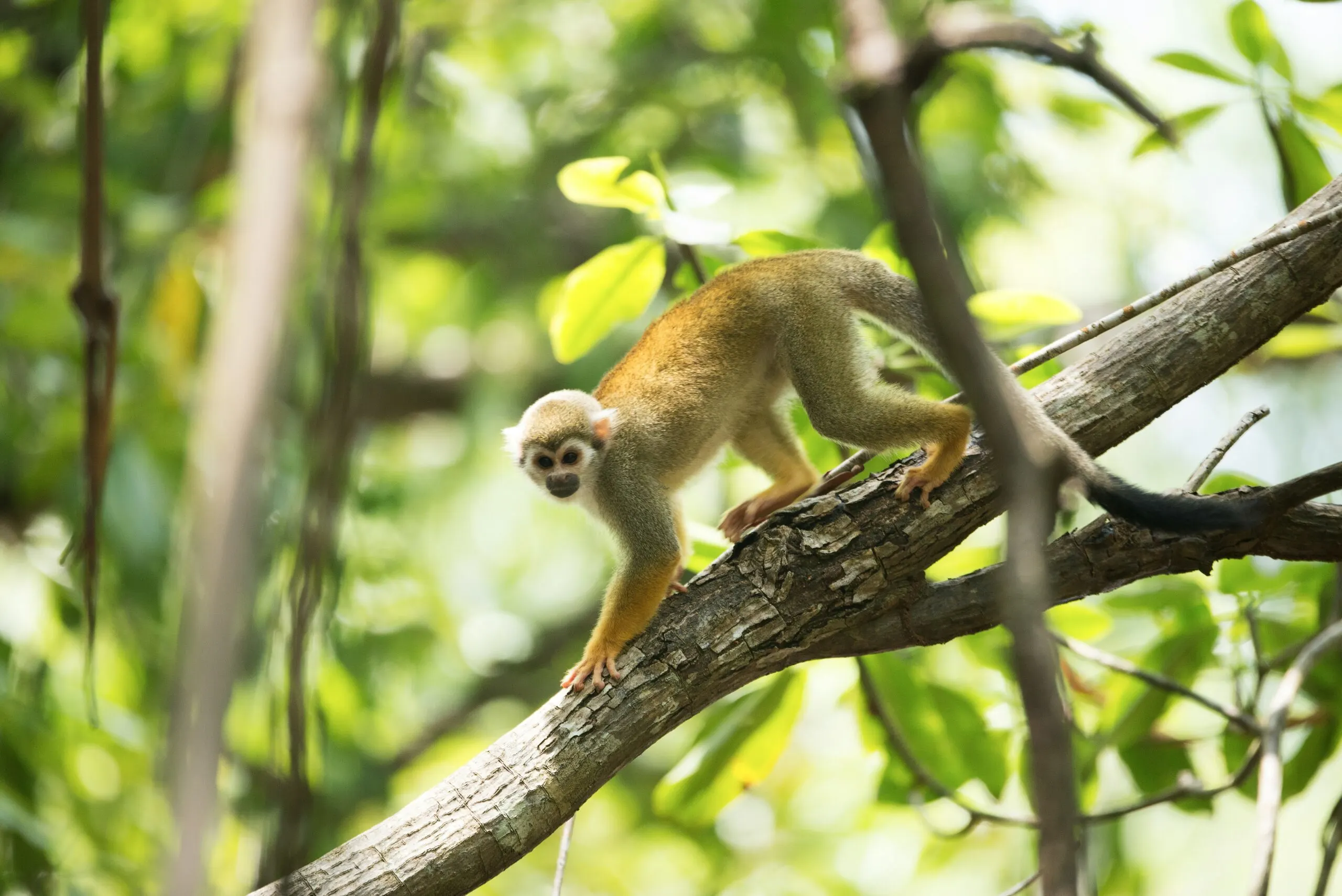
 Skip to content
- When Is The True Off-Season For Travel In Suriname?
Suriname has two distinct rainy seasons which create the best opportunities for smart travellers. The wetter months are December to January and May to mid-August, with June being the wettest month of the year. During these periods, hotel rates can drop by 20-40%, and you will find significantly fewer international visitors exploring the capital and interior regions.
The trade-off is heavy rainfall and muddy interior roads. Rain in Suriname comes as proper tropical downpours, not gentle showers. However, you can 'Exploit Travel Seasonality' by timing your visit for the transitional weeks at the beginning or end of rainy seasons, when rains are less intense but prices remain low. The rainforest transforms into a lush, vibrant wonderland during these months, with waterfalls at their most spectacular.
- What Is The Weather Really Like During Suriname's Low Season?
Expect warm, humid conditions year-round with temperatures ranging from 24-31°C (75-88°F). During the rainy season, humidity climbs to 70-80%, making afternoons feel especially heavy. May is the rainiest month with up to 15 recorded rainy days, while June can see over 300mm of precipitation.
The drawdown is that outdoor activities require flexibility. Heavy rains can persist for days, and the sunniest months (September and August) offer up to 9 hours of daily sunshine compared to just 6 hours during wetter periods. The positive spin is that the coastal capital remains accessible year-round, and the brief, intense showers often pass quickly, leaving behind clearer skies. For the most balanced experience, target February to April or November, when conditions are drier but crowds remain light.
- Are Transportation And Roads Reliable During Suriname's Off-Season?
No, interior roads become extremely challenging during the rainy season. Outside the capital, Suriname's road network consists almost entirely of unpaved dirt tracks that become difficult or impossible to navigate during heavy rains. The Belgian Foreign Affairs advisory explicitly warns against driving at night due to limited lighting, even on better roads.
The upside is that coastal travel and flights remain functional. The capital's road network is of good quality, and minibuses (called "jumbo's") continue operating daily from Paramaribo to interior towns like Brownsberg and Atjoni. Domestic flights operate year-round, though smaller private airlines may not always meet international safety standards—stick to Surinam Airways or KLM for international connections. For interior exploration during wet months, book organised tours with qualified guides rather than attempting self-drive.
- What Kind Of Off-Season Discounts Can I Expect In Suriname?
The rainy season offers the deepest discounts, particularly for accommodation. A loyalty programme discount sheet shows that hotels like Torarica Group offer 25% off room rates and 10% off dining during off-season months. Courtyard by Marriott Paramaribo provides 10% off standard retail room rates, while wellness resorts offer 10-15% discounts on midweek stays during April through September.
The biggest savings come from package deals and extended stays. Holiday homes and eco-resorts frequently offer 15-25% discounts for weekday bookings during low season. The trick is combining accommodation discounts with lower flight prices. December is the busiest month with fully booked flights months in advance and highest airfares, while rainy season months see significantly cheaper tickets. For budget-conscious travellers willing to embrace some rain, the savings easily offset the weather challenges.
- Will I Experience Crowds At Surinamese Attractions During Off-Season?
Yes, the rainy season offers dramatically fewer tourists at major sites. December is the busiest month of the year, with flights fully booked months in advance, hotels filling quickly, and traffic in the capital reaching peak levels. July is also busy due to school holidays in the Netherlands and USA, though crowds are more spread out across the country rather than concentrated in the capital.
The only quiet windows that also offer good weather are February to April and November. These months sit firmly in the dry season, offer the most balanced travel experience, and have lighter crowds than peak months like December and July. Even the capital's famous zoo is best visited during dry season mornings when animals are most active. For travellers wanting both solitude and decent weather, February to April is the sweet spot—you get manageable rainfall, comfortable conditions, and none of December's festive chaos or inflated prices.

Home > Exploit The Seasons > Seasonal World Map > South America > Suriname
SURINAME
Suriname reveals her layered magic when the rains ease, from multicultural Paramaribo’s wooden cathedrals to untouched Central Suriname Nature Reserve. This guide shows when to find howler monkeys at full voice, cooler jungle trails, and authentic Creole-Indonesian-Javanese fusion without the holiday rush.
Smart Travel Calendar
Why Choose Suriname Off-Season?
Paramaribo’s UNESCO streets to yourself: Wander the world’s largest collection of Dutch colonial wooden architecture without photo-bombing crowds.
Jungle lodges at negotiable rates: Deep discounts at Kabalebo and Berg en Dal once peak cruise-ship season ends.
Howler monkeys more vocal: In the short dry window, troops gather at water’s edge for unforgettable dawn concerts.
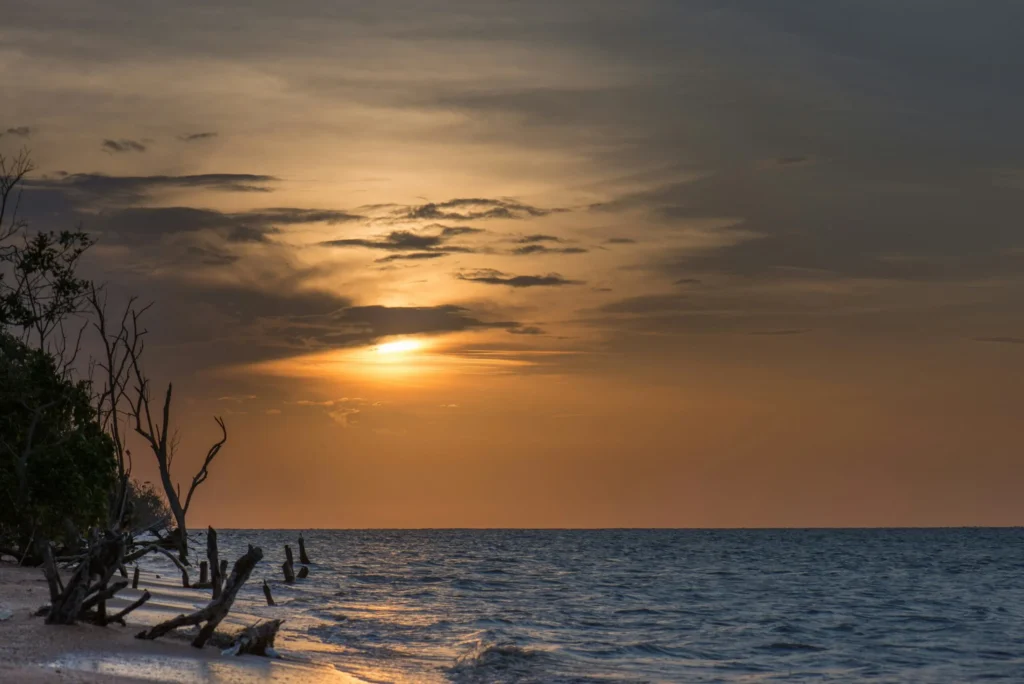
Local markets at local prices: Central Market feels authentic, not curated – real Marianburg saltfish and Antoin pan purchases.
Maroon and Indigenous villages accessible: River levels allow deeper access into remote communities along the Upper Suriname and Tapanahony.
No fighting for river rapids: Stone Island and Blaka Watra feel private, not packed with weekend trippers.
Shoulder Season
Your Smartest Windows
August to September
February to March
Avoid: Suriname’s ‘Big Holidays’ (Christmas to New Year – Dec 23-Jan 2) when Paramaribo hotels fill and bus prices to the interior triple. Also avoid Avondsterfeesten (August 8-9) – a local festival with packed waterfront.
What the Sky Does
August-September: 24-33°C (75-91°F). The “long dry season” begins. Lower humidity, reliable morning sunshine, brief afternoon showers possible.
February-March: 24-30°C (75-86°F). The “short dry season” – less rain than December-January. Evenings surprisingly pleasant.
Rain still possible but typically short-lived – afternoon downpours last 30-60 minutes, leaving refreshed jungle air.
Interior cooler at night – Brownsberg and Voltzberg plateau overnight lows drop to 18-20°C (64-68°F). Pack a light layer.
How Empty It Feels
50-65% fewer tourists than peak July-August (school break) and December holiday season.
Paramaribo’s Fort Zeelandia and Saint Peter and Paul Cathedral: Quiet meditative visits instead of group-tour shuffles.
Commewijne plantations: Bike past rusting windmills and former coffee estates with only birdsong as company.
Brownsberg Nature Park: Brokopondo Reservoir viewpoints to yourself – caimans sunbathing without an audience.
What You’ll Save
30-50% on hotels and jungle lodges versus August school break and Christmas weeks.
Flights from Miami and Amsterdam often drop 20-35% – especially in September.
Boat charters to the Upper Suriname River negotiable – captains offer better rates to fill capacity outside peak.
Central Market bargaining power – vendors offer genuine local prices, not tourist premiums.
The Secret Perk
Javanese harvest celebrations (August): Witness Sinten ceremonies and traditional wayang kulit (puppet performances) in Javanese villages like Lelydorp.
Howler monkey peak vocalizations: In the short dry windows, troops advertise territories more frequently. Dawn paddles on the Coppename River deliver unforgettable jungle wake-up calls.
Giant river otters active: Receding water levels concentrate fish – and the otters that hunt them – along the Upper Suriname and Tapanahony.
Indigenous craft markets open: Maroon and Amerindian artisans in villages near Moengo produce their best calabash carving and pangi cloth in dry seasons.
Photography magic: The combination of clearing skies and vibrant wet-season greenery creates electric color contrast – especially at Voltzberg and the Raleighvallen.
The Tiny Trade-Off
Occasional short-notice flight changes – small planes to Apoera, Kwamalasamutu, or Kabalebo can be rescheduled for weather.
Some jungle trails remain muddy – especially around Brownsberg’s waterfalls. Waterproof hiking boots essential.
Air conditioning is not universal – cheaper accommodations may rely on fans. Paramaribo’s humidity persists even in dry windows.
Sunset near 6:30pm year-round – plan inland arrivals before dusk; river navigation after dark is unwise.
Smart Traveler Tip
Target late August to mid-September for the absolute sweet spot: peak of the long dry season, post-August 8-9 festival calm, and before October’s return of showers.
For Maroon village visits, February offers cooler temps – easier hiking to the pier at Pokigron and upstream to Gaaw Jan communities.
Book the August 8-9 Avondsterfeesten dates far in advance – or avoid Paramaribo entirely those nights if you dislike crowds.
Deep Off-Season
Your Smartest Windows
May to July (long wet season)
November to December (transition to short wet)
Avoid: *School holidays (8 weeks from mid-July to mid-September)* – jungle lodges fill with Surinamese families and European summer tourists. Also avoid Suriname’s Independence Day (November 25 week) for domestic travel spikes.
What the Sky Does
Typical wet season weather: 23-31°C (73-88°F). May-June heaviest rainfall – frequent downpours, but mornings often clear.
November to early December: The “short wet season” begins. Less rain than May-June; humidity still high but manageable.
Central Suriname Nature Reserve trails wet – but the green cathedral of the Willege Julia and Coppename valleys is at its most photogenic.
Thunderstorms dramatic and short-lived – typically 1-2 hours and then clearing. Bring an umbrella for city exploring.
How Empty It Feels
70-85% fewer international tourists than August-September dry peak. The intrepid traveler’s window.
Paramaribo’s Palmentuin (Palm Garden): Almost entirely locals. The green parakeets return with the rains, creating an indoor-aviary feel.
Brownsberg’s Afobaka viewpoint – often completely empty. The 360-degree view of the Brokopondo Reservoir’s emerald islands feels earned.
Upper Suriname River villages – no souvenir hawkers, just residents going about daily life. A privilege to witness.
What You’ll Save
Up to 65-75% off peak season rates at jungle lodges. Kabalebo and Dani Rapids offer significant discounts.
Flights to Zanderij (PBM) often at lowest annual prices – especially May and June.
Domestic bus and river taxi prices return to local rates – no holiday surge pricing to Atjoni or Apoera.
Tour guides exceptionally available – you can sometimes arrange private jungle treks at group-negotiated rates.
The Secret Perk
Rainforest at maximum green: The Central Suriname Nature Reserve (a UNESCO World Heritage site) explodes with life – bromeliads flowering, mushrooms emerging, frogs calling.
Waterfall swimming at fullest volume: Blanche Marie, Leo, and Raleighvallen waterfalls thunder at their most spectacular. Swimming below them feels heroic.
Sea turtle nesting at Galibi (April-May): The leatherback and green turtle nesting season peaks during wet season months – a nighttime spectacle of nature.
Caimans easy to spot: High water pushes them out of hiding and onto exposed logs along the Brokopondo Reservoir and Commewijne tributaries.
Genune Maroon cultural immersion: Lower visitor numbers mean you might be invited to share a meal, hear drumming workshops, or join a fishing trip without feeling like a tourist.
The Tiny Trade-Off
Some interior roads become challenging – the road to Brownsberg can develop washouts. A 4×4 is non-negotiable.
Hiking trails to waterfalls muddier and more slippery – Voltzberg’s granite dome ascent requires care in wet conditions.
Mosquitoes active, especially after rain – bring DEET (30%+), long sleeves for evening, and consider treated clothing.
Some river tours pause or require rerouting – during peak rain, certain rapids become impassable for standard boats.
Smart Traveler Tip
May and June have the highest rainfall (18-22 rainy days monthly) – also the most spectacular waterfalls, emptiest trails, and lowest prices.
Mid-July onward sees domestic school break – jungle lodges fill with Surinamese families. Book months ahead or target early June instead.
Pack absolutely seriously: Waterproof boots with good ankle support, quick-dry everything, DEET repellent, dry bags for electronics, a headlamp, and a light rain jacket.
For the mildest wet-season experience, target late November to early December – before the Christmas diaspora returns but after heaviest rains ease.
Find Off-Peak Flights
FAQs
Essential Trip Information
Visa and Entry Requirements
Suriname requires most travelers to obtain a visa (tourist or e-visa). Check official requirements at Suriname’s Visa Portal.
Passports must be valid for at least 6 months beyond your stay.
Proof of yellow fever vaccination is mandatory if arriving from a risk country.
E-visa tip: Apply at least 2 weeks in advance; processing costs ~US$40–100 depending on nationality.
Currency
Suriname uses the Surinamese Dollar (SRD), but US$ is commonly accepted in hotels and by tour operators.
Best Ways to Handle Currency
Before Your Trip: Bring some US$ cash; exchange rates are better locally.
During Your Trip: Use local ATMs in major cities like Paramaribo. Credit cards accepted in hotels/restaurants but cash is essential in rural areas.
What to Avoid: Exchanging at airports or using street exchangers; always choose SRD when using cards.
Language
Dutch is the official language.
Sranan Tongo (a local Creole) is widely spoken, along with Hindi, Javanese, and English in urban areas.
Helpful phrases: “Fa yu tan?” (How are you?), “Dankie” (Thank you)
Safety & Security
Suriname is generally safe, especially in tourist zones.
Petty theft can occur—avoid flashing valuables and use hotel safes.
Rural travel requires preparation—inform your hotel or guide.
Emergency number: 115 (police), 113 (ambulance)
Health & Insurance
Yellow fever vaccination is required if arriving from endemic countries.
Mosquito protection is essential (dengue and malaria risk in rural areas).
Tap water in Paramaribo is safe, but stick to bottled water outside cities.
Bring travel insurance covering medical evacuation.
Transportation
Buses and shared taxis run between major towns but may not follow fixed schedules.
In Paramaribo, walking or hailing a taxi is easiest.
Tour operators are essential for trips into the interior.
Domestic flights or boats reach remote jungle lodges and villages.
Price Level
Suriname is moderately priced for travelers, though imported goods can be expensive.
Accommodation
Budget: Guesthouses/hostels (US$25–50/night)
Mid-range: Boutique hotels/lodges (US$60–100/night)
Luxury: 4-star hotels or jungle eco-lodges (US$120+/night)
Food
Local eats: Warungs or markets (US$3–10)
Mid-range: Sit-down restaurants (US$15–30/person)
Upscale: International cuisine in Paramaribo (US$40+/person)
Drinks
Local beer: US$2–4
Cocktails: US$6–10
Transportation
City buses: US$0.50–2
Taxis: US$3–10 within Paramaribo (negotiate price before entering)
Car rentals: US$50+/day
Money-Saving Tips
Eat at Javanese warungs or local markets for budget-friendly, authentic meals.
Book day trips in groups to split transport costs.
Walk in Paramaribo – it’s compact and scenic.
Planning Your Trip
Local Customs And Etiquette
Multiculturalism: Suriname is a mix of Indigenous, African, Dutch, Indian, Javanese, and Chinese influences.
Language: Dutch is official, but Sranan Tongo is widely spoken. English is commonly understood in tourism areas.
Tipping: Not obligatory, but 10% is appreciated in restaurants.
Respect Traditions: When visiting Maroon or Indigenous communities, ask before taking photos.
Dress: Modest in villages. Light clothing works well in the humidity.
Greetings: A handshake and a warm “fa waka?” (“how are you?”) in Sranan Tongo is appreciated.
Budgeting For Your Trip
Accommodation: Guesthouses (US$25–50), hotels (US$60–150), lodges (US$200+ all-inclusive).
Meals: Street food (US$3–7), casual restaurant (US$10–20), fine dining (US$35+).
Transport: Minibus (US$0.50–1.50), taxis (US$3–10), interior flight (US$150–300).
Tours: Jungle tours (US$150–300 for multi-day packages), city walking tours (US$20–40).
Daily Budget:
Budget: US$60–90 (guesthouse, local meals, minibus).
Mid-range: US$130–200 (hotel, dining, short tours).
Luxury: US$300+ (eco-lodges, guided experiences, private transport).
Internet & Mobile
Wi-Fi: Available in most hotels and cafes in Paramaribo. Spotty or non-existent in the interior.
SIM Cards: Buy local SIMs from Digicel or Telesur at the airport or city stores. Prepaid plans from US$10–25.
eSIMs: Limited support—check compatibility in advance.
Coverage: Strong in Paramaribo, limited or unavailable in the jungle.
Travel Insurance
Highly recommended, especially if heading into remote areas.
Medical Care: Quality hospitals in Paramaribo; limited facilities elsewhere. Evacuation insurance is advisable.
Adventure Coverage: Ensure your policy covers boat trips, jungle hiking, and remote travel.
Weather Delays: Flights and boats may be postponed due to rain or river conditions.
Accomodation Options
From jungle lodges to colonial guesthouses, Suriname caters to adventurers and culture seekers.
Paramaribo Hotels:
- Luxury: Royal Torarica (riverfront pool) or Eco Resort Inn (US$120–250/night).
- Mid-range: Guesthouse Amice or Krasnapolsky (US$60–120/night).
- Budget: Zus & Zo (artsy vibe, US$30–50).
Jungle Lodges:
- Berg en Dal or Danpaati River Lodge (US$150–300/night, includes meals/activities).
Guesthouses/Homestays:
- Common in rural areas (US$20–50); book via local guides.
Tip: Stay in Paramaribo for nightlife/culture; jungle lodges require advance planning.
Getting Around
Suriname’s infrastructure is developing, but transport options are limited outside Paramaribo.
Buses/Minibuses:
- Cheapest option (US$1–5 for intercity routes). Crowded but reliable.
- Paramaribo city buses (US$0.50) cover main areas—no fixed schedules.
Taxis:
- No meters; negotiate fares upfront (US$5–15 for short trips in the city).
- Shared taxis (US$2–4 per seat) run fixed routes.
Rental Cars:
- Recommended for flexibility, but roads outside Paramaribo are rough.
- 4×4 required for jungle/rural areas (US$50–100/day).
- Drive on the left (unique in South America!).
Domestic Flights:
- Gum Air and Blue Wing Airlines serve remote areas (e.g., Alangamaram for eco-lodges).
- Book early; flights are expensive (US$100–300 one-way).
Boats/Ferries:
- Essential for reaching Galibi (sea turtles) or Commewijne plantations.
- Public ferries (US$2–5) or private charters (US$50+).