 Skip to content
- Will The Off-Season Rain Ruin My Chance To See The Famous Highlands?
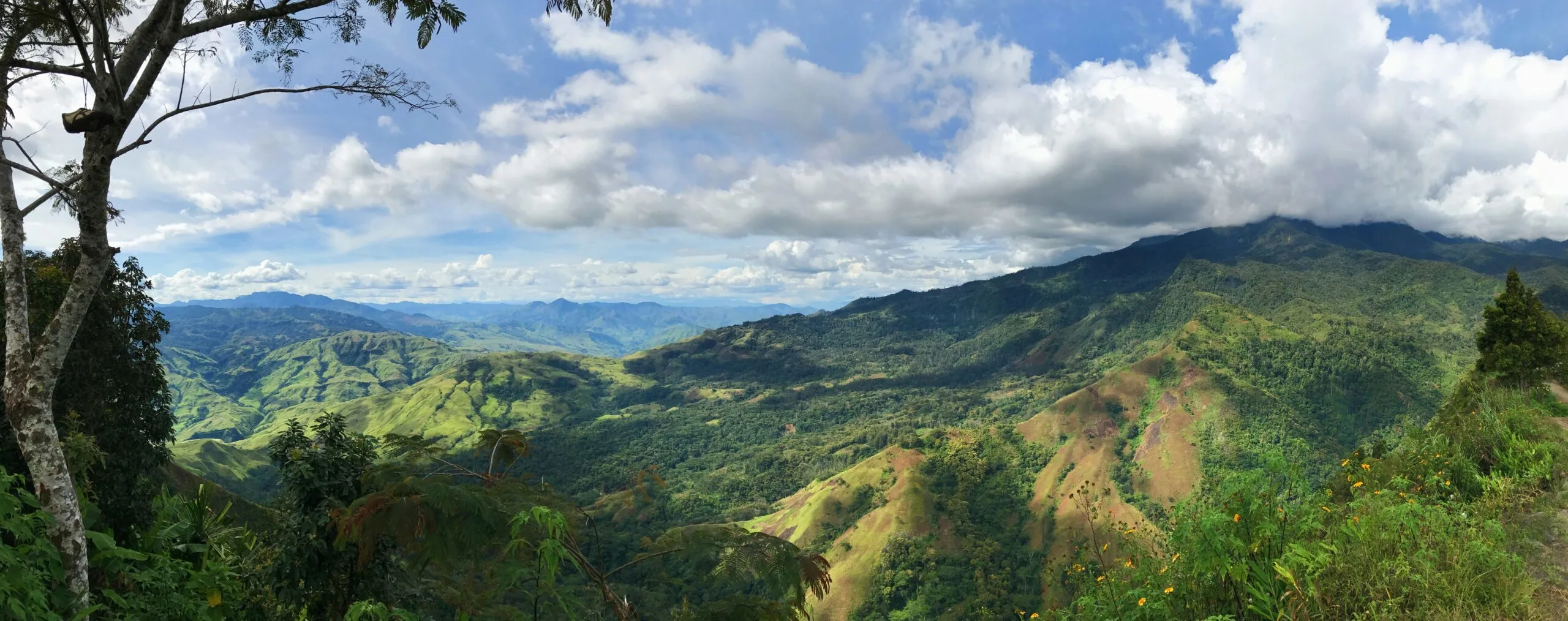
No, it simply changes the experience. Papua New Guinea's off-season varies by region, but the "wet season" (Jan-May, oct-Nov) in the Highlands means misty, emerald-green valleys and dramatic cloud forests that feel prehistoric and mystical. The famous Mount Hagen and Tari Basin areas are actually at their most atmospheric with mist rolling over the peaks.
The drawdown is that some high-altitude trekking routes become slippery and more challenging. However, to "Exploit Travel Seasonality," you swap long treks for village stays and cultural experiences. The rain also means the Sepik River region is at its most navigable, opening up remote villages that are inaccessible in the dry season.
- Is It True That Accommodation And Tours Drop By Nearly Half?
Yes, and that is a game-changer for this expensive destination. Eco-lodges, dive resorts near Madang and Walindi, and even the few luxury properties offer discounts of 35% to 50% during the off-season. Liveaboard dive boats to Wewak or the Bismarck Sea also slash prices, making PNG's world-class wreck diving much more accessible.
Domestic flights on Air Niugini, which are normally very costly, see fare reductions of 20-30% as well. The only catch is that some remote airstrips may close temporarily after heavy rain.
- Won't The Famous Coral Reefs Be Too Murky For Diving And Snorkeling?
No, and this is a common myth. Many of PNG's best dive sites, like those around Kimbe Bay or Tufi Fjords, have surprisingly good visibility during the wet season because they are not affected by river runoff. In fact, the warmer water temperatures encourage more marine life activity, including manta rays and schools of barracuda.
The drawdown is that a few coastal sites near river mouths can get silty for a day or two after heavy inland rain. But savvy divers learn to "Exploit Travel Seasonality" by choosing offshore or reef-protected sites. You will also enjoy dive boats that are half-empty, meaning more personal attention from guides.
- Is The Cultural Festival Experience Completely Dead In The Off-Season?
No, but it is different. The famous Mount Hagen Cultural Show and Goroka Show happen during the drier months (August and September). However, the off-season is when you experience authentic, non-staged village life. You can witness sing-sings (traditional gatherings) organized by villages for themselves, not for tourists, which is far more genuine.
The drawdown is that you cannot just show up to a festival; you need to be invited or connected through a local guide. The beautiful trade-off is that village elders have more time to share stories, explain rituals, and even teach you basic Pidgin English.
- Are The Famous Sepik River Cruises Still Worth Doing In The Wet Season?
Yes, and they are actually better. The Sepik River, one of the world's great waterways, rises during the wet season (December to March), allowing boats to access smaller tributaries and remote spirit houses (haus tambaran) that are unreachable when water levels drop. The jungle along the banks is lush, and the birdlife is extraordinary.
The drawdown is that mosquitoes are more abundant, and you will need good repellent and malaria prophylaxis. But the reward is cruising past floating villages, meeting master carvers at work, and seeing crocodile initiation ceremonies without another tourist boat in sight

Home > Exploit The Seasons > Seasonal World Map > Oceania > Papua New Guinea
PAPUA NEW GUINEA
Papua New Guinea rewards the bold. Beyond the famous sing-sings lies a land of misty highlands and coral reefs. This guide shows you when to trek the Kokoda Track, witness tribal gatherings, and dive pristine waters without the peak-season crowds.
Smart Travel Calendar
Why Choose Papua New Guinea Off-Season?
Sing-sings without the swarm. Major festivals draw crowds, but off-season villages welcome you solo.
Rain that reveals. Wet season transforms waterfalls into thunderous spectacles .
Birds of paradise up close. Breeding displays peak June–September, but low-season sightings feel earned .
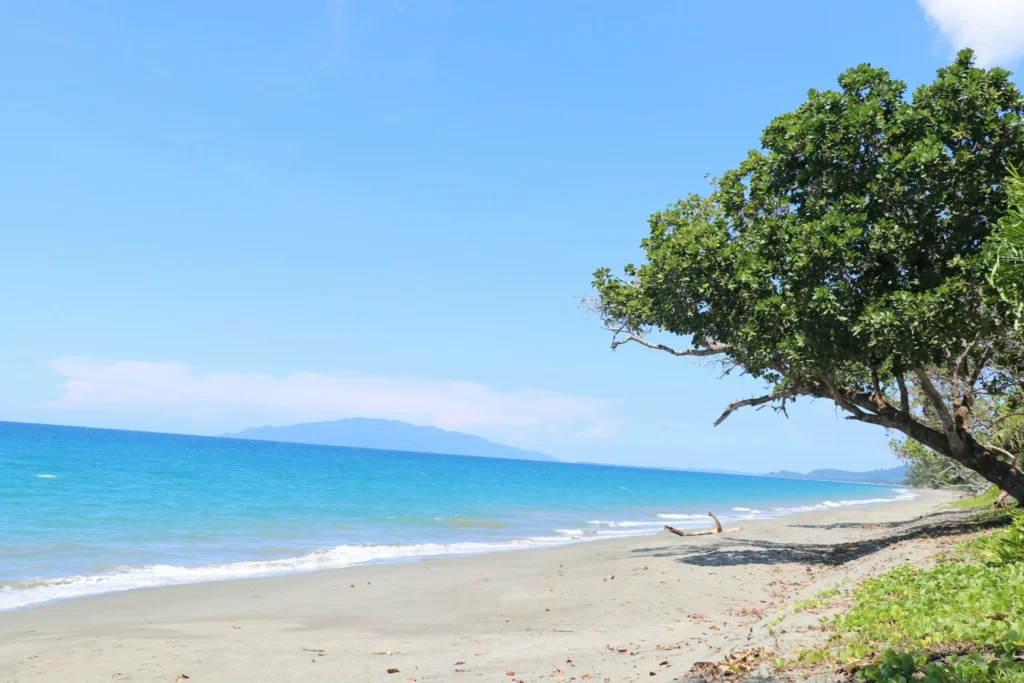
Sepik River at its highest. Wet season floods allow boats to reach remote spirit houses .
Hotels that haggle. Highland lodges drop rates by 30-50% outside festival windows.
Surf breaks with no lineup. North coast waves (Vanimo, Kavieng) belong to you November–April .
Shoulder Season
Your Smartest Windows
Late May to late June
Early October
Avoid: The Goroka Show (mid-September) and Mount Hagen Show (August) – book accommodation a year ahead or face sold-out lodges .
What the Sky Does
Typical weather: 18°C to 30°C (64°F to 86°F) depending on altitude .
May & October: heavy rains taper off – trails firm up, rivers drop from dangerous to wadeable.
Early June: the sweet spot before peak crowds – still dry but not yet packed.
Late October: humidity rises but visibility for diving in Milne Bay remains excellent .
How Empty It Feels
50-60% fewer tourists than peak August-September festival season.
Kokoda Track has space to trek without passing another group every hour.
Port Moresby’s National Museum feels like a private tour.
Domestic flights have seats – no overbooking nightmares common during Goroka week .
What You’ll Save
20-35% on Highland lodge rates vs peak August-September.
15-25% on domestic flights (Air Niugini, PNG Air) booked early.
Festival tour packages cost less when booked outside the August-September window.
Private guides for Kokoda or Sepik River expeditions offer shoulder-season discounts.
The Secret Perk
Wahgi Festival (June) – a smaller, more authentic Highland sing-sing before the big crowds hit .
Tumbuna Festival (May) – celebrates ancestral traditions in the Highlands with minimal tourists .
Misty mountain mornings – low cloud over the Highlands creates ethereal photography light.
Fresh Highland coffee harvest – visit plantations when beans are being processed.
Village homestays without rush – families have time for extended talanoa (stories).
The Tiny Trade-Off
Trails can still be muddy in May – especially on the Kokoda Track after April rains.
Humidity climbs in late October – noticeable but manageable if you’re coastal.
Some Sepik River guesthouses close in early May for post-rainy-season maintenance.
No major sing-sings – you’ll miss the big shows like Goroka and Mount Hagen.
Smart Traveler Tip
Target the last week of May to mid-June for the absolute sweet spot: drying trails, before festival price spikes, and mild weather.
Book domestic flights first – PNG’s internal routes fill before hotels do, especially to Mount Hagen or Goroka .
Pack layers – Highlands nights can drop to near freezing at altitude (especially around Mount Wilhelm) .
Avoid late September – even though it’s shoulder-ish, Goroka Show crowds spill into surrounding weeks.
Deep Off-Season
Your Smartest Windows
January to March
November to early December
Avoid: The Christmas/New Year fortnight (December 20–January 5) – while wet, expats and diaspora return home, filling flights and hotels in Port Moresby.
What the Sky Does
Hot and wet: 18°C to 32°C (64°F to 90°F), with February the rainiest month (283mm average) .
Expect short, intense tropical downpours – often afternoon storms that clear by evening.
The Highlands get rain year-round but remain cool; Lae and the north coast are wettest even in dry season .
Cyclone risk exists but PNG sits mostly outside the South Pacific cyclone belt.
How Empty It Feels
70-80% fewer tourists than peak festival season – you’ll have trails and villages almost to yourself.
Kokoda Track operators run fewer treks, but private arrangements are possible.
Varirata National Park (birds of paradise) – early morning mist, no other photographers .
Sepik River villages feel genuinely remote – no other tourists on the river for days.
What You’ll Save
40-60% off Highland lodge rates – luxury eco-lodges in the Sepik or Southern Highlands become accessible.
Flights from Australia (Brisbane, Cairns) drop to 30-40% below August festival prices.
Private Sepik River charters cost the same as shared tours in peak – negotiate for extra days.
No competition for permits or guides – you can often arrange Kokoda treks at short notice (weather permitting).
The Secret Perk
The Rabaul Mask Festival (January/February) – a spectacular display of Baining fire dancers and Tolai shell money, with far fewer tourists than Highland shows .
Sepik River at peak navigability – high water levels let boats reach the most remote spirit houses (haus tambaran) .
Waterfalls at their absolute peak – those that dry up completely mid-year are roaring.
Birds of paradise in lush breeding plumage – rainforests are vibrant, and males are displaying .
Authentic village life – you’ll be invited to sit, chew betel nut, and listen to stories without the festival performance pressure.
The Tiny Trade-Off
Frequent flight cancellations due to rain or fog – especially into the Highlands. Build buffer days .
Kokoda Track is often closed from December to March due to dangerous river crossings and landslide risk.
Mosquitoes are more active after rain – malaria prophylaxis is essential year-round, but especially now.
Some remote guesthouses close – especially in the Sepik and Highlands during February-March.
Daylight is shorter (sunset ~6:30pm year-round, but clouds make evenings darker).
Smart Traveler Tip
Surf the north coast (Vanimo, Kavieng) from November to April – swells from the North Pacific hit PNG’s reefs with perfect consistency, and PNG restricts surfer numbers, so it’s never crowded .
Book morning flights only – afternoon rains cause cancellations; first-light departures have the best chance.
Pack serious rain gear – a long poncho and waterproof dry sacks beat any “water-resistant” promise .
Add 2-3 buffer days for domestic travel – especially if connecting to international flights out of Port Moresby.
Start activities at first light – rain typically arrives in the afternoon, so trek, birdwatch, or dive early.
Find Off-Peak Flights
FAQs
Essential Trip Information
Visa and Entry Requirements
Most nationalities require a visa to enter Papua New Guinea.
eVisas are available for many travelers and can be obtained online.
Passport must be valid for at least six months from the date of arrival.
Travelers may need to show proof of return/onward travel, accommodation details, and sufficient funds.
Visa types, eligibility, and fees vary by nationality – check the official PNG Immigration & Citizenship Authority website for the latest requirements.
Currency
The official currency is the Papua New Guinean Kina (PGK).
Approximate exchange rate: 1 PGK ≈ US$0.27 (subject to change).
Best Ways to Handle Currency
Before Your Trip: Exchange a small amount in advance; rates are better at ATMs once in PNG.
During Your Trip: Use ATMs in major cities like Port Moresby or Lae. Credit/debit cards (Visa, Mastercard) are accepted in larger hotels and restaurants, but cash is essential for rural areas and markets.
What to Avoid: Currency exchange booths with high fees; always decline dynamic currency conversion and pay in PGK.
Language
English is the official language, along with Tok Pisin and Hiri Motu.
Helpful phrases in Tok Pisin:
- “Tenkyu tru” = Thank you very much
- “Mi no save” = I don’t know
- “We?” = Where?
Safety & Security
Travel in PNG requires vigilance. Crime can be a concern in urban areas.
Avoid walking alone at night, especially in Port Moresby.
Use local guides in rural areas and for cultural village visits.
Political tensions or tribal conflicts can occur in isolated areas – always check local advisories.
Emergency number: 111 (but may not always be reliable).
Health & Insurance
Vaccinations recommended: Hepatitis A, Typhoid, Malaria prophylaxis, and routine immunizations.
Tap water is not safe to drink – always use bottled or filtered water.
Medical facilities outside major cities are limited. Carry a first-aid kit and travel insurance with medical evacuation.
Mosquito repellent and sun protection are essential.
Transportation
Domestic flights (Air Niugini, PNG Air) are essential for covering large distances.
Taxis: Negotiate fare in advance. No meters.
Private drivers or hotel transport are the safest options.
Roads in rural areas can be poor or impassable during the rainy season (Dec–Mar).
Ferries and boats operate between islands but are not always reliable or safe.
Price Level
Papua New Guinea is a moderate-to-expensive destination, especially in remote or less-developed regions where logistics raise costs.
Accommodation
Budget: Guesthouses or hostels: US$30–60/night
Mid-range: Local hotels or B&Bs: US$80–150/night
Luxury: High-end resorts/lodges: US$200–500+/night
Food
Street eats/local markets: US$5–10
Casual dining: US$15–30/person
Fine dining (in Port Moresby or major hotels): US$50+/person
Drinks
Beer (local brands): US$3–6
Imported alcohol/cocktails: US$8–15
Bottled water: US$1–2
Transportation
Taxis (urban): US$5–20 per ride
Private drivers for day trips: US$80–200/day
Domestic flights: Often required due to terrain — expect US$150–400+ round trip
PMVs (Public Motor Vehicles): Cheap, but not recommended for tourists due to safety concerns
Money-Saving Tips
Travel with a group to share transport and guide costs.
Eat at local markets for authentic and affordable food.
Plan your itinerary around fewer locations to cut down on inter-island flight costs.
Planning Your Trip
Local Customs And Etiquette
Respect Traditions: Ask permission before taking photos of people or sacred sites.
Dress Modestly: Cover shoulders/knees, especially in villages.
Gift-Giving: Small tokens (e.g., betel nuts) appreciated when visiting communities.
Haggling: Not common—pay fixed prices in markets.
Safety: Avoid political discussions and don’t travel after dark.
Budgeting For Your Trip
PNG is expensive due to imported goods and logistical challenges.
Accommodation:
Budget guesthouses (US$30–60), mid-range hotels (US$80–150), luxury lodges (US$300+).
Food:
Local markets (US$5–10/meal), casual eateries (US$10–20), resort dining (US$30–50+).
Transport:
Domestic flights (US$100–250 one-way), private drivers (US$80–150/day), water taxis and boats (US$10–50/trip).
Activities:
Guided hikes (US$50–100), diving/snorkeling (US$100–200/day), cultural tours (US$50–75).
Daily Budget:
Budget: US$100–130 (guesthouses, local food, limited transport).
Mid-range: US$180–300 (flights, hotels, guided activities).
Luxury: US$400+ (lodges, private transfers, premium tours).
Internet & Mobile
Wi-Fi: Limited and slow—major hotels/resorts offer it (often paid).
SIM Cards: Digicel or Telikom PNG (US$5–10 for basic plans). Buy at airports.
Coverage: Spotty outside cities—download maps offline.
Travel Insurance
Essential: Covers medical evacuation (PNG’s healthcare is basic).
Adventure Coverage: Required for trekking/diving (e.g., Kokoda Track).
Theft Protection: Common in cities—keep valuables secure.
Final Tip: PNG rewards the prepared traveler—organize logistics early and prioritize safety.
Accomodation Options
PNG offers limited but varied lodging—book ahead, especially during festivals.
Hotels:
- Luxury: Airways Hotel (Port Moresby) or Rondon Ridge (Mount Hagen).
- Mid-range: Lamana Hotel (Port Moresby) or Highlander Hotel (Goroka).
- Budget: Guesthouses (e.g., Kokopo Beach Bungalows).
Eco-Lodges:
- Tufi Dive Resort or Walindi Plantation Resort (for divers).
Homestays:
- Rural villages offer cultural immersion—arrange through tour operators.
Tip: Stay in secure, well-reviewed properties—avoid isolated areas at night.
Getting Around
PNG’s rugged terrain and limited infrastructure make travel challenging.
Domestic Flights:
- Essential for long distances (e.g., Port Moresby to Goroka). Airlines include Air Niugini and PNG Air.
- Book early—flights fill quickly and are often delayed.
Boats:
- Ferries: Limited routes (e.g., Port Moresby to Lae). Safety standards vary—choose reputable operators.
- Charter boats: For island-hopping (e.g., Trobriand Islands).
Public Motor Vehicles (PMVs):
- Shared minibuses—cheap but overcrowded and unreliable. Not recommended for tourists.
4×4 Vehicles:
- Best for remote areas (e.g., Highlands). Rent with a local driver (roads are hazardous).
Walking:
- Guided treks only (e.g., Kokoda Track). Never hike alone due to safety risks.
Tip: Plan transport in advance and allow flexibility for delays.