 Skip to content
- Will My Dream Of That Perfect Lagoon Photo Be Ruined By Rain?
No, absolutely not. The Cook Islands' off-season (Feb-May, Sept-Nov) is the "warmer wet season," but rain usually arrives as fast-moving tropical squalls that darken the sky for 20 minutes, then vanish, leaving behind unreal double rainbows over the lagoon. The famous turquoise water of Aitutaki's lagoon actually glows brighter against a dramatic cloudy sky.
The drawdown is that humidity is higher, and a few afternoons might be windier. However, to "Exploit Travel Seasonality," you will discover that those short rain bursts are the perfect time for a spa treatment or a visit to the Punanga Nui Markets. The mornings are almost always postcard-perfect and gloriously sunny.
- Can I Actually Afford Those Famous Overwater Bungalows In The Low Season?
Yes, and this is your best chance to book them. Overwater bungalow rates on Rarotonga's Muri Beach and in Aitutaki drop by 40% to 60% during the off-season. Many resorts also include breakfast, dinner, or a free night when you book extended stays, making that bucket-list luxury surprisingly attainable for regular travelers.
Airfare from New Zealand, Australia, and North America also sees discounts of 20-30%. The only downside is that a few smaller, family-run guesthouses may close for annual maintenance.
- Won't The Trade Winds Make The Lagoon Too Choppy For Snorkeling?
No, the lagoon is remarkably protected. The Cook Islands' main lagoon areas, especially Aitutaki's massive turquoise gem, are shielded by outer reefs that break up ocean swells year-round. Even during the windier off-season months (December to February), the inner lagoon remains calm enough for safe swimming, snorkeling, and paddleboarding.
The drawdown is that the more exposed outer reef passages can be rougher, which may cancel some deep-sea fishing or scuba charters. But the beautiful trade-off is that the water temperature is wonderfully warm, and you will share the lagoon with 80% fewer boats and jet skis. You can truly "Exploit Travel Seasonality" here for peaceful, crowd-free floating.
- Is It True That Cyclones Hit The Cook Islands Every Single Off-Season?
No, that is a major exaggeration. The official cyclone season runs from November to April, but direct hits on Rarotonga or Aitutaki are rare, with most years seeing zero cyclones. What you are more likely to experience is a few days of strong winds and rain that pass quickly, followed by perfect recovery weather.
The smart traveler's approach is to buy travel insurance and watch the forecast. The statistical risk is very low, while the reward of 50% discounts and nearly empty beaches is guaranteed.
- Will The Famous Cross-Island Walk And Interior Trails Be Muddy Messes?
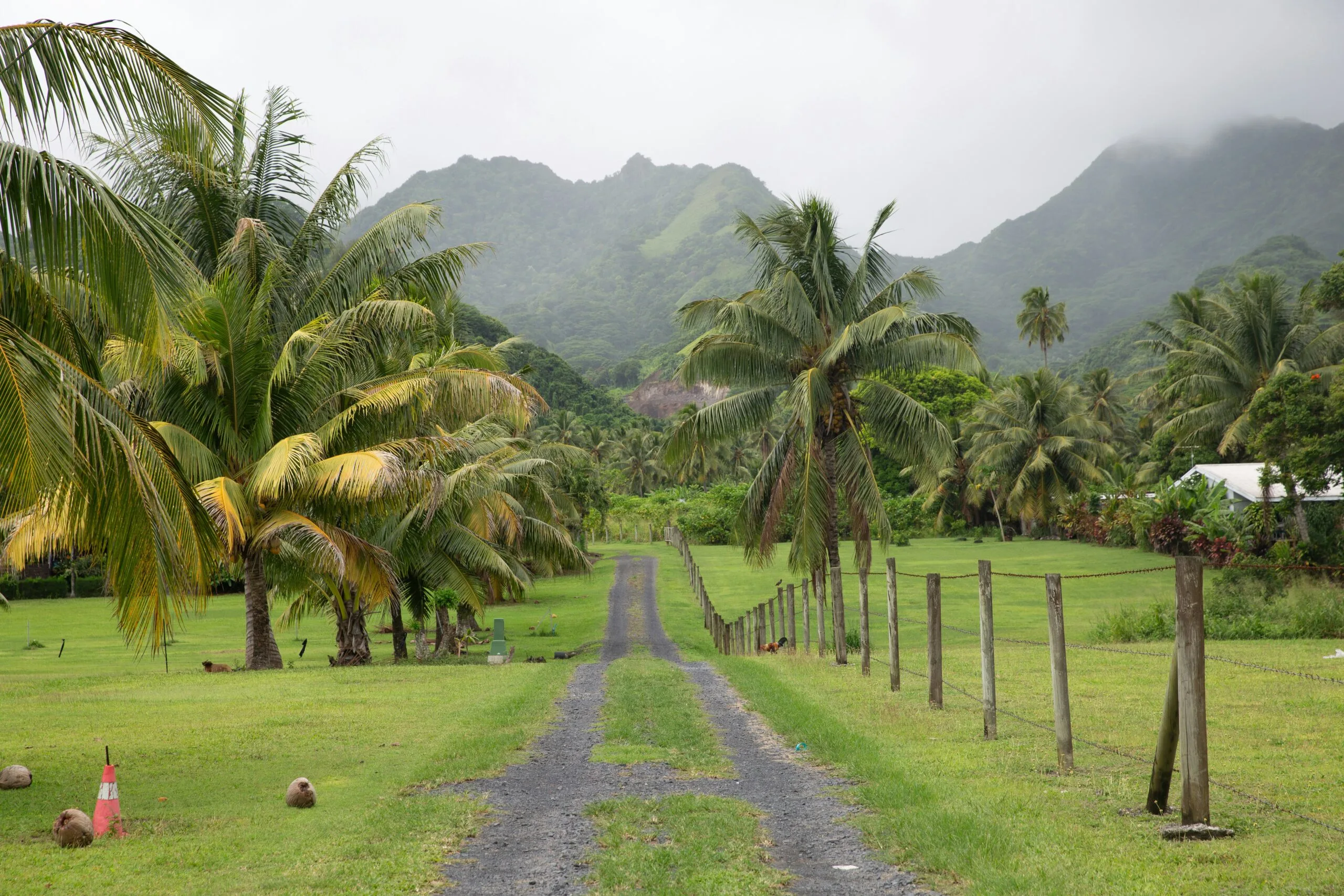
Yes, they will be muddier, but that is actually part of the adventure. The Cross-Island Walk on Rarotonga (taking you to the stunning Te Rua Manga or "The Needle") becomes a lush, tropical jungle experience with slippery roots and chocolate-brown mud. Wear proper footwear and embrace it, because the payoff is seeing waterfalls cascading down every cliff face.
The drawdown is that some side trails become impassable, and you will need to be slower and more careful. However, the cooler temperatures under the forest canopy and the sound of rushing water everywhere make it magical.

Home > Exploit The Seasons > Seasonal World Map > Oceania > Cook Islands
COOK ISLANDS
Beyond Rarotonga’s reef and Aitutaki’s famous lagoon lies a quieter rhythm. The Cook Islands shine brightest when the crowds thin, the rain brings rainbows, and the pace slows to island time.
Smart Travel Calendar
Why Choose The Cook Islands Off-Season?
The lagoon all to yourself. Aitutaki’s famous sandbar feels like your private castaway set.
Cross-island trek without the train. Walk to Te Rua Manga (The Needle) alone with the jungle sounds.
Punanga Nui market without the elbow fight. Shop for black pearls without queueing.
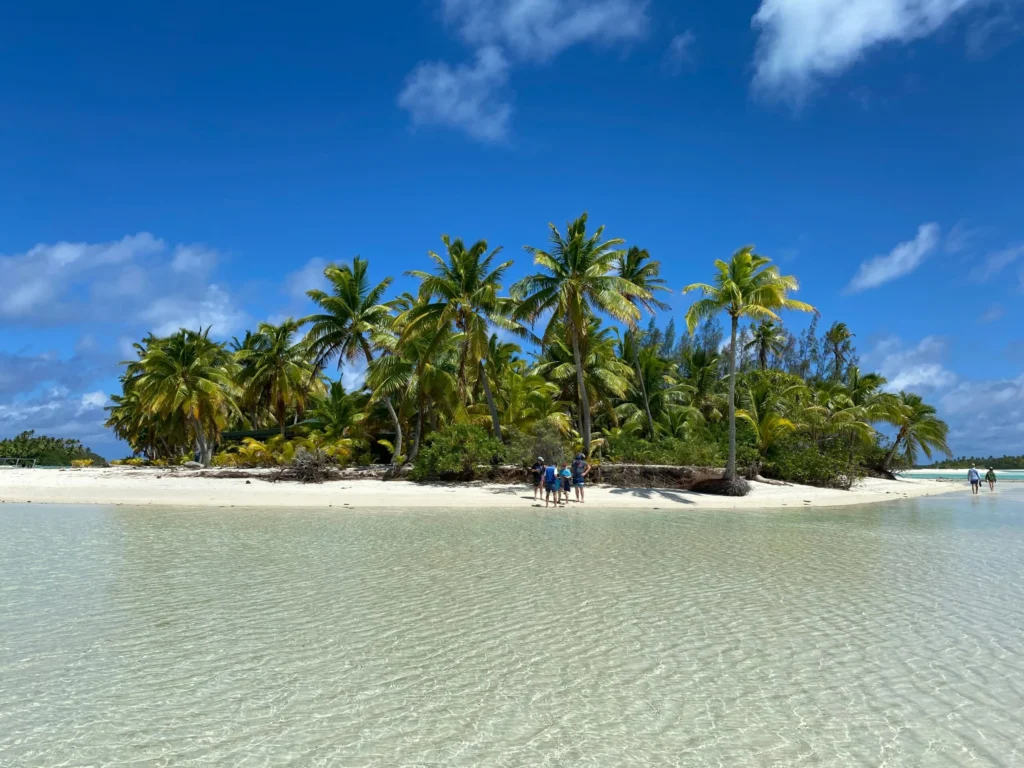
Resorts drop their prices. That overwater dream becomes genuinely affordable.
Rain that refreshes. Short tropical showers leave behind epic double rainbows.
Real local moments. You’ll be invited to church and family feasts spontaneously.
Shoulder Season
Your Smartest Windows
April to May
September to October
Avoid: The New Zealand school holidays (April break, July, and late September/early October) plus the Christmas/New Year fortnight when Kiwis and Aussies flee winter.
What the Sky Does
Typical weather: 22°C to 28°C (72°F to 82°F) – warm but not oppressive.
April & May: end of wet season – fewer showers, clearing skies, calm lagoons.
September & October: start of dry season – low humidity, steady trade winds, perfect swimming.
Brief tropical downpours (10-20 minutes) then sun returns with a rainbow.
How Empty It Feels
40-50% fewer tourists than peak July/December rush.
Muri Beach lagoon has space to paddleboard without collision.
Aitutaki lagoon cruises run with 6 guests instead of 20.
The Saturday Punanga Nui Market is busy but not claustrophobic.
What You’ll Save
25-40% on beachfront villas and 20-30% on flights from New Zealand.
Car and scooter rentals often include a free day with weekly bookings.
Lagoon cruises and island nights run anyway – you’ll pay less for a more personal experience.
Many resorts offer “shoulder season” packages with breakfast and airport transfers included.
The Secret Perk
Whale season starts late September – watch humpbacks from Rarotonga’s southern coast.
Mango and pawpaw season – local markets overflow with sweet, cheap tropical fruit.
Te Mire Atu Festival (October/November) – cultural competitions in dance, drumming, and singing before peak season begins.
Soft golden light for photos – lower humidity means clearer sunsets over Aitutaki’s lagoon.
Village feasts – families invite travelers to share in Sunday umukai (earth oven feast) without the tourist markup.
The Tiny Trade-Off
Occasional morning showers – pack a light rain jacket and flexible attitude.
Some smaller cafes close one day a week (usually Sunday, but that’s normal year-round).
No big cultural shows every night – but the authentic ones feel more genuine.
Humidity climbs in late October – can feel sticky before the trades strengthen.
Smart Traveler Tip
Target mid-September to mid-October for the absolute sweet spot: whale watching + good weather + thinning crowds.
Fly Tuesday through Thursday – Rarotonga International Airport is calmest then.
Book Aitutaki first – it’s smaller and fills faster than Rarotonga even in shoulder.
Avoid the last week of September (NZ school holidays) – prices jump for that week only.
Deep Off-Season
Your Smartest Windows
February to March
November (early half – before school holidays)
Avoid: The Christmas/New Year fortnight (December 20–January 5) when New Zealanders escape winter, filling flights and villas.
What the Sky Does
Warm and humid: 24°C to 30°C (75°F to 86°F) with occasional heavy showers.
Expect short, intense tropical downpours (often late afternoon) followed by steaming sun.
Rarotonga’s interior (the cross-island trek) gets more rain than the coastal ring road.
Cyclone risk is low but real – most storms pass north of the Cooks (rarely direct hit).
How Empty It Feels
70-80% fewer tourists than peak season – you’ll feel like you’ve discovered a secret.
Aitutaki’s famous One Foot Island has you and maybe two other people.
Rarotonga’s weekly Punanga Nui Market is locals-only relaxed.
Resorts feel like private retreats – staff remember your coffee order by day two.
What You’ll Save
50-60% off peak-season beachfront rates – luxury villas become budget-friendly.
Flights from New Zealand often drop to 40-45% below December prices.
Many top resorts run “rainy season specials” with free nights and meals.
Private lagoon charter for the cost of a shared tour in peak – negotiate for a longer trip.
The Secret Perk
Te Manga (The Needle) without the crowds – the cross-island trek is blissfully solo.
Avana Harbour morning light – perfect photography conditions without glare.
Indoor weaving and pa’ua (pearl shell) carving – artisans have hours to teach you.
No need to book anything – decide that morning which lagoon to explore.
Real family connections – you’ll be invited to church, then to lunch, then to a game of rugby.
The Tiny Trade-Off
Some Aitutaki lagoon cruise operators reduce daily departures (one instead of two).
A few restaurants in rural Rarotonga close for 2-3 weeks (February-March break).
Mosquitoes are more active after rain – pack good repellent.
Daylight is slightly shorter (sunset ~6:45pm vs 7:30pm in summer).
No big cultural festivals (Te Mire Atu is October/November – catch early November).
Smart Traveler Tip
February is the absolute cheapest month – but early March has better weather and similarly low prices.
Stay on Rarotonga’s southern coast (Titikaveka, Muri) – it’s slightly drier than the north in rainy season.
Book travel insurance with cyclone coverage – rare, but wise for peace of mind.
Pack a waterproof backpack, water shoes, and quick-dry clothes – you’ll get caught in one daily shower.
Visit the cross-island trek in the morning – afternoon rains make the track slippery and rivers rise.
Find Off-Peak Flights
FAQs
Essential Trip Information
Visa and Entry Requirements
The Cook Islands is a self-governing territory in free association with New Zealand, and visitors from most countries can stay visa-free for up to 31 days.
Passport validity: Your passport must be valid for at least 6 months beyond your stay.
Onward travel: Immigration may ask for proof of onward travel and accommodation bookings.
For detailed entry requirements, check the official Cook Islands immigration website.
Currency
The Cook Islands Dollar (CKD) is used, which is pegged to the New Zealand Dollar (NZD). While CKD is the official currency, New Zealand Dollars (NZD) are widely accepted.
Best ways to handle currency:
- Before your trip: Exchange a small amount of money or use ATMs upon arrival. ATMs offer better rates than exchange bureaus.
- During your trip: Use ATMs at banks for better rates. Credit/debit cards (Visa, Mastercard) are widely accepted, but keep cash for smaller vendors.
- What to avoid: Avoid currency exchange kiosks as they often charge high fees.
Language
The official languages are English and Cook Islands Māori.
Helpful phrases:
- “Kia orana” (Hello)
- “Meitaki” (Thank you)
- “E i te painu?” (Where is…?)
Safety & Security
The Cook Islands are generally safe, but like any tourist destination, exercise caution at night and in less populated areas.
Emergency number: 999 (Police, Fire, Ambulance)
Health & Insurance
No mandatory vaccinations are required for entry, but it’s recommended to check with your healthcare provider.
Travel insurance is advised, as medical care can be expensive, and you may need to be airlifted to New Zealand for serious issues.
Pharmacies are available in Rarotonga, and tap water is generally safe to drink.
Transportation
Public Transport: Limited public buses run on some islands; check schedules for timing.
Biking: Rarotonga has popular bike rentals for scenic tours.
Car Rentals: The island is small, and renting a car or scooter is a popular option to explore at your own pace.
Taxis: Available, but be aware that some areas may only have limited services.
Price Level
The Cook Islands can be considered moderate to expensive, especially in tourist-heavy areas.
Accommodation
- Budget: Guesthouses and hostels (US$60–120/night)
- Mid-range: 3-star hotels (US$150–250/night)
- Luxury: 4-5 star resorts (US$300+/night)
Food
- Quick eats: Local eateries or food stalls (US$8–15)
- Casual dining: Local restaurants (US$20–40/person)
- Fine dining: High-end dining (US$60+/person)
Drinks
- Beer: Local beer (US$5–8/bar)
- Cocktails: Resort or beachside cocktails (US$10–18)
Transportation
- Public buses: In some areas (US$2–5/ride)
- Taxis: US$10–20 for short trips
- Bike rentals: For scenic trips (US$8–15/hour)
Money-Saving Tips
Take local buses for affordable travel around the island.
Eat local at smaller restaurants or roadside food vendors to enjoy authentic and budget-friendly meals.
Book accommodation in advance for better rates, especially during peak seasons.
Planning Your Trip
Local Customs And Etiquette
The Cook Islands maintain a laid-back, friendly atmosphere.
Politics: Avoid political discussions—respect local views and governance.
Tipping: Tipping is not mandatory, but appreciated for exceptional service. Around 10% at restaurants or US$1–2 for housekeeping.
Dress Code: Casual attire is fine for most settings, but it’s polite to dress modestly when visiting local churches.
Language: English is widely spoken, but Cook Islands Maori is the local language. It’s appreciated if you learn a few greetings in Maori.
Photography: Ask permission before photographing local people, especially in rural areas.
Tip: Respect local traditions and customs, especially during cultural ceremonies.
Budgeting For Your Trip
The Cook Islands can be affordable for some, but costs can add up with luxury accommodations and activities.
Accommodation: Budget (US$30–60), mid-range (US$100–200), luxury (US$300+).
Food: Street food (US$6–12), casual dining (US$15–25), upscale restaurants (US$30+).
Transport: Scooter/car rentals (US$20–55/day), bus (US$3–5), taxis (US$10–20).
Activities: Many water activities such as snorkeling and swimming with turtles are free or low-cost, but organized tours (e.g., lagoon tours) can range from US$50–150.
Daily Budget:
Budget: US$60–100 (budget accommodation, casual food, local transport).
Mid-range: US$150–250 (hotel stays, excursions, dining at mid-range restaurants).
Luxury: US$300+ (luxury resorts, private tours, fine dining).
Internet & Mobile
Free Wi-Fi: Available at most hotels, cafes, and some public areas. Wi-Fi speeds may be slower than in urban locations.
SIM Cards: You can buy a prepaid SIM card from Vodafone or Digicel at the airport or local shops. Plans range from US$10–25 for data packs.
eSIMs: Supported by major providers like Airalo and Vodafone, offering plans for international travelers.
Tip: Expect limited internet access in rural areas, so plan ahead if you need constant connectivity.
Travel Insurance
Essential for: Medical emergencies (limited local healthcare), flight delays.
Adventure Coverage: Ensure it includes scuba diving, kayaking, etc.
Evacuation: Some remote islands require medevac coverage.
Accomodation Options
The Cook Islands offer a variety of accommodation to suit different budgets.
Luxury:
- Pacific Resort Aitutaki: A stunning beachfront resort with overwater bungalows.
- Crown Beach Resort: An exclusive option with private villas and beach access.
Mid-range:
- Rarotonga Beach Bungalows: Affordable beachfront bungalows on Rarotonga.
- Muri Beachcomber: A popular choice for couples, with self-contained units near the beach.
Budget:
- Aroa Beachside Inn: Budget-friendly options on Rarotonga with beachfront access.
- Backpacker accommodations: Numerous hostels and budget guesthouses starting from US$30–50 per night.
- Airbnb/VRBO: Ideal for groups or families looking for more space. Check locations in Muri or Avarua for proximity to key attractions.
Tip: Opt for beachfront accommodations for stunning views and easy access to activities.
Getting Around
The Cook Islands are relatively small, so getting around is straightforward.
Public Transport:
- Buses: Regular services on Rarotonga (main island) covering key areas. Buses are affordable (around US$3–5 per ride).
Taxis/Rideshares:
- Taxis are available, but rideshare services like Uber are not present. Taxi fares range from US$10–20 for short trips.
Car/Scooter Rentals:
- Renting a car or scooter is highly recommended to explore the islands at your own pace. Prices range from US$35–55/day for cars and US$20–30/day for scooters.
Biking:
- Bicycles are available for rent on the islands, and cycling around Rarotonga’s scenic roads is a popular activity.
Walking:
- Many of the smaller islands can be explored by foot, with walking tours available in the main towns.
Tip: Renting a scooter or car offers the most flexibility and comfort for sightseeing.