 Skip to content








- How Bad Are The Bugs And Humidity During The Off-Season In Central Canada?
You will get a massive break from the two biggest summer headaches: biting insects and sticky humidity. By choosing the shoulder seasons, the blackflies and mosquitoes have largely disappeared, and the air feels crisp rather than heavy, making outdoor city walking actually enjoyable.
However, the drawdown is that you trade humidity for rapidly shifting temperatures. You can start a sunny afternoon in Montreal needing only a light jacket, but by evening you will feel the cold bite of a late autumn wind off the St. Lawrence River. Exploit Travel Seasonality by packing a warm scarf and you will enjoy 100% fewer bug bites.
- Can I Save Real Money On City Hotels In Toronto And Montreal?
Yes, you will see nightly rates drop by roughly 35% to 45% once the summer festival season ends. The same downtown business hotels that charge premium rates in July offer genuine value in the cooler months, often upgrading your room just to fill the building.
The specific drawdown is that you lose the rooftop bar scene and patio dining culture. While you save a huge percentage on accommodation, many outdoor attractions like harbour cruises or ziplines shut down for maintenance. You must shift your focus to indoor world-class museums, underground shopping networks, and cozy French bistros instead.
- What Happens To Niagara Falls And The National Parks In The Slower Months?
You will witness the raw power of the falls with 70% fewer tourists blocking your photos. The viewing platforms are almost empty, and the mist rising off the water feels more dramatic against a grey sky. You truly get a unique perspective on one of the world's natural wonders.
However, the drawdown is that the famous boat tours stop running when the river ice gets too thick, and some park campgrounds close entirely. While the hiking trails in places like Algonquin become silent and peaceful, you cannot use the summer shuttle buses. You must drive yourself or book a private transfer.
- Is The Weather Too Unpredictable For A Global Traveler To Plan A Trip?
No, it is simply a game of smart packing rather than risky planning. Yes, Central Canada can see rain, sun, and early snow flurries all in one week during the transition months, but the weather forecasts are highly reliable just a few days out.
The honest drawdown is that a single storm can shut down the canal systems in Ottawa or delay trains between Toronto and Quebec City. To Exploit Travel Seasonality successfully here, you must build one flexible day into your itinerary. Use that day to visit a sugar shack or a local craft brewery instead of rushing between outdoor sights.
- Will I Feel Bored Without The Summer Festivals And Crowds?
Absolutely not, but you must change your expectations about what fun looks like. Instead of standing in long lines for a street fair, you will find yourself having deep conversations with local shop owners who finally have time to talk. You will find warm refuge in underground art galleries and jazz bars.
The specific drawdown is that the lively energy of the tourist quarter dies down by 9 PM. While you get 50% discounts on theatre tickets and hockey games fill the void left by outdoor concerts, you will not find huge block parties. You are coming for authentic local life, not a highlight reel, and that is the real value Volomundi promises.

Home > Exploit The Seasons > Seasonal World Map > North America > Canada > Central Canada
CENTRAL CANADA
Central Canada doesn’t hibernate—it transforms. Think Toronto patios without lineups, Quebec City’s old town dusted in snow, and autumn leaves that outdraw summer crowds. This is your low-season guide to the heart of the country.
Smart Travel Calendar
Shoulder Season
Your Smartest Windows
May to early June
September to mid-October
Avoid: Canadian Thanksgiving weekend (second Monday in October – Muskoka and Eastern Townships book solid) and Quebec’s Fête Nationale (June 24 – Montreal empties out but prices spike for the long weekend)
What the Sky Does
May: 10°C to 20°C (50°F to 68°F) | June: 15°C to 25°C (59°F to 77°F)
September: 12°C to 22°C (54°F to 72°F) | October: 5°C to 15°C (41°F to 59°F)
May brings lilac blooms in Niagara and apple blossoms in Quebec’s Montérégie
September serves crisp, clear skies – wildfire smoke is rare, humidity vanishes
October offers peak foliage but also sudden rain; pack layers
The Great Lakes keep coastal cities (Toronto, Kingston) milder than inland (Ottawa, Mont-Tremblant)
How Empty It Feels
40-60% fewer tourists than July-August peak season
Toronto’s ROM and AGO museums: quiet weekday mornings feel almost private
Quebec City’s Château Frontenac terrace: find a bench without waiting
Montreal’s Plateau bagel shops (St-Viateur, Fairmount): no line out the door
Niagara Falls’ Table Rock Welcome Centre: walk up to the railing, front row
Muskoka’s Hardy Lake Provincial Park: parking spots available after 10am
What You’ll Save
30-50% off summer rates – Toronto and Montreal hotels drop from $400 to $200 CAD/night
Flights to Toronto Pearson (YYZ) and Montreal (YUL) cut by 35-45% after Labour Day
Car rentals in Ontario or Quebec: $35-50 CAD/day vs $100+ in August
Niagara wine tours: private tastings often comped because cellars are quiet
Cottage rentals in Muskoka or Laurentians: week-long stays for the price of 2-3 summer nights
The Secret Perk
Sugar shack season (March-April) – Cabane à sucre is Quebec’s tastiest tradition; maple taffy on snow for $15, locals-only vibes before tourist season
Fall colours without the crowds – Algonquin Park’s Highway 60 corridor in late September: stunning without October Thanksgiving madness
Toronto’s patio season extended – May and September offer warm enough days without July’s humidity or reservation wars
Ottawa’s Tulip Festival (May) – Canadian Tulip Festival brings 1 million blooms; crowds are cheerful but manageable because summer hasn’t hit
Whale watching in Tadoussac (September) – St. Lawrence River belugas peak while tourist numbers drop sharply after Labour Day
Kingston’s Thousand Islands empty – September boat tours run half-empty; book a private charter for barely more than a group ticket
The Tiny Trade-Off
Some Muskoka resorts close for 2-3 weeks between Thanksgiving and ski season (mid-October to early December)
May can be rainy in Toronto and Montreal – pack an umbrella, but showers pass quickly
Niagara’s outdoor waterparks (Great Wolf Lodge) operate reduced hours or close weekdays in May and October
Quebec City’s Funicular (Old Town to Lower Town) sometimes closes for maintenance in late April or early November
Montreal’s La Ronde amusement park only runs weekends in May and September
Smart Traveler Tip
September 15-30 is Central Canada’s golden window – warm lakes, peak foliage starting, summer crowds gone, Thanksgiving still weeks away.
For spring, wait until after Victoria Day (third Monday in May) – that’s when most seasonal attractions, ferry services, and cottage rentals open.
Avoid driving to Muskoka or Eastern Townships on Friday before Thanksgiving (October) – traffic rivals summer gridlock.
Use Kingston or Peterborough as your shoulder-season base for the Kawarthas and Thousand Islands – rates are half of tourist-town prices.
Deep Off-Season
Your Smartest Windows
January to February (excluding holiday weeks)
November (after Halloween to mid-December)
Late March (after spring break to early April)
Avoid: December 20 to January 2 (Christmas markets in Toronto, Montreal, Quebec City are magical but packed and pricey); Ontario March break (mid-March – ski hills and indoor waterparks triple prices); Quebec’s Spring Break (first week of March – same story)
What the Sky Does
Toronto & Niagara: -8°C to 0°C (18°F to 32°F) – lake-effect snow, grey skies, occasional deep freeze
Ottawa & Montreal: -15°C to -5°C (5°F to 23°F) – colder, drier, reliable snow cover
Quebec City: -18°C to -8°C (-4°F to 18°F) – true winter; wind off the St. Lawrence bites hard
Muskoka & Laurentians: -20°C to -10°C (-4°F to 14°F) – snowmobile and cross-country ski paradise
Late March: 0°C to 8°C (32°F to 46°F) – messy melt, but sugar shack season begins
How Empty It Feels
75-85% fewer international tourists vs summer peak season
Quebec City’s Petit Champlain district: you’ll share cobblestone streets with locals, not selfie sticks
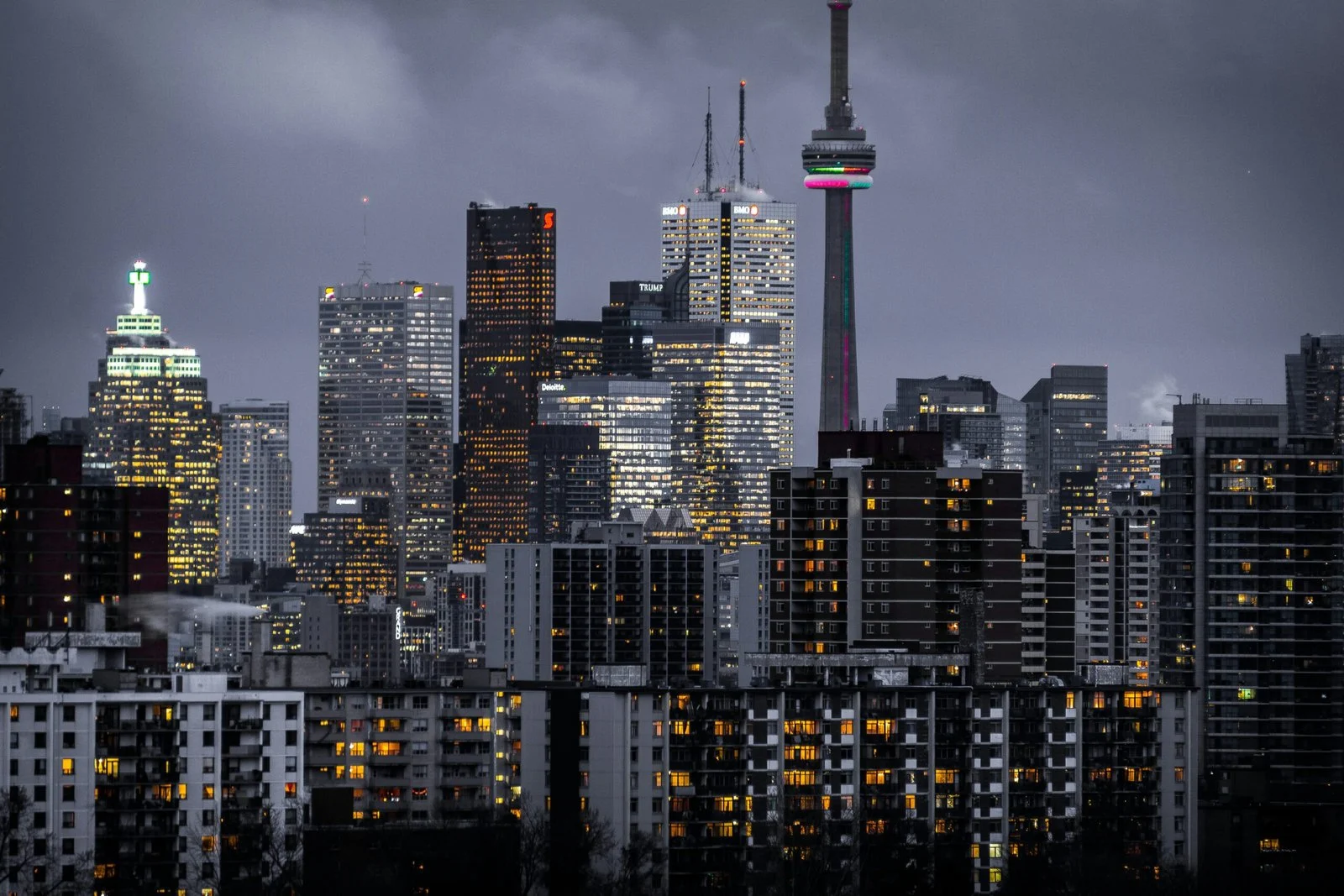
CN Tower and Ripley’s Aquarium: elevator waits under 5 minutes, even on weekends
Ottawa’s Parliament Hill and ByWard Market: peaceful winter strolls without the Canada Day crush
Niagara Falls’ indoor waterparks: slide lines are short; hotel packages include free upgrades
Montreal’s underground city (RESO): locals use it for commuting, not tourist crowds
What You’ll Save
60-75% off peak summer rates – Toronto’s luxury hotels (Royal York, Shangri-La) from $150-200 CAD/night (were $500+ in July)
Flights to Toronto, Montreal, or Ottawa: often under $100 CAD one-way from NYC, Chicago, Boston, or Calgary in January
Quebec City accommodation: Fairmont Le Château Frontenac for $250 CAD/night in February (was $800 in September)
Car rentals: $15-25 CAD/day – unlimited kilometers, no competition
Niagara Falls view rooms: Falls-facing at Sheraton or Embassy Suites for $120 CAD/night (July = $450)
Ski lift tickets: Mont-Tremblant or Blue Mountain – midweek tickets half price, no lift lines
The Secret Perk
Quebec City’s Carnaval (late January to early February) – Bonhomme Carnaval, ice canoe races, and night parades; it’s the world’s largest winter carnival without the pretension
Ottawa’s Rideau Canal Skateway – 7.8 km of frozen UNESCO ice; BeaverTails hot pastry in hand; all completely free
Toronto’s Winterlicious (late January to early February) – $25-55 CAD prix fixe menus at 200+ top restaurants; half the price of summer dining
Montreal’s Igloofest (January weekends) – Outdoor electronic music festival in the Old Port; dance in snowsuits with 20,000 happy Quebecois
Niagara Falls frozen mist – When temperatures drop below -10°C, the Falls’ mist freezes on railings, trees, and lampposts – surreal winter photography
Muskoka ice fishing – Rent a heated hut on Lake of Bays or Joe Lake; catch lake trout, drink hot chocolate, see stars with zero light pollution
Real local poutine without lineups – Montreal’s La Banquise is open 24/7; in February at 2am, it’s just you and the cab drivers
The Tiny Trade-Off
Great Lakes boat cruises (Toronto Harbour, Thousand Islands, Niagara River) stop running entirely from November to April
Muskoka’s Hardy Lake and Algonquin Park interior trails are unmaintained – snowshoes or skis required; some access roads closed
Montreal’s Mount Royal Park main lookout road is closed to vehicles from December to April (walk up instead)
Up to 40% of sidewalk cafes and seasonal food trucks in Toronto and Montreal shut down for winter
Daylight hours: sunrise 7:45am, sunset 4:45pm in December – shorter in Quebec City (4:30pm)
Quebec City’s Funicular closes for 6 weeks in January-February for annual maintenance
Smart Traveler Tip
January is the quietest month across Central Canada – even Quebec City’s Carnaval crowds only spike on weekends.
For the mildest deep-off-season weather, stick to Niagara-on-the-Lake or Toronto’s lakeshore – lake effect keeps temperatures 5-8°C warmer than Ottawa or Montreal.
Plan November trips after Halloween but before December 15 – Christmas markets haven’t opened, but fall colors linger in Niagara wine country.
Pack thermal base layers, insulated boots, and a proper down parka – Central Canada’s cold is damp (especially Toronto and Montreal); dry cold advice doesn’t apply here.
Use VIA Rail’s Tuesday discounts in winter – Toronto to Montreal for $49 CAD, Ottawa to Quebec City for $39 CAD; trains run on time because no summer track work.
Book February trips around reading week (universities, third week of Feb) – otherwise accommodation and VIA Rail are wide open and cheap.
Find Off-Peak Flights
Top Off‑Season Stays
Find below our curated selection of boutique hotels and design apartments that offer exceptional value, atmosphere, and comfort during the off‑season — often at significantly lower rates than peak months.
Uncrowded Experiences & Tours
Skip the lines and experience iconic landmarks at your own pace. Discover curated local tours and cultural activities designed to show you the authentic side of the destination without the peak-season rush.
Handy Tips
Weather & Climate
The Corridor experiences four distinct seasons. Summers are often hot and very humid (30°C / 86°F+), while winters are cold and snowy (-15°C / 5°F or lower). Spring and autumn are brief but temperate and highly scenic.
Local Customs And Etiquette
Language: English is dominant in Ontario, while French is the official language of Quebec. In Montreal, “Bonjour-Hi” is the standard greeting, but in Quebec City, starting with a basic French greeting is highly appreciated.
Tipping: Tipping is not optional; 15%–20% is the standard for restaurant service and bars.
Punctuality: Generally, Canadians value punctuality for business and social gatherings.
Budgeting For Your Trip
Accommodation: Hostels ($40–$70), mid-range hotels ($150–$250), luxury ($350+).
Food: Casual lunch/poutine ($15–$22), dinner at a mid-range restaurant ($40–$70 per person), fine dining ($100+).
Transport: Car rental ($60/day), VIA Rail train ticket ($50–$150), city transit pass ($10–$15/day).
Activities: Museum entry ($20–$30), CN Tower or Niagara boat tours ($40–$55).
Daily Budget:
- Budget: $100–$140 (hostels, street food, public transit).
- Mid-range: $200–$350 (hotels, sit-down meals, paid attractions).
- Luxury: $500+ (high-end hotels, tasting menus, private transport).
Getting Around
By Car: Ideal for exploring the Niagara wine region or the Laurentians, though city traffic in Toronto and Montreal is heavy.
By Train: VIA Rail’s “Corridor” service is the most relaxing way to travel between Toronto, Ottawa, Montreal, and Quebec City.
By Bus: Various private carriers (like Megabus or Orléans Express) offer frequent, affordable connections between major hubs.
Must-Try Food
Poutine: Quebec’s iconic dish of fries, fresh cheese curds, and hot brown gravy.
Montreal Smoked Meat: Brisket cured with spices, served stacked high on rye bread with mustard.
Peameal Bacon Sandwich: A Toronto classic, featuring lean pork loin rolled in cornmeal.
Tourtière: A traditional French-Canadian meat pie, typically spiced with cloves and cinnamon.
Montreal Bagels: Denser, sweeter, and wood-fired—distinctly different from New York style.
Ontario Cheddar: Sharp, aged cheeses from the many creameries in Eastern Ontario.
BeaverTails: Fried dough pastries stretched to resemble a beaver’s tail, topped with cinnamon and sugar.
Butter Tart: A classic Canadian pastry shell filled with a syrupy mix of butter, sugar, and egg.
Maple Taffy: Boiled maple syrup poured onto fresh snow and rolled onto a stick.
Nanaimo Bar: A three-layered no-bake dessert square (popular across the country).
Must-Try Drinks
Niagara Icewine: A prestigious dessert wine made from grapes naturally frozen on the vine.
Quebec Craft Cider: Both sparkling and “Ice Cider” (Cidre de glace) are regional specialties.
Ontario Craft Beer: The region is exploding with microbreweries, particularly IPAs and Stouts.
The Caesar: Canada’s national cocktail, similar to a Bloody Mary but made with clamato juice.
Caribou: A potent Quebecois drink made of red wine, hard liquor, and maple syrup (served hot).
Sortilège: A popular whiskey liqueur flavored with authentic maple syrup.
Spruce Beer: A traditional, herbal carbonated drink (often non-alcoholic) common in Quebec.
London Fog: Though named after London, this Earl Grey tea latte with vanilla was invented in the region.
Local Apple Juice: Fresh-pressed juice from the orchards of the St. Lawrence Valley.
Tim Hortons Coffee: A cultural staple; order a “Double Double” (two creams, two sugars) to drink like a local.