 Skip to content
- What Is The Weather Really Like During The Off-Season In Western Canada?
You will experience the full personality of a Rocky Mountain spring or a coastal autumn. This means you can expect everything from crisp, sunny days perfect for photography to sudden rain showers that keep the landscapes lush and the waterfalls powerful.
However, the drawdowns are the shorter daylight hours and the fact that high mountain passes may still hold snow in the early shoulder months. You absolutely need to pack layers and waterproof boots, but the reward is seeing frozen lakes start to thaw or autumn foliage reflect off the Pacific with 50% fewer people on the trails.
- Can I Save A Lot Of Money On Hotels And Tours Here?
Absolutely. By choosing to Exploit Travel Seasonality along the West Coast and The Rockies, you will see accommodation prices drop by roughly 30% to 50% compared to the busy summer months. You will also find that guided wildlife tours and boat cruises offer similar percentage discounts to fill their seats.
The specific drawdown is that some smaller family-run lodges or specific seasonal attractions (like certain island ferries or skywalks) may reduce their operating hours or close entirely. You must check schedules in advance, but the money you save on hotels leaves you with a bigger budget for luxury heli-tours or spa treatments that stay open year-round.
- Will The Major Roads And Mountain Highways Be Open?
Yes, the primary highways connecting the coast to the interior valleys remain open and are much quieter, meaning zero traffic jams at popular viewpoints. You will enjoy a stress-free drive through the foggy coastal mountains or past frozen waterfalls without battling recreational vehicles.
However, the specific risk is sudden winter storms that can temporarily close the high-altitude passes like the Icefields Parkway. While you get 90% fewer rental car queues, you must rent a vehicle with proper all-weather tires and always check the highway webcams before heading out for the day.
- How Bad Are The Crowds At Popular Lookouts And Towns?
You will feel like you have the place almost to yourself. Imagine walking through a quaint harbor town or standing at a world-famous lake viewpoint with only a handful of serious photographers instead of hundreds of summer tourists. That is the true off-season value.
The honest drawdown is that this quiet atmosphere means the lively summer nightlife and bustling street food festivals are not running. While you get 70% shorter wait times for chairlifts and gondolas, the energy level is more about peaceful nature walks and cozy fireside evenings than big parties.
- Is It Hard To Get Around Without A Car In The Slower Months?
Yes, it is significantly harder, and that is the main drawback you need to plan for. The iconic scenic trains and shuttle buses connecting major national parks run on a reduced frequency, and some remote coastal bus routes stop entirely during the deep off-season.
Therefore, you must consider a rental car your best friend for smart travel here. While you lose the convenience of public transport, you gain the freedom to chase the best weather windows. You will also find that domestic flight routes between the coast and interior cities offer great percentage discounts, just book your regional connections early.

Home > Exploit The Seasons > Seasonal World Map > North America > Canada > Canada West Coast And Rockies
CANADA WEST COAST & ROCKIES
From Pacific surf to mountain glaciers, Western Canada flips seasons beautifully. Think empty coastal trails, frozen lake views without tripods, and ski towns that breathe between rushes. This is your low-season roadmap to BC and the Rockies.
Smart Travel Calendar
Shoulder Season
Your Smartest Windows
May to mid-June
September to mid-October
Avoid: The last week of May (Victoria Day long weekend – locals flood the Rockies and Gulf Islands) and Canadian Thanksgiving weekend (second Monday in October – mountain lodges spike prices)
What the Sky Does
Coast (Vancouver, Victoria): 10°C to 18°C (50°F to 64°F) | Rockies (Banff, Jasper): 5°C to 15°C (41°F to 59°F)
May brings waterfalls at full roar – snowmelt makes Johnston Canyon and Athabasca Falls spectacular
September offers crystal-clear skies after summer wildfire smoke clears
Coastal fog burns off by 10am, leaving golden afternoons on the Pacific Rim
October in the Rockies brings sudden dustings of snow that melt by noon – dramatic mountain photos guaranteed
How Empty It Feels
50-65% fewer tourists than July-August peak season
Banff Avenue has parking spots – even on weekends before 10am
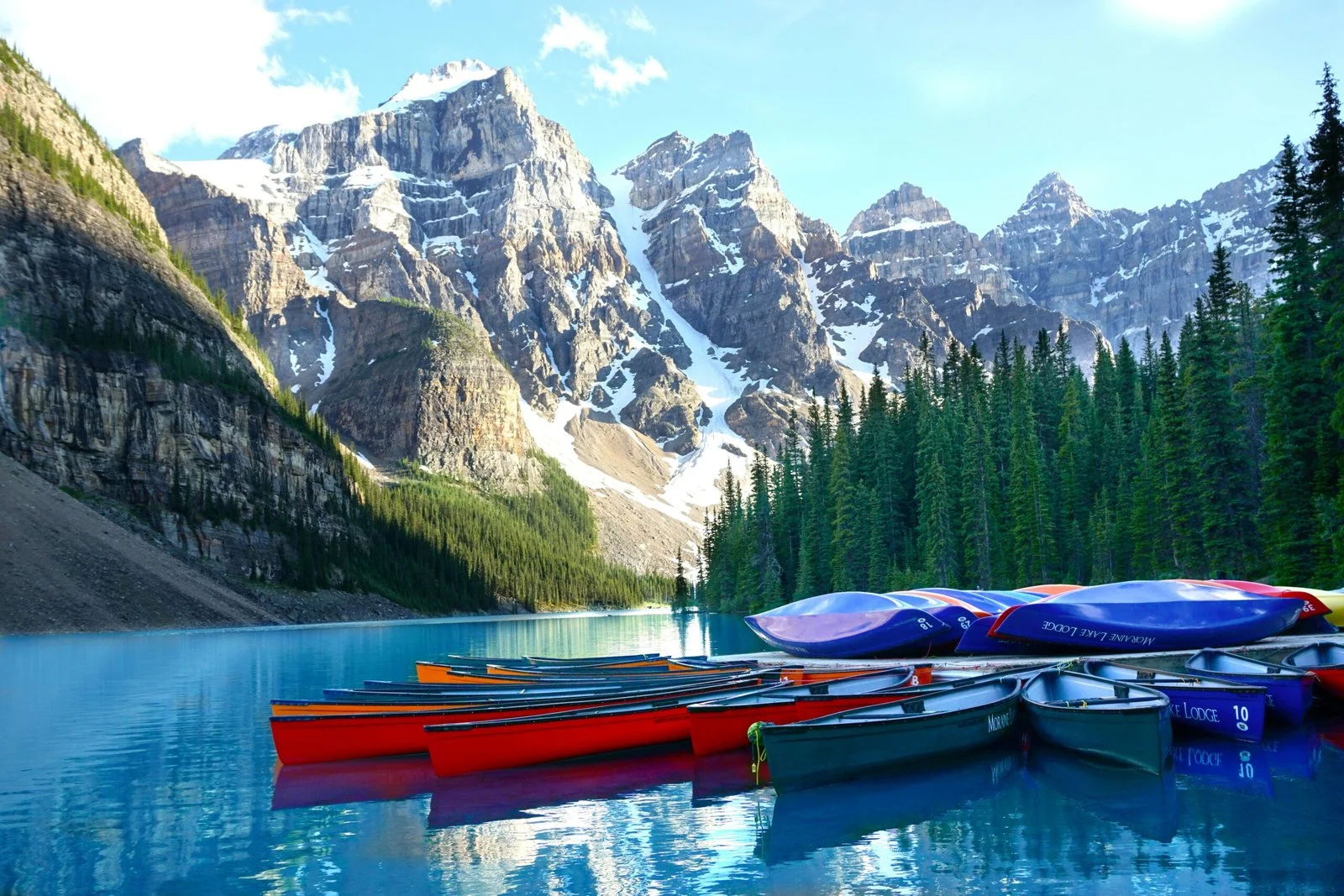
Lake Louise shoreline: maybe 20 people instead of 500; Moraine Lake Road is driveable without a shuttle reservation
Vancouver’s Capilano Suspension Bridge: walk straight to the ticket booth
Whistler Village strolling feels spacious; gondola lines are under 10 minutes
What You’ll Save
30-50% off summer hotel rates – Fairmont Chateau Lake Louise drops from $900 to $450 CAD/night
Flights to Vancouver (YVR) and Calgary (YYC) cut by 35% after Labour Day
Car rentals in Calgary or Vancouver: $40-60 CAD/day vs $120-150 in July
BC Ferries to Vancouver Island: save by walking on – vehicle space is always available
The Secret Perk
Salmon run viewing (September-October) – Campbell River and Adams River see millions of fish; bears come to feast, you come to watch for free
Larch season in Banff (last two weeks of September) – Alpine hiking trails turn electric gold; it’s a local secret that’s finally getting recognition
Pacific rain forest in a soft drizzle – Vancouver’s Lynn Canyon has moss that glows neon green under cloud light
Storm watching on Vancouver Island (October) – Tofino’s winter swell begins; luxury cabins cost half and storms are mesmerizing
Wineries of the Okanagan harvest – Kelowna pours free tastings when you’re one of only five people in the cellar
The Tiny Trade-Off
Moraine Lake Road closes to personal vehicles from June to September – in May and October, you CAN drive up, but the lake might still be partially frozen or snow-covered
Some glacier tour operations (Columbia Icefield Adventure) start daily runs only after May 15
Sunshine Village gondola in Banff closes for two weeks between ski and hike seasons (late May)
May in the Rockies means muddy trails and hungry bears waking up – carry spray and expect trail closures
Smart Traveler Tip
Book the first two weeks of June for the sweet spot: alpine trails are open, lakes are thawed, and US summer vacation crowds haven’t arrived.
For fall, target September 20 to October 5 – larch trees peak, elk rutting season puts on a show, and Thanksgiving crowds haven’t hit.
Avoid May long weekend (Victoria Day) entirely – it’s Alberta and BC’s busiest camping weekend outside summer.
Use Vancouver as your shoulder-season hub: rain is mild, and flights from Seattle or Portland are dirt cheap.
Deep Off-Season
Your Smartest Windows
November (after American Thanksgiving to December 10)
January (after New Year’s to February 10, excluding ski weeks)
Avoid: Mid-December to January 1 (Christmas/NY in Whistler, Banff, and Vancouver – prices triple); February Presidents’ Week (US holiday crowds flood Whistler and Big White)
What the Sky Does
Coast (Vancouver, Victoria): 2°C to 8°C (36°F to 46°F) – rain 18-22 days/month
Rockies (Banff, Jasper): -15°C to -5°C (5°F to 23°F) – dry cold, brilliant sunshine
Whistler: -5°C to 0°C (23°F to 32°F) – prime powder snow, foggy valleys
The Okanagan (Kelowna): -8°C to -1°C (18°F to 30°F) – frozen lakes, crystal clear skies
Vancouver Island’s west coast (Tofino): 3°C to 9°C (37°F to 48°F) – king tide season for dramatic storm watching
How Empty It Feels
80-90% fewer international tourists vs summer peak
Banff town site feels like a local secret – walk into any restaurant without a reservation
Lake Louise frozen: you’ll share the ice with 10 people instead of 1,000
Capilano Suspension Bridge’s Canyon Lights (December) is busy – but before Dec 15, it’s a ghost town
Whistler Village is quiet on weekdays; weekend lift lines are 15 minutes instead of 45
Vancouver’s Sea to Sky Highway: you’ll see more eagles than cars
What You’ll Save
60-75% off summer peak rates – Banff Springs Hotel dropped to $250 CAD/night (was $800 in July)
Flights to Calgary from Toronto, Chicago, or London: often under $150 CAD one-way in January
Whistler accommodation: ski-in/ski-out condos for $150-200 CAD/night vs $600 in February
Car rentals: $20-30 CAD/day – sometimes upgraded to SUVs for free because demand is dead
BC Ferries to Victoria: reserve an hour before departure, not two weeks
The Secret Perk
Frozen waterfalls in Johnston Canyon (Banff) – Ice cleats let you walk a frozen canyon; it’s magical, uncrowded, and free
Aurora borealis over the Rockies – January nights offer northern lights visible from Banff townsite’s backyard
Whistler for non-skiers – Scandinave Spa outdoor baths are $30 cheaper and nearly private on a January Tuesday
Vancouver’s ramen and hot pot scene – Rainy November nights are made for $15 bowls; locals will join your table
Real cowboy winter in Kamloops – Ranch B&Bs charge $80/night and feed you bison chili by the fire
Tofino storm watching – December to January storms pound the Pacific; luxury cabins at Wickaninnish Inn cost 40% less than summer
The Tiny Trade-Off
Moraine Lake Road is closed to vehicles from mid-October to late May (snowed in)
Some Banff hiking trails (Larch Valley, Sentinel Pass) are avalanche-prone – closed from November to June
Sunshine Meadows and Lake Louise gondolas shut down for maintenance in November and April
Daylight hours: sunrise 8am, sunset 4:30pm in December – plan for short hiking windows
Many campgrounds in Jasper and Yoho are closed December through April (water systems frozen)
Vancouver’s outdoor pools and patios close; indoor attractions become your focus
Smart Traveler Tip
November is the absolute steal: ski resorts haven’t opened fully, but fall colors linger on the coast and hotel rates are lowest of the year.
For a quiet Rockies winter, come January 10 to February 5 – after New Year’s recovery, before US Presidents’ Week.
Pack for both rain and snow: Vancouver needs waterproof boots and umbrella; Banff needs down jacket, merino layers, and microspikes.
Use Calgary as your winter gateway – car rentals are 70% cheaper than renting in Banff, and the drive is stunning even in January.
If you want a true local winter without extreme cold, base yourself in Victoria, BC – it rarely freezes, and the Butchart Gardens’ winter lights are uncrowded.
Find Off-Peak Flights
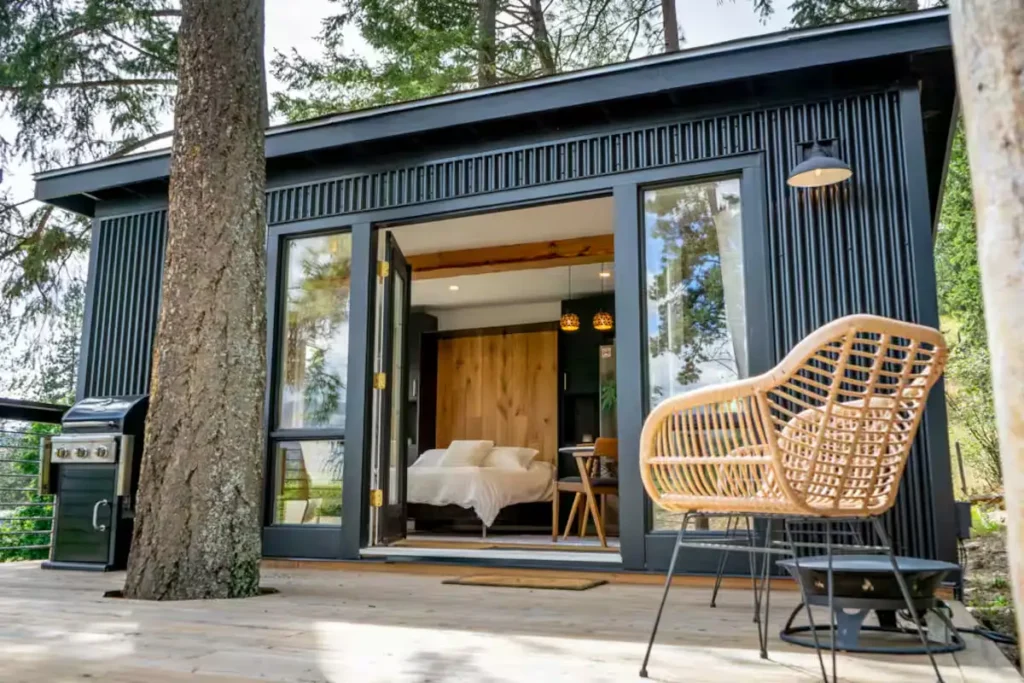
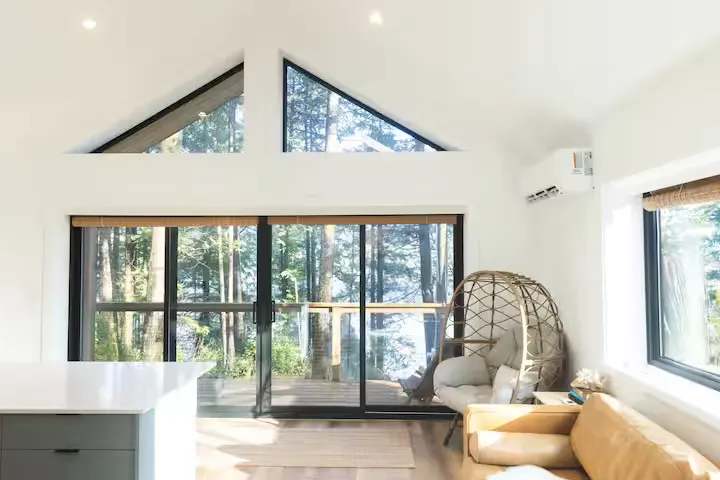
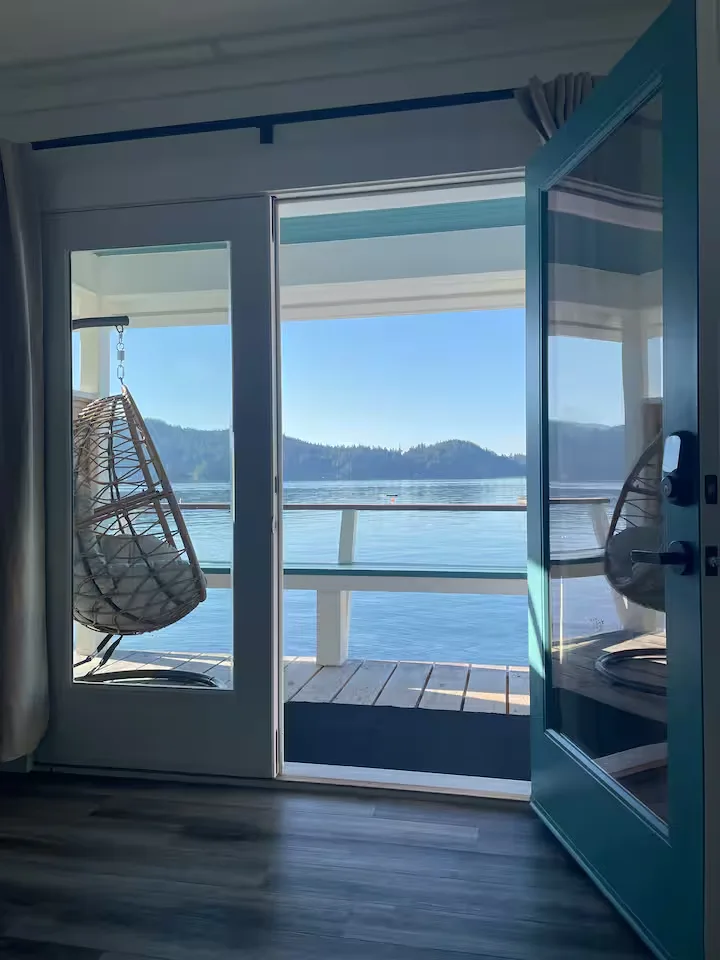
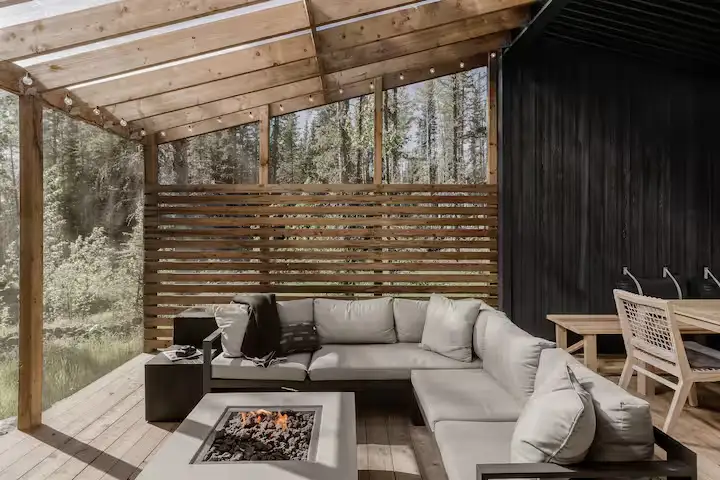
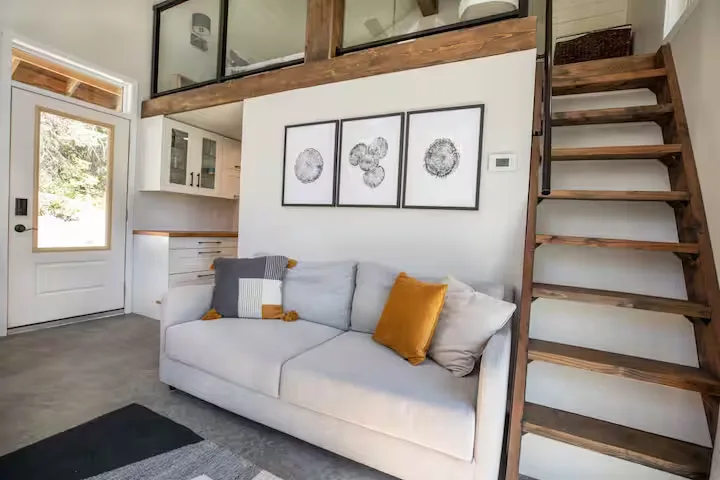
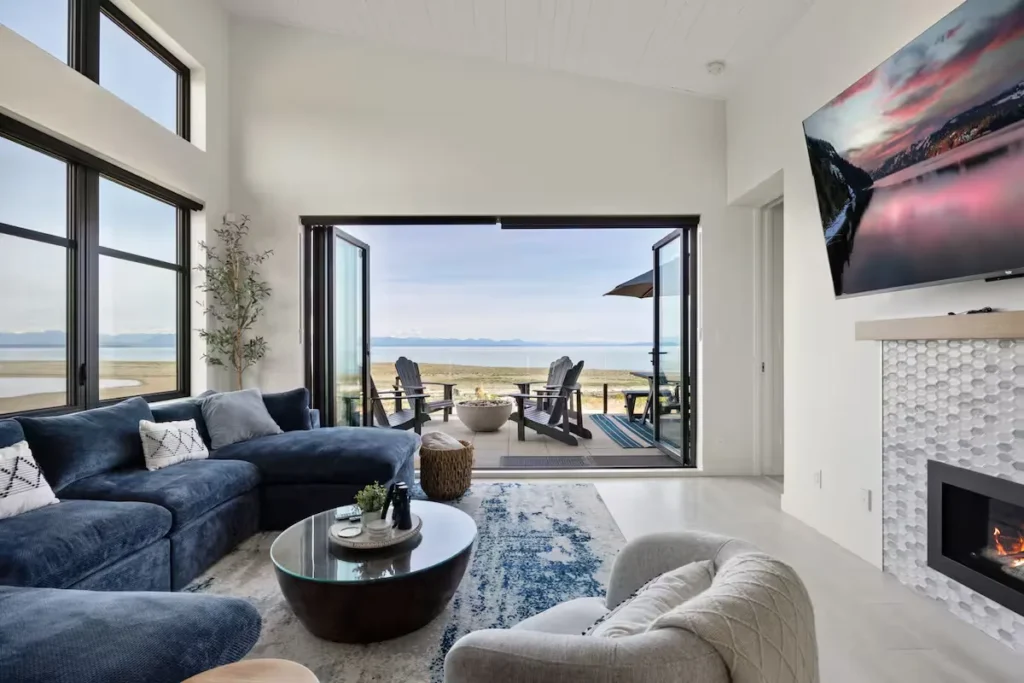
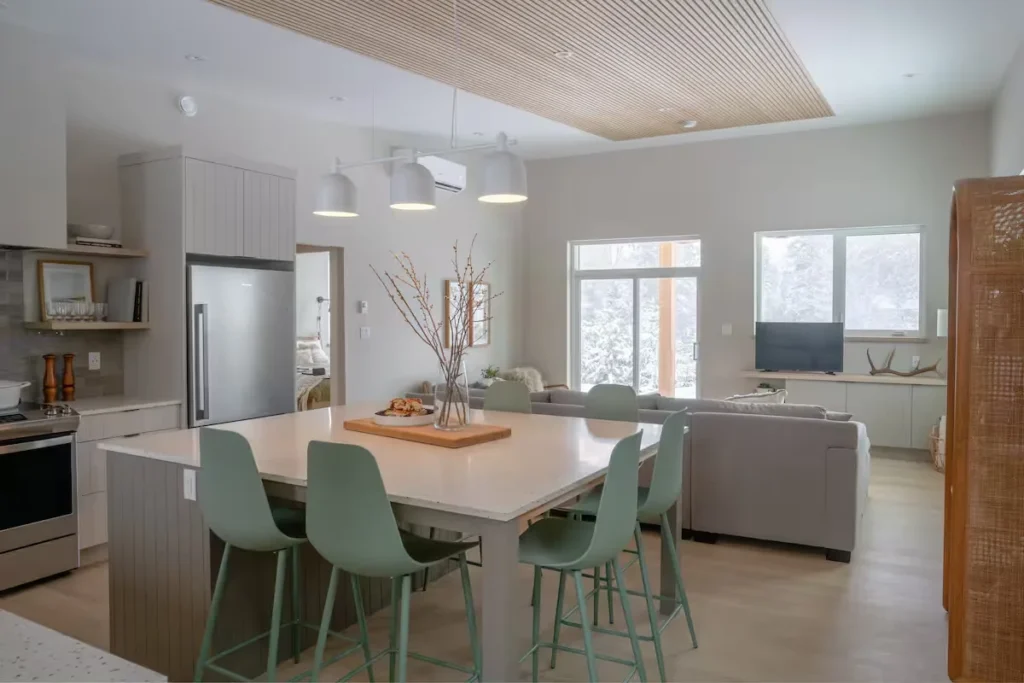
Top Off‑Season Stays
Find below our curated selection of boutique hotels and design apartments that offer exceptional value, atmosphere, and comfort during the off‑season — often at significantly lower rates than peak months.
Uncrowded Experiences & Tours
Skip the lines and experience iconic landmarks at your own pace. Discover curated local tours and cultural activities designed to show you the authentic side of the destination without the peak-season rush.
Handy Tips
Weather & Climate
The coast is temperate and humid, with mild, rainy winters and cool summers (15°C–25°C / 59°F–77°F). The Rockies have an alpine climate with heavy snowfall and cold winters (-15°C / 5°F) and pleasant, brisk summers.
Local Customs And Etiquette
Environment: “Leave No Trace” is a way of life here. Always pack out what you pack in and respect wildlife boundaries.
Tipping: Tipping is standard practice in restaurants and for personal services, generally ranging from 15% to 20%.
Outdoor Safety: Always check trail conditions and bear reports. Carrying bear spray is a standard precaution when hiking in the Rockies.
Budgeting For Your Trip
Accommodation: Hostels ($40–$70), mid-range hotels ($150–$250), luxury/mountain lodges ($400+). Prices spike significantly in resort towns during July and August.
Food: Casual takeout ($15–$20), dinner at a mid-range restaurant ($35–$60 per person), fine dining ($100+).
Transport: Car rental ($60/day), Park Pass ($11/day per person), regional bus/shuttle.
Activities: Ski lift pass ($120–$200), whale watching ($120+), gondola tickets ($60).
Daily Budget:
- Budget: $100–$150 (hostels, grocery meals, public transit).
- Mid-range: $250–$400 (hotels, some tours, sit-down meals).
- Luxury: $600+ (high-end lodges, private guides, fine dining).
Getting Around
By Car: Essential for exploring the Rockies and the interior. The Icefields Parkway is one of the world’s most scenic drives.
By Bus: Private shuttle services (like the Banff Airporter) connect Vancouver, Whistler, and the mountain parks.
By Ferry: BC Ferries is the primary link between the mainland and the islands; it is a scenic experience in itself.
Must-Try Food
Wild Pacific Salmon: Often grilled on cedar planks for a smoky, local flavor.
Spot Prawns: A seasonal delicacy in the coastal waters, known for their sweetness.
Dungeness Crab: Freshly caught along the BC coast.
Bannock: A traditional Indigenous fry-bread, often served with savory toppings.
Game Meat: Bison or elk burgers are common in the mountain regions.
Okanagan Peaches: Famous sun-ripened fruit from the valley orchards.
Nanaimo Bars: A three-layered no-bake dessert bar named after the city on Vancouver Island.
Butter Tarts: A classic Canadian pastry with a flaky crust and gooey filling.
Saskatoon Berry Pie: Made with local berries that have a sweet, nutty flavor.
Purdy’s Chocolates: A long-standing Vancouver tradition for high-quality sweets.
Must-Try Drinks
Okanagan VQA Wines: Particularly known for crisp Rieslings and bold Merlots.
BC Craft Beer: The region is a pioneer of the microbrewery movement, especially IPAs.
Canadian Rye Whisky: A staple spirit, often served over ice or in cocktails.
Icewine: A concentrated dessert wine made from grapes frozen on the vine.
The Caesar: Canada’s national cocktail, similar to a Bloody Mary but made with Clamato juice.
Spiced Apple Cider: Often served warm in the autumn and winter months.
London Fog: A latte made with Earl Grey tea, vanilla, and steamed milk (invented in Vancouver).
Glacial Water: Fresh, cold water sourced directly from mountain springs.
Indigenous Herbal Teas: Often featuring local ingredients like stinging nettle or rosehips.
Kombucha: Extremely popular in the health-conscious coastal cities.