 Skip to content




- Is The Weather Too Unpredictable To Enjoy The Coastal Scenery?
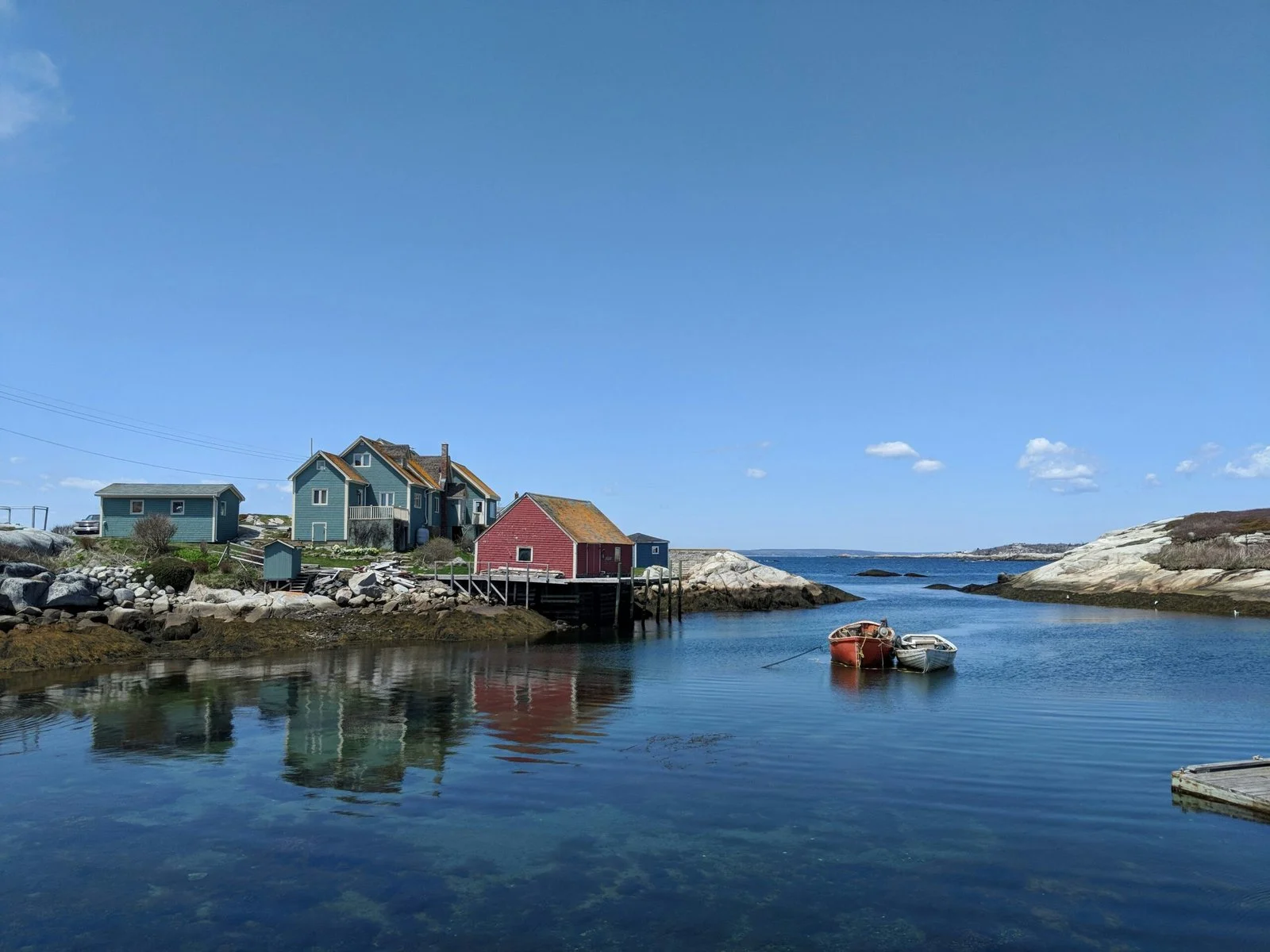
No, the weather is simply part of the authentic maritime adventure you are signing up for. Yes, you will experience fog rolling in over Peggy's Cove followed by brilliant sunshine twenty minutes later, but this ever-changing light actually makes your photographs of lighthouses and fishing villages look dramatically better.
The honest drawdown is that Atlantic Canada earns its reputation for wind and rain during the shoulder seasons. While you get 80% fewer crowds on the Cabot Trail, you must accept that a sudden nor'easter can cancel ferry sailings to the islands. Pack a proper waterproof jacket and treat the storms as cozy excuses to explore local pubs and seafood shacks instead.
- Can I Save Real Money On Oceanfront Lodging And Boat Tours?
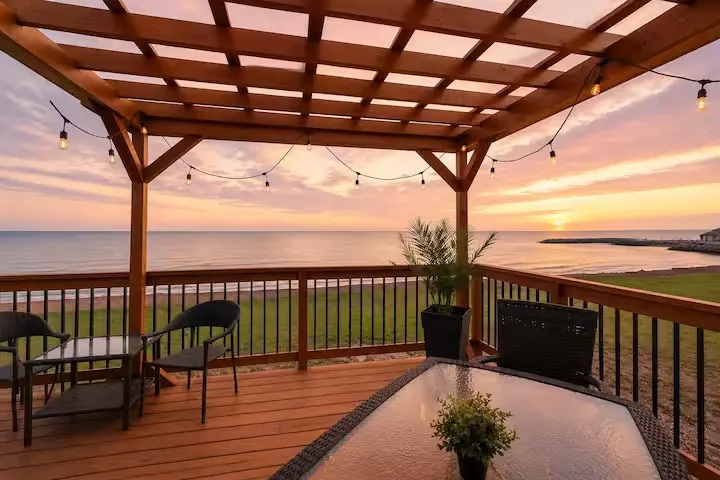
Yes, you will see those dreamy oceanfront cottages and bed-and-breakfasts drop their prices by roughly 40% to 55% once the summer leaves fall. The same room with a private balcony overlooking the Bay of Fundy becomes genuinely affordable for global travelers watching their budget.
However, the specific drawdown is that many independent boat operators hang up their gear for the season. You will find fewer whale-watching tours running daily, and the hop-on-hop-off coastal shuttles stop completely. You must rent a car and embrace self-guided exploration, but the money saved on lodging easily covers the fuel costs.
- Will The Famous Seafood Restaurants Still Be Open And Fresh?
Yes, the best chowder shacks and lobster pounds that the locals actually eat at stay open year-round, just with shorter hours. You will actually get better service and fresher catches because the fishermen are still working while the cruise ship crowds have vanished.
The drawdown is that the ultra-touristy waterfront patios close their outdoor seating by October. You cannot eat fried clams while watching the sunset over the harbour unless you bundle up. However, you can Exploit Travel Seasonality by moving indoors to cozy firelit dining rooms where you will find 30% discounts on multi-course lobster dinners just to attract the few savvy travelers in town.
- Is It Difficult To Drive Between Provinces Like Nova Scotia And Newfoundland?
Yes, it requires significantly more planning than summer travel, and you must accept that flexibility is your best friend. The car ferries connecting the mainland to Cape Breton or Newfoundland reduce their daily sailings, meaning you cannot simply show up and expect to board the next boat.
However, the drawdown comes with a silver lining for smart travelers. While you lose frequency, you gain empty ferry decks and the ability to book a cabin at half the summer price. You must reserve your vehicle spot at least one week in advance. Once you arrive, you will find the famous Trans-Canada Highway nearly empty, allowing you to stop at every viewpoint without rushing.
- Will I Feel Too Isolated Without The Summer Festival Energy?
No, you will trade tourist noise for genuine local hospitality, which is the real heart of the Maritimes. Instead of fighting crowds for a table at a ceilidh, you might find yourself invited into a small-town legion hall for a kitchen party with live fiddle music and friendly strangers buying you a drink.
The specific drawdown is that the charming lighthouse gift shops and interpretive centers shut down by late October. You cannot buy the souvenir T-shirt at every stop. But you get something more valuable: authentic conversations with fishermen mending their nets and innkeepers who have time to tell you their favorite hidden coves. That is the deeper cultural immersion Volomundi promises for off-season travel.

Home > Exploit The Seasons > Seasonal World Map > North America > Canada > Canada Atlantic Maritimes
CANADA ATLANTIC MARITIMES
The Maritimes don’t shut down when summer ends—they get real. Think Peggy’s Cove without the bus crowds, Cabot Trail in fiery autumn, and Newfoundland pubs with seat-saving locals. Here’s when to find authentic Atlantic Canada.
Smart Travel Calendar
Shoulder Season
Your Smartest Windows
June (after Father’s Day to month end)
September to mid-October
Avoid: Labour Day weekend (first Monday in September – Maritimers’ last summer hurrah floods Cavendish and Lunenburg); October Thanksgiving weekend (second Monday – B&Bs in Cape Breton and Bay of Fundy spike prices)
What the Sky Does
June: 10°C to 20°C (50°F to 68°F) – foggy mornings burn off to sunny afternoons
September: 12°C to 22°C (54°F to 72°F) – warm ocean keeps coasts mild
October: 5°C to 15°C (41°F to 59°F) – peak foliage, crisp air, sudden nor’easters possible
Newfoundland always runs 5-8°C cooler than mainland Maritimes – pack fleece even in June
Bay of Fundy sees fog 40% of June days; it adds mystery, not misery
How Empty It Feels
50-70% fewer tourists than July-August peak season
Cabot Trail: you’ll pass 5 cars per hour instead of 50
Peggy’s Cove rocks: find a perch without waiting for photo-takers to clear
Halifax waterfront: stroll without dodging cruise ship crowds (ships stop by October)
PEI’s Green Gables heritage site: 15 visitors instead of 300
Gros Morne National Park (Newfoundland): trailheads have parking spots open until 11am
What You’ll Save
35-55% off summer rates – Halifax hotels drop from $350 to $180 CAD/night
Flights to Halifax (YHZ) or St. John’s (YYT): 40% cheaper after Labour Day
Car rentals in Nova Scotia or PEI: $30-45 CAD/day vs $120 in August
Lobster dinners in Hall’s Harbour (Bay of Fundy): $18 for a full meal ($45 in July)
PEI B&Bs: $100-140 CAD/night for waterfront rooms that were $250 in August
Newfoundland inns: $80-120 CAD for cozy rooms with kitchenettes
The Secret Perk
Lobster season reopening (May-June) – Nova Scotia’s spring lobster harvest means dockside prices and freshest meat of the year
Cabot Trail in autumn fire – Last week of September to first week of October: maple, birch, and ash explode in colour; no summer traffic
Bay of Fundy tidal bore rafting (June & September) – World’s highest tides without summer crowds; zodiacs run half-empty
PEI oyster harvest (September) – Malpeque Bay oysters at their peak; shuck yourself at farm gates for $0.75 each
Newfoundland berry picking (September) – Bakeapples (cloudberries) and partridgeberries cover barrens; locals will show you their secret spots
Whale watching in St. Lawrence River (September) – Tadoussac sees fin and humpback whales after Quebec kids are back in school
Lunenburg’s quiet shipyards – UNESCO port town’s Bluenose II schooner still sails; waterfront benches are empty
The Tiny Trade-Off
PEI’s Cavendish Beach amusement parks (Sandspit, Shining Waters) close after Labour Day
Some Cabot Trail look-off restaurants and gift shops close by October 15
Newfoundland ferry (North Sydney to Port aux Basques) reduces daily sailings after October 1
June fog in Halifax and Cape Breton can obscure views for 2-3 days straight
Warm ocean swimming in PEI or Nova Scotia is possible only in late August – June and September are wetsuit temperatures
Gros Morne’s boat tour on Western Brook Pond stops running after October 15
Smart Traveler Tip
September 15-30 is Atlantic Canada’s absolute sweet spot – warm ocean, peak foliage starting, whales still feeding, summer crowds gone.
For spring shoulder, target June 15-30 – fog has lifted, days are long (sunset 9pm), and kids aren’t out of school until Canada Day (July 1).
Avoid driving Cabot Trail on the Friday of Thanksgiving weekend – Cape Bretoners flood the park for one last camping trip.
Use Halifax or Moncton as shoulder-season bases – rental cars are 50% cheaper than renting in Sydney or Charlottetown.
Deep Off-Season
Your Smartest Windows
October (after Thanksgiving to month end)
November (before December holiday flights)
April to mid-May (after ice melts, before tourist boats return)
Avoid: December 15 to January 5 (Christmas markets in Halifax and St. John’s are charming but B&Bs close; flights pricey); March break (mid-March – ski hills in Cape Breton and Marble Mountain, NL see rare spikes)
What the Sky Does
Nova Scotia & NB (Oct-Nov): 0°C to 10°C (32°F to 50°F) – wet, windy, dramatic skies
PEI (Oct-Nov): -2°C to 8°C (28°F to 46°F) – exposed island feels full force of Atlantic storms
Newfoundland (Oct-Nov): -4°C to 7°C (25°F to 45°F) – famously unpredictable; four seasons in one day
April-May: 1°C to 12°C (34°F to 54°F) – iceberg season begins, snow lingers in northern Newfoundland
Cape Breton highlands: first snow in November, ski season starts late December
Bay of Fundy fog disappears in October – clearest skies of the year
How Empty It Feels
85-95% fewer tourists vs summer peak season
Halifax Citadel National Historic Site: you’ll be one of 12 people on the ramparts (July = 500+)
Peggy’s Cove: locals outnumber visitors 5 to 1 in November; parking lot nearly empty
PEI’s Anne of Green Gables museum: staff outnumber visitors on weekdays
Lunenburg waterfront: closed shops but spectacular storm photography
Gros Morne’s Tablelands trail: not a single person for kilometres – true wilderness solitude
Cape Breton’s Ingonish Beach: yours alone for a freezing-but-invigorating dip
What You’ll Save
70-85% off peak summer rates – Halifax harbourfront hotels for $80-110 CAD/night (July = $400)
Flights to Halifax, Moncton, or St. John’s: under $200 CAD round-trip from Toronto, Boston, or Montreal in November
PEI B&Bs: $60-80 CAD/night with full breakfast included (hosts may be only guests)
Car rentals: $15-25 CAD/day – sometimes upgraded to SUVs because demand is zero
Newfoundland inns in St. John’s: $70-100 CAD/night for historic row houses on Signal Hill Road
Lobster in November: frozen tails for $8 each at wharf-side freezers – locals buy by the case
Gros Morne accommodation: cabins for $50-70 CAD/night – summer was $200
The Secret Perk
Iceberg season (April to early June) – Newfoundland’s Northern Peninsula (Twillingate, St. Anthony) sees massive bergs drift from Greenland; tour boats start May 15, but shoreline viewing is free and empty in April
Storm watching in Peggy’s Cove (October-November) – Nor’easters pound the lighthouse; stay at nearby inns for $100/night and watch waves explode 40 feet high
PEI’s lonely red cliffs – November gales reveal sea glass and fossils on empty beaches; no summer interpretation, just raw nature
Halifax’s冬季 warm-up pubs – November-February, the Lower Deck and Split Crow host kitchen parties without lineups; musicians play for joy
Bay of Fundy’s exposed floor – Lowest tides of the year (October-November) let you walk 5 km out on ocean floor at Burntcoat Head
Lobster off-season deals – November to April, wharves in Hall’s Harbour or Peggy’s Cove sell frozen lobster directly to you for $7-10/lb
Newfoundland’s screech-in ceremony – George Street bars in January: you’ll be the only tourist in a room full of locals for the overproof rum ritual
Cape Breton ceilidhs (kitchen parties) – Fall and winter weekends in Mabou or Judique; fiddlers play in living rooms, you’re welcome to tap your foot
The Tiny Trade-Off
Most Cabot Trail look-off restaurants and all seasonal gift shops close from November to April
PEI’s Confederation Bridge can close to high-sided vehicles (RVs, trucks) during winter storms – check before crossing
Bay of Fundy tidal bore rafting stops completely from November to April (water too cold, tours not running)
Newfoundland ferry (Argentia to North Sydney) only runs June to September – winter crossing from Port aux Basques is rougher, longer
Whale watching tours end by October 15 in Nova Scotia, October 31 in Newfoundland
Daylight hours in December: sunrise 7:45am, sunset 4:30pm in Halifax; Newfoundland is even shorter (4:15pm sunset)
Up to 70% of PEI’s restaurants and shops close from November to April – Cavendish becomes a ghost town
Gros Morne’s park visitor centre closes December to March; backcountry trails require winter gear and experience
Smart Traveler Tip
October 20 to November 15 is storm-watching prime – lowest rates of year, dramatic skies, and Peggy’s Cove inns will upgrade you for free.
For icebergs without summer crowds, target May 15-31 – tours run but US/Canadian tourists haven’t arrived yet; shoreline viewing at St. Anthony’s Lighthouse is free and empty.
January is Newfoundland’s coziest month – St. John’s pubs have $5 local pints, George Street cover charges waived, and locals will adopt you for the night.
Pack Gore-Tex rain jacket, insulated rubber boots, merino layers, and wool socks – Maritimes’ cold is wet and windy; you’ll be miserable in fashion parkas.
Check Marine Atlantic ferry reservations even in winter – they run, but storm cancellations happen; build a 2-day buffer into Newfoundland itineraries.
Use Moncton as your November base – cheapest flights in the region, central to Bay of Fundy, Hopewell Rocks, and PEI (90 minutes to bridge).
Find Off-Peak Flights
Top Off‑Season Stays
Find below our curated selection of boutique hotels and design apartments that offer exceptional value, atmosphere, and comfort during the off‑season — often at significantly lower rates than peak months.
Uncrowded Experiences & Tours
Skip the lines and experience iconic landmarks at your own pace. Discover curated local tours and cultural activities designed to show you the authentic side of the destination without the peak-season rush.
Handy Tips
Weather & Climate
The climate is maritime and unpredictable. Summers are mild (20°C–25°C / 68°F–77°F) but often foggy. Winters are cold and snowy, particularly in Newfoundland, with frequent “nor’easter” storms. Always pack layers and a waterproof shell.
Local Customs And Etiquette
Language: English is primary, though Acadian French is spoken in parts of New Brunswick and Nova Scotia. Be prepared for thick, unique dialects in rural Newfoundland.
Hospitality: “Kitchen Parties” are informal gatherings. If invited, it is polite to bring a small gift or a few drinks.
Pace of Life: Things move slower here. Don’t rush service in rural areas; “Maritimer time” is a real concept rooted in conversation rather than speed.
Budgeting For Your Trip
Accommodation: Hostels ($35–$55), mid-range hotels/B&Bs ($120–$200), luxury/boutique lodges ($250+).
Food: Lobster roll or fish & chips ($15–$25), dinner at a mid-range restaurant ($35–$60 per person), fine dining ($80+).
Transport: Car rental ($50–$90/day—essential for the region), Ferry crossings ($20–$100+ depending on route/vehicle).
Activities: Whale watching ($60+), National Park entry ($8–$10), Museum admission ($15).
Daily Budget:
- Budget: $90–$130 (hostels, grocery meals, limited paid sights).
- Mid-range: $180–$300 (B&Bs, rental car, seafood dinners).
- Luxury: $450+ (High-end lodges, private boat tours, fine dining).
Getting Around
By Car: Absolutely essential. Public transit between rural coastal villages is nearly non-existent.
By Ferry: Major routes connect Nova Scotia to Newfoundland, New Brunswick, and PEI. These often require advanced booking.
By Air: Regional flights connect Halifax and St. John’s, but they can be expensive compared to mainland travel.
Must-Try Food
Atlantic Lobster: Freshly steamed, usually served with melted butter.
Digby Scallops: World-famous jumbo scallops from the Bay of Fundy.
Donair: The official snack of Halifax—spiced beef on pita with a sweet garlic sauce.
Jiggs Dinner: A Newfoundland staple of boiled salt beef, cabbage, turnips, and carrots.
Cod Tongues: A traditional Newfoundland delicacy, usually flour-dredged and fried.
Solomon Gundy: Pickled herring with onions and spices, common in Nova Scotia.
Fish Cakes: Often served for breakfast with green tomato chow-chow.
Rappie Pie: An Acadian dish made of grated potatoes and meat.
Blueberry Grunt: A stovetop dumpling dessert using wild Atlantic blueberries.
Moon Mist Ice Cream: A cult-favorite Maritimes flavor (banana, grape, and bubblegum).
Must-Try Drinks
Screech: The famous, high-proof Newfoundland rum.
Tidal Bay Wine: The first wine appellation for Nova Scotia, crisp and aromatic.
Alexander Keith’s: An iconic India Pale Ale brewed in Halifax since 1820.
Propeller/2 Crows Craft Beer: Excellent examples of the region’s booming craft brewery scene.
Ironworks Spirits: Small-batch distillery products from Lunenburg (try the Rum).
Iceberg Beer: Beer brewed using water harvested from actual icebergs.
Blueberry Wine: Made from the wild low-bush blueberries of the region.
Spruce Beer: A traditional, earthy Newfoundland beverage (can be alcoholic or soda).
Redberry Juice: Often called partridgeberry; tart and refreshing.
Apple Cider: Crisp, local pressings from the Annapolis Valley.