 Skip to content
- Why Should I Visit Switzerland During The Shoulder Season Instead Of Peak Summer Or Winter?
By exploiting travel seasonality, you can experience Switzerland's legendary Alps, pristine lakes, and charming villages without the extreme price spikes of summer or the holiday ski rush. You will find that cable cars to viewpoints like Jungfraujoch or Mount Pilatus have significantly shorter queues, and lakeside towns like Lucerne or Interlaken feel peaceful rather than overcrowded.
However, the drawdown is that some high-altitude cable cars and mountain passes may close for maintenance between seasons, limiting access to the very highest peaks. The positive trade-off is that hotel rates drop by 25% to 40%, and you get to witness stunning transitional landscapes like golden larch forests in autumn or melting waterfalls roaring in early spring.
- What Is The Weather Really Like In Switzerland During Off-Season Periods?
The weather offers a spectacular show of nature's variety, from misty mornings rising off Lake Geneva to crisp, clear afternoons with dazzling views of snow-capped peaks. You will experience comfortable temperatures for hiking in the lower valleys and cities like Bern or Zurich, where summer heatwaves and winter deep freezes are both avoided entirely.
On the other hand, you should pack layers and waterproof gear, as conditions can shift from sunny to rainy or even snowy within a single day, especially at moderate elevations. While you cannot guarantee perfect bluebird skies, you also avoid the oppressive July heat in the cities and the bitter January cold, making sightseeing and train journeys genuinely pleasant.
- How Much Can I Really Save On The Swiss Travel System And Attractions?
You can typically reduce your total Switzerland trip budget by 30% to 50% when traveling during shoulder seasons, particularly on the world-famous Swiss Travel Pass and mountain railway tickets. Many cable cars, museums, and castle entrances offer reduced off-season pricing, and you will find that popular experiences like the Glacier Express or Jungfraubahn cost noticeably less than during peak winter or summer weeks.
Be aware that some high-altitude attractions like the Schilthorn or Titlis may close specific lifts for annual maintenance during deeper off-season weeks. The fantastic upside is that the money you save can easily upgrade you to first class on panoramic trains, or add an extra night in a lakeside hotel with views that would cost double during July or December.
- Will The Crowds Be Smaller At Iconic Swiss Destinations Like Matterhorn And Lake Geneva?
Absolutely. Once the summer hiking rush ends and before the Christmas ski crowds arrive, the viewing platforms at Matterhorn Glacier Paradise and Jungfraujoch see visitor numbers drop by over 60%. You will find that charming villages like Zermatt, Grindelwald, and Montreux allow you to wander their streets and dine at excellent restaurants without reservation battles or shoulder-to-shoulder foot traffic.
The drawdown is that the vibrant outdoor lake swimming and high-altitude alpine hiking will be limited or closed, and some mountain huts may shut for the transition period. However, this dramatic reduction in crowds means you can actually hear the famous cowbells echoing across valleys, enjoy spontaneous conversations with local shopkeepers, and take postcard-perfect photos without strangers blocking your shot.
- Is The Legendary Swiss Public Transportation Reliable During Off-Season Months?
Yes. The Swiss Federal Railways and private mountain railways operate with their trademark precision and punctuality throughout the year, regardless of fog, rain, or early snow. You will benefit from trains, boats, and post buses that are noticeably less crowded than peak summer or winter weeks, meaning you can always find a window seat to admire the dramatic alpine scenery without jostling for space.
The minor drawback is that some scenic boat routes on lakes like Thun or Brienz may run reduced schedules during deeper off-season weeks, and certain high-mountain post bus routes close when passes shut. For the vast majority of travelers, the trade-off is exceptional, as you gain cheaper Saver Day Passes, faster connections, and the pure joy of watching Switzerland's stunning landscapes roll by from a comfortably uncrowded train carriage.

Home > Exploit The Seasons > Seasonal World Map > Europe > Switzerland
SWITZERLAND
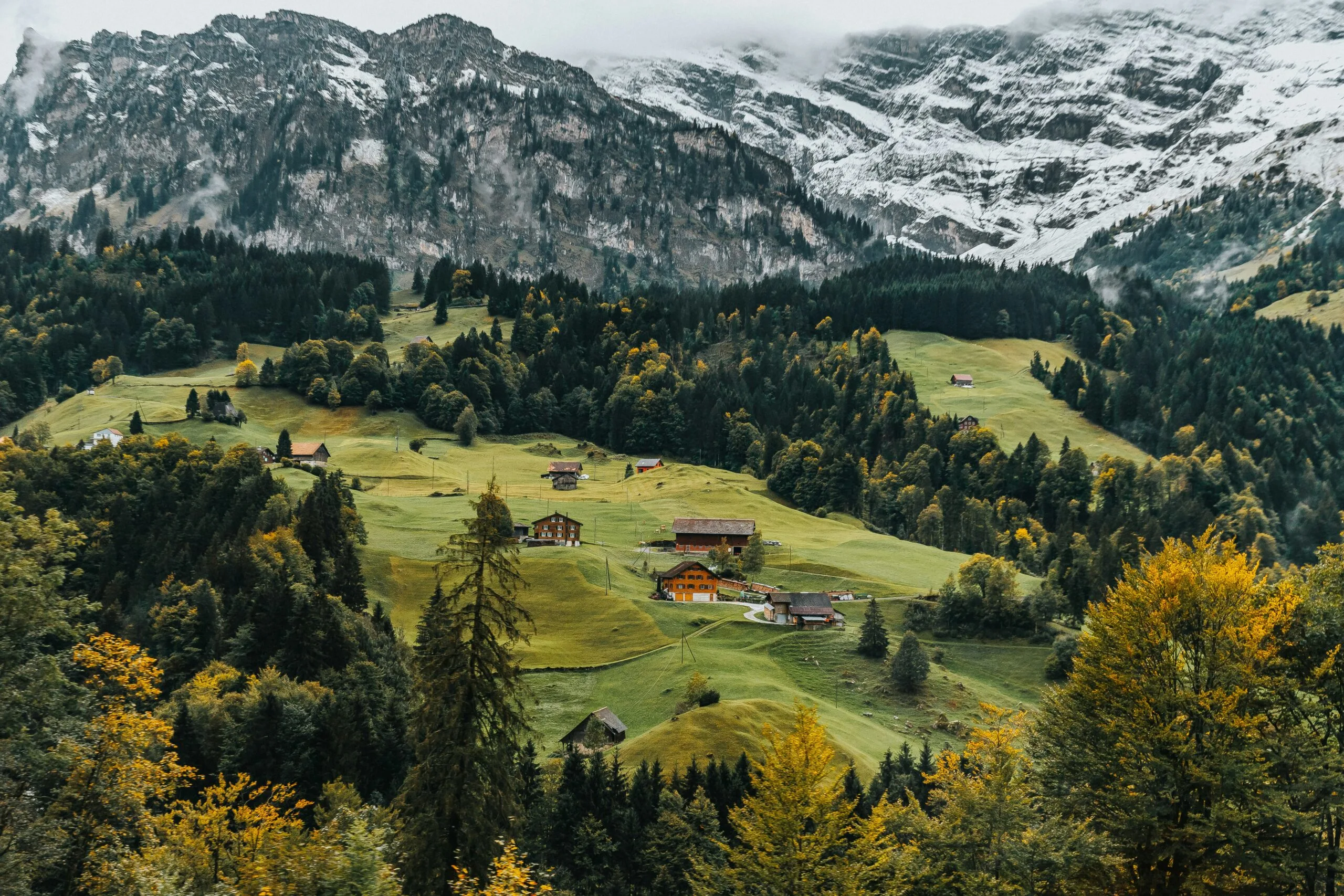
Switzerland’s alpine heart beats differently each season, from flower-carpeted meadows to crystalline frozen lakes. Discover when to find empty cable cars, cosy village life, and real value without the tourist crowds.
Smart Travel Calendar
Why Choosing Switzerland Off-Season?
Fewer hikers on the trails. Enjoy iconic views like the Matterhorn without elbowing for selfie space.
Hotels drop rates by half. Your Swiss franc stretches much further from April to June and September to October.
Trains feel almost private. Get window seats on the Glacier Express without booking months ahead.
Locals have time for you. Family-run guesthouses actually chat rather than rush between tables.
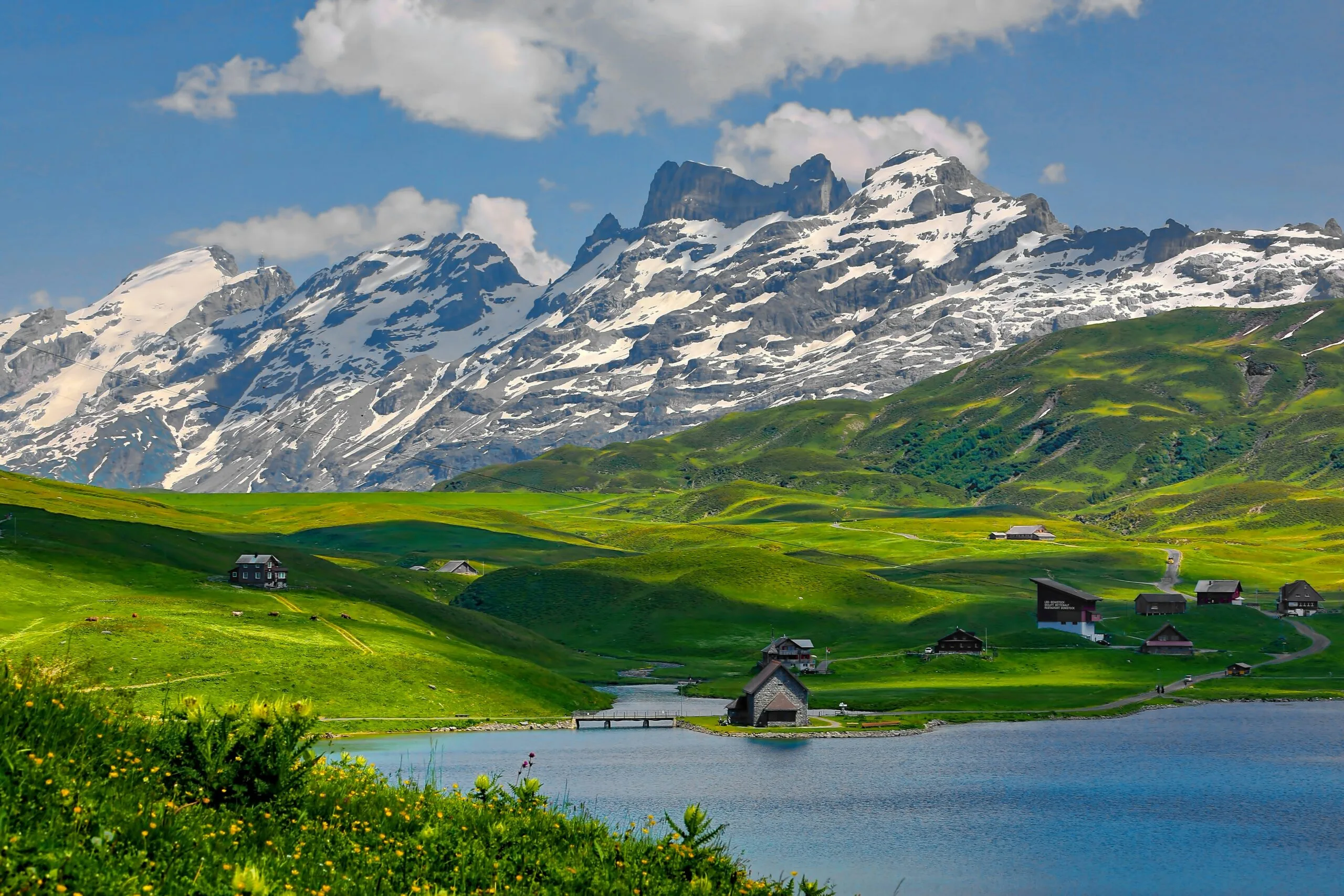
Spring wildflowers explode. Alpine meadows turn into natural gardens that summer crowds miss entirely.
Autumn larch trees glow gold. The hillsides put on a colour show you won’t see on any postcard.
Shoulder Season
Your Smartest Windows
Mid-May to mid-June
September to mid-October
Avoid: The week of Swiss National Day (August 1st), Easter week (nationwide school break), and the Christmas-New Year corridor.
What the Sky Does
Typical Weather: 10°C to 22°C (50°F to 72°F) in lowlands; 0°C to 12°C (32°F to 54°F) in Alps.
September’s golden light: The crisp autumn air offers the clearest views of distant peaks from the cities.
June wildflowers: Alpine meadows from Grindelwald to Zermatt explode in color.
Ticino’s spring bloom: March through May, Locarno and Lugano’s camellia festivals rival Japan’s cherry blossoms.
How Empty It Feels
40-50% fewer tourists compared to July-August peak season.
No queues at Jungfraujoch or Titlis: You’ll wait 10 minutes instead of 90 minutes for cable cars.
Interlaken feels relaxed: The main street has open tables at lunch instead of shoulder-to-shoulder crowds.
Lake cruises have seating: Boat rides on Lake Lucerne or Lake Geneva feel private, not packed.
What You’ll Save
30-45% off hotels in Zermatt, Grindelwald, and Lucerne compared to August rates.
Flight bargains: September is the sweet spot for transatlantic and intra-European flight deals.
Restaurant access: Walk into any fondue restaurant without a reservation (impossible in peak winter).
Car rental drop: Rates in Zurich and Geneva airports drop by half after August 15th.
The Secret Perk
Alpine cheese making in action: Visit mountain dairies in May-June or September-October when they’re actively producing.
Grape harvest in Lavaux: September means wine tastings along the UNESCO terraced vineyards above Lake Geneva.
Larch trees turning gold: Late September through October, the upper valleys become a golden spectacle.
Chestnut festivals in Ticino: October brings roasted chestnuts, local wine, and autumn markets in Lugano.
Photography perfection: The combination of low autumn light, golden larches, and snow-dusted peaks is unmatched.
The Tiny Trade-Off
High-altitude trail closures: Above 2,500m, some trails remain snow-covered until mid-June or close by mid-October.
Mountain restaurant hours: Some huts close for the season by mid-October, especially those without winter access.
Cooler lake swimming: Lake temperatures peak in August; by September, swimming is for the brave only.
Occasional cable car maintenance: Some gondolas close for 1-2 weeks in May or October for annual service.
Smart Traveler Tip
Target the third week of September nationwide. You get golden larches in the Alps, grape harvest in Lavaux, and stable weather in the cities.
Combine cities and Alps: Start in Zurich or Geneva (shoulder season still pleasant), then head to the mountains for peak autumn color.
Book Jungfraujoch tickets online even in shoulder season—clear days still sell out 24-48 hours in advance.
Deep Off-Season
Your Smartest Windows
November to mid-December
April to mid-May
Avoid: The two weeks of Easter (nationwide school holidays, ski resorts still packed, prices spike for families).
What the Sky Does
Typical Weather: -2°C to 10°C (28°F to 50°F) in lowlands; -10°C to 0°C (14°F to 32°F) in Alps.
April slush and mud: The worst month for hiking—melting snow, closed high trails, grey skies in valleys.
November fog inversion: Zurich and Basel can be gloomy, but above 1,500m you’re often above the clouds in sunshine.
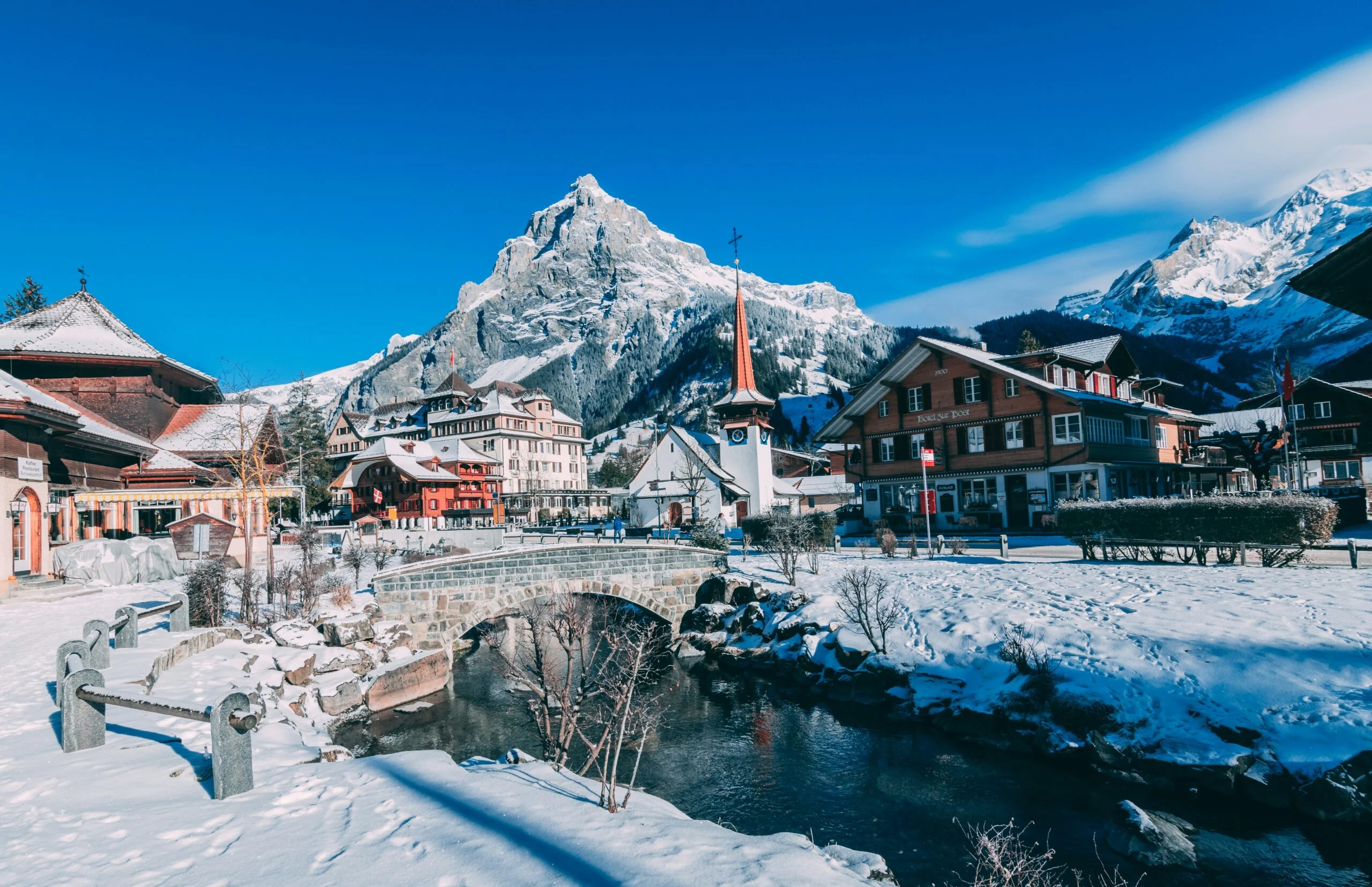
December’s first snow: By mid-December, villages from Montreux to St. Moritz look like Christmas markets come to life.
How Empty It Feels
70-80% fewer tourists than peak summer. You’ll have Switzerland nearly to yourself.
Museum solitude: The Kunsthaus Zurich and Olympic Museum in Lausanne are blissfully quiet.
Small towns feel authentic: In Gruyères or Appenzell, you’ll hear Swiss German in every cafe, not English.
Trains are half-empty: The Glacier Express and Bernina Express have walk-on availability (no reservations needed except holidays).
What You’ll Save
50-70% vs peak season: The lowest prices of the year, especially in November and April/May.
Hotel bargains: Five-star hotels in Zurich for under 200 CHF (vs. 500+ CHF in September).
Rail pass deals: The Swiss Travel System sometimes offers “winter shoulder” discounts (check for 2-for-1 promotions).
Car rental rock bottom: Rates in November are the annual minimum, even for luxury vehicles.
The Secret Perk
Winter hiking on groomed trails: No skiing skills required—walk prepared paths from Grindelwald to Kleine Scheidegg.
Thermal baths in the snow: Leukerbad, Bad Ragaz, and Scuol offer outdoor hot springs with mountain views.
Christmas markets without crowds: Basel, Zurich, and Montreux’s December markets are magical before the December 20th rush.
Frozen waterfalls: Lauterbrunnen’s Staubbach Falls freezes into a stunning ice pillar (Trümmelbach is closed).
Genuine local connection: Hoteliers, train conductors, and cafe owners have time to talk—you’ll leave with real friendships.
The Tiny Trade-Off
Trümmelbach Falls closed: November to March, this unique glacier waterfall inside a mountain is inaccessible.
Many mountain restaurants closed: Don’t expect lunch at Jungfraujoch’s outdoor terraces or Männlichen—pack a thermos.
Limited cable car hours: Some gondolas run only 2-3 times daily or close entirely for maintenance (especially April/May and November).
Short daylight: Sunrise at 8 AM, sunset at 4:30 PM in December—plan outdoor activities carefully.
City grayness: Zurich, Basel, and Bern can be persistently overcast in November (the “Nebel” season).
Smart Traveler Tip
Mid-November is the absolute quietest week nationwide (between autumn hikers and Christmas markets). Just verify cable car schedules first.
For mildest conditions, target Ticino: In April and November, Lugano and Locarno are often 5-10°C warmer than the rest of Switzerland.
Pack for everything: Layers, waterproof boots, microspikes (for icy alpine paths), and an umbrella for city rain.
Use the “SBB Mobile” app daily for real-time train and cable car status—winter weather causes sudden closures.
Find Off-Peak Flights
Top Off‑Season Stays
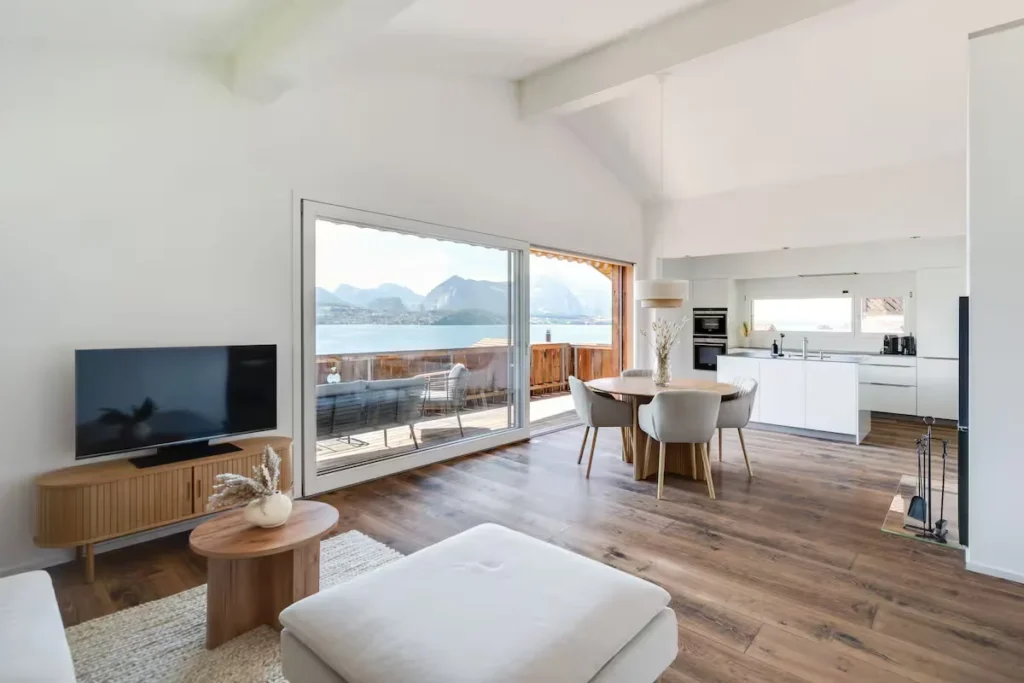
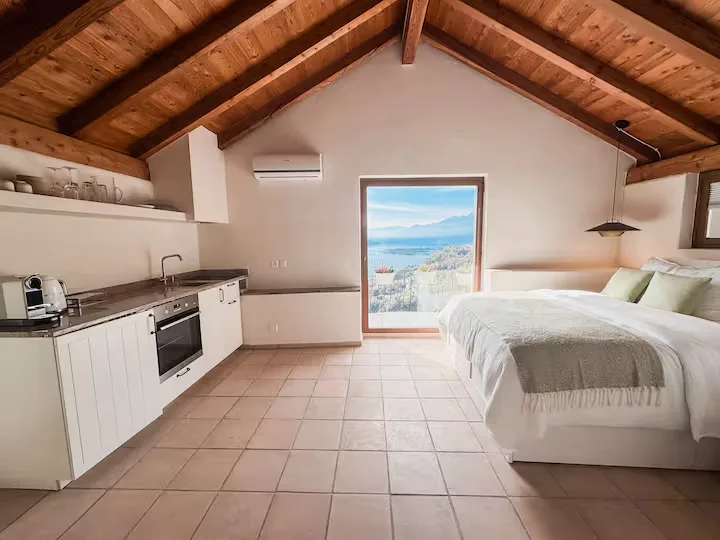
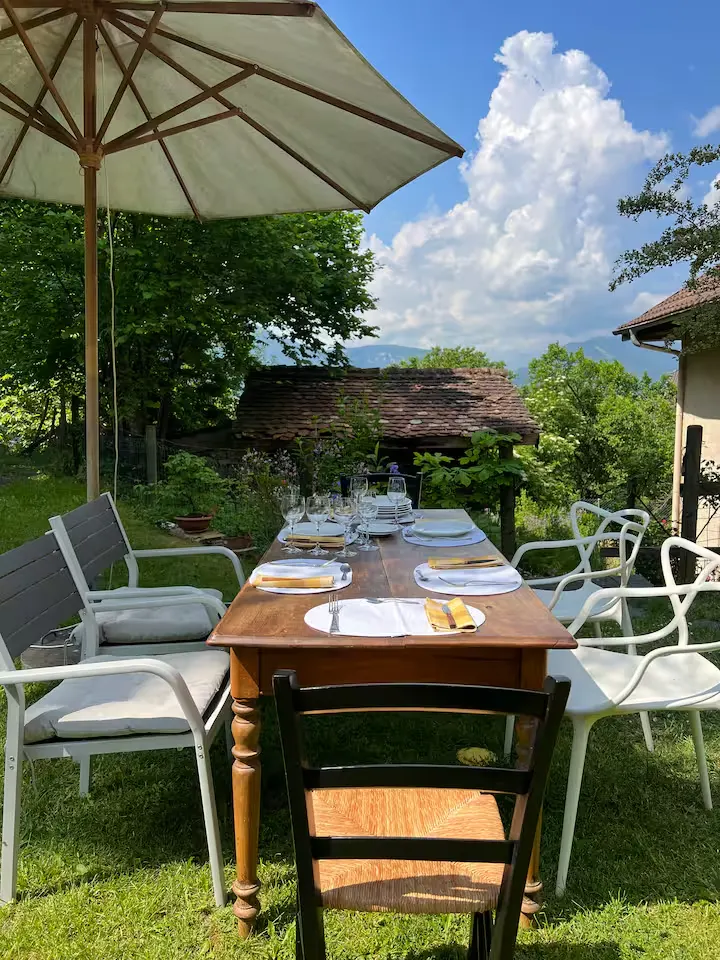
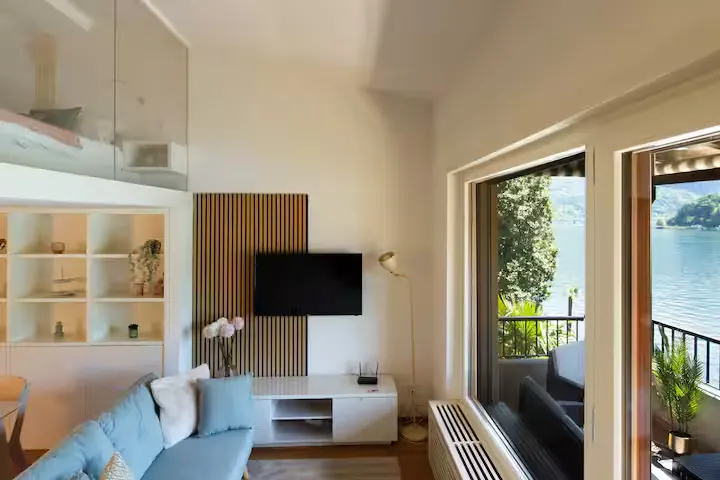
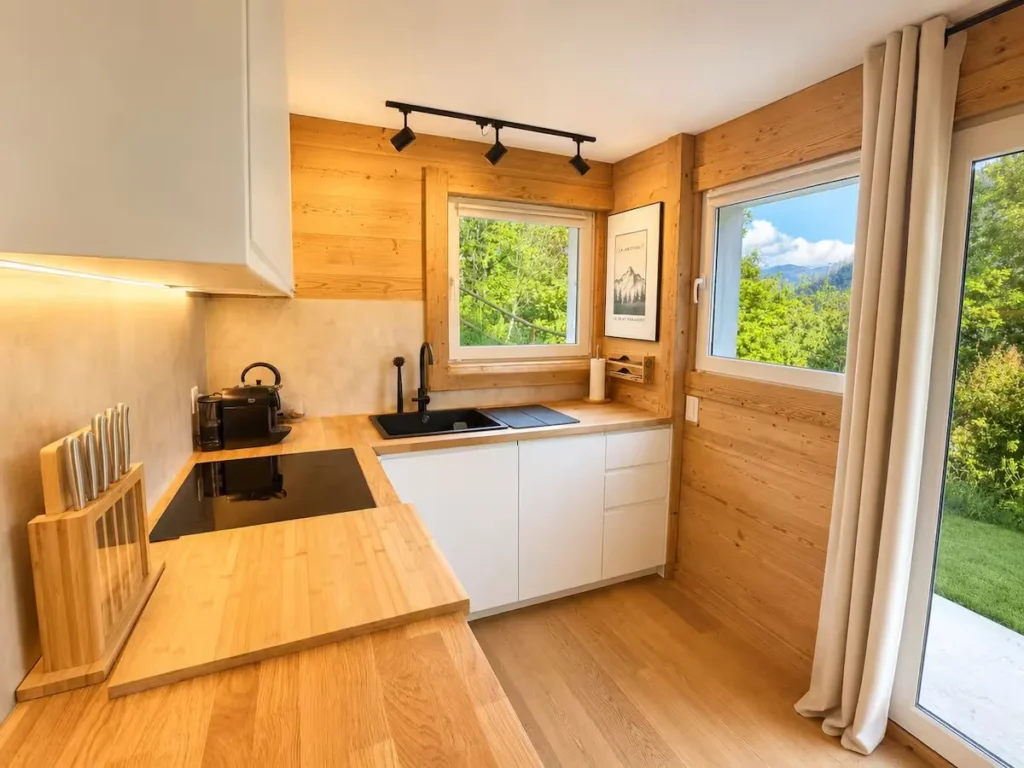
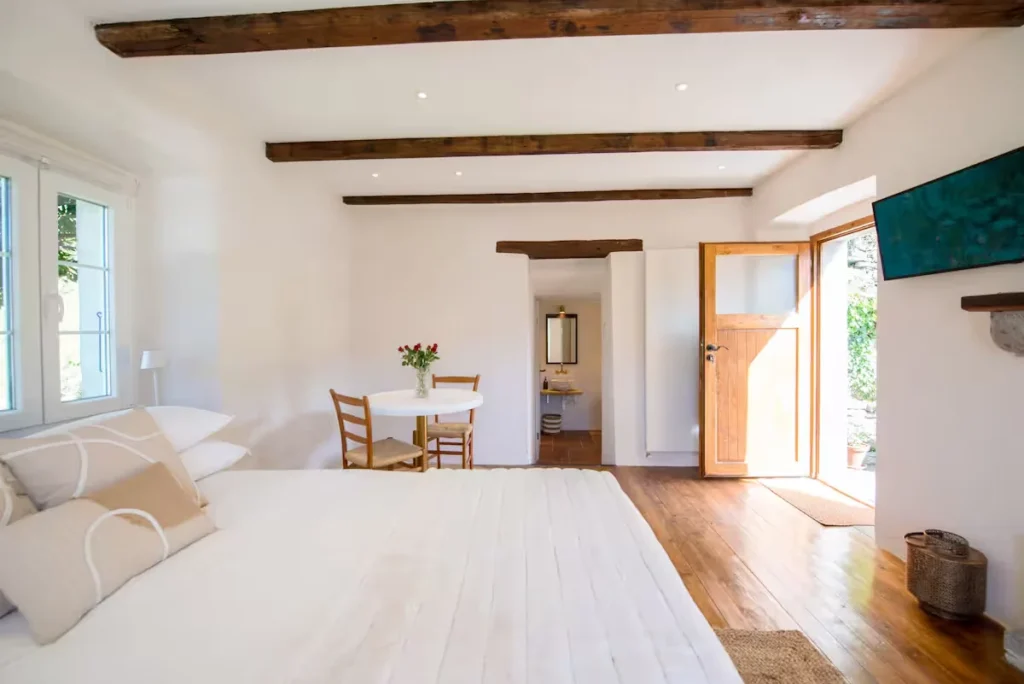
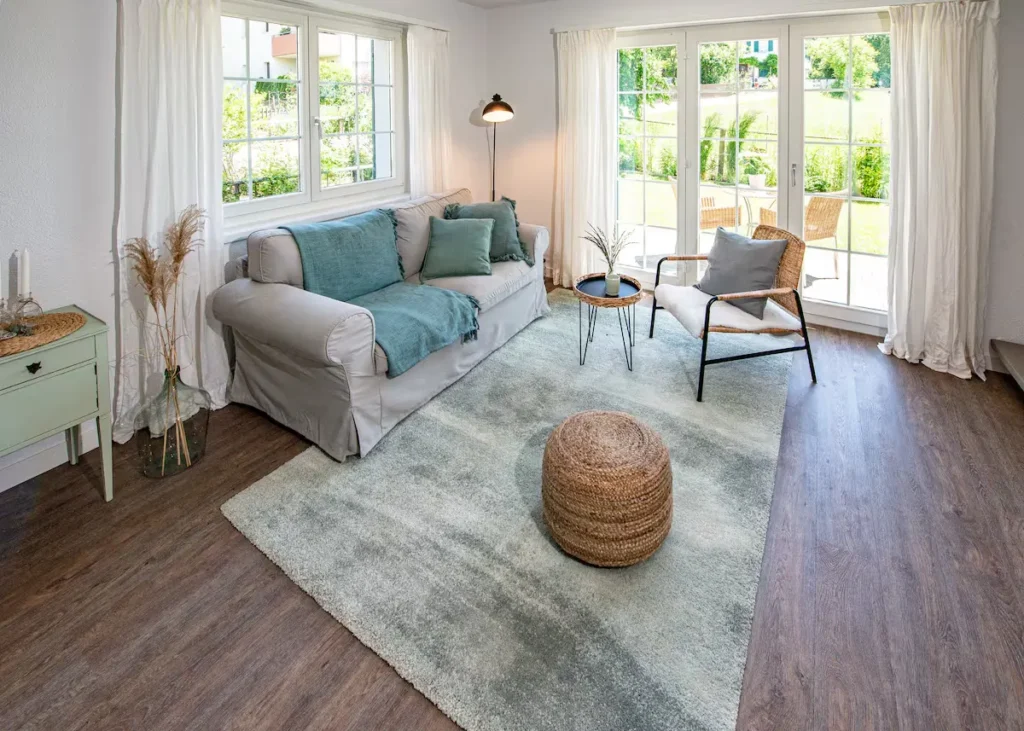
Find below our curated selection of boutique hotels and design apartments that offer exceptional value, atmosphere, and comfort during the off‑season — often at significantly lower rates than peak months.
Uncrowded Experiences & Tours
Skip the lines and experience iconic landmarks at your own pace. Discover curated local tours and cultural activities designed to show you the authentic side of the destination without the peak-season rush.
FAQs
Essential Trip Information
Visa and Entry Requirements
Switzerland is part of the Schengen Area, allowing visa-free travel for short stays (up to 90 days within 180 days) for citizens of the US, Canada, Australia, New Zealand, and the EU.
Check visa requirements based on nationality via the Swiss Federal Office for Migration or your local consulate.
Passports must be valid for three months beyond your stay and issued within the last ten years. Six months of validity is recommended.
Immigration may request proof of onward travel (return ticket) and sufficient funds.
Currency
Switzerland uses the Swiss Franc (CHF). Banknotes: CHF 10–CHF 1,000 (CHF 200/1,000 rarely used). Coins: 5c–CHF 5.
Best Ways to Handle Currency
Before Your Trip: Exchange a small amount for immediate needs; avoid airport rates. Travel cards (Revolut, Wise) offer competitive rates.
During Your Trip: Use ATMs at major banks (UBS, Credit Suisse). Opt to be charged in CHF. Credit cards (Visa/Mastercard) are widely accepted, but carry CHF 50–100 cash for rural areas.
What to Avoid: Exchange offices in tourist areas with poor rates.
Language
Official languages: German, French, Italian, Romansh. English is widely spoken in tourist areas.
Learn basics: Grüezi (Hello in German), Merci (Thank you in French), Grazie (Thank you in Italian).
Safety and Security
Extremely safe, but watch for pickpockets in crowded areas (Zurich HB, Geneva train stations).
Emergency number: 112 (or 117 for police).
Health
No special vaccinations required.
EU citizens: Bring EHIC card; others need travel insurance.
Pharmacies (marked with a green cross) are well-stocked. Tap water is safe (often alpine-fresh!).
Transportation
Trains: Best way to travel—efficient, scenic (Swiss Travel Pass saves money).
Cities: Trams/buses (Zurich, Geneva) are punctual; walkable centers.
Driving: Expensive (tolls, parking) but ideal for remote valleys.
Boats: Scenic lake ferries (e.g., Lake Geneva, Lucerne).
Price Level
Switzerland is one of Europe’s most expensive countries, but quality justifies costs.
Accommodation
Budget: Hostels ($40–$80/night)
Mid-range: 3-star hotels ($140–$250/night)
Luxury: 4-5 star hotels ($340+/night)
Food
Bakeries: $7–$11 for sandwiches
Café meals: $17–$28 (daily specials)
Restaurant dinners: $34–$68/person
Coffee: $4.50–$7 (espresso at the bar)
Drinks
Beer: $7–$10 (bars), $2–$4.50 (supermarkets)
Wine: $9–$23/glass
Cocktails: $17–$28
Transportation
Trains: $23–$110 (advance bookings save money)
City transit: $3–$6/ride
Gasoline: ~$1.90–$2.30/liter
Money-Saving Tips
Travel with a Swiss Travel Pass for unlimited transit.
Picnic with groceries (Migros, Coop supermarkets).
Visit free attractions (hiking trails, lakefronts).
Planning Your Trip
Local Customs And Etiquette
Greetings: A handshake is standard; cheek kisses (three in French-speaking regions) among friends.
Punctuality: Trains/buses run on time—arrive early!
Dining: Dinner starts around 6:30–7:30 PM. Bread is eaten with cheese/fondue, not butter.
Tipping: Service is included, but rounding up (5–10%) is polite.
Quiet Hours: Noise (e.g., laundry) is frowned upon after 10 PM.
Budgeting For Your Trip
Accommodation
Hostels: $63–$125+ (Dorm beds can start lower, private rooms higher)
Hotels (Mid-range): $188–$375+
Luxury: $500+ (with some high-end suites reaching $100,000+ per night)
Food
Casual Meal: $25–$50 (e.g., simple restaurant or takeaway)
Mid-range Restaurant Meal: $50–$100+
Fine Dining: $125+ (per person)
Transport
Train (single journey): $38–$125+ (depending on distance)
Note: A Swiss Travel Pass (3 days, 2nd class) starts around $305.
Local Public Transport: $5–$13+ per ride
Day passes often available for $10–$19 in major cities.
Car Rental: $50–$125+ per day (economy to mid-size)
Activities
Museums (entry fee): $25–$44
Mountain Excursions: $50–$125+ (cable cars/trains)
Hiking: Free (if no mountain transport is required)
Daily Budget (in USD)
Budget: $125–$225 (hostels, casual meals, public transport/some hiking)
Mid-range: $250–$500 (mid-range hotels, some attractions, train travel)
Luxury: $625+ (fine dining, high-end hotels, extensive activities)
Internet & Mobile
Free Wi-Fi: Available in trains, cafés, and hotels.
SIM Cards: Salt or Sunrise ($25–$38 for 10GB). EU roaming applies.
eSIMs: Supported (Airalo, Swisscom).
Travel Insurance
Mandatory for Schengen visas. Covers medical emergencies (Swiss healthcare is costly!).
Winter sports: Verify coverage for skiing/snowboarding.
EU Citizens: GHIC covers basics (supplement with private insurance).
Accomodation Options
From luxury resorts to budget hostels, Switzerland caters to all.
Hotels
Budget: Ibis, Swiss Night ($93–$140/night).
Mid-Range: Traditional Alpine inns ($175–$350).
Luxury: Five-star stays (Badrutt’s Palace in St. Moritz, Dolder Grand in Zurich).
Hostels
Affordable dorms: ($35–$70) in cities (Zurich, Interlaken).
Apartments/Airbnb
Ideal for families or groups. Book early in ski resorts.
Mountain Huts
Basic but scenic for hikers (book via Swiss Alpine Club).
Chalets
Splurge on a private ski chalet in Verbier or Gstaad.
Getting Around Switzerland
Switzerland’s transport system is among the world’s most efficient.
Trains:
Swiss Travel Pass: Unlimited travel on trains, buses, and boats. Worth it for multi-city trips.
Scenic Routes: Glacier Express, Bernina Express, and GoldenPass Line offer breathtaking views.
SBB App: Essential for real-time schedules and tickets.
Buses/PostBuses:
Connect remote Alpine villages (e.g., Lauterbrunnen to Mürren).
Boats:
Lakes Geneva, Lucerne, and Zurich have regular ferries—great for sightseeing.
Car Rental:
Useful for exploring off-the-beaten-path areas (Valais, Emmental).
Note: Mountain passes (Gotthard, Furka) may close in winter.
Public Transport in Cities:
Zurich/Geneva: Trams and buses cover all major areas. Day passes available.
Cable Cars: Key for mountain access (e.g., Titlis, Matterhorn).