 Skip to content

Home > Exploit The Seasons > Seasonal World Map > Europe > Sweden > Stockholm Area
STOCKHOLM AREA
Stockholm reveals a different soul beyond summer: frozen waterways, cosy candlelit cafés, and archipelago silence. Here’s when to experience Sweden’s capital with fewer queues, genuine fika moments, and better value.
Smart Travel Calendar
Shoulder Season
Your Smartest Windows
May 1 – June 10
September 1 – October 15
Avoid: Midsummer Eve weekend (June 19–22) when hotels in Djurgården and the archipelago triple prices and ferries sell out weeks ahead.
What the Sky Does
May & September: 10°C–18°C (50°F–64°F) – crisp mornings, sunny afternoons.
May: 16–18 hours of daylight; cherry blossoms in Kungsträdgården.
September: Golden hour lasts two hours – the water glows copper over Riddarfjärden.
October: 5°C–10°C (41°F–50°F) – mist over Lake Mälaren, colourful leaves in Hagaparken.
How Empty It Feels
55–65% fewer tourists than peak July.
Gamla Stan: Main square (Stortorget) has benches free – even at noon.
ABBA Museum & Skansen: 10-minute queues instead of 90 minutes.
Djurgården ferries: Walk on instantly – no 30-minute waits.
What You’ll Save
Flights: 45% cheaper than June; hotels drop 40–55% from July peaks.
Boat tours: Last-minute booking possible – pay half the advance summer price.
Attractions: Same-day tickets for the Royal Palace and Nobel Prize Museum.
Dining: Fine dining (Ekstedt, Frantzén) releases last-minute tables at lunch prices.
The Secret Perk
Crayfish parties (kräftskiva) in August–September – join locals at archipelago restaurants.
The archipelago’s true silence – September ferries carry only islanders and a few travellers.
Mushroom hunting in Tyresta National Park – free and abundant, just 20 minutes from city.
Photography light – May’s long golden evenings and September’s low sun are pure magic.
Locals return from summer houses – bars in Södermalm feel like community gatherings again.
The Tiny Trade-Off
Outdoor Vasa Museum animatronics run reduced hours after September 15.
October brings 12–15 rainy days – pack a proper shell jacket and wool socks.
Archipelago ferries reduce to 2–3 daily departures after September 30.
Midsummer week (June 19–25) sees sudden price spikes – avoid booking then.
Smart Traveler Tip
Target last two weeks of May for perfect balance: 17 hours of daylight, blooming parks, hotels at 60% of July rates. Book archipelago ferries the day before, not weeks ahead.
Deep Off-Season
Your Smartest Windows
November 1 – December 15 (before Lucia)
January 7 – February 28
Avoid: December 23 – January 6 (Christmas & New Year) – hotels in Gamla Stan quadruple, many restaurants close for holidays, and ice skating rinks are jammed.
What the Sky Does
-3°C to 3°C (27°F–37°F) – cold but manageable with proper layers.
Snow: Light dusting in the city; proper snow in nearby Nacka and Tyresta (20 minutes by metro).
Daylight: 6 hours in December, 8 hours in February – plan indoor mornings, outdoor afternoons.
The water freezes – Långholmen and Riddarfjärden become natural ice skating tracks.
How Empty It Feels
75–85% fewer tourists compared to July.
Vasa Museum: You’ll share the hall with 30 people, not 3,000 – guards give personal attention.
Fotografiska museum: Window seats in the cafe are always free – watch the icy harbour.
Södermalm cafes: You’ll find locals reading books, not tourists posing for Instagram.
What You’ll Save
Up to 75% off peak summer prices – flights from Europe from €25 one-way on Ryanair/Norwegian.
Hotels: Four-star (Hobo, Miss Clara) for under €70/night – including breakfast.
SL transit pass: 30-day card costs same as summer – but trams are half-empty.
Ice skating rentals: Free or €5 – no queues at Kungsträdgården rink.
The Secret Perk
Sauna + cold plunge culture at its peak – Hellasgården (20 min from city) is a local ritual.
Lucia processions (Dec 13) – genuine, free, and moving; no tourist markup.
Winter baths on Långholmen – book same-day, no summer waiting lists.
Semla season (Feb–March) – the legendary cream bun appears everywhere, from bakeries to 7-Eleven.
Real local life – you’ll see Stockholm at work and rest, not performing for cruises.
The Tiny Trade-Off
Archipelago boats stop entirely – most islands inaccessible from November to April.
Nightlife dies by 1am even on weekends; clubs close early or go private.
Many Djurgården attractions close (Skansen open-air museum shrinks, Tivoli Gröna Lund shuts completely).
Daylight is precious – you have 4–6 hours; start your day at 9am sharp.
Smart Traveler Tip
Visit January 15 – February 15 for the quietest, cheapest window plus reliable snow in Nacka Nature Reserve (perfect for cross-country skiing 20 minutes from central station). Pack three layers + a windproof shell – Stockholm’s cold is wet, not dry, and cuts through.
Find Off-Peak Flights
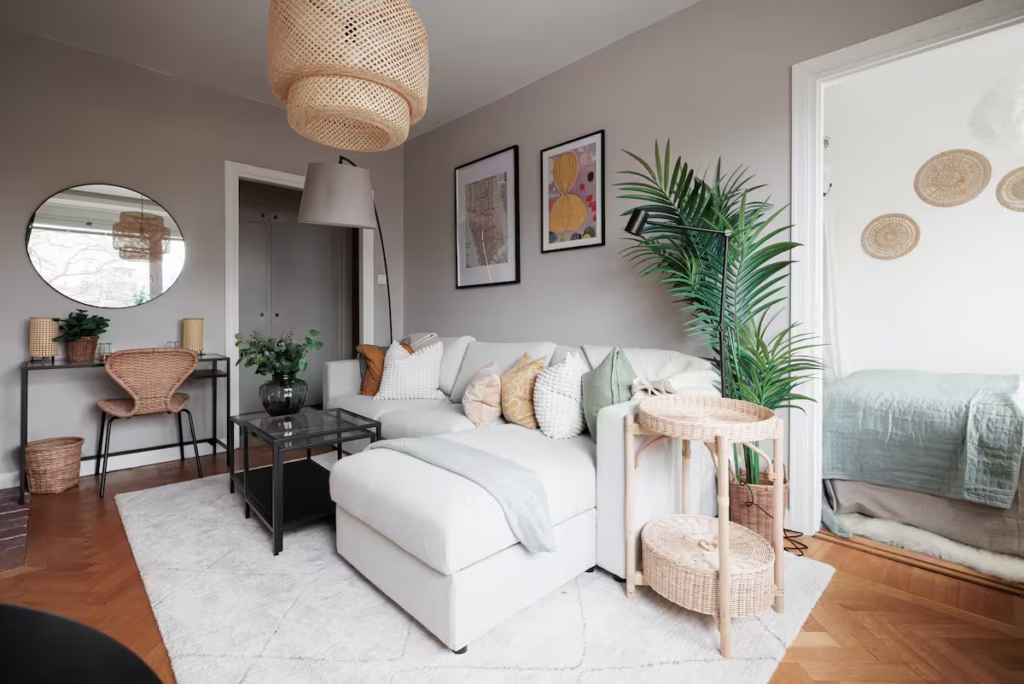
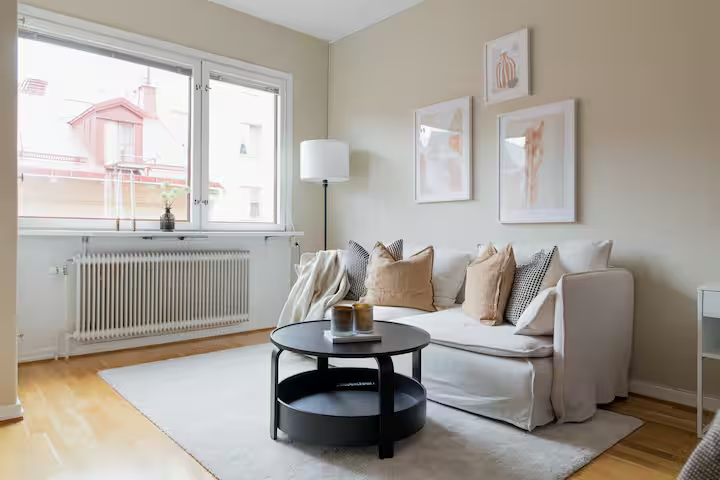
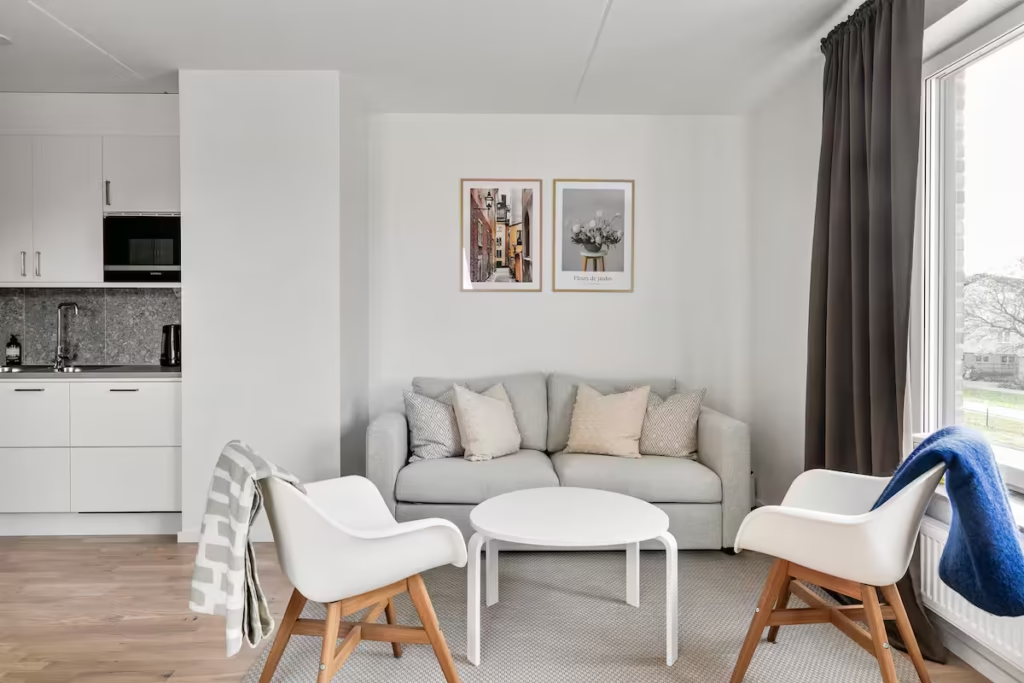
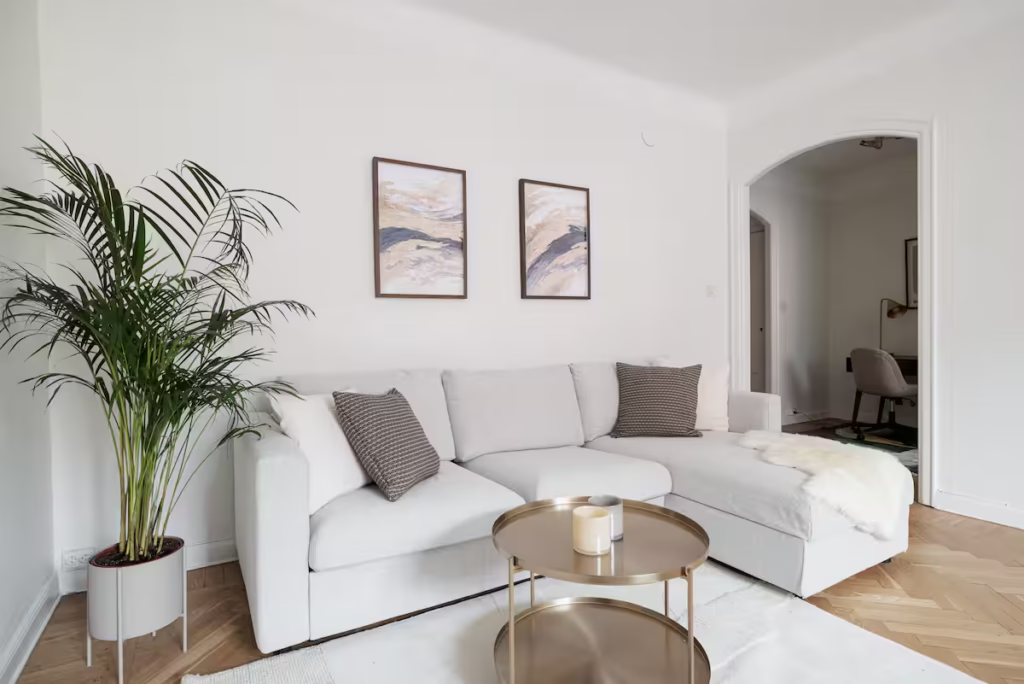
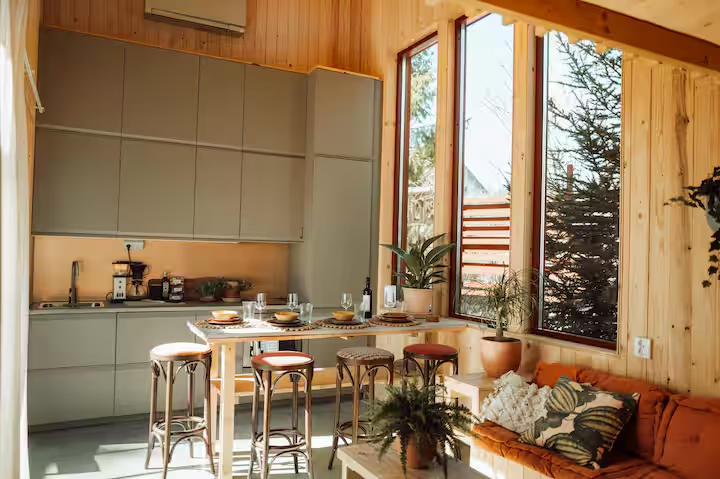
Top Off‑Season Stays
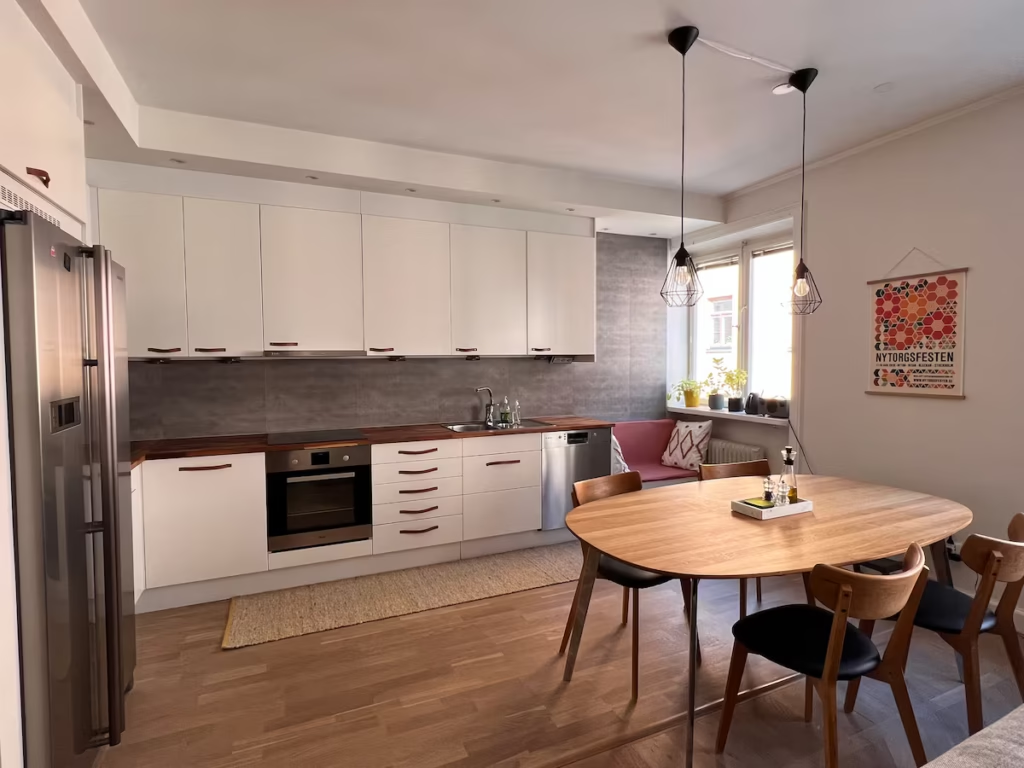
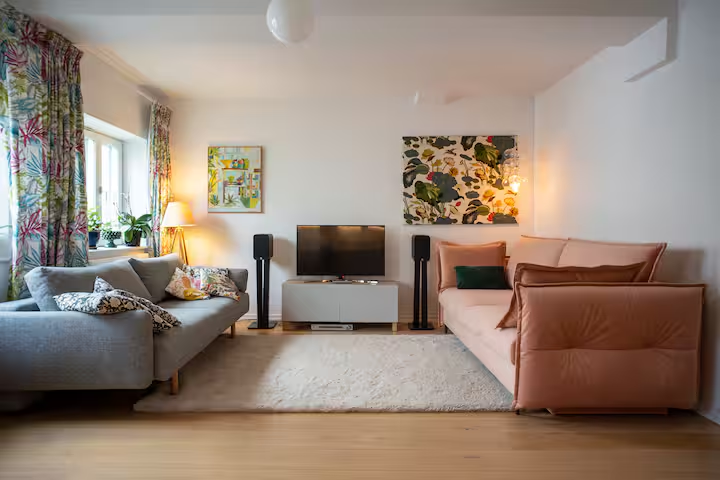
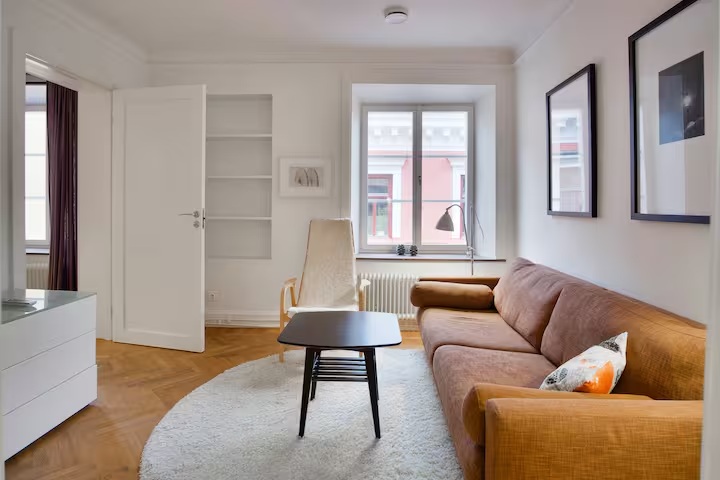
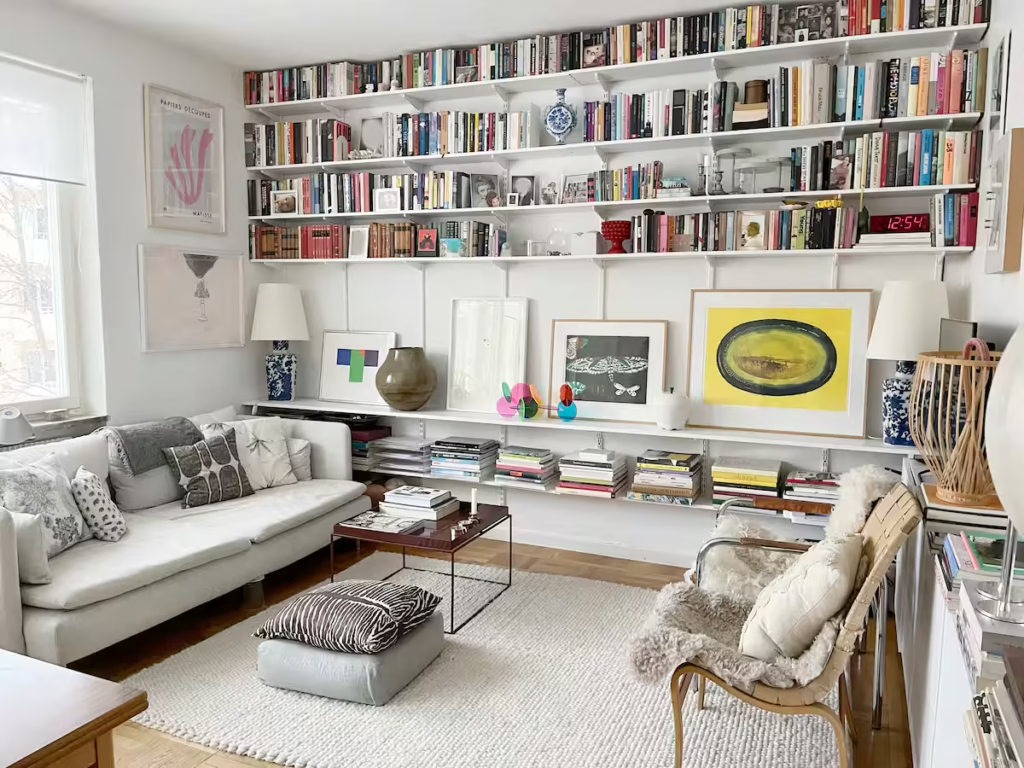
Find below our curated selection of boutique hotels and design apartments that offer exceptional value, atmosphere, and comfort during the off‑season — often at significantly lower rates than peak months.
Uncrowded Experiences & Tours
Skip the lines and experience iconic landmarks at your own pace. Discover curated local tours and cultural activities designed to show you the authentic side of the destination without the peak-season rush.
Handy Tips
Weather & Climate
Weather & Climate The climate is temperate, with four distinct seasons. Summers are mild and bright (around 15–20ºC), while winters are cold and dark (often around -3ºC or lower), with good chances of snow.
Local Customs And Etiquette
Cashless Society: Sweden is largely cashless. Nearly all transactions are done by card (debit/credit), and some places do not accept cash.
Fika Culture: This is a daily social ritual meaning a coffee (or tea) break, often with a sweet treat like a cinnamon bun. Embrace it as a way to slow down.
Public Transport: The system is excellent, reliable, and covers city, subway, and inner-archipelago ferries. The use of a travel card (SL Card) is common and efficient.
Budgeting For Your Trip
Accommodation: Hostels ($30–$60), mid-range hotels ($100–$180), luxury ($200+).
Food: Fixed-price lunch menu ($15–$25), dinner at a mid-range restaurant ($35–$60 per person), fine dining ($90+).
Transport: Public transport single ticket ($4), day pass ($18). Arlanda Express train ($35 one-way).
Activities: Museum entry ($15–$30), Archipelago boat tour ($30–$70).
Daily Budget:
- Budget: $90–$150 (hostels, market food, public transport).
- Mid-range: $180–$280 (hotels, restaurants, attractions).
- Luxury: $300+ (boutique hotels, gourmet meals, private tours).
Getting Around
Public Transportation (SL): The best way to travel within the city. The network includes buses, trams, the metro (Tunnelbana/T-bana), and local ferries.
Walking & Cycling: Stockholm is a very walkable city, and its many parks and waterfront promenades are perfect for cycling.
Ferries: Numerous ferries connect the city’s islands and are the main way to explore the vast archipelago.
Must-Try Food
Köttbullar: Traditional Swedish meatballs, typically served with mashed potato, creamy sauce, pickled cucumber, and lingonberry jam.
Toast Skagen: An open-faced sandwich topped with a mix of shrimp, mayonnaise, dill, and a lemon slice, often garnished with roe.
Gravad Lax: Dill-cured salmon, usually served thinly sliced with a sweet mustard-dill sauce (hovmästarsås).
Pickled Herring (Sill): A staple, served in various marinades (mustard, onion, dill) as part of a classic smörgåsbord.
Räksmörgås: A simple, high-quality open-faced shrimp sandwich, often on dark bread.
Kroppkakor: Potato dumplings stuffed with pork and onion, usually boiled.
Kanelbulle: The classic Swedish cinnamon bun, crucial for any fika.
Kardemummabulle: A cardamom bun, equally popular for fika and known for its distinct, warm spice.
Prinsesstårta: A traditional dome-shaped cake covered in a layer of bright green marzipan, filled with jam, vanilla custard, and whipped cream.
Semla: A sweet roll flavored with cardamom, cut open, and filled with a rich almond paste and whipped cream (traditionally eaten before Lent).
Must-Try Drinks
Snaps/Akvavit: A potent spirit, usually flavored with spices like caraway and anise, traditionally served ice-cold with herring.
Swedish Craft Beer: A growing scene with numerous local breweries offering a wide variety of styles, often high-quality IPAs and lagers.
Mulled Wine (Glögg): A spiced, warm red wine, a must-have during the Christmas season, often served with raisins and almonds.
Cider (Cider): Very popular, usually fruit-flavored and lighter in alcohol (there are non-alcoholic versions too).
Pilsner/Lager: Standard, refreshing Swedish pale lager (e.g., Pripps Blå, Norrlands Guld).
Coffee (Kaffe): Swedes are among the world’s biggest coffee drinkers; strong, black, filter coffee is the norm, essential for fika.
Julmust/Påskmust: A popular soft drink that tastes similar to root beer, sold only during the Christmas (Jul) and Easter (Påsk) holidays.
Lingonberry Juice: Tart and refreshing, made from the native lingonberry (similar to cranberry).
Elderflower Cordial (Fläderblomssaft): A sweet, light, and very popular summer soft drink, diluted with water.
Vatten/Kranvatten: Tap water is safe, clean, and delicious, served freely and commonly requested in restaurants.