 Skip to content

Home > Exploit The Seasons > Seasonal World Map > Europe > Sweden > Swedish Lapland
SWEDISH LAPLAND
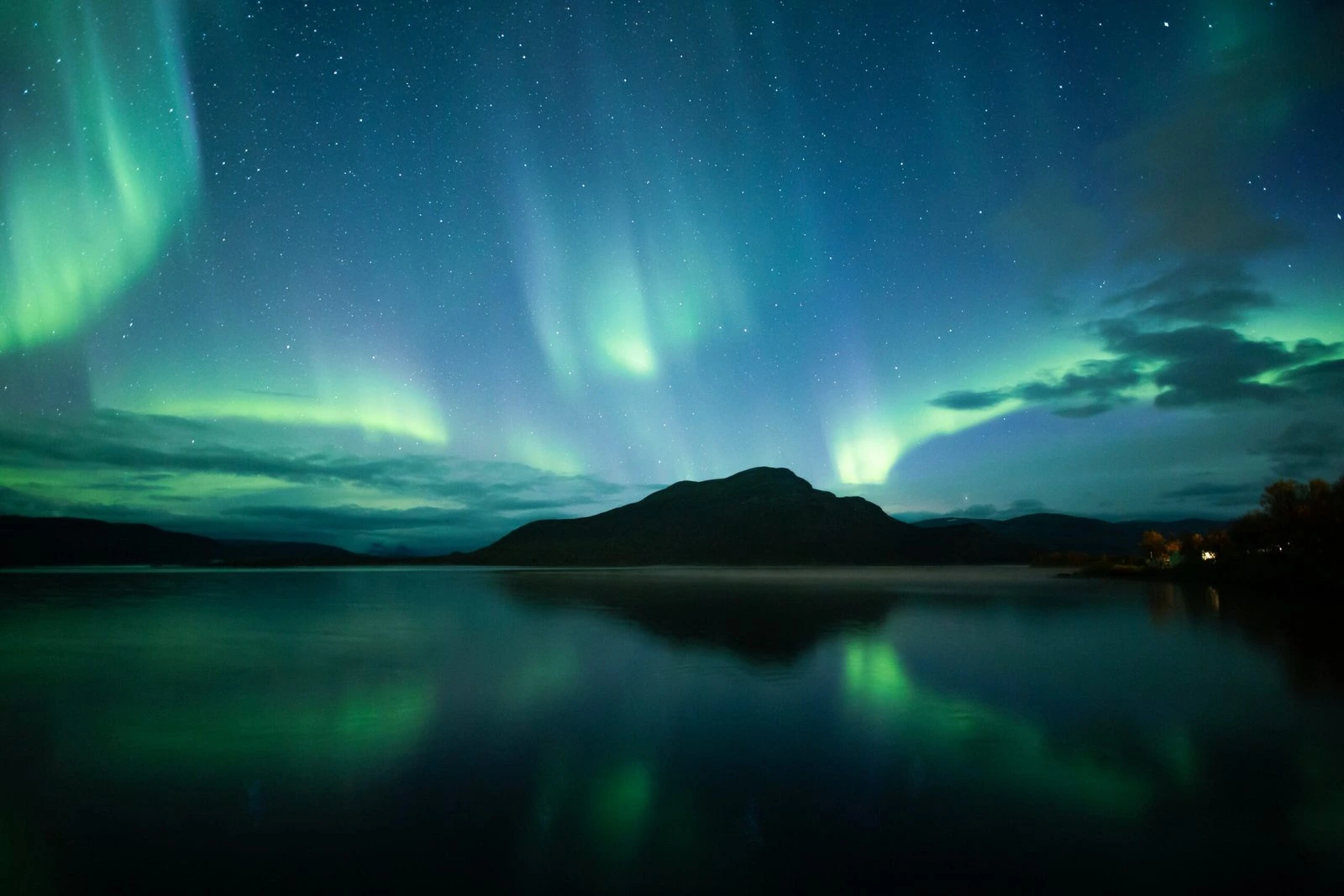
Swedish Lapland dances between endless winter darkness and midnight sun. Discover when to chase the northern lights, sleep in the Icehotel, or hike under the sun without the peak-season price tags or crowds.
Smart Travel Calendar
Shoulder Season
Your Smartest Windows
Late August – September (Aug 20 – Sep 30)
March (Mar 1 – Mar 25)
Avoid: Christmas & New Year week (Dec 23 – Jan 5) when Icehotel rooms exceed €800/night and every dog sled is booked solid months ahead.
What the Sky Does
Late August: 8°C–12°C (46°F–54°F) – midnight sun fading, first northern lights appear.
September: 0°C–8°C (32°F–46°F) – crisp aurora season begins; Abisko averages clear skies every other night.
March: -10°C to -2°C (14°F–28°F) – brilliant blue skies, snow still deep, daylight returning (10–12 hours).
Snow guarantee in March: 1+ metre base – perfect for snowmobiling and skiing.
How Empty It Feels
60–70% fewer tourists than peak February or Christmas weeks.
Icehotel: Day tours feel private – no shuffling behind 50 other visitors.
Abisko National Park: Aurora Sky Station has empty viewing platforms.
Kiruna town: The world’s largest mining town feels like a local secret.
What You’ll Save
Flights: 50% cheaper than December; SAS and Norwegian drop fares from Stockholm.
Icehotel stays: Cold rooms at 60% off peak; warm rooms at 40% off.
Activities: Dog sledding and snowmobile tours offer last-minute discounts of 30–40%.
Restaurants: No booking needed at SPIS or Icehotel restaurant – walk right in.
The Secret Perk
Northern lights + midnight sun combo in late August – experience both in one week.
Autumn colours (ruska) across the tundra – September’s reds and golds are breathtaking.
Reindeer migration (September) – thousands cross the E10 highway near Kiruna.
March’s light quality – low-angle sun paints the snow pink and gold for hours.
Sami National Day (Feb 6) – genuine joik singing and reindeer racing without tourist markup.
The Tiny Trade-Off
Icehotel’s full art suites not complete until mid-December – September visits show construction phase.
Some northern lights tours don’t run before September 1 – too much daylight.
Treehotel and other design stays close for maintenance in late October–November.
March school holidays (vecka 8–10) see Swedish families flood the region – prices spike for one week.
Smart Traveler Tip
Target September 10–25 for the ultimate aurora window: dark enough by 9pm, still mild temperatures (0°C/32°F), and 65% fewer tourists than winter peak. Book Icehotel day tours, not overnight stays.
Deep Off-Season
Your Smartest Windows
October – early November (Oct 1 – Nov 15)
January 7 – February 10
April 10 – May 15 (late spring)
Avoid: Christmas–New Year (Dec 22 – Jan 6) and Swedish winter break (vecka 8–9, mid-February) when families book everything.
What the Sky Does
October/November: -5°C to -15°C (23°F–5°F) – polar night approaches; northern lights almost every clear night.
January: -20°C to -10°C (-4°F to 14°F) – deepest cold, 2–4 hours of twilight daylight.
April: -5°C to +3°C (23°F–37°F) – snow melting, midnight sun returns in May.
The “blue hour” (December–January): 4 hours of magical twilight – no direct sun, but endless photo opportunities.
How Empty It Feels
80–90% fewer tourists compared to peak February/Christmas.
Icehotel: You might be the only person touring at 10am – guides give private walkthroughs.
Abisko Sky Station: Book an hour before departure – no advance reservation needed.
Kiruna’s restaurants: You’ll recognise every other diner by day two – genuinely local.
What You’ll Save
Up to 80% off peak Christmas prices – flights from Stockholm from €40 return on Norweigan.
Hotels: Camp Ripan or SPIS Hotel from €60/night (peak price: €200+).
Icehotel overnight: Cold rooms from €120 (peak: €600+); warm rooms from €150 (peak: €400+).
Activities: Snowmobile rental for €80/day (peak: €200) – negotiate directly with local operators.
The Secret Perk
Real polar night experience – December’s blue darkness is hauntingly beautiful and utterly unique.
Sauna culture peaks – locals invite travellers to lake ice baths followed by wood-fired saunas.
Northern lights every clear night – no waiting, no alarms; just step outside after 6pm.
Ice fishing with locals – drill a hole, drop a line, and drink coffee from a thermos.
No queues for anything – dog sledding, snowshoeing, even the world-famous Icehotel bar.
The Tiny Trade-Off
Midnight sun activities impossible – it’s dark 20+ hours a day in December-January.
Some Icehotel experiences limited – the full art exhibition hall opens mid-December only.
Restaurants in small villages close – Jukkasjärvi’s only pub may shut on weekdays.
Daylight is a memory – you have 2–4 hours of twilight; plan intensely or embrace the dark.
Smart Traveler Tip
Visit January 15 – February 5 for the ultimate value window: deepest winter experience, 80% lower prices than Christmas, reliable snow, and northern lights guaranteed most nights. Pack merino wool base layers + insulated boots rated to -30°C (-22°F). Book everything on arrival – you’ll negotiate better rates in person.
Find Off-Peak Flights
Uncrowded Experiences & Tours
Skip the lines and experience iconic landmarks at your own pace. Discover curated local tours and cultural activities designed to show you the authentic side of the destination without the peak-season rush.
Handy Tips
Weather & Climate
The climate is subarctic/arctic. Winter (Nov-Mar) is long and very cold, with temperatures often dropping to -10ºC to -25ºC (and sometimes much lower). Summer (Jun-Aug) is mild, with temperatures between 10ºC and 20ºC.
Local Customs And Etiquette
Sámi Culture: Be respectful of the indigenous Sámi people and their livelihood. Never approach or interfere with reindeer, as they are not wild but herded.
Language: Swedish is the official language. English is widely spoken, but a few words in Swedish are always appreciated. The various Sámi languages are also spoken throughout the region.
Fika: This is a key Swedish tradition—a break for coffee, a sweet pastry, and conversation. It’s more than a coffee break; it’s a social ritual.
Budgeting For Your Trip
Accommodation: Hostels ($40–$65), mid-range hotels ($110–$180), luxury (Icehotel/Treehotel $350+). Prices are highest in December.
Food: Fixed-price lunch menu ($15–$25), dinner at a mid-range restaurant ($30–$60 per person), fine dining ($75+). Food and alcohol are generally expensive in Sweden.
Transport: Car rental ($50/day), long-distance train ticket (Kiruna-Luleå $40+).
Activities: Dog sledding tour ($150+), ski pass ($50–$70), Northern Lights tour ($90+).
Daily Budget:
- Budget: $100–$150 (hostels, market food, public transport/walking).
- Mid-range: $180–$250 (hotels, restaurants, attractions/tours).
- Luxury: $350+ (unique hotels, gourmet meals, private tours).
Getting Around
By Train: The railway network, particularly the line connecting Luleå and Kiruna, is excellent and offers a comfortable, scenic way to travel long distances.
By Car: A car provides the most flexibility for exploring remote areas. Driving in winter requires appropriate tires and caution due to snow and reindeer on the roads.
By Bus: A decent regional bus network connects the smaller towns not served by the railway.
Must-Try Food
Suovas: Lightly smoked and thinly sliced reindeer meat, often fried and served on Sámi flatbread.
Renskav: A creamy reindeer stew made with mushrooms and cream.
Kalix Löjrom: A delicate, Protected Designation of Origin (PDO) caviar from vendace fish found only in the Bothnian Bay.
Älgfärsbiffar: Moose mince patties, often served with cream sauce and lingonberries.
Surströmming: A notoriously pungent fermented Baltic Sea herring. (Warning: taste is an acquired one!)
Palt: A large potato dumpling, often filled with fried pork, and served with lingonberry jam and melted butter.
Sikrom: Caviar from whitefish, frequently used as a topping or spread.
Glögg & Pepparkakor: Traditional Swedish spiced mulled wine (often non-alcoholic) served with thin ginger snap cookies, especially around Christmas.
Kaffeost: A mild cheese that is cubed and placed in a cup of hot coffee, where it softens without melting.
Cloudberry Jam: The region’s specialty berry, often served warm with vanilla ice cream or waffles.
Must-Try Drinks
Aquavit (Akvavit): A potato or grain-based spirit, flavored with herbs like caraway, dill, and fennel.
Craft Beer: The region has numerous local microbreweries taking advantage of the pure Arctic water.
Varm Choklad med punsch: A shot of Swedish punch (a liqueur made from arrack) added to hot chocolate.
Kokkaffe: Traditional boiled coffee, often prepared over an open fire, which produces a very strong, rich brew.
Lingonberry Juice: A classic, slightly tart, and refreshing juice from a wild Swedish berry.
Björksav (Birch Sap): In the spring, birch sap is often harvested and drunk fresh as a slightly sweet, mineral-rich beverage.