 Skip to content
- Why Is Slovakia A Budget-Friendly Off-Season Alternative To Czechia Or Austria
Because you can Exploit Travel Seasonality here to experience stunning castles, medieval towns, and the High Tatras mountains at a fraction of the cost of its more famous neighbours. While Prague and Salzburg remain crowded year-round, visiting Slovakia in September-October or April-May means you will find hotel prices 40-60% lower than in Czechia, with flights into Bratislava often costing half of Vienna flights just an hour away.
You also gain access to over 200 castles and chateaux, many of which are nearly empty during off-season. Imagine exploring the dramatic Spiš Castle, one of Europe's largest castle complexes, with only the wind and echoes for company.
- What Is The Best Month For Hiking In The High Tatras Without Summer Crowds
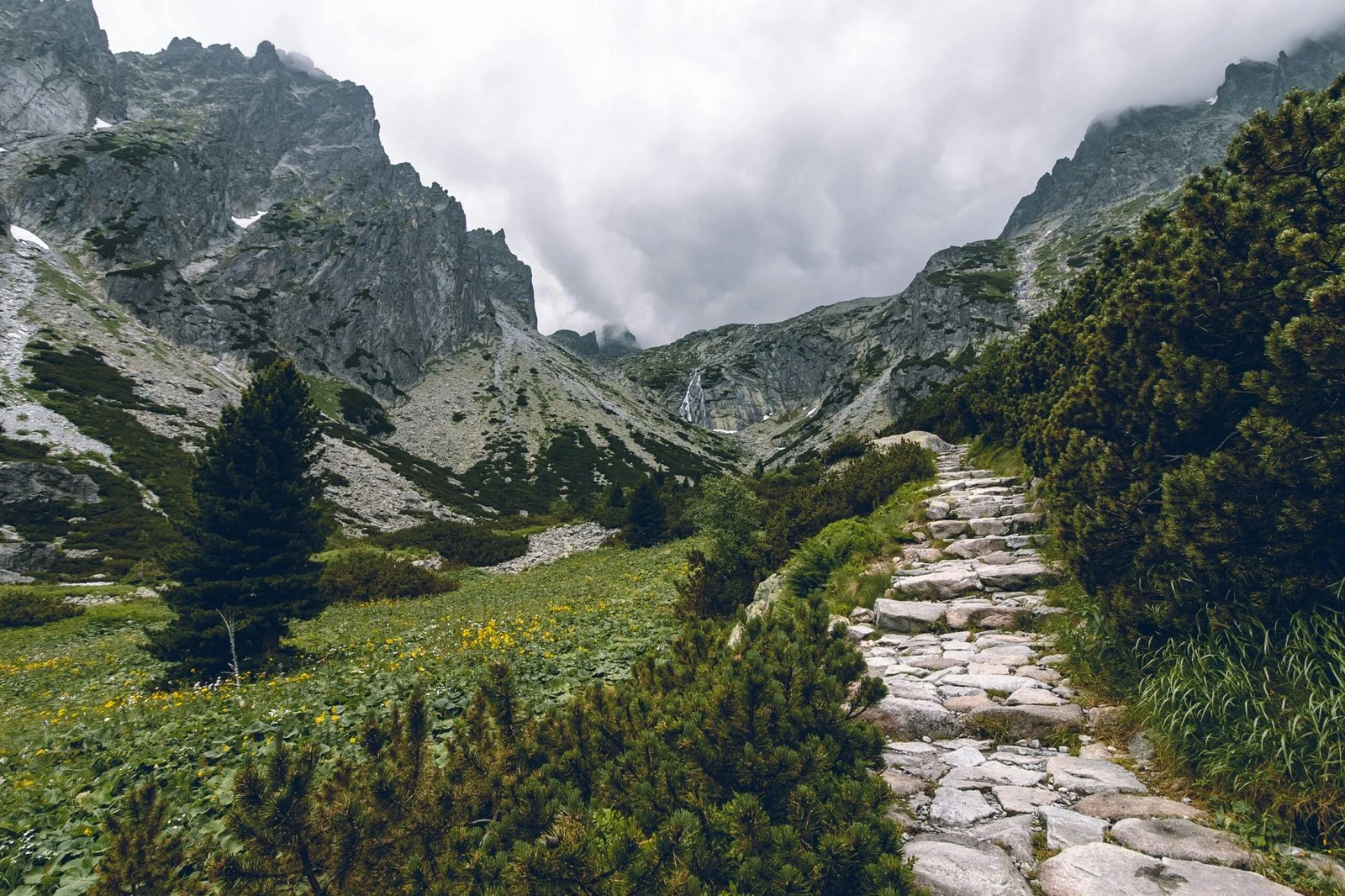
September is your absolute sweet spot for mountain hiking. The summer school holidays have ended, the weather remains stable with temperatures between 10-18°C (50-64°F) at lower elevations, and the famous larch trees turn brilliant gold against the granite peaks. Popular trails like the hike to Mountain Lake Strbske Pleso or the challenging ascent to Rysy Peak are blissfully uncrowded.
June offers another fantastic window, especially for waterfall lovers. Spring snowmelt means waterfalls like Studenovodské Falls are at their most powerful, and the alpine meadows explode with wildflowers including the protected edelweiss. Just pack layers and check trail conditions before heading out. For a full regional breakdown of Central European off-season travel, explore our Europe off-season travel guide.
- Is Slovakia A Good Destination For Winter Sports On A Tight Budget
Yes, absolutely, and this is where Slovakia truly shines compared to the Alps. Resorts like Jasná in the Low Tatras, Štrbské Pleso, and Donovaly offer excellent skiing with day lift passes costing €35-45, roughly half of comparable Austrian or French resorts. Accommodation in mountain chalets during peak winter often costs less than a budget hotel room in Innsbruck.
Beyond the slopes, Slovakia offers unique winter experiences like snowshoeing in the Slovak Paradise National Park, where frozen waterfalls and icy gorges create a magical landscape. You can also warm up in traditional koliba (wooden cottages) serving hearty bryndzové halušky (potato dumplings with sheep cheese) and steaming mulled wine for under €10. For a custom winter itinerary tailored to your budget, use our AI Travel Assistant to build your perfect Slovakian ski escape.
- What Unique Castle Experiences Does Slovakia Offer In The Off-Season
Overnight stays in medieval castles. Several Slovakian castles, including Bojnice Castle (often called the most romantic in Central Europe) and Orava Castle (featured in the 1922 Nosferatu film), offer off-season evening tours and even overnight stays in nearby castle-run guesthouses. January through March, when tourist numbers are lowest, is your best chance to book these unique experiences with personalised guides who have time to share local legends.
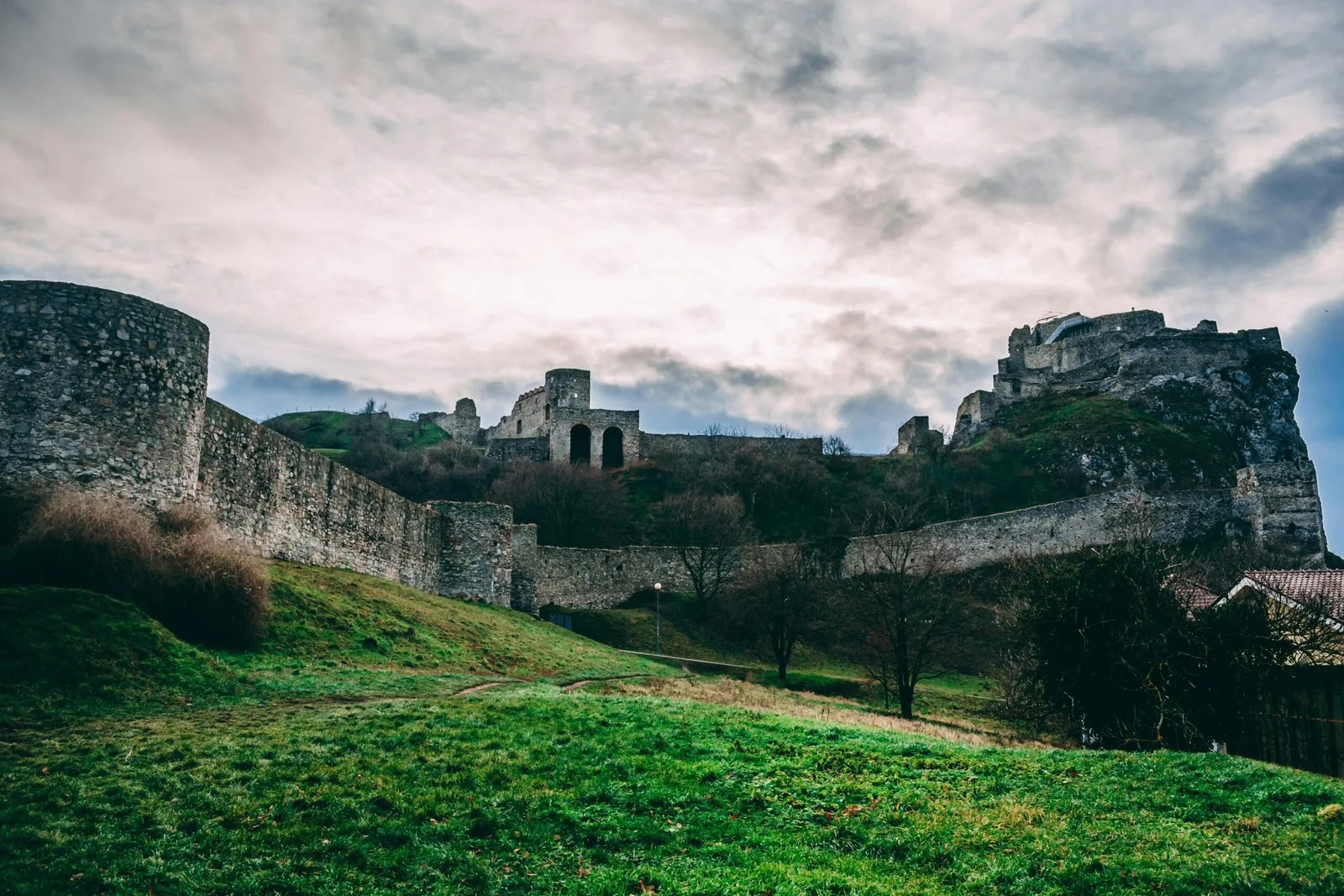
Another hidden gem is exploring ruined castles like Strečno or Čachtice (infamously associated with the Blood Countess Elizabeth Báthory). During off-season months, these atmospheric ruins are often completely empty, allowing you to absorb their eerie beauty without interruption. You might even catch low-lying fog rolling across the valleys, creating genuinely cinematic conditions. If you love immersive cultural trips, browse our Themed Travel Guides for Culture and History.
- How Does Off-Season Slovakia Compare To Poland Or Hungary For Value
Slovakia offers better value than Hungary for accommodation and comparable value to Poland, with a key advantage in mountain access. While Budapest's ruin bars and thermal baths are famously affordable, accommodation in the capital has risen significantly in recent years. Bratislava remains genuinely cheap, with hotel rooms often 30-40% less than Budapest equivalents. Compared to Poland's Zakopane (the Polish Tatra resort), Slovakia's High Tatras offer similar mountain beauty at roughly 20% lower prices.
What truly sets Slovakia apart is the combination of low prices and easy access from Vienna Airport. You can fly into one of Europe's busiest hubs, take a one-hour bus or train to Bratislava, and be surrounded by affordable castles, caves, and mountains without ever feeling like you're in a tourist trap. For official event dates and trail condition updates, check the Slovakia Travel official tourism portal. Then, use our Explore The World page to compare Slovakia with other budget-friendly Central European destinations like Slovenia or Czechia.

Home > Exploit The Seasons > Seasonal World Map > Europe > Slovakia
SLOVAKIA
Slovakia’s mood shifts from the summer buzz of the High Tatras to the hush of snow-laden forests. This guide helps you find uncrowded trails, authentic village stays, and genuine value beyond the postcard seasons.
Smart Travel Calendar
Why Choose Slovakia Off-Season?
Skip the Tatras queues. Hike without the summer crowds on Slovakia’s most famous mountain trails .
Sleep for less. Find accommodation up to 30% cheaper than during the peak summer months .
Savor the silence. Enjoy medieval towns like Levoča and Banská Štiavnica with hardly a tourist in sight.
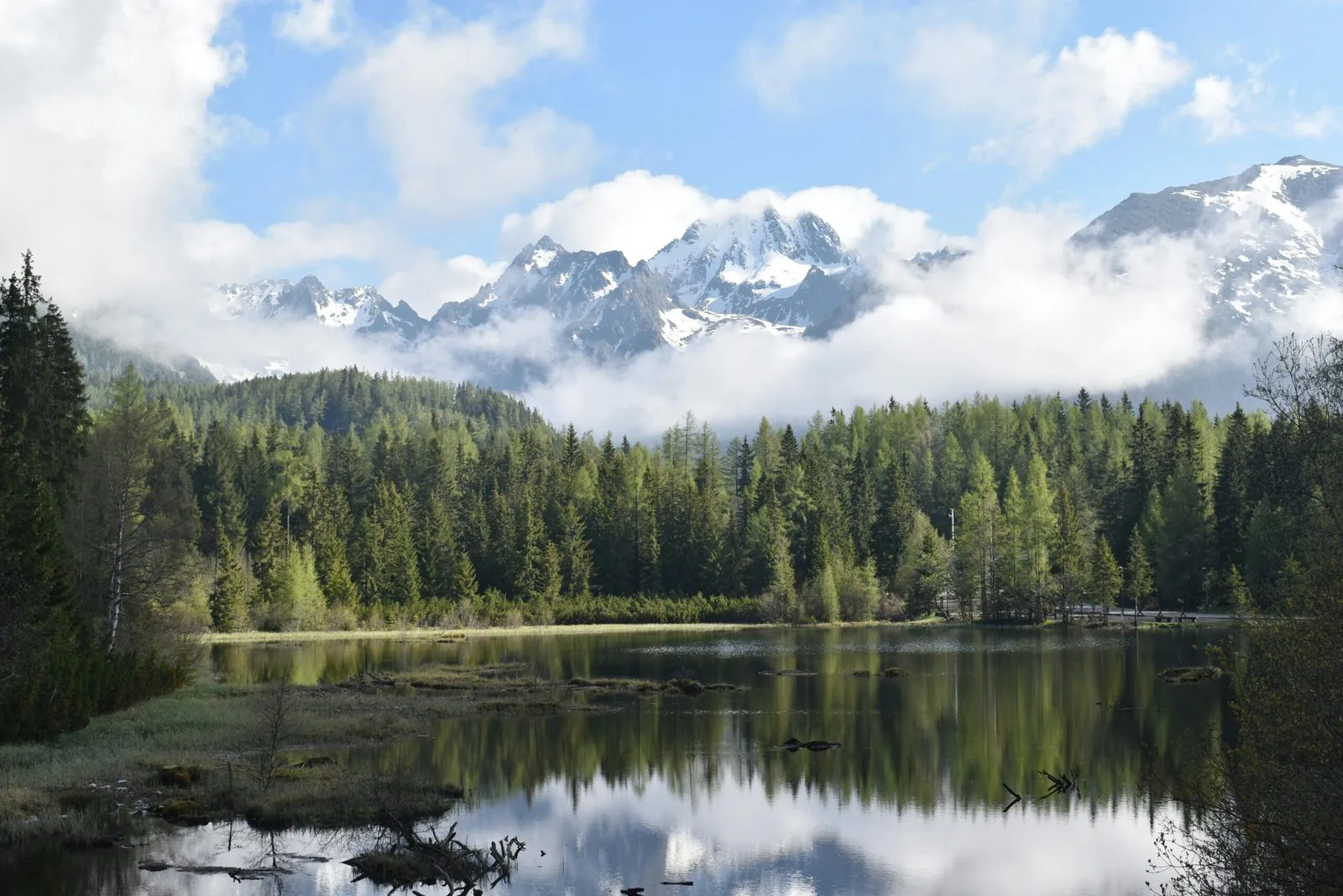
Experience true authenticity. Share a hospoda (local pub) with miners and mountaineers instead of tourists.
Witness nature’s raw power. From blooming spring wildflowers to misty autumn valleys, the landscape performs.
Soak in thermal serenity. Have near-empty spas and steaming pools all to yourself on a chilly day.
Shoulder Season
Your Smartest Windows
May to mid-June
September to October
Avoid: The Christmas and New Year holidays (Dec 24 – Jan 1), as well as the February winter school break when domestic tourism spikes, pushing up prices in ski resorts like Jasná .
What the Sky Does
May & September average: Highs of 18°C (64°F) / Lows of 8°C (46°F) .
Expect rapid shifts. Sun, clouds, and a quick rain shower can all happen on the same mountain hike.
Low Tatras clarity. September offers the most stable weather for hitting Chopok peak without summer storms .
Golden light. Autumn sun sits lower, offering dramatic, soft light perfect for photography of Gothic churches.
How Empty It Feels
Up to 50% fewer tourists compared to the packed months of July and August .
Major cities feel relaxed. Bratislava’s Old Town is busy but never overwhelming.
Regions like Slovak Paradise have empty ladders and gorges; you won’t be stuck behind a chain of hikers.
Find the best tables. Easy walk-ins at popular mountain huts ( chaty ) without advance reservation, except on weekends.
What You’ll Save
Flights are 20-30% cheaper than summer highs, and hotels drop from “Peak” to “Moderate” rates .
Car rental rates dip significantly after the summer rush ends in mid-September.
Skip the queue. Instant access to popular caves like Domica or Ochtinská Aragonite Cave when they open in spring.
Better value dining. No “tourist menu” upcharges in major squares; eat where locals eat for €6-8.
The Secret Perk
The Ice Caves reopen. Demänovská Ice Cave and Dobšinská Ice Cave open their frosty gates on May 15th .
Wildflower explosion. The Tatras foothills turn purple with crocuses in May and vibrant gentians in June.
Stomp grapes like a local. Join harvest festivities in the Small Carpathians wine region (late September/October).
Moody mountain views. The swirling morning mist against the peaks creates epic, moody compositions.
Real local talk. With fewer international tourists, locals have more time to chat and share stories over borovička.
The Tiny Trade-Off
In May: Higher peaks might still have lingering snow, making high-altitude traverses challenging .
Unpredictable lows. Evenings can feel like winter (4°C / 39°F), requiring packing for two seasons.
Slightly reduced transport. Some seasonal mountain bus routes (e.g., to specific trailheads) may not run at full frequency until mid-June.
October rain. Late October can bring persistent drizzle, particularly in the north.
Smart Traveler Tip
Target September. It offers the most “goldilocks” balance—dry trails, warm lakes for swimming, and operational summer cable cars.
Book midweek for May. This avoids domestic long weekends (May 1st/8th holidays).
Layer for spring/fall. The weather varies with elevation, so a waterproof shell and insulated vest are your best friends.
Deep Off-Season
Your Smartest Windows
November to March (excluding holidays)
Avoid: The New Year’s Eve period (Dec 30 – Jan 1) and the February ski break week – prices spike in mountain resorts during these specific windows .
What the Sky Does
Cold averages: Highs of 2°C (36°F) / Lows of -5°C (23°F) from December to February .
Snow blanket. The Low Tatras and High Tatras receive heavy snow, turning the landscape white.
Lowland fog. The Danube lowland around Komárno can be foggy, while mountain towns are crisp and sunny.
Dry cold. Slovakia’s winter air is often dry, making the cold feel less penetrating than in damp climates.
How Empty It Feels
80% fewer tourists on hiking trails. You will likely have entire mountain viewpoints to yourself.
Castles feel haunted. Exploring Spiš Castle in the misty winter rain feels like a scene from a period film—if you brave it, you’ll be the only one there.
Museums are yours. Bratislava’s city galleries and museums are silent, offering a contemplative visit.
Authentic village life. Towns like Ždiar feel profoundly local as life revolves around wood stoves, not tourist shops.
What You’ll Save
Up to 50% off peak summer rates on accommodation in non-ski towns (e.g., Košice, Bratislava, Banská Bystrica) .
Flights are cheapest. January and February offer the absolute lowest airfare to Vienna or Bratislava .
Hotel steals. Five-star hotels in Bratislava often drop to the price of three-star hostels.
Ski on a budget. If you avoid February, ski passes in Jasná are cheaper than in the Alps, with accommodation prices still considered “Low” .
The Secret Perk
Real winter coziness. Huddle by a tiled stove in a traditional pension with a mug of medovina (honey wine).
Ski the “Little Alps.” Enjoy Central Europe’s best value skiing in Jasná or Strbské Pleso without the Swiss price tag .
Winter solitude. The satisfaction of breaking trail through fresh snow in the Slovak Paradise National Park.
Sheep cheese tasting. Winter is the time for halusky (potato dumplings with sheep cheese) to fuel up against the cold.
No language barrier stress. Service staff have more time to help you understand the menu with patience and a smile.
The Tiny Trade-Off
Lakes are frozen. Forget swimming in Strbské Pleso; the surface is solid ice (though great for skating).
Limited après ski. Outside of major resorts like Jasná, nightlife in small villages is non-existent.
Short daylight. By 4 PM, the sun is setting in December, limiting sightseeing hours to about 8 hours.
Mountain huts closed. Most high-altitude hiking shelters are locked shut for the season (Nov – mid-June) .
Smart Traveler Tip
Go to Jasná in January. The snow is perfect, and prices are lower than the busy February school holiday weeks .
December is for cities. Stay in Bratislava or Košice for the charming Christmas markets, then head to the mountains after the 26th.
Pack spikes and thermals. Streets are icy; microspikes for your boots are essential for walking safely, plus thermal underwear for layers.
Escape south. For the mildest winter experience, head to the vineyards of Svätý Jur (near Bratislava) where snow is rare.
Find Off-Peak Flights
Uncrowded Experiences & Tours
Skip the lines and experience iconic landmarks at your own pace. Discover curated local tours and cultural activities designed to show you the authentic side of the destination without the peak-season rush.
FAQs
Essential Trip Information
Visa and Entry Requirements
Slovakia is part of the Schengen Area, allowing visa-free stays (up to 90 days in 180) for citizens of the US, Canada, Australia, New Zealand, and the EU.
Check current requirements via the Slovak Ministry of Foreign Affairs:
https://www.mzv.sk/web/en/consular_info/visa
Passport must be valid for at least three months beyond your stay, issued within the last 10 years.
You may be asked to show proof of return ticket and sufficient funds (around €100/day is a general guideline).
Currency
Slovakia uses the Euro (€). Bills: €5–€500. Coins: 1¢–2€.
Best Ways to Handle Currency
Before Your Trip: Exchange a small amount; ATMs offer better rates than airport kiosks.
During Your Trip: Use ATMs at major banks (Slovenská sporiteľňa, Tatra banka). Visa/Mastercard widely accepted, but always carry €20–40 in cash for small businesses.
What to Avoid: Currency exchange kiosks and choosing “your currency” on card terminals—always pay in euros.
Language
The official language is Slovak. English is spoken in tourist areas, especially by younger people.
Helpful phrases:
- “Ďakujem” (Thank you)
- “Prosím” (Please/Excuse me)
- “Kde je…?” (Where is…?)
Safety & Security
Slovakia is very safe overall.
Pickpockets may operate in busy tourist areas, train stations, or trams.
Avoid poorly lit parks or alleys late at night.
Emergency Number: 112 (works EU-wide).
Health & Insurance
No vaccinations are required.
Tap water is safe to drink.
Travel insurance is recommended for health emergencies.
Pharmacies (Lekáreň) are common; for 24h options, head to major cities.
Transportation
Trains: Comfortable and scenic; connect major cities and small towns (ZSSK trains).
Buses: Affordable, frequent routes nationwide; RegioJet and FlixBus are reliable.
Driving: Good roads; vignette (toll sticker) required for highways.
Taxis/Rideshare: Bolt or Uber available in Bratislava only.
Public transport: Trams and buses in cities; use contactless cards or mobile apps.
Walking: Cities like Bratislava, Košice, and Banská Štiavnica are pedestrian-friendly.
Price Level
Slovakia is budget-friendly by European standards.
Accommodation
Budget: Hostels or pensions (US$30–60/night)
Mid-range: 3-star hotels (US$70–120/night)
Luxury: 4–5 stars (US$150+/night)
Food
Quick eats: Street food, bakeries (US$4–8)
Sit-down meal: Local restaurants (US$10–20/person)
Fine dining: US$40–70/person
Drinks
Beer: US$2–4 (local), cocktails: US$6–10
Coffee: US$2–4
Transport
Trains/buses: US$3–10/ride (long-distance US$15–25)
Local transport: US$1–2 per ride (day pass US$4–6)
Car rental: US$30–50/day
Money-Saving Tips
Buy public transport passes in cities.
Eat at lunch menus (“denné menu”) for discounted full meals.
Explore free nature spots (lakes, castles, and hiking trails).
Planning Your Trip
Local Customs And Etiquette
Politics: Avoid political conversations unless invited—Slovaks are private and may hold strong views, especially on historical topics.
Tipping: Customary 10–15% at restaurants; round up for taxis; €1–2 (US$1–2.20) per bag for hotel porters.
Dress Code: Smart-casual in cities like Bratislava; more relaxed attire is fine in villages or hiking regions.
Churches and Monasteries: Shoulders and knees should be covered. Speak quietly and turn off phones.
Social Norms: Greet with a handshake; eye contact is expected. Removing shoes indoors is standard in homes.
Budgeting For Your Trip
Accommodation:
- Hostels: US$25–45/night
- Mid-range hotels: US$80–150
- Boutique/luxury hotels: US$200+
Food:
- Bakeries/street food (e.g., bryndzové halušky): US$5–8
- Casual restaurant meals: US$12–25
- Fine dining (especially in Bratislava): US$50–80
Transport:
- City transit: US$1–2 per ride, daily pass ~US$5
- Intercity trains/buses: US$8–20 depending on distance
Activities:
- Castles, caves, and museums: US$5–12
- Guided tours: US$25–45
- National parks: Mostly free; some trails or caves may charge entry
Daily Budget:
- Budget: US$60–90 (hostels, bakeries, public transport)
- Mid-range: US$140–200 (comfortable stays, full meals, activities)
- Luxury: US$300+ (design hotels, private guides, top dining)
Internet & Mobile
Free Wi-Fi: Common in hotels, cafes, train stations, and many town centers.
SIM Cards: Local providers (O2, Orange, Telekom) offer prepaid plans at kiosks or shops—US$10–25 for 10–15GB.
eSIMs: Compatible with major brands like Airalo or Nomad for convenience on arrival.
Travel Insurance
Recommended for: Health coverage, flight delays (especially in winter), and mountain travel.
Medical System: Public care is decent, but private clinics are faster and pricier—make sure your insurance covers both.
Outdoor Sports: If skiing, hiking, or rafting, ensure your policy includes adventure coverage.
Accomodation Options
From Alpine chalets to castle hotels, Slovakia offers a wide range of stays.
Luxury:
- Chateau-style: Grand Hotel Kempinski (High Tatras), Château Béla (southern Slovakia)
- Mountain resorts: Wellness Hotel Borovica, Lomnica Hotel (Tatras)
Mid-range:
- Boutique hotels: Loft Hotel (Bratislava), Hotel Hviezdoslav (Kežmarok)
- Eco-lodges: Drevenice Resort (Terchová), Wellness Penzión Strachan (Tatras)
Budget:
- Guesthouses: US$25–50/night (e.g., Levoča, Banská Štiavnica)
- Hostels: Hostel Blues (Bratislava), The Ginger Monkey (Ždiar)
Unique Stays:
- Cottage cabins: In the forests of Liptov or Slovenský Raj
- Traditional wooden houses: Čičmany village
Tip: Book mountain or spa hotels well in advance if visiting in summer or ski season (Dec–Feb).
Getting Around
Slovakia’s public transportation is reliable, budget-friendly, and scenic.
Trains – Operated by ZSSK:
- InterCity: Comfortable and efficient for Bratislava–Košice (4.5–5h).
- Regional trains connect smaller towns and hiking regions (e.g., Poprad to Tatranská Lomnica).
- Tip: Book first class for more comfort—still very affordable.
Buses:
FlixBus and RegioJet offer low-cost routes between cities and to Vienna, Prague, or Budapest.
Local buses are the only option for rural villages and remote hiking areas.
Car Rental:
Ideal for exploring mountain towns, wine regions, or castle-hopping.
Roads are good, but mountain driving requires care—check winter tire rules (Nov–Mar).
Manual transmission is the norm; automatic vehicles may cost more.
Public Transport in Cities:
Bratislava: Trams, buses, and trolleybuses—24-hour ticket costs ~US$4.
Other towns (Košice, Prešov): Efficient bus networks.
Taxis/Apps: Bolt and Uber operate in Bratislava; elsewhere, local taxis can be arranged but confirm fare upfront.