 Skip to content
- Why Is North Macedonia One Of Europe's Most Underrated Off-Season Bargains
Because you can Exploit Travel Seasonality here in a country that offers incredible value even in peak season, making off-season prices almost laughably low. While summer brings warm weather but still relatively few tourists, visiting in October-November or March-April means you will find hotel rooms in Skopje and Ohrid for €20-30 per night, and a meal with local wine or rakija for under €10.
You also gain the freedom to explore North Macedonia's stunning lake, mountains, and ancient towns without competing with any crowds. Imagine having the UNESCO-listed town of Ohrid, with its 365 churches and fortress overlooking a deep blue lake, almost entirely to yourself.
- What Is The Best Month For A Budget-Friendly Lake Ohrid Experience
September is your absolute sweet spot for Lake Ohrid. The summer heat has faded to pleasant 22-26°C (72-79°F), the lake water remains warm enough for swimming until late September, and the summer crowds have returned home. Lakefront hotels drop their prices by 40-50%, meaning you can stay with a view for what a hostel would cost in July.
May offers another fantastic window, especially for photographers and nature lovers. The surrounding Galicica Mountains are lush and green, wildflowers blanket the hillsides, and the famous Ohrid trout is at its best before summer heat affects the lake. You can also enjoy the Ohrid Summer Festival opening events with far better ticket availability. For a full regional breakdown of Balkan off-season travel, explore our Europe off-season travel guide.
- Can I Hike In North Macedonia's Mountains During The Off-Season
Yes, absolutely, with proper planning. September and October offer perfect hiking conditions in the Galicica National Park, which separates Lake Ohrid from Lake Prespa. Trails offer stunning views of both lakes, and you can combine a morning hike with an afternoon swim. The Pelister Mountains near Bitola, home to the rare Molika pine, are also ideal during autumn with crisp air and fewer insects.
For winter hikers or snowshoers, the Shar Mountain range near Tetovo offers excellent options from December through March. Higher peaks above 2,000 metres hold snow well, but stick to lower elevations if you lack winter mountaineering experience. Always check trail conditions and let someone know your plans, as trail markings can be less frequent than in the Alps. For a custom hiking itinerary tailored to your skill level, use our AI Travel Assistant to build your perfect North Macedonian adventure.
- What Unique Cultural Experiences Does North Macedonia Offer In The Off-Season
Matka Canyon in near solitude is a genuine highlight. This stunning canyon just outside Skopje features medieval monasteries (including the 14th-century Church of St Andrew), cave churches, and underground caves accessible by boat. During off-season, you can paddle through the Treska River gorge with barely another boat in sight, and local boat operators have more time for extended tours and stories.
Another hidden gem is visiting the colorful bazaars of Skopje and Bitola during winter. The Old Bazaar (Čaršija) in Skopje is one of the largest and oldest in the Balkans, and off-season means local shopkeepers actually want to chat rather than rush through tourist transactions. You can watch silversmiths, carpet weavers, and coppersmiths at work while enjoying Turkish coffee and traditional sweet baklava. If you love immersive cultural trips, browse our Themed Travel Guides for Culture and History.
- How Does Off-Season North Macedonia Compare To Albania Or Bulgaria For Value
North Macedonia offers slightly better value than both, especially for lakefront and mountain accommodations. While Albania's coast has become increasingly discovered and Bulgaria's Bansko commands premium ski prices, North Macedonia remains genuinely off-radar. A room overlooking Lake Ohrid in October costs roughly €30-40 per night, compared to €50-60 for comparable views in Albania's Ksamil or Bulgaria's Nessebar during shoulder season.
What truly sets North Macedonia apart is the combination of lake, mountains, and Ottoman-era history packed into a small, drivable country. You can visit both Lake Ohrid and Skopje's Matka Canyon in the same weekend without rushing. The food scene is also exceptional value: a multi-course traditional meal with wine or rakija rarely exceeds €15 per person.

Home > Exploit The Seasons > Seasonal World Map > Europe > North Macedonia
NORTH MACEDONIA
North Macedonia reveals itself away from the summer rush, from the serene, mirror-like waters of Lake Ohrid to the snow-dusted peaks of Mavrovo. Discover when to explore this Balkan gem for authentic moments and genuine value.
Smart Travel Calendar
Why Choose North Macedonia Off-Season?
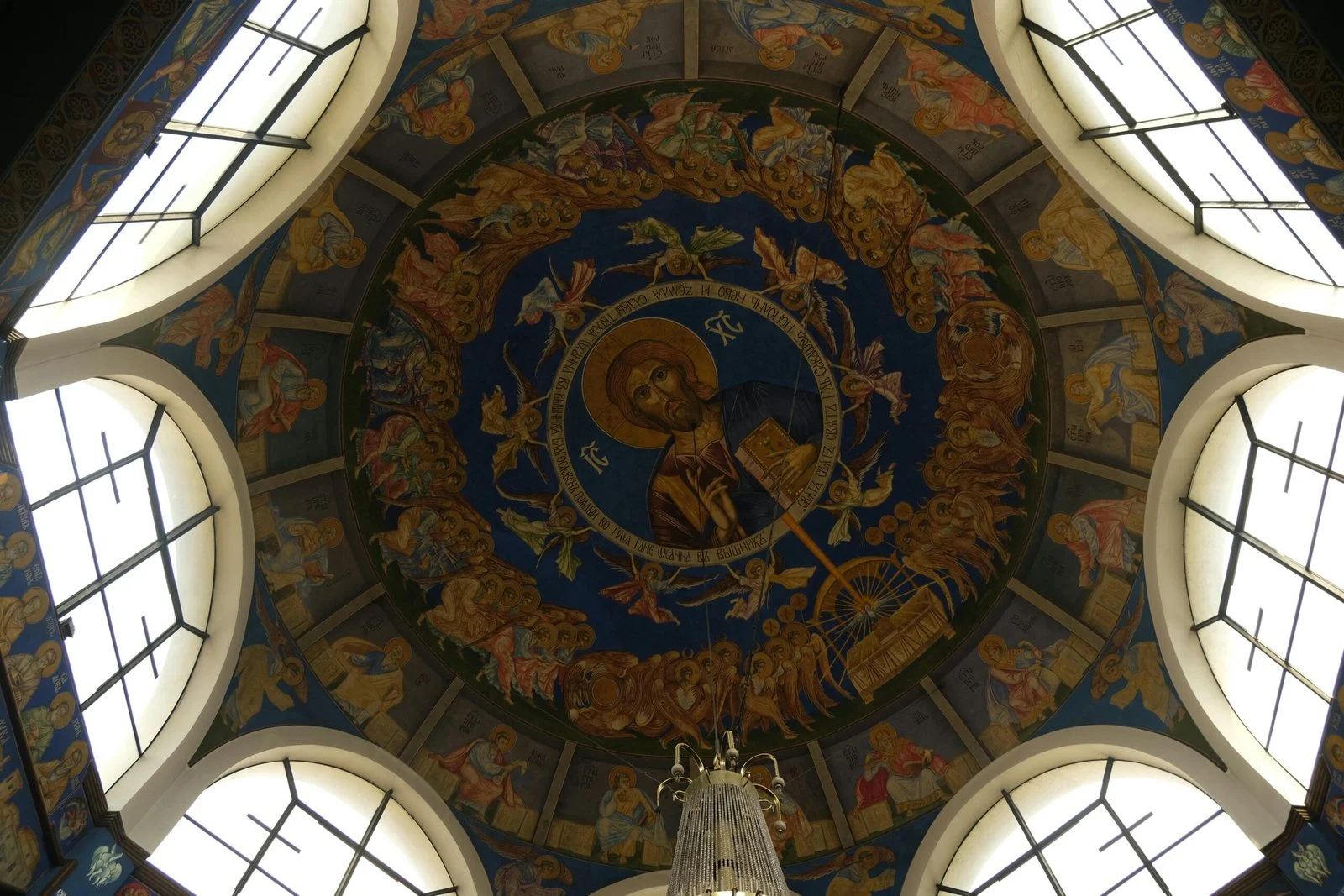
Step into a living museum without the crowds. Byzantine frescoes and Ottoman bazaars feel personally yours.
Watch Europe’s oldest lake reflect autumn gold or spring blossoms. Pure magic with a fraction of the visitors.
Pay nearly half for flights and hotels compared to the bustling summer months of July and August.
Taste the harvest with home-made wine and rakija alongside locals in cozy, smoky kafanas.
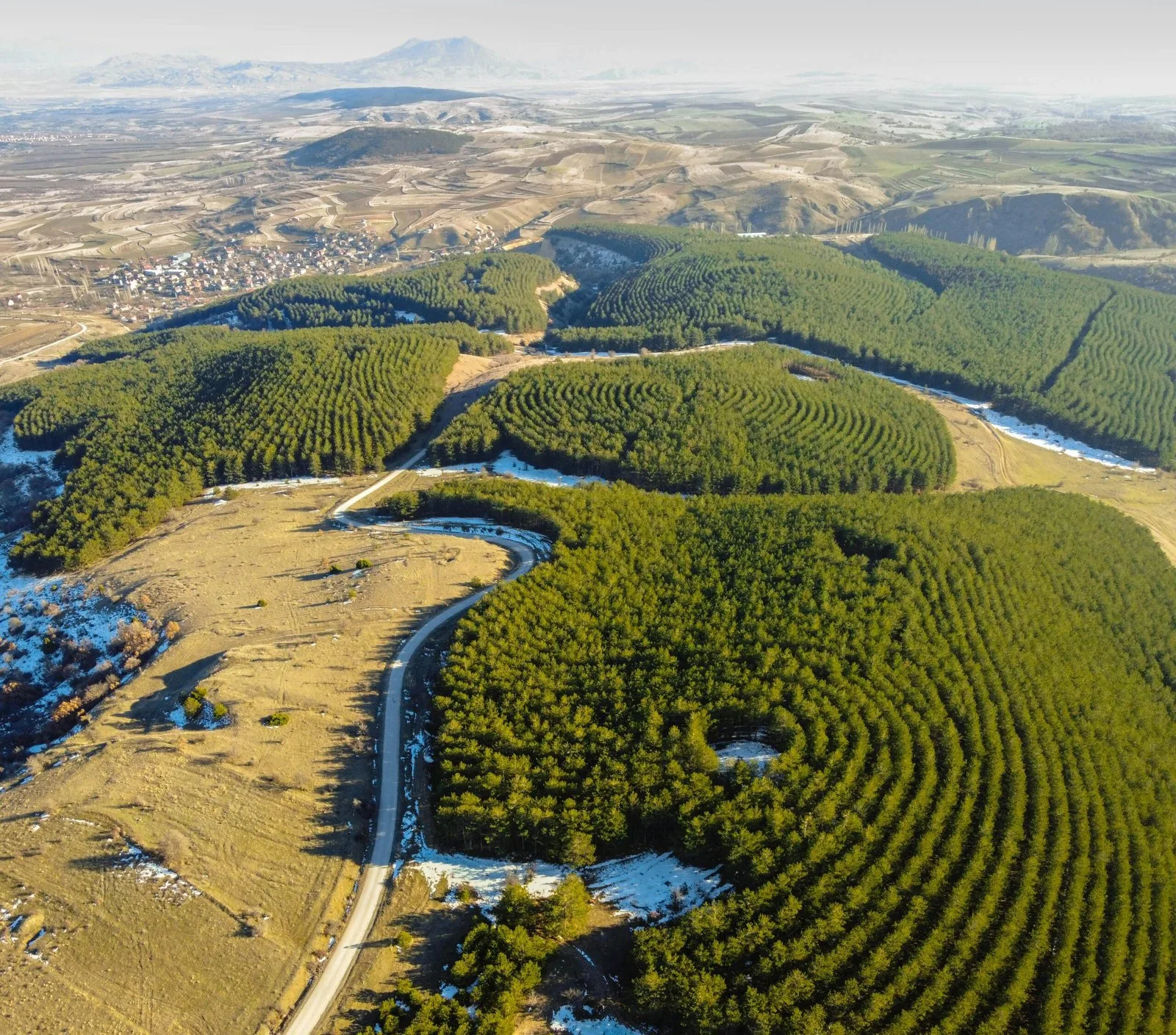
Hike pristine mountain trails without dodging tour groups. Nature feels completely untouched.
Experience legendary Balkan hospitality when shopkeepers and hosts actually have time to chat.
Shoulder Season
Your Smartest Windows
May to June
September to October
Avoid: Orthodox Easter (spring, dates vary), when locals travel and book seaside hotels, and the Ohrid Summer Festival in August, which strains accommodation.
What the Sky Does
Mild to warm temperatures between 15°C and 25°C (59°F – 77°F) .
Plenty of sunshine in May and September, perfect for boat trips.
October brings crisp air and spectacular autumn foliage in national parks like Galicica and Mavrovo .
June sees longer days with occasional refreshing showers.
How Empty It Feels
Up to 60% fewer tourists compared to the packed summer peak .
Ohrik’s cobbled streets are serene, not shoulder-to-shoulder.
Canyon Matka kayaks are readily available; no waiting in long queues for boats to Vrelo Cave .
You will find tables with lake views instantly, no reservations needed.
What You’ll Save
35-50% on accommodation compared to high season rates.
Car rentals are significantly lower than in July/August.
Same-day entry to museums and churches like Sveta Sofija without pre-booking.
Dining is better value with daily specials that aren’t inflated for tourists.
The Secret Perk
The Galicnik Wedding Festival in July (early summer) offers ancient traditions .
The “Golden Hour” sunlight in October makes whitewashed churches glow for photographers .
Wine tasting season in the Tikveš region during harvest time.
Real interaction with local fishermen in villages like Trpejca before the summer rush .
The Tiny Trade-Off
Early May might still be too chilly for a long swim in Lake Ohrid.
Some mountain hiking trails in Pelister may still have snow in early spring.
Reduced tourist boat frequency on the lake in October.
Fewer outdoor beach bars operating in late October.
Smart Traveler Tip
Aim for the last week of September. The water is still warm from summer, but the crowds have vanished .
Pack layers! “Summer” days turn into “autumn” evenings instantly.
Book accommodation in Skopje mid-week for the best balance of quiet and value.
Deep Off-Season
Your Smartest Windows
November to March (excluding Holidays)
Avoid: New Year’s Eve in Skopje (Dec 31) and Orthodox Christmas (Jan 7), where prices rise for festive feasts.
What the Sky Does
Cold temperatures between 0°C and 10°C (32°F – 50°F) . Mornings often start below freezing .
Snowfall is common in the mountains (perfect for skiing in Mavrovo), while valleys get crisp fog.
Skopje often experiences “gray skies” but with very low humidity.
December is the rainiest month, so pack a waterproof coat .
How Empty It Feels
Nearly 80-90% fewer tourists in beach towns like Ohrid.
Historic sites like the ancient theatre feel completely abandoned, offering profound solitude.
Museums feel private; you can take your time reading every icon description.
Small villages feel authentic, with life going on without a single souvenir stand in sight.
What You’ll Save
Up to 70% off peak season prices for accommodation.
Flight prices are at their lowest annual point (excluding holidays).
Five-star hotels in Skopje for the price of a hostel in the summer.
Car rental as low as €10-15 per day.
The Secret Perk
Skiing in Mavrovo National Park – Europe’s most affordable ski experience.
Cozy kafana culture – escaping the cold for warm bread, grilled meats, and live local music .
Warm yourself with Kakao (hot chocolate) in the Old Bazaar of Skopje.
Winter photography of snow-capped mountains reflecting in the black waters of Lake Ohrid.
Genuine local connection as you are often the only foreigner in the room.
The Tiny Trade-Off
Beach season is closed; expect icy water and closed lidos.
Nightlife shuts down outside of Skopje’s center.
Many lakeside restaurants in Ohrid close entirely until spring.
Limited daylight (sunset as early as 4:00 PM in December).
Smart Traveler Tip
Visit during the “Turkish Sweets” season before Christmas for festive markets without the Western European prices.
February is the quietest month (even quieter than January).
Check for “Koledari” (carnival) events in January in the Strumica region for unique folklore.
Pack thermal underwear and waterproof boots – the cold here is a wet cold, especially near the lake .
Head to Southeastern North Macedonia (Dojran area) for the mildest winter micro-climate.
Find Off-Peak Flights
Uncrowded Experiences & Tours
Skip the lines and experience iconic landmarks at your own pace. Discover curated local tours and cultural activities designed to show you the authentic side of the destination without the peak-season rush.
FAQs
Essential Trip Information
Visa and Entry Requirements
Citizens from many countries, including the US, Canada, Australia, and the EU, can enter North Macedonia visa-free for up to 90 days within 180 days.
Check the Ministry of Foreign Affairs of North Macedonia for visa details based on your nationality.
Passport should be valid for at least six months beyond your stay.
Immigration may ask for proof of onward travel and sufficient funds (approx. US$50/day recommended).
Currency
The official currency is the Macedonian Denar (MKD).
US Dollars (US$) are generally not accepted, so exchange some cash or withdraw local currency at ATMs.
Best to use local currency for markets and smaller vendors; credit cards widely accepted in urban areas.
Language
Macedonian is the official language; Albanian is also an official language in certain regions.
English is commonly spoken in tourist areas.
Useful phrases: “Zdravo” (Hello), “Faleminderit” (Thank you), “Kolku čini?” (How much does it cost?).
Safety & Security
North Macedonia is considered safe for travelers.
Take usual precautions against pickpocketing in crowded areas like bazaars and festivals.
Emergency number: 112.
Health & Insurance
No mandatory vaccinations, but routine immunizations are advised.
Tap water is generally safe in urban areas but bottled water is recommended.
Pharmacies are widely available in cities and towns.
Transportation
Buses are the primary mode of intercity transport; reliable and affordable.
Skopje has a well-developed taxi system; agree on the fare before the ride.
Car rentals available for exploring national parks and rural areas.
Price Level
Accommodation: Budget hostels from US$15/night, mid-range hotels US$40–80/night, luxury hotels US$100+.
Food: Street food and casual meals US$5–12, sit-down restaurants US$15–30 per person.
Drinks: Local beer US$1.50–3, cocktails US$5–10.
Transport: Bus fares US$1–3; taxis US$5–15 within cities.
Money-Saving Tips
Use local markets for fresh produce and souvenirs.
Take advantage of free walking tours in Skopje.
Visit museums on discounted or free entry days.
Planning Your Trip
Local Customs And Etiquette
Greetings: A firm handshake with direct eye contact is common. Use titles and last names until invited to use first names.
Hospitality: Macedonians are warm and hospitable—offering food or drink when visiting homes is customary.
Politics: Avoid sensitive discussions about ethnic tensions or neighboring countries; these topics can be contentious.
Tipping: Generally, 10%–15% at restaurants is appreciated but not mandatory. Rounding up taxi fares and small tips for hotel staff ($1–2) is polite.
Dress Code: Casual and comfortable is fine for most places; dress modestly when visiting religious sites like churches or mosques.
Museum Behavior: Keep voices low and respect photography rules, especially in sacred or historical exhibits.
Free Attractions: Some national parks and cultural sites have free entry or nominal fees, so check ahead—no haggling needed!
Budgeting For Your Trip
Accommodation:
- Hostels: US$15–40 per night
- Mid-range hotels: US$40–90 per night
- Luxury hotels: US$120 and up
Food:
- Street food/snack stands: US$3–7 (try burek or local kebapi)
- Casual dining: US$8–15 for a meal at local restaurants
- Fine dining: US$25–50+
Transport:
- Buses and minibuses (called “furgons”): US$1–3 per trip
- Taxi rides in Skopje or Ohrid: US$3–10 depending on distance
- Car rentals: US$25–50 per day, depending on vehicle
Activities:
- Many museums charge modest fees (~US$3–7)
- Guided tours or national park entries: US$10–25
Daily Budget:
- Budget: US$40–70 (hostels, street food, public transport)
- Mid-range: US$100–180 (3-star hotels, sit-down meals, some tours)
- Luxury: US$250+ (4-5 star hotels, fine dining, private tours)
Internet & Mobile
Free Wi-Fi: Widely available in cafes, hotels, and many public squares, especially in Skopje and Ohrid.
SIM Cards: Local providers like Telekom and A1 offer prepaid SIMs with data plans from US$10–25 for 5–10 GB.
eSIMs: Supported by providers such as Airalo, making it easy to get data on arrival.
Travel Insurance
Recommended for: Medical emergencies, theft, and trip interruptions.
Healthcare: Public healthcare is affordable but limited for tourists; private clinics are available but can be costly, so insurance is important.
Adventure activities: Some policies exclude certain activities like hiking or boating on Lake Ohrid—check policy details.
Accomodation Options
North Macedonia offers a variety of lodging from traditional guesthouses to modern hotels.
Luxury:
- Skopje: Marriott Hotel, Solun Hotel
- Ohrid: Hotel Metropol, Villa St. Sofija
Mid-range:
- Boutique hotels in Skopje: Hotel Senigallia, Hotel City Park
- Cozy guesthouses in Ohrid: Guesthouse Kristijan, Villa Dislievski
Budget:
- Hostels: Shanti Hostel (Ohrid), Hostel 365 (Skopje)
- Budget guesthouses: Available in smaller towns and villages for US$15–35/night
Unique Stays:
- Traditional Macedonian stone houses in Ohrid and the Mavrovo region.
- Rural eco-lodges near national parks like Mavrovo.
Tip: Book accommodation early during summer (June–August) and religious holidays (Easter, Christmas) as places fill quickly.
Getting Around
North Macedonia’s transport system is well-connected for travelers willing to explore cities and countryside.
Buses and Minibuses:
- Frequent intercity buses connect Skopje, Ohrid, Bitola, and Tetovo.
- Minibuses (furgons) serve rural and mountain areas with flexible schedules.
Trains:
- Limited network, mostly used for freight; not recommended for tourists.
Flights:
- Skopje International Airport (SKP) connects with European hubs.
- Ohrid Airport offers seasonal flights mainly in summer.
Car Rental:
- Popular for exploring national parks and rural areas.
- Roads vary in quality; mountain drives require caution.
- Note: Most cars have manual transmission; toll roads are rare.
Public Transport in Cities:
- Skopje: Reliable bus network with tickets costing around US$0.50–1.
- Ohrid: Mostly walkable; limited local buses.
- Taxis: Available in cities; agree on fare before starting or ensure meter use.