 Skip to content
- Why Is Visiting Ireland During The Shoulder Season A Smarter Choice Than In Summer?
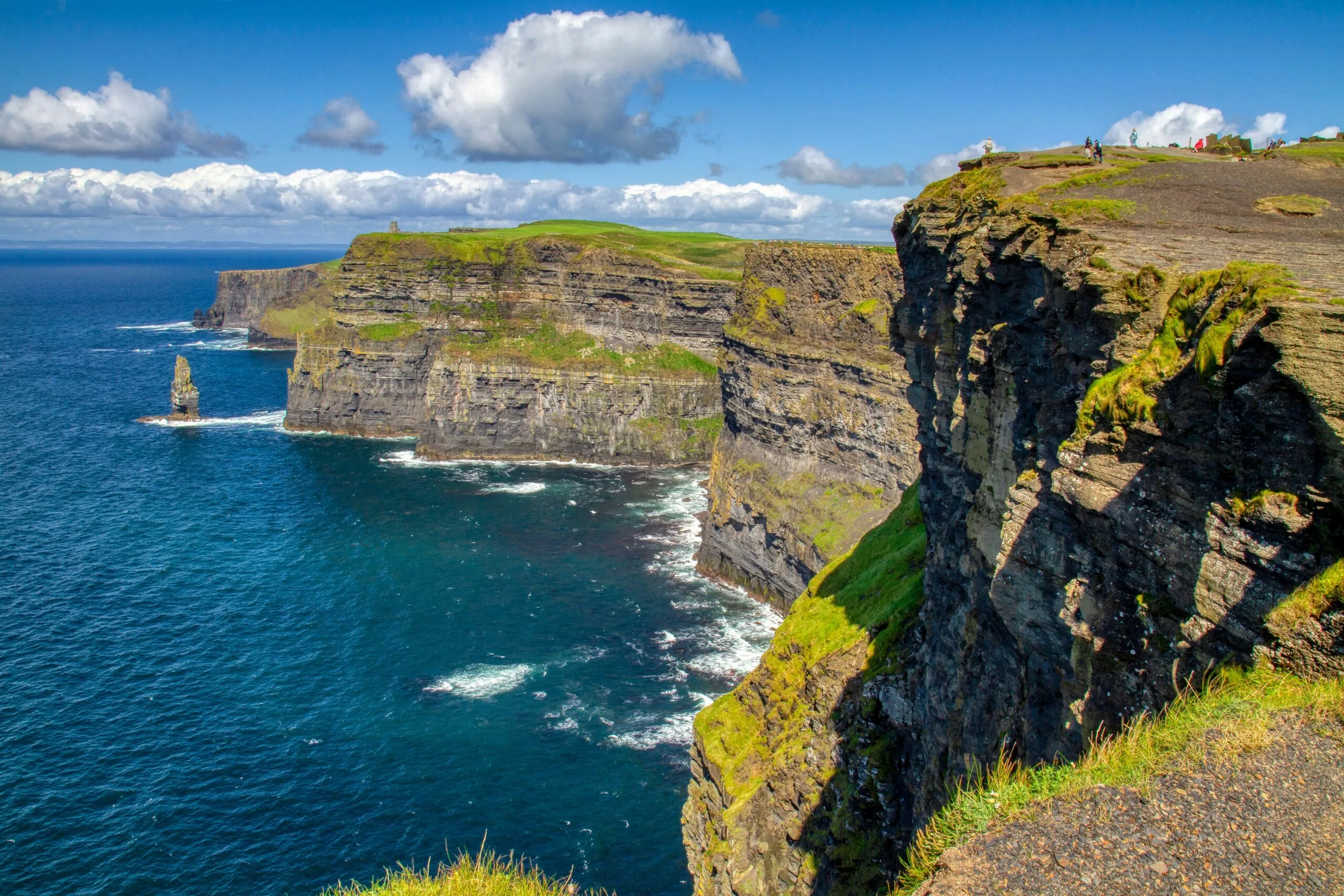
Visiting Ireland just outside the peak summer months lets you exploit travel seasonality to find a perfect balance of good weather and smaller crowds. You will still experience the lush green landscapes Ireland is famous for, but without the summer logjams at iconic sites like the Cliffs of Moher or the Ring of Kerry.
The main drawdown is that you cannot guarantee a "beach day" weather-wise, as conditions are more changeable. However, you gain up to 30% off accommodations and car rentals, and the famous pub sessions feel far more authentic with locals rather than just tourists. This is when Ireland breathes.
- How Much Can I Save On A Trip To Ireland By Avoiding The Peak Tourist Rush?
You can often save between 25% and 40% on your total trip costs. By shifting your travel dates out of the crowded summer window, flights from major global hubs and nightly hotel rates drop significantly. This lets you trade crowded, expensive stays for more value, potentially upgrading to a castle hotel or booking a nicer rental car for the same budget.
The trade-off is that some daily tour operators or smaller B&Bs may reduce their hours or close for a few weeks during the deepest off-season. But for the independent traveler, the savings are massive. You are effectively paying a discount to have the dramatic Atlantic coastline and ancient ruins like Newgrange almost to yourself.
- What Is The Weather Really Like During Ireland’s Off-Season, And Will It Ruin My Trip?
It will not ruin your trip, but it will require a positive mindset and a good rain jacket. The weather is moody rather than extreme; you will see sweeping blue skies followed by dramatic rain showers in the same hour. This changeable climate creates the famous, vibrant green scenery and powerful, thundering waterfalls that summer visitors rarely see.
The honest drawdown is shorter daylight hours, especially in the deep off-season, meaning less time for sightseeing each day. On the flip side, the low-angled light makes for stunning photography, and the mist over the Wicklow Mountains creates a mystical atmosphere you cannot buy in July. Just pack layers and waterproof shoes.
- Will Public Transportation And Roads Be Reliable If I Visit Outside Of Peak Season?
Yes, the core transportation network remains reliable year-round. Major bus routes like Expressway and the intercity trains will get you between Dublin, Cork, Galway, and Belfast with few delays. You will find the added benefit of having more space on trains and buses, plus rental car prices drop by roughly 20% compared to the summer frenzy.
The only real challenge is that smaller, regional bus routes servicing remote peninsulas (like Dingle or Beara) may run a reduced timetable. Also, while you will have an easier time driving the narrow, winding roads without traffic, some high mountain passes might close briefly after a storm. Always check local conditions, but you will navigate the country more smoothly overall.
- Will I Feel Lonely Or Find Things Closed If I Visit During The Deep Off-Season?
Not at all; you will find a more intimate and welcoming Ireland. The major attractions, historic houses, and top distilleries remain open, just without the two-hour queues. You will get better service in restaurants and pubs because the staff actually has time to chat, and you are far more likely to strike up a genuine conversation with a local farmer at the bar counter.
The honest drawdown is that some "seasonal" tourist villages along the southern coast might feel sleepy, with a handful of cafes or souvenir shops shuttered until spring. However, the cities and larger towns are fully operational. You exploit the season by trading nightclub crowds for traditional music sessions by a peat fire, which is a far superior Irish experience.

Home > Exploit The Seasons > Seasonal World Map > Europe > Ireland
IRELAND
Ireland reveals its soul when summer crowds fade. Think dramatic skies, cozy pub fires, and rugged coasts without the chaos. This guide unlocks authentic Emerald Isle magic during quieter, value-driven seasons.
Smart Travel Calendar
Why Choose Ireland Off-Season?
Fewer tourists on narrow roads. The Ring of Kerry becomes yours alone, not a bumper-to-bumper caravan.
Authentic pub culture shines. You’ll chat with farmers and fishermen, not just other tourists, over a pint of stout.
Dramatic weather equals dramatic photos. Brooding skies and golden low light make cliffs and castles look epic.
Lower car hire rates and availability. That rental crisis? Avoided. You’ll actually find a manual hatchback for a fair price.
Cozy indoor experiences feel earned. Traditional music sessions in tiny pubs feel intimate, not staged for crowds.
No booking months in advance. Snag that perfect B&B with a sea view the day before, even in peak season spots.
Shoulder Season
Your Smartest Windows
April to mid-June
September to October
Avoid: St. Patrick’s Day week (March 12-18) and the entire month of August (Irish school holidays + locals holidaying at home)
What the Sky Does
Typical weather: 8°C to 16°C (46°F to 61°F)
Four seasons in one day is real – sunshine, rain, wind, and hail can all appear in an hour
Long evenings: in May, light lasts until 10 PM for late castle visits
The Atlantic coast stays moodier and cooler, while the sunny southeast (Wexford, Waterford) feels almost Mediterranean
How Empty It Feels
40-60% fewer tourists compared to July-August peak
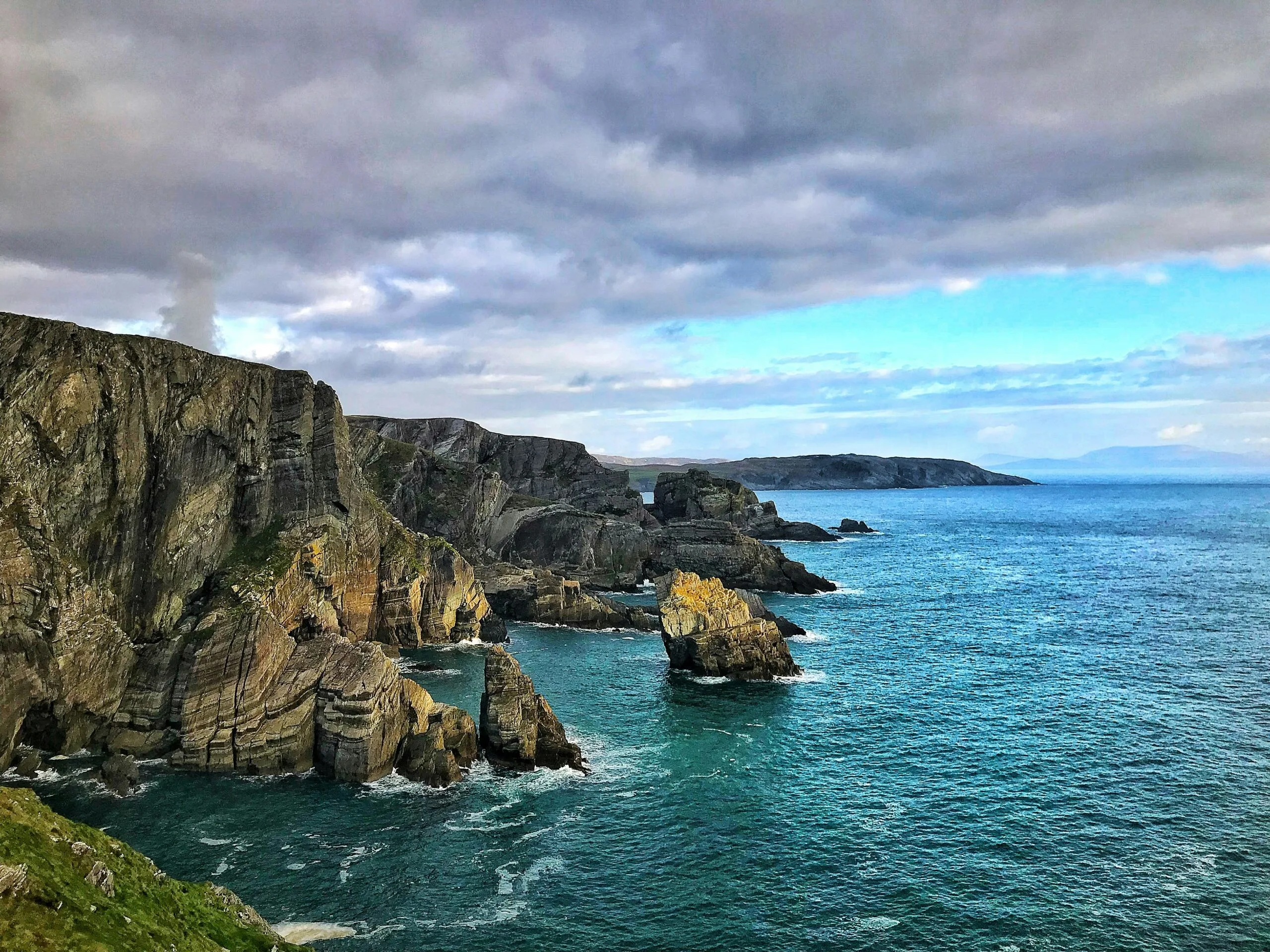
Major sites like Cliffs of Moher have open viewpoints without elbowing for space
Killarney and Dingle feel busy but breathable, not overwhelmed
You’ll find seating in popular Dublin pubs without a 30-minute wait
What You’ll Save
Flights: 30-40% less than summer; hotels: 25-50% less
Car rental: up to 50% cheaper, with automatic availability actually possible
Guinness Storehouse or Book of Kells tickets: same-day booking works fine
Seafood chowder lunch in Howth or Galway: €15-18 instead of €22-25 peak pricing
The Secret Perk
May blooms: the Burren explodes with rare wildflowers, including orchids
Whale watching off Cork and Donegal peaks in September and October
Lambing season (April) – you’ll see fluffy white dots on every green hillside
Golden hour lasts for hours thanks to high latitude – photographers rejoice
Locals have energy to chat – they’re not exhausted from three months of non-stop tourists
The Tiny Trade-Off
Some coastal ferry services (e.g., Aran Islands, Skellig Michael) run reduced schedules before May and after September
Sea swimming is bracing – beautiful, but a wetsuit is your friend
Heating in older B&Bs might still be on, adding a slight nightly cost
Easter week can spike prices for 7-10 days if it falls in April
Smart Traveler Tip
Target mid-to-late May for the sweetest spot: long light, mild temps, wildflowers, and summer crowds not yet arrived
Book car rental for September before you fly – it’s the month demand unexpectedly rises
For best weather odds, start in the southeast (Kilkenny, Wexford) then work west
Deep Off-Season
Your Smartest Windows
November to early March (excluding Christmas)
Avoid: December 20th – January 2nd (Christmas markets, family gatherings, and New Year’s Eve spikes prices)
What the Sky Does
Typical weather: 2°C to 9°C (36°F to 48°F)
Expect sideways rain, crisp frost, and the occasional magical dusting of snow
The east coast (Dublin) is driest and coldest; the west (Galway, Kerry) is milder but wetter and windier
Daylight is short: sunrise ~8:30 AM, sunset ~4:15 PM in December
How Empty It Feels
70-85% fewer tourists than peak summer
Historic sites like Rock of Cashel or Glendalough feel personally owned – you and the sheep only
Dublin’s museums (National Gallery, EPIC) are gloriously peaceful on weekday mornings
Small towns like Doolin or Kenmare return to local life – you’ll hear Irish spoken in pubs
What You’ll Save
50-70% savings vs. peak summer season overall
Flights from the US or Europe: often €300-500 round trip vs. €800-1000 in July
Four-star Dublin hotels: €100-140/night instead of €280-400
Car rental: as low as €15-25/day for a small automatic
The Secret Perk
Traditional music sessions move indoors to small, fire-lit back rooms – pure intimacy
Storm watching on the Wild Atlantic Way – seriously, locals do it. Bring a flask.
Puck Fair (August) is gone, but Galway International Arts Festival is July – winter has its own small-town race nights and storytelling festivals
Oyster season peaks from September to April – December is perfect for half-shells and stout in West Cork
You’ll learn to read a real weather forecast and feel like an honorary local for surviving it
The Tiny Trade-Off
Most coastal boat trips to islands or sea arches stop running entirely
Small B&B breakfast hours might shorten, and some rural restaurants close on weekdays
A few hostels and budget guesthouses shut completely from November to February
You lose 5-6 hours of daylight compared to June – need efficient planning
Smart Traveler Tip
Visit in February – it’s Ireland’s quietest month, plus you get the brilliant Brigid’s Day festivals (Feb 1) celebrating spring’s return
Pack waterproof everything, thermal base layers, and sturdy boots – fashion is irrelevant, dryness is dignity
For mildest deep-off weather, stick to the sunny southeast corridor (Waterford to Wexford) where frost is rare
Find Off-Peak Flights
Top Off‑Season Stays
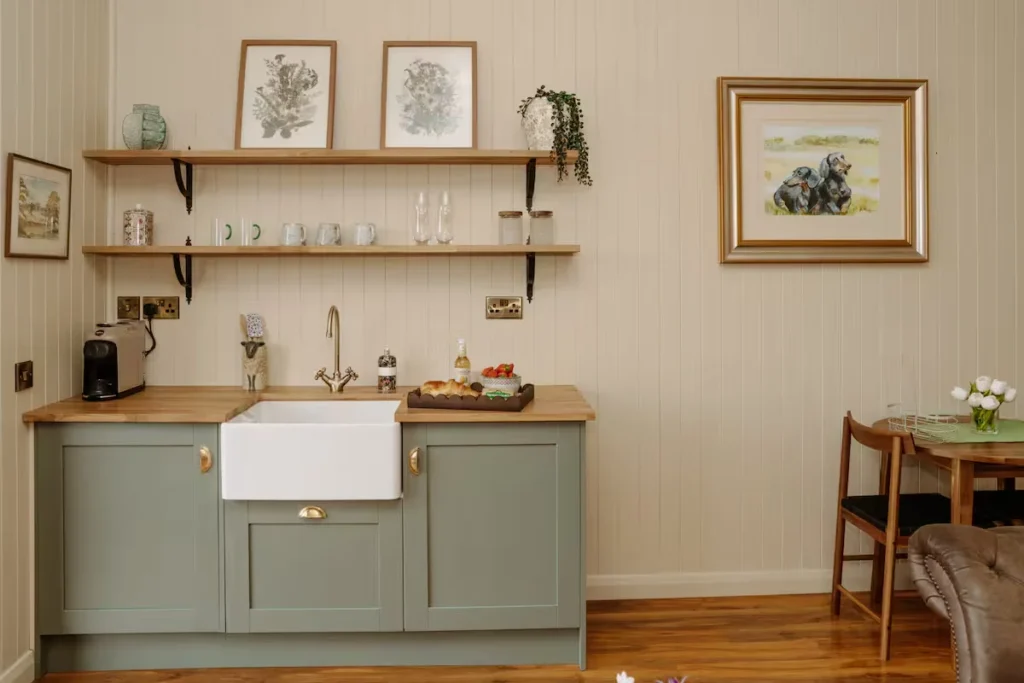
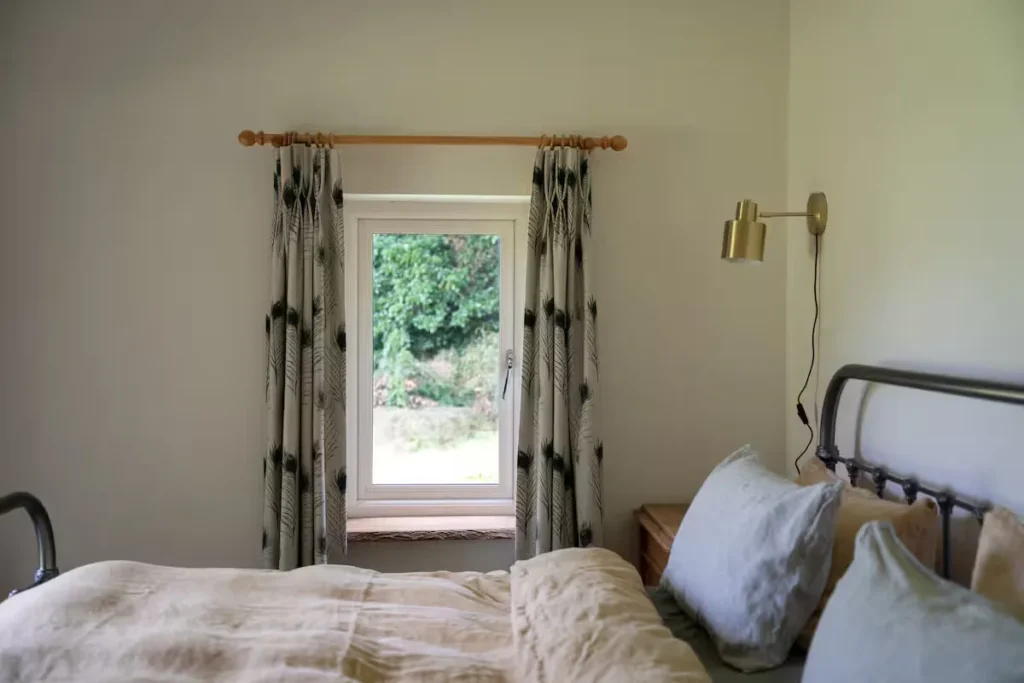
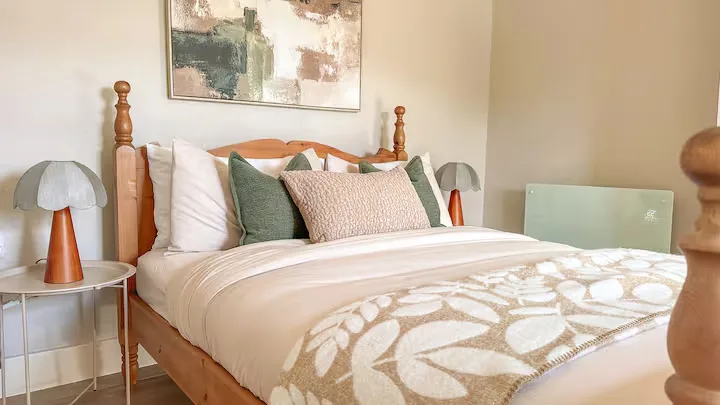
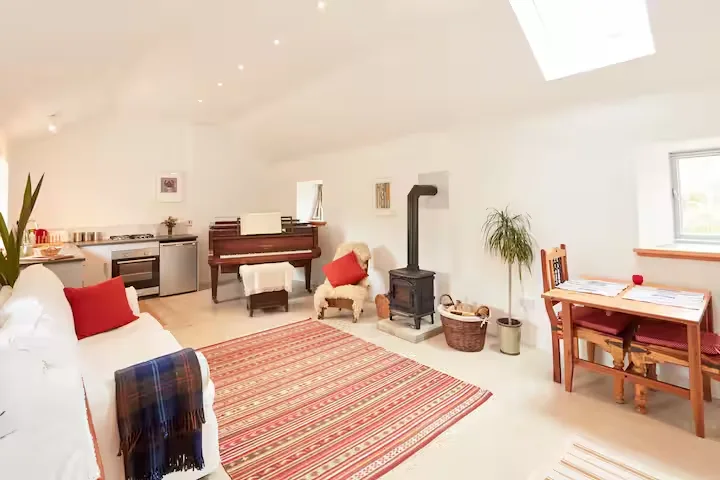
Find below our curated selection of boutique hotels and design apartments that offer exceptional value, atmosphere, and comfort during the off‑season — often at significantly lower rates than peak months.
Uncrowded Experiences & Tours
Skip the lines and experience iconic landmarks at your own pace. Discover curated local tours and cultural activities designed to show you the authentic side of the destination without the peak-season rush.
FAQs
Essential Trip Information
Visa and Entry Requirements
Check official visa requirements at Irish Immigration.
Visa Waiver Program (VWP): Citizens of the US, UK, EU, Canada, Australia, and others can visit for up to 90 days without a visa.
Passport Validity: Must be valid for at least 3 months beyond departure.
Proof of Onward Travel: May be requested at immigration.
Non-VWP Nationals: Apply for a Short-Stay ‘C’ Visa in advance.
Currency
Ireland uses the Euro (€). Bills: €5–500 (€200/500 rarely used). Coins: 1c–€2.
Best Ways to Handle Currency:
- Before Your Trip: Exchange a small amount; ATMs offer better rates.
- During Your Trip: Use ATMs (avoid Euronet—high fees). Cards (Visa/Mastercard) widely accepted, but carry €20–50 cash for rural areas.
- What to Avoid: Airport exchange kiosks (high fees) and dynamic currency conversion (always choose EUR).
Language
English is the main language; Irish (Gaelic) is spoken in Gaeltacht regions.
Helpful Phrases:
- “Sláinte!” (Cheers!)
- “Go raibh maith agat” (Thank you).
- “An bhfuil Béarla agat?” (Do you speak English?).
Safety and Security
Very safe, but watch for pickpockets in Dublin (Temple Bar, O’Connell St.).
Emergency Number: 112 or 999 (police, ambulance, fire).
Avoid walking alone late at night in some Dublin areas (e.g., north inner city).
Health & Insurance
No special vaccines required.
EU travelers: Bring EHIC/GHIC card for healthcare access.
Non-EU travelers: Travel insurance is essential (healthcare is expensive).
Pharmacies (“Chemist”) widely available; tap water is safe.
Transportation
Public Transport:
- Dublin: Buses, Luas (tram), DART (coastal train).
- Intercity: Irish Rail (trains), Bus Éireann (buses).
Driving: Left-hand side; narrow rural roads—rent a small car.
Taxis: Uber operates (but local taxis like FreeNow are better).
Cycling: Great in cities (Dublin Bikes scheme).
Price Level
Ireland is moderate to expensive, especially in Dublin and tourist hotspots.
Accommodation:
Budget: Hostels (€25–50/night), B&Bs (€60–100).
Mid-range: Hotels (€100–200/night).
Luxury: 4-5 star (€250+/night).
Food:
Quick eats: Cafés (€8–15), pub lunch (€12–20).
Casual dining: €20–40/person.
Fine dining: €50+/person.
Drinks:
Pint of Guinness: €5–7 (pubs), €2–4 (supermarkets).
Whiskey (Jameson): €6–10 per glass.
Cocktails: €10–15.
Transportation:
Bus/Train (Dublin): €2–4/ride (Leap Card saves money).
Intercity Trains (Irish Rail): €20–50 (book in advance).
Car Rental: €30–80/day (manual shift common).
Taxis: €15–30 for short trips.
Money-Saving Tips:
Free attractions (National Museums, Cliffs of Moher visitor center).
Pub grub is cheaper than restaurants.
Travel off-season (Oct–Apr) for lower prices.
Planning Your Trip
Local Customs And Etiquette
Greetings: A friendly “How’s it going?” or “What’s the craic?” is common.
Pub Culture: Order at the bar. Don’t jump the queue—locals take turns seriously.
Tipping: Not mandatory, but appreciated—10–15% at restaurants, €1–2 for taxi rides.
Conversation: Avoid political debates (e.g., Brexit, Northern Ireland).
Dress: Layered clothing is key due to ever-changing weather.
Note: Locals are warm and helpful—don’t hesitate to ask for directions or recommendations.
Budgeting For Your Trip
Accommodation: Hostels (US$35–60), hotels (US$120–250), castles/luxury (US$400+).
Food: Pubs and cafes (US$15–25), sit-down restaurants (US$30–50), fine dining (US$70+). Full Irish breakfast included in many stays—filling and cost-saving!
Transport: Buses/trains (US$15–25/day), rental car (US$60–100/day incl. insurance), gas (~US$6–7/gallon). Leap Card for Dublin (US$6–10/day).
Activities: Museums often free or low-cost (US$5–10), guided tours (US$20–50), day trips (US$50–100).
Daily Budget:
Budget: US$80–120 (hostels, public transport, pub meals).
Mid-range: US$150–250 (hotels, rental car, attractions).
Luxury: US$350+ (boutique hotels, fine dining, private tours).
Internet & Mobile
Free Wi-Fi: Widely available in hotels, cafes, pubs, and public transport hubs.
SIM Cards: Vodafone, Three, and Eir offer prepaid plans (US$25–40 for 10–20GB).
eSIMs: Supported by Airalo, Ubigi, and local providers—great for short stays.
Tip: Airport shops and city centers sell SIMs—bring your passport for registration.
Travel Insurance
Recommended for: Medical emergencies, trip delays (especially with weather-related disruptions).
Healthcare: Public system is good, but non-residents may incur high costs for treatment—have a policy with emergency coverage.
Activities Coverage: Ensure your policy covers adventure options like hiking, horseback riding, or coastal kayaking.
Accomodation Options
Ireland offers a charming mix of cozy stays, historic castles, and modern hotels.
Hotels:
- Luxury: The Shelbourne (Dublin), Ashford Castle (County Mayo).
- Mid-range: Jurys Inn, Maldron Hotels (in cities and near airports).
- Budget: Ibis, Holiday Inn Express, Travelodge.
Bed & Breakfasts (B&Bs):
- A quintessential Irish experience—warm hosts, home-cooked Irish breakfast.
- Common in smaller towns and along scenic routes.
Hostels:
- Affordable and social: Generator Dublin, Kinlay Hostel (Galway).
- Often offer private rooms for couples/families.
Airbnb/VRBO:
- Popular in cities and rural areas—cottages, apartments, or farm stays.
Boutique Stays:
- The Dean Dublin (stylish, central), Number 31 (Georgian townhouse vibe).
Tip: Book ahead during festival season and summer—popular spots fill fast.
Getting Around
Ireland’s compact size makes it easy to explore, but rural areas require planning.
Car Rental:
- Best for flexibility—scenic routes like the Wild Atlantic Way demand stops.
- Drive on the left; narrow rural roads require caution.
- Budget US$50–100/day (manual transmission cheaper; automatic costs extra).
Trains (Irish Rail):
- Efficient for city connections (Dublin to Cork: 2.5 hrs, ~US$30).
- Scenic routes: Dublin to Galway (2.5 hrs) or Belfast (2 hrs).
Buses (Bus Éireann):
- Affordable (US$10–20 for intercity trips) but slower than trains.
- Dublin Airport to city center: Airlink Express (US$7).
Taxis/Rideshares:
- Uber works in Dublin; elsewhere, use local taxis (metered).
- Short rides: US$10–20.
Biking:
- Great for cities (Dublin’s dublinbikes scheme: US$1.50/day).
- Rural biking: Wind and rain can be challenging.
Domestic Flights:
- Only useful for Dublin to Kerry/Donegal (US$50–100; 1 hr).