 Skip to content
- Is Austria Worth Visiting In Off-Season If I Am Not A Skier?
Yes, absolutely, and non-skiers actually benefit the most from Smart Travel timing. The shoulder months of April through June and September through October offer mild temperatures from 10°C to 22°C (50°F to 72°F), perfect for exploring Vienna's palaces, Salzburg's hills, and the lakes district without summer crowds.
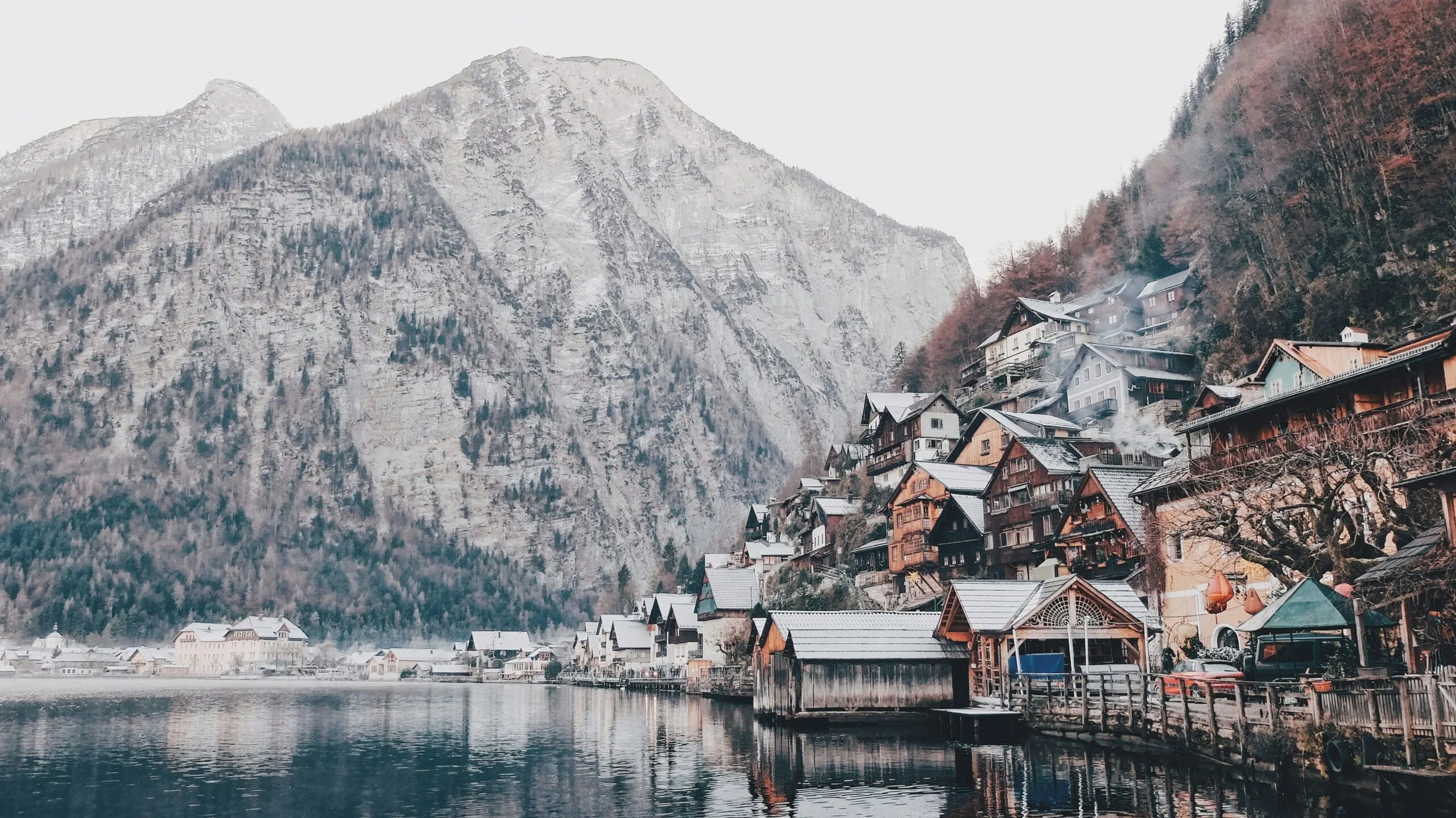
The drawdown is that some mountain lifts and high-altitude roads close between ski and summer seasons, typically for a few weeks in April and November. The positive trade-off is that you will have the Sound of Music locations, Hallstatt's picture-perfect streets, and the famous cafes almost entirely to yourself with discounts of 25% to 45% everywhere.
- What Percentage Discounts Can I Find On Austrian Hotels And Alpine Resorts?
Four-star hotels in Vienna and Salzburg reduce their rates by 30% to 50% from November through March (outside Christmas markets), and Alpine resorts offer similar discounts during the spring and autumn gaps between major seasons.
The drawdown is that some small family-run guesthouses in the Alps close for up to six weeks in late spring and late autumn. The positive spin is that the hotels that remain open offer incredible value, and you can afford to stay in historic properties or lakefront accommodations that would cost three times as much in July or December.
- How Do The Crowds Compare Between Peak Summer And Off-Season In Austria?
The summer peak brings queue-filled chaos to Schönbrunn Palace, the Fortress Hohensalzburg, and the Swarovski Crystal World, while off-season reduces visitor numbers by 60% to 80% across the country.
The drawdown is that the vibrant outdoor beer garden culture and open-air classical concerts slow down considerably in colder months. The positive reward is that you can actually hear your footsteps echo through the Hofburg Palace halls and take photos of Hallstatt's lakefront without strangers photobombing every shot. This is the Austria that postcard photographers know but summer tourists never experience.
- Is Public Transportation Throughout Austria Reliable During Off-Season?
Yes, the famous Austrian railway system (ÖBB) and bus networks operate dependably year-round with minimal disruptions. The core connections between Vienna, Salzburg, Innsbruck, and Graz run on schedule, and you will enjoy empty train cars and flexible same-day bookings instead of forced reservations weeks in advance.
The drawdown is that some scenic mountain bus routes and lake shuttles reduce frequency or stop running entirely from November through March. The helpful solution is to focus on city-to-city rail travel and rent a car for remote Alpine valleys during shoulder months. You will also find discounted train tickets with savings of 20% to 35% compared to peak summer and Christmas prices.
- Should I Visit Austria In Deep Winter For Snow Or Shoulder Season For Hiking?

Home > Exploit The Seasons > Seasonal World Map > Europe > Austria
AUSTRIA
Austria changes with the seasons, from imperial coffeehouses in Vienna to Alpine pastures ringing with cowbells. This guide reveals when to visit for empty cable cars, authentic Heurigen evenings, and better value without the tourist crowds.
Smart Travel Calendar
Why Choose Austria Off-Season?
You get the Alps to yourself. No queue for the cable car, no fighting for the view at the summit cross.
City hotels drop their rates. Vienna and Salzburg become affordable, not just for backpackers but for opera-goers.
Authentic Heurigen culture thrives. Locals return to wine taverns; you’ll hear German, not just English.
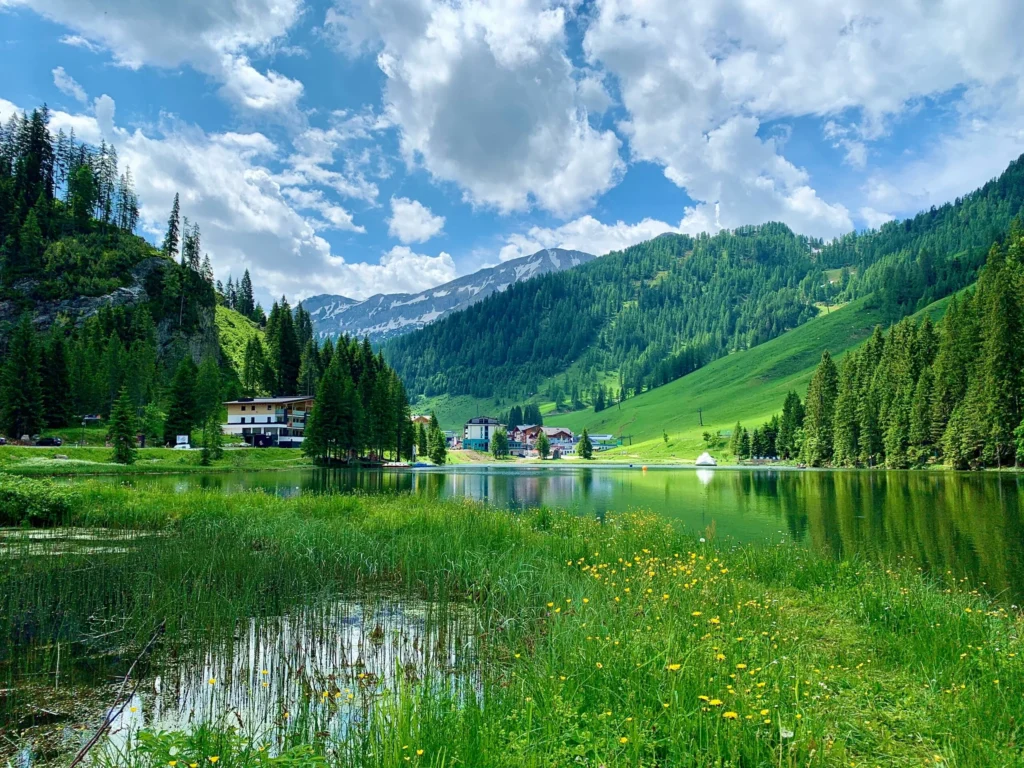
Thermal baths feel like a secret. Soak in outdoor pools surrounded by snow without the weekend rush.
Photography is pure magic. Soft golden light over lakes and misty mountains without photobombers.
Christmas markets are cozy, not chaotic. December early birds get Glühwein without the elbow wars.
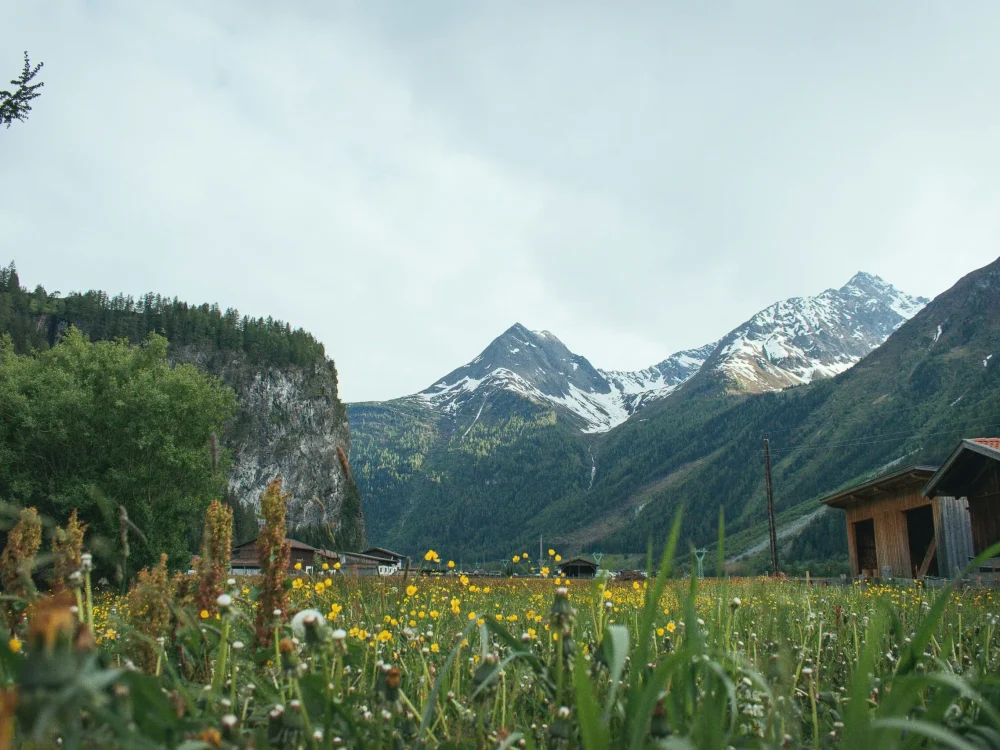
Shoulder Season
Your Smartest Windows
Late May to mid-June
September to early October
Avoid: The last two weeks of December (Christmas to New Year’s) and Easter Week (school holidays + ski season tail end cause prices to spike across Tyrol and Salzburg).
What the Sky Does
Late May/June: 15°C to 22°C (59°F–72°F); Sept/Oct: 8°C to 18°C (46°F–64°F)
Spring: Unpredictable – sun, rain, and even late snow above 1,500m
Autumn: Golden “Altweibersommer” (old wives’ summer) with crisp, clear days and foggy mornings in valleys
Alpine lakes are swimmable in June but too cold by October
How Empty It Feels
50–60% fewer tourists vs July/August
Vienna & Salzburg: major sights like Schönbrunn have open spaces, no midday queues
Hallstatt & lakes region: you can actually find parking and a quiet bench by the water
Cable cars: walk straight on – summer hikers haven’t arrived, winter skiers haven’t started
What You’ll Save
30–40% on flights and 4-5 star hotels compared to peak summer or Christmas week
Car rental up to 50% less – especially if you book a convertible for Alpine roads
No timed tickets needed for Sisi’s Museum or Hohensalzburg Fortress
Heurige wine taverns serve the same local Grüner Veltliner at half the summer tourist markup
The Secret Perk
May/June: “Long Table” festivals in vineyards – dine with hundreds of locals under chestnut trees
Wildflowers explode across meadows from Tyrol to the Salzkammergut
September: Apfelstrudel season – fresh apple harvest plus chestnut roasting begins
Light quality is soft and angled – perfect for sunrise photos over Wolfgangsee
Locals are relaxed and chatty – they’re not exhausted by the summer crush
The Tiny Trade-Off
Some cable cars close for maintenance for 1-2 weeks in late May or mid-October
Unpredictable rain – pack a proper rain jacket and layers
Lake ferry schedules reduce after mid-October (e.g., on Hallstätter See)
No alpine huts open above 2,000m after late September
Smart Traveler Tip
Best balance: First two weeks of June or last two weeks of September – stable weather, full access, and lowest crowds within shoulder windows
Book accommodations near lakes (e.g., St Gilgen) for half the July price
Avoid Austrian school holidays (Pfingsten/Whitsun in May-June) for best value
Deep Off-Season
Your Smartest Windows
November (excluding All Saints’ week) to mid-December
January (after Jan 6th) to early February
Avoid: Between Christmas and January 6th (peak winter holiday + ski resort madness, prices triple in Ischgl/Kitzbühel)
What the Sky Does
Nov–Feb average: -3°C to 4°C (27°F–39°F), colder in mountains (-10°C/14°F common)
Fog inversions in valleys – but above the fog, the sun shines brightly on peaks
Lowest rainfall of the year – snow instead of rain above 800m
Days are short – sunrise ~7:30am, sunset ~4:15pm in December
How Empty It Feels
70–80% fewer tourists vs summer or Christmas week
Vienna’s Hofburg Palace feels like your private imperial residence
Museums (Kunsthistorisches, Belvedere) – you’ll have Klimt’s “The Kiss” almost to yourself on weekday mornings
Small Alpine villages like Alpbach – absolute silence, only locals walking to church
What You’ll Save
Up to 60% off peak summer/Christmas rates – 5-star Vienna hotels from €120/night
Flights from EU hubs as low as €40 round trip (e.g., Berlin–Vienna)
Ski resort base towns (not slopes) offer deep discounts if you’re not skiing
Car rental as low as €15/day – just ensure winter tires are included
The Secret Perk
Coziest indoor culture – coffeehouse hopping in Vienna (Kaffeejause with Sachertorte) without waiting for a velvet seat
Thermal spas like Bad Gastein or Aqua Dome – outdoor pools with snow falling into steam
Krampus parades (early Dec) – a wild, authentic Alpine tradition tourists rarely see
No lift lines for beginner skiers in smaller valleys (e.g., Montafon)
Local Gasthöfe serve wild game season – venison, boar, and mushroom sauces from the forest
The Tiny Trade-Off
All lake swimming and boating is closed – Wolfgangsee and Hallstättersee are frozen over or empty
Nightlife outside Vienna is nearly dead – clubs close or host only locals
Some mountain huts and cable cars fully closed until late April
Only 7-8 hours of daylight – plan outdoor activities between 10am and 3pm
Smart Traveler Tip
Quietest month: January (after Jan 6th) – no holidays, no crowds, just snow and stillness
Pre-spring hint: Late February has longer days and carnival (Fasching) events – fun without high prices
Pack: thermal base layers, waterproof boots, wool socks, and a down jacket
For mildest deep-off conditions: Stick to eastern Austria (Vienna, Graz, Neusiedler See) – less snow and slightly warmer
Find Off-Peak Flights
Top Off‑Season Stays
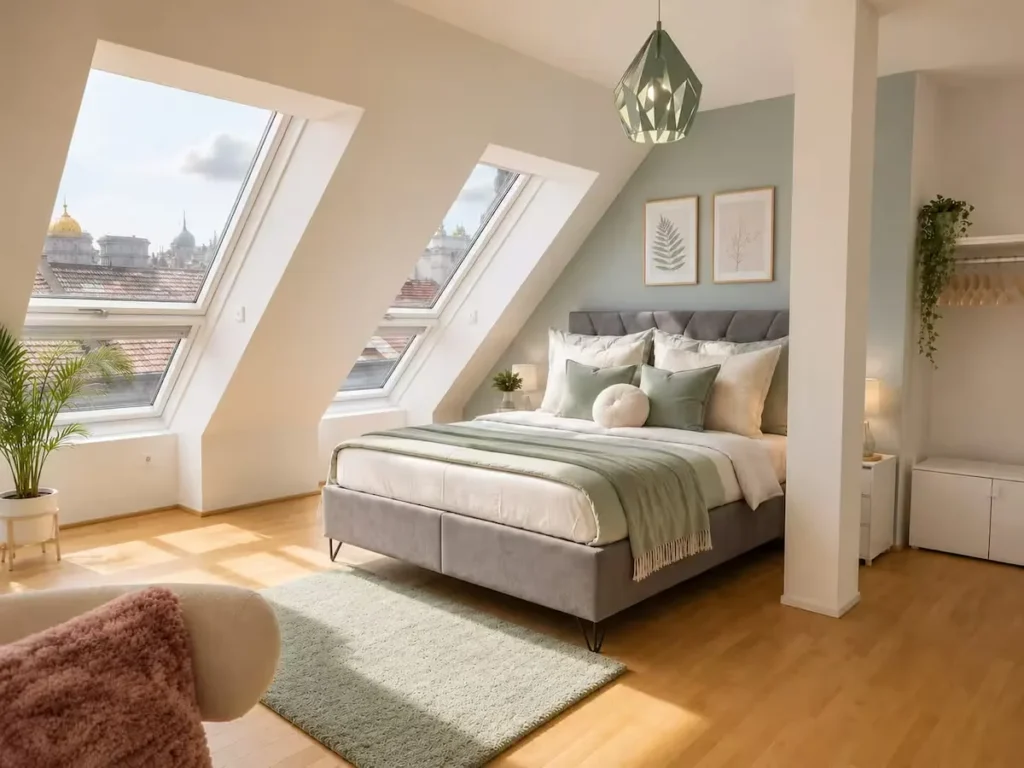
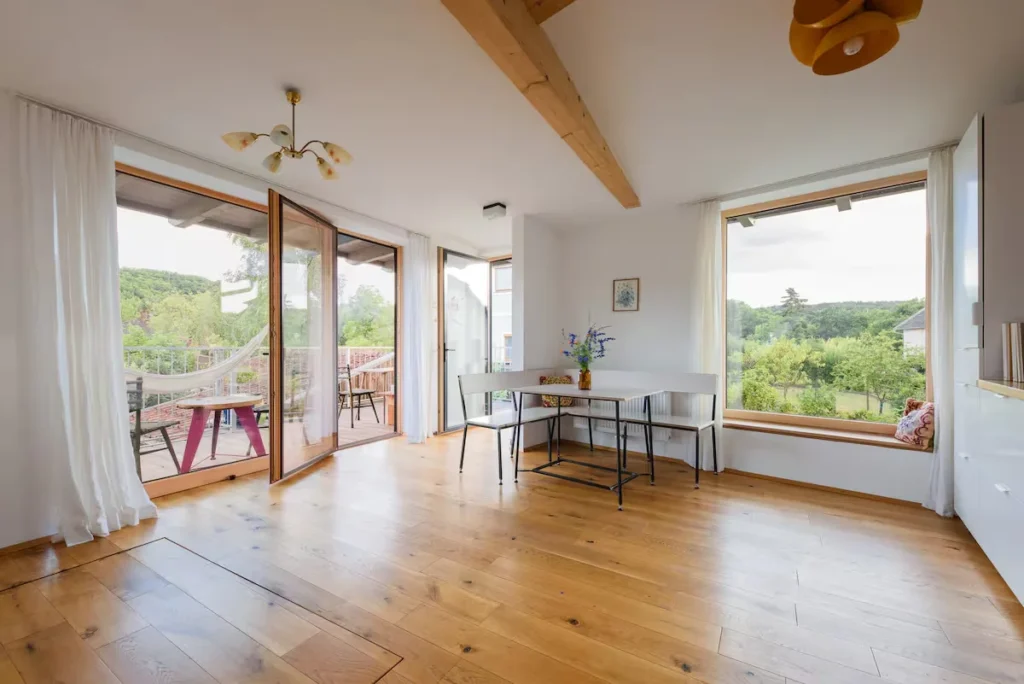
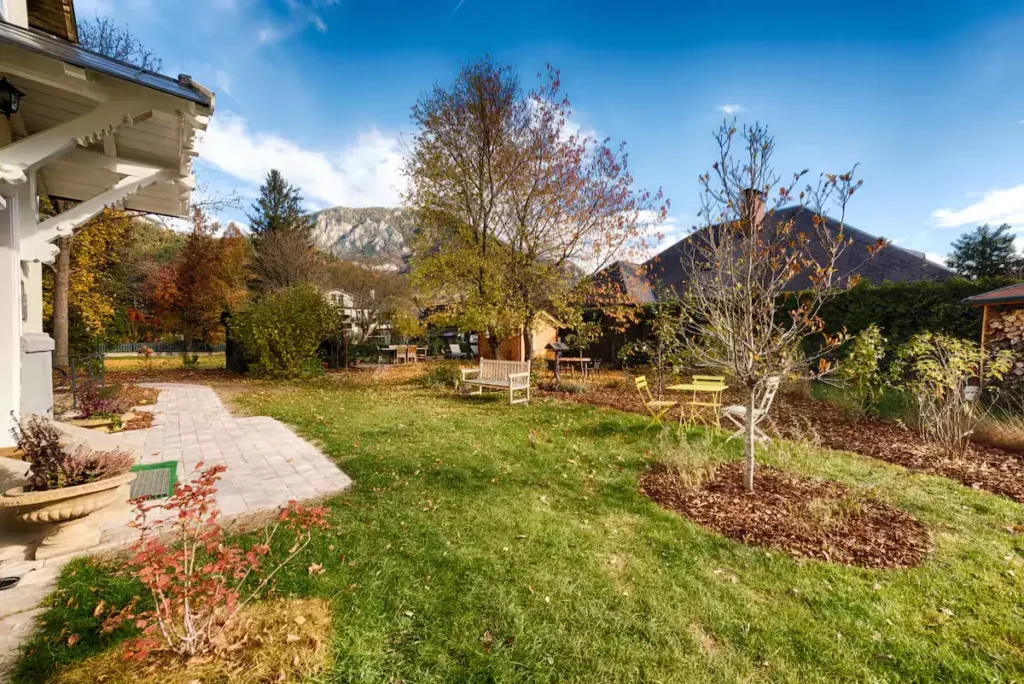
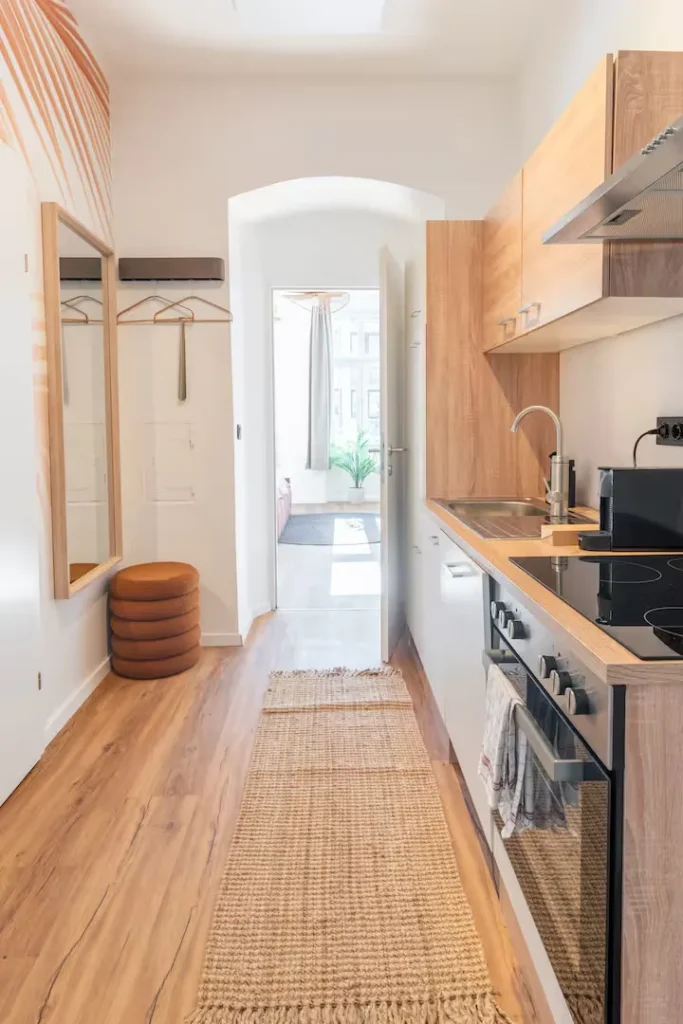
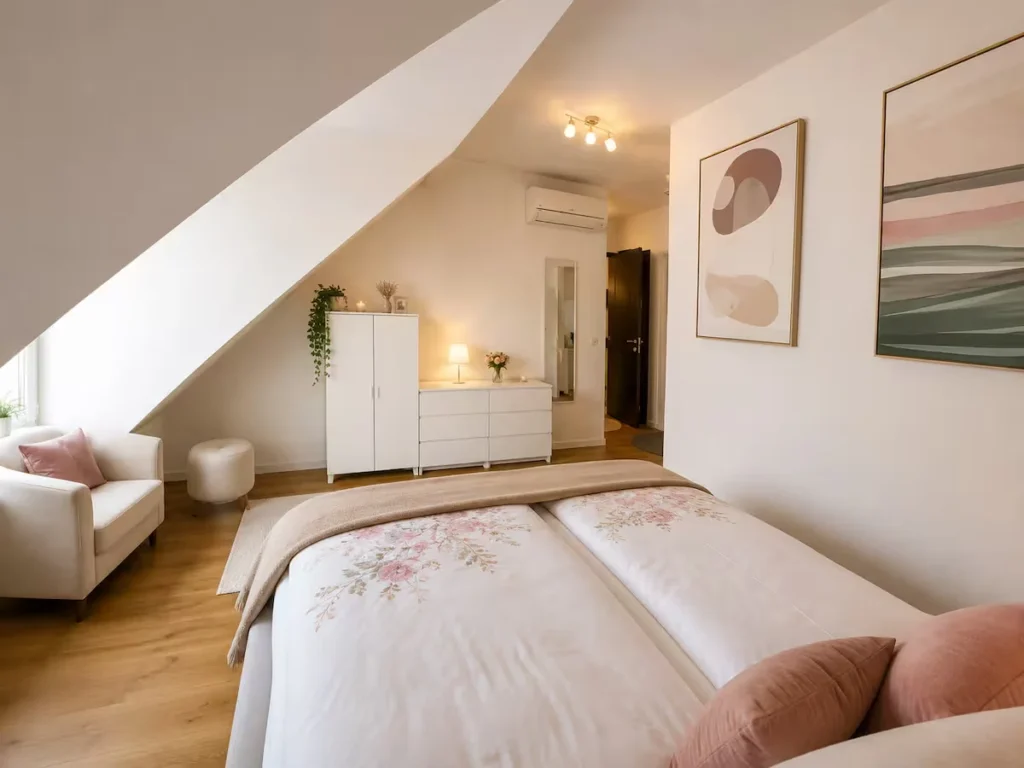
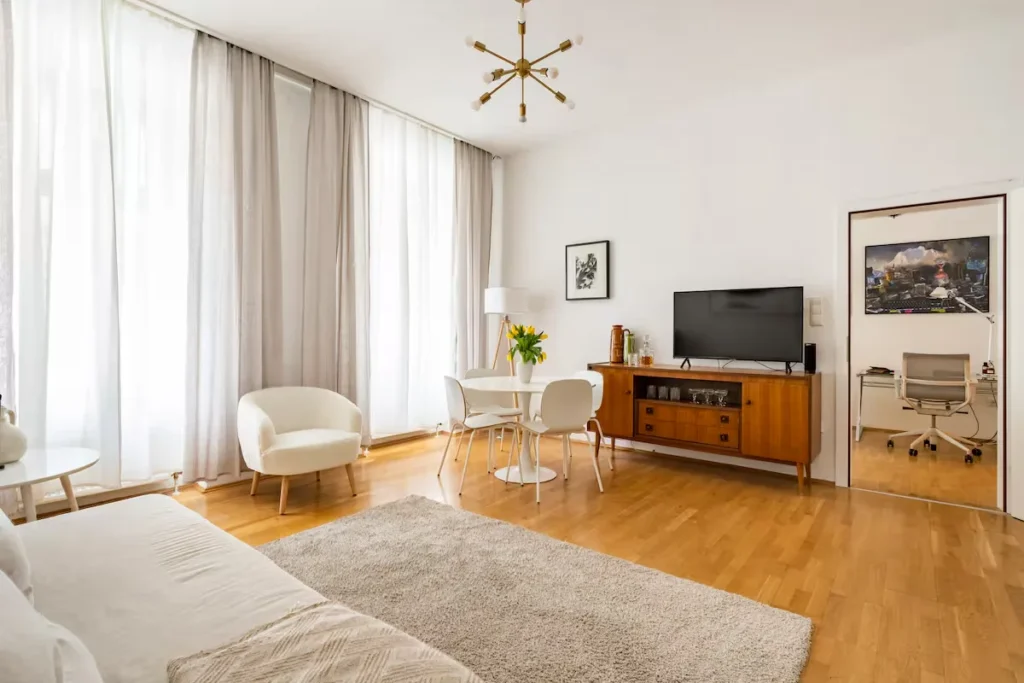
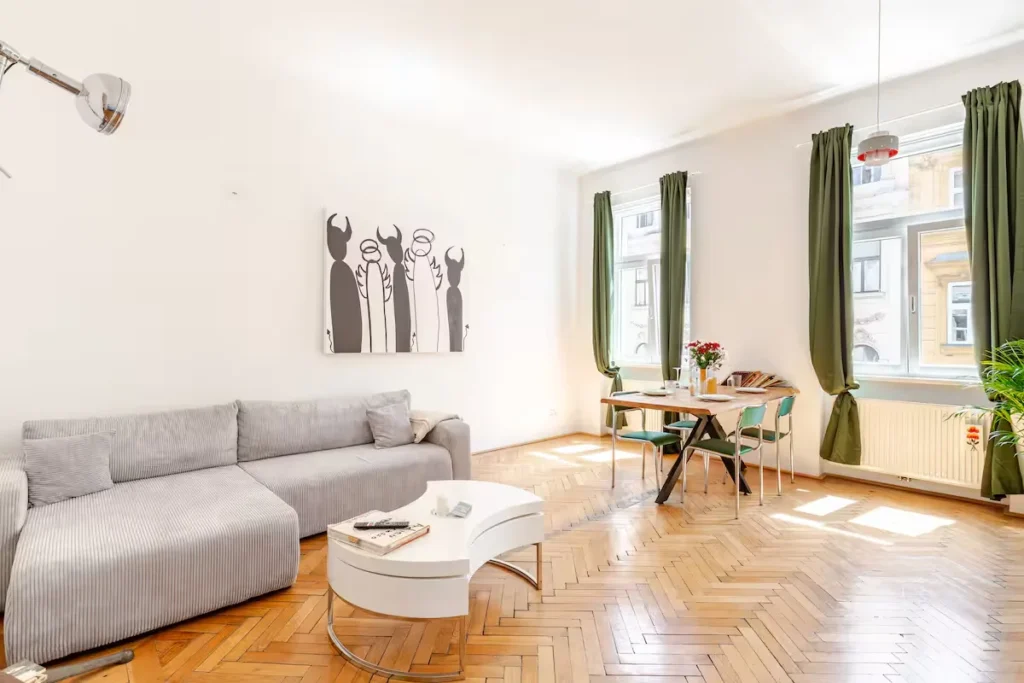
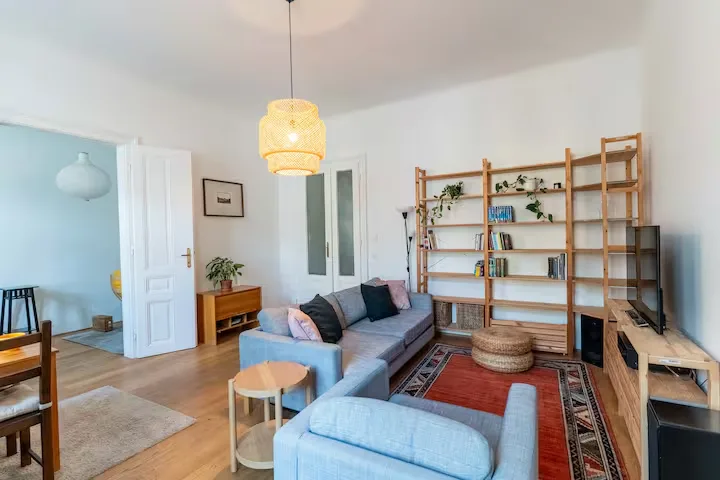
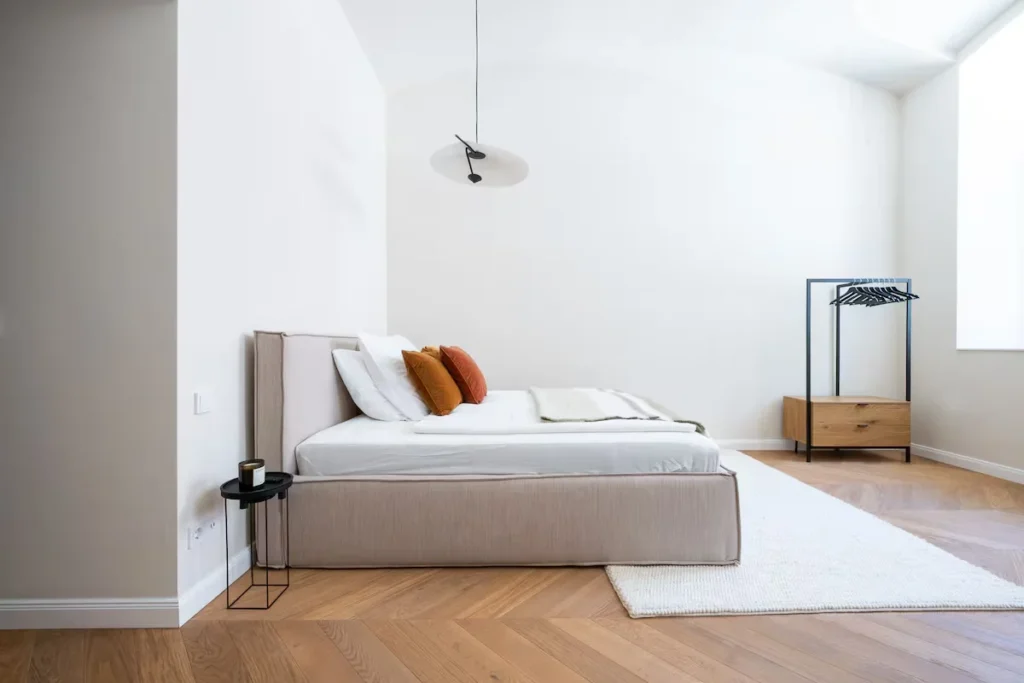
Find below our curated selection of boutique hotels and design apartments that offer exceptional value, atmosphere, and comfort during the off‑season — often at significantly lower rates than peak months.
Uncrowded Experiences & Tours
Skip the lines and experience iconic landmarks at your own pace. Discover curated local tours and cultural activities designed to show you the authentic side of the destination without the peak-season rush.
FAQs
Essential Trip Information
Visa and Entry Requirements
Austria is part of the Schengen Area. Travelers may need a visa depending on their nationality.
Check your visa requirements on the official Austrian government website.
Passports must be valid for at least three months beyond your intended stay.
Immigration may ask for proof of onward travel, accommodation bookings, and sufficient funds.
Travelers from non-EU countries may need a Schengen Visa. Visit the Austrian embassy or consulate in your area for more details.
Currency
Austria uses the Euro (€).
Bills: €5–500 (larger denominations are rare). Coins: 1¢–2€.
Best Ways to Handle Currency:
Before Your Trip: It’s best to exchange a small amount at home. Use ATMs for better exchange rates compared to exchange bureaus.
During Your Trip: ATMs are widely available. Credit cards (Visa, Mastercard) are widely accepted. Carry €20–50 for smaller purchases, especially in rural areas.
What to Avoid: Avoid currency exchange kiosks (high fees) and dynamic currency conversion (always choose EUR).
Language
The official language is German. English is widely spoken in cities, especially in tourist areas.
Helpful Phrases: “Entschuldigung” (Excuse me), “Danke” (Thank you), “Wo ist…?” (Where is…?)
Safety and Security
Austria is generally very safe for travelers.
Always stay aware of your surroundings, especially in crowded tourist areas.
Emergency number: 112 (EU-wide).
Health & Insurance
No special vaccinations are required for Austria.
Travel insurance is recommended, especially for health emergencies.
Pharmacies are readily available. Tap water is safe to drink.
Transportation
Public Transport: Efficient with trains, buses, and trams running frequently in cities.
Walking/Biking: Austria has walkable cities, and biking is common, especially in places like Vienna.
Taxis/Uber: Widely available but can be expensive; consider public transport for savings.
Price Level
Austria offers a wide range of options, from budget to luxury.
Accommodation:
Budget: Hostels or budget hotels (€50–100/night).
Mid-range: 3-star hotels (€120–200/night).
Luxury: 4-5 star hotels (€250+/night).
Food:
Quick Eats: Street food or casual eateries (€5–10).
Casual Dining: Traditional Austrian meals (€15–30/person).
Fine Dining: Gourmet restaurants (€50+/person).
Drinks:
Beer: €3–5 (bars), €1–2 (supermarkets).
Cocktails: €8–15.
Transportation:
Public Transport (Trains/Metro/Bus): €2–4/ride.
Taxis/Uber: €10–20 for short trips.
Bike Rentals: €8–15/hour.
Money-Saving Tips:
Visit museums like Kunsthistorisches Museum (free entrance on the first Sunday of every month).
Take advantage of public transport day passes for travel savings.
Eat at local heuriger (wine taverns) for an affordable, authentic experience.
Planning Your Trip
Local Customs And Etiquette
Austria is a blend of rich culture and history, and understanding local customs will enhance your experience.
Politics: Avoid discussions on politics unless invited into the conversation.
Tipping: 5–10% in restaurants, typically rounded up in cafes. Tipping for taxi rides is also common.
Dress Code: Casual is acceptable in most places, but formal attire is often required in opera houses, fine dining, and some cultural venues.
Museum Behavior: Austrians value silence in museums and concert halls—quiet voices and respectful behavior are essential.
Greetings: Austrians greet with a firm handshake. Addressing people with their titles (Herr/Frau) is polite.
Budgeting For Your Trip
Austria offers a range of prices depending on the type of travel experience you’re seeking.
Accommodation:
- Budget: Hostels ($25–50), hotels ($100–150).
- Mid-range: Hotels ($150–250).
- Luxury: $300+.
Food:
- Street food (sausages, pretzels) and casual meals ($10–20).
- Sit-down meals ($25–40), fine dining ($50+).
Transport:
- Vienna metro/buses ($2–3 per trip), city cards available for unlimited travel.
- Train travel: Costs vary based on distance, but expect to pay $30–100 for intercity trips.
Activities:
- Many museums and attractions offer free entry or minimal costs.
- Ski passes range from $50–100 per day.
Daily Budget:
- Budget: $60–100 (hostels, street food, public transport).
- Mid-range: $150–250 (hotels, meals, activities).
- Luxury: $350+ (upscale hotels, fine dining, private tours).
Internet & Mobile
Austria is well-connected with excellent mobile and internet infrastructure.
Free Wi-Fi: Available in most hotels, cafes, and public spaces like museums and train stations.
SIM Cards: Prepaid SIM cards can be purchased at stores like A1, T-Mobile, and HoT for around $20–30 with 10GB of data.
eSIMs: Available for short-term use with providers like Airalo and T-Mobile.
Travel Insurance
Recommended for: Medical coverage, trip cancellations, and skiing activities.
Healthcare: Austria offers excellent healthcare, but travel insurance is advisable to cover emergencies.
Adventure Activities: Ensure your policy covers activities like skiing or hiking, as some exclusions may apply.
Accomodation Options
Austria offers a range of accommodations to suit all budgets and preferences.
Luxury:
- Vienna: Hotel Sacher (near the opera), Park Hyatt.
- Salzburg: Schloss Fuschl Resort & Spa (beside a lake).
Mid-range:
- Vienna: Motel One, The Harmonie Vienna.
- Innsbruck: NALA Individuellhotel.
Budget:
- Vienna: A&O Hostel, Wombat’s City Hostel.
- Salzburg: YoHo Hostel.
Airbnb/VRBO:
- Ideal for longer stays or those seeking a local experience. Opt for central locations in cities like Vienna, Salzburg, or Innsbruck.
Boutique Stays:
- Vienna: 25hours Hotel (quirky, near Prater).
- Innsbruck: NALA Individuellhotel (modern and unique).
Tip: Stay near a train station in major cities for easy access to public transport.
Getting Around
Austria’s compact and well-connected infrastructure makes it easy to explore by public transport, bike, or even on foot.
Train:
- Austria’s ÖBB (Austrian Federal Railways) network is efficient and well-connected, covering all major cities and towns.
- Consider the Austrian Travel Pass for unlimited train travel.
Public Transit:
- Vienna: The U-Bahn (subway), trams, and buses are reliable and easy to use. A Vienna Travel Card offers unlimited travel.
- Other cities: Most cities have trams and buses, which are affordable and run frequently.
Biking:
- Austria is a very bike-friendly country, especially in cities like Vienna and Salzburg.
- Rent a bike or use the city’s bike-sharing services for a scenic ride along the Danube or around the city.
Walking:
- Many cities, particularly Vienna, are pedestrian-friendly, and most major attractions are within walking distance of each other.
Taxis/Rideshares:
- Uber is available in major cities, but taxis are also widely accessible.
Car Rental:
- Renting a car is recommended if you plan to visit rural areas or explore Austria’s mountainous regions.