 Skip to content



- Why Should I Visit Baja California During The Off-Season?
The biggest reward is finding the stunning beaches of Los Cabos, the surfing haven of Todos Santos, and the sea lion colonies of La Paz with up to 55% fewer tourists, giving you that genuine Baja road trip feeling.
However, you will trade calm, glassy seas for potentially rougher waters and warmer, more humid conditions, especially in the southern cape. The positive twist is that the desert blooms with unexpected color after rains, the whale sharks often stick around longer in La Paz Bay, and the sunsets over the Pacific become absolutely epic without crowds photo-bombing your view.
- How Much Money Can I Save On A Baja Road Trip During Low Season?
Expect to see percentage discounts of 35% to 50% on rental cars, campervans, and especially on beachfront hotels in Cabo San Lucas, San Jose del Cabo, and Loreto. Even the famous sport fishing charters slash their prices significantly, turning an expensive bucket-list adventure into a genuinely affordable splurge.
The main drawdown is that some smaller restaurants and family-run hotels in remote towns like Mulege or Bahia de los Angeles may close or reduce their hours. But the savings on your total trip are so substantial that you can afford to stay in nicer resorts that remain fully open, or you can use the money to book a private boat tour to the stunning Isla Espiritu Santo.
- What Is The Weather Really Like In Baja During Shoulder And Deep Off-Season?
It varies wildly between north and south, which is part of the adventure. In the north near Ensenada and Valle de Guadalupe, you get mild, Mediterranean-style weather with occasional grey marine layer mornings that burn off to reveal glorious wine country sunshine.
In the southern cape, expect warmer, muggier conditions with a higher chance of brief tropical showers or even the remote possibility of a Pacific storm system. The positive side is that the water temperature stays swimmable year-round, the waves for surfing actually improve with summer swells, and the dramatic storm clouds create photographer's dream sunsets over El Arco.
- Will The Famous Whale Watching Be Available During The Off-Season?
No, and this is the honest drawdown you need to plan around. The gray whales that make Baja world-famous have migrated back to their Arctic feeding grounds by the deep off-season, so you will miss the magical lagoon encounters in places like Guerrero Negro and San Ignacio.
However, the trade-off is unexpectedly rewarding: you gain prime season for swimming with whale sharks in La Paz Bay, spotting mobula rays leaping out of the water, and watching sea lions playfully dart around you while snorkeling. You get incredible marine life encounters that winter travelers completely miss, just a different and equally spectacular kind.
- Is Driving The Baja Peninsula Safe And Enjoyable During The Off-Season?
Yes, and it might actually be the best time for a road trip. The famous highways, Carretera Transpeninsular, have far fewer RVs and tourist traffic, meaning you can cruise past dramatic desert landscapes, volcanic peaks, and hidden coves with a sense of genuine freedom and solitude.
The only drawdown is that a rare tropical storm could temporarily wash out remote dirt roads leading to hot springs or isolated fishing villages. But the major paved highways remain in good condition, and with fewer travelers on the road, you will find hotel rooms easily without reservations, local taco stands have no lines, and the entire peninsula feels like your own private discovery. That is the definition of "Smart Travel" with Volomundi.

Home > Exploit The Seasons > Seasonal World Map > Central America And The Caribbean > Mexico > Baja California Peninsula
BAJA CALIFORNIA
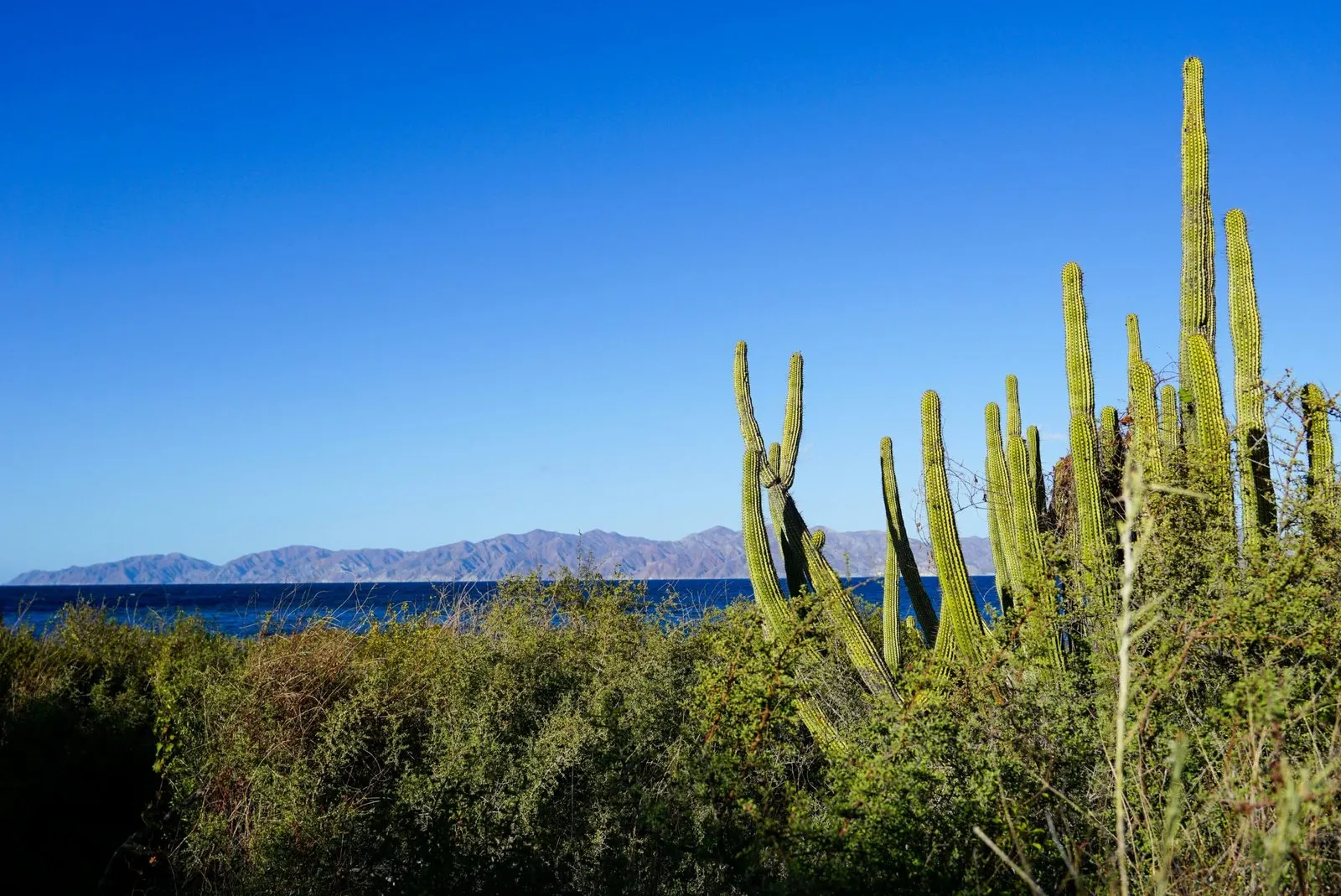
Baja is a world apart—dramatic desert meeting the wild Pacific and turquoise Sea of Cortés. Time it smartly: empty beaches, migrating whales, and vineyard sunsets await, without the crowds or peak-season prices.
Smart Travel Calendar
Shoulder Season
Your Smartest Windows
May 1 to June 15 (post-spring break, pre-summer heat perfection)
October 15 to November 30 (post-hurricane, pre-holiday golden weeks)
Avoid: Semana Santa (Easter week, March/April) and December 20–January 5 – Baja’s beaches and border towns become packed with domestic travelers; hotel occupancy hits 90% in hotspots like San Felipe and Rosarito.
What the Sky Does
Typical weather (coastal): 18°C to 28°C (64°F to 82°F) – warm days, cool, dry nights.
May–June: Desert blooms wildflowers; the Sea of Cortés warms to swimmable temps (22°C/72°F). Mornings are pristine, afternoons warm but tolerable.
October–November: Hurricane season fades; skies turn crystal clear. Evenings cool down (15°C/59°F) – perfect for stargazing.
Pacific vs. Cortés: The Pacific side (Todos Santos, Ensenada) stays cooler year-round; the Sea of Cortés is warmer and more humid in late spring.
How Empty It Feels
40-50% fewer tourists than peak winter months (December–April).
Los Cabos: Beaches like Medano have open lounge chairs. Dinner reservations at top restaurants are easy to score.
Valle de Guadalupe: Tasting rooms feel private. Winemakers have time to chat about their vintages.
La Paz malecón: Stroll without dodging crowds. The sea lion colony at Isla Espíritu Santo feels like your own discovery.
What You’ll Save
30-45% savings on hotels and flights versus December–April peak.
Car rental (Los Cabos or Tijuana): $25-35/day instead of $60-80/day.
Whale watching tours (late season): $50-70 per person (peak season: $90-120).
Wine tasting in Valle de Guadalupe: Many boutiques waive tasting fees in slower months.
The Secret Perk
Gray whale final bow (May). Mothers and calves linger in Baja’s lagoons (Laguna Ojo de Liebre, San Ignacio) through May, with far fewer tour boats.
Desert wildflower superbloom (spring, variable). When conditions align, the otherwise arid landscape explodes in purple, yellow, and red carpets.
Roosterfish season begins (May–June). The Sea of Cortés earns its “world’s aquarium” nickname; sport fishing is spectacular and uncrowded.
Harvest season in wine country (August–October). Valle de Guadalupe’s grapes are picked; wineries host intimate harvest dinners without the Napa price tag.
The Tiny Trade-Off
May heat inland. The desert (around San Ignacio, Guerrero Negro) can hit 33°C/92°F by afternoon. Stick to coastlines.
Late October residual humidity. The tail end of hurricane season can bring sticky days and cloudy skies.
Reduced boat tour frequency (May). As whale season winds down, some operators reduce daily departures.
Evening chill in wine country (November). Temperatures drop to 10°C/50°F after sunset; pack a jacket for outdoor tastings.
Smart Traveler Tip
Target mid-May for the Sea of Cortés – warm waters, fewer boats, and the tail end of whale season. Target late-October for Los Cabos – post-hurricane calm, pre-holiday quiet, and perfect beach weather.
Book Semana Santa (Easter week) six months ahead or avoid entirely. Baja’s beaches see over 190,000 visitors; Rosarito’s coast can host 20,000 people on peak days.
Deep Off-Season
Your Smartest Windows
July 1 to September 30 (summer heat = low-season prices; Sea of Cortés side is hot, Pacific side milder)
January 7 to February 15 (post-holiday lull; chilly nights but prime whale watching at lowest prices)
Avoid: Semana Santa (Easter week) and the December 20–January 5 holiday corridor – prices and crowds spike even in otherwise low seasons.
What the Sky Does
Typical weather (Los Cabos summer): 26°C to 35°C (79°F to 95°F). Desert heat with low humidity; mornings are tolerable, afternoons are hot.
Pacific side (Ensenada, Todos Santos): Milder (18°C-26°C / 64°F-79°F) with occasional morning fog (“June gloom”).
Sea of Cortés (La Paz, Loreto, Cabo): Significantly hotter (up to 38°C/100°F) July–September. AC is non-negotiable.
Hurricane risk: Statistically highest September–October. Most storms stay offshore or graze. September in Los Cabos is actually a “best-kept secret” – fewer crowds, great deals.
Winter deep off-season: Cool, dry, and sunny (10°C-22°C / 50°F-72°F). Nights are genuinely cold in the desert.
How Empty It Feels
65-75% fewer international tourists vs peak winter season (December–April).
Los Cabos (September): Beaches feel almost abandoned. Medano Beach has room to spread out. Resort pools feel private. Local galleries in San José del Cabo’s Art District have owners who actually have time to chat.
La Paz malecón: Quiet and local – you’ll share the waterfront with families, not tourists.
Valle de Guadalupe (January–February): The wine country is nearly empty. Low-season lodging deals are abundant.
Whale lagoons (January–February): Fewer tour boats mean more intimate encounters with gray whales. In peak season, you might share a lagoon with a dozen pangas; in January, it’s just you and the mothers.
What You’ll Save
50-70% off peak season prices for resorts and flights.
Flights to SJD (Los Cabos) or LAP (La Paz): $250-350 round-trip from US/Canada (sometimes under $200 on Volaris).
Hotel rates (Los Cabos): $100-150/night for resorts that charge $400-600 in December. September is particularly budget-friendly – “low season, high reward”.
Car rental: $15-25/day (compared to $80-100 in February).
Spa treatments and fine dining: Top-tier experiences become accessible; resorts offer “added-value packages” and promotions.
The Secret Perk
Whale shark season (June–October, La Paz). Swim with the world’s largest fish in the Bay of La Paz. Peak encounters, low-season prices, and far fewer boats than winter months.
Gray whale calving peak (January–February). Witness mothers teaching newborns to breach in San Ignacio Lagoon – the most intimate wildlife encounter on earth. Tours cost half of what they do in March.
Mobula ray season (May–July, Cabo Pulmo). Thousands of rays leap from the Sea of Cortés – a surreal, uncrowded spectacle.
Bioluminescent bays (summer nights). Certain coves near La Paz and Loreto glow blue-green when disturbed. Night kayaking is magical.
Valle de Guadalupe in winter. Without the summer crowds, wineries feel like private estates. Cozy up with a glass of Nebbiolo by a fireplace.
Desert stargazing (January–February). Baja’s clear, dry winter skies offer some of the best celestial viewing in North America. The Baja night sky is a dark-sky preserve in waiting.
Genuine local moments. You’ll share restaurants with fishing families, not tourists. The fish market in La Paz is alive with local energy, no souvenir hawkers in sight.
The Tiny Trade-Off
Summer heat is no joke (July–September). By 2pm, the desert floor feels like an oven. Beach time is strictly morning and late afternoon. AC is mandatory, not optional.
Pacific coast “June gloom” (May–June). Morning fog can linger until noon in Ensenada and northern Baja beaches, burning off to sunshine by afternoon.
Restaurant closures (September–October). Slowest months mean some chefs take vacation. Call ahead for high-end spots; smaller fishing villages may have limited options.
Hurricane season requires flexibility. Have trip insurance. Monitor forecasts. Most storms pass with a day of rain, not destruction, but be prepared to pivot.
Whale watching not available (summer). Gray whales have migrated north to Alaska. Come for whale sharks instead.
Evening chill in winter (January–February). Desert nights drop to 5°C-10°C / 41°F-50°F. Pack layers, even if days are sunny. Hotel pools can be too cold to enjoy.
Smart Traveler Tip
Target September for Los Cabos – the ultimate low-season sweet spot. “Low season, high reward” means empty beaches, resort deals, and authentic encounters.
Target January for whale lagoons – post-holiday lull, pre-February price spike. Gray whales are present, and you’ll have more intimate interactions.
For the Sea of Cortés, aim for June – before summer heat peaks, after spring break crowds vanish. Warm waters, whale sharks arriving, and roosterfish biting.
Pack for summer: Lightweight, light-colored clothing, wide-brim hat, reef-safe sunscreen, and a reusable water bottle. Hydration is key.
Pack for winter: Layers (thermal base, fleece, windproof jacket), scarf, beanie. Even Los Cabos gets chilly at night in January.
Avoid the week of Easter at all costs – Baja’s beaches and border towns become a domestic travel nightmare. Hotel occupancy hits 90%+ in Rosarito and San Felipe. Restaurants have lines, beaches are shoulder-to-shoulder.
For Valle de Guadalupe, go in October (harvest) or February (cozy). October offers harvest energy with fewer crowds; February offers fireplace vibes and deep discounts.
Find Off-Peak Flights
Top Off‑Season Stays
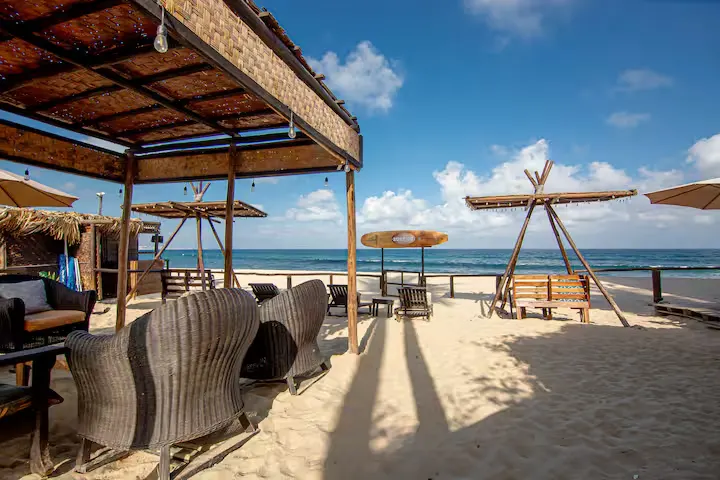
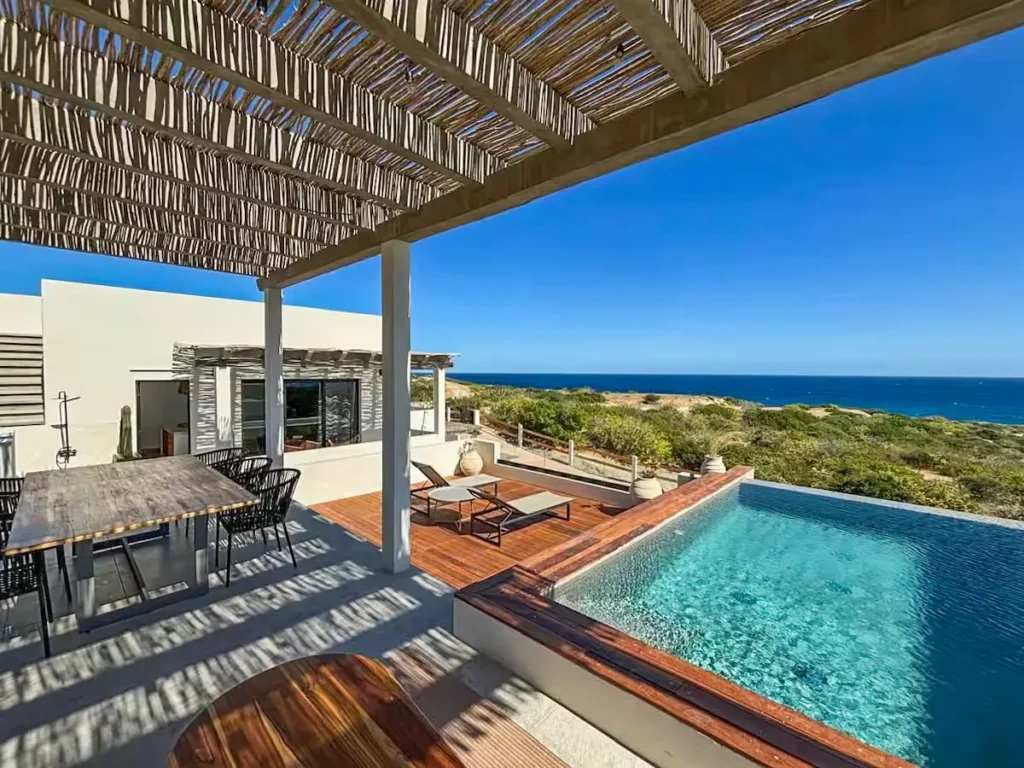
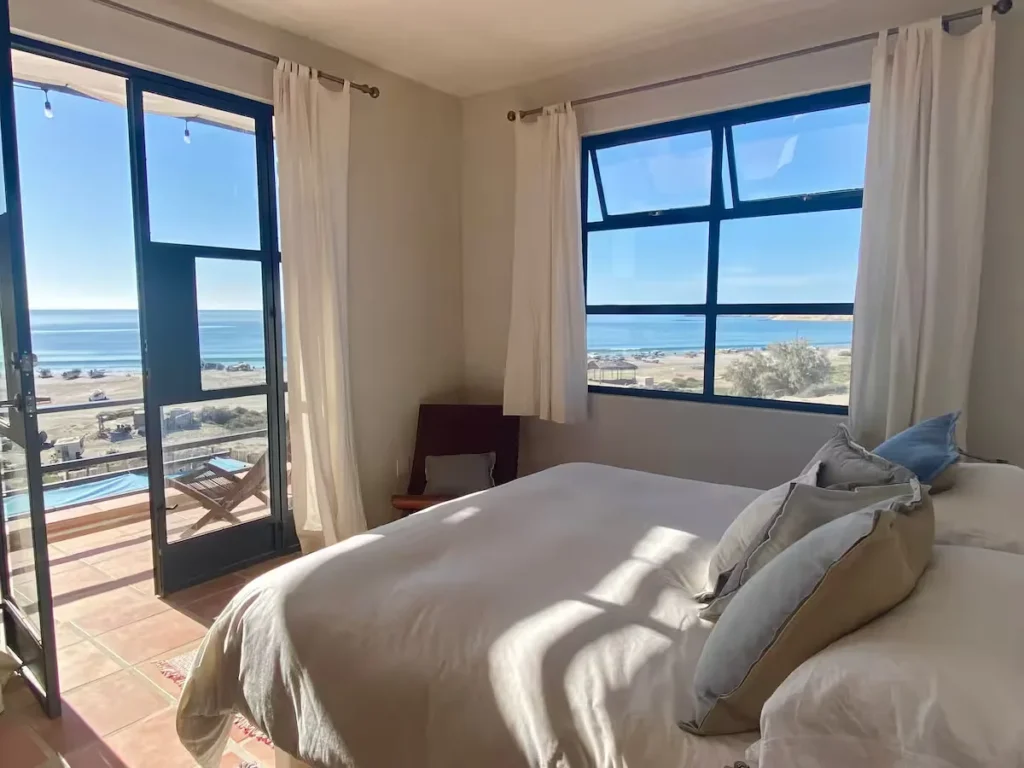
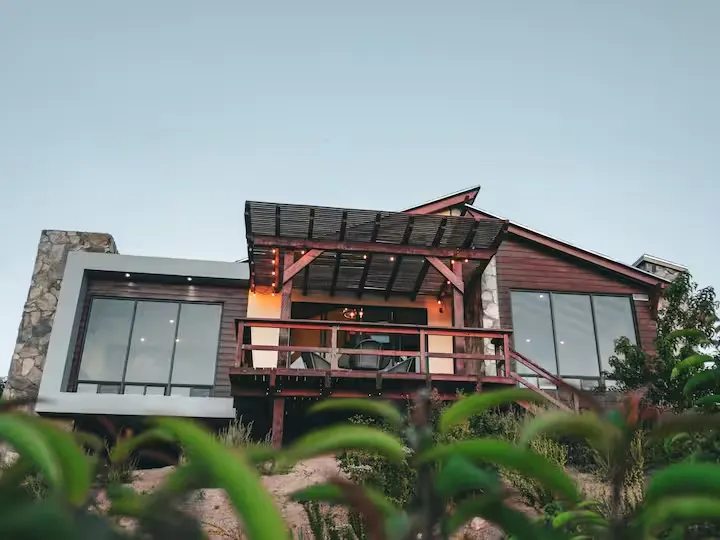
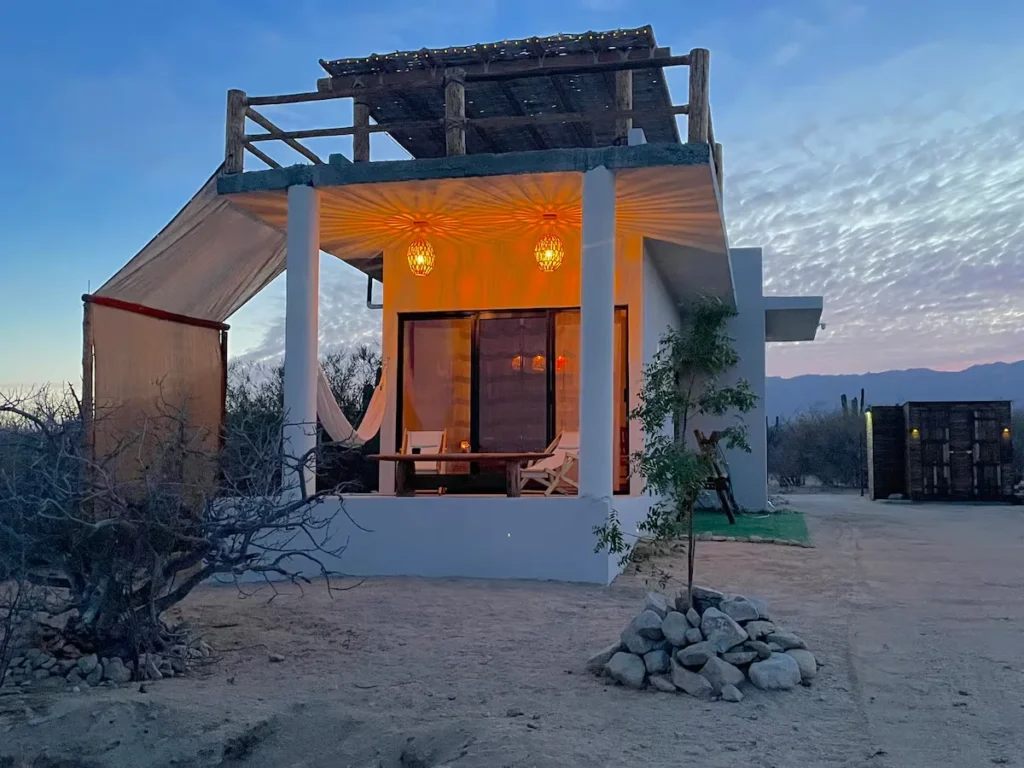
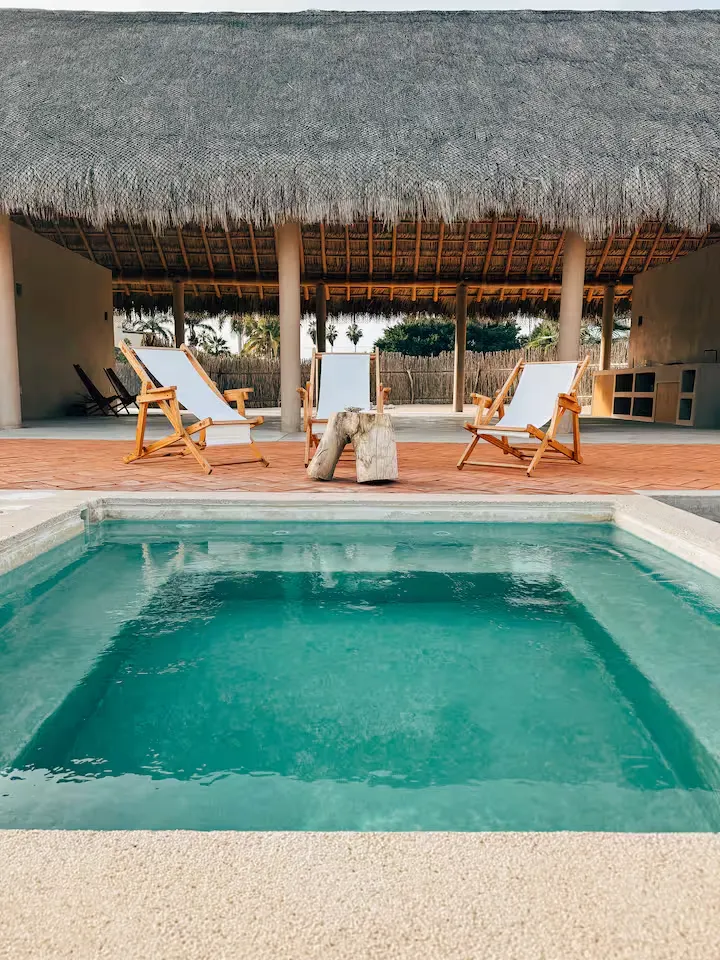
Find below our curated selection of boutique hotels and design apartments that offer exceptional value, atmosphere, and comfort during the off‑season — often at significantly lower rates than peak months.
Uncrowded Experiences & Tours
Skip the lines and experience iconic landmarks at your own pace. Discover curated local tours and cultural activities designed to show you the authentic side of the destination without the peak-season rush.
Handy Tips
Weather & Climate
The climate is predominantly arid and desert-like. The northern area is Mediterranean with mild, wet winters. The southern area (Baja California Sur) is drier and hotter. The Sea of Cortés (east side) is warmer and more humid than the Pacific coast (west side).
Winter temperatures generally range from 13ºC (55ºF) to 26ºC (79ºF); summer can exceed 38ºC (100ºF).
Local Customs And Etiquette
Tipping: Tipping (10% text 20%) is customary in restaurants, bars, and for tours. You should also tip street vendors (a few pesos) and gas station attendants.
Dining: Locals eat dinner quite late, often after 8:00 PM. Lunch is the main meal of the day.
Greetings: A simple “Hola” or “Buenos Días/Tardes” is always appreciated when entering a shop or restaurant.
Budgeting For Your Trip
Accommodation: Hostels ($25–$50), mid-range hotels ($80–$150), luxury ($200+). Los Cabos and Valle de Guadalupe prices are significantly higher.
Food: Street Tacos ($1–$3 each), fixed-price lunch menu ($15–$30), dinner at a mid-range restaurant ($30–$60 per person), fine dining ($75+).
Transport: Local Bus ($1–$3), Car rental ($40/day, essential for Valle de Guadalupe and remote areas).
Activities: Whale watching tour ($80–$150), Winery tasting flight ($15–$35).
Daily Budget:
- Budget: $70–$110 (hostels, street food, public transport).
- Mid-range: $130–$220 (hotels, restaurants, attractions).
- Luxury: $250+ (boutique hotels, gourmet meals, private tours).
Getting Around
By Car: Highly recommended for exploring the entire peninsula, especially the remote beaches and the Valle de Guadalupe. Roads are generally well-maintained.
By Bus: Affordable and reliable long-distance buses (like the ABC and Aguila lines) connect major cities like Tijuana, Ensenada, La Paz, and Cabo San Lucas.
By Air: Internal flights are useful for quickly traveling between the far north (Tijuana) and the far south (La Paz/Cabo).
Must-Try Food
Fish Tacos: The original and best, battered and fried white fish (often cod or tilapia), served in a corn tortilla with cabbage, pico de gallo, and a creamy white sauce.
Lobster Puerto Nuevo Style: Fried whole lobster served with rice, beans, and plenty of warm flour tortillas, originating from the town of Puerto Nuevo.
Almejas Chocolatas (Chocolate Clams): Large, beautiful brown clams, often baked on the grill with butter, cheese, and a salsa topping, a specialty of the South.
Tacos de Camarón (Shrimp Tacos): Either grilled or breaded shrimp, often served with mango salsa or a smoky chipotle mayo.
Carne Asada Tacos: Grilled steak tacos, a staple in Northern Mexico, excellent and ubiquitous.
Baja Med Cuisine: A high-end fusion of Mediterranean, Asian, and traditional Mexican ingredients, pioneered in the Valle de Guadalupe.
Marlin Ahumado (Smoked Marlin): Used in tacos, burritos, or as a savory spread.
Sopa de Tortilla: A classic soup with fried tortilla pieces, avocado, cheese, and a rich, spicy broth.
Pan Dulce: A vast variety of sweet pastries, available at any local bakery.
Coyotas: Large, thin cookies filled with piloncillo (raw cane sugar), originally from Sonora but popular in Northern Baja.
Must-Try Drinks
Baja Wine (Vino de la Región): Particularly the red blends (Cabernet, Merlot, Tempranillo) and Nebbiolo varietals from Valle de Guadalupe.
Clamato Preparado: A popular local hangover cure—Clamato juice mixed with spices, lime, hot sauce, and often shrimp or cucumber slices.
Damiana Liqueur: A local herbal liqueur made from the Damiana bush, said to have aphrodisiac properties, often served in a snifter.
Cerveza Artesanal (Craft Beer): The craft beer scene in Tijuana and Ensenada is thriving, offering IPAs, Stouts, and local specialties.
Margarita: The region (especially Tijuana and Ensenada) claims to have invented the classic lime and tequila cocktail.
Aguas Frescas: Refreshing non-alcoholic drinks made from fruits, cereals, or flowers, such as Jamaica (hibiscus), Horchata (rice milk), or Tamarindo (tamarind).
Kombucha: Non-alcoholic fermented tea is becoming increasingly popular in the health-conscious northern cities.
Tequila/Mezcal: While not produced here, it is ubiquitous and highly celebrated in local bars.