 Skip to content

- Why Should I Visit The Bahamas During The Off-Season?
Because you will get five-star experiences for two-star prices. Traveling from May to November lets you "Exploit Travel Seasonality" to find luxury resorts in Nassau and Paradise Island offering room rates slashed by 40% to 60% compared to peak winter months. The famous pink sand beaches of Harbour Island feel like your private escape rather than a crowded postcard.
While this period aligns with hurricane season, the Bahamian tourism industry is highly experienced at managing weather risks. What you gain is incredible value on overwater bungalows, private boat charters to the Exumas, and dinner reservations at top restaurants without booking weeks in advance. For smart travelers who pack travel insurance, these months unlock serious luxury.
- What Is Hurricane Season In The Bahamas And Is It Safe To Visit?
Hurricane season officially runs from June 1 to November 30, but safe windows exist. The statistical peak for the Bahamas is September through early October, yet direct hits are actually relatively rare given the archipelago spans over 100,000 square miles. Most storms pass well to the north or south, and the islands have modern monitoring systems and well-rehearsed safety protocols.
The smart strategy is targeting June, July, or August when hurricane risk remains low but discounts remain high. July and August also offer consistently warm, sunny weather with brief afternoon showers. If you book through a reputable resort that offers weather guarantees, you can save enough money to upgrade to a suite or add extra excursions like swimming with the famous pigs of Exuma.
- Are The Beaches Still Beautiful During The Bahamas Off-Season?
Absolutely, the beaches are arguably more stunning during low season. The famous beaches like Cable Beach, Gold Rock Beach, and Pink Sands Beach have significantly fewer footprints in the sand. You can walk for miles without seeing another soul, and the water temperature stays perfectly warm at 28°C to 30°C (82°F to 86°F), warmer than winter months.
The afternoon showers are usually brief, often lasting less than an hour before the sun returns. Morning hours remain reliably sunny, giving you prime beach time before any rain appears. The only difference is that you might share the water with more sea turtles and rays, which come closer to shore when beaches are quieter.
- Will All The Restaurants And Attractions Be Open During Low Season?
Yes, with only minor exceptions for smaller outer islands. The main tourist hubs of Nassau, Paradise Island, Freeport, and the Exumas keep all major attractions running year-round. You can still visit the famous Atlantis Aquarium, swim with pigs at Big Major Cay, explore the underwater caves at Lucayan National Park, and party at Fish Fry on Arawak Cay without interruption.
The only differences are shorter operating hours at some smaller family-owned restaurants and slightly reduced ferry schedules to remote cays. Many travelers actually prefer this because the quieter streets mean no lines for the water slides and no waiting for bar service. For travelers focused on urban and resort experiences, the off-season is a hidden opportunity.
- How Does Off-Season Travel Enhance Marine Life Encounters In The Bahamas?
Off-season is actually the best time for swimming with sharks and diving with turtles. The warmer ocean temperatures mean marine life is more active and visible. Nurse sharks at Compass Cay are friendlier, sea turtles surface more frequently near Green Turtle Cay, and eagle rays glide through the shallows of the Exuma Cays Land and Sea Park.
You will also find that snorkeling and diving excursions have smaller groups, meaning more one-on-one attention from guides who know exactly where the hidden reefs are. The famous Thunderball Grotto (featured in James Bond films) is practically empty, letting you swim through the cave openings without bumping into other snorkelers. Pack your underwater camera because you will have uninterrupted photo opportunities. For more nature-focused travel inspiration, visit our Wildlife & Nature Theme Page. For official weather tracking and travel advisories, check the Bahamas Department of Meteorology.

Home > Exploit The Seasons > Seasonal World Map > Central America And The Caribbean > Bahamas
BAHAMAS
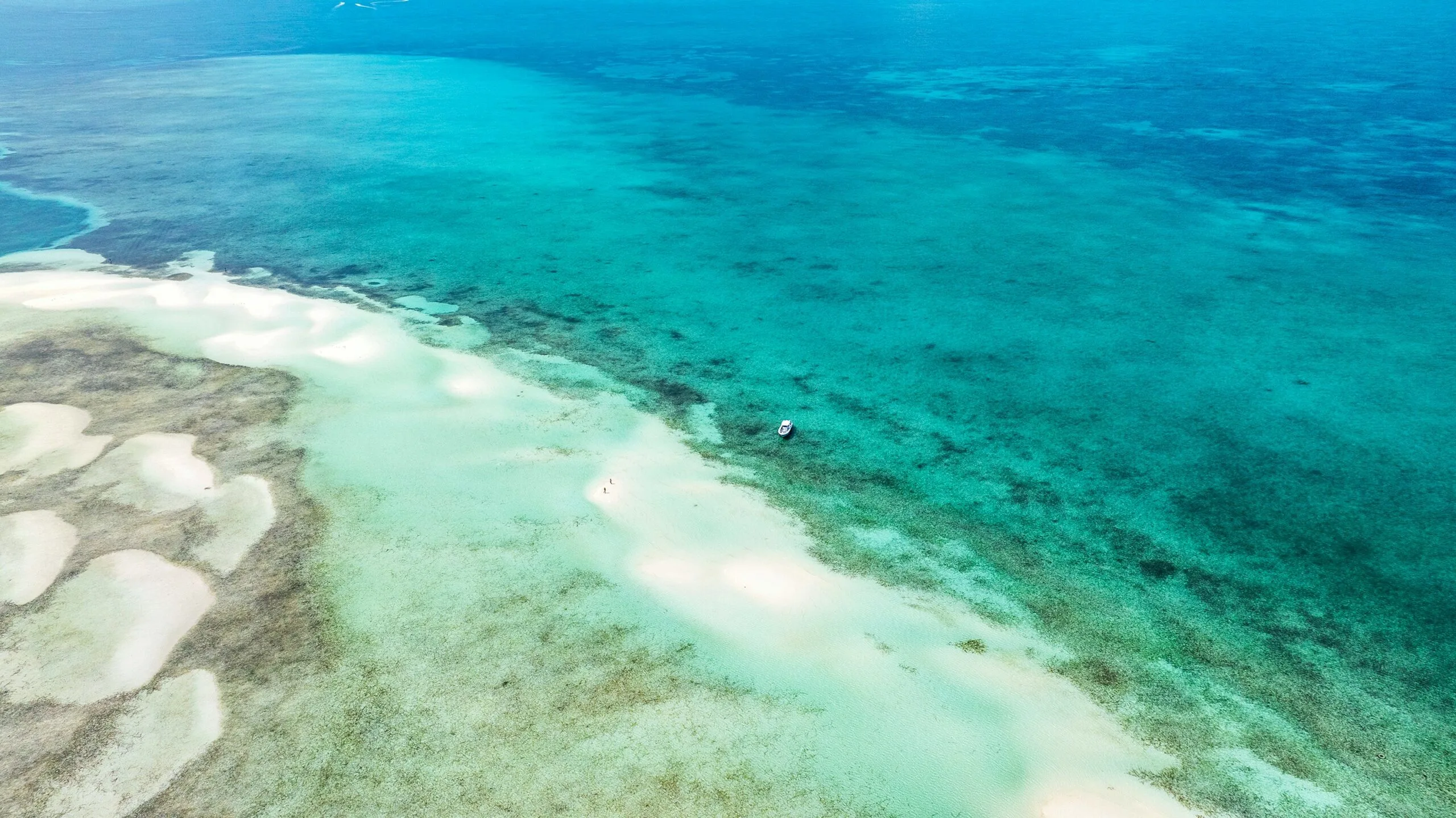
The Bahamas trades winter crowds for summer secrets, offering turquoise water and empty sandbars year-round. Discover when to swap high prices for local fish fries, quiet coves, and the authentic rhythm of island time.
Smart Travel Calendar
Why Choose The Bahamas Off-Season?
Fewer cruise ship crowds mean you’ll have Nassau’s streets and straw markets almost to yourself.
Lower humidity for summer exploring makes afternoon walks and island hopping far more comfortable.
Bonefish still bite in the shallows — guides have more time and better rates off-peak.
Local festivals like Junkanoo in July deliver authentic culture without winter’s premium prices.
Hotel rates drop by half or more once US schools go back in session.
You’ll actually talk to Bahamians, not just service staff rushing to the next guest.
Shoulder Season
Your Smartest Windows
May to early June
November
Avoid: US Thanksgiving week (late November) and spring break (mid-February through April) — both spike flight and resort prices dramatically.
What the Sky Does
Typical temperatures: 24°C to 30°C (75°F to 86°F)
Brief, passing showers — usually 15 minutes then sun returns
Lower humidity than deep summer (July–August)
Excellent water visibility for snorkeling between rain bands
How Empty It Feels
40–50% fewer tourists than peak winter season
Major sites like Atlantis and Exuma swimming pigs have short queues
Outer islands (Cat Island, Long Island) feel nearly private
Beach bars have open seating and faster drink service
What You’ll Save
30–40% on flights and 40–50% on hotels vs. December–March
Car rentals on Grand Bahama often discounted 35%
Same-day boat tour bookings available without premium markup
Happy hour specials actually feel like deals again
The Secret Perk
Bahamas Culinary & Arts Festival (May) hits Nassau just before prices drop
Sea turtle nesting season begins — guided night walks available
Conch harvesting is still prime; try cracked conch at a local shack
Golden-hour light is softer without winter’s harsh glare
Fishermen invite you onto their docks — no tour company needed
The Tiny Trade-Off
Some small tour operators on outer islands close for 2–3 weeks in May
Afternoon rain possible 3–4 days per week (but brief)
Ferry frequency between islands reduces slightly in November
End of May sees first humidity creep before summer
Smart Traveler Tip
Target the last two weeks of May for best balance of low prices and great weather.
Book flights on Tuesdays or Wednesdays for deepest shoulder savings.
Avoid the week of Junkanoo Summer Festival (early July) — local event crowds.
Pack a light rain jacket and quick-dry clothes; you’ll still swim daily.
Deep Off-Season
Your Smartest Windows
September to October
Avoid: Hurricane peak (first two weeks of September historically have highest storm risk). Also avoid Labour Day weekend (US/Canada) when last-minute deals disappear.
What the Sky Does
Temperatures: 26°C to 32°C (79°F to 90°F)
Highest chance of tropical systems (monitor forecasts closely)
Morning sun, afternoon buildups, occasional all-day rain
Humidity noticeable but seabreezes help on most coasts
How Empty It Feels
60–70% fewer tourists than peak season (December–March)
Historic sites like Queen’s Staircase feel completely private
Museums (Pompey Museum, Bahamas Historical Society) often just you and staff
Local settlements like Dunmore Town have real unhurried village energy
What You’ll Save
50–60% off peak winter prices on package deals
Flights from Miami/Fort Lauderdale can drop under $150 round trip
Resorts offer “stay 5 nights, pay for 3” or free meal plans
Car rentals as low as $35/day on major islands
The Secret Perk
All-Andros Crab Festival (October) — genuine Bahamian celebration, zero tourists
Lobster season reopens August 1 — you’ll eat fresh spiny lobster daily for pennies
Beach bars become your personal lounge; bartenders remember your name
Local farmers have time to talk — learn bush medicine and fruit traditions
Afternoon thunderstorms create dramatic, empty-beach photography
The Tiny Trade-Off
Some out-island beach resorts close entirely (September–October)
Nightlife in Nassau’s Fish Fry district winds down by 10 p.m.
Up to 3–5 restaurants in smaller settlements shut for deep off-season
Daylight shortens to 11.5 hours by late October
Smart Traveler Tip
Book a fully refundable room and buy travel insurance for September.
For minimal rain, choose the Abacos or Exumas — they sit slightly drier than Grand Bahama.
Pack lightweight rain gear, water shoes (sharp coral), and a power bank (island outages possible).
Use the quiet to practice Pidgin or Kriol phrases; locals genuinely appreciate it.
Find Off-Peak Flights
Top Off‑Season Stays
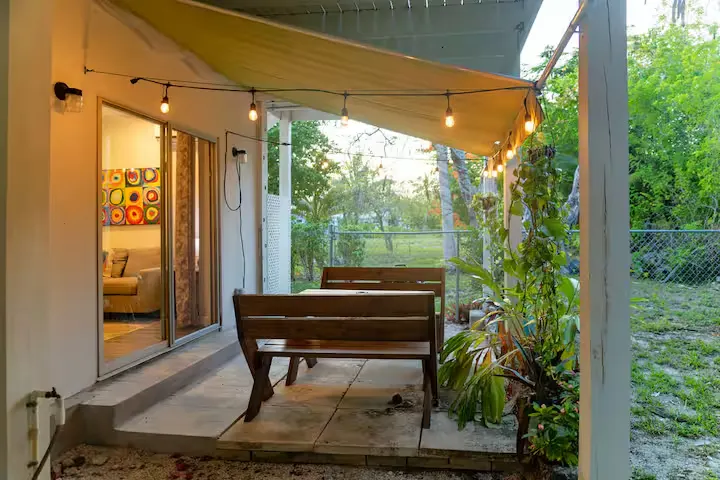
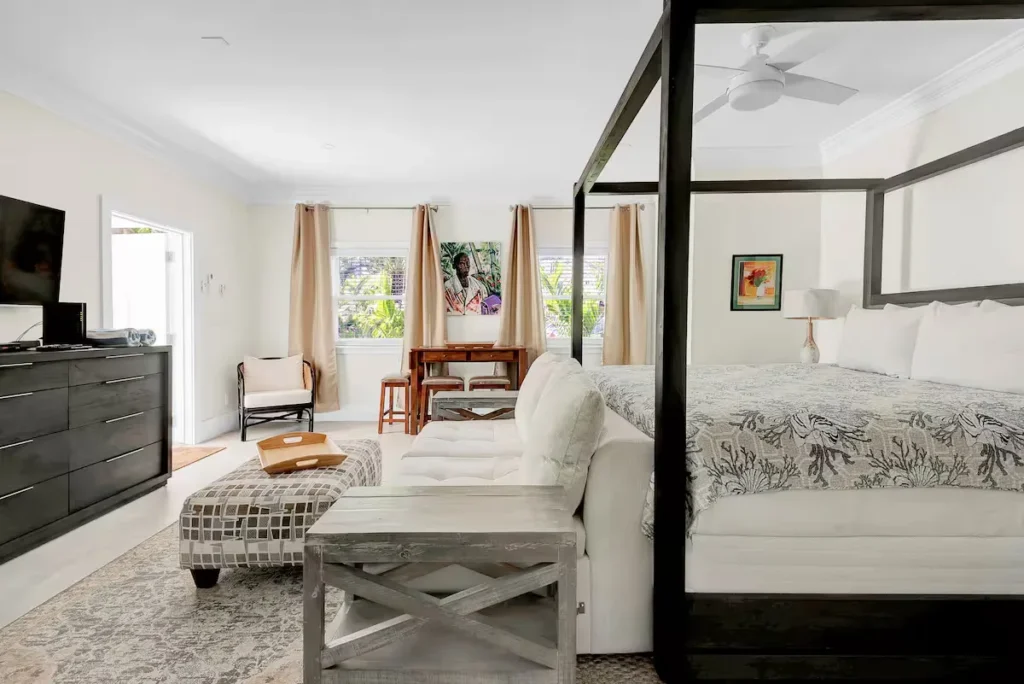
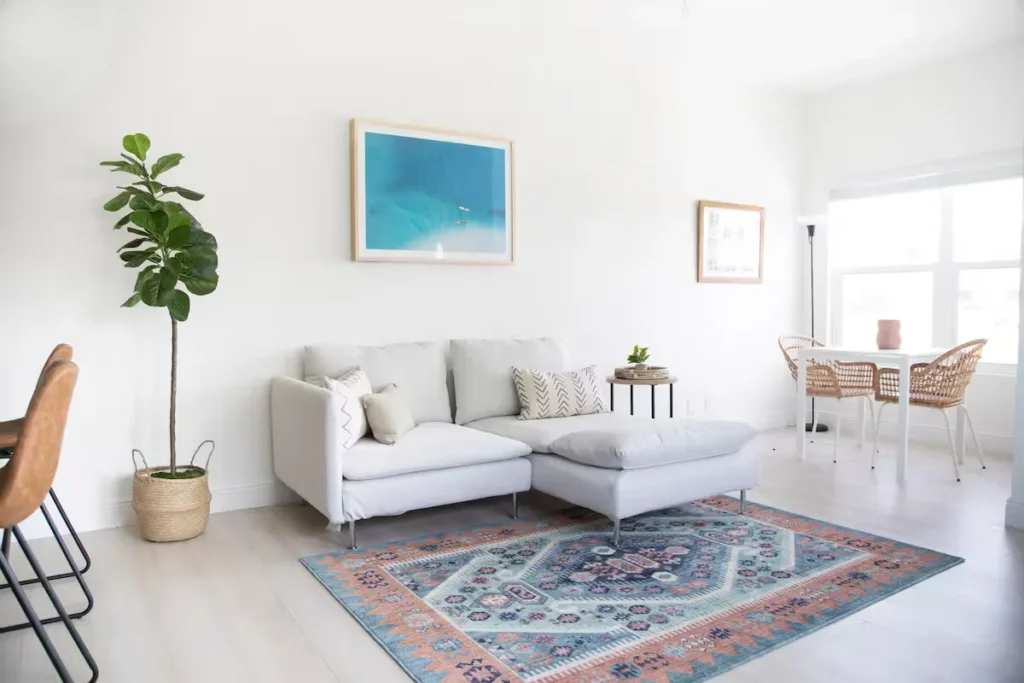
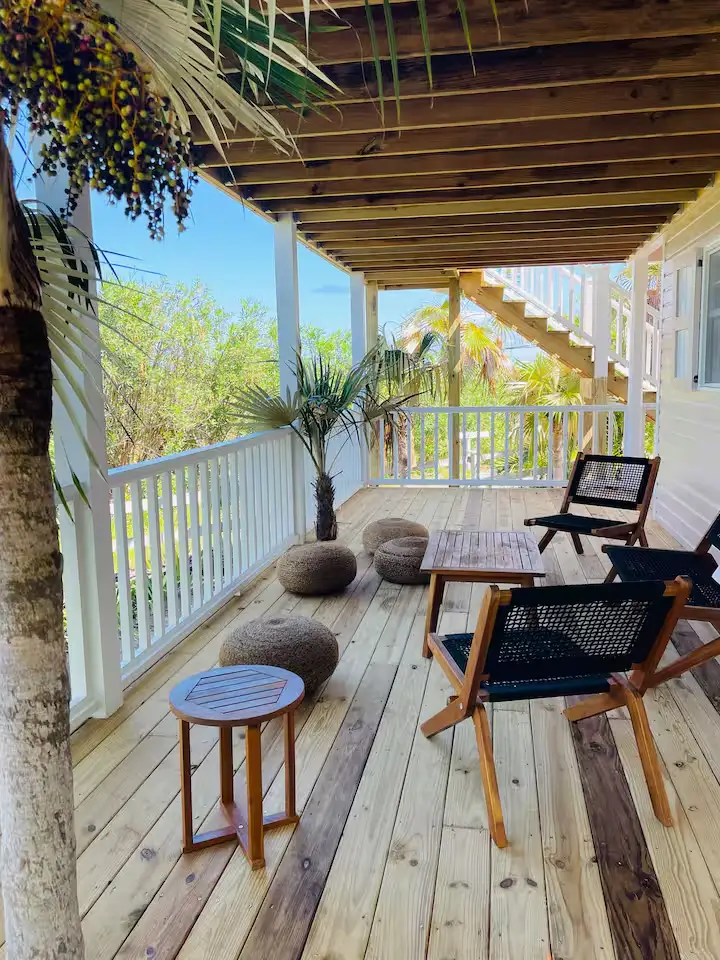
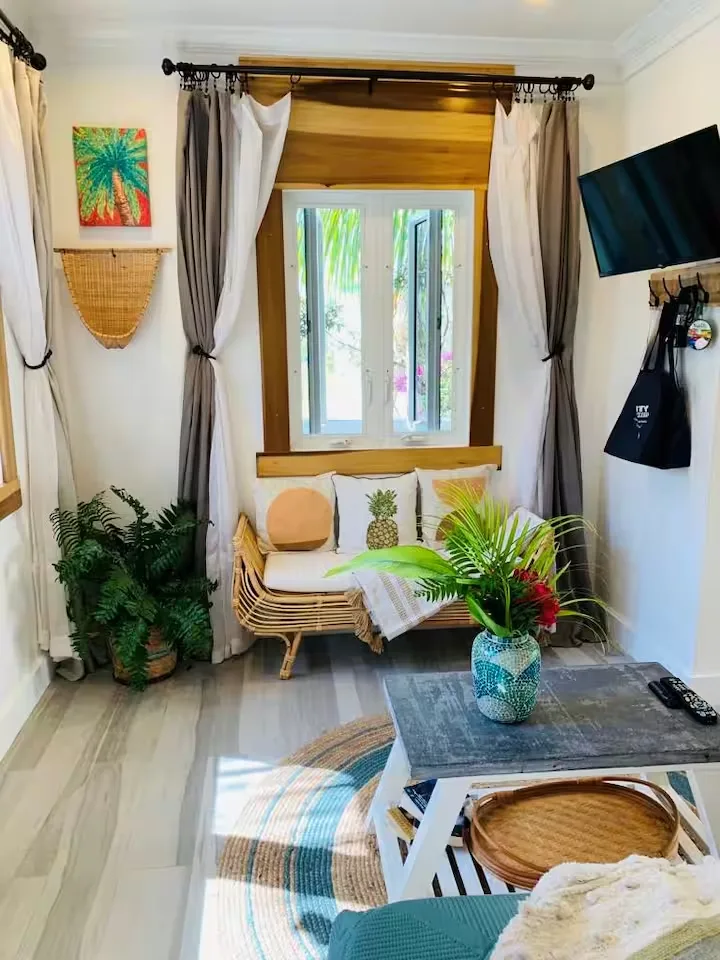
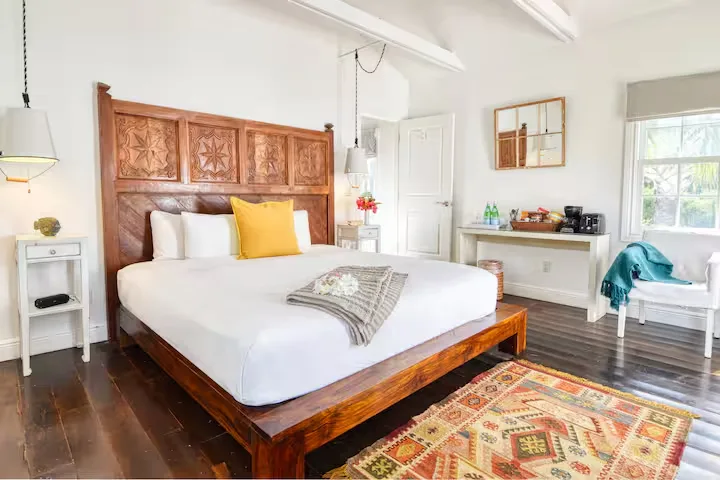
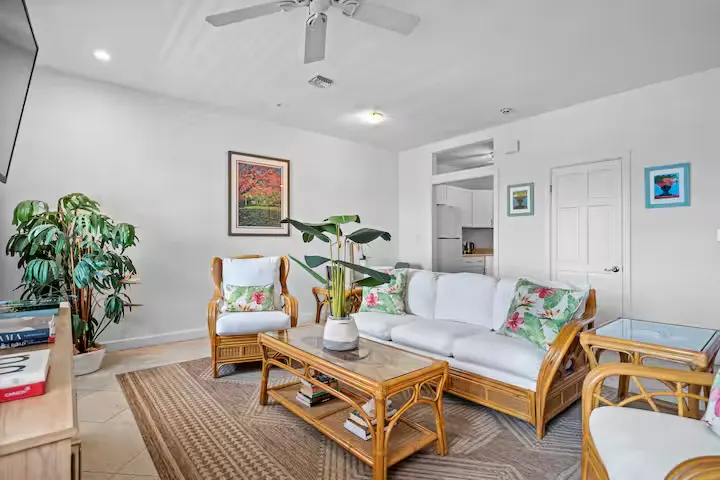
Find below our curated selection of boutique hotels and design apartments that offer exceptional value, atmosphere, and comfort during the off‑season — often at significantly lower rates than peak months.
Uncrowded Experiences & Tours
Skip the lines and experience iconic landmarks at your own pace. Discover curated local tours and cultural activities designed to show you the authentic side of the destination without the peak-season rush.
FAQs
Essential Trip Information
Visa and Entry Requirements
Visa-free entry for citizens of the U.S., Canada, U.K., EU, and many others (up to 90 days).
Passports must be valid for at least six months beyond your stay.
Proof of onward travel (return/onward ticket) may be requested.
Visas required for some nationalities (check Bahamas government website)
Currency
The Bahamian Dollar (BSD) is pegged 1:1 with USD. Both are accepted everywhere.
Best Ways to Handle Currency:
- Bring USD cash (small bills for tips, taxis, markets).
- ATMs are widely available (Nassau/Freeport), but may charge fees.
- Credit cards (Visa/Mastercard) accepted at resorts, but not always on outer islands.
What to Avoid:
- Exchanging currency at airports (poor rates).
- Dynamic currency conversion (always pay in BSD or USD).
Language
English is the official language.
Helpful phrases: “What’s the rush?” (relax), “Big up” (thanks).
Safety & Security
Generally safe, but avoid isolated areas at night (especially in Nassau).
Petty theft can occur in crowded markets—keep valuables secure.
Emergency number: 911 or 919 (police).
Health & Insurance
No special vaccinations required.
Tap water is safe in Nassau/Freeport; stick to bottled water on outer islands.
Travel insurance recommended (medical care can be expensive).
Transportation
Taxis: No meters—agree on fares upfront.
Ferries: Best for island-hopping (Nassau → Exuma, Eleuthera).
Domestic flights: Expensive but efficient (e.g., Nassau to Harbour Island).
Walking: Easy in downtown Nassau/Paradise Island.
Price Level
The Bahamas is moderate to expensive, especially on tourist-heavy islands (Nassau, Paradise Island).
Accommodation:
Budget: Guesthouses ($80–150/night)
Mid-range: Resorts ($200–400/night)
Luxury: 5-star hotels ($500+/night, e.g., Atlantis)
Food:
Quick eats: Conch salad ($10–15), fishfry ($12–25)
Casual dining: $25–50/person
Fine dining: $70+/person
Drinks:
Beer: $4–8 (local Kalik)
Cocktails: $10–15 (try Bahama Mama!)
Transportation:
Taxis: Fixed rates (e.g., Nassau airport to downtown: $30)
Ferries: $10–30 (inter-island)
Rental cars: $70+/day (left-side driving)
Money-Saving Tips:
Eat at local fish fries (Arawak Cay, Nassau).
Visit free beaches (Cable Beach, Love Beach).
Book excursions locally (not through resorts).
Planning Your Trip
Local Customs And Etiquette
Island Time: Service is relaxed; patience is key.
Dress Code: Resort casual by day; resorts may require smart attire for dinner.
Tipping: 15–20% at restaurants; $1–2 per bag for porters.
Junkanoo Culture: Respectful participation encouraged—drumming and dancing are central.
Budgeting For Your Trip
Accommodation: Budget ($80–150/night), mid−range ($200–400), luxury ($500+).
Food: Conch fritters ($8–15), casualmeal ($20–40), fine dining ($75+).
Activities: Snorkeling ($50–100), private boat tours ($200+).
Daily Budget:
- Budget: $100–150 (guesthouse, local eats, public ferries).
- Mid-range: $250–400 (resort, dining out, excursions).
- Luxury: $600+ (private villas, helicopter tours).
Internet & Mobile
Free Wi-Fi: Spotty outside resorts; purchase a local SIM (BTC or Aliv).
eSIMs: Supported (Airalo).
Travel Insurance
Essential for hurricane season (trip interruption coverage).
Medical emergencies can be costly—ensure your plan includes evacuation.
Accomodation Options
From luxury resorts to budget stays, the Bahamas caters to all travelers.
Luxury Resorts:
- Atlantis Paradise Island (iconic waterpark, marine exhibits).
- Rosewood Baha Mar (Nassau) or Kamalame Cay (private island).
Mid-Range:
- Sandals Emerald Bay (Great Exuma) or Tiamo Resort (eco-friendly, South Andros).
Budget:
- Airbnbs/guesthouses (e.g., Eleuthera’s Rainbow Inn or Nassau’s A Stone’s Throw Away).
- Hostels rare—look for local B&Bs.
Unique Stays:
- Overwater bungalows (Fowl Cay Resort) or lighthouse cottages (Elbow Cay).
Tip: Book early for December–April stays—resorts fill quickly.
Getting Around
The Bahamas is an archipelago, so island-hopping requires planning.
Inter-Island Flights:
- Bahamasair and private charters connect major islands (Nassau→Exuma, Eleuthera).
- Book early—limited flights, especially to smaller islands.
Ferries:
- Fast ferries (e.g., Bahamas Ferries) run between Nassau, Exuma, and Harbour Island.
- Schedules vary—check ahead, as trips can be canceled due to weather.
Taxis:
- No meters—agree on fares before riding (e.g., $30+ from Nassau airport to downtown).
- Shared jitneys (minibuses) are cheaper but only operate on populated islands like New Providence.
Rental Cars/Scooters:
- Useful on larger islands (Eleuthera, Grand Bahama); drive on the left.
- Scooters popular on Harbour Island (rent for ~$50/day).
Boats/Water Taxis:
- Essential for accessing private cays (e.g., Exuma’s Pig Beach).
- Tip: Negotiate rates with local boat captains for day trips.
Note: Avoid relying on public transport—options are limited outside Nassau.