 Skip to content

- Is The Weather In Northern Vietnam Comfortable For Trekking During The Shoulder Season?
Yes, the shoulder seasons offer perfect conditions for exploring the famous rice terraces and mountain villages. The extreme summer heat fades away, and the bitter winter chill has not yet arrived, leaving you with mild temperatures and clear skies ideal for long treks. You will witness the rice paddies at their most photogenic, either lush green after planting or golden before harvest.
The trade-off is that you cannot predict foggy days, which can occasionally obscure those million-dollar views. A misty morning might hide the valleys, but it also creates an ethereal, mysterious atmosphere that peak season visitors never experience. Pack layers and a good attitude, and every weather condition reveals a different kind of beauty.
- How Much Can I Save On Hanoi Hotels And Sapa Homestays During The Low Season?
You can secure discounts of 35% to 55% on boutique hotels in Hanoi's Old Quarter during the quieter months. Those charming French-colonial properties that feel overpriced from October to April become genuinely affordable for budget-conscious travelers. Sapa homestays drop even more dramatically, with prices falling by up to 60% compared to peak trekking season.
The only catch is that some remote homestays in Ha Giang and Cao Bang close during the coldest winter months. However, the accommodations that remain open offer exceptional value and far more personal attention from hosts. You might find yourself as the only guest, receiving family-style dinners and guided treks at no extra charge simply because the family appreciates your company.
- Will Ha Long Bay Cruises Feel Disappointing During The Rainy Shoulder Months?
No, but you must adjust your expectations away from postcard-perfect blue skies. The bay takes on a dramatic, moody character during light rain and fog, with limestone karsts emerging mysteriously from low clouds like a traditional ink painting. You will also enjoy significantly lower cruise prices and nearly empty sundecks for those iconic photos.
The trade-off is that heavy rain can cancel cave visits or kayaking excursions for safety reasons. Visibility might drop enough that the famous views become obscured for hours at a time. Choose a cruise with indoor activities like cooking classes or squid fishing, and you will stay entertained regardless of what falls from the sky.
- Is Getting Around Northern Vietnam By Train And Bus Reliable During The Off-Season?
Yes, the overnight trains to Sapa and Ha Giang run on schedule year-round without major disruptions. The famous Reunification Express line connecting Hanoi to the rest of the country continues operating reliably through all weather conditions. You will find empty train cars and quiet buses, allowing you to stretch out across multiple seats for the first time all year.
The only real challenge is that landslides can occasionally block mountain roads after prolonged heavy rain. The scenic passes to Ha Giang and Cao Bang might close for a day or two, requiring detours or delays. Build flexibility into your itinerary, and consider these unexpected stops as opportunities to discover villages most tourists never see.

Home > Exploit The Seasons > Seasonal World Map > Asia > Vietnam > Northern Vietnam
NORTHERN VIETNAM
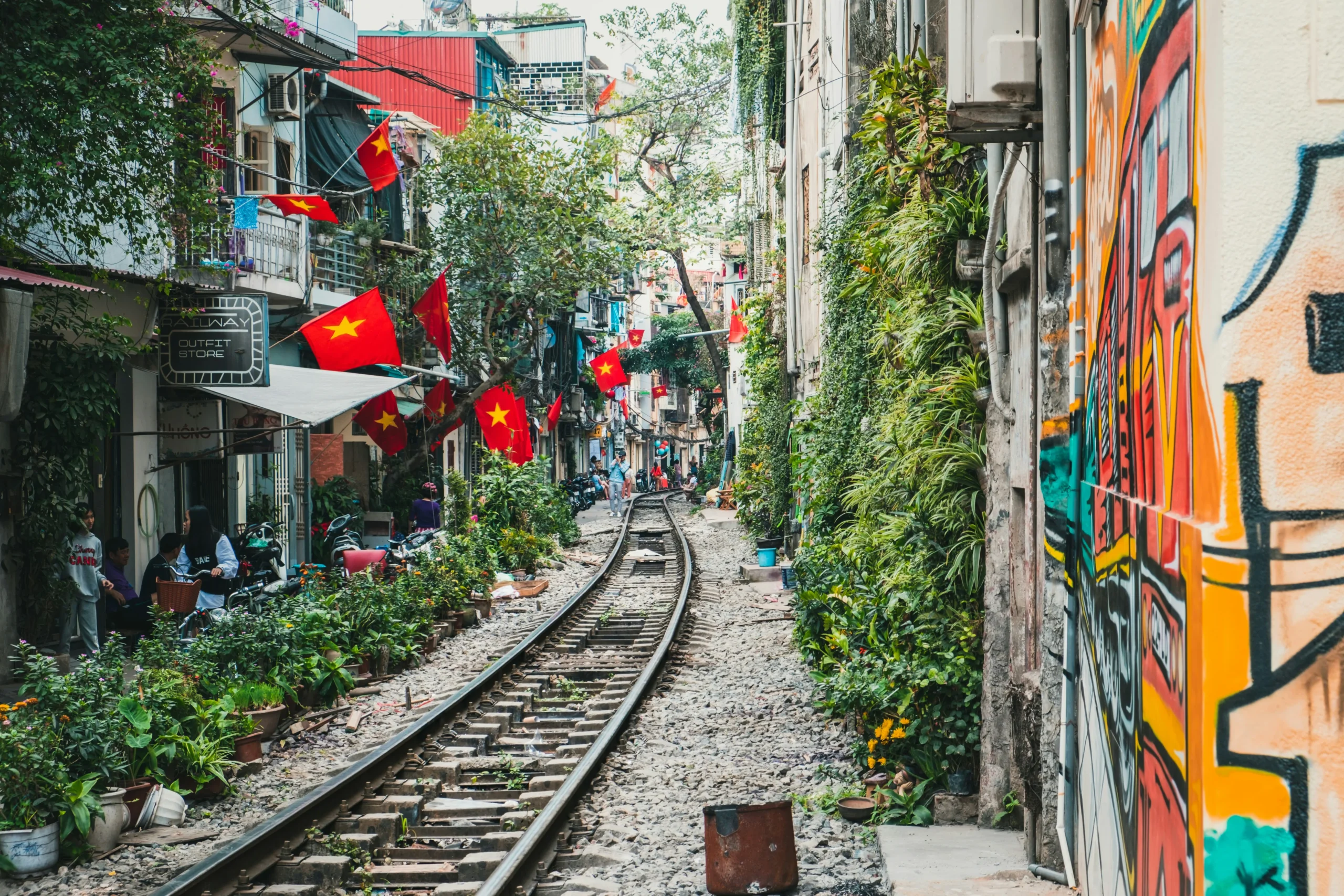
Northern Vietnam doesn’t do gentle transitions. Think misty mountains in Sapa, jade-green karsts in Ha Long, and rice terraces that change color by the week. This guide unlocks the north’s dramatic seasons for crowd-free temples, better homestay deals, and genuine highland moments.
Smart Travel Calendar
Shoulder Season
Your Smartest Windows
Late February – March (after Tet, before summer heat and rain)
October – early November (post-typhoon season, crisp golden light)
Avoid: Vietnamese Lunar New Year (Tet) – usually late January or February – entire northern region shuts down, transport is impossible, and Ha Long Bay prices triple for 10 days.
What the Sky Does
Temperatures: 15-25°C (59-77°F) in lowlands (Hanoi, Ha Long); highlands 10-20°C (50-68°F) with cool nights
Late Feb–March: Classic “drizzling season” – light mist that makes Ha Long Bay look like a floating painting
October–November: North’s best weather – zero rain, crystal clear skies, low humidity, warm sun
Highland note: Sapa and Ha Giang can still have foggy mornings that burn off by 10 AM
How Empty It Feels
55-65% fewer tourists than peak December and Tet weeks
Ha Long Bay: Choose your cruise cabin freely – no “sold out” signs, no shared tables
Ninh Bình (Tam Cốc): Rowboat queues are 10 minutes instead of 2 hours – you might even get the silent older rower
Hoàn Kiếm Lake (Hanoi): Weekend walking street feels like a local promenade, not a mosh pit
What You’ll Save
Flights to Hanoi: 35-45% off December prices; Hotels: 40-50% less than Tet week
Ha Long Bay cruises: 30% off with free cabin upgrades or included seaplane transfers
Ninh Bình bicycle rentals: $2-3 USD/day and no reservation needed
Sapa trekking guides: $20-25 USD/day (peak season $40+) plus home-cooked lunch included
The Secret Perk
Late February: Plum and peach blossoms still linger in Sapa – entire valleys smell like spring
October: Rice terraces in Mu Cang Chai are being harvested – join a family for $5 and lunch
Ninh Bình’s lotus ponds bloom in late March – pink flowers everywhere, zero photographers
Soft overcast light from Oct-Nov turns Hạ Long Bay into an ink-wash scroll from 9 AM to 3 PM
Homestay hosts teach rượu cần (rice wine) etiquette – they’re not rushing to clean rooms for the next group
The Tiny Trade-Off
Some Ha Long Bay cave tours close for maintenance in October – Tien Ong Cave is often the only option
Sapa’s Fansipan cable car may run on reduced schedule in late February (check 2 days ahead)
Hanoi’s water puppet theaters have fewer showtimes – only 2-3 daily instead of 8
February can bring “mưa phùn” – that persistent mist that soaks everything slowly (bring a real raincoat)
Smart Traveler Tip
Target the last week of October. The north is completely dry, skies are postcard blue, the rice in Ninh Bình is golden, and Ha Long Bay is glass-calm.
Fly into Hanoi on a Tuesday, do Ha Long Wed-Fri, then train to Ninh Bình for the weekend.
Avoid the October 10th (Hanoi Liberation Day) domestic travel spike.
Deep Off-Season
Your Smartest Windows
June – August (summer heat but zero foreign tourists, epic green rice)
Early December (before Christmas, north is cold and crisp)
Avoid: Domestic summer peak (mid-June to mid-July) – Vietnamese families flood Ha Long and Ninh Bình, making weekend prices jump 50-60%.
What the Sky Does
Lowlands (Hanoi, Ha Long, Ninh Bình): 28-38°C (82-100°F), high humidity, but sunny every morning
Highlands (Sapa, Ha Giang, Mu Cang Chai): 18-28°C (64-82°F) – perfect trekking weather, occasional afternoon showers
June–August: The only time Sapa has no fog – you see the entire Hoang Lien Son mountain range
Rain pattern: Afternoon thunderstorms (1-3 PM) that cool everything down – pack a 15-minute patience break
How Empty It Feels
75-85% fewer international tourists vs. December and October shoulder season
Ha Long Bay: You might share your overnight cruise with 6 other people total – staff outnumber guests 3:1
Hanoi’s Temple of Literature: You’ll hear birds and sweeping brooms, not selfie sticks
Sapa town: The stone church square in the evening is just local kids playing football – no “busload vibes”
What You’ll Save
50-70% off peak season: Hanoi 4-star hotels from $25-35 USD/night
Flights to Hanoi from HCMC or Da Nang under $35 USD one-way
Ha Long Bay 2-day/1-night luxury cruises from $80-100 USD (peak: $220+)
Private car Hanoi to Ninh Bình with driver: $45 USD (peak: $80)
The Secret Perk
June & July: Sapa’s rice terraces are brilliant iridescent green – the most photochemical green you’ll ever see
August: Ha Giang Loop motorbike tour with zero other riders – switchbacks are all yours
Cool off in Hang Múa’s cave (Ninh Bình) – it’s naturally air-conditioned at 20°C while outside is 36°C
Join a real đi cấy (rice planting day) in Mai Chau – farmers are desperate for hands, not photos
Hanoi’s street chè (sweet soup) vendors have time to explain each ingredient – no line behind you
The Tiny Trade-Off
Ha Long Bay swimming? Summer water hits 30°C (86°F) – refreshing but no longer “refreshing”
Ninh Bình rowboat tours run from 6 AM to 4 PM only (peak season they go until 6 PM)
Some Sapa homestays close for 2-3 weeks in July for family harvest
Daylight: 5:15 AM sunrise, 6:30 PM sunset – early starts, but golden hour lasts longer
Smart Traveler Tip
July is Northern Vietnam’s hidden MVP. Sapa is fog-free, the rice is nuclear green, and Ha Long Bay is sunny every morning.
Book your Ha Long cruise for Monday-Wednesday to avoid weekend domestic crowds.
Pack: quick-dry shirts, proper rain jacket, and electrolyte powder – you’ll sweat beautifully.
Do Sapa first (cooler), then Ha Long (sun), then Hanoi (urban heat) – your body acclimates better.
Find Off-Peak Flights
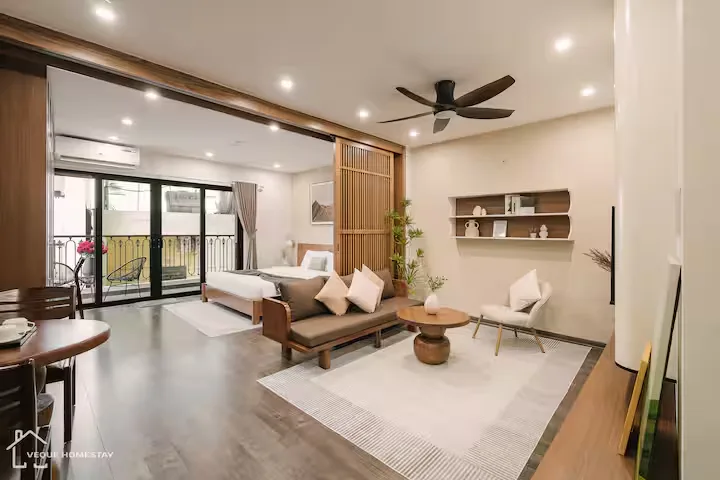
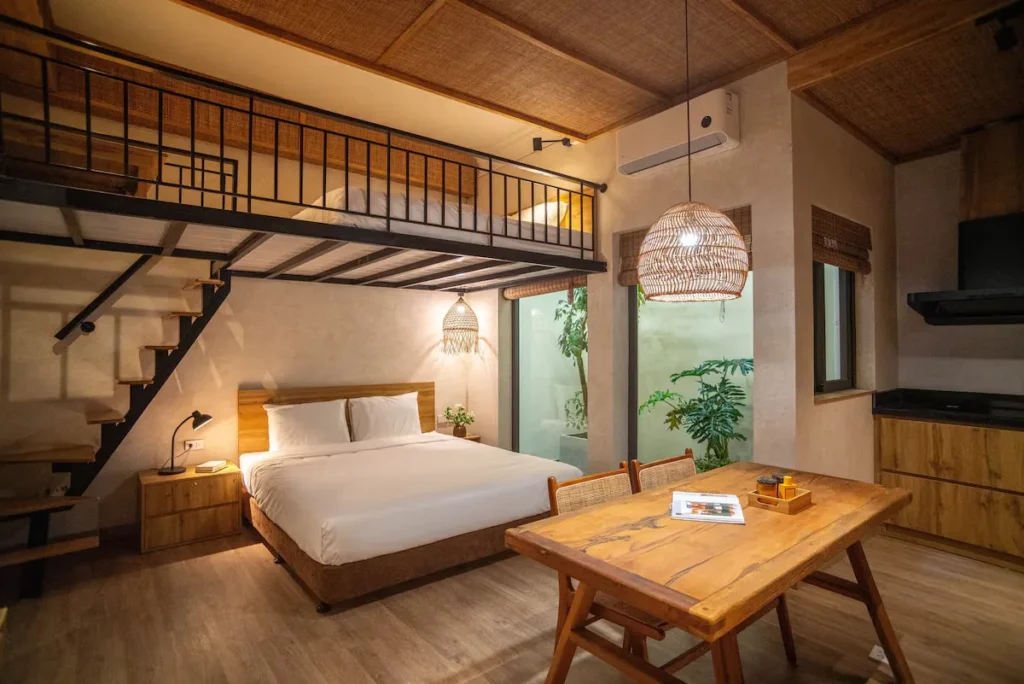
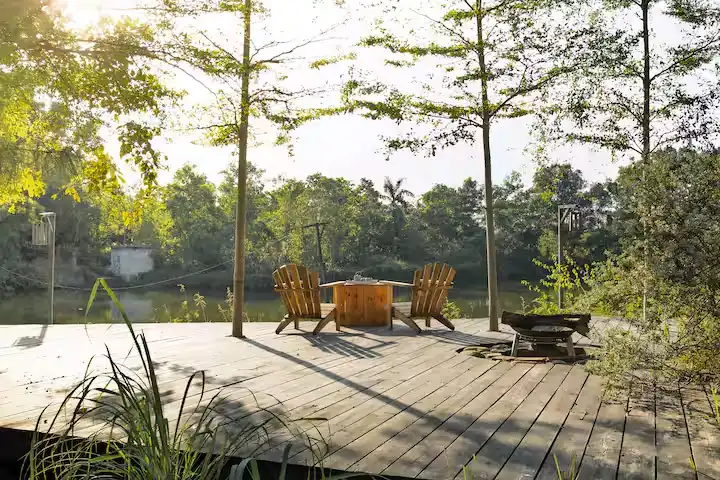
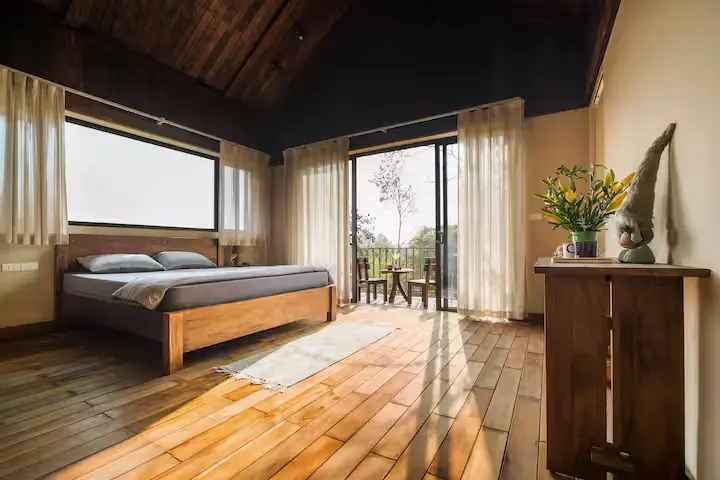
Top Off‑Season Stays
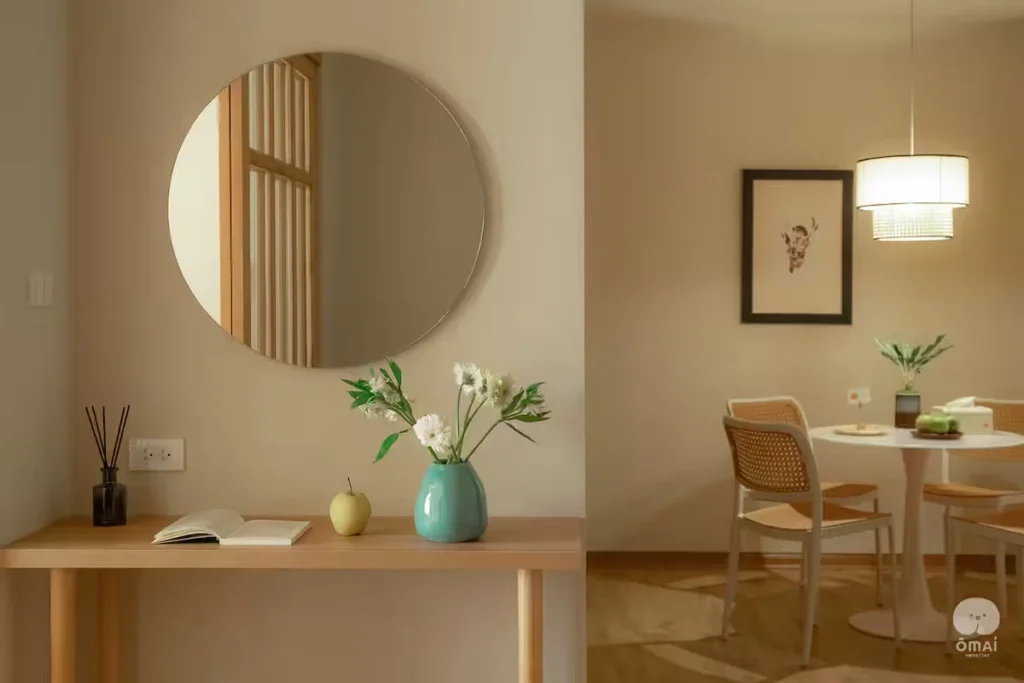
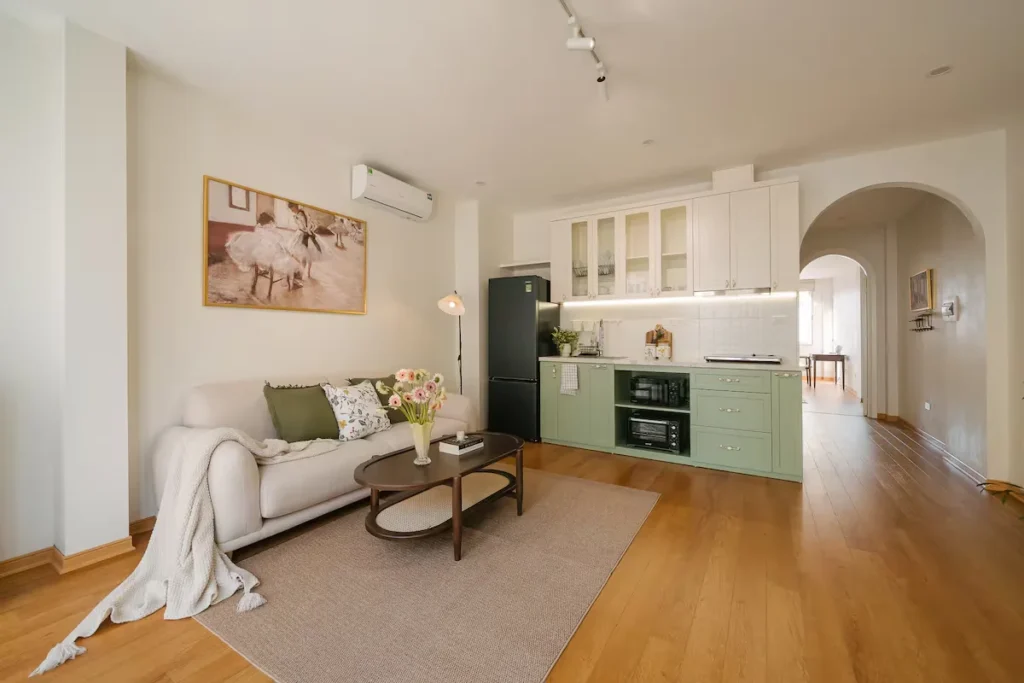
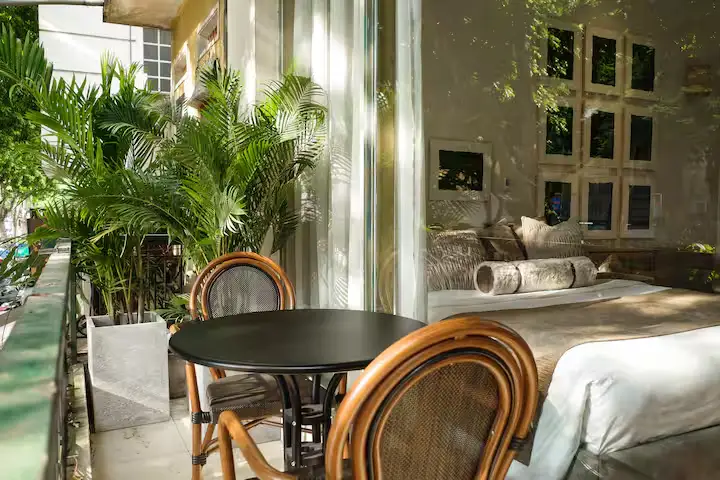
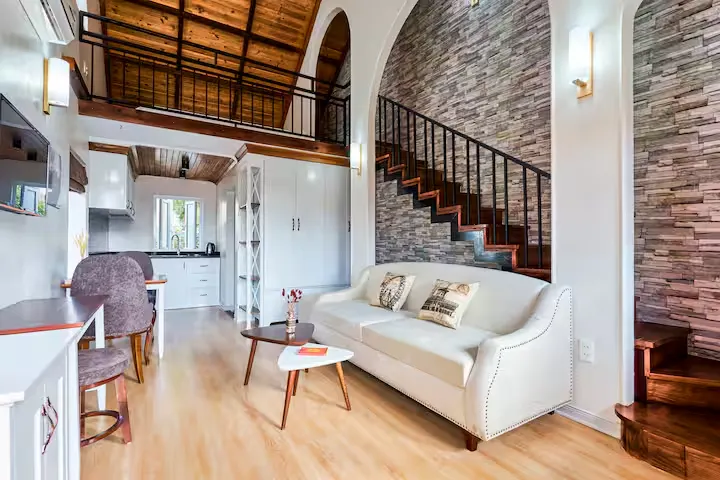
Find below our curated selection of boutique hotels and design apartments that offer exceptional value, atmosphere, and comfort during the off‑season — often at significantly lower rates than peak months.
Uncrowded Experiences & Tours
Skip the lines and experience iconic landmarks at your own pace. Discover curated local tours and cultural activities designed to show you the authentic side of the destination without the peak-season rush.
Handy Tips
Weather & Climate
The north experiences four distinct seasons. Summers (May–August) are hot and wet. Winters (November–February) are cool and dry, especially in the mountains where it can get quite cold. Spring and Autumn are generally mild and pleasant.
Local Customs And Etiquette
Greetings: A slight bow or a nod of the head is an appropriate greeting, especially with elders. A handshake is common in business.
Tipping: Tipping isn’t mandatory but is increasingly expected for tour guides, drivers, and hotel staff. Small amounts are appreciated.
Respectful Dress: When visiting temples, pagodas, or the Ho Chi Minh Mausoleum, dress modestly (shoulders and knees covered).
Footwear: It’s customary to remove your shoes before entering someone’s home and some temples.
Budgeting For Your Trip
Accommodation: Hostels ($7–$15), mid-range hotels ($30–$60), luxury ($100+). Prices will be higher in major cities and on Ha Long Bay cruises.
Food: Street food meal ($1–$3), dinner at a mid-range restaurant ($8–$15 per person), fine dining ($30+).
Transport: Local bus/taxi/Grab (very cheap), overnight train to Sapa ($25–$50), domestic flight ($50–$100).
Activities: Museum entry ($1–$3), Ha Long Bay overnight cruise ($100–$300+), Sapa trekking guide ($20–$50/day).
Daily Budget:
- Budget: $35–$55 (hostels, street food, public transport).
- Mid-range: $60–$120 (hotels, local restaurants, internal travel).
- Luxury: $150+ (boutique hotels, gourmet meals, premium tours).
Getting Around
By Air: Hanoi’s Noi Bai International Airport (HAN) is the main hub, connecting to all major cities.
By Train: An overnight sleeper train connects Hanoi to Sapa (Lao Cai station) and other northern provinces.
By Bus: An extensive network of comfortable, long-distance sleeper buses is the most economical way to travel between cities.
Within Cities: ‘Grab’ (the local Uber/ride-sharing app) for cars and motorbikes is fast, reliable, and cheap. Taxis are also readily available.
Must-Try Food
Phở (Fuh): The quintessential Vietnamese rice noodle soup (most commonly beef bò or chicken gà).
Bún Chả (Boon Chah): Grilled pork patties and sliced pork belly served with cold vermicelli noodles, herbs, and a savory dipping broth.
Bánh Mì (Ban Mee): A delicious French-Vietnamese baguette sandwich with pâté, cold cuts, and fresh herbs.
Chả Cá Lã Vọng (Chah Cah La Vong): Turmeric-marinated fish fried with copious amounts of dill and spring onions, often served sizzling.
Bánh Cuốn (Ban Koon): Delicate, steamed rice paper rolls filled with seasoned ground pork and wood ear mushrooms, dipped in a fish sauce.
Nem Cua Bể (Nehm Coo-ah Bay): Square-shaped, crispy spring rolls stuffed with crab and pork, often served in the Haiphong style.
Xôi Xéo (Soy Seow): Sticky rice topped with green mung bean paste and crispy fried shallots, a popular breakfast.
Miến Lươn (Mee-in Loon): Glass noodle soup with crispy fried eel, a unique regional delicacy.
Chè (Cheh): A general term for sweet dessert soups, often featuring beans, jellies, and coconut milk (Sweet).
Bánh Gối (Ban Goi): Fried savory pillows filled with pork, glass noodles, and mushrooms (Sweet or Savory filling, but generally savory snack).
Must-Try Drinks
Bia Hơi (Bee-ah Hoy): Extremely cheap, freshly brewed, low-alcohol draft beer, served on the street corners of Hanoi (Alcoholic).
Cà Phê Trứng (Cah Fey Trung): Egg Coffee—a thick, rich, sweet coffee topped with a creamy egg yolk and condensed milk foam, a Hanoi signature (Non-Alcoholic/Sweet).
Rượu Nếp Cẩm (Roo-uh nep kahm): A sweet, fermented sticky rice liquor, traditionally served after meals (Alcoholic).
Bia Hà Nội (Bee-ah Hah Noy): The bottled or canned lager brewed locally in the capital (Alcoholic).
Trà Đá (Tra Dah): Iced green tea, often served free or for a minimal cost at restaurants and street food stalls (Non-Alcoholic).
Nước Mía (Nook Mee-ah): Freshly pressed sugarcane juice, sweet and refreshing, served over ice (Non-Alcoholic).