 Skip to content
- Is Singapore Too Rainy To Enjoy During The Northeast Monsoon Season?
Not at all, and this is a classic traveler misconception. The northeast monsoon season (November to January) brings afternoon downpours, but they are usually short, intense, and followed by clearing skies. You will learn to love the rhythm: morning explorations, lunch indoors, then a dramatic tropical shower that cools everything down.
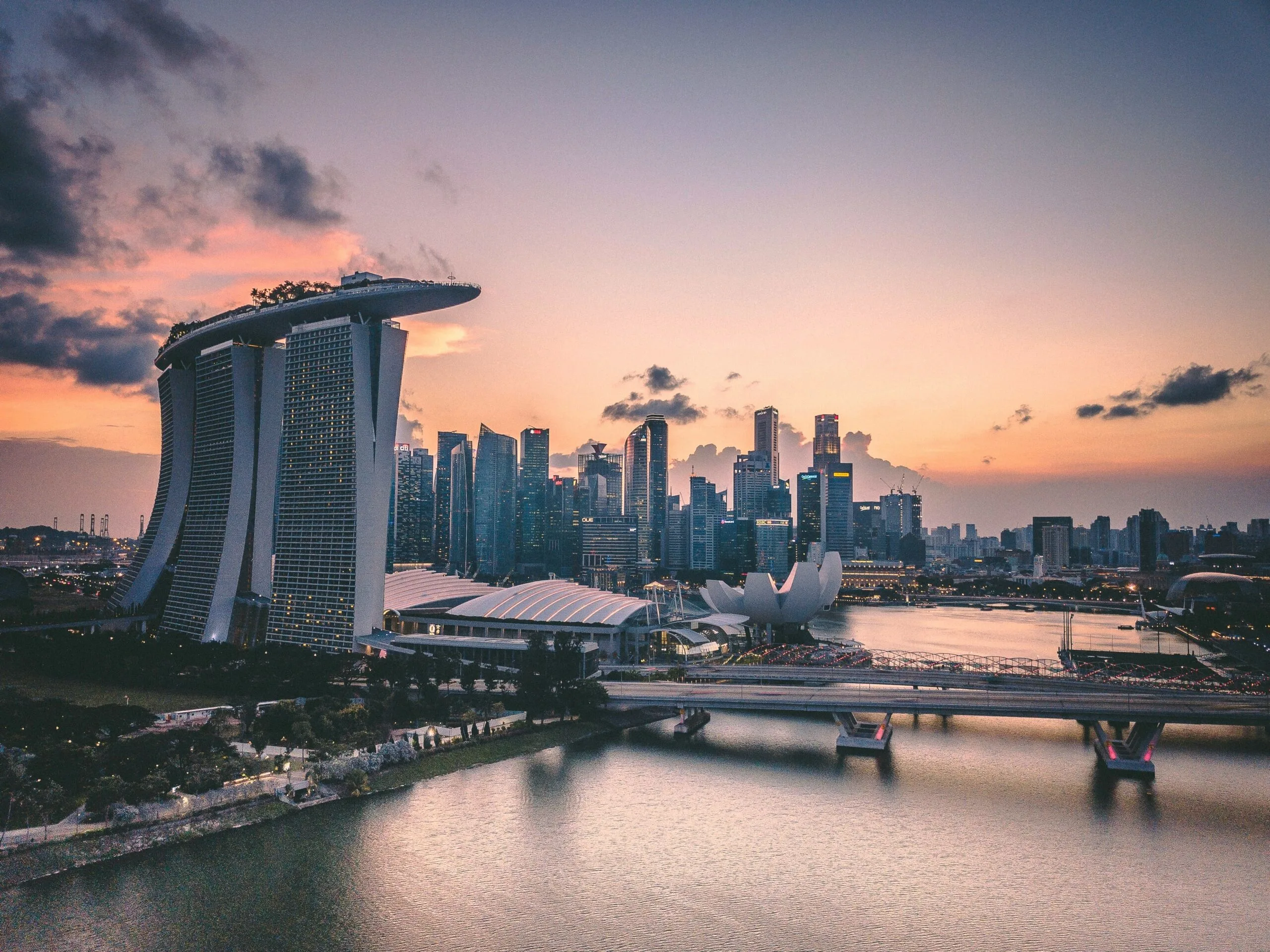
The real win is the crowd situation. While everyone else avoids these months, you can visit the Gardens by the Bay, Sentosa Island, and the famous Marina Bay Sands SkyPark with roughly 30% fewer tourists. Hotel rates drop by 20% to 35% compared to the dry season from February to April.
- How Much Can I Save On A Marina Bay Sands Stay During The Low Season?
You can save hundreds, easily. That infinity pool Instagram moment becomes much more affordable when room rates at Marina Bay Sands and other luxury hotels drop by 25% to 40% between November and January . The views are exactly the same, but your wallet breathes a sigh of relief.
The discounts extend beyond the room. Many five-star properties offer "monsoon specials" with complimentary afternoon tea, late checkouts, or dining credits. And flights from major global hubs can be up to 25% cheaper than during peak December holiday weeks.
- Will Thunderstorms Stop Me From Visiting The Zoo Or Universal Studios?
No, and Singapore has perfected the art of rain-proof entertainment. The world-famous Singapore Zoo and Universal Studios have covered walkways, indoor shows, and plenty of sheltered areas. In fact, a sudden downpour often clears out outdoor queues, meaning shorter wait times for roller coasters once the rain passes.
The only genuine downside is the Night Safari, which loses some magic in heavy rain since animals seek shelter. But Singapore's indoor options are world-class: the ArtScience Museum, S.E.A. Aquarium, Cloud Forest, and endless shopping malls mean you will never run out of dry activities.
- Is The Humidity So Crushing That I Will Be Miserable Exploring On Foot?
Yes, it is intense, but you adapt within 48 hours. Singapore's equatorial humidity hovers around 80% to 90% year-round, so the "off-season" actually feels similar to the "peak season" in this regard. The difference is psychological: expect to sweat, dress in light linens, and embrace the air-conditioned MRT system.
The positive is that Singapore was built for this climate. Covered walkways connect most MRT stations to major attractions, air conditioning is cranked everywhere, and locals swear by "mandatory hydration stops" at hawker centres for fresh coconuts and sugarcane juice. Pack a portable fan, drink constantly, and you will be fine.
- Does Chinese New Year Ruin The Off-Season Value And Shut Down The City?
Quite the opposite for value, but it changes everything. While Chinese New Year (January or February) brings massive local crowds to Chinatown and causes many smaller Chinese-owned shops to close for two to three days, it does not spike hotel prices like in other Asian cities. You can still find discounts of 15% to 20% off peak rates .
The trade-off is cultural gold. The Chingay Parade, festive light displays along the River Hongbao, and the chaotic joy of buying pineapple tarts and bak kwa (barbecued pork) from temporary street stalls are unforgettable. If you want zero disruption, avoid the exact three days of the holiday. If you want cultural immersion, dive right in

Home > Exploit The Seasons > Seasonal World Map > Asia > Singapore
SINGAPORE
Singapore dazzles year-round, but off-season unlocks garden views without the crowd shuffle, hawker centre seats without the hunt, and hotel pools with actual swimming room. Discover the Lion City’s quieter, smarter side.
Smart Travel Calendar
Shoulder Season
Your Smartest Windows
February (after Lunar New Year — mid to late Feb)
July
September to mid-October
Avoid: The Lunar New Year period (late Jan to early Feb — 7-10 days) when prices spike and Chinatown becomes impassable, and the December school holidays (mid-Nov to early Jan) when the whole region visits.
What the Sky Does
26°C to 31°C (79°F to 88°F) — hot and humid year-round, but these windows feel less oppressive.
February is the driest month after the monsoon eases — less afternoon rain than November-January.
July brings “Sumatra squalls” — brief, dramatic morning downpours that clear by 10 AM.
September to mid-October offers slightly lower humidity — the most comfortable walking weather of the year.
How Empty It Feels
Up to 50% fewer tourists compared to December holidays and June-July summer peak.
Marina Bay Sands SkyPark and Gardens by the Bay — walk straight to the best photo spots.
Universal Studios Singapore — 20-minute ride queues instead of 90-minute marathons.
Sentosa’s beaches have towel space and umbrella shade without reserving at 8 AM.
What You’ll Save
20-35% on hotels and flights versus December and June peak periods.
Sentosa attraction combo passes are 30% cheaper online during shoulder weeks.
Dinner reservations at Ce La Vi or Lavo — book the day before, not two months ahead.
River Cruise tickets — no queue, and you can hop on the next departing boat.
The Secret Perk
February’s Chingay Parade — a dazzling post-Lunar New Year street festival with fewer crowds than the actual holiday.
July’s Singapore Grand Prix preparations — watch street circuits take shape before the sold-out race weekend.
September’s Mid-Autumn Festival at Gardens by the Bay — lantern displays up without the peak crush.
Crystal-clear morning light for the Supertree Grove — photograph the giant trees with dewy, reflective paths.
Hawker centre uncles invite you to try before you buy — they’re not rushed during slower hours.
The Tiny Trade-Off
February can still have monsoon surge — 2-3 consecutive rainy days possible, flooding some low-lying areas.
Some Sentosa water park slides undergo annual maintenance in July or September.
Outdoor zoo walks feel sticky by 11 AM — the humidity doesn’t vanish, just softens slightly.
F1 race setup (mid-September) closes certain Marina Bay roads and footpaths for 10 days.
Smart Traveler Tip
For the best balance, target the last two weeks of September. Humidity is lowest, rain is brief, schools are in session, and the F1 crowds haven’t fully arrived.
To beat the afternoon heat, plan outdoor activities (Gardens, Zoo, Sentosa) before 11 AM or after 4 PM. Hide in air-conditioned malls and museums from 12-3 PM.
Deep Off-Season
Your Smartest Windows
Mid-October to mid-November
Late January (after Jan 20, before Lunar New Year)
March to April (except for spring breaks)
Avoid: The December school holidays (Dec 10 to Jan 1) — hotels sell out months ahead, and attractions feel like mosh pits. Also Lunar New Year’s first three days — many Chinese-owned stalls close.
What the Sky Does
Consistent 25°C to 32°C (77°F to 90°F) — tropical heat never really leaves.
October to November is the northeast monsoon — afternoon thunderstorms almost daily, but they pass in 1-2 hours.
March to April is the inter-monsoon dry spell — actually less rain than December, but higher humidity.
Late January offers a surprising dry window — just before the holiday rains return.
How Empty It Feels
Up to 70% fewer tourists than peak school holiday months.
The Merlion Park — you can pose with the statue without five families photobombing.
The S.E.A. Aquarium — walk slowly past the observation tunnel without being shoved.
Chinatown’s Maxwell Food Centre — find a table instantly, even at lunchtime.
What You’ll Save
45-60% vs peak season — the biggest bargains of the Singapore calendar.
Flights from Australia and Europe can be half the price of December fares.
Five-star hotels on Orchard Road for under $150 USD per night (The Marriott, for example).
GrabCar rides to the airport cost 40% less without surge pricing.
The Secret Perk
October’s Deepavali (Diwali) in Little India — stunning light displays and free street performances without the holiday-day crowd chaos.
November’s rainy days are perfect for Singapore’s world-class indoor attractions — ArtScience Museum, National Gallery, and the Cloud Forest dome.
March’s durian season — try the “king of fruits” at Geylang Serai without queuing behind tourists.
Visit the Sultan Mosque during quiet prayer times — staff offer impromptu tours of the historic building.
Local families invite you to join boneless chicken rice lunches — off-season means time to share tables and stories.
The Tiny Trade-Off
Outdoor swimming is less appealing during November rains — thunder lightning closes most public pools.
Night Safari animals sleep more during heavier rain — fewer active sightings on wet evenings.
Some hawker centre stalls rotate holidays — your favourite prawn noodle spot might be closed for a week.
Daylight hours are consistent (7 AM to 7 PM) , but heavy cloud cover kills sunset photography.
Smart Traveler Tip
For the mildest deep off-season experience, target late January (Jan 20-27). Dry weather, pre-holiday calm, and hotels still at low rates before Lunar New Year spikes on Feb 1-ish.
If you travel in November, build your itinerary around “rain windows” — morning outdoors, indoor attractions from 2-5 PM (peak rain hours), then evening hawker centres.
Pack an umbrella, quick-dry clothes, and a portable fan. Accept that you will sweat — everyone does. The locals still wear jackets indoors (aggressive AC).
Find Off-Peak Flights
Top Off‑Season Stays
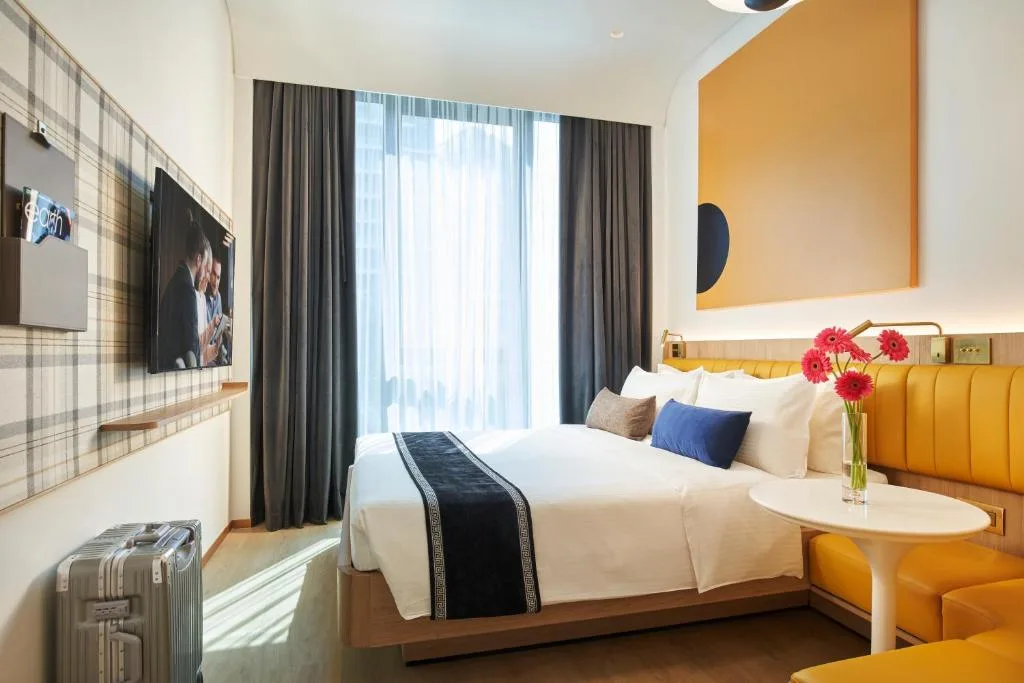
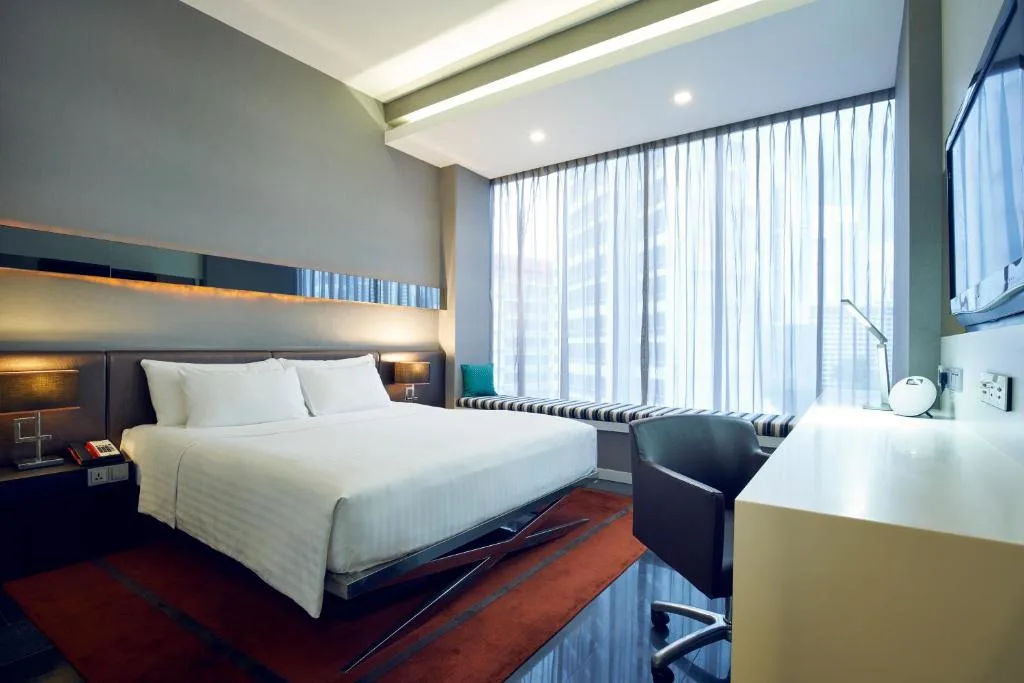
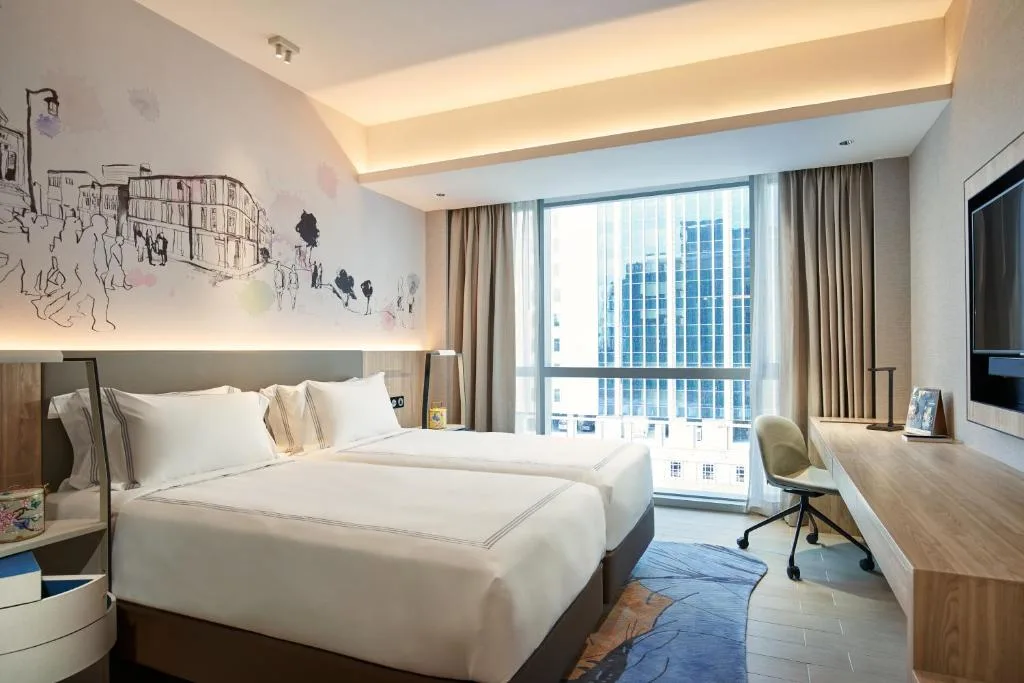
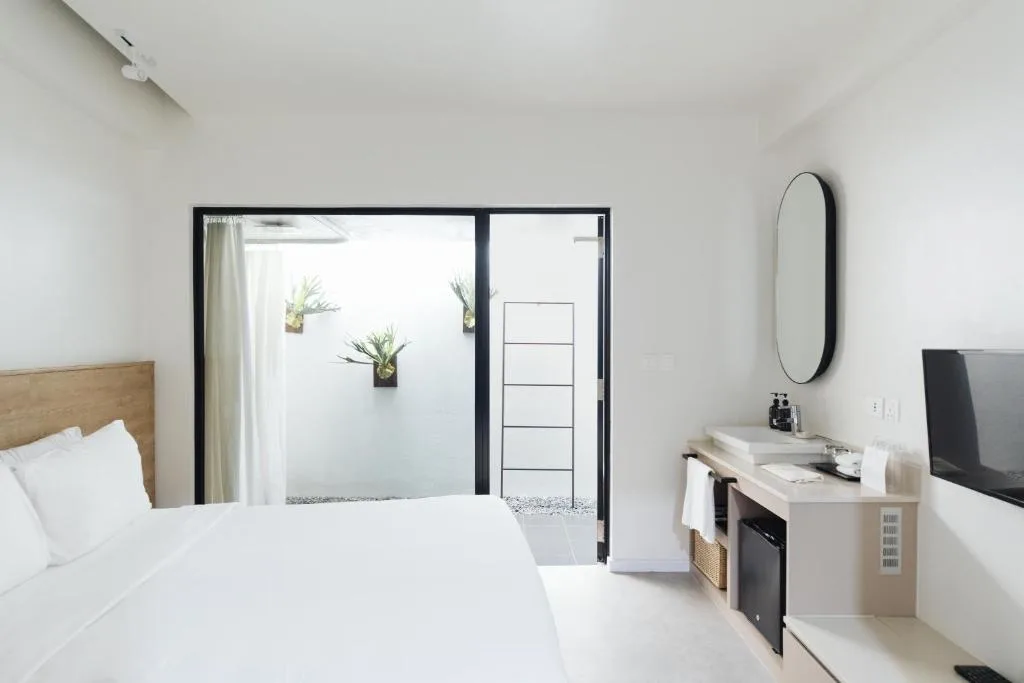
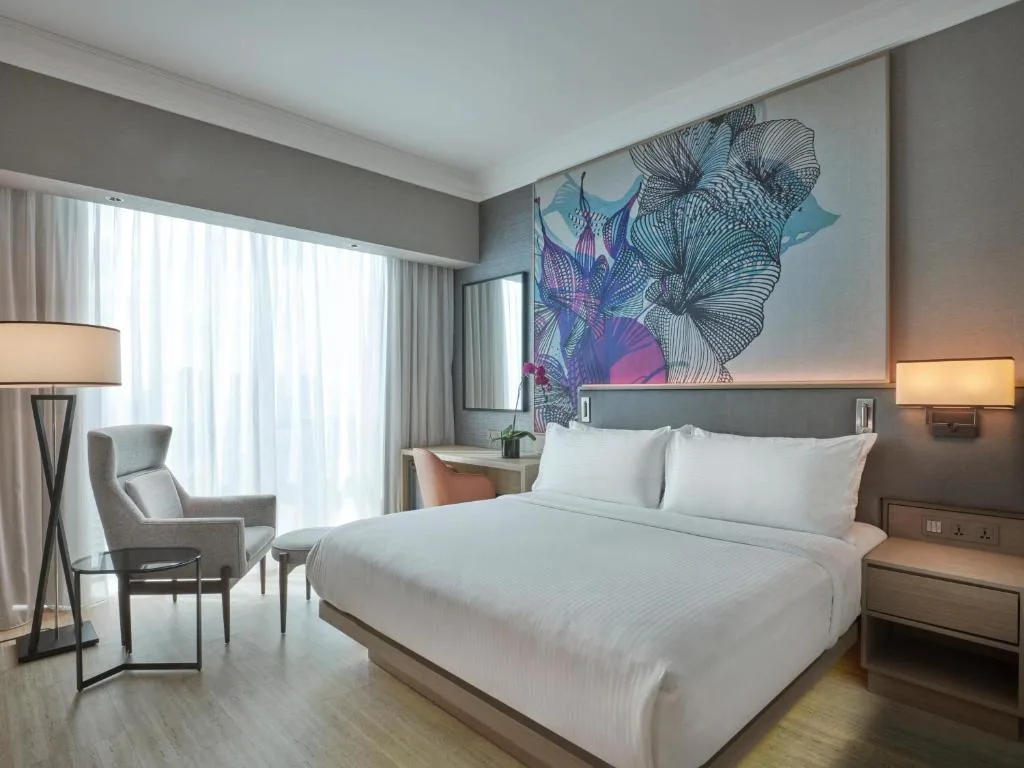
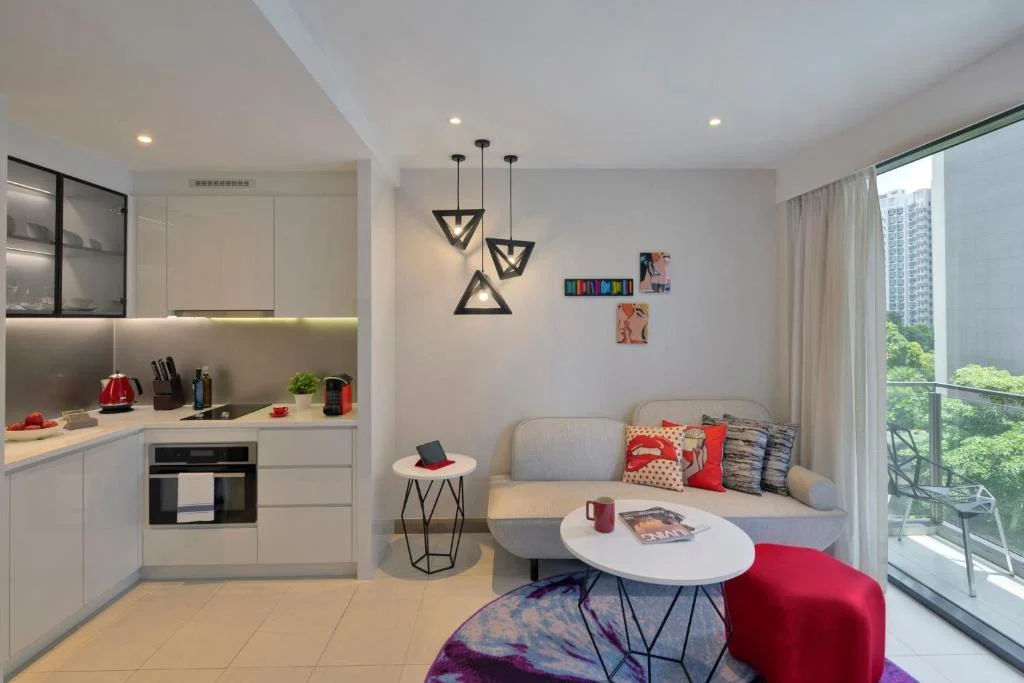
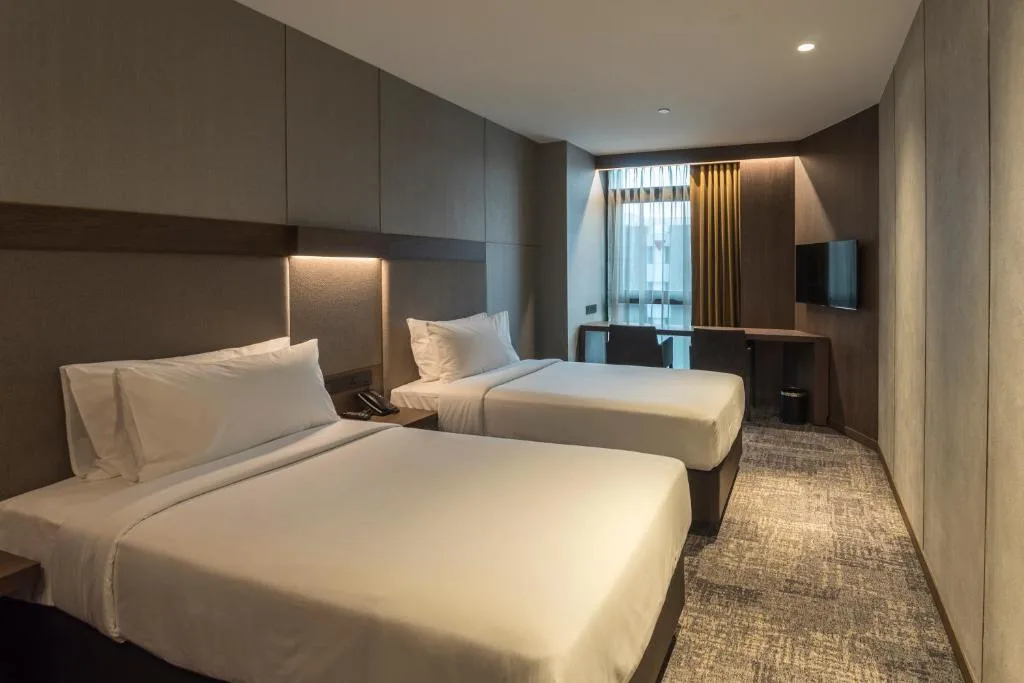
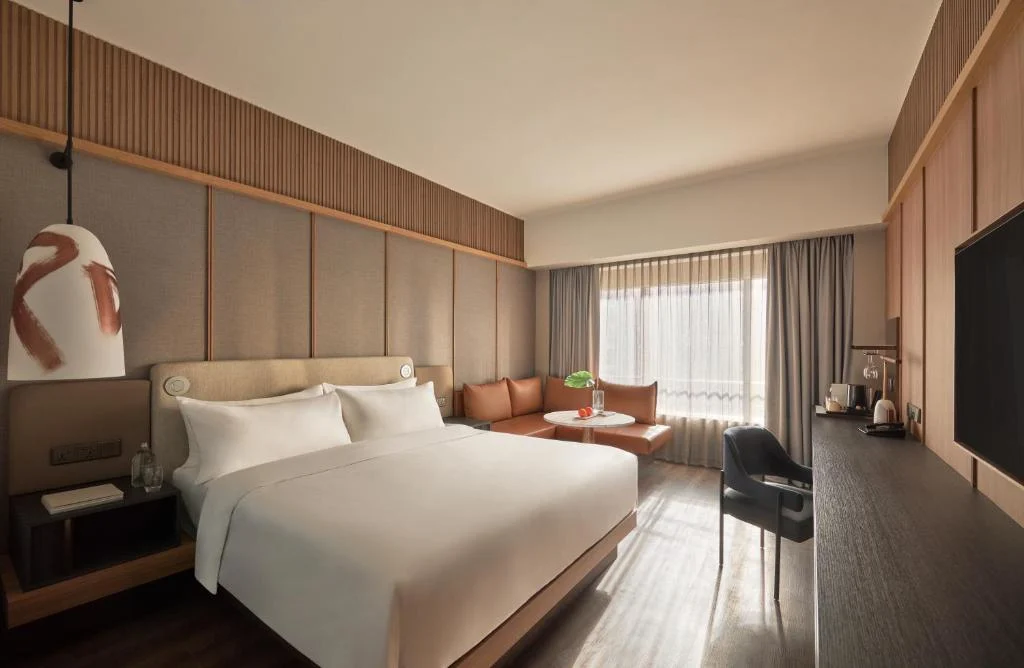
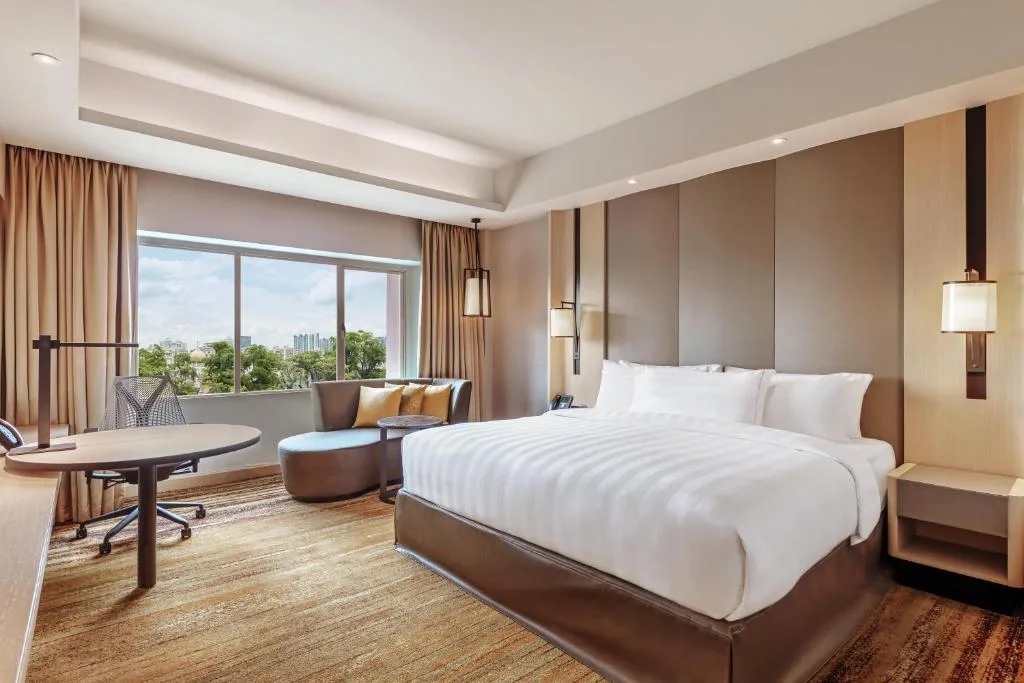
Find below our curated selection of boutique hotels and design apartments that offer exceptional value, atmosphere, and comfort during the off‑season — often at significantly lower rates than peak months.
Uncrowded Experiences & Tours
Skip the lines and experience iconic landmarks at your own pace. Discover curated local tours and cultural activities designed to show you the authentic side of the destination without the peak-season rush.
FAQs
Essential Trip Information
Visa and Entry Requirements
Singapore offers visa-free entry for many nationalities for stays up to 30 or 90 days.
Check official visa requirements and eligibility on Singapore’s Immigration & Checkpoints Authority (ICA) website: https://www.ica.gov.sg
Passport must be valid for at least 6 months beyond the date of entry.
Proof of onward travel, accommodation, and sufficient funds may be required.
Visitors must complete an SG Arrival Card online within 3 days before arrival (free of charge).
Currency
Singapore uses the Singapore Dollar (S$), but we’ll use US$ for reference.
US$1 ≈ S$1.35 (check current rates).
Best Ways to Handle Currency
Before Your Trip: Exchange a small amount; rates are better inside Singapore.
During Your Trip: Use ATMs at major banks (DBS, UOB, OCBC). Credit/debit cards widely accepted.
Avoid: Money changers at airports (high fees), and always pay in SGD, not converted USD (to avoid dynamic currency conversion).
Language
English is the main working language.
Other official languages: Mandarin, Malay, Tamil.
Helpful phrases: “Excuse me” / “Thank you” / “How much is this?” (English is widely understood).
Safety & Security
Very safe, even at night.
Low crime rate, but strict laws (e.g., no littering, chewing gum restrictions).
Emergency number: 999 (police), 995 (ambulance/fire).
Health & Insurance
No vaccinations required unless coming from yellow fever zones.
Tap water is safe to drink.
Pharmacies are common (Watsons, Guardian).
Travel insurance is advisable (healthcare is excellent but costly for foreigners).
Transportation
MRT: Clean, fast, air-conditioned. Runs 5:30 AM–midnight.
Buses: Extensive network; use same EZ-Link card as MRT.
Walking: Singapore is highly walkable and safe.
Taxis/Grab: Reliable but more expensive than public transit. Avoid during peak hours (higher fares).
Price Level
Singapore is generally moderate to expensive, especially in tourist areas.
Accommodation
Budget: Hostels, capsule hotels (US$25–60/night)
Mid-range: 3-star hotels (US$90–160/night)
Luxury: 4–5 star hotels (US$250+/night)
Food
Hawker centers: US$3–8 per meal
Casual restaurants: US$10–25/person
Fine dining: US$50+/person
Drinks
Beer: US$8–12 (bars), US$3–5 (supermarkets)
Cocktails: US$15–25
Transportation
MRT/buses: US$1–2.50/ride (EZ-Link card or Singapore Tourist Pass)
Taxis/Grab: US$10–25 for short rides
Bike rentals: US$4–10/hour
Money-Saving Tips
Eat like a local at hawker centers (Lau Pa Sat, Maxwell).
Use the efficient MRT system and avoid taxis.
Visit free attractions like Gardens by the Bay (outdoor areas) and Marina Bay waterfront.
Planning Your Trip
Local Customs And Etiquette
Cleanliness: Singapore is famously clean—no littering, spitting, or chewing gum in public (fines apply).
Tipping: Not expected; service charge (10%) is typically included.
Dress Code: Casual and breathable for the weather. Smart-casual for upscale dining or rooftop bars.
Dining Etiquette: Return your trays at hawker centers (enforced at some places).
Queueing: Singaporeans love orderly lines—always queue patiently.
Multicultural Sensitivity: Be respectful in temples/mosques (cover shoulders and knees, remove shoes).
Budgeting For Your Trip
Accommodation
- Budget: US$25–60 (capsules, hostels).
- Mid-range: US$120–200 (3–4 star hotels).
- Luxury: US$300–800+ (MBS, Raffles).
Food
- Hawker meals: US$3–6 (try Maxwell, Tiong Bahru, or Lau Pa Sat).
- Cafés/restaurants: US$15–40.
- Fine dining: US$100+ (Michelin-starred spots like Odette or Burnt Ends).
Transport
- Daily MRT cost: US$3–6.
- Grab rides: US$8–15 within city.
Attractions
- Gardens by the Bay: ~US$15–28.
- Zoo/Night Safari: ~US$30–40.
- Museums: US$10–20, many free on specific days.
Daily Budget:
Budget: US$70–100 (hostels, hawkers, MRT).
Mid-range: US$150–250 (hotels, restaurants, entry tickets).
Luxury: US$400+ (iconic stays, Michelin dining, private tours).
Internet & Mobile
Free Wi-Fi: Widely available at malls, MRT stations, and cafes.
SIM Cards
- Buy at Changi Airport or 7-Eleven.
Tourist SIM: ~US$15–25 for 100GB (valid 7–12 days; includes calls).
eSIMs: Compatible with providers like Airalo or Singtel.
Accomodation Options
Singapore offers a wide spectrum—from stylish capsules to world-class luxury skyscrapers.
Luxury
- Iconic: Marina Bay Sands, Raffles Hotel (colonial charm with top service).
- Nature-inspired: Capella Singapore on Sentosa Island.
Mid-range
- Boutique hotels: Hotel G, Naumi, The Warehouse Hotel (converted heritage building).
- Chains: Holiday Inn Express, Mercure Bugis – central and reliable.
Budget
- Capsule hotels: Wink Hostel, The Pod – clean, tech-savvy, US$25–50/night.
- Hostels: Beary Best! Chinatown, Spacepod@Lavender – great for backpackers.
Unique Stays
- Colonial black-and-white houses (available on Airbnb).
- Nature resorts: Siloso Beach Resort (eco-friendly, on Sentosa).
Tip: Book early if traveling during F1 Grand Prix (September) or public holidays.
Travel Insurance
Recommended for: Medical emergencies (private care is excellent but costly), lost belongings, and weather delays.
Coverage Tip: Ensure it includes tropical illnesses, electronics, and activities like ziplining or cycling on Pulau Ubin.
Healthcare: Public clinics are affordable, but private hospitals can exceed US$300/visit without coverage.
Getting Around
Singapore’s public transport is one of the best in the world—efficient, safe, and air-conditioned.
MRT (Mass Rapid Transit)
- Clean, frequent, and affordable (US$0.90–2.00/trip).
- Buy an EZ-Link card (US$10 minimum load) or Singapore Tourist Pass (US$12/day for unlimited rides).
Buses
- Extensive coverage and air-conditioned. Tap in/out with the same card as MRT.
- Apps like SG BusLeh show live arrivals.
Taxis & Ride-Hailing
- Taxis: Metered but higher fare at peak times (~US$8–15 for city trips).
- Grab or Gojek: Reliable alternatives with fare estimates and app-based bookings.
Walking
- Safe and pleasant in areas like Marina Bay or Chinatown; just carry an umbrella for surprise rain showers.
Bikes & E-scooters
- Available via apps like Anywheel, but not ideal during mid-day heat.
Bold Recommendation: Use MRT + Grab for fast, seamless travel across the city.