 Skip to content






- Is Malaysia A Year-Round Destination Or Does It Have A Real Off-Season?
Yes, it is technically year-round warm, but it has two very distinct "monsoon sides" that create a smart traveller's off-season. The east coast (Perhentian, Redang, Tioman islands) shuts down from November to February due to heavy rains and rough seas. However, the west coast (Langkawi, Penang, Pangkor) enjoys sunny skies during those exact months. You can "Exploit Travel Seasonality" by simply hopping across the peninsula.
The catch is that somewhere is always raining. If you book blindly, you might land in a monsoon zone. But the upside is massive: hotels on the "rainy side" drop prices by 60-80%, and you can enjoy empty temples and street food stalls without queues.
- Can I Still Visit The Perhentian Islands During The Low Season?
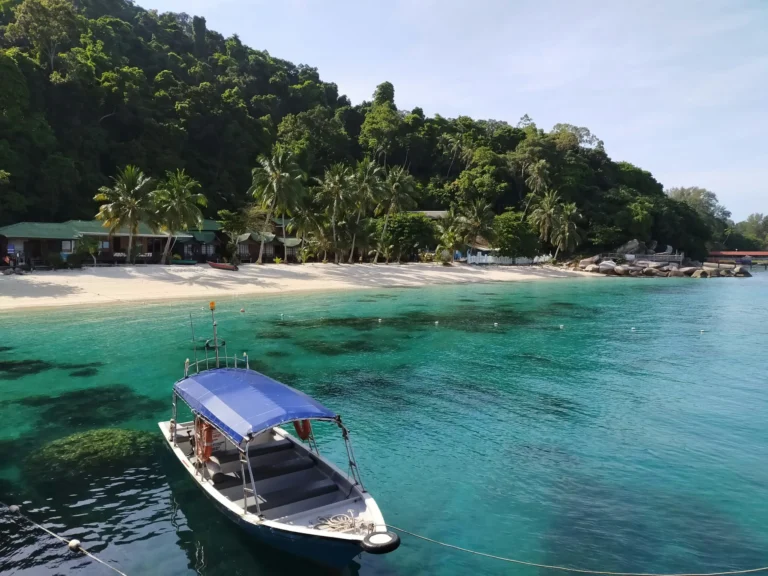
No, and you genuinely should not try. From November to February, the east coast islands face such violent storms that most boat services completely stop running, and resorts board up their windows. Even if you found a rogue operator, the jellyfish blooms and rip currents make swimming dangerous. Respect the ocean here—the locals do.
The good news is the alternative. When the east coast sleeps, the west coast and Borneo shine. Head to Langkawi for beaches without a single jet ski in sight, or fly to Sabah in Malaysian Borneo, where the dry season peaks exactly when the peninsula is wet. You get all the tropical paradise vibes with none of the risk.
- Does Kuala Lumpur Feel Empty And Boring During The Rainy Months?
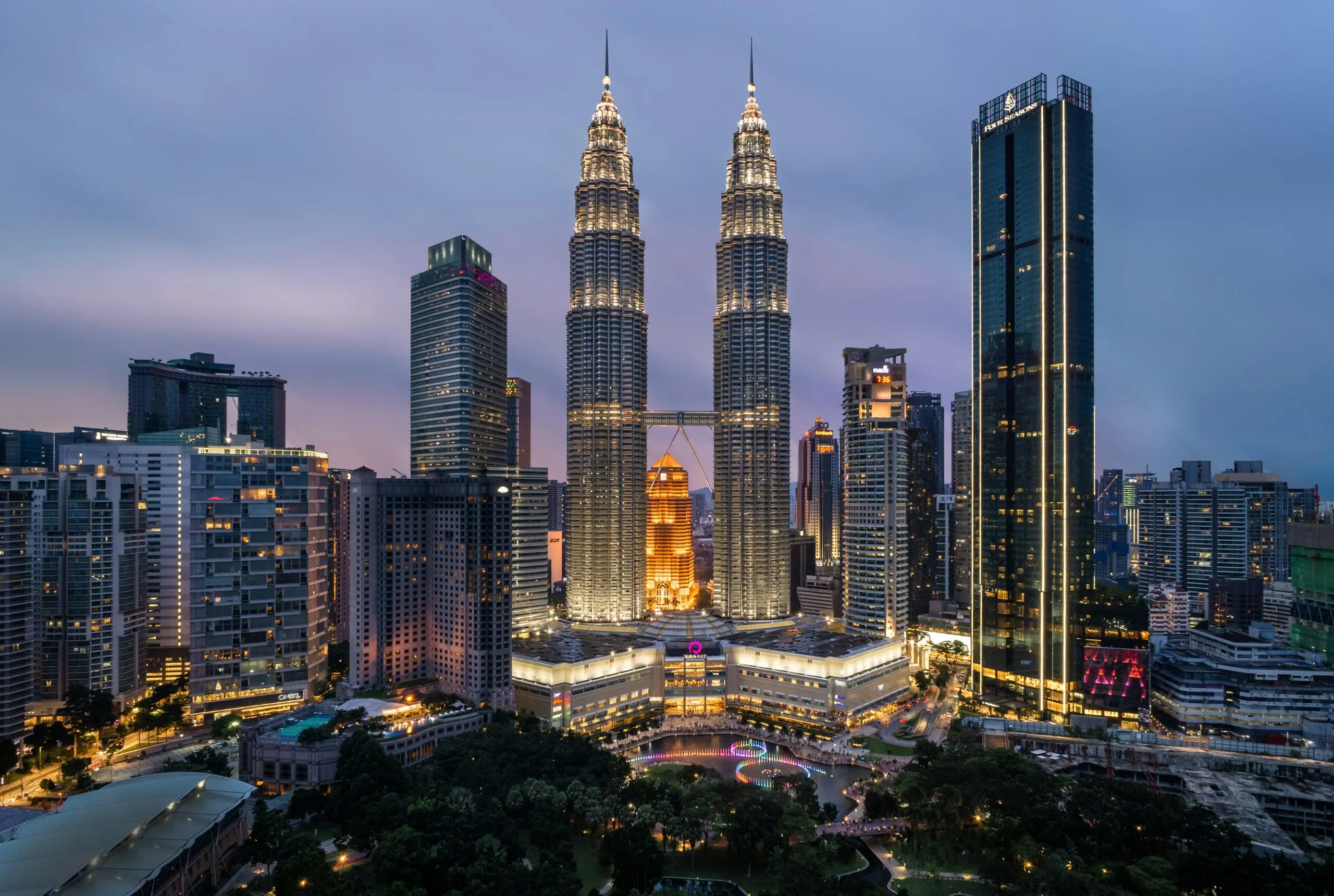
Not at all—Kuala Lumpur actually becomes more magical when it rains. The city has an extensive network of covered walkways, elevated skybridges, and massive indoor malls like Pavilion and Suria KLCC, so you can explore for days without getting wet. The rain also clears the infamous haze, giving you postcard-perfect views of the Petronas Towers from the KL Tower.
The trade-off is outdoor sightseeing. You might have to delay visits to the Batu Caves or the KL Bird Park if an afternoon downpour hits. But here is the Volomundi secret: rain in the tropics usually lasts just 60-90 minutes. Duck into a kopitiam (coffee shop) for a hot teh tarik (pulled tea) and some roti canai, and by the time you finish, the sun is back.
- Will I Really Save Money Traveling To Malaysia During Rainy Season?
Yes, absolutely. You can expect to save between 30% and 70% on accommodation and flights. Hotels drop their rates drastically during the low season to attract travelers. It is common to find 5-star city hotels at a 50% discount and local guesthouses for even less compared to the December holiday prices .
The value extends beyond just hotels. Tours are often negotiable, and you will find that internal flights become incredibly cheap. The money you save on logistics allows you to "Travel Smarter" and splurge on amazing fine dining or spa treatments that would typically break the bank.
- How Bad Are The Crowds If I Visit During The Shoulder Seasons?
The crowds are significantly lighter, usually 30% to 50% less than peak season. If you visit in March/early April or September/October, you hit the "sweet spot." The school holidays are over, and you will share iconic spots like the Batu Caves or the Cameron Highlands tea plantations with only a handful of other tourists instead of hundreds .
You get that "authentic" experience Volomundi loves. Instead of queuing for selfies, you can actually talk to local vendors at the night markets and find a seat at the best street food stalls without waiting. However, note that some tour operators might run reduced schedules, so you lose a tiny bit of convenience for massive gains in peace and quiet.
- Is Public Transportation Affected During The Off-Season?
No, public transport like trains, buses, and flights runs perfectly year-round. The monsoon does not stop the KLIA Ekspres, the modern MRT system in Kuala Lumpur, or the long-distance coaches traveling down the North-South Expressway . You can move between states like Penang, Melaka, and KL with zero weather-related disruption.
The only hiccup involves ferries to the islands. As mentioned, ferry schedules to the East Coast stop entirely during the deep off-season (Nov-Feb), and services to Langkawi can be choppy . For a seamless journey, stick to the mainland or fly.

Home > Exploit The Seasons > Seasonal World Map > Asia > Malaysia
MALAYSIA
Forget choosing between scorching sun and monsoon floods. Malaysia’s tropical rhythm offers a hidden sweet spot where you can explore rainforests, islands, and highlands with fewer crowds and surprising comfort.
Smart Travel Calendar
Why Choose Malaysia Off-Season?
Skip the crowds at the Petronas Towers. Enjoy iconic spots without the endless queues and selfie stick battles.
Snag island resorts for half the price. Langkawi and Perhentian rates drop dramatically when the rains arrive.
Experience authentic local life. Join a Ramadan bazaar or a monsoon village festival without tourists around.
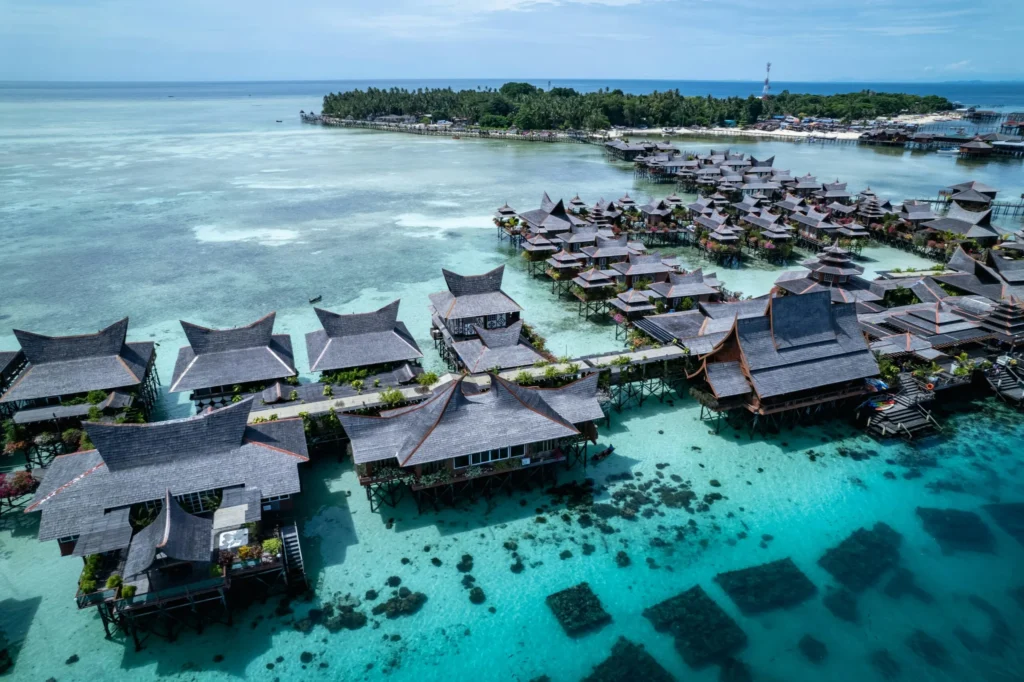
Hike through misty, empty highlands. Cameron Valley feels like your private tea plantation during off-peak months.
Photograph lightning shows over the straits. The east coast storms create dramatic, unforgettable skies.
Enjoy cooler temperatures up north. Penang and Langkawi stay pleasant while Kuala Lumpur gets its daily shower.
Shoulder Season
Your Smartest Windows
March to April
October to November
Avoid: Malaysian school holidays (mid-March to early April, late May to mid-June, and November-December) + Chinese New Year (January/February) – these spike domestic travel and resort prices.
What the Sky Does
Typical weather: West coast: 27-32°C (81-90°F); East coast: 28-33°C (82-91°F) but start of monsoon season
March-April: Afternoon showers (1-2 hours), high humidity, sunny mornings
October-November: Transition months – east coast gets more rain, west coast sees clearer skies
Best for Langkawi & Penang: October-November offers calm seas and less humidity than summer
How Empty It Feels
30-40% fewer tourists vs the December-January peak season
Major sites (KLCC, Batu Caves): Moderate lines, 10-15 minute waits only
Perhentian & Redang islands: Resorts start closing in November, but September is quiet bliss
Cameron Highlands: You’ll find parking easily and get tea house tables without reservation
What You’ll Save
25-35% on flights from international hubs like Singapore, London, or Sydney
Hotels: 30-50% off – luxury resorts in Langkawi from $80/night instead of $160
Car rental: 20% cheaper, especially in Penang and Borneo
Boat transfers to islands: Some operators offer 2-for-1 deals in early November
The Secret Perk
Rainforest music & art festivals – The Borneo Jazz Festival (May) and George Town Festival (August) happen on shoulder edges
Waterfalls at full flow – The rains make jungle waterfalls like Telaga Tujuh (Langkawi) thunderously beautiful
Durian season (June-August edge) – The “king of fruits” is cheap, fresh, and everywhere in Penang
Dramatic sunset light – Clouds create perfect golden-hour conditions over the Straits of Malacca
Local hawker centers without the wait – Chat with noodle vendors in Penang when they’re not rush-hour frantic
The Tiny Trade-Off
East coast island closures – Some Perhentian and Redang resorts shut from late October to February
Afternoon downpours – You’ll need a flexible itinerary and always carry an umbrella
Reduced ferry schedules – Fewer daily boats to islands like Tioman and Perhentian
Higher humidity than peak season – Expect 80-90% humidity, especially in KL and the south
Smart Traveler Tip
Target late September to early October for the best balance – west coast islands are still dry, crowds are gone, and prices haven’t rebounded
Start your days early (by 8am) to beat both the heat and the daily 2pm showers
Avoid the last two weeks of November if you want east coast beaches – that’s when the northeast monsoon truly hits
Deep Off-Season
Your Smartest Windows
May to June (after school holidays end, before summer peak)
September (post-summer, pre-monsoon quiet)
Avoid: Chinese New Year week (January/February) and the December school holidays (entire month) – prices triple in Langkawi and KL.
What the Sky Does
Typical weather: 26-33°C (79-91°F) year-round, but heavy monsoon on east coast from November-February
May-June: West coast dry, east coast starts getting wind, central Malaysia (KL) has intense sun and brief storms
September: East coast still accessible early in month, west coast perfect, Borneo sees less rain than October
Humidity peaks between 85-95% – feels like walking through warm soup
How Empty It Feels
50-60% fewer tourists vs peak December season
Historic sites (Malacca, George Town): Streets feel almost local-only, no tour groups
National Museum & Islamic Arts Museum (KL): Often you’ll have entire galleries to yourself
Cameron Highlands & Fraser’s Hill: Small towns feel sleepy, like they’ve been returned to the tea pickers
What You’ll Save
40-60% vs peak season – Especially on east coast beachfront bungalows (when open)
Flights from within Asia: Kuala Lumpur to Langkawi from $15 one-way (normally $40)
Hotels: 4-star in KL for $30-40/night; luxury resorts in Borneo for under $100
Car rental: Weekly deals from $100 (normally $180), especially in Sarawak and Sabah
The Secret Perk
Cozy highlands retreats – Snuggle up in a Cameron Valley cottage with a book and steaming teh tarik while rain drums on tin roof
Monsoon photography – The east coast storms create dramatic black skies, lightning, and deserted beaches
Harvest season in Borneo – Join a rice harvest in a longhouse community (June-July) without the tourist buses
Spa deals in Langkawi – Resorts slash spa package prices by 50% just to get guests on property
Genuine local chat – You’ll be the only foreigner at the mamak stall, and the owner will actually have time to talk
The Tiny Trade-Off
East coast beaches are largely off-limits (November-February) – Rough seas mean no swimming, many resorts closed
Nightlife in beach towns dies – When resorts close, so do the beach bars and fire shows
Some island restaurants shut entirely – On Perhentian Kecil in January, you may have only one or two eateries open
Daylight is still 12 hours (7am-7pm), but rain can eat up entire afternoons
Smart Traveler Tip
For dry-ish deep off-season, go west: Langkawi, Penang, Pangkor, and Malacca are your safe bets from May to September
January is the quietest month nationwide – But avoid the east coast entirely; fly instead to Kuching (Borneo) for dry season
Pack like a pro: Lightweight quick-dry clothes, waterproof phone pouch, compact umbrella, and water-resistant sandals
For mildest deep-off conditions: Target September – west coast is perfect, east coast is still open early in the month, and Borneo is dry
Find Off-Peak Flights
Top Off‑Season Stays
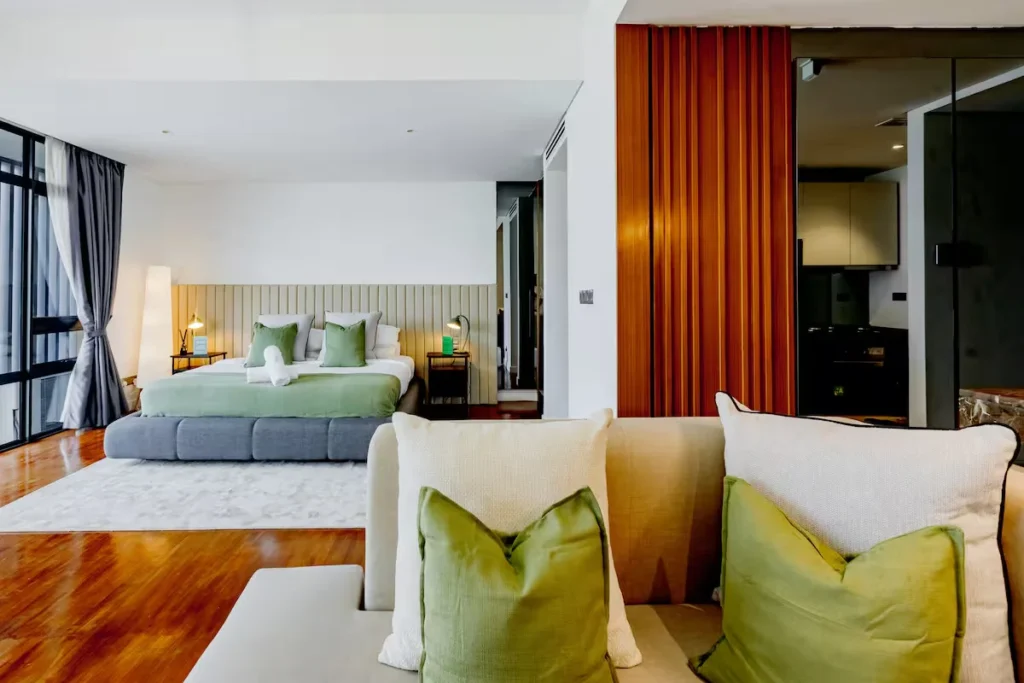
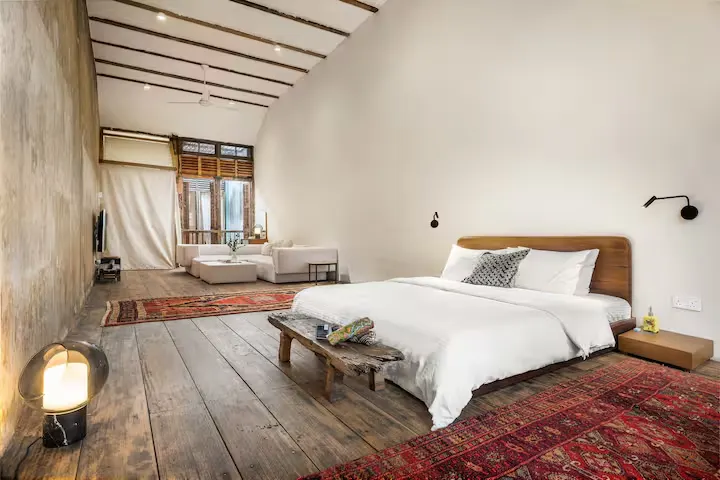
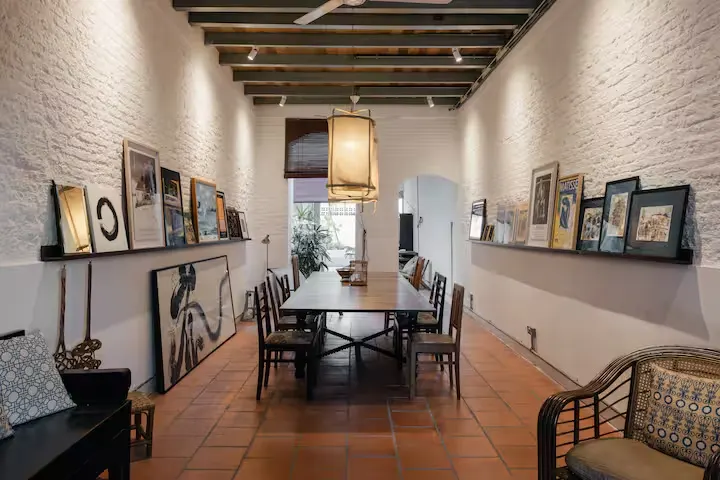
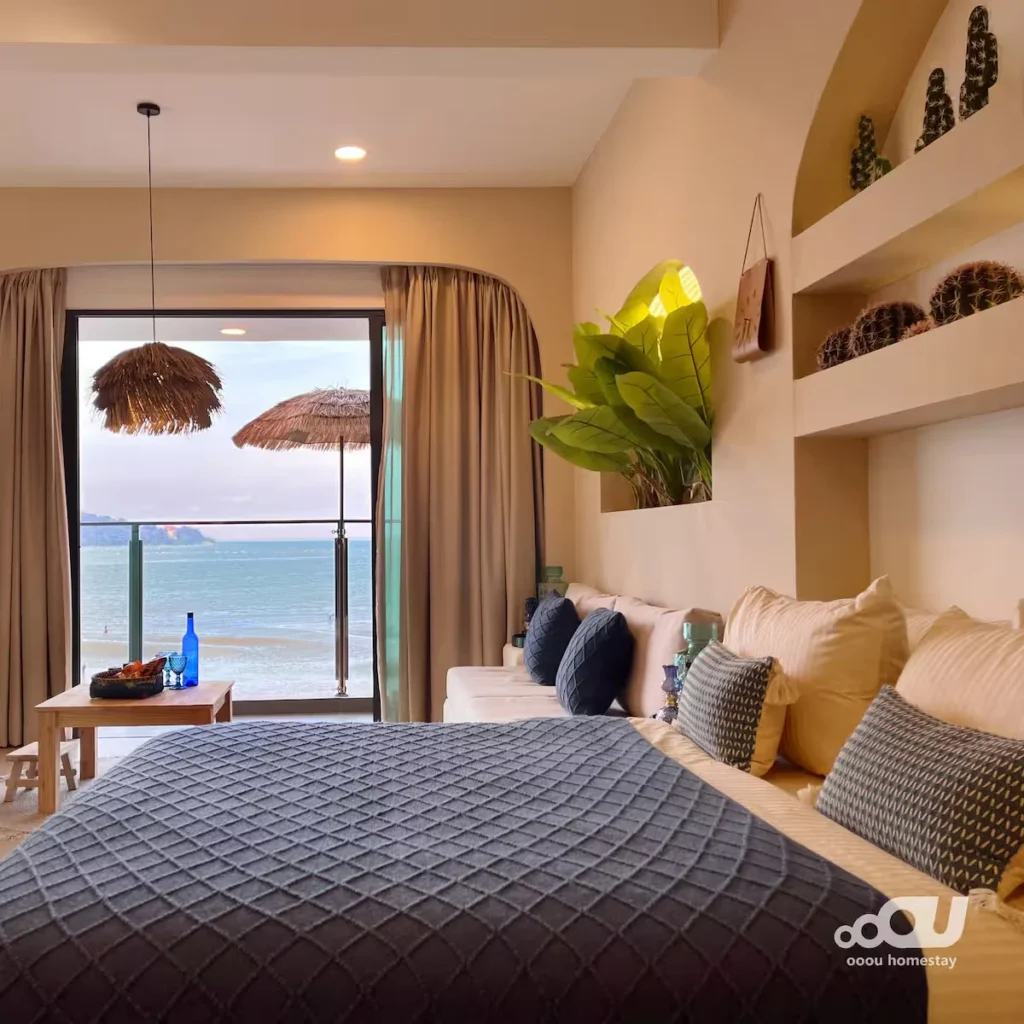
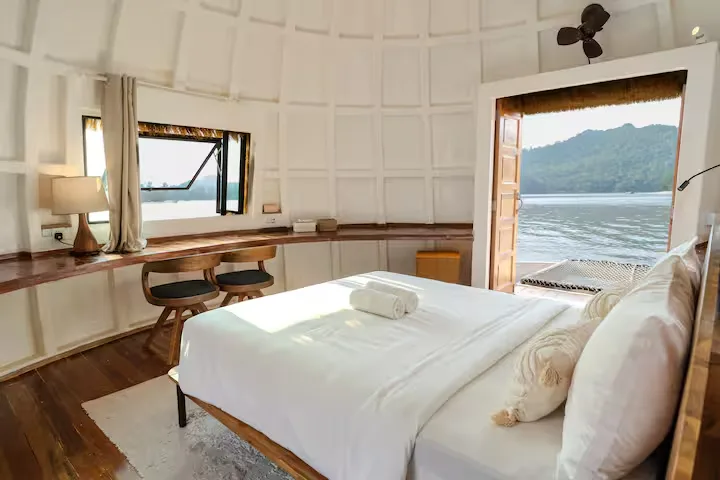
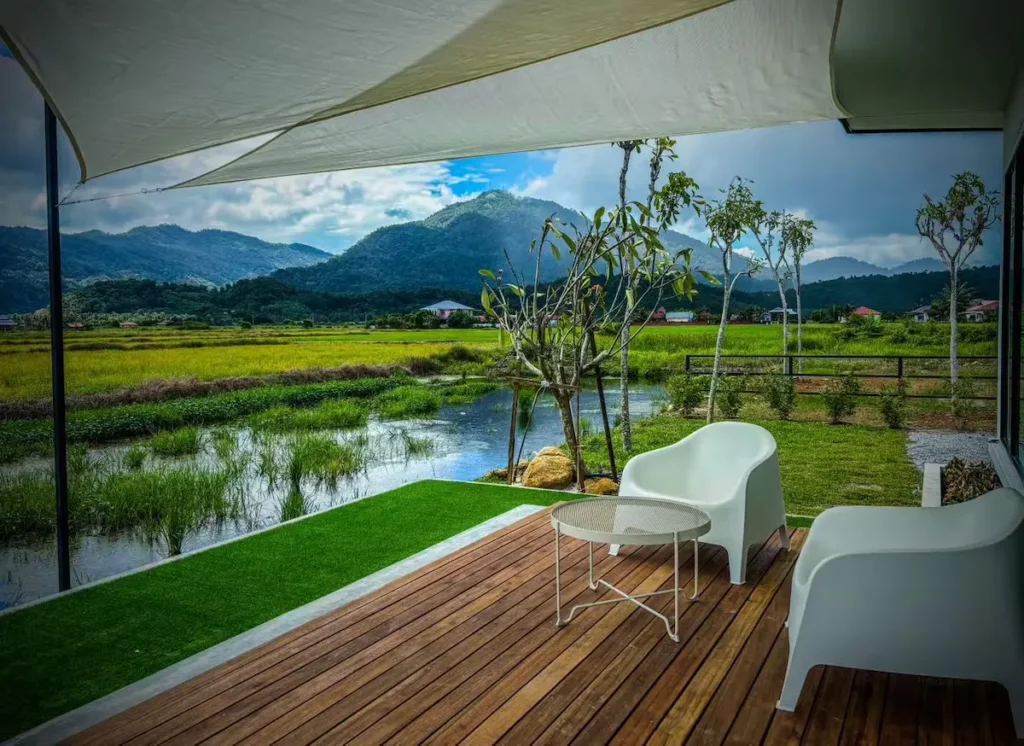
Find below our curated selection of boutique hotels and design apartments that offer exceptional value, atmosphere, and comfort during the off‑season — often at significantly lower rates than peak months.
Uncrowded Experiences & Tours
Skip the lines and experience iconic landmarks at your own pace. Discover curated local tours and cultural activities designed to show you the authentic side of the destination without the peak-season rush.
FAQs
Essential Trip Information
Visa and Entry Requirements
Malaysia offers visa-free entry for many nationalities for stays of 14–90 days, depending on your passport.
Visitors must hold a passport valid for at least six months beyond the intended stay.
Proof of onward travel, accommodation bookings, and sufficient funds may be requested at immigration.
To check your specific visa requirements, refer to the official Malaysian Immigration website.
eVisa or eNTRI may be available for citizens of countries not eligible for visa-free entry.
Currency
Malaysia uses the Malaysian Ringgit (MYR). Coins: 5–50 sen. Notes: RM1–100.
US$1 ≈ RM4.70 (approximate – check latest rates before travel).
Best Ways to Handle Currency
Before Your Trip: Exchange a small amount for arrival; better rates are available in Malaysia.
During Your Trip: Use ATMs at major banks (Maybank, CIMB). Credit cards (Visa, Mastercard) are accepted in cities but carry US$20–50 worth of local cash for street markets, taxis, or small towns.
What to Avoid: Hotel currency exchange (lower rates), and always opt to pay in MYR instead of USD to avoid hidden conversion fees.
Language
Malay (Bahasa Malaysia) is the official language.
English is widely spoken, especially in cities and tourist areas.
Helpful phrases: “Terima kasih” (Thank you), “Berapa harga?” (How much?), “Tandas di mana?” (Where is the toilet?)
Safety & Security
Malaysia is generally safe, but watch out for petty theft in crowded places like markets or public transport.
Avoid isolated areas at night and keep valuables close in urban centers.
Emergency numbers: Police – 999; Ambulance/Fire – 999
Health & Insurance
No mandatory vaccinations, but Hepatitis A, Typhoid, and Tetanus boosters are recommended.
Tap water is not always safe to drink – use bottled or filtered water.
Pharmacies are common in cities (Watsons, Guardian).
Travel insurance is strongly recommended to cover healthcare needs.
Transportation
Kuala Lumpur has a good metro system (LRT/MRT).
Intercity buses and trains (e.g., KTM, ETS) connect major towns affordably.
Domestic flights (AirAsia, Malaysia Airlines) are convenient for long distances like KL to Borneo.
Grab is the most efficient way to get around urban areas.
Roads are in good condition; renting a car is an option for rural exploration.
Price Level
Malaysia is affordable for most travelers, especially compared to neighboring Singapore.
Accommodation
Budget: Hostels/guesthouses (US$10–30/night)
Mid-range: 3-star hotels (US$40–80/night)
Luxury: 4-5 star hotels and resorts (US$100+/night)
Food
Street food & hawker centers: US$1–3/meal
Casual restaurants: US$5–10/person
Upscale dining: US$20+/person
Drinks
Beer: US$2–4 (local bars), US$1–2 (supermarkets)
Cocktails: US$6–10
(Note: Alcohol is heavily taxed and not widely available in some regions)
Transportation
Metro/Light Rail (Kuala Lumpur): US$0.50–1.50/ride
Taxis/Grab (ride-hailing app): US$2–10 for most trips
Buses: Intercity buses are affordable (e.g., US$5–15 for 3–5 hour journeys)
Money-Saving Tips
Eat at hawker stalls or food courts – local food is cheap and delicious.
Use the Grab app for affordable, hassle-free transport.
Travel via long-distance buses instead of domestic flights when possible.
Many cultural attractions and temples are free to visit.
Planning Your Trip
Local Customs And Etiquette
Greetings: A smile and slight bow are appreciated. Avoid firm handshakes with elders or across genders unless offered first.
Dress modestly in rural or religious areas (cover shoulders/knees).
Shoes off before entering homes and many traditional accommodations.
Tipping: Not mandatory, but rounding up or 10% is appreciated at restaurants.
Cultural sensitivity: Malaysia is multi-ethnic—respect religious sites (mosques, temples), and avoid political commentary.
Public behavior: Avoid public displays of affection in conservative regions.
Budgeting For Your Trip
Accommodation:
- Hostels: US$15–25
- Mid-range hotels: US$40–80
- Luxury: US$150+
Food:
- Hawker stalls: US$2–5
- Local restaurants: US$6–15
- Fine dining: US$30–60
Transport:
- Metro or buses: US$1–3/day
- Grab rides: US$2–5 per trip
- Domestic flights: US$20–50
Activities:
- Many temples, museums, and hikes are free.
- Island tours or canopy walks: US$20–50
Daily Budget:
Budget: US$40–60 (hostels, local eats, public transport)
Mid-range: US$80–150 (hotels, occasional Grab rides, guided activities)
Luxury: US$250+ (high-end resorts, private tours, spa days)
Internet & Mobile
Free Wi-Fi: Common in hotels, cafes, and malls.
SIM Cards:
- Buy at airport kiosks or 7-Eleven (e.g., Hotlink, Digi, Celcom).
- Prepaid plans: US$7–15 for 10–20GB.
eSIMs:
- Supported by providers like Airalo or Yes 5G.
- 5G available in major cities.
Travel Insurance
Recommended for:
- Medical emergencies, especially if heading into Borneo or doing jungle treks.
- Trip delays due to monsoons or flight cancellations.
Healthcare:
- Good quality in cities, affordable but private clinics are best for travelers.
Adventure Activities:
- If doing diving, canopy walks, or island-hopping, confirm your plan covers them.
Accomodation Options
Malaysia offers excellent value for money across all price ranges.
Hotels:
- Luxury: The St. Regis Kuala Lumpur, The Datai Langkawi (lush rainforest retreat).
- Mid-range: Traders Hotel KL (with Petronas view), The Prestige (Penang).
- Budget: Tune Hotels, Ibis Styles—clean, central, and affordable.
Hostels:
- Highly-rated hostels in KL and Penang (e.g., BackHome KL, House of Journey).
Guesthouses:
- Traditional homes in Melaka and Kota Bharu, often family-run.
Airbnb:
- Widely available, especially in KL condos with pools and skyline views.
Eco-Lodges:
- Borneo and the Highlands offer rustic rainforest stays.
Tip: Stay close to MRT/LRT stations in KL to save on time and transport.
Getting Around
Malaysia’s transport network is efficient and inexpensive.
Domestic Flights:
- AirAsia and Malaysia Airlines offer frequent, low-cost flights between major cities and islands.
Train:
- KTM trains connect cities like KL, Ipoh, Penang, and Johor Bahru. ETS (Electric Train Service) is fast and comfortable.
Metro/Light Rail (in Kuala Lumpur):
- LRT/MRT/Monorail lines cover most urban areas.
- Use Touch ‘n Go card (~US$2 to start, reloadable).
Buses:
- Long-distance buses (e.g., Aeroline, KKKL) connect all major cities. Comfortable and affordable.
- Local buses in cities are hit-or-miss—better to use Grab.
Ride-hailing:
- Grab is the most reliable way to get around in cities—cheap and safe.
Taxis:
- Can be tricky—insist on the meter or opt for Grab.
Car Rental:
- Good for rural areas like the Cameron Highlands or Taman Negara, but traffic in KL is challenging.
Walking:
- Great for pedestrian-friendly areas like George Town (Penang) or Melaka’s old town.