 Skip to content
- Why Should I Visit Seychelles During The Northwest Trade Winds (December To March)?
Because this is when savvy travelers learn to "Exploit Travel Seasonality" for incredible beach solitude. While these months bring higher humidity and afternoon tropical showers, tourist numbers drop by 40-60% compared to the peak dry season (May to October). The drawdown is real: the sea can be choppier on some beaches, limiting swimming on exposed coastlines, and the air feels noticeably heavier.
However, this is when you unlock discounts of 30-50% off luxury resorts and private villas that cost a fortune in peak season. The rain usually arrives in short, dramatic bursts followed by brilliant sunshine, creating the most vibrant greenery and flowering plants you will ever see. Plus, the northwest winds make the eastern coasts perfectly calm for swimming while everyone else crowds the west.
- Will I Experience Bad Weather If I Go During The Humid Season?
No, but you will experience a different rhythm of paradise. The so-called "rainy season" from December to March typically delivers just 1-3 hours of rain per day, usually in the morning or overnight, leaving long sunny stretches for beach time and hiking. The drawdown is that humidity sits around 75-85%, which feels sticky compared to the cooler dry season, and the ocean can be rougher on popular western beaches like Beau Vallon.
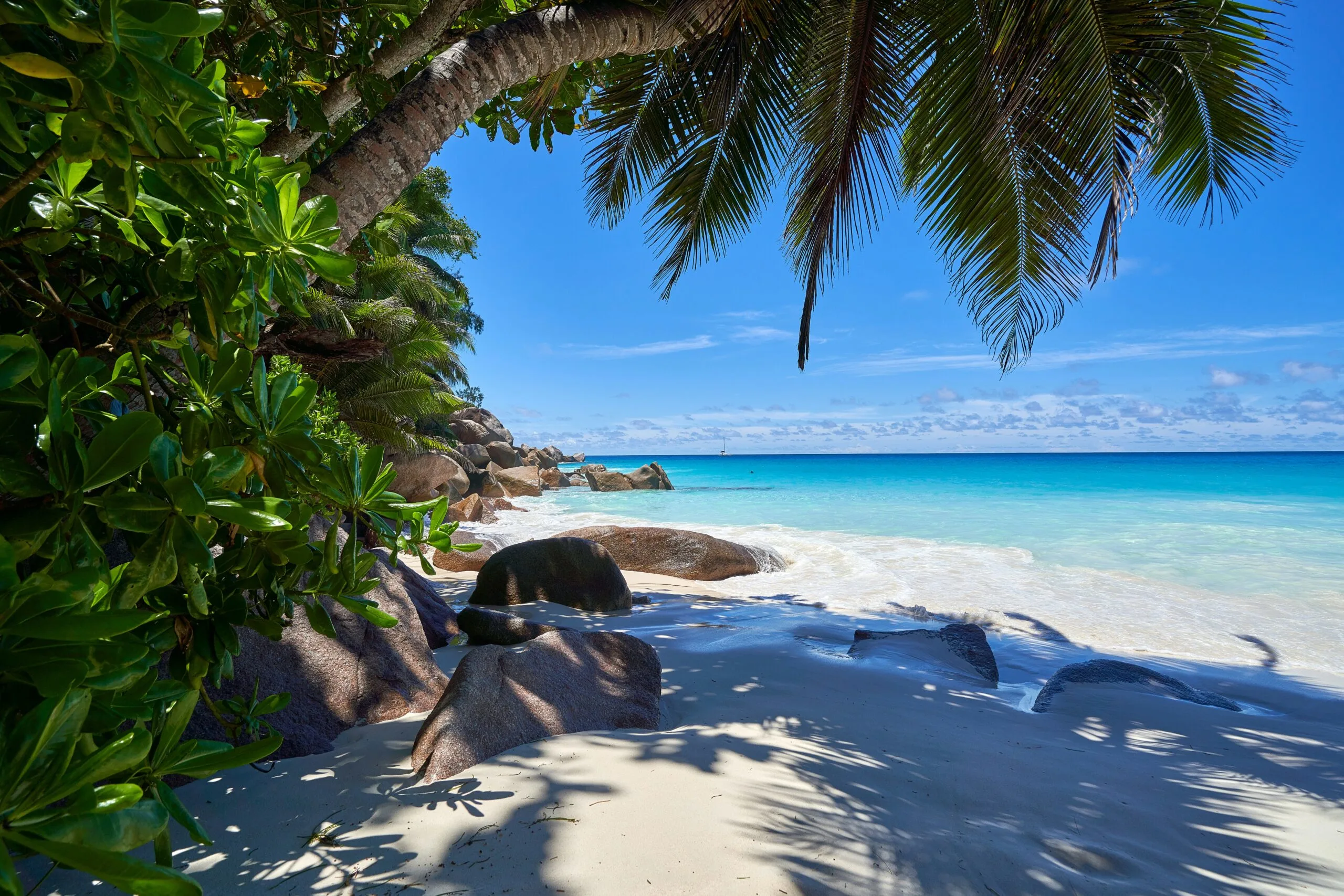
But here is the secret: you can simply walk to the other side of any island. Seychelles' granitic islands are small enough that when one coast has waves, the opposite coast is glassy calm. The rain also means Anse Source d'Argent (the famous photo beach) has nearly 70% fewer tourists splashing in its shallow waters. Pack a lightweight rain jacket and embrace the warm tropical showers as part of the authentic experience.
- Are Flights And Accommodation Really Cheaper Off-Season In Seychelles?
Yes, dramatically so. You can find flight discounts of 20-35% on international carriers connecting through hubs like Doha, Dubai, or Addis Ababa during the low season months (November and April to May). Resorts, guesthouses, and private island properties slash rates by 30-60%, often including free meal upgrades or spa credits to fill rooms that would otherwise sit empty. The drawdown is that some smaller boat transfer services (like to La Digue) operate on reduced schedules.
However, this discount means you can afford a room with an ocean view that would be out of reach during peak season, or extend your trip from five nights to ten for the same budget. The only real loss is that a few luxury properties close completely for annual maintenance during April or November, so always check before booking.
- Is Snorkeling And Diving Worse During Seychelles Rainy Season?
No, it can actually be better for experienced divers. While the northwest trade winds (December to March) stir up plankton, which slightly reduces visibility from the crystal-clear 30-40 meters of the dry season down to 15-25 meters, this plankton attracts larger marine life including whale sharks and manta rays. The drawdown is that some exposed dive sites on western coasts can have choppy surface conditions, limiting access for beginner divers or those prone to seasickness.
But for marine life enthusiasts, the low season is superior. December to March is the peak time to swim with whale sharks (the world's largest fish) as they follow the plankton blooms around Mahe and Praslin. Diving operators offer discounts of 20-30% on certification courses and dive packages, and you will rarely share a reef with more than two or three other divers.
- Are The Famous Beaches Too Crowded To Enjoy Off-Season?
No, that is precisely the point of traveling off-season. During peak dry season (May to October), Anse Lazio on Praslin or Anse Georgette can feel like a public swimming pool with 200-300 tourists sharing a single stretch of sand. During the low season (December to March or April to May), those same beaches see 70-90% fewer visitors, meaning you might share Anse Source d'Argent with just five other couples instead of fifty. The drawdown is that you might need to check wave conditions before choosing which beach to visit each day.
Here is the pro tip: download a wind forecast app and simply choose the beach on the sheltered side of the island. The off-season flexibility means you can spontaneously decide each morning where to go based on weather, rather than fighting for a patch of sand. With accommodation savings of 40-60%, you can afford to island-hop more frequently to chase perfect conditions.

Home > Exploit The Seasons > Seasonal World Map > Africa > Seychelles
SEYCHELLES
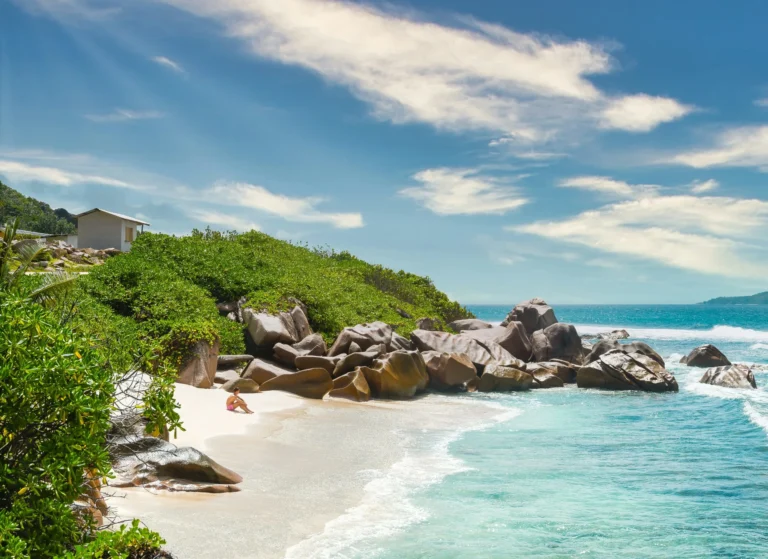
Seychelles offers two shades of paradise: the dry, trade-wind blown season and the lush, calm monsoon months. This guide reveals the secret transition windows where you can have turquoise waters, lower prices, and those iconic granite boulders almost to yourself.
Smart Travel Calendar
Why Choose Seychelles Off-Season?
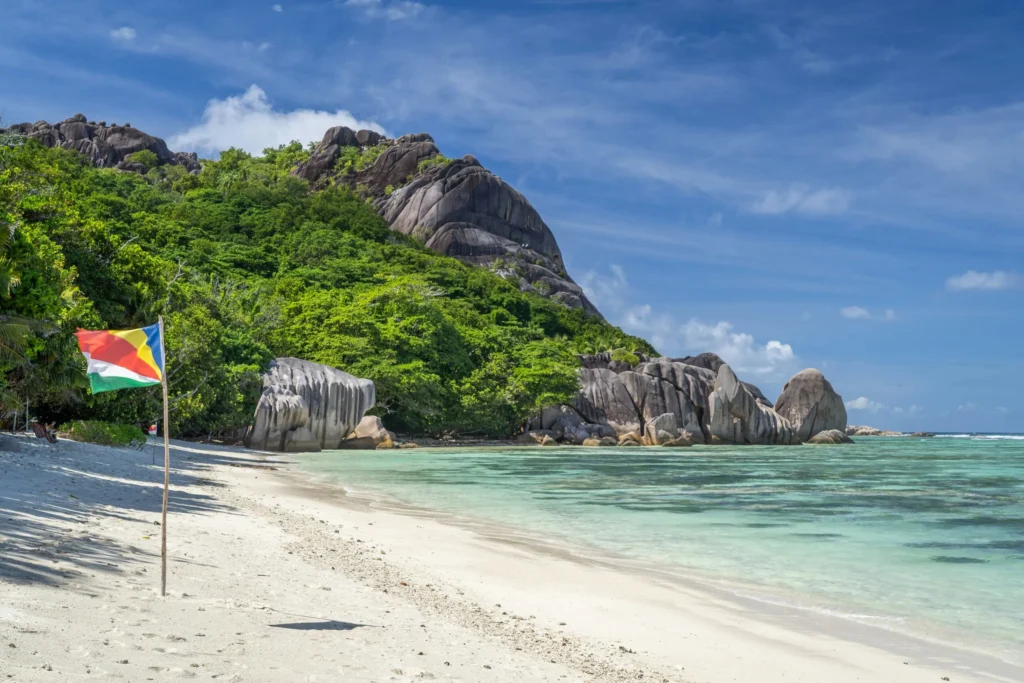
Fewer crowds on iconic beaches. Enjoy Anse Source d’Argent without jostling for the perfect photo.
Lower prices on luxury resorts. Score significant savings on high-end villas and overwater bungalows .
Calmest seas for swimming. The northwest monsoon brings glassy waters ideal for snorkeling .
Lush, vibrant green landscapes. The tropical rains transform the islands into an emerald paradise .
Perfect surfing conditions. The southern hemisphere swells create world-class waves for experienced surfers .
Intimate giant tortoise encounters. Explore Curieuse Island with fewer people disturbing the gentle giants .
Shoulder Season
Your Smartest Windows
April to May
October to November
Avoid: Christmas and New Year (mid-Dec to early Jan) – Prices spike and beaches fill with international holiday travelers .
What the Sky Does
Average temperatures range from 24°C to 30°C (75°F to 86°F) .
April to May: Transition from wet to dry. Humidity drops, winds calm down, and rain becomes less frequent .
October to November: Transition from dry to wet. The ocean is still warm, and the air is fresh after short, sharp showers .
Expect brief, tropical downpours that usually pass quickly, followed by strong sunshine.
How Empty It Feels
30-40% fewer tourists compared to the peak dry season (June-August) .
Major attractions (Vallée de Mai, Anse Lazio) are “relaxed” rather than “busy” .
Praslin & La Digue: Feel genuinely local and sleepy, rather than overrun with day-trippers.
Benefit: You can easily find walk-in tables at top beachfront restaurants without a reservation.
What You’ll Save
Flights: 15-25% cheaper than peak July rates.
Hotels: Luxury resorts offer 30-50% discounts compared to December prices .
Car Rental: Availability is high, and rates drop by roughly 20% .
Dining: No “peak season surcharge” at many independent beach shacks and Creole restaurants.
The Secret Perk
Bioluminescent Plankton: Watch the water glow at night on Beau Vallon beach (often visible during calm seas in April/Oct).
Nesting Birds: October is a prime time for spotting migratory birds arriving on the islands .
Perfect Diving Visibility: Calm seas post-April offer underwater visibility of up to 30 meters .
Golden Hour Magic: Lower humidity means less haze, resulting in spectacular sunrise/sunset colors .
The Tiny Trade-Off
Unpredictable showers: You might get an hour of heavy rain, but it usually clears up quickly.
Seaweed accumulation: Some eastern beaches may experience natural seaweed build-up, especially during the transition.
Higher humidity in May: As you move closer to the dry season, humidity rises before the trade winds kick in.
Limited hiking conditions: Trails can be muddy and slippery following recent rainfall.
Smart Traveler Tip
Focus on the West & North coasts. During the early shoulder (Oct-Nov), winds shift; staying on the leeward side guarantees calmest seas.
April is usually the sweet spot: The heavy rains have just stopped, but the peak season crowds haven’t yet arrived .
Book ferries in advance: While hotels are empty, inter-island ferries can still fill up on weekends with locals.
Deep Off-Season
Your Smartest Windows
Focus on the West & North coasts. During the early shoulder (Oct-Nov), winds shift; staying on the leeward side guarantees calmest seas.
April is usually the sweet spot: The heavy rains have just stopped, but the peak season crowds haven’t yet arrived .
Book ferries in advance: While hotels are empty, inter-island ferries can still fill up on weekends with locals.
What the Sky Does
Hot & Humid: Temperatures hover around 28-32°C (82-90°F) with high humidity .
Northwest Monsoon: Expect short, heavy tropical thunderstorms, often occurring overnight or early morning.
The “Trade Wind Shift”: This is the wet season, but you still get 5-7 hours of sunshine per day.
Water Temperature: The sea is incredibly warm (around 29°C / 84°F), making swimming a bath-like experience .
How Empty It Feels
50-60% fewer tourists than peak season. This is the lowest tourist traffic of the year.
Beaches: You will likely have stretches of sand completely to yourself, even on Mahé.
Vallée de Mai: Feels like a private rainforest expedition rather than a tourist trail.
La Digue: The pace of life slows down to a crawl; very quiet outside of the main jetty area.
What You’ll Save
Total Trip Cost: Potentially 40-60% less than a trip in August.
Flights: The lowest airfares of the year (excluding holiday weeks) .
Hotels: “Lowest Prices” or “Very Low Prices” for 5-star resorts, often with free upgrade offers .
Tours: Private boat charters are negotiable, as operators want to fill seats.
The Secret Perk
Surfing Season: January to March offers the best consistent swells for experienced surfers on the southern coasts .
Creole Festival (usually Oct/Nov): If you hit November, you might catch vibrant local music and food festivals .
Turtle Hatching: While nesting is earlier, you can often spot late-stage hawksbill turtle hatchlings scrambling to the sea.
Hotel Room Upgrades: With low occupancy, receptionists are much more willing to upgrade you to a better view for free.
Authentic Interactions: Locals have more time to chat without the stress of serving hordes of tourists.
The Tiny Trade-Off
Mosquitoes: Higher humidity means more mosquitoes; strong repellent is essential .
Rough Seas (West): The northwest monsoon can make the sea choppy on the western coasts of Mahé.
Boat Trip Cancellations: Speedboat transfers between far islands might be delayed or rougher than usual .
Overcast Days: You might get 2-3 consecutive days of grey skies, though rarely all-day rain.
Smart Traveler Tip
Go for the “All-Inclusive” deals. During deep off-season, many resorts drop prices significantly on meal plans to attract guests.
Pack a light rain jacket and water-resistant phone case. You will likely get caught in one sudden downpour.
February is usually the quietest month (lowest visitor arrivals) for the ultimate Robinson Crusoe experience.
Stick to the south & east for calmer seas during this monsoon (the opposite of the dry season rule).
Find Off-Peak Flights
Top Off‑Season Stays
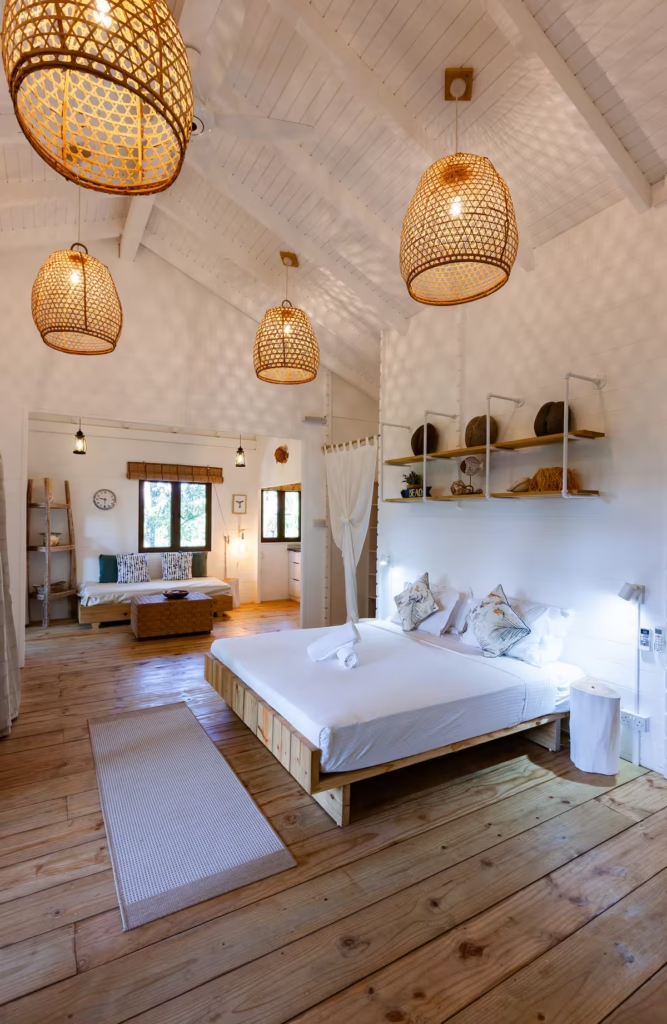
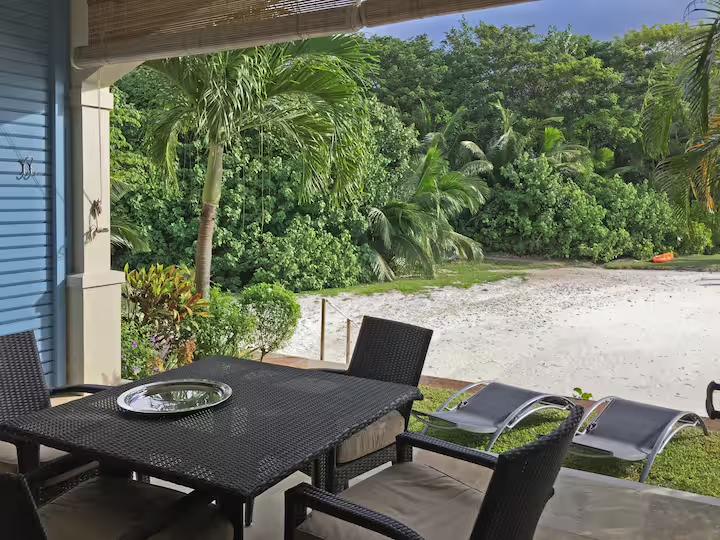
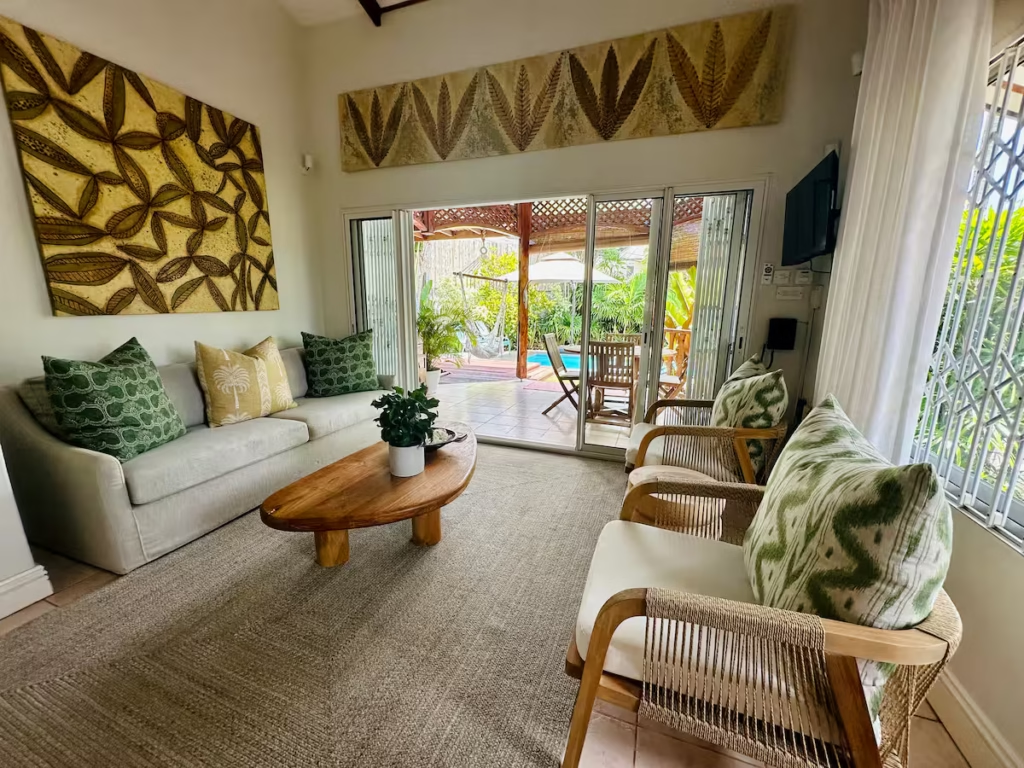
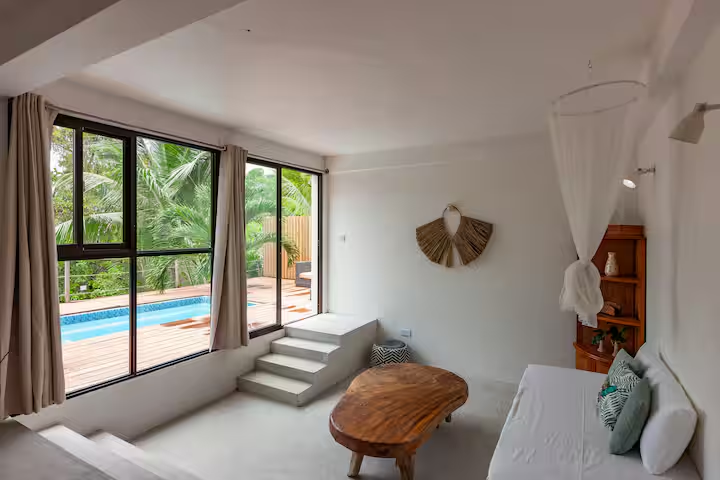
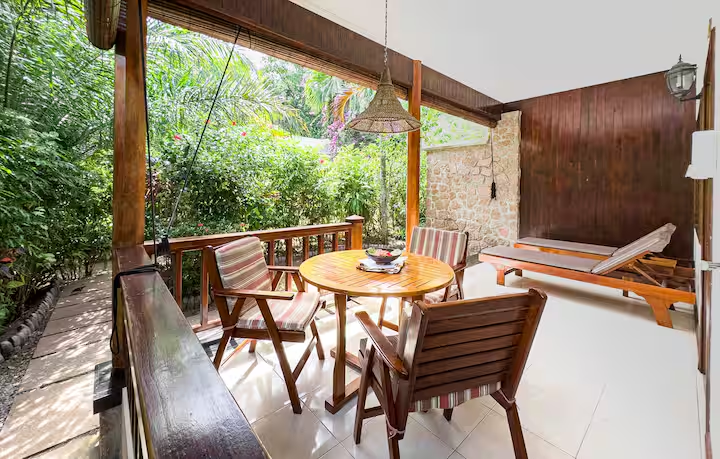
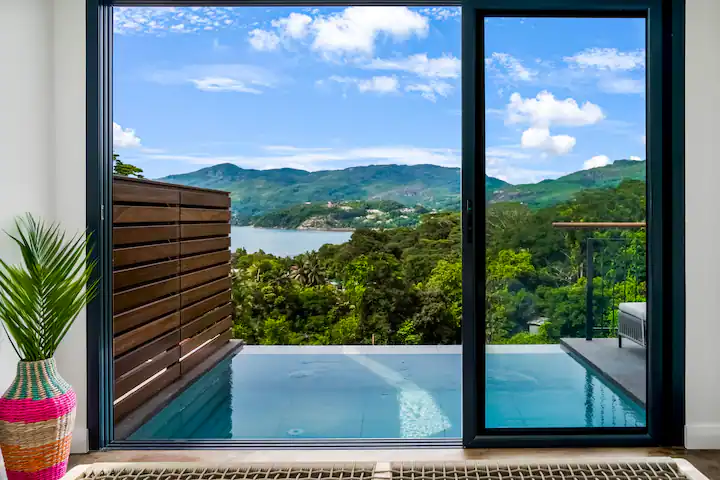
Find below our curated selection of boutique hotels and design apartments that offer exceptional value, atmosphere, and comfort during the off‑season — often at significantly lower rates than peak months.
Uncrowded Experiences & Tours
Skip the lines and experience iconic landmarks at your own pace. Discover curated local tours and cultural activities designed to show you the authentic side of the destination without the peak-season rush.
FAQs
Essential Trip Information
Visa and Entry Requirements
All nationalities should consult the official Seychelles Immigration website for up-to-date visa and entry requirements: https://www.ics.gov.sc
Visa-free entry for most nationalities, but Visitor’s Permit is issued on arrival for up to 30 days (extendable).
Must present: Valid passport (minimum 6 months validity), proof of accommodation, return or onward ticket, and sufficient funds (~US$150/day).
Online Health Travel Authorization (HTA) required before arrival. Apply at least 72 hours in advance.
Currency
The official currency is the Seychellois Rupee (SCR).
Best Ways to Handle Currency
Before Your Trip: Exchange a small amount to SCR; avoid converting large sums at home (poor rates).
During Your Trip: Use ATMs at banks (Barclays, MCB); Visa and Mastercard are accepted in hotels, larger shops, and restaurants.
Cash is essential for local guesthouses, island ferries, and market stalls.
What to Avoid: Airport exchange counters (low rates), and using foreign currency in shops (legally not allowed in most cases, though some may accept USD or EUR).
Language
Creole (Seselwa) is the native language.
English and French are both official and widely spoken.
Helpful phrases:
- “Bonzour” – Good morning
- “Mersi” – Thank you
- “Kot ou alé?” – Where are you going?
Safety and Security
Generally very safe, with low crime levels.
Petty theft can happen – don’t leave valuables unattended at the beach.
Avoid walking in isolated areas at night alone.
Emergency number: 999 (police), 151 (ambulance)
Health & Insurance
No vaccines required for entry (unless arriving from a yellow fever area).
Bring mosquito repellent – dengue can occur.
Travel insurance recommended – healthcare can be costly and limited.
Pharmacies available on Mahé and Praslin. Tap water may be safe in urban areas, but bottled water is recommended.
Transportation
Inter-island ferries: Regular services between Mahé, Praslin & La Digue (~US$15–60).
Domestic flights: Mahé to Praslin (15 mins, ~US$100–150 round trip).
Car rental on Mahé & Praslin: Best for flexibility; drive on the left.
Buses: Reliable and cheap, though limited service at night.
Bikes: Ideal for exploring La Digue.
Price Level
Seychelles is generally expensive, especially on resort islands. However, budget options exist on Mahé, Praslin, and La Digue.
Accommodation
Budget: Guesthouses & self-catering (~US$60–120/night)
Mid-range: Boutique hotels & B&Bs (~US$150–250/night)
Luxury: High-end resorts & private islands (US$400+/night)
Food
Takeaway Creole stalls: ~US$5–10
Casual restaurants: ~US$15–30/person
Fine dining/resorts: ~US$60+/person
Drinks
Beer (local): US$3–5
Cocktails: US$10–15
Water bottle: US$1–2 (tap water not always recommended)
Transportation
Bus (Mahé & Praslin): ~US$0.50/ride
Taxi: Expensive – minimum fare ~US$15–20
Bicycle rental (La Digue): ~US$8–12/day
Car rental: ~US$40–60/day
Money-Saving Tips
Stay in guesthouses – many include meals.
Use public buses (cheap and scenic).
Eat at “Takeaway” stalls or shop in local supermarkets.
Choose non-resort beaches – most are public and free.
Planning Your Trip
Local Customs And Etiquette
Greetings: A friendly “Bonjour” (French) or “Hello” (English) is appreciated.
Dress Code: Swimwear is for beaches only—cover up in towns/villages.
Tipping: 10% is customary in restaurants if service isn’t included.
Nature Respect: Do not touch wildlife (turtles, giant tortoises).
Slow Pace: Island time is real—patience is key for service.
Budgeting For Your Trip
Accommodation: Guesthouses (US$80–150), mid-range (US$200–400), luxury (US$600–2000+).
Food: Takeaway “snacks” (US$5–8), casual meals (US$12–25), resort dining (US$40+).
Transport: Inter-island ferry (US$15–50), car rental (US$50/day), taxi (US$20 avg per trip).
Activities: Beach is free; nature parks and reserves charge US$10–25. Diving trips ~US$80–150.
Daily Budget:
Budget: US$100–150 (guesthouse, local food, buses/ferries).
Mid-range: US$200–350 (hotel, mix of dining, rentals, excursions).
Luxury: US$500+ (resorts, fine dining, private tours).
Internet & Mobile
Wi-Fi: Free at most hotels, but can be slow on remote islands.
SIM Cards: Cable & Wireless or Airtel at Mahé airport (~US$20 for 10GB data).
eSIM: Available through Airalo or Nomad for coverage across islands.
Travel Insurance
Highly recommended for:
- Medical emergencies (no public healthcare for tourists).
- Flight/ferry delays—weather can disrupt transport.
- Lost luggage or gear (especially for divers/photographers).
Check if your policy covers activities like scuba diving or sailing.
Emergency evacuation may require airlift—coverage is crucial.
Accomodation Options
From eco-lodges to ultra-luxury resorts, Seychelles caters to all budgets.
Luxury Resorts:
- Four Seasons, Raffles, or Six Senses (US$800–2,000/night, private beaches).
- Villas with ocean views (US$400–1,000/night, great for groups).
Mid-Range:
- Beachfront guesthouses (US$150–300/night, common on La Digue).
- Boutique hotels (US$200–400/night, e.g., Le Domaine de L’Orangeraie).
Budget:
- Self-catering apartments (US$80–150/night, especially on Mahé).
- Hostels are rare—opt for small family-run lodges.
Tip: Stay on multiple islands—Mahé for convenience, La Digue for charm.
Getting Around
The islands are small but require planning due to limited public transport.
Domestic Flights:
- Air Seychelles connects Mahé, Praslin, and La Digue (15–30 min flights, ~US$100–200 roundtrip).
- Helicopter transfers available for luxury stays (US$500+).
Ferries:
- Cat Cocos (Mahé–Praslin, ~1 hour, US$60–80 roundtrip).
- Inter-Island Ferries (Praslin–La Digue, ~15 min, US$20–30 roundtrip).
Buses (Mahé & Praslin):
- Cheap (US$0.50–1 per ride) but infrequent—check schedules.
Car Rentals:
- Recommended for Mahé & Praslin (US$50–80/day). Drive on the left!
- No cars on La Digue—bikes or ox-carts only (US$10–15/day).
Taxis:
- Expensive (US$30–50 for short trips). Negotiate fares beforehand.
Tip: Pre-book inter-island ferries in peak season to avoid sell-outs.