 Skip to content
- Why Is Visiting Morocco In Summer Considered Off-Season For Some Travelers?
Because savvy travelers know to "Exploit Travel Seasonality" by avoiding the interior heat. While July and August are peak season on the cool Atlantic coast, cities like Marrakesh, Fes, and the Sahara Desert see tourist numbers drop by nearly 50% as temperatures soar above 40°C (104°F). The drawdown is real: afternoons can feel like a hairdryer, making midday sightseeing uncomfortable.
However, this is when you unlock discounts of 30-50% off luxury riads and desert camps that would cost a fortune in spring. The secret is to embrace the local rhythm: swim in hotel pools during peak heat, explore medinas at dawn and dusk, and sleep under the stars in the desert where nights are surprisingly cool.
- Are The Crowds Really Smaller During Morocco's Winter Months?
Absolutely. From December through February, Morocco experiences its true low season for international tourism, with 60-80% fewer tourists wandering the souks and monuments compared to spring and autumn. The drawdown is that the Atlas Mountains receive snow (which actually looks stunning), and coastal cities like Essaouira can be windy and chilly for swimming.
But here is the magic: you will have the narrow alleyways of ancient medinas almost to yourself, haggle harder with artisans desperate for winter sales, and enjoy cozy evenings by a riad fireplace. Winter also offers the clearest skies for photographing the Sahara dunes.
- How Do Percentage Discounts Change During Morocco's Low Season?
You can expect dramatic savings across almost everything. Hotels and riads commonly offer discounts of 30-60% off their peak season rates from June to August (inland) and December to February (coastal). Even luxury desert camps reduce prices by nearly half, allowing you to book a premium tent with ensuite bathroom for the price of a basic one.
The only drawdown is that some restaurants in tourist-heavy squares may close for renovation or staff holidays, and a few coastal resort pools might be too cold for swimming. However, your travel budget stretches so much further that you can easily afford extra experiences like a cooking class or private guide
- Will The Weather Ruin My Sahara Desert Trip Off-Season?
No, but you need to pack wisely. Visiting the Sahara during winter (December to February) means freezing nights that can drop to near 0°C (32°F), while summer visits (July to August) bring scorching days above 45°C (113°F). The drawdown is that sandstorms are slightly more common in spring and late autumn, potentially affecting camel trekking.
However, the rewards are extraordinary. Winter offers crystal-clear stargazing with zero humidity and the chance to wake up to frost-dusted dunes. Summer provides spectacular sunsets over an empty desert since most tourists flee the heat. Either way, you get 40-70% fewer tourists than during the March-to-May peak season.
- Is Morocco Worth Visiting During Ramadan If I Want Fewer Crowds?
Yes, but with important caveats. During Ramadan, tourist numbers drop by roughly 50-70% outside of major cities, and you will find deep discounts of 20-40% on hotels as domestic travel slows. The drawdown is that many local restaurants close during daylight hours, and some shopkeepers may be tired or less patient with tourists.
That said, this is a uniquely authentic experience. You will witness nightly celebrations, feast at spectacular iftar dinners, and enjoy eerily quiet medinas during the day. Just pack snacks for daytime excursions and show respect by not eating publicly. It is the ultimate way to "Exploit Travel Seasonality" for cultural immersion

Home > Exploit The Seasons > Seasonal World Map > Africa > Morocco
MOROCCO
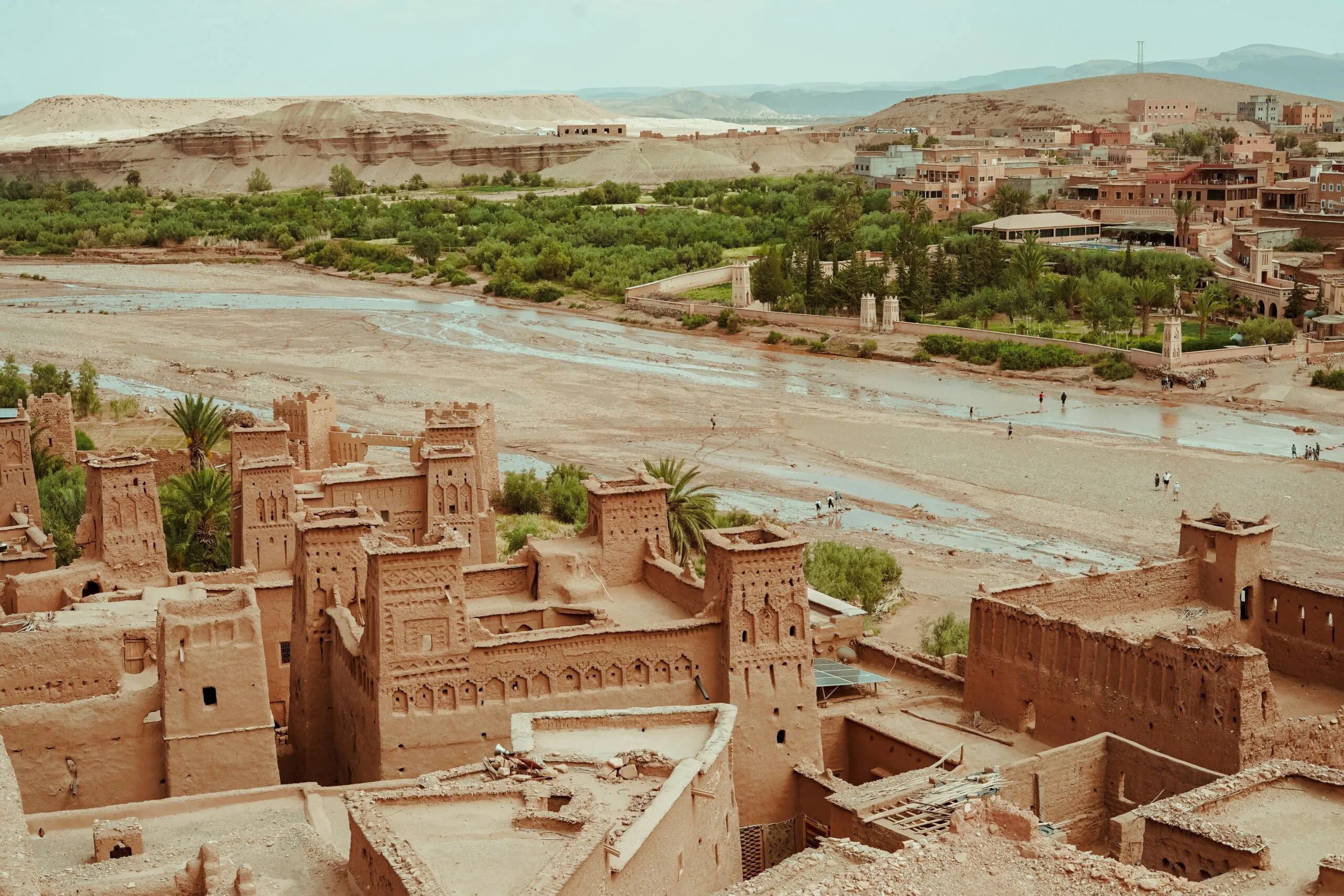
From the snow-dusted Atlas Mountains to sun-scorched Sahara dunes, Morocco shifts dramatically with the seasons. Skip the crowded medinas and discover authentic hospitality, pleasant temperatures, and incredible value during the smartest travel windows.
Smart Travel Calendar
Why Choose Morocco Off-Season?
Skip the medina madness. Explore Marrakech and Fes without shoulder-to-shoulder crowds.
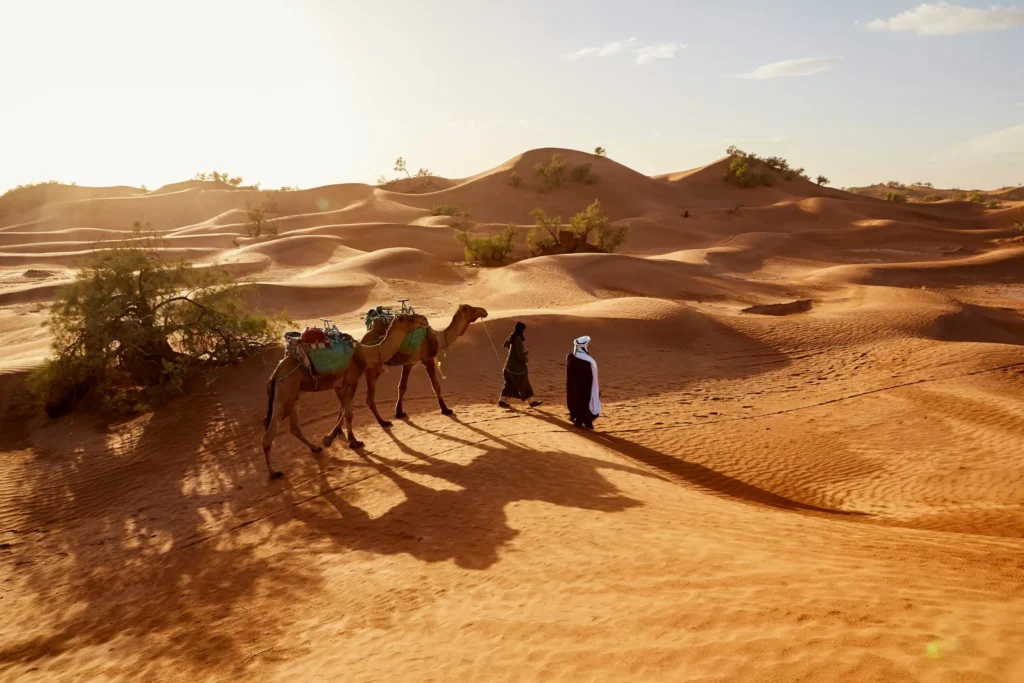
Sleep in a Sahara camp for less. Winter nights are cold but empty dunes feel priceless.
Hike without sweating buckets. Spring and autumn offer perfect trekking temperatures.
Haggle from a position of power. Fewer tourists mean riad owners actually want your business.
Watch real life unfold. Eat where locals eat when school is in session and tourists are gone.
Photograph magic light. Low sun angles paint golden hours over kasbahs and coastlines.
Shoulder Season
Your Smartest Windows
March to May
September to November
Avoid: The last week of December (Christmas/New Year’s), mid-March to mid-April (European Easter school holidays), and the first week of April (spring break crowds). Also avoid the week of Eid al-Adha (dates shift yearly) – domestic travel spikes massively.
What the Sky Does
Typical weather: 18°C to 28°C (64°F to 82°F) – warm days, cool nights.
March & November: One week of rain possible, especially near Tangier and Chefchaouen.
April & October: The sweet spot – no rain, no heat, just golden light everywhere.
Desert nights: Sahara temperatures drop to 8°C (46°F) in March/November – pack layers.
How Empty It Feels
40-50% fewer tourists compared to July/August peak season.
Marrakech’s Jemaa el-Fnaa: Busy but breathable – you’ll find a table at sunset food stalls.
Chefchaouen: Those famous blue streets are actually photogenic without photo-bombers.
Sahara dunes: Only 3-4 other groups at camp instead of 20 – pure silence at sunrise.
What You’ll Save
Flights down 30-40% – especially from Europe. Hotels drop 35-50% versus Christmas.
Private driver/4×4 rental: 25% off high-season rates – or haggle easily on arrival.
Attractions: No queues at Jardin Majorelle or Hassan II Mosque – just walk in.
Dining: Riad dinners often include free mint tea and a bread course instead of upcharging.
The Secret Perk
Rose Festival in El Kelaa M’Gouna (early May) – entire valleys smell like petals.
Valley of Roses in full bloom – pink carpets between Atlas peaks (late April to May).
Argan harvest season (September–October) – watch Berber women crack nuts fresh.
Soft golden light at sunset – Kasbahs glow amber, no heat haze over the dunes.
Locals actually chat with you – shopkeepers offer tea without pressure to buy.
The Tiny Trade-Off
March can be windy – Sahara dust storms sometimes reduce visibility for a day.
November brings early darkness – sunset before 5:30 PM means shorter sightseeing days.
Fewer coastal crowds also means… Essaouira’s windsurfing schools reduce lesson times.
Eid al-Adha week (varies) – many family-run riads and shops close for 3-5 days.
Smart Traveler Tip
For best of everything: Book last week of April or first two weeks of October – 25°C (77°F), zero rain, and school is in session everywhere.
Avoid the first week of November – European autumn break crowds spike prices briefly.
Book desert camps by email – shoulder season means you can negotiate half-price luxury tents.
Deep Off-Season
Your Smartest Windows
December to February (excluding Christmas/New Year’s)
Avoid: December 20th to January 5th (holiday peak – prices rival summer). Also avoid the week of Eid al-Fitr (end of Ramadan) – domestic travel chaos and many services closed.
What the Sky Does
Typical weather: 8°C to 18°C (46°F to 64°F) – cold nights, mild-to-chilly days.
Atlas Mountains: Snow above 2,000m – yes, you can ski at Oukaimeden (January–February).
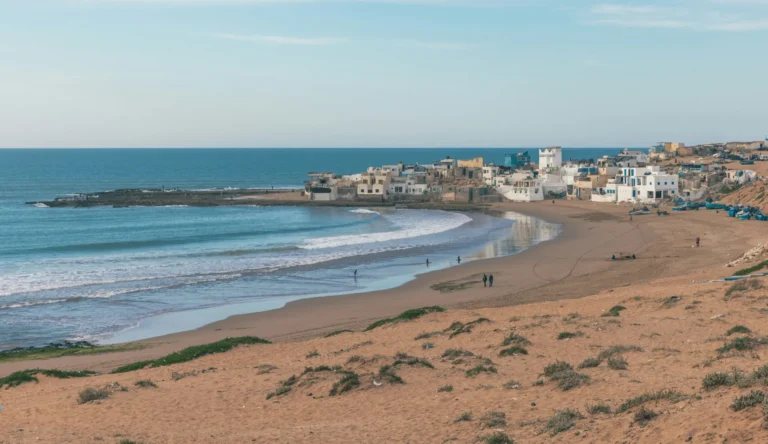
Coastal cities (Essaouira, Agadir): Milder – 15-20°C (59-68°F) but very windy.
Sahara desert: Days are pleasant (15-20°C / 59-68°F), but nights drop to near freezing (0-5°C / 32-41°F). Rain is rare except December in the north.
How Empty It Feels
60-70% fewer tourists than July/August – Morocco feels like it belongs to Moroccans.
Marrakech’s souks: You’ll be the only tourist in entire alleys – shopkeepers will remember you.
Historic sites (Ben Youssef Madrasa, Volubilis): Often just you and the guard – pure silence.
Small towns like Moulay Idriss: Zero tourist crowds – you’ll eat at local bakeries for $1.
What You’ll Save
60-70% savings on mid-range riads versus Easter week or Christmas.
Flights from Europe: Often under $50 round-trip on budget carriers (Ryanair, EasyJet).
Car rental: 50% off summer rates
The Secret Perk
Cozy up by a riad fireplace – mint tea, a blanket, and a good book while rain patters on the courtyard fountain.
Skiing in Africa – Oukaimeden ski station (January–February) is quirky, cheap, and unforgettable.
Ramadan evenings (dates shift yearly) – if you travel during Ramadan (deep off-season pricing), experience nightly feasts, drummers, and genuine local generosity after sunset.
Argan oil pressing season continues – December is still prime for watching the whole process in cooperatives without crowds.
You become a guest, not a customer – shopkeepers invite you home for couscous because they’re genuinely curious.
The Tiny Trade-Off
Beach towns (Essaouira, Taghazout) are cold and windy – swimming is for polar bears only.
Nightlife dies completely – rooftop bars close early or move indoors; clubs in Marrakech feel deserted.
Some desert camp companies pause operations in January (too cold) – always confirm before booking.
Daylight is short – sunrise after 8 AM, sunset before 5:30 PM – plan one main sight per afternoon.
Smart Traveler Tip
Best month for value + tolerable cold: February – still 70% off peak prices, but days are noticeably longer and sunnier than December.
Pack like an onion: Thermal base layer, fleece, windproof jacket – and a beanie for Sahara nights.
For the mildest deep-off season: Agadir and coastal areas stay 18-20°C (64-68°F) – but pack a windbreaker.
Avoid the week before and after Ramadan starts – unpredictable business closures and tired locals.
Find Off-Peak Flights
Top Off‑Season Stays
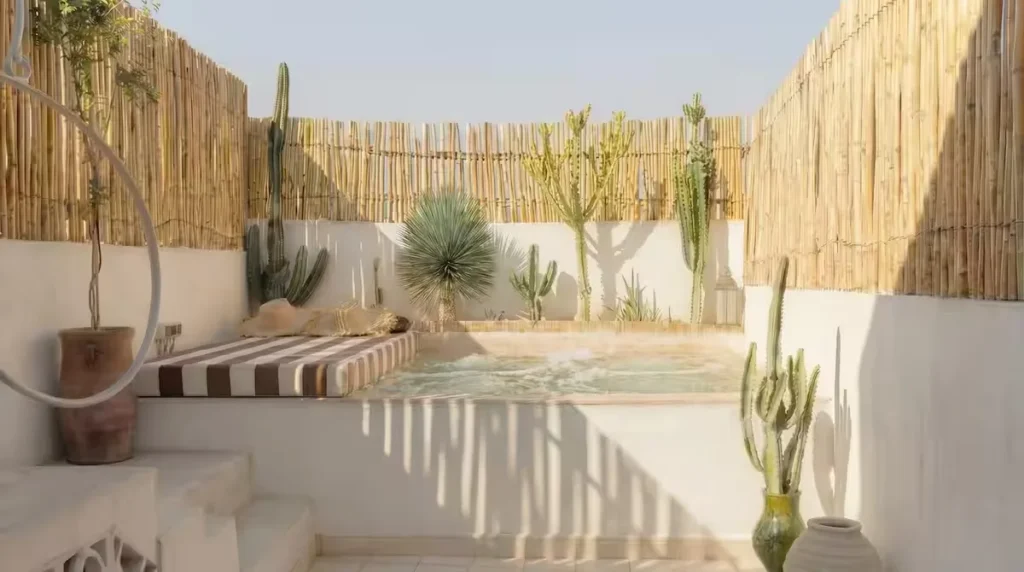
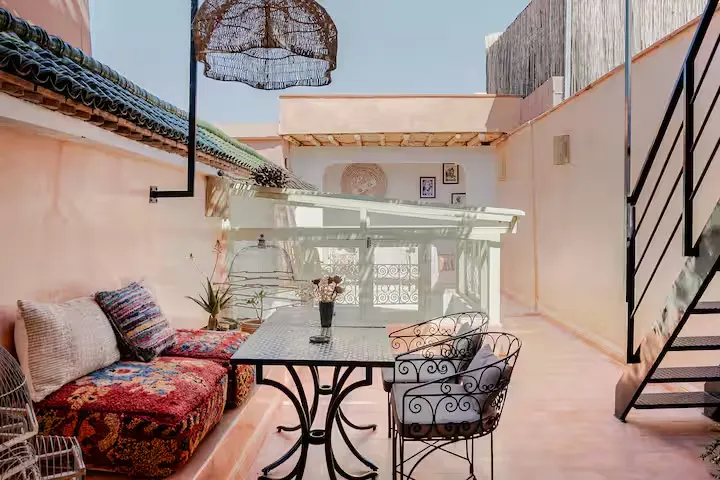
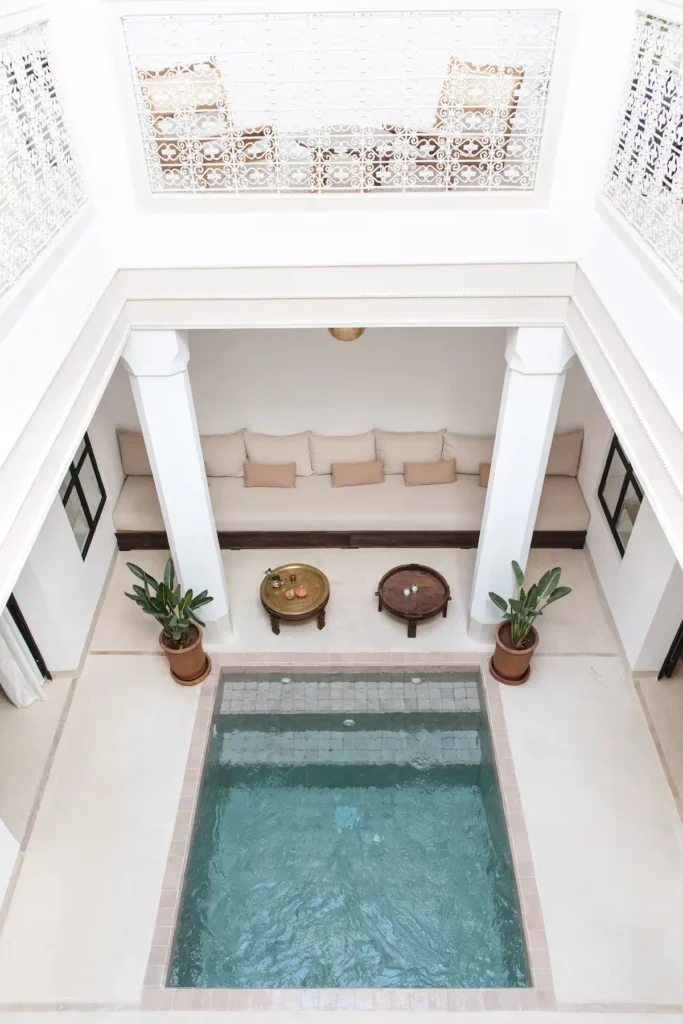
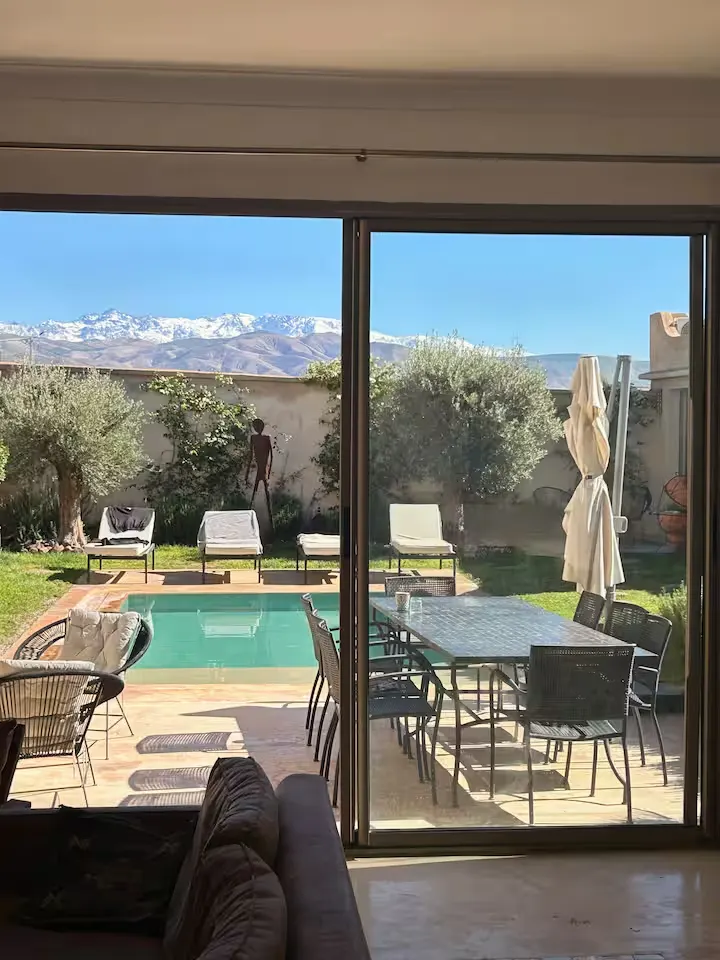
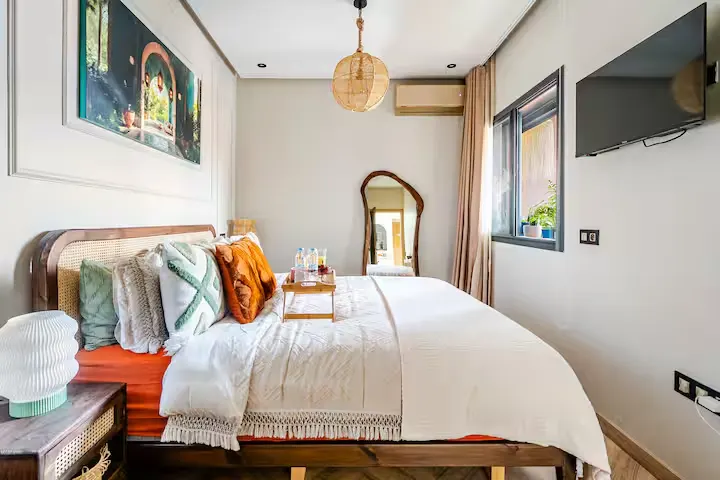
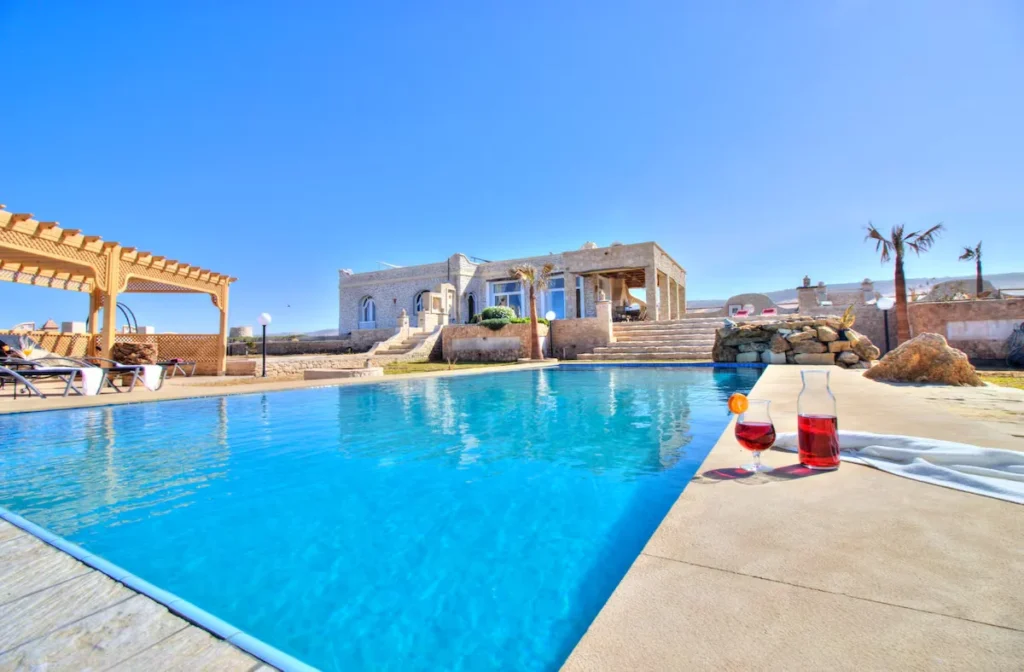
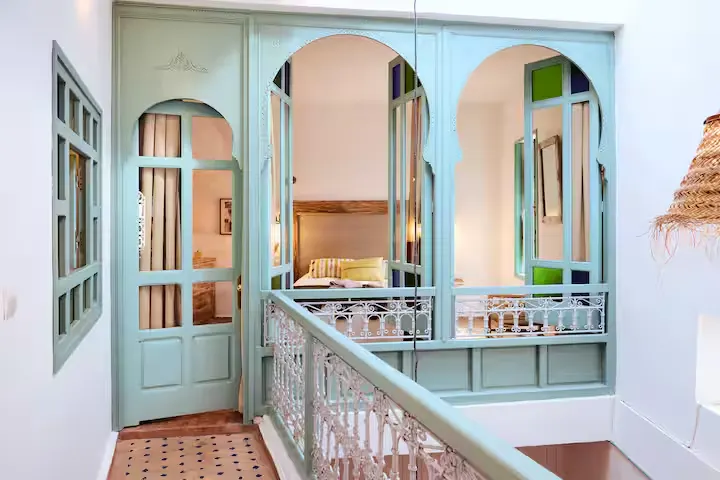
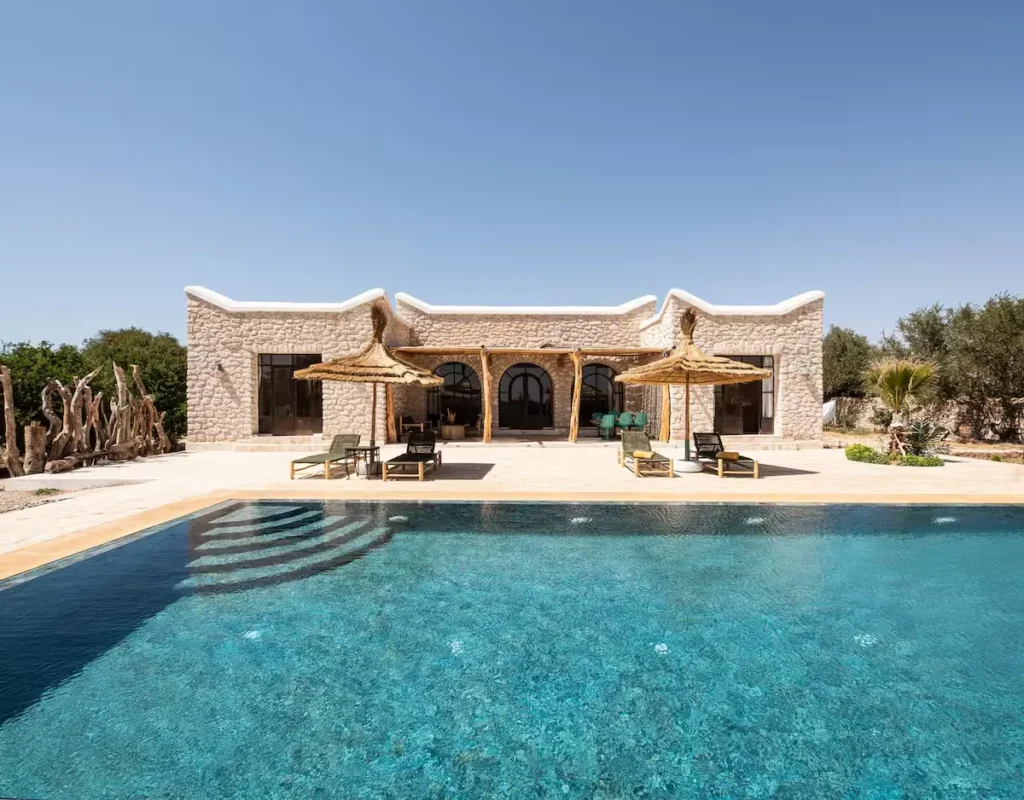
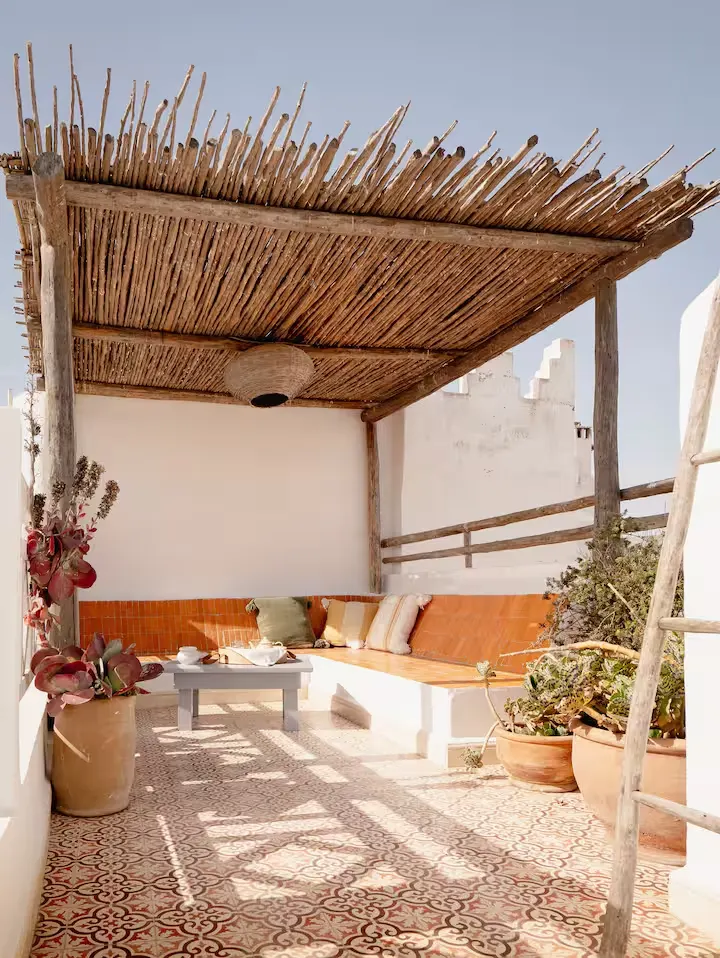
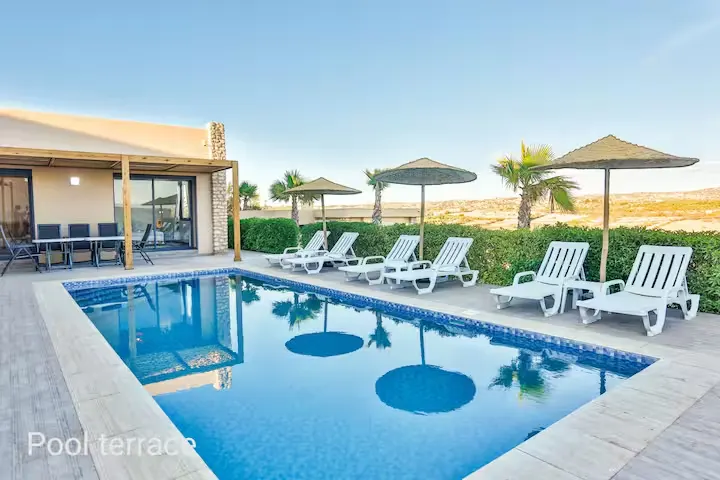
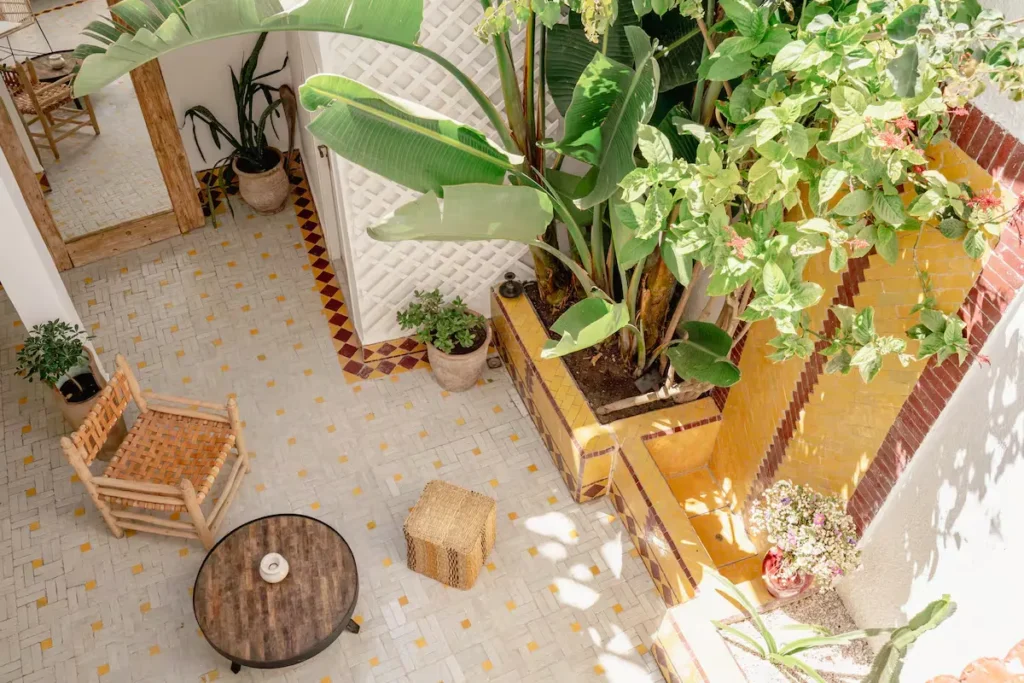
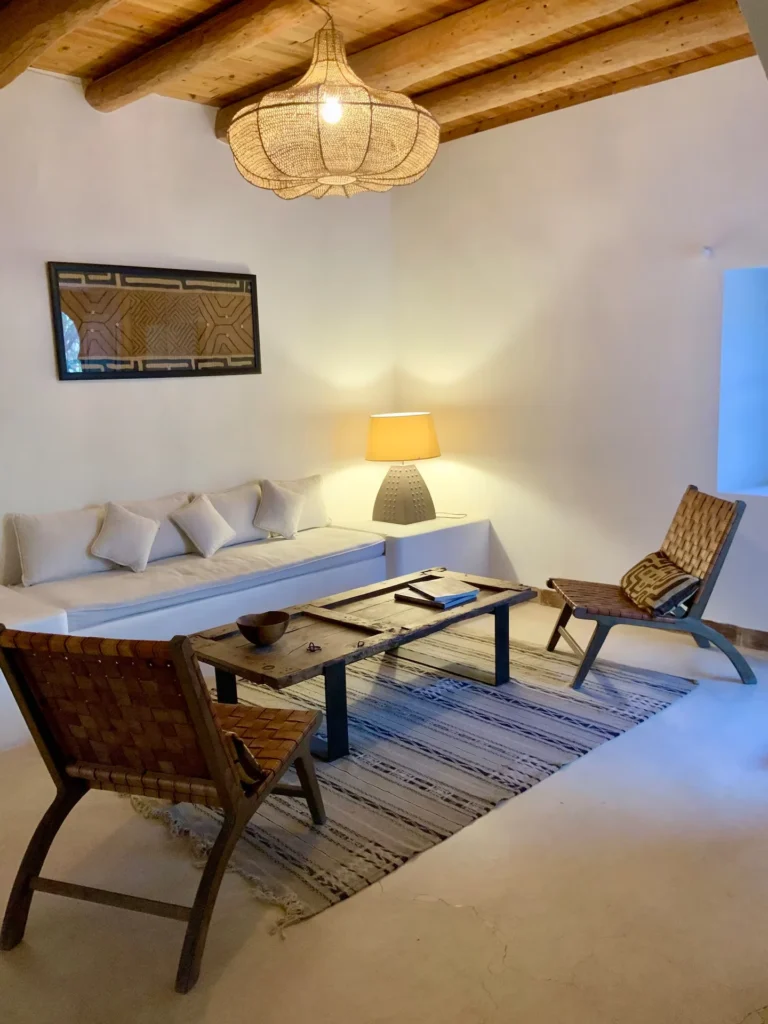
Find below our curated selection of boutique hotels and design apartments that offer exceptional value, atmosphere, and comfort during the off‑season — often at significantly lower rates than peak months.
Uncrowded Experiences & Tours
Skip the lines and experience iconic landmarks at your own pace. Discover curated local tours and cultural activities designed to show you the authentic side of the destination without the peak-season rush.
FAQs
Essential Trip Information
Visa and Entry Requirements
Citizens of over 70 countries (including the U.S., EU, UK, Australia, Canada) can enter visa-free for up to 90 days.
Passports must be valid for at least six months beyond your intended stay.
Onward or return tickets and proof of accommodation may be requested at entry.
E-visa applications are available for select countries via the official site.
Currency
Morocco uses the Moroccan Dirham (MAD). Approximate conversion: 1 USD = 10 MAD.
Best Ways to Handle Currency
Before Your Trip: Exchange a small amount; rates are often better locally.
During Your Trip: Use ATMs at major banks (BMCE, Attijariwafa). Credit cards are accepted in hotels and high-end restaurants, but carry cash for souks and taxis.
What to Avoid: Unofficial money changers and airport exchange counters (high fees).
Language
Arabic and Amazigh are official languages. French is widely spoken, especially in cities.
Helpful phrases:
- “Salam Alaikum” – Hello
- “Shukran” – Thank you
- “Kam thamanu?” – How much?
Safety & Security
Morocco is generally safe, especially in tourist zones.
Watch for petty theft in crowded markets (souks), train stations, and medinas.
Avoid unlit or deserted areas late at night.
Emergency number: 19 (police), 15 (ambulance)
Health & Insurance
No vaccinations required unless arriving from a yellow fever zone.
Tap water isn’t recommended—drink bottled water.
Pharmacies are widespread and offer basic medications.
Travel insurance is highly recommended.
Transportation
Trains (ONCF): Reliable and scenic—best for long distances.
Taxis: Petit taxis for local travel (different colors by city); Grand taxis for intercity shared rides.
Buses: Supratours and CTM are reputable.
Driving: Roads are good, but signage can be limited in remote areas.
Walking: Medinas are often car-free and best explored on foot.
Price Level
Morocco is generally affordable, especially outside tourist hotspots like Marrakech.
Accommodation
Budget: Hostels/guesthouses (US$20–50/night)
Mid-range: Riads, 3-star hotels (US$60–120/night)
Luxury: Boutique riads, 4–5 star hotels (US$150+/night)
Food
Street food & local cafés: US$3–8
Mid-range restaurants: US$10–25/person
Fine dining: US$40+/person
Drinks
Mint tea: US$0.50–2
Coffee: US$1–3
Alcohol (limited availability): Beer US$4–6, Wine US$10–20/glass in licensed venues
Transportation
Taxis (short trips): US$1–5 (negotiate or use the meter)
Intercity buses (e.g., CTM, Supratours): US$5–25
Trains (ONCF): Casablanca–Marrakech US$12–20
Petit taxi city rides: US$1–3
Camel rides in the desert: US$20–40/hour
Money-Saving Tips
Eat at local restaurants (called “snacks”) for hearty and cheap meals.
Use train and bus networks for efficient intercity travel.
Visit free attractions like souks and public gardens.
Planning Your Trip
Local Customs And Etiquette
Greetings: Handshakes are standard. Use your right hand and avoid overly familiar gestures.
Dress modestly: Especially in rural areas—cover shoulders and knees.
Photography: Always ask before taking someone’s photo.
Ramadan: Many businesses close during the day. Avoid eating/drinking in public.
Tipping: 10–15% in restaurants, US$1–2 for small services (guides, hotel porters).
Bargaining: Expected in souks—start at 50% of the initial price and haggle politely.
Hospitality: If offered tea, it’s polite to accept—declining can seem rude.
Budgeting For Your Trip
Accommodation:
- Hostels (US$10–25), mid-range riads (US$60–120), luxury hotels (US$250+).
Food:
- Street food (US$3–6), casual meals (US$8–15), fine dining (US$50+).
- Tagines, couscous, mint tea, and pastries are musts.
Transport:
- Trains/buses (US$5–30), taxis (short rides US$1–3), car rentals (US$40–70/day).
Activities:
- Museums and palaces (US$1–6), desert tours (US$60–150), hammams (US$10–60 depending on style).
Daily Budget:
Budget: US$50–80 (hostels, street food, trains).
Mid-range: US$120–200 (nice riads, guided tours, desert trip).
Luxury: US$300+ (5-star hotels, private guides, fine dining).
Internet & Mobile
Wi-Fi:
- Available in most accommodations and cafes.
- Speeds vary outside major cities.
SIM cards:
- Maroc Telecom, Orange, and Inwi sell prepaid SIMs at the airport or city shops.
- Plans: US$10–20 for 10–20GB data.
eSIMs:
- Supported in Morocco. Airalo and Holafly offer easy digital options for travelers.
Travel Insurance
Highly recommended for medical coverage, especially for rural travel and desert tours.
Healthcare: Public hospitals are basic—opt for private clinics if needed.
Coverage: Ensure your plan includes adventure activities like camel rides, hiking, or surfing.
Lost luggage or delays are common—coverage helps with peace of mind.
Accomodation Options
Morocco offers stunning accommodation experiences—from ornate riads in ancient medinas to luxury desert camps.
Riads:
- Traditional Moroccan homes with inner courtyards.
- Unique, atmospheric, and often reasonably priced.
- Examples: Riad Yasmine (Marrakech), Riad Fes.
Hotels:
- Luxury: Royal Mansour, La Mamounia (US$400+).
- Mid-range: Riad Kniza, Hotel Sahrai (US$100–250).
- Budget: Dar Zaman, Hotel Central (US$40–80).
Desert Camps:
- Sleep under the stars in Merzouga or Zagora. Options range from simple Bedouin tents to luxury lodges (US$60–300/night).
Hostels:
- Found in Marrakech, Chefchaouen, and Fez (US$10–25/night).
- Good for solo travelers and social vibes.
Airbnb:
- Common in major cities. Look for listings in Gueliz (Marrakech), Kasbah (Tangier), or the new town in Fez.
Tip: Choose a riad inside or near the medina, and check for heating/cooling depending on the season.
Getting Around
Morocco has a solid network of trains, buses, and taxis—navigating the country is relatively easy once you get the hang of it.
Trains:
- ONCF trains are comfortable and reliable for popular routes (Casablanca–Rabat–Fez–Tangier).
- First-class seats (US$15–30) are affordable and worth it.
High-speed rail:
- Al Boraq (Tangier–Casablanca): Fast, modern, scenic (2 hours, from US$20).
Buses:
- Supratours and CTM buses connect more remote cities and towns. Air-conditioned and punctual.
- Local buses are chaotic and not recommended for long journeys.
Taxis:
- Petite taxis operate within cities (cheap, metered in larger towns).
- Grand taxis run between towns—shared rides, but you can pay for all seats for comfort.
- Always agree on the fare in advance.
Car rental:
- Useful for exploring the countryside (e.g., the Atlas or desert regions).
- Roads are decent, but signage can be sparse.
Walking:
- Old medinas (Fez, Marrakech) are pedestrian labyrinths.
- Wear comfortable shoes—you’ll walk a lot.